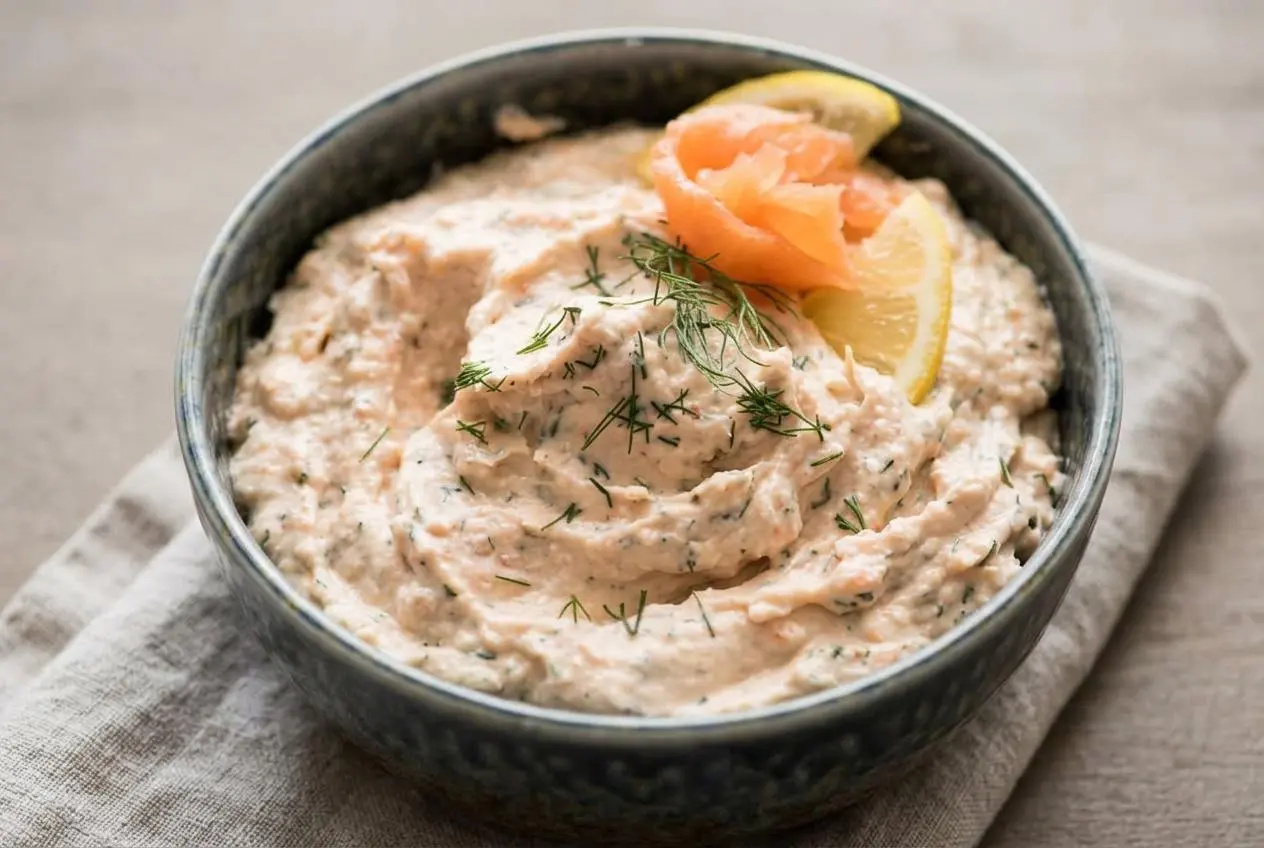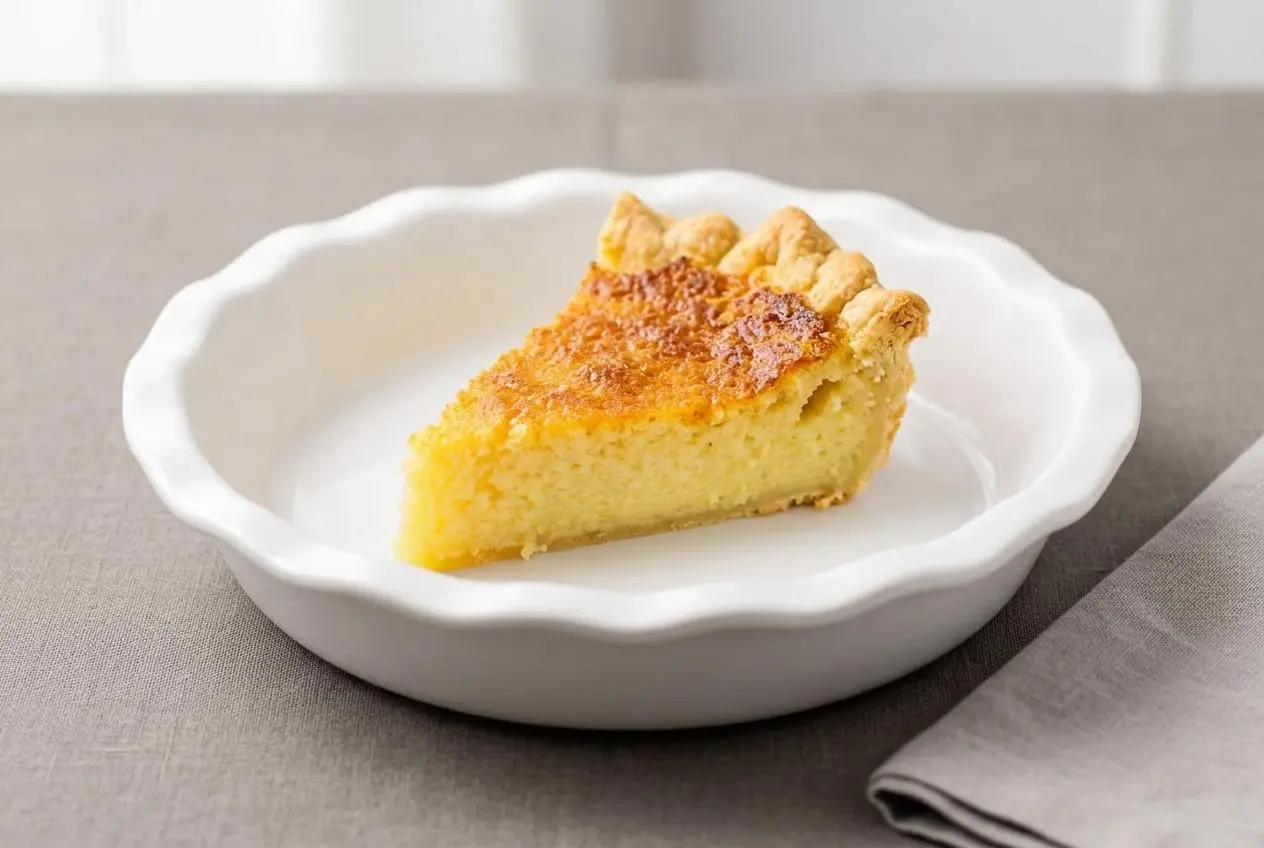
Buttermilk pie is a classic Southern custard pie with a flaky pastry crust and a sweet, tangy filling of butter, sugar, eggs, flour, and cultured buttermilk.
Freshly baked buttermilk pie fills the kitchen with toasted sugar, vanilla, and warm butter. Its filling bakes into a tender custard that slices neatly once cooled, with a faintly golden top and crisp pastry around the edge.
The key is to pull it while the center still has a small wobble, rather than baking until it turns stiff. That gentle jiggle makes all the difference.
Set the eggs, butter, and buttermilk out before mixing so the filling blends smoothly and sets evenly in the oven.
What Does Southern Buttermilk Pie Taste Like?
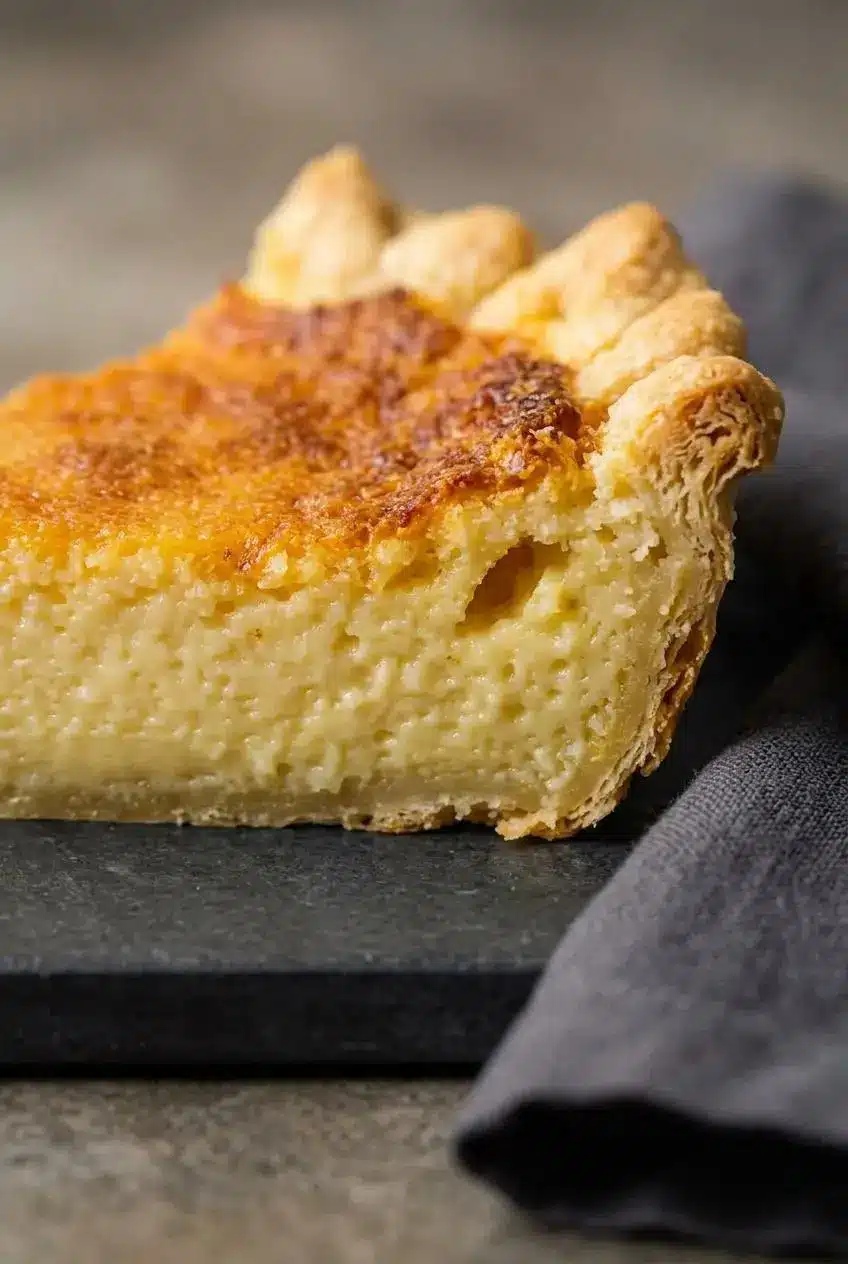
Buttermilk pie tastes like silky vanilla custard with a pleasant cultured tang that keeps the sweetness from becoming heavy. The filling is creamy and smooth, with a soft, satiny texture that lands somewhere between a classic baked custard and a mild cheesecake.
Sugar gives the pie its familiar old-fashioned sweetness, while buttermilk and lemon juice add gentle acidity. Vanilla rounds out those brighter notes with a warm bakery aroma. The pastry crust provides needed contrast: crisp at the edge, tender underneath, and sturdy enough to hold each soft slice.
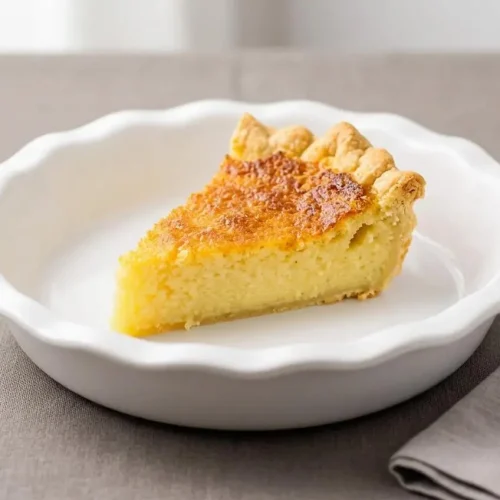
As the pie nears doneness, the top develops a faint golden skin with a subtle sheen. It is not lemon meringue pie, which is brighter and sharper, and it is smoother than a grainier cornmeal-thickened custard.
Buttermilk Pie vs. Chess Pie: What Is the Difference?
Buttermilk pie and chess pie share Southern roots, but their fillings have different personalities. Both are sweet custard pies, yet the dairy and thickener change the final texture.
- Buttermilk pie uses cultured buttermilk for its signature tang and all-purpose flour for a smooth, tender set.
- Chess pie commonly uses cornmeal, which gives the filling a slightly grainier body and a more pronounced sugary crust.
- Acidity differs too. Chess pie often gets brightness from vinegar or lemon, while buttermilk pie gets much of its character from cultured dairy, with lemon juice adding balance.
A chess pie often has a more translucent, crackly-looking top and a dense, sugary finish. Buttermilk pie stays creamier and more custard-like, with a softer tang and a cleaner, silkier bite.
Ingredients for Southern Buttermilk Pie
Each ingredient contributes to the pie’s balance: butter adds richness, eggs create structure, flour supports the custard, and buttermilk and lemon bring brightness to the sweet vanilla filling.
- 1 (9-inch) pastry crust
- ½ cup butter, (softened)
- 1¼ cup sugar
- 3 tablespoons all-purpose flour
- ¼ teaspoon salt
- 3 large eggs
- 1 cup buttermilk
- 1 tablespoon lemon juice
- 1 teaspoon vanilla extract
Softened butter blends smoothly with the sugar, creating a creamy foundation before the eggs and dairy go in. That early mixing helps the finished custard feel even rather than greasy or dense.
Eggs give the filling its sliceable structure, while all-purpose flour gently stabilizes the custard without making it heavy. Use room-temperature eggs and buttermilk so the mixture comes together more evenly. It may look lightly curdled after the buttermilk is added, but that separated look is normal and smooths out as the custard bakes.
Buttermilk brings acidity and body, and full-fat cultured buttermilk gives the filling its richest texture. Lemon juice lifts the dairy flavor, while vanilla softens the tang and ties the sweetness together.
I prefer full-fat buttermilk here because its richer texture gives the cooled custard a more velvety, settled slice.
How to Make Buttermilk Pie
A rimmed baking sheet makes this pie easier to transfer and catches any filling drips before they reach the oven floor. Use a deep-dish 9-inch crust if possible, since the custard rises close to the rim before it settles.
- Beat the softened butter with the sugar in a large mixing bowl until the mixture looks pale and creamy.
It should lose the look of dry sugar and become smooth, which gives the custard a lighter texture. - Mix in the flour, salt, and eggs until fully combined, then blend in the buttermilk, lemon juice, and vanilla.
The batter may look slightly separated from the buttermilk’s acidity, but it should still pour easily and bake into a smooth custard. - Pour the filling into the 9-inch pastry crust, using a deep-dish crust when available.
Leave the crust undisturbed so the liquid filling stays centered and the pastry edge remains neat. - Set the pie plate on a rimmed baking sheet and bake at 350°F for 50 to 55 minutes.
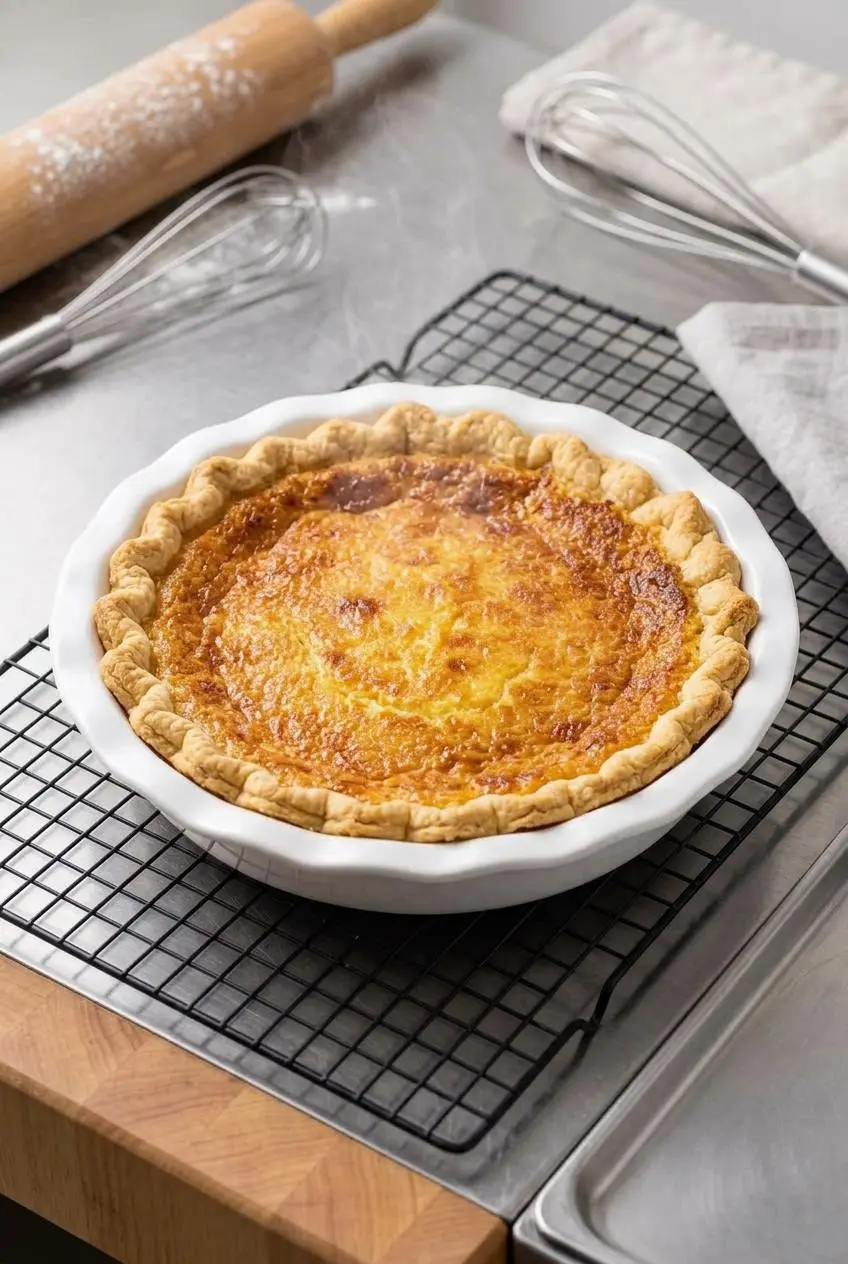
The top should be lightly browned, the outer custard should look firm, and a small area in the center should wobble gently when the pan is tapped. - Move the pie to a cooling rack and let it cool before serving or chilling.
The center will continue to settle as the pie cools, creating cleaner slices and a tender custard texture.
Start checking near the end of the baking window. A properly baked pie should not slosh when the pan is moved, but it should not be completely rigid either. Aim for a gentle center wobble about the size of a quarter. The edges should stay still while that small center area trembles.
At about the 45-minute mark, the aroma usually shifts from raw dairy to toasted butter, vanilla, and caramelized sugar. If the top is deeply browned before the center has settled, shield the crust edge and continue baking until the jiggle looks right.
Crust Preparation: Raw vs. Blind-Baked Shells
An unbaked store-bought deep-dish crust works well for this custard because the filling and crust bake together. Keep the crust chilled until the filling is ready so the pastry stays firm when the liquid goes in.
A homemade par-baked shell can give the bottom crust extra crispness, especially if you prefer a more structured pastry base. Handle it gently and let it cool before adding the filling. A deep pie plate is helpful either way because it gives the custard room to rise without spilling.
For another fruit-filled pie that benefits from careful pastry handling, try this homemade rhubarb pie. The fillings are very different, but chilling the crust before baking helps both pies keep a better-shaped edge.
Troubleshooting Common Custard Pie Issues
Fixing a Runny or Watery Filling
A runny center usually means the pie came out too early, the ingredients started very cold, or the pie was sliced while warm. Cold eggs and dairy take longer to blend and heat through, which can make the filling slower to set.
- If the center still looks liquid: continue baking within the stated time range until the edges are firm and only a small center area jiggles.
- If the pie was cut warm: let the remaining pie cool completely, then chill it before cutting another slice. Custard firms as it loses heat.
- If the texture seems thin after baking: use room-temperature dairy and eggs next time, and choose full-fat buttermilk for a fuller-bodied filling.
Do not try to rebake a fully cooled pie to fix a soft slice. That usually overcooks the edges and encourages cracking. Cooling and chilling are part of the setting process, not an optional finishing touch.
Preventing Over-Browned Crust Edges
Check the pastry around the 30-minute mark. If the rim is browning faster than the custard is setting, loosely cover only the outer crust with strips of aluminum foil or a pie shield.
Keep the foil away from the custard surface so it does not stick. The goal is to slow the pastry’s browning while the center finishes baking, not to trap steam over the filling.
Why Custard Cracks and How to Prevent It
Cracks happen when the egg-rich custard bakes too far, puffs, and then contracts as it cools. A cracked top still tastes good, but the texture can become firmer and less silky.
- Pull the pie while it still jiggles slightly: firm edges and a soft center are the right finish line.
- Cool it on a rack: steady cooling lets the custard settle gradually.
- Avoid opening the oven repeatedly: large temperature swings can make a delicate custard rise and fall more abruptly.
A shallow surface split can become less noticeable as the pie cools. Serve with berries or softly whipped cream if you want an easy finish, but the best prevention is simply avoiding overbaking.
Flavor Twists and Variations
Keep the main pie as written, then use one of these optional additions when you want to nudge the flavor in a different direction.
Meyer Lemon and Fresh Zest Infusion
For brighter citrus perfume, stir freshly grated Meyer lemon zest and a pinch of ground cardamom into the filling before baking. The zest makes the lemon character more fragrant without turning the custard sharply sour.
Old-Fashioned Grated Nutmeg Finish
Grate a light dusting of whole nutmeg over the poured filling just before it goes into the oven. The spice adds a warm, vintage bakery aroma that pairs especially well with the vanilla custard. If warm-spiced custards are a favorite, this baked eggnog pie is another cozy option.
Quick Buttermilk Substitute Method
If cultured buttermilk is unavailable, combine whole milk with lemon juice or white vinegar until it looks slightly thickened, then use it in the filling. The substitute brings acidity, though full-fat cultured buttermilk gives the pie the most rounded flavor and creamiest body.
If you buy a carton of buttermilk for this pie, use the remainder in flaky buttermilk biscuits while it is still fresh and chilled.
Keeping Custard Pie Fresh
Once the pie has cooled, cover it tightly and refrigerate it rather than leaving an egg-and-dairy custard on the counter. Keep leftovers in a refrigerator held at 33°F to 40°F, the dairy storage range described by Virginia Cooperative Extension.
For the cleanest slices, chill the pie until the custard feels firm, then wipe a warm knife between cuts. You can serve slices lightly chilled or let an individual slice lose some of its chill briefly before serving for a softer, creamier texture.
Keep the pie covered so the custard does not absorb refrigerator odors or dry at the cut edges. If serving it for a gathering, bring out only the portion you plan to serve and return the rest to the refrigerator promptly.
Serving Suggestions for Southern Custard Pie
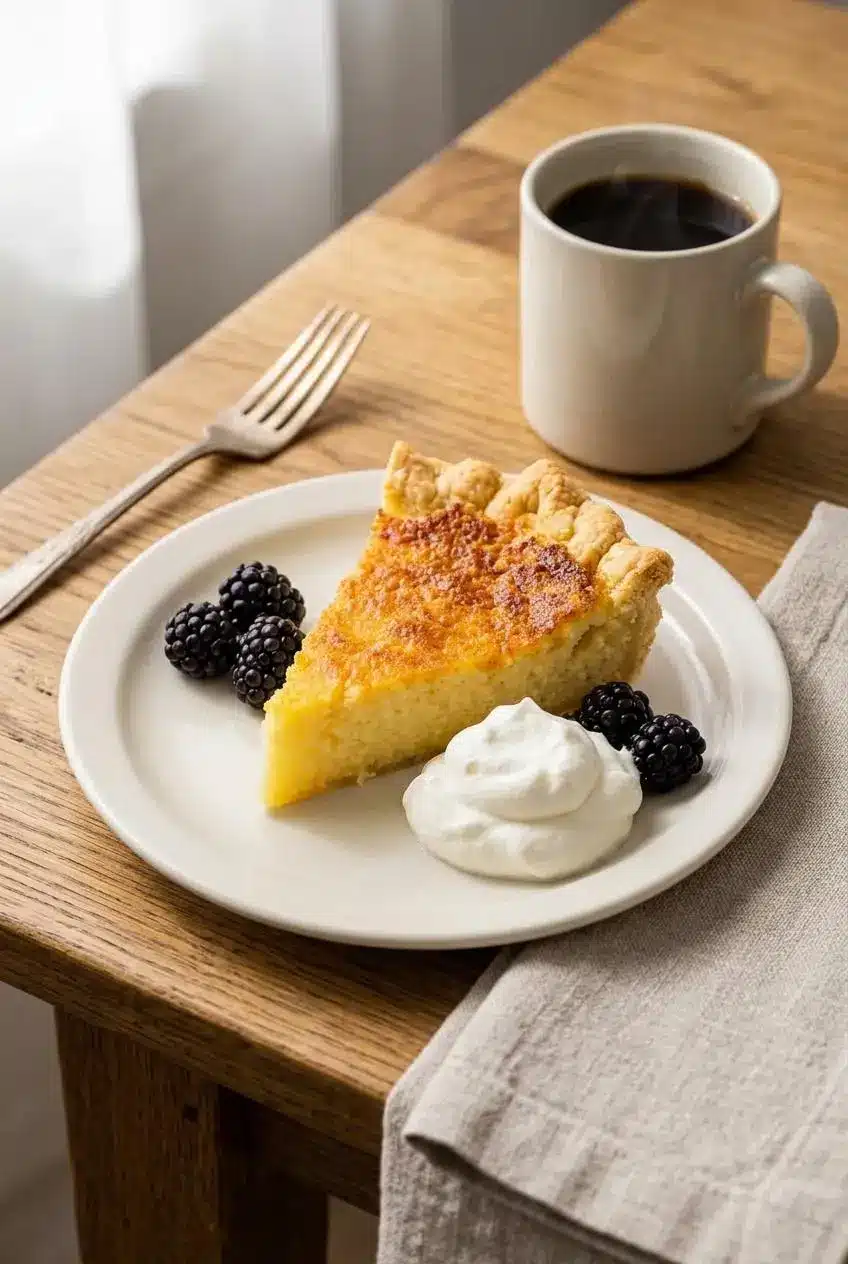
Buttermilk pie is especially good slightly cool or close to room temperature, when the custard is firm enough to slice but still soft on the tongue. Use a sharp knife warmed under hot water and dried well for tidy wedges.
- Serve each slice with fresh blackberries or macerated raspberries for a juicy contrast to the rich custard.
- Add a spoonful of lightly sweetened whipped cream for a softer, celebratory finish.
- Pair it with hot black coffee or unsweetened iced tea to balance the pie’s sweetness.
The pie suits holiday dessert tables, Sunday dinners, and any meal that calls for a comforting finish without a heavy frosting or elaborate garnish.
Conclusion
This old-fashioned custard pie earns its place with a buttery crust, gentle buttermilk tang, and smooth vanilla filling. Room-temperature dairy and a careful eye on the center wobble help it bake into a neat, sliceable dessert.
Give the pie time to cool, then share it with coffee, tea, berries, or a simple spoonful of whipped cream. The quiet golden top and creamy center do the rest.
Frequently Asked Questions
What Is the Difference Between Buttermilk Pie and Chess Pie?
Chess pie commonly uses cornmeal for structure and usually gets its acidity from vinegar or lemon. Buttermilk pie uses all-purpose flour and cultured buttermilk, which creates a tangier, smoother, more velvety custard.
Why Is My Buttermilk Pie Filling Runny in the Center?
The most common causes are underbaking, starting with cold eggs and buttermilk, or cutting into the pie before it has cooled and settled. Bake until the edges are firm and the center has only a small, gentle wobble, then let the custard cool fully before slicing.
Does Buttermilk Pie Need to Be Refrigerated?
Yes. Because the filling contains eggs and dairy, keep the cooled pie covered and chilled. Bring out slices as needed rather than leaving the whole pie on the counter for an extended period.
Can I Use Low-Fat Buttermilk or a Homemade Buttermilk Substitute?
Low-fat buttermilk can work, but full-fat cultured buttermilk produces a richer, more stable custard. A whole-milk mixture acidified with lemon juice or white vinegar is a workable backup, though the flavor will be less distinctly cultured and tangy.
Buttermilk Pie

Equipment
- Large Mixing Bowl
- 9-inch deep dish pie plate
- Rimmed baking sheet
- Cooling Rack
Ingredients
- 1 (9-inch) pastry crust
- ½ cup butter (softened)
- 1¼ cup sugar
- 3 tablespoons all-purpose flour
- ¼ teaspoon salt
- 3 large eggs
- 1 cup buttermilk
- 1 tablespoon lemon juice
- 1 teaspoon vanilla extract
Instructions
- Beat the softened butter with the sugar in a large mixing bowl until the mixture looks pale and creamy. It should lose the look of dry sugar and become smooth, which gives the custard a lighter texture.
- Mix in the flour, salt, and eggs until fully combined, then blend in the buttermilk, lemon juice, and vanilla. The batter may look slightly separated from the buttermilk’s acidity, but it should still pour easily and bake into a smooth custard.
- Pour the filling into the 9-inch pastry crust, using a deep-dish crust when available. Leave the crust undisturbed so the liquid filling stays centered and the pastry edge remains neat.
- Set the pie plate on a rimmed baking sheet and bake at 350°F for 50 to 55 minutes. The top should be lightly browned, the outer custard should look firm, and a small area in the center should wobble gently when the pan is tapped.
- Move the pie to a cooling rack and let it cool before serving or chilling. The center will continue to settle as the pie cools, creating cleaner slices and a tender custard texture.