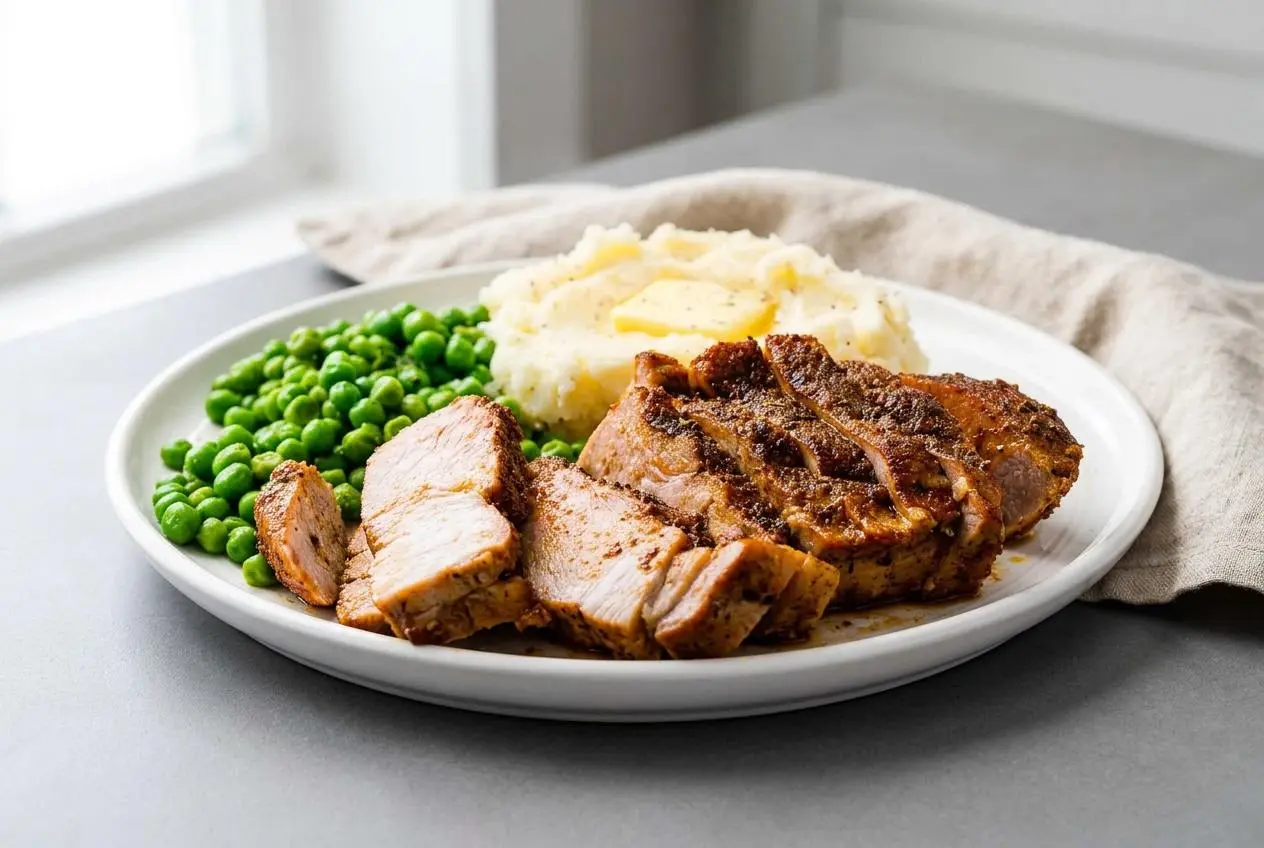
Bake pork chops uncovered at 400°F, using thickness to set the cooking time. Pull them when the center reaches 145°F, then let them rest before slicing for tender, juicy results.
These baked pork chops get their deep savory flavor from paprika, garlic, onion, oregano, and olive oil. The high oven heat turns the seasoning into a fragrant golden crust while keeping the center moist.
The aroma of toasted paprika and garlic is your first hint that dinner is nearly ready. The resting juices do the rest.
Pat the chops very dry with paper towels before seasoning so the oil and spices cling instead of steaming on the surface.
Key Ingredients and Seasoning Rub
Each ingredient contributes something useful: paprika builds color, dried seasonings add savory aroma, olive oil helps the rub adhere, and thick pork chops hold onto their juices during roasting.
- 1 tablespoon paprika
- 2 teaspoons onion powder
- 2 teaspoons garlic powder
- 1 teaspoon oregano
- 1 teaspoon salt
- 1 teaspoon pepper
- 2 tablespoons olive oil (divided)
- 4 boneless pork chops
The seasoning gives the pork a balanced, savory crust without covering up its natural flavor. Paprika brings warm color and gentle sweetness, while garlic powder and onion powder create the familiar roasted flavor that makes pork chops smell so inviting. Oregano adds a subtle herbal edge, and salt and pepper sharpen everything else.
I look for chops with an even thickness from edge to edge, since thin tapered ends cook much faster than the center.
Choosing the Best Pork Chop Cut
For the juiciest result, choose center-cut boneless pork chops that are at least 1 inch thick. A thicker chop gives the outside enough time to brown while the middle reaches doneness without turning dry.
Boneless chops cook quickly and are ideal for this rub-and-roast method. Bone-in chops have more insulation near the bone and usually need a little longer in the oven. Rib chops tend to have more marbling, while loin chops are leaner and benefit most from careful thermometer use.
Very thin supermarket chops can still work, but they cook so quickly that the timing formula becomes less forgiving. Keep an eye on them early and rely on the internal temperature rather than color alone.
The Perfect Pantry Spice Blend
Paprika is responsible for the warm brick-red color and lightly sweet roasted flavor. Garlic and onion powders provide savory depth that reaches every bite, while oregano keeps the blend from tasting flat.
Olive oil has two jobs here. It helps the spice mixture coat the pork evenly, and it improves contact with the hot pan and oven heat so the exterior roasts into a flavorful crust. Reserve the second tablespoon for the top of the seasoned chops, where it encourages even browning.
How to Bake Pork Chops Step by Step
Use a baking dish that fits the chops comfortably without leaving a large expanse of empty space. A closer-fitting dish holds the savory pan juices near the pork instead of letting them disappear across a wide hot surface.
- Heat the oven to 400°F and measure the thickness of the pork chops before cooking.
Thickness determines the baking time, so measure the thickest part of each chop rather than guessing. - Combine the paprika, onion powder, garlic powder, oregano, salt, and pepper in a small bowl.
The mixture should look evenly colored, with no clumps of garlic or onion powder remaining. - Coat both sides of the pork chops with 1 tablespoon of olive oil, then press the seasoning mixture onto all sides.
Place the chops in the baking dish and drizzle the remaining tablespoon of olive oil over the tops for a glossy, well-seasoned surface. - Roast uncovered for 7 minutes per ½ inch of thickness, removing the chops when the center reaches 145°F.
A 1½-inch chop takes 21 minutes, and the finished pork should have a golden crust with a slight blush of pink inside. - Leave the pork chops in the pan for 5 minutes before serving.
Clear savory juices collecting around the chops signal that the meat has had time to settle before slicing.
Insert an instant-read thermometer into the thickest area of the chop, avoiding the baking dish and any bone. The thermometer is more dependable than judging by color, especially because properly cooked pork may still look lightly pink in the center.
Baking Temperature and Timing Guide
A 400°F oven gives pork chops the best balance of browning and speed. At 350°F, the chops spend longer in the oven, which can make lean cuts more likely to dry out before the surface develops much color.
At 400°F, the dry heat quickly roasts the spice coating and creates a savory crust. Start checking near the end of the calculated time, since chop shape, baking dish material, and oven accuracy can affect the finish.
Boneless Pork Chop Timing
For boneless pork chops at 400°F, use 7 minutes for every ½ inch of thickness.
- 1-inch boneless chops: bake for 14 minutes.
- 1½-inch boneless chops: bake for 21 minutes.
- For uneven chops, use the thickest section as your guide and confirm doneness with a thermometer.
This formula works best for chops that are at least 1 inch thick. If the pork is especially thin, begin checking sooner because it can move from juicy to overdone in a hurry.
Bone-In Pork Chop Timing
For bone-in chops at 400°F, allow about 8 minutes per ½ inch of thickness. The bone slightly slows heat movement around the meat beside it, so bone-in chops need more time than boneless cuts of the same thickness.
- 1-inch bone-in chops: bake for about 16 minutes.
- 1½-inch bone-in chops: bake for about 24 minutes.
- Place the thermometer in the thickest section of meat, keeping the probe away from the bone.
Bone-in chops can offer richer flavor, but timing still comes down to the thermometer. Pull them as soon as they reach the target temperature rather than waiting for every trace of pink to disappear.
Key Secrets for Tender Juicy Pork
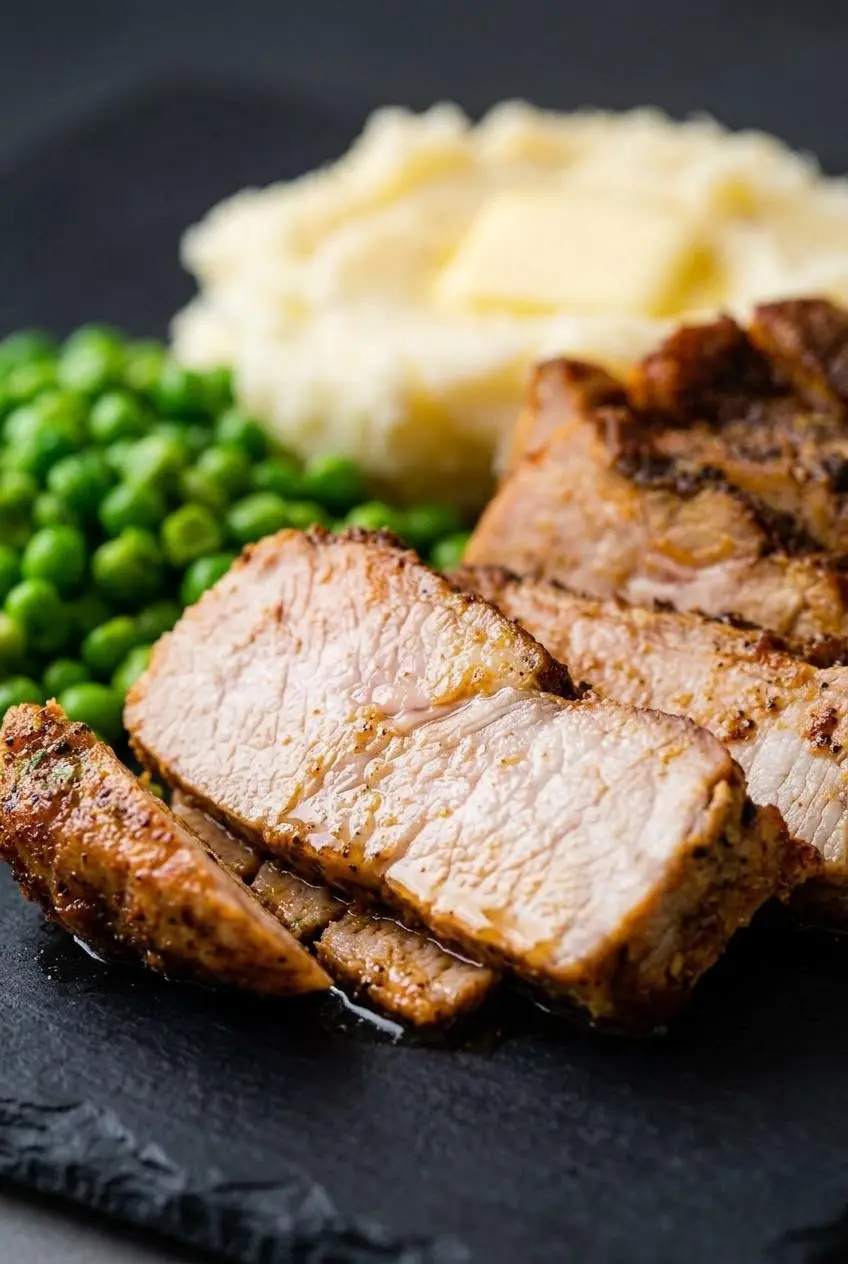
The biggest difference between tender pork and dry pork is knowing when to stop cooking. Whole pork chops reach the recommended minimum internal temperature at 145°F, followed by a three-minute rest, as explained in the 145°F pork temperature and rest guidance.
- Take the chill off first: Let the chops sit out briefly while the oven heats. Less-cold meat cooks more evenly, especially when the chops are thick.
- Use a compact baking dish: Choose one that holds the chops in a single layer with a little room between them. An oversized pan can allow pan juices to evaporate too quickly.
- Do not cover the dish: Covering traps steam, which softens the spice coating instead of roasting it into a golden crust.
- Rest before cutting: Five minutes gives the juices time to redistribute through the meat instead of flooding onto the cutting board.
- Rescue a slightly dry chop: Spoon the warm pan juices over sliced pork. If the juices are plentiful, simmer them briefly in the baking dish or a small skillet until they taste more concentrated, then spoon them over the meat.
If the outside looks pale near the end of cooking, the chops may be crowded or too wet. Dry them thoroughly next time, leave space around each piece, and make sure the oven has fully preheated before the dish goes in.
Delicious Variations and Glazes
Keep the paprika rub as written, then add one of these optional finishes when you want a different mood at the table. Add-ons belong outside the main method, so the core recipe stays dependable.
Garlic Butter Basting
For a richer finish, place a small pat of garlic and herb butter on each hot pork chop after baking. The residual heat melts it into a glossy layer that softens the spice crust slightly and adds a savory, buttery aroma.
Use this variation when serving the chops with mashed potatoes, rice pilaf, or another side that can catch the buttery pan juices.
Brown Sugar Glaze
For sweet and smoky pork chops, mix 1 tablespoon of brown sugar into the spice blend before seasoning the meat. The sugar caramelizes in the hot oven, creating a darker crust with a subtle sweet contrast to the garlic, oregano, and pepper.
Watch the chops closely toward the end because sugar deepens in color quickly at high heat. Pull the pork based on its internal temperature, not on how dark the coating becomes.
One Pan Potato Pairing
For a full sheet-pan dinner, roast diced baby potatoes first, then add the pork chops after the potatoes have had a 15-minute head start. This gives the potatoes time to begin browning before the quicker-cooking pork joins the pan.
Leave open space around the chops and potatoes so hot air can circulate. Crowding makes everything softer and can prevent the pork rub from forming its best crust.
What to Serve with Baked Pork Chops
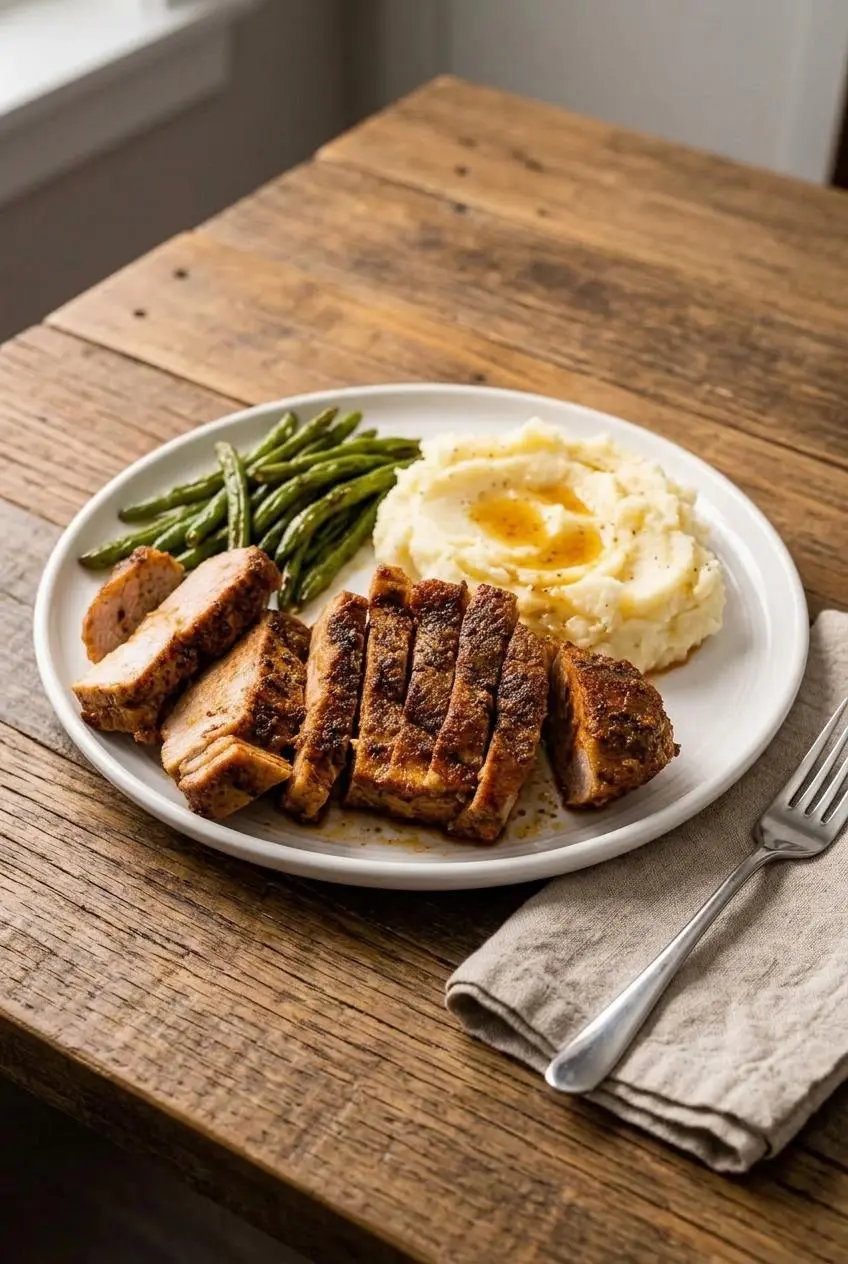
Choose sides that complement the warm paprika seasoning without competing with it. Roasted green beans, asparagus, broccoli, and sweet potatoes all work well at 400°F, so they can cook alongside the pork when their size and timing match.
- Comforting potato sides: Creamy garlic mashed potatoes catch every drop of the savory pan juices. A classic baked potato also makes an easy, satisfying choice.
- Rice pilaf: Its fluffy texture balances the crisp-edged seasoning on the pork and turns the dish into a filling dinner.
- Roasted vegetables: Green beans, asparagus, or broccoli bring freshness and slight char to the plate.
- Crisp salad: A garden salad with a bright dressing offers a cool contrast to the warm, savory chops.
For a busy dinner, serve the pork directly from the baking dish and spoon the resting juices over the meat. Those drippings carry the paprika, garlic, and oregano flavor that would otherwise stay behind in the pan.
Storage and Reheating Guidelines
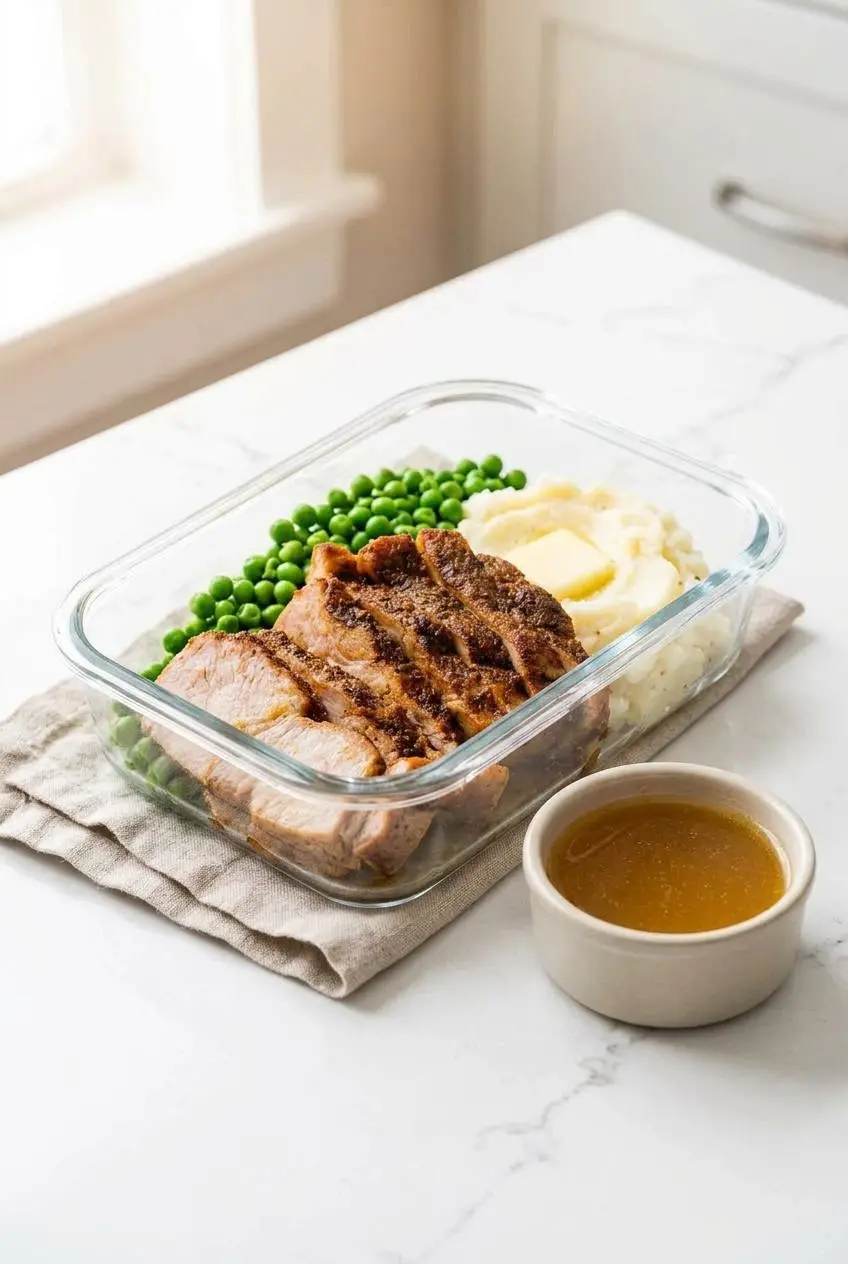
Cool leftover pork chops, transfer them to shallow airtight containers, and refrigerate them promptly. Cooked pork leftovers can be refrigerated for 3 to 4 days, and they should reach 165°F when reheated, as outlined in safe storage and reheating guidance for cooked pork.
For the best texture, reheat only the portions you plan to eat. Warm the chops gently in a covered skillet over low heat with a splash of broth or reserved pan juices. The lid traps moisture while the low heat reduces the chance of tightening the lean meat.
An oven also works well for larger portions. Place the pork in a covered baking dish with a little moisture in the bottom, heat gently, and check the center with a thermometer before serving.
Conclusion
These pork chops succeed because the method stays focused: a bold seasoning rub, a hot 400°F oven, timing based on thickness, and a short rest before slicing.
Use the thermometer, keep the dish uncovered, and spoon the pan juices over the finished pork. It is an easy way to bring a tender, savory dinner to the table.
Frequently Asked Questions
Is It Best to Bake Pork Chops at 350 or 400 Degrees Fahrenheit?
For this method, 400°F is the better choice. It roasts the seasoning quickly and gives the pork a golden crust before the lean center has spent too long in the oven. A 350°F oven cooks more slowly, which can be useful for other preparations but offers less room for error with quick-cooking boneless chops.
How Long Do You Cook Pork Chops in the Oven?
At 400°F, bake boneless pork chops for 7 minutes per ½ inch of thickness. Bake bone-in pork chops for about 8 minutes per ½ inch. For example, 1-inch boneless chops need 14 minutes, while 1½-inch boneless chops need 21 minutes. Confirm the finish with an instant-read thermometer.
Should I Cover Pork Chops When Baking Them?
No. Bake pork chops uncovered so the dry oven heat can roast the spice rub and develop a golden crust. Covering the dish traps steam, which can soften the exterior and make the seasoning less flavorful on the surface.
How Do You Keep Pork Chops from Drying Out in the Oven?
Choose chops at least 1 inch thick, pat them dry, and bake them in a properly sized dish. Thick chops give you more control over browning and doneness. Remove the pork when it reaches 145°F in the center, then let it rest for 5 minutes before slicing. That pause helps keep more of the savory juices inside the meat.
Baked Pork Chops

Equipment
- Baking Dishes
- Ruler
- Instant-read thermometer
- Measuring spoons
- Small Prep Bowls
Ingredients
- 1 tablespoon paprika
- 2 teaspoons onion powder
- 2 teaspoons garlic powder
- 1 teaspoon oregano
- 1 teaspoon salt
- 1 teaspoon pepper
- 2 tablespoons olive oil (divided)
- 4 boneless pork chops
Instructions
- Heat the oven to 400°F and measure the thickness of the pork chops before cooking. Thickness determines the baking time, so measure the thickest part of each chop rather than guessing.
- Combine the paprika, onion powder, garlic powder, oregano, salt, and pepper in a small bowl. The mixture should look evenly colored, with no clumps of garlic or onion powder remaining.
- Coat both sides of the pork chops with 1 tablespoon of olive oil, then press the seasoning mixture onto all sides. Place the chops in the baking dish and drizzle the remaining tablespoon of olive oil over the tops for a glossy, well-seasoned surface.
- Roast uncovered for 7 minutes per ½ inch of thickness, removing the chops when the center reaches 145°F. A 1½-inch chop takes 21 minutes, and the finished pork should have a golden crust with a slight blush of pink inside.
- Leave the pork chops in the pan for 5 minutes before serving. Clear savory juices collecting around the chops signal that the meat has had time to settle before slicing.