Mix chili powder, cumin, cayenne, garlic powder, onion powder, salt, and pepper for a warm homemade blend. Use 2 to 3 tablespoons when replacing a standard seasoning packet in a full pot of chili.
This chili seasoning recipe gives you direct control over salt and heat while building a rich, aromatic flavor from warm, earthy spices.
The blend comes together fast, smells deeply savory, and earns its place in more than one dinner. The blooming trick makes the difference.
Rub a pinch of cumin between your fingertips before measuring. It should smell nutty and warm, not dusty or flat.
Essential Ingredients for Homemade Chili Seasoning
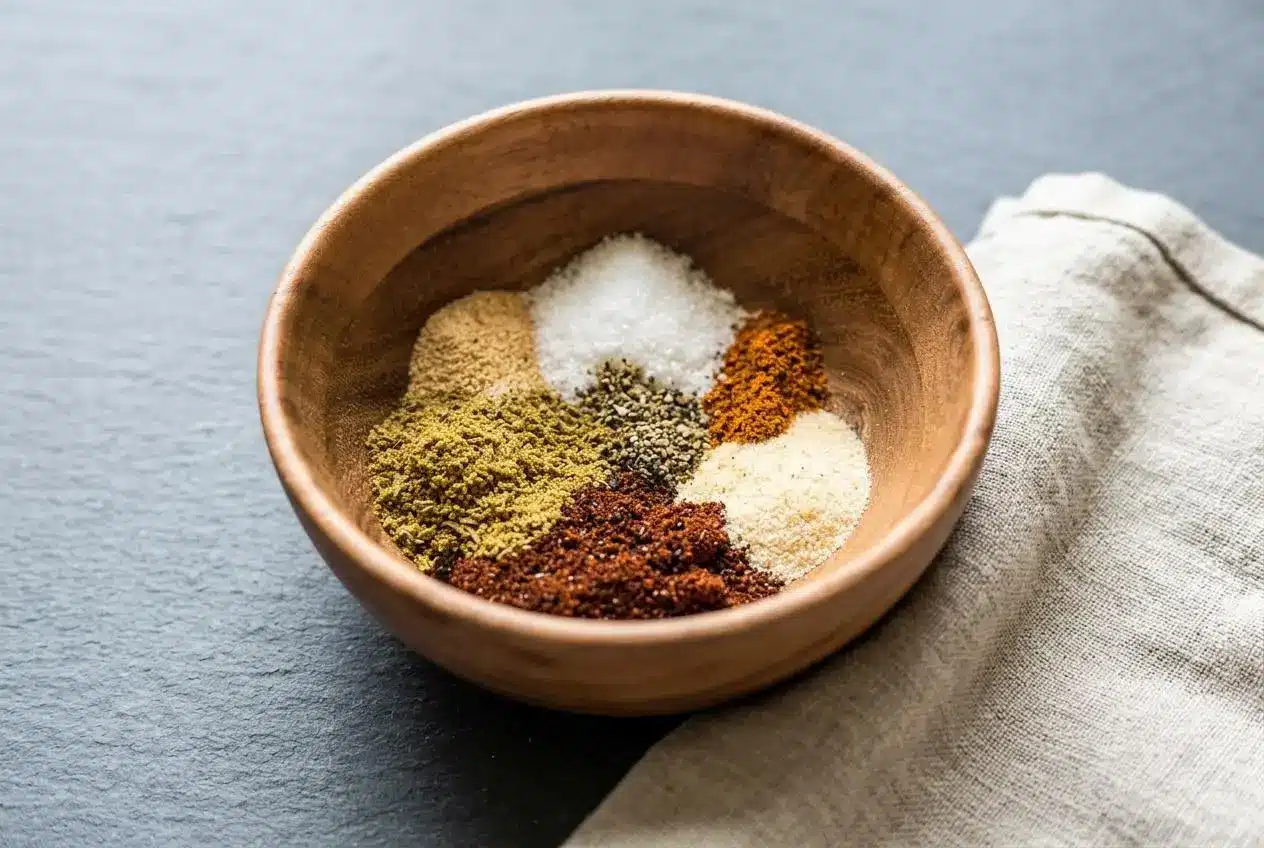
Each spice brings something useful: warmth from cumin, savory depth from alliums, gentle heat from cayenne, and a balanced foundation that carries through beans, meat, tomatoes, and broth.
- 1 Tbsp chili powder
- 1 tsp ground cumin
- 1/4 tsp cayenne pepper
- 1/4 tsp garlic powder
- 1/2 tsp onion powder
- 1 tsp salt
- 1/4 tsp pepper (approximately freshly ground )
Chili powder creates the main reddish, savory backbone. In the United States, chili powder usually means a mild blend of ground chiles and seasonings, not straight cayenne pepper. Ground cumin adds the signature earthy warmth that makes chili taste rounded rather than sharp.
Garlic powder and onion powder build a mellow allium base that disperses evenly through the pot. Salt sharpens the other spices, black pepper adds a gentle bite, and cayenne gives the blend its adjustable heat. Garlic salt is not a direct swap for garlic powder because it adds much more salt to the mix.
I look for cumin with a strong toasted aroma before using it, because stale cumin can make an otherwise good chili taste muted.
Spice Roles and Flavor Profiles
The blend works because the spices pull in different directions without competing. Chili powder brings dried chile character, cumin brings earthiness, onion and garlic add savoriness, and cayenne wakes everything up at the end.
The result is a classic American chili profile with Tex-Mex leanings: warm, slightly smoky, earthy, and savory. There is no need for thickeners or additives in the spice mix itself. The flavor comes from allowing the dried spices to mingle with the fat and liquid in the finished dish.
Smoked paprika is a useful optional addition when you want deeper color and a sweet woodsmoke aroma. It is not part of the main blend, so add it only when that smoky direction suits the meal.
Customizing Heat and Flavor Profiles
- Mild chili seasoning: Reduce or omit the cayenne. Add mild paprika separately if you want fuller red color with less heat.
- Low-sodium chili seasoning: Leave out the salt, then season the finished pot gradually after the beans, broth, and tomatoes are in.
- Smoky chipotle chili blend: Replace part of the chili powder with ground chipotle and add smoked paprika for deeper chile flavor and lingering smoke.
- Rich cocoa and Mexican oregano upgrade: Add a pinch of unsweetened cocoa for dark, earthy depth and crushed Mexican oregano for a brighter herbal finish.
- Coriander accent: A small optional pinch of ground coriander adds a subtle citrusy, floral edge that works especially well in turkey or lentil chili.
How to Make Homemade Chili Seasoning
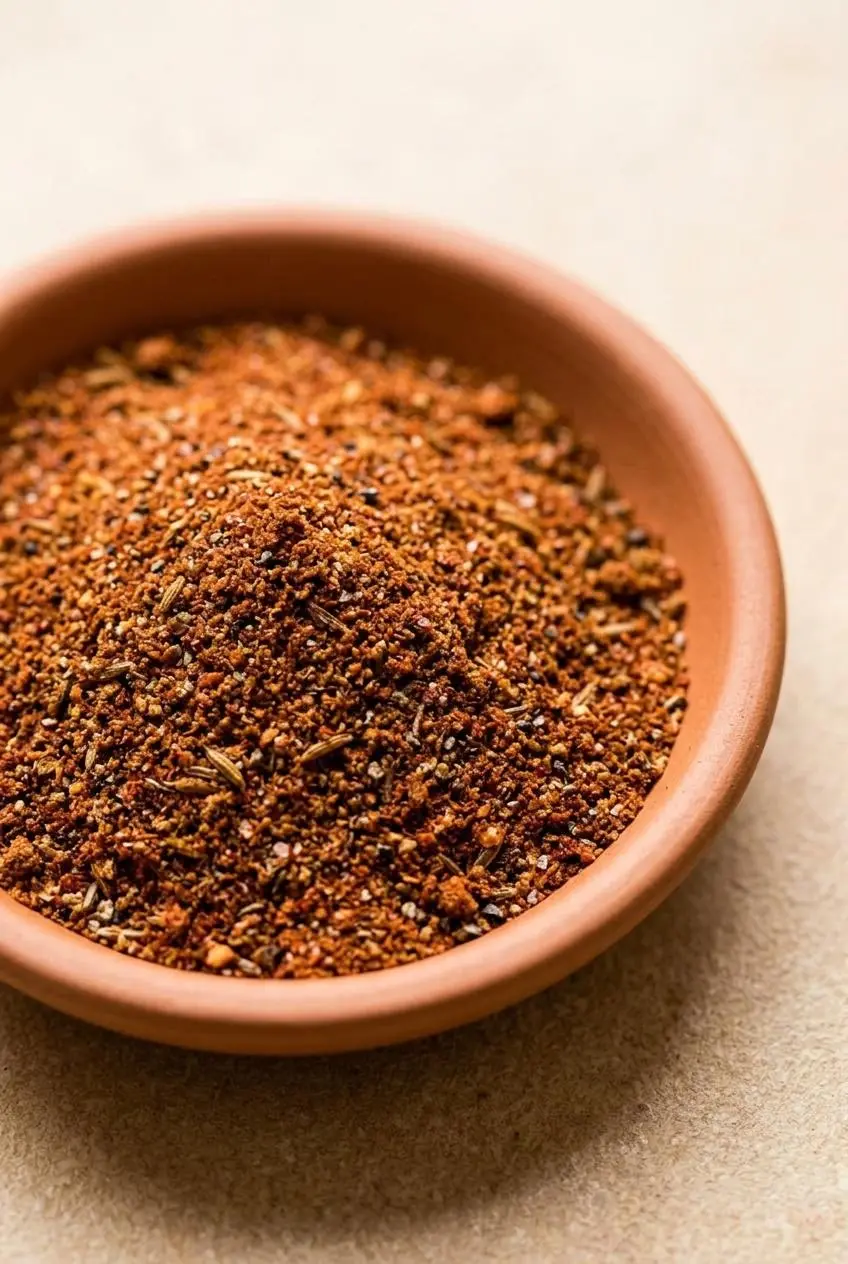
Mix the spices thoroughly so the cayenne, salt, and allium powders distribute evenly. A well-blended mixture seasons the whole pot instead of leaving one spoonful mild and the next one fiery.
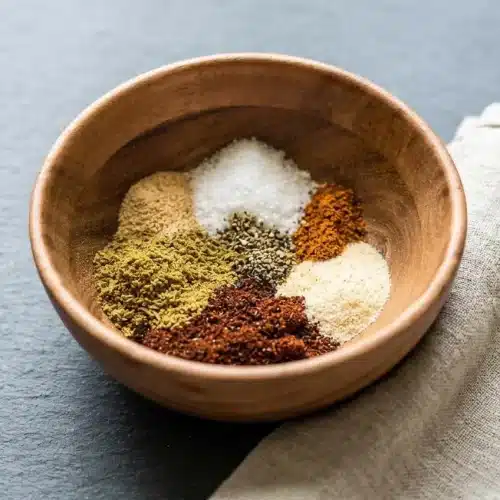
- Measure all of the spices into a small bowl and whisk until fully combined.
The finished blend should look evenly reddish brown, with no pale clumps of garlic or onion powder.
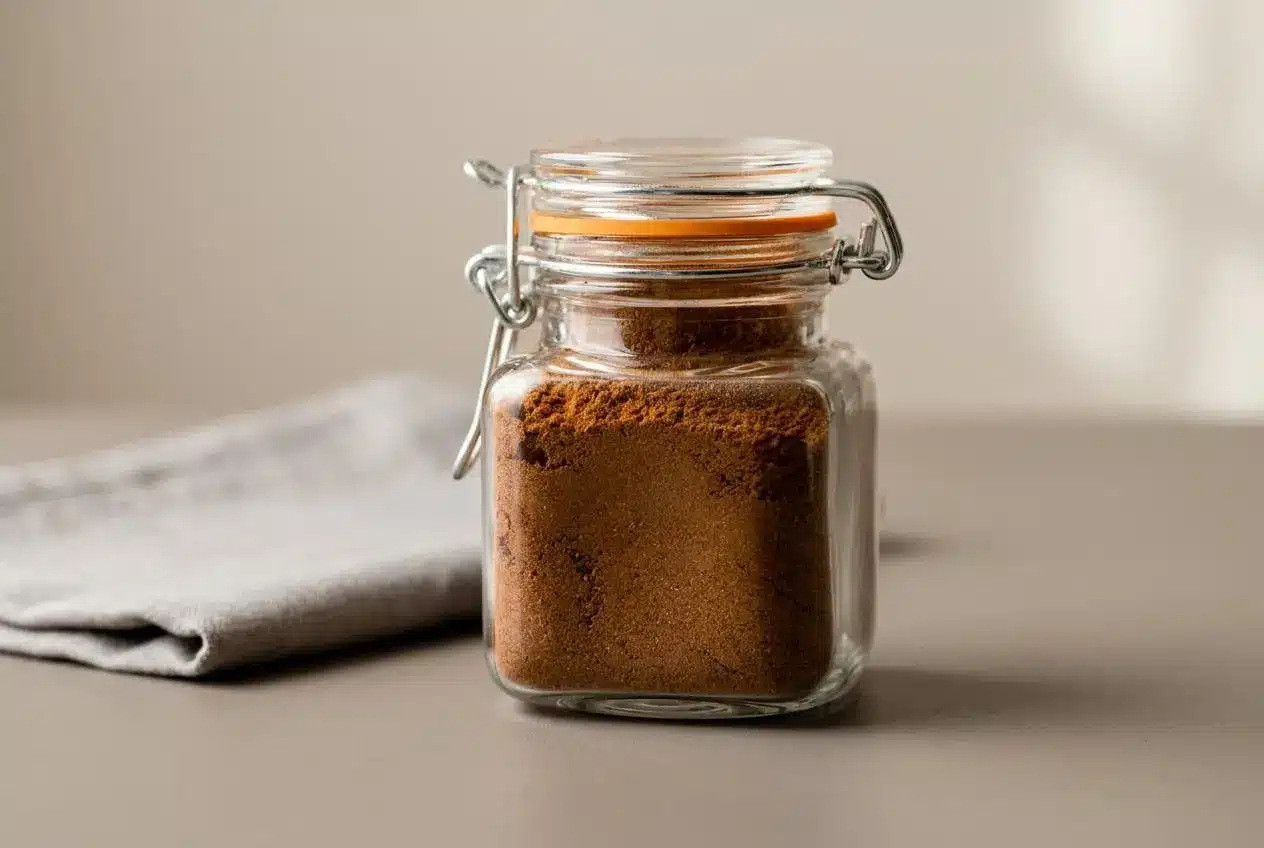
You can also add the ingredients to a clean, dry glass jar, seal it, and shake until the color is uniform. Keep the blend in an airtight container away from heat, steam, and direct light. The official storage guidance for this blend is up to six months when kept dry and tightly sealed.
Single-Batch vs. Bulk Mason Jar Mixing and Storage
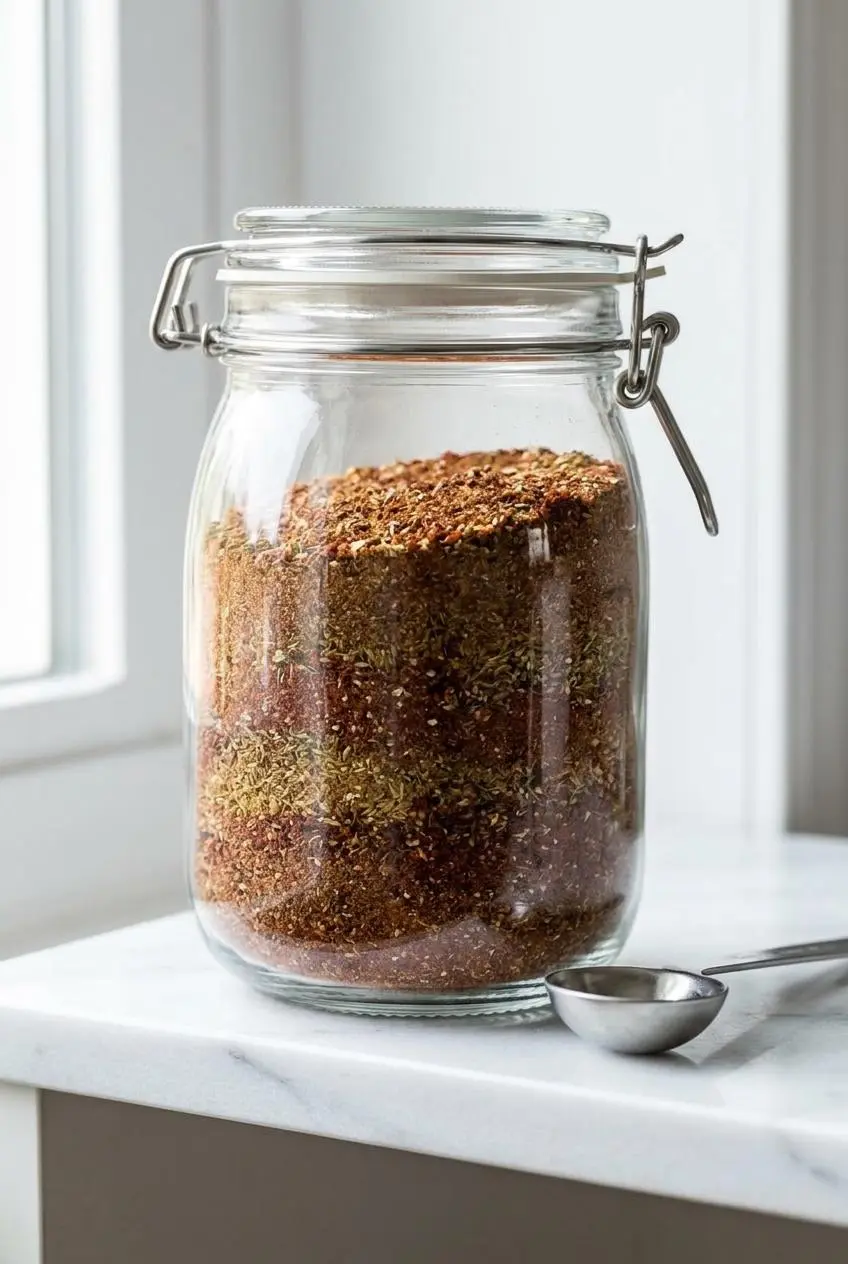
The listed measurements make one small batch, useful when dinner is already underway. It yields a little under 1 1/2 tablespoons, so double the blend when you need a packet-style amount for a larger pot.
For a bulk jar, multiply every listed ingredient by the same number rather than increasing only the chili powder or cumin. That keeps the warmth, salt, and heat in balance. Whisk in a bowl before transferring to a glass jar, or shake the sealed jar until no streaks remain.
Keep the jar in a cool, dark cupboard, not above an active range where heat and steam can dull the aroma or cause clumping. If the blend loses its characteristic earthy smell or develops moisture clumps, replace it for a fresher result.
Conversion Guide: Homemade Mix vs. Store-Bought Packets
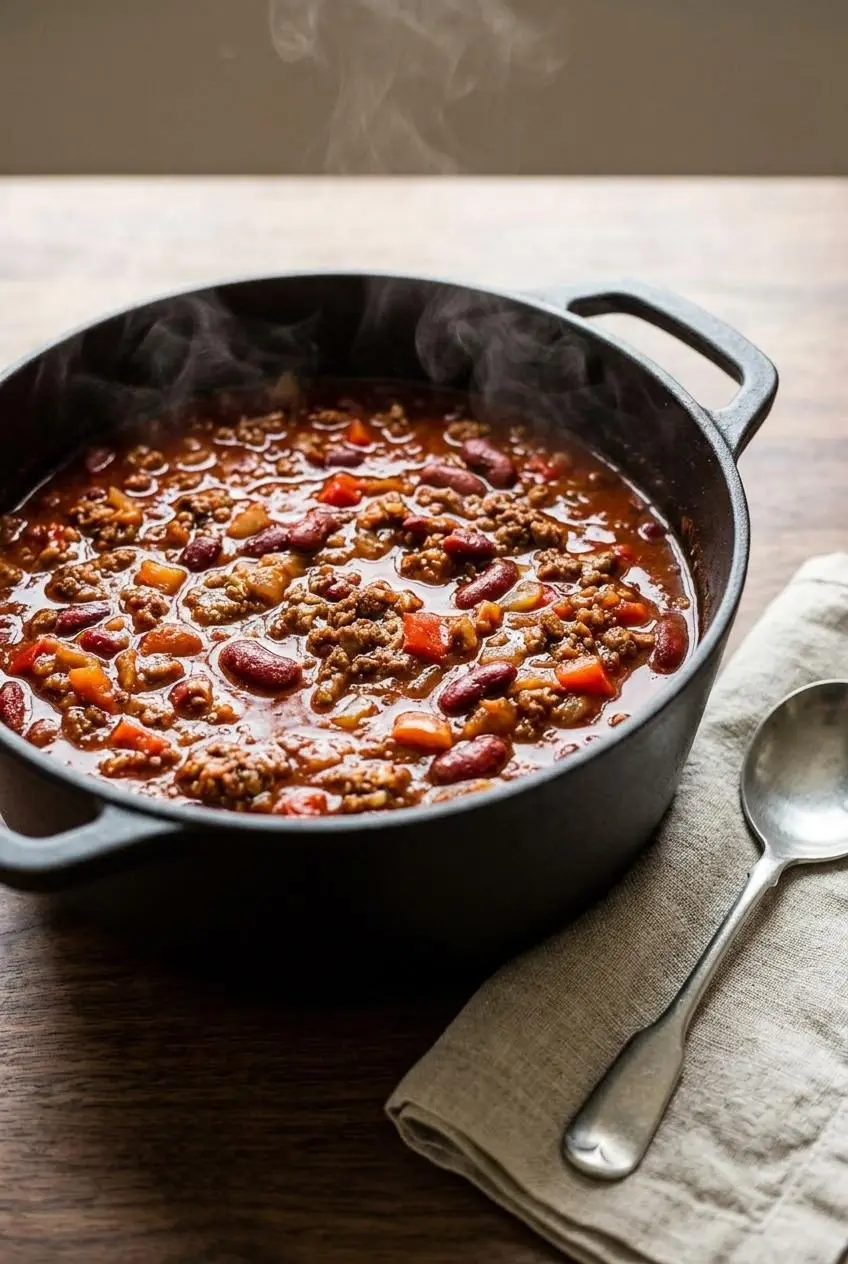
Use 2 to 3 tablespoons of homemade chili seasoning for every 1 pound of browned ground beef, turkey, or lentils. Start with 2 tablespoons, then move toward 3 tablespoons when the chili includes plenty of tomatoes, beans, or broth.
- For 1 pound of ground meat: Use 2 to 3 tablespoons of seasoning.
- For 2 pounds of ground meat: Use 4 to 6 tablespoons, tasting the simmering chili before adding more salt or cayenne.
- For one standard packet: Use 2 to 3 tablespoons. Since this official blend makes less than that amount, prepare a double batch when you need a packet replacement.
Commercial packet formulas vary. Some include flour, starches, maltodextrin, or anti-caking agents, while this blend contains only the listed spices and salt. That also makes the homemade mixture naturally gluten-free, provided each individual spice is labeled gluten-free if that matters for your household.
Try the full packet-style amount in a pot of beef and bean chili, then adjust after the tomatoes and beans have simmered together. The flavor will deepen as the spices hydrate.
Chili Seasoning vs. Taco Seasoning: What Is the Difference?
Chili seasoning and taco seasoning overlap, but they do not taste identical. Chili seasoning leans more heavily on chili powder for deep warmth and a stew-friendly flavor, while taco seasoning often pushes cumin and oregano forward for a brighter, more assertive profile.
- Chili seasoning: Usually emphasizes chili powder, cumin, garlic, onion, pepper, and cayenne for a rounded, slow-simmered flavor.
- Taco seasoning: Often tastes more cumin-forward and may include stronger oregano or crushed red pepper notes.
- Emergency swap: Use taco seasoning in the same amount, then add an extra dash of chili powder if you want a deeper chili flavor.
If you enjoy a more cumin-heavy profile for tacos, burrito bowls, or skillet meals, this homemade taco seasoning is a useful companion blend to keep nearby.
Expert Tips for the Best Flavor and Common Troubleshooting
Adding the spice mix at the right moment matters as much as measuring it. Taste near the end of cooking, after the seasoning has had time to spread through the tomatoes, meat, and beans.
Why Blooming Spices Matters
Bloom the seasoning in warm rendered fat from browned meat or in oil with softened aromatics for 60 seconds before adding broth, tomatoes, or beans. The fat helps release flavor compounds from the dried spices, creating a richer toasted aroma than adding the seasoning only after the liquid goes in.
Keep the heat moderate and stir constantly. The spices should smell fragrant and darken slightly, never scorch. For slow cooker chili, bloom the spices on the stovetop with the browned meat before transferring everything to the cooker.
For stovetop chili, bloom early, then simmer. For long-cooked chili, avoid waiting until the final minutes to add the blend, because the spices need time in the liquid to lose their raw, powdery edge.
How to Fix Overly Salty or Spicy Chili
- Too spicy: Add more diced canned tomatoes, unsalted beans, or broth to spread the heat through a larger volume. A little tomato paste can also round out harsh chile flavor.
- Too salty: Add unsalted beans, tomatoes, or broth rather than more seasoning. A squeeze of lime juice can brighten the pot so it tastes less heavy.
- Bitter or burnt tasting: The spices likely cooked too hot. Add fresh tomatoes or beans to soften the flavor, then simmer gently instead of boiling hard.
- Bland chili: Bloom another small amount of seasoning in fat, then stir it in. Adding dry spices straight into a watery pot can leave them tasting flat.
- Heat varies from batch to batch: Chili powder brands differ in strength, so taste before adding extra cayenne.
Creative Ways to Use Chili Seasoning Beyond Chili
This warm spice blend earns its keep well beyond a simmering pot of beans and meat.
- Toss sweet potato wedges with oil and the seasoning before roasting for a smoky, savory edge.
- Coat cooked chickpeas with the blend before air frying for a crisp snack or salad topper.
- Season browned ground turkey, beef, or plant-based crumbles for tacos and burrito bowls.
- Stir a pinch into sour cream for a quick savory dip with vegetables or tortilla chips.
- Dust roasted mixed nuts with the seasoning while they are still warm.
- Add a small amount to a warm chili cheese dip when you want more smoky, earthy depth.
Conclusion
This blend gives chili a warm, earthy, savory flavor while letting you control the salt and cayenne. Mixing your own can also help avoid packet ingredients you may not want in the pot.
Remember the easy conversion: use 2 to 3 tablespoons for a packet-style amount or for 1 pound of ground meat. Keep a tightly sealed jar ready for busy weeknight chili nights.
Frequently Asked Questions
How Much Homemade Chili Seasoning Equals One Packet?
Use 2 to 3 tablespoons of homemade chili seasoning in place of one standard 1.25-ounce packet. This official blend makes less than that amount, so mix a double batch when you need a full packet replacement. Homemade blends contain the spices you choose rather than packet-specific fillers.
How Much Chili Seasoning Do I Need for 1 Pound of Ground Meat?
Use 2 to 3 tablespoons per 1 pound of ground beef, turkey, chicken, or plant-based crumbles. Begin with the lower amount for a lightly seasoned dish. Use the higher amount when the pot contains extra tomatoes, beans, or broth.
What Is the Difference Between Chili Powder and Chili Seasoning?
Chili powder is one ingredient in the blend. In the United States, it is commonly a mild mix of dried chile peppers and supporting spices. Chili seasoning is a complete mixture that includes chili powder plus cumin, garlic powder, onion powder, salt, black pepper, and cayenne.
Can I Use Taco Seasoning If I Do Not Have Chili Seasoning?
Yes. Use taco seasoning in an equal amount when you need a quick substitute. Expect stronger cumin and oregano flavors than classic chili seasoning provides. Add a dash of chili powder if you want more deep chile character.
How Long Can I Store Homemade Chili Seasoning?
Store the blend in an airtight container away from heat and moisture for up to six months. Keep the jar dry and tightly closed. Replace the blend when its warm, earthy aroma has noticeably faded or moisture has caused clumping.
Chili Seasoning Recipe

Ingredients
- 1 Tbsp chili powder
- 1 tsp ground cumin
- 1/4 tsp cayenne pepper
- 1/4 tsp garlic powder
- 1/2 tsp onion powder
- 1 tsp salt
- 1/4 tsp pepper approximately freshly ground
Instructions
- Measure all of the spices into a small bowl and whisk until fully combined. The finished blend should look evenly reddish brown, with no pale clumps of garlic or onion powder.