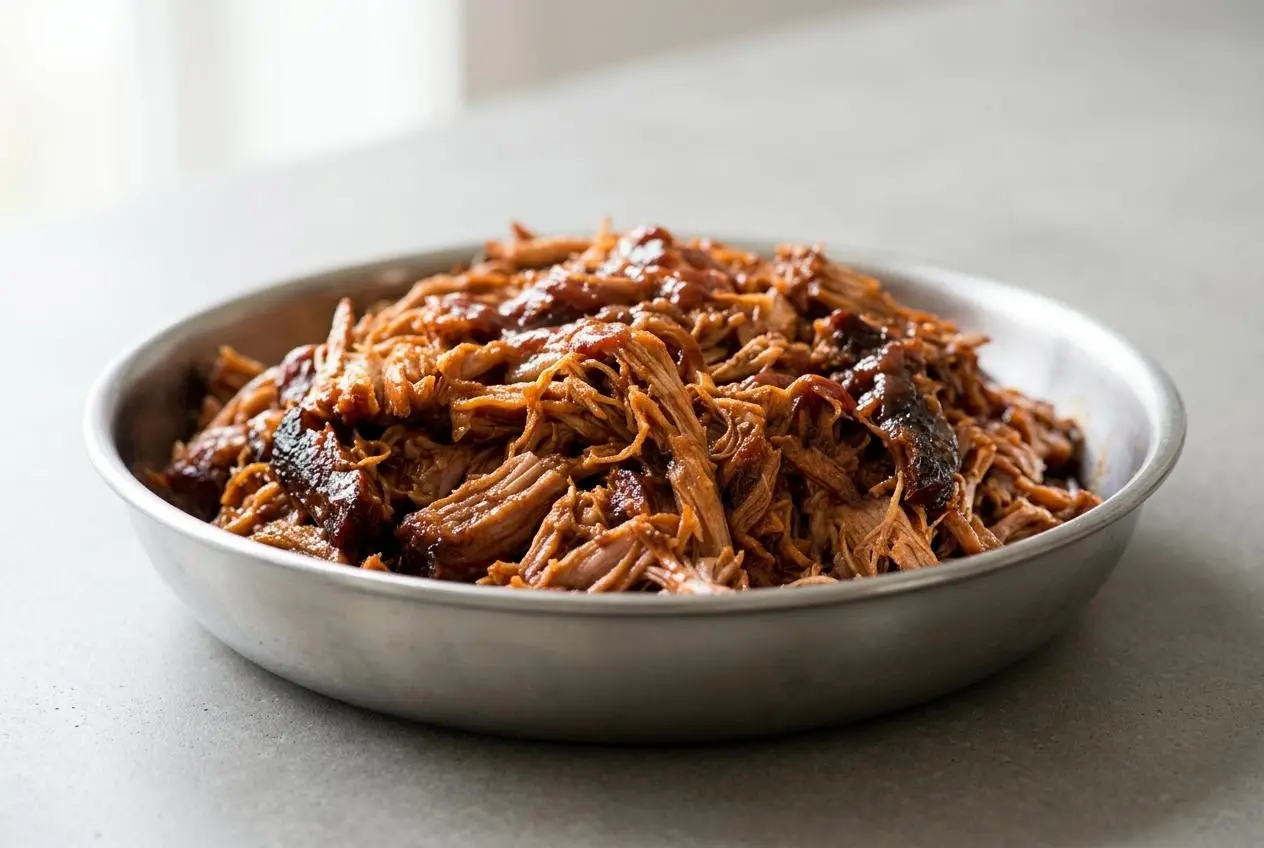
The best pulled pork starts with bone-in pork shoulder, a balanced spice rub, and low slow cooking until it reaches 195°F to 205°F. Shred it gently, then toss it with defatted cooking juices and barbecue sauce for moist, flavorful pork.
This pulled pork recipe turns a well-marbled roast into smoky, tender strands with a deep, savory crust and a tangy homemade sauce. The slow cooker does the heavy lifting, while a quick oven finish adds those irresistible caramelized edges.
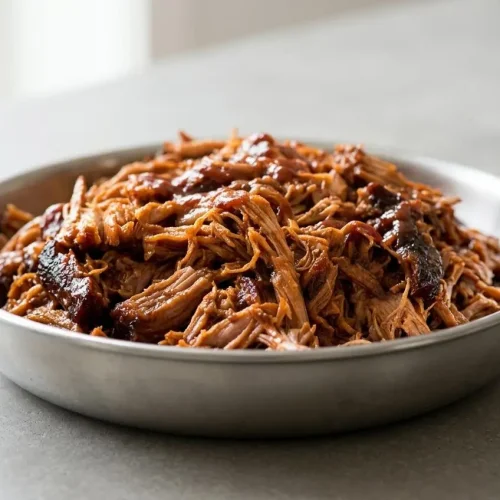
The pork should pull apart with almost no effort, not fight back against the forks. That mahogany crust is worth the wait.
Set the roast fat-side up in the slow cooker so the rendered fat can baste the meat as it cooks.
Choosing the Best Cut of Pork
The cut of pork determines whether your finished meat is succulent and shreddable or dry and stringy. Choose a hardworking, well-marbled shoulder cut with plenty of collagen rather than a lean roast.
Pork Butt vs Pork Shoulder
Pork butt, also called Boston butt, comes from the upper shoulder. Despite the name, it is not from the rear of the pig. It has generous marbling and connective tissue that soften during a long cook, giving you rich, juicy shreds.
Picnic shoulder comes from the lower shoulder and often has more skin and a slightly firmer texture. It still works well for pulled pork, though Boston butt is usually easier to find and produces especially lush meat. Bone-in cuts add flavor and give you a clear doneness cue: the bone should slide out cleanly with no resistance.
Avoid substituting pork loin for pork shoulder. Pork loin is much leaner, so it can dry out before it becomes tender enough to pull.
Trimming the Fat Cap
Trim the fat cap to an even layer about 1/8 inch thick before seasoning. This leaves enough fat to protect and baste the roast while preventing an overly greasy cooking liquid.
Do not remove every bit of exterior fat, but do cut away any very thick, hard sections. Those pieces will not melt into the pork in the same helpful way as fine marbling inside the meat.
Ingredients for Pulled Pork and Barbecue Sauce
Each ingredient contributes to the final balance: the rub builds a dark savory crust, the braising liquid keeps the roast moist, and the sauce brings sweetness, acidity, and heat to the shredded pork.
Pork and Braising Liquid
- 3.5-4.5kg/ 5-7lb pork butt / pork shoulder, bone in, fat cap on
- 1 cup beer, apple cider or apple juice
Rub
- 3 tbsp brown sugar
- 1 tbsp paprika powder
- 1 tbsp garlic powder
- 2 tsp onion powder
- 2 tsp mustard powder
- 1 tsp cumin powder
- 1 tbsp salt
- 1 tsp black pepper
BBQ Sauce
- 1 cup apple cider vinegar
- 3 cups tomato ketchup
- 1 cup water
- 3 tbsp molasses, orginal
- 2/3 cup brown sugar
- 4 tsp mustard powder
- 3 tsp garlic powder
- 4 tsp Worcestershire sauce
- 2 tsp salt
- 2 tsp black pepper
- 2 tsp Tabasco or cayenne pepper (optional, for spiciness)
Brown sugar helps the rub brown into a dark crust, while paprika brings color and cumin adds earthy warmth. Garlic, onion, and mustard powder make the flavor fuller without masking the pork. Apple cider vinegar cuts through rendered fat and keeps the barbecue sauce bright rather than overly sweet.
I like to press the rub firmly into every crease of the roast so it stays in place as the pork releases moisture during cooking.
How to Make Pulled Pork
Low heat gives the pork time to soften from the inside out. The roast may be fully cooked well before it is ready to shred, so rely on tenderness and temperature rather than the clock alone.
Slow Cooking
- Combine the brown sugar, spices, salt, and pepper for the rub, then coat the pork thoroughly on all sides.
Leave no bare patches so the exterior develops an even, deeply seasoned finish. - Place the seasoned roast in the slow cooker and pour in the beer, apple cider, or apple juice.
Cook on low for 10 hours, until the meat separates easily when pressed with two forks.
Browning in Oven (Optional, Recommended)
- Heat the oven to 180°C / 350°F while the pork remains in the slow cooker.
The oven should be fully hot before the roast goes in so the surface begins browning promptly. - Move the cooked pork to a roasting pan, keeping all of the slow cooker liquid aside.
Handle the roast gently because it will be very tender and may begin to break apart. - Skim the fat from the surface of the cooking liquid and drizzle about 1/3 cup over the pork before roasting for 20 minutes.
The rub will darken into a rich mahogany crust and smell more intensely smoky and sweet. - Take the pork from the oven, remove and discard the thick top layer of fat, then spoon 1/4 cup of fat from the cooking liquid over the roast.
Return it to the oven for 15 minutes, until the edges are browned and lightly crisp.
Shredding and Serving
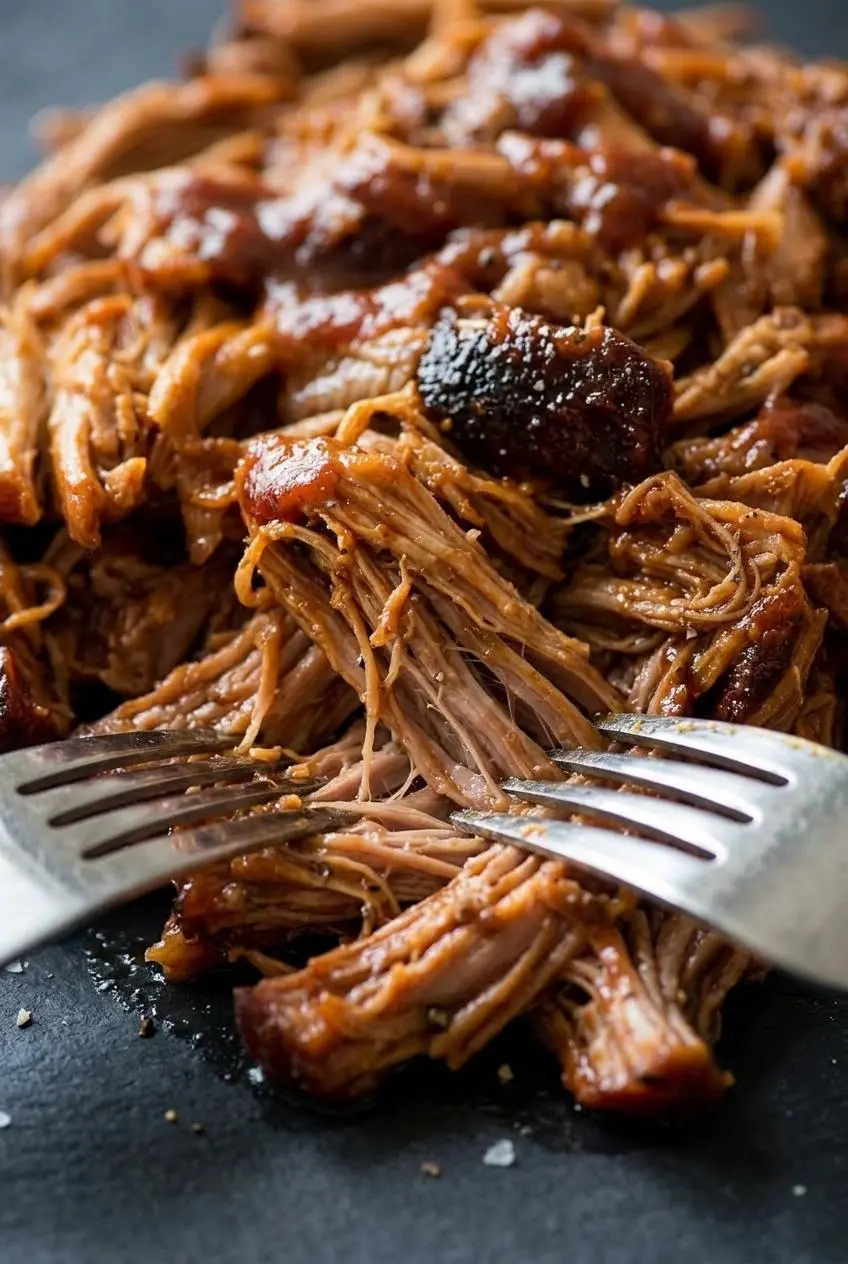
- Pull the pork into strands with two forks, then add barbecue sauce and toss gently until coated.
The meat should stay in distinct, juicy shreds rather than becoming mashed or pasty.
Barbecue Sauce
- Put all barbecue sauce ingredients in a saucepan and cook over medium heat for 45 minutes, stirring from time to time.
The sauce is ready when it has thickened and coats a spoon instead of looking watery. - Stir 3/4 – 1 cup of slow cooker juices into the sauce until it reaches a syrup-like consistency.
Add the liquid gradually so the sauce stays glossy and clings to the pork. - Adjust the finished sauce with brown sugar or honey for sweetness, salt for seasoning, and vinegar for more tang.
The ideal balance is sweet, savory, and sharp enough to cut through the rich pork.
For especially tender pulled pork, check the center with an instant-read thermometer. The roast should reach 195°F to 205°F, where the connective tissue has softened enough for effortless shredding. At 165°F, pork can still feel firm and rubbery because it has not had enough time to break down.
Alternative Cooking Methods
You can use the same flavor profile with other equipment, but treat these as optional adaptations rather than changes to the slow cooker method above.
Dutch Oven Braising
Cook the seasoned pork in a tightly covered heavy Dutch oven at 300°F (150°C) for 3 1/2 to 4 hours. Check for fork tenderness near the end. The enclosed pot traps moisture while the oven heat creates a more concentrated, roasted flavor around the edges.
Instant Pot Pressure Cooking
Cut the pork into large 3-inch chunks, add the braising liquid, and cook on high pressure for 60 to 75 minutes. Let the pressure release naturally for 15 minutes before checking tenderness. This is the fastest option, though the oven finish is especially helpful if you want dark, crisp edges.
Backyard Smoker Option
Smoke pork shoulder at 225°F to 250°F with applewood or hickory chunks. When the internal temperature reaches 165°F and the temperature rise slows, wrap the pork tightly in butcher paper or heavy foil, then continue until it reaches 203°F.
For an optional carnitas-style direction, replace the barbecue-rub profile with cumin, Mexican oregano, orange juice, and lime juice. The result is brighter and more citrus-forward, with plenty of options for tacos. For a fuller version, try slow cooker pork carnitas.
Troubleshooting and Texture Fixes
Most pulled pork problems come down to timing, moisture, or fat management. The fixes are straightforward once you know what the meat is telling you.
Why Is My Pork Tough?
- Tough or rubbery pork: The connective tissue has not softened enough. Return the roast to heat and cook for another 45 to 60 minutes, then test again with a fork or thermometer.
- Pork that will not shred: It likely needs more cooking time, not more force. Continue until the internal temperature is within the 195°F to 205°F range and the bone loosens easily.
- Mushy pork: Shredding too aggressively can turn tender meat into a paste. Pull it gently with two forks and stop when the strands are separated.
How to Rescue Dry Shredded Pork
- Dry strands: Skim the surface fat from the reserved cooking liquid, warm the flavorful juices, and toss them gradually through the pork before adding sauce.
- Greasy sauce: Let the cooking liquid settle so the fat rises, then remove that top layer before using the remaining juices. The sauce will taste cleaner and cling better.
- Flat flavor: Add more vinegar a little at a time if the pork tastes heavy. A small adjustment can make the smoky spices and molasses taste sharper and more balanced.
Storage, Freezing, and Reheating Instructions
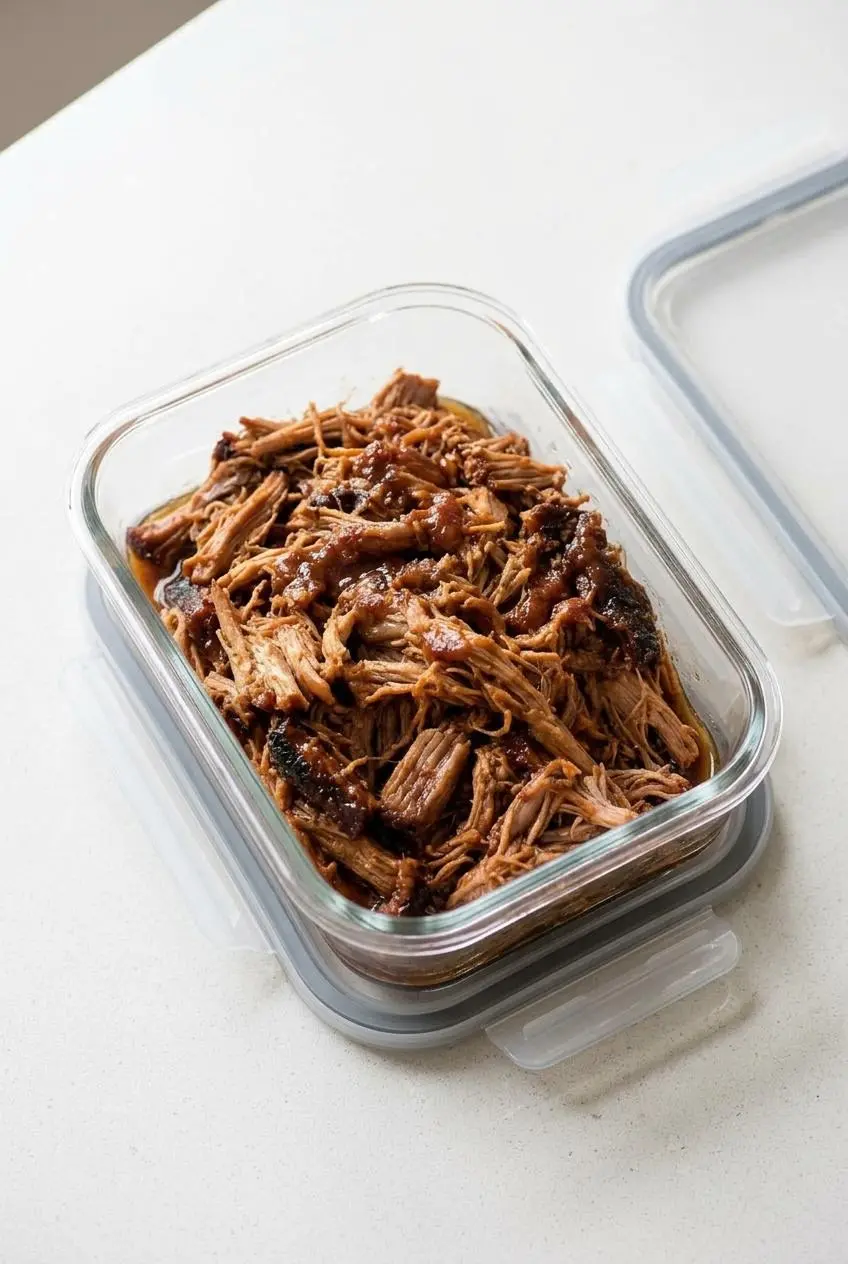
Cool leftover pulled pork, divide it into shallow airtight containers, and keep some sauce or defatted juices with each portion so the meat stays moist. Cooked pork dishes can be refrigerated for 3 to 4 days or frozen for up to 3 months for best quality when handled and stored properly, as outlined for refrigerating and freezing cooked pork dishes.
Reheat the pork gently in a covered skillet over medium-low heat with a splash of braising liquid, broth, or barbecue sauce. You can also warm it in a covered dish in a 300°F oven. Avoid reheating it uncovered, which can dry the thin strands before the center is hot.
Delicious Ways to Serve Pulled Pork
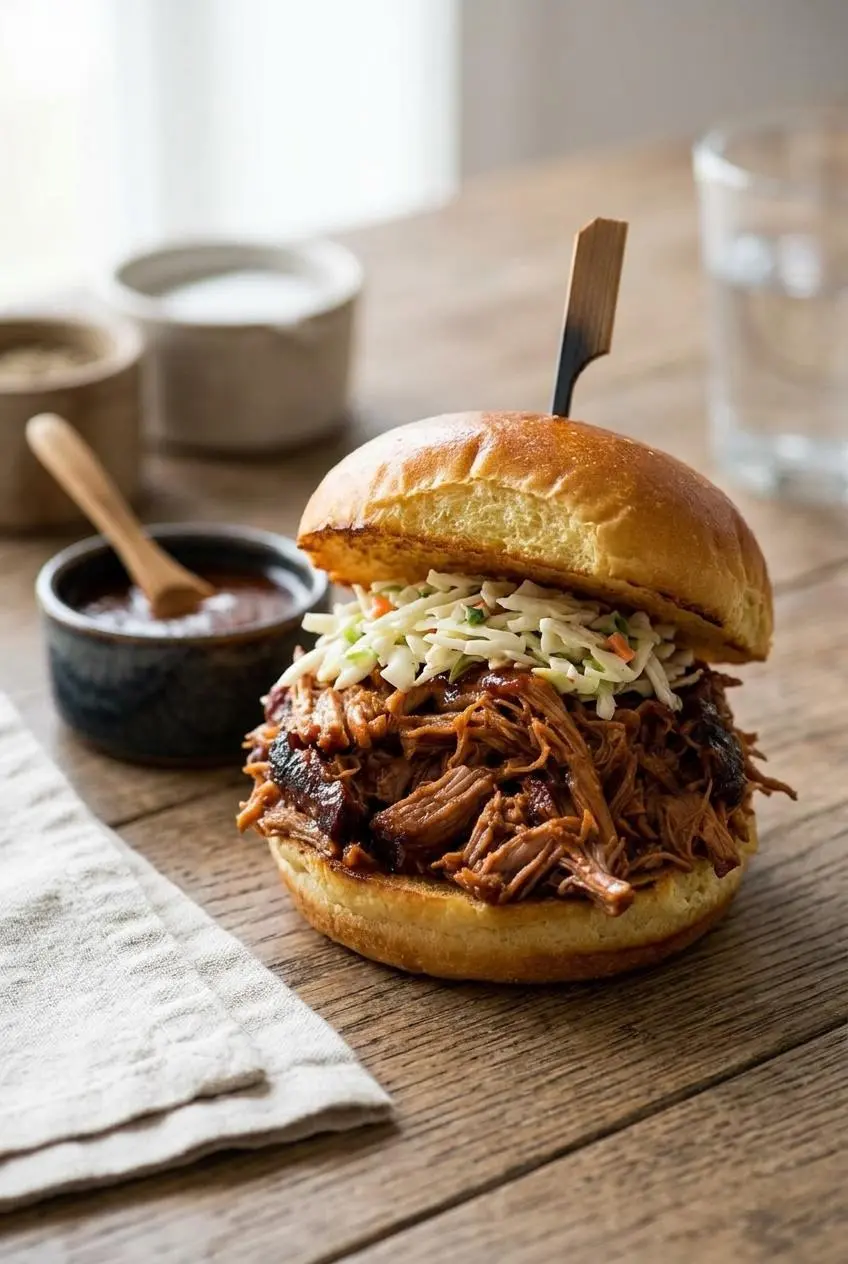
Warm pulled pork works for casual sandwiches, big barbecue plates, and quick leftover meals. Keep something tangy or crisp alongside it to balance the rich meat.
- Fill soft brioche slider buns with warm pork and crisp vinegar coleslaw for a classic cookout-style sandwich.
- Build a barbecue dinner plate with macaroni and cheese, warm cornbread, and buttery green beans.
- Turn leftovers into tacos, quesadillas, grain bowls, or loaded nachos. A spoonful of fresh homemade salsa adds welcome brightness to rich pork.
- Serve a corn side dish alongside the pork, such as Mexican street corn, for a smoky, creamy contrast.
- For crisp, burnt-end-style bits, brush a portion of the pork with reduced cider glaze and give it a brief blast in a hot oven before serving.
Conclusion
Great pulled pork comes from patience, a well-marbled shoulder cut, and enough low heat to turn firm connective tissue into tender, juicy strands. Defatted cooking juices and tangy barbecue sauce keep every bite rich without feeling greasy.
Take your time with the roast, trust the fork test, and save those flavorful juices. The reward is pork that practically melts into the bun.
Frequently Asked Questions
What Is the Best Cut of Meat for Pulled Pork?
Bone-in pork butt, also called Boston butt, is the top choice for pulled pork. Its marbling and connective tissue soften during slow cooking, creating moist, tender strands. Pork shoulder also works well, while lean pork loin is more likely to dry out.
What Internal Temperature Should Pulled Pork Reach to Pull Easily?
Pull the pork when it reaches 195°F to 205°F internally. That range gives collagen enough time to soften, so the pork separates easily with two forks. Texture matters too: the probe should slide in with very little resistance.
What Liquid Is Best to Cook Pulled Pork In?
Beer, apple cider, or apple juice all work well as the braising liquid in this recipe. They add moisture and gentle sweetness while the pork cooks. Apple cider vinegar in the barbecue sauce brings acidity that balances the rendered pork fat.
How Do You Keep Pulled Pork From Drying Out When Reheating?
Reheat it covered over gentle heat rather than blasting it uncovered. Add a splash of reserved cooking juices, broth, or barbecue sauce before warming. Stir only until the pork is hot and coated, so the strands stay tender.
Pulled Pork Recipe

Equipment
- Slow cooker
- Roasting pan
- Saucepan
- Two forks
Ingredients
Pork and Braising Liquid
- 3.5-4.5 kg/ 5-7lb pork butt / pork shoulder, bone in, fat cap on
- 1 cup beer, apple cider or apple juice
Rub
- 3 tbsp brown sugar
- 1 tbsp paprika powder
- 1 tbsp garlic powder
- 2 tsp onion powder
- 2 tsp mustard powder
- 1 tsp cumin powder
- 1 tbsp salt
- 1 tsp black pepper
BBQ Sauce
- 1 cup apple cider vinegar
- 3 cups tomato ketchup
- 1 cup water
- 3 tbsp molasses, orginal
- 2/3 cup brown sugar
- 4 tsp mustard powder
- 3 tsp garlic powder
- 4 tsp Worcestershire sauce
- 2 tsp salt
- 2 tsp black pepper
- 2 tsp Tabasco or cayenne pepper (optional, for spiciness)
Instructions
Slow Cooking
- Combine the brown sugar, spices, salt, and pepper for the rub, then coat the pork thoroughly on all sides. Leave no bare patches so the exterior develops an even, deeply seasoned finish.
- Place the seasoned roast in the slow cooker and pour in the beer, apple cider, or apple juice. Cook on low for 10 hours, until the meat separates easily when pressed with two forks.
Browning in Oven (Optional, Recommended)
- Heat the oven to 180°C / 350°F while the pork remains in the slow cooker. The oven should be fully hot before the roast goes in so the surface begins browning promptly.
- Move the cooked pork to a roasting pan, keeping all of the slow cooker liquid aside. Handle the roast gently because it will be very tender and may begin to break apart.
- Skim the fat from the surface of the cooking liquid and drizzle about 1/3 cup over the pork before roasting for 20 minutes. The rub will darken into a rich mahogany crust and smell more intensely smoky and sweet.
- Take the pork from the oven, remove and discard the thick top layer of fat, then spoon 1/4 cup of fat from the cooking liquid over the roast. Return it to the oven for 15 minutes, until the edges are browned and lightly crisp.
Shredding and Serving
- Pull the pork into strands with two forks, then add barbecue sauce and toss gently until coated. The meat should stay in distinct, juicy shreds rather than becoming mashed or pasty.
Barbecue Sauce
- Put all barbecue sauce ingredients in a saucepan and cook over medium heat for 45 minutes, stirring from time to time. The sauce is ready when it has thickened and coats a spoon instead of looking watery.
- Stir 3/4 – 1 cup of slow cooker juices into the sauce until it reaches a syrup-like consistency. Add the liquid gradually so the sauce stays glossy and clings to the pork.
- Adjust the finished sauce with brown sugar or honey for sweetness, salt for seasoning, and vinegar for more tang. The ideal balance is sweet, savory, and sharp enough to cut through the rich pork.