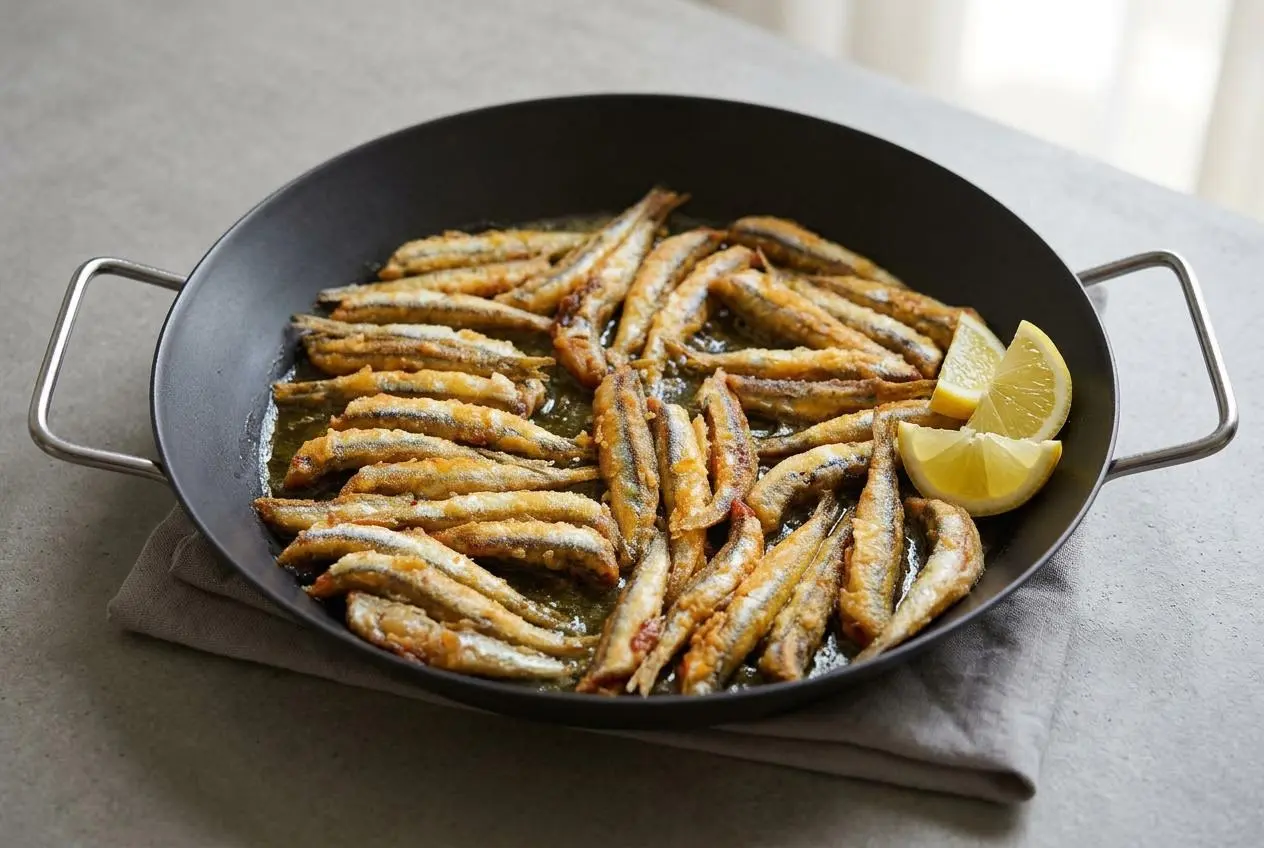
Fried anchovies are tiny whole fish lightly dredged in flour and fried in hot oil for 1 to 2 minutes until golden and crispy, then served hot with lemon.
Fresh anchovies taste nothing like the salty canned kind used on pizza. They fry up clean, delicate, and deeply savory, with a light sea flavor and a crisp shell that feels more like great tapas than a bold cured fish.
If you like quick seafood appetizers, this one is hard to beat. The aroma stays fresh rather than fishy, and the crunch is the whole point.
Pat the anchovies very dry before flouring them or the coating will clump instead of crisp.
Understanding Fresh Anchovies vs. Canned
This matters right away because canned anchovies and fresh anchovies are completely different ingredients. Fresh or frozen whole anchovies are mild, soft-fleshed little fish meant for quick frying, while canned anchovies are salt-cured fillets packed in oil with a much stronger, saltier punch.
When you fry the fresh kind, you get a golden crust and tender center with a clean ocean flavor. The canned kind would turn overly salty, break apart, and never give you that crisp, airy bite. If you have canned anchovies on hand, save them for something like savory lemon pizza, where their bold cured flavor actually belongs.
Fresh fried anchovies also feel lighter on the plate than many battered seafood snacks. In Spain, boquerones fritos are often served simply with lemon and sea salt. In Greece, they fit naturally into a mezze spread. Across the Mediterranean, the idea stays the same: quick cooking, crisp coating, and fish that still tastes like fish in the best way.
They are also a practical choice for cooks who like small wild fish. These species are widely enjoyed in coastal cooking because they are flavorful, affordable in many markets, and well suited to fast high-heat cooking.
How to Source and Clean Fresh Anchovies
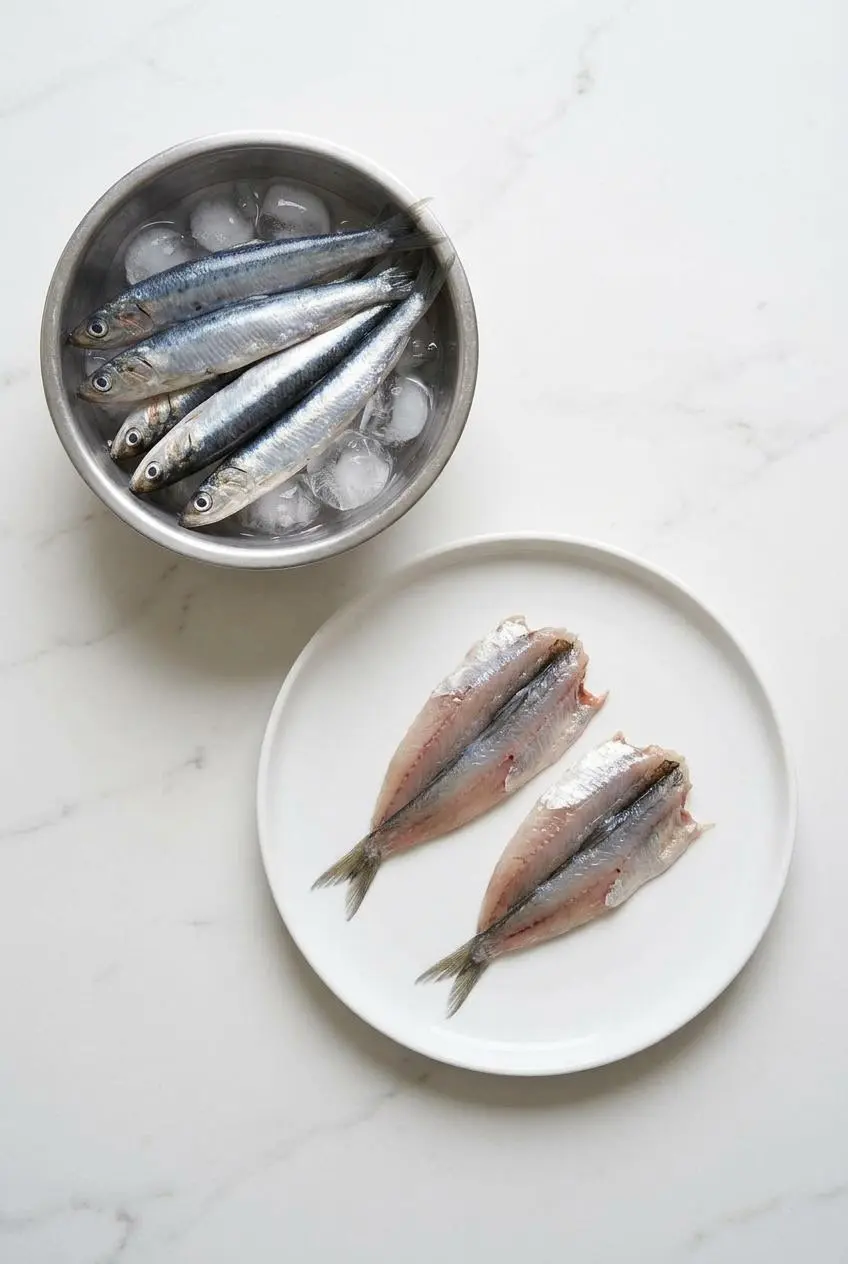
Good fried anchovies start before the pan goes on the stove. If the fish are fresh, firm, and properly cleaned, the final flavor stays sweet and clean instead of muddy or bitter.
Sourcing Tips for US Home Cooks
In the US, the easiest place to find whole anchovies is often a Mediterranean, Italian, Spanish, Greek, or Asian specialty market. Many stores carry them frozen, which is often a better option than settling for fish that have been sitting too long in a display case.
Look for anchovies that smell fresh and briny, not harsh or sour. The flesh should feel firm, and the skin should look shiny rather than dull or dried out. If you are buying fresh fish, clear eyes and intact bodies are good signs. If you are buying frozen, choose packages with fish that look individually defined rather than mashed into one icy block.
Avoid bait-shop anchovies or anything sold without clear food handling standards. For frying, you want food-grade fish from a fish market or grocery freezer, not something intended for another purpose.
If your local seafood counter does not stock them, ask whether whole anchovies can be special ordered. That works surprisingly often.
Step-by-Step Cleaning and Butterflying
Cleaning anchovies looks fiddly at first, but it goes quickly once you get the hand motion down. Keep a bowl for scraps nearby, rinse the fish briefly, and work with a few at a time so they stay cold and firm.
Hold one anchovy in one hand and pinch just behind the head with the other. Pull the head downward and forward so it comes away while opening the belly at the same time. That opening gives you access to the innards.
Next, use your thumb or index finger to sweep out the guts in one motion from head end toward the belly opening. This is the step that prevents bitter flavor, so take an extra second here.
To butterfly the fish, gently open it like a book and run your fingertip along the backbone. Lift the spine from the top end, then slide it toward the tail in a slow pull. On small anchovies, the bones are delicate, so they usually release cleanly. If you want the classic look, leave the tail attached.
Very tiny anchovies can sometimes be fried with the spine left in, but for larger ones, removing it gives a neater shape and an easier bite. Once cleaned, rinse lightly if needed and dry them thoroughly before flouring.
I like to keep the cleaned fish over a bowl of ice while I work so the flesh stays firm and easier to butterfly.
One more quality check helps here: if the belly flesh looks mushy or the smell turns strong and unpleasant, skip that batch.
Ingredients
Each ingredient here has a job, from crisp coating and seasoning to richness, acidity, and that sharp final squeeze of freshness.
For the fried anchovies
- 1 lb fresh anchovies (thawed, if frozen)
- 1-1.5 cups all-purpose flour
- 1.5 teaspoons salt
- 1 teaspoon ground black pepper
- 1-2 cups vegetable oil (for frying (canola, soybean oil, corn oil, or sunflower seed oil work great!))
- Lemon wedges (for serving)
For the homemade tartar sauce
- 1/2 cup mayonnaise
- 1 teaspoon sweet pickle relish
- 1 teaspoon lemon juice
- Optional: pinch of salt, pepper, garlic powder, and/or 1/2 teaspoon yellow mustard
The anchovies bring the savory base and delicate texture. Flour builds the crust, salt and pepper season every bite, and lemon cuts through the richness right at the table. The tartar sauce adds cool creaminess and a little tang, which works especially well when the fish are served hot and very crisp.
How to Make Crispy Fried Anchovies
The method is fast, so it helps to set up everything before the oil is ready. Once the fish hit the pan, you are watching color, bubbling, and texture more than the clock.
Preparation
- Rinse the anchovies, remove the heads, and clean out the innards and spine with your fingers.
The fish should open neatly and feel clean inside, with the tail still attached if you want the classic butterflied shape. - Mix the flour, salt, and black pepper on a large plate or in a wide bowl until the seasoning is evenly distributed.
An even dredge means the fish fry up crisp and properly seasoned instead of patchy or bland. - Toss the cleaned anchovies in the seasoned flour until they are fully coated, then shake off any excess.
The surface should look dry and dusty rather than wet or pasty.
Deep-Fry Method
- Pour the vegetable oil into a small saucepan so it is a few inches deep, then heat it and test with the tip of a toothpick.
If small bubbles form almost at once, the oil is hot enough to fry. - Lower a few floured anchovies into the hot oil with a slotted metal spoon or metal spatula, leaving space around each one.
The bubbling will start fast and loud, which is a good sign that moisture is escaping and the crust is setting. - Fry the anchovies for about 1 minute until golden brown.
As they finish, the bubbling calms down and the fish look crisp rather than pale. - Lift the anchovies out with metal tongs or a metal slotted spoon and transfer them to a paper towel-lined plate.
The crust should feel light and crisp right away, not heavy or oily.
Pan-Fry Method
- Add enough oil to a pan to reach about 1/2-inch deep, then heat it and check it with the toothpick test.
The oil is ready when it reacts quickly with tiny bubbles instead of sitting still. - Lay in the floured anchovies without crowding the pan and cook for about 30 seconds to 1 minute per side.
Turn them when the first side looks golden and releases easily from the pan. - Move the cooked anchovies to a clean paper towel-lined plate.
They should be crisp outside and still delicate inside, not dark or dried out.
Serve
- Serve the fried anchovies warm with fresh lemon juice squeezed over the top and tartar sauce on the side.
The lemon wakes up the flavor immediately and balances the fried coating. - Stir together the mayonnaise, sweet pickle relish, lemon juice, and any optional seasonings for the tartar sauce, then taste and adjust.
The finished sauce should taste creamy, tangy, and bright enough to cut the richness of the fish.
The biggest frying cue is sound. At first the oil bubbles hard and noisily because the fish are releasing moisture. As the coating dries and crisps, that bubbling settles down. That is usually your sign to check color and pull them before they dry out.
For fish, proper handling and full cooking matter. If you want a broader overview of safe seafood buying, handling, and cooking in the US, this summary of safe seafood handling and cooking practices is useful.
The Ultimate Mediterranean Crispy Dredging Secret
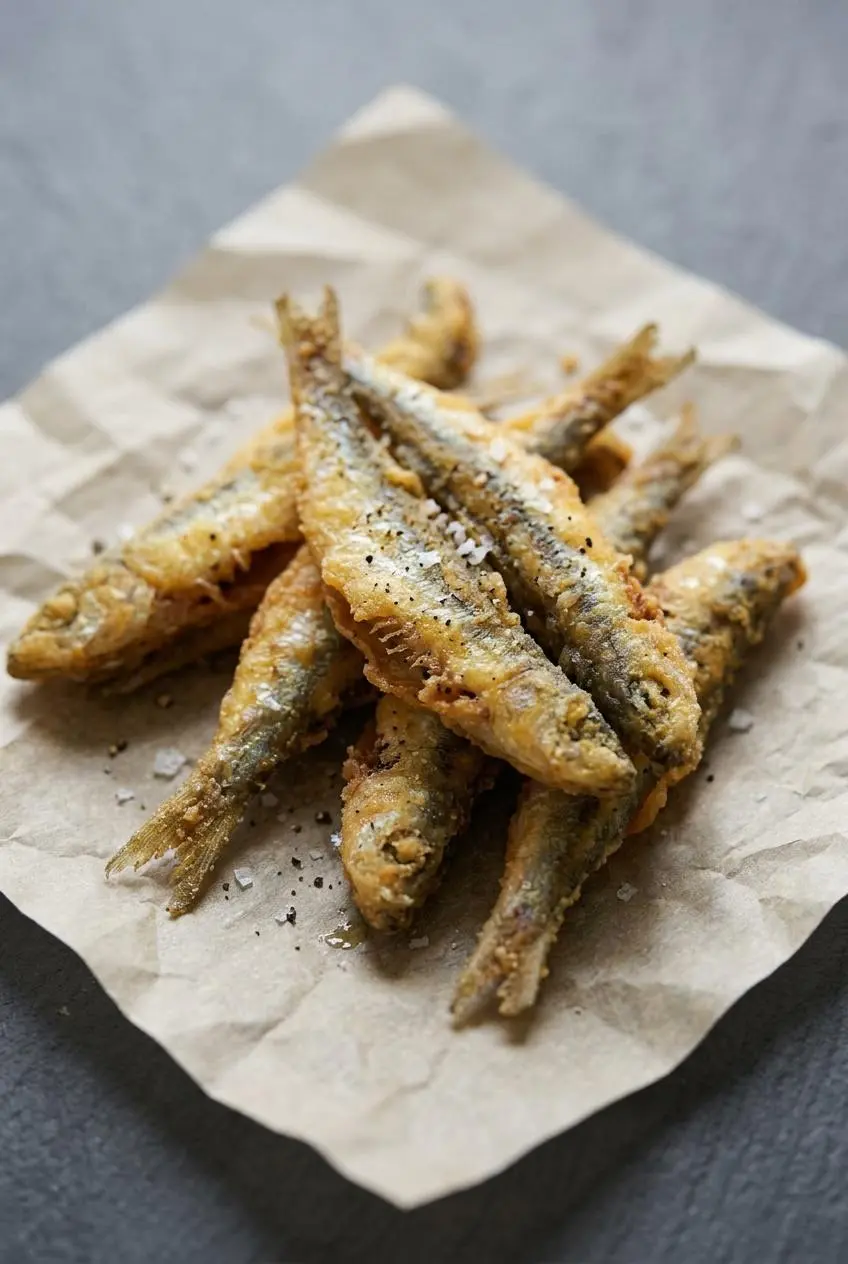
If your goal is a thin, crackly crust instead of a thick bready shell, dryness matters more than anything else. Wet fish create steam, steam softens flour, and softened flour turns gummy before it can crisp.
So the first real secret is simple: after cleaning, blot the anchovies very well with paper towels. Get into the belly cavity too. The fish should feel dry to the touch before they go anywhere near the flour.
From there, the coating choice changes the texture:
- All-purpose flour gives a classic light crust with a familiar golden finish.
- Fine semolina makes the coating a bit sandier and crunchier, which suits Spanish-style frying especially well.
- Rice flour fries up extra light and crisp, with less chew and a delicate snap.
- Cornstarch can help with crispness too, but it gives a more fragile coating and less color than flour or semolina.
A heavy wet batter would bury the fish, and that misses the point here. Fried anchovies should taste like anchovies first and coating second.
The Salting Secret for Firm Fish
Salting the cleaned anchovies before dredging can help firm the surface and draw off a little moisture. If you want that effect, sprinkle them lightly with some of the salt and let them sit briefly while you prepare the flour.
After that, blot any moisture that appears and coat them well. The fish should feel slightly firmer and less slippery, which helps the flour cling better.
Gluten-Free Rice Flour Substitution
If you need a gluten-free option, swap the all-purpose flour for fine rice flour or a gluten-free starch blend. Rice flour is especially good here because it fries into a very crisp, delicate shell that stays light instead of turning dense.
You may notice slightly less browning than with wheat flour, so use color plus texture as your guide. When done, the coating should feel dry and brittle, not soft or chalky.
Deep-Frying vs. Pan-Frying Methods
Both methods work well, but they give slightly different results. The choice comes down to the texture you want, the oil you have, and how much cleanup you feel like doing.
Pan-frying is closer to the homey Mediterranean style many cooks use for boquerones fritos. A shallow layer of oil gives excellent color fast, and high-quality olive oil can add lovely flavor if you enjoy that more traditional profile. Because the fish are so small, pan-frying also makes it easy to watch them closely and pull them the second they turn golden.
Deep-frying in neutral oil gives the most even all-over crust. It is also helpful when your anchovies are not identical in size, since the surrounding oil cooks them quickly and consistently. If you are comfortable frying, this method produces a very clean crunch.
For both methods, never start with cold oil. If you do not have a thermometer, the toothpick test works well, and a wooden spoon handle can help too: once the wood causes a steady ring of small bubbles, the oil is hot enough to start. If the oil smokes, it is too hot. Lower the heat and give it a moment.
Timing is different for each approach. Deep-fried anchovies are usually done in about 1 minute because the fish are surrounded by hot oil. Pan-fried anchovies need about 30 seconds to 1 minute per side so each side can color properly.
Crowding is the fastest route to soggy fish. Fry in batches so the oil stays hot and the anchovies crisp instead of steaming. The same temperature control that matters here also matters when making crispy fried fish, though tiny anchovies cook much faster and need a lighter touch.
After frying, let the oil cool completely before dealing with it. Strain out crumbs if you want to keep your cleanup tidier, and dispose of the used oil in a sealed container rather than pouring it down the drain.
Italian Battered Anchovies (Alici Indorate e Fritte)
This Italian variation is richer and a little puffier than the Spanish flour-dredged style. Instead of frying the floured anchovies as they are, dip them in seasoned beaten egg after the flour coating, then fry them until golden.
The result is softer and more substantial on the outside, with a gentle eggy richness around the fish. It is still quick cooking, still crisp at the edges, and still best served hot, but it feels different from boquerones fritos.
That contrast is useful if you are choosing a style for a meal:
- Spanish style keeps the crust thinner and the fish flavor cleaner.
- Italian alici dorate e fritte give you a fuller, slightly puffed coating.
- Greek mezze style often stays simple, with flour, lemon, and herbs doing most of the work.
Keep this as an optional variation rather than changing the main recipe. The base method above is the crispest route when you want the fish to stay the star.
Easy Dipping Sauces and Side Pairings
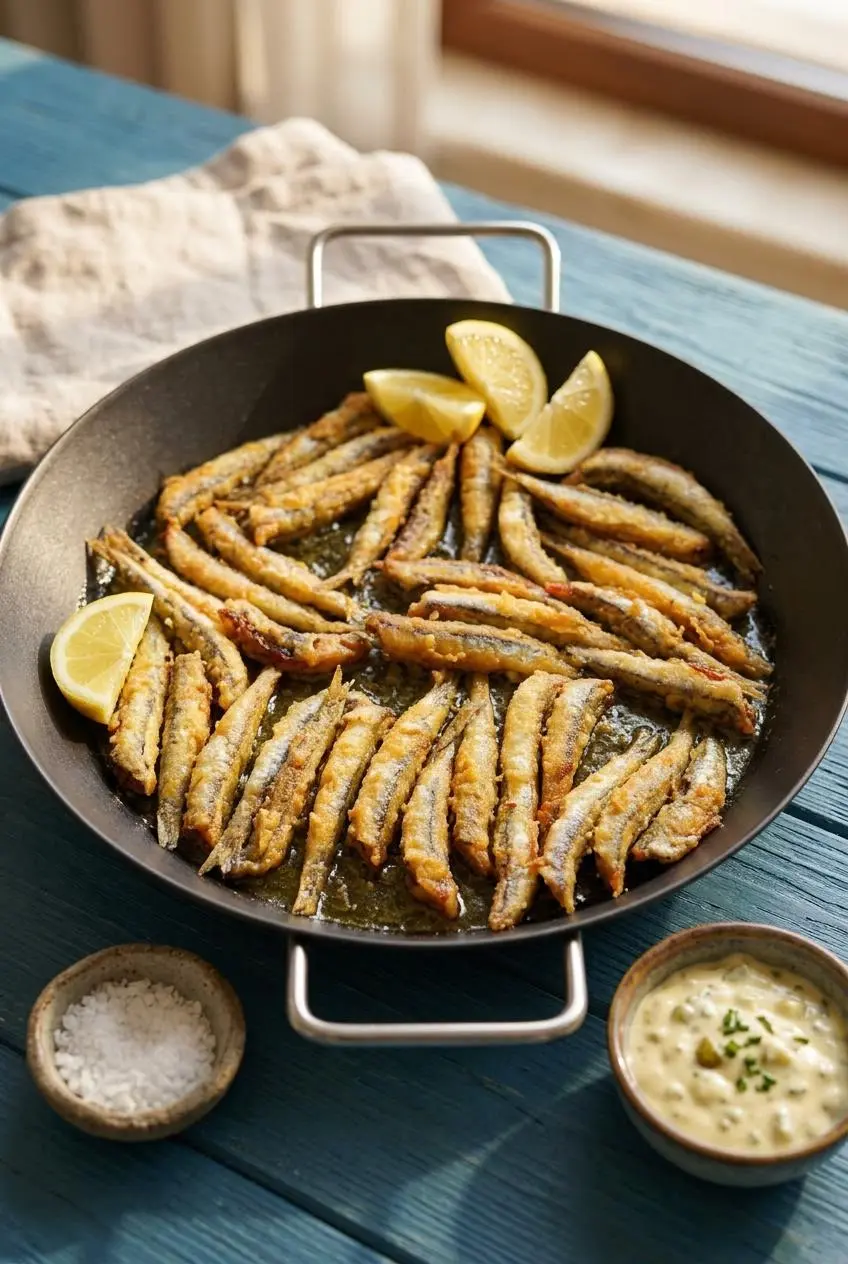
These little fish are best served the minute they come out of the oil, with something sharp or cool alongside them. Rich dips, lemon, and salty tapas-style sides all make sense here.
For a Spanish beach-bar feel, pile the anchovies onto a platter with lemon wedges, a pinch of sea salt, green olives, and roasted peppers. For a Greek mezze angle, add parsley and a cool yogurt dip. If you are serving a crowd, keep the fish in a single layer so the crust does not trap steam.
Classic Garlic Herb Tartar Sauce
The included tartar sauce is quick and works especially well if you want a familiar creamy dip. Whisk together the mayonnaise, sweet pickle relish, and lemon juice, then add any of the optional seasonings to sharpen the flavor.
Garlic powder gives it a savory edge, mustard adds bite, and a little pepper helps it stand up to the fried coating. If you like herbs, stir in a small spoonful of chopped fresh herbs from your fridge stash, but keep the sauce bright rather than heavy.
Mediterranean Dill Yogurt Dip
If tartar sauce feels too rich, a yogurt-based dip is a great alternate direction. Stir Greek-style yogurt with grated or very finely minced garlic, lemon juice, dill, and a pinch of salt until it tastes cool and lively.
This dip is especially good with hotter, just-fried anchovies because the contrast is sharper and lighter. It also fits nicely if you want a more Greek-style spread.
Troubleshooting Common Frying Mistakes
Most problems with fried anchovies come from moisture, heat, or extra seconds in the pan. Here is how to fix the common ones.
- If the coating turns patchy or gummy, the fish were too wet. Dry them more thoroughly, then dredge again in dry flour.
- If the anchovies come out pale and greasy, the oil was not hot enough or the pan was crowded. Fry fewer at a time and wait for that immediate lively bubbling before adding more.
- If the fish taste bitter, some innards likely remained during cleaning. Sweep the belly cavity clean and remove the dark interior completely next time.
- If the crust softens fast on the plate, the anchovies sat in steam. Drain them in a single layer and serve right away.
- If they are dark and dry, they stayed in the oil too long. These fish cook incredibly fast, so start checking as soon as they turn golden.
A properly cooked anchovy feels light and rigid at the edges with a delicate center. When you bite in, the crust should crackle and the flesh should taste sweet and savory, not oily. An undercooked one feels limp, greasy, and a little heavy on the tongue.
Many home cooks also wonder about doneness with tiny fish because a thermometer is not practical here. The visual cue is better anyway: opaque flesh, deep golden coating, and bubbling that has clearly eased off.
Conclusion
Fresh fried anchovies are one of the fastest ways to turn a humble little fish into something special. They cook in minutes, taste clean and briny, and fit just as well on a tapas platter as they do beside a simple dipping sauce.
If you remember one trick, make it this one: dry the fish well before dredging, and use semolina or rice flour when you want extra crunch. Serve them hot, add lemon, and enjoy them while the crust still sings.
Frequently Asked Questions
Can you eat the bones in fried anchovies?
Yes, in small fried anchovies the tiny bones are usually easy to eat. Once fried, they become brittle rather than chewy. If the fish are larger, removing the backbone during cleaning still gives a neater bite.
Do you need to remove the head and guts?
Yes, that is the best approach for this recipe. Removing the head makes it easier to pull out the innards, which helps prevent bitter flavor. Very tiny anchovies can sometimes be cooked more simply, but cleaned fish taste fresher and fry more evenly.
Where can I buy fresh anchovies in the US?
Check Spanish, Italian, Greek, Mediterranean, or Asian specialty markets first. Frozen whole anchovies are often easier to find than fresh and can be an excellent choice. A local fishmonger may also be able to special order them.
Can I use canned anchovies for this recipe?
No, canned anchovies are the wrong ingredient here. They are salt-cured, oil-packed fillets, so they are much saltier and far more delicate than fresh whole anchovies. For frying, use fresh or frozen whole fish only.
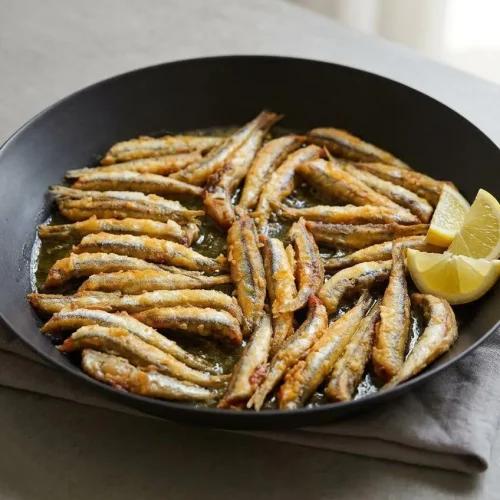
Fried Anchovies

Equipment
- Small saucepan or large pan
- Metal tongs or metal slotted spoon
Ingredients
For the fried anchovies
- 1 lb fresh anchovies (thawed, if frozen)
- 1-1.5 cups all-purpose flour
- 1.5 teaspoons salt
- 1 teaspoon ground black pepper
- 1-2 cups vegetable oil for frying (canola, soybean oil, corn oil, or sunflower seed oil work great!)
- Lemon wedges for serving
For the homemade tartar sauce
- 1/2 cup mayonnaise
- 1 teaspoon sweet pickle relish
- 1 teaspoon lemon juice
- Optional: pinch of salt, pepper, garlic powder, and/or 1/2 teaspoon yellow mustard
Instructions
Preparation
- Rinse the anchovies, remove the heads, and clean out the innards and spine with your fingers. The fish should open neatly and feel clean inside, with the tail still attached if you want the classic butterflied shape.
- Mix the flour, salt, and black pepper on a large plate or in a wide bowl until the seasoning is evenly distributed. An even dredge means the fish fry up crisp and properly seasoned instead of patchy or bland.
- Toss the cleaned anchovies in the seasoned flour until they are fully coated, then shake off any excess. The surface should look dry and dusty rather than wet or pasty.
Deep-Fry Method
- Pour the vegetable oil into a small saucepan so it is a few inches deep, then heat it and test with the tip of a toothpick. If small bubbles form almost at once, the oil is hot enough to fry.
- Lower a few floured anchovies into the hot oil with a slotted metal spoon or metal spatula, leaving space around each one. The bubbling will start fast and loud, which is a good sign that moisture is escaping and the crust is setting.
- Fry the anchovies for about 1 minute until golden brown. As they finish, the bubbling calms down and the fish look crisp rather than pale.
- Lift the anchovies out with metal tongs or a metal slotted spoon and transfer them to a paper towel-lined plate. The crust should feel light and crisp right away, not heavy or oily.
Pan-Fry Method
- Add enough oil to a pan to reach about 1/2-inch deep, then heat it and check it with the toothpick test. The oil is ready when it reacts quickly with tiny bubbles instead of sitting still.
- Lay in the floured anchovies without crowding the pan and cook for about 30 seconds to 1 minute per side. Turn them when the first side looks golden and releases easily from the pan.
- Move the cooked anchovies to a clean paper towel-lined plate. They should be crisp outside and still delicate inside, not dark or dried out.
Serve
- Serve the fried anchovies warm with fresh lemon juice squeezed over the top and tartar sauce on the side. The lemon wakes up the flavor immediately and balances the fried coating.
- Stir together the mayonnaise, sweet pickle relish, lemon juice, and any optional seasonings for the tartar sauce, then taste and adjust. The finished sauce should taste creamy, tangy, and bright enough to cut the richness of the fish.