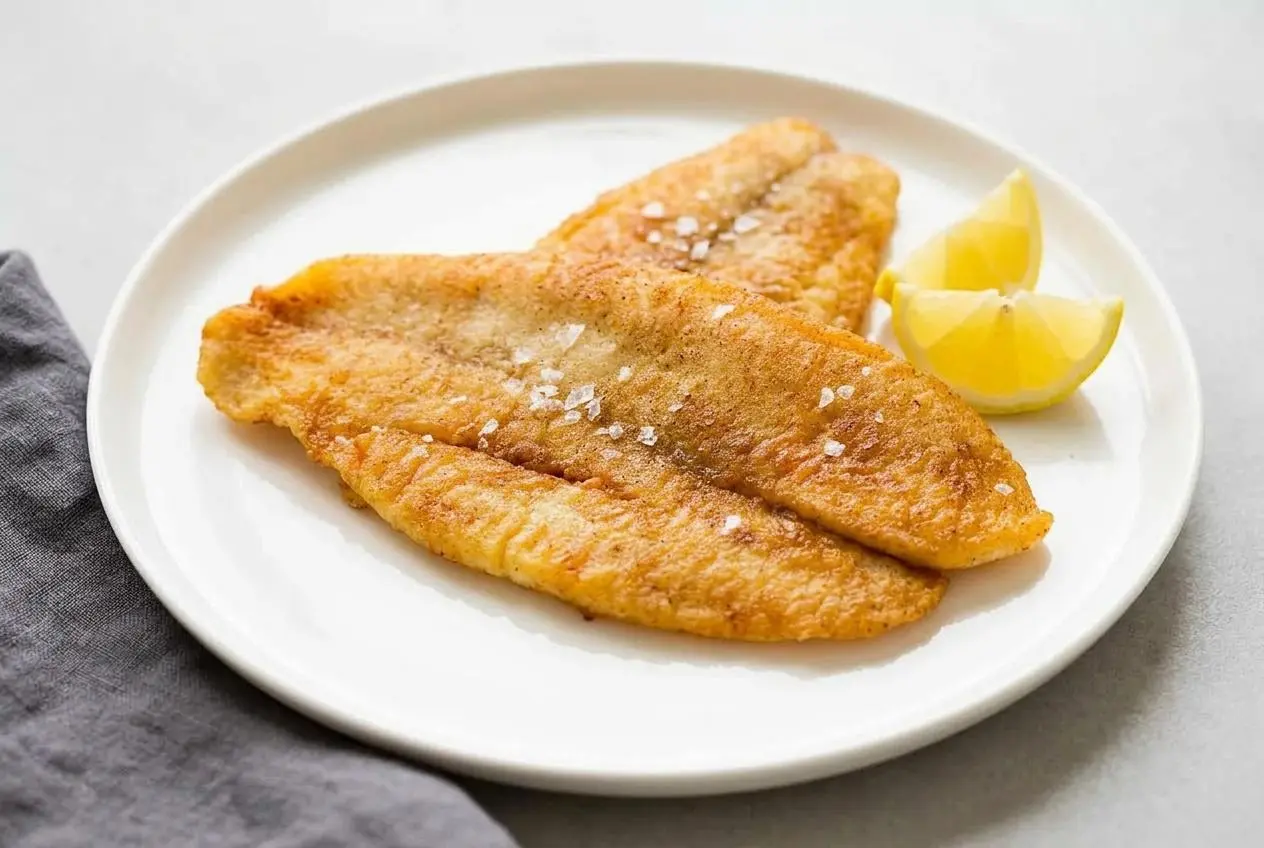
This Fried Fish Recipe gives you crispy, golden fish with a flaky center by using dry fillets, hot oil, and the right coating for the style you want.
It starts with a fast pan-fried method for thin fillets, then shows you how to choose fish, build a better crust, and make a classic Southern version with a hearty crunch.
You’ll like how flexible it is: flour for a light crust, cornmeal for fish-fry texture, and panko for extra crunch. The little details make the difference. That’s where it gets good.
Set your serving plates and lemon wedges out before you start, because fried fish is best the minute it leaves the pan.
Choosing the Best Fish for Frying
The best fish for frying are firm, mild white fish that hold together in hot oil and still flake nicely when you cut in. Thin fillets cook quickly, which makes them ideal for a weeknight pan-fry, while slightly sturdier pieces also do well in a deep-fried fish fry.
Cod and haddock give you tender flakes and a classic fish-and-chips feel. Tilapia is mild and budget-friendly. Catfish has a richer taste and is a natural fit for Southern fried fish. Flounder can work too, but it’s thinner and more delicate, so it needs a gentle hand.
Fish Selection Guide
| Fish Type | Flavor Profile | Texture | Best For |
|---|---|---|---|
| Cod | Mild, clean | Large flaky pieces | Pan-frying, fish and chips |
| Haddock | Mild, slightly sweet | Tender and flaky | Pan-frying, deep-frying |
| Tilapia | Very mild | Soft, fine flakes | Quick pan-frying |
| Catfish | Richer, earthy | Firm and moist | Southern-style deep-frying |
| Flounder | Delicate, sweet | Thin and tender | Fast pan-frying |
If you’re using frozen fillets, thaw them completely first, then dry them very well with paper towels. Any extra surface moisture fights the crust and can make the fish steam instead of fry.
Whole fish can also be fried, but fillets are easier for most home cooks because they cook faster and coat more evenly.
The Secret to a Perfect Fried Fish Coating
A good coating does two jobs at once: it protects the fish so it stays juicy, and it creates the crunch that makes fried fish worth craving. The style you choose changes the whole result, from delicate and crisp to hearty and craggy.
A lot of home cooks ask which coating is best. Honestly, it depends on the texture you want. A little cornstarch mixed into a flour dredge can make the crust even crisper, because it reduces heaviness and helps the surface fry up drier.
For a Light Crust: Simple Flour Dredge
This is the coating used for the main pan-fried fish below. Flour gives a thin, even crust that turns golden fast and lets the fish stay the star.
It works especially well for thin fillets in a skillet because it doesn’t feel bulky. Press the flour on lightly, then shake off the extra so the coating looks even rather than cakey.
For a Gritty Crunch: Southern Cornmeal Mix
Cornmeal coating gives you that classic fish-fry bite with a more rugged crunch. It’s great for catfish and other sturdy fillets, especially when you want a deep-fried finish.
Seasoned cornmeal is often paired with Cajun seasoning or Old Bay for extra punch. Many Southern cooks also brush the fish with a thin layer of yellow mustard first, which helps the coating grip and adds a subtle tang.
For Maximum Crispiness: Panko Breading
Panko gives the lightest, crunchiest shell of the three. It’s especially good when you want lots of texture without a heavy coating.
The usual setup is flour first, then egg wash, then panko. That three-step breading helps the crumbs stick better and creates a crackly outer layer. For a lighter fried dinner with lots of crunch, panko is hard to beat.
The Buttermilk Secret for Tender Fish
A short buttermilk soak is an optional move, but it’s a good one. It can help tenderize the fish slightly and gives the coating something to cling to, especially for Southern-style frying.
Let the fish sit in buttermilk for 30 to 60 minutes, then let the excess drip off before dredging. Some cooks add a pinch of baking powder to the dry coating for a slightly lighter crust too, though that’s a variation rather than part of the main recipe.
Ingredients for This Fried Fish Recipe
Each ingredient has a clear job here: the flour builds the crust, paprika adds color, oil crisps the surface, and lemon and herbs brighten the rich finish.
- 2 thin fish fillets, around 150g/5 oz each, 1 cm / 2/5″ thick, skin on or off
- Salt and pepper
- 1/4 cup / 35g flour (plain/all purpose, wholemeal)
- 1 tsp paprika, optional
- 2 – 3 tbsp oil, enough to mostly thinly cover base (I use vegetable or canola)
Garnishes
- Lemon wedges
- Finely chopped parsley or dill, for garnish, optional
I always dry fish more than I think I need to, especially thawed fillets, because that extra minute pays off in a much crisper crust.
How to Make Crispy Pan-Fried Fish
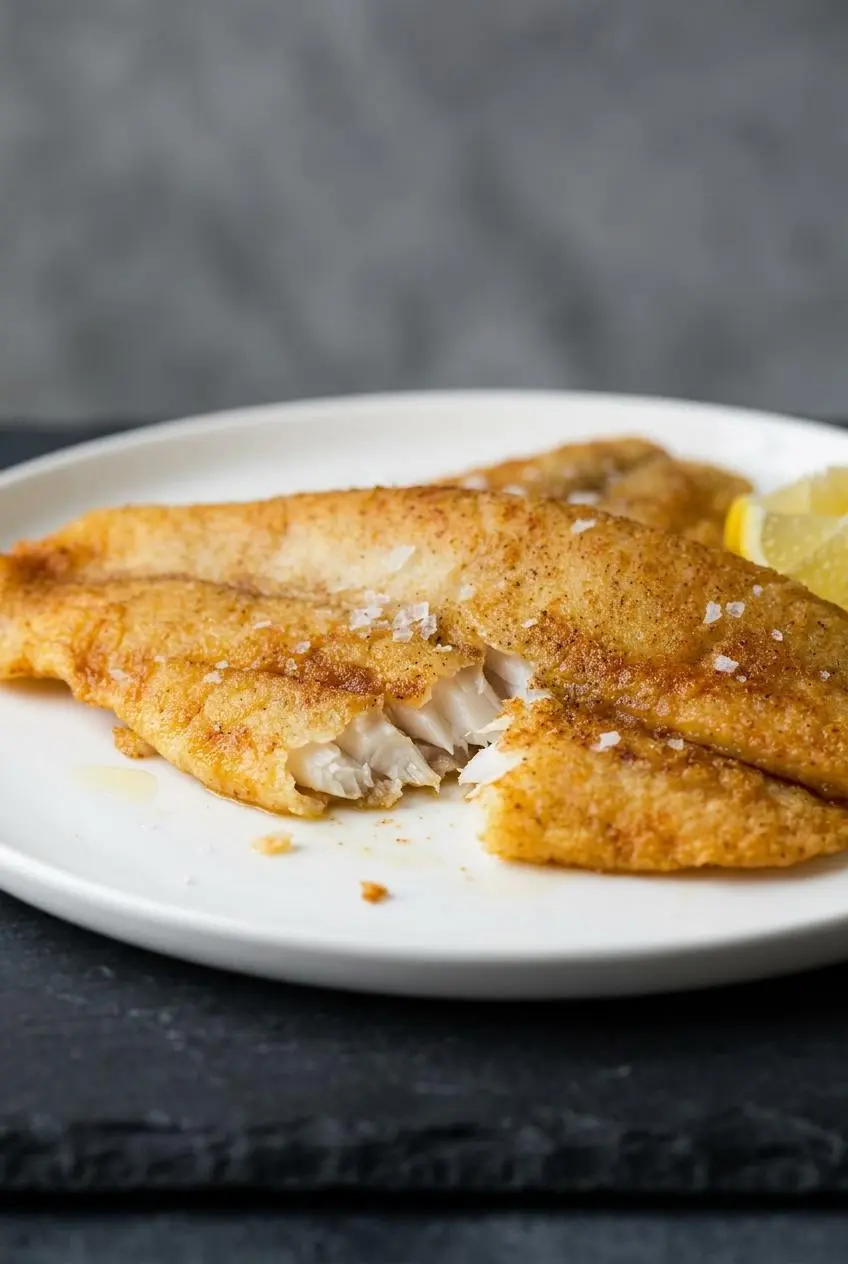
This is the quick everyday method. You get crisp edges, a golden coating, and tender fish in just a few minutes, all in one skillet.
- Pat the fish fillets thoroughly dry on both sides with scrunched-up paper towels.
The surface should feel dry to the touch, which helps the seasoning and flour cling properly. - Season both sides well with salt and pepper.
A full, even seasoning gives the fish flavor all the way through the crust. - Stir the flour and paprika together on a plate.
The mixture should look evenly colored so the crust browns consistently. - Dredge each fillet on both sides in the flour mixture, pressing lightly so it sticks, then shake off the excess.
The coating should look thin and even, not thick or dusty. - Heat a heavy based skillet over medium high heat until you see faint wisps of smoke, then add the oil and swirl to coat the base.
The oil should look loose and hot almost immediately. - Lay the fish in the skillet and cook for 2 minutes on the first side, pressing gently if needed.
You want a confident sizzle and a deep golden crust before turning. - Flip and cook the second side for 2 minutes more, then lift the fish out of the pan.
The coating should be crisp and the fish should flake easily at the thickest part. - If the fish colors too fast, pull the skillet off the heat briefly, and if it sticks, leave it alone until the crust sets.
Once the surface is properly browned, the fillet usually releases on its own. - Serve right away with lemon wedges and parsley or dill, if using.
The crust is at its best while it is still hot and audibly crisp.
How to Make Classic Southern Fried Fish
If you want that old-school fish fry texture, this is the style to use. Southern fried fish usually leans on a seasoned cornmeal coating and deeper oil for a thicker, crunchier crust than a skillet dredge gives.
Start with firm fillets like catfish or cod. Dry them well, season them, and if you like, brush them lightly with yellow mustard or soak them briefly in buttermilk before dredging. Then coat them in a seasoned cornmeal mixture, pressing so the crust adheres all over.
Heat deep frying oil to 350°F to 375°F and fry in batches until the fish is deeply golden and floating. High-smoke-point oils such as vegetable, canola, or peanut oil are the most practical choice for frying, as noted in official guidance.
Set the cooked fish on a wire rack instead of stacking it on a plate. That keeps the bottom from trapping steam and softening. If you love this style of coating, the same crisp, savory approach also works beautifully in Country Fried Steak.
Essential Tips for Incredibly Crispy Fish
This is where the little fixes live. A lot of our readers ask what actually keeps fried fish crisp, and the answer is usually less about fancy ingredients and more about handling.
- Pat the fish bone-dry. This is the number one rule. Moisture creates steam, and steam softens crust.
- Get the oil hot before the fish goes in. For deep-frying, aim for 350°F to 375°F. For pan-frying, the oil should be shimmering. If you don’t have a thermometer, a pinch of flour should sizzle right away without burning.
- Don’t crowd the pan. Too many fillets at once drop the oil temperature, and that leads to pale, greasy coating.
- Use a wire rack after frying. Air can circulate under the fish, so the bottom stays crisp instead of going soft.
- Move the fish less. Once it hits the pan, give the crust time to set before flipping.
- Keep batches warm in a low oven. Around 200°F works well while you finish the rest.
These same frying habits help with other crispy favorites too, including Fried Chicken Wings.
Troubleshooting Common Fried Fish Problems
Most fried fish problems are easy to fix once you know what caused them. Here’s the quick save-your-dinner version.
Why Is My Fish Soggy?
| Problem | Likely Cause | Solution |
|---|---|---|
| Fish turns soggy instead of crisp | Oil was too cool or the pan was overcrowded | Use a thermometer when deep-frying and cook in batches so the oil stays hot |
| Breading falls off during cooking | Fish was damp, coating was loose, or the fillet was moved too soon | Dry the fish well, press the coating on, and wait for the crust to set before flipping |
| Fish is dry inside | It cooked too long | Pull it when the center turns opaque and flakes easily; if you use a thermometer, fish is done at 145°F in official guidance |
Why Did the Breading Fall Off?
The biggest culprit is usually wet fish. A second common issue is flipping too early, before the crust has had time to grab onto the surface. And if the coating is too thick, it can slide off in patches instead of crisping into place.
How to Tell When Fish Is Perfectly Cooked
Look for fish that has turned opaque all the way through and flakes easily when nudged with a fork. The crust should be golden, and the inside should still look moist, not chalky. Trust me, that balance is the sweet spot.
Homemade Sauces for Fried Fish
A good sauce makes fried fish feel finished. The contrast of cool, creamy, bright, or tangy flavors is what keeps each bite from tasting too heavy.
- Classic tartar sauce: Stir together mayonnaise, chopped pickles or relish, lemon juice, and a little black pepper. Capers or dill are great if you want more zip.
- Zesty cocktail sauce: Mix ketchup with prepared horseradish and a squeeze of lemon. Add a dash of hot sauce if you like more bite.
- Lemon-dill aioli: Combine mayonnaise with fresh lemon juice, lemon zest, and chopped dill. This one is especially nice with cod or haddock.
What to Serve with Fried Fish
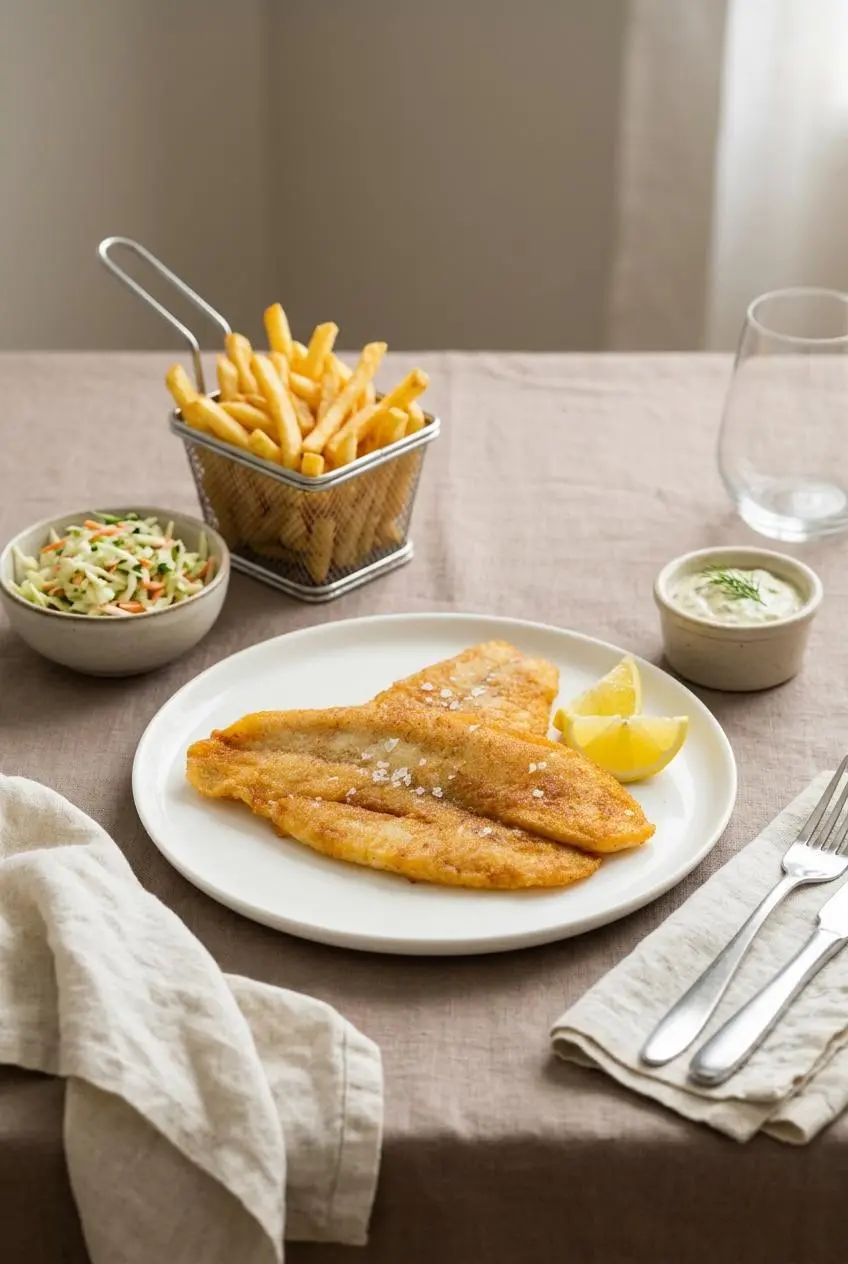
Fried fish can go two ways: classic fish-and-chips comfort or a full Southern spread. Both are excellent, so it really depends on your mood and how crunchy your side dish ambitions are.
- Classic pairings: French fries, potato wedges, coleslaw, tartar sauce, and lemon.
- Southern-style sides: hushpuppies, grits, mac and cheese, collard greens, and Southern Fried Apples for a sweet-savory plate.
- Lighter options: green salad, cucumber salad, steamed vegetables, or sliced tomatoes.
- Extra crunchy side: Crispy Fried Zucchini works well if you want a vegetable with the same golden, snacky energy.
Storing and Reheating Leftovers
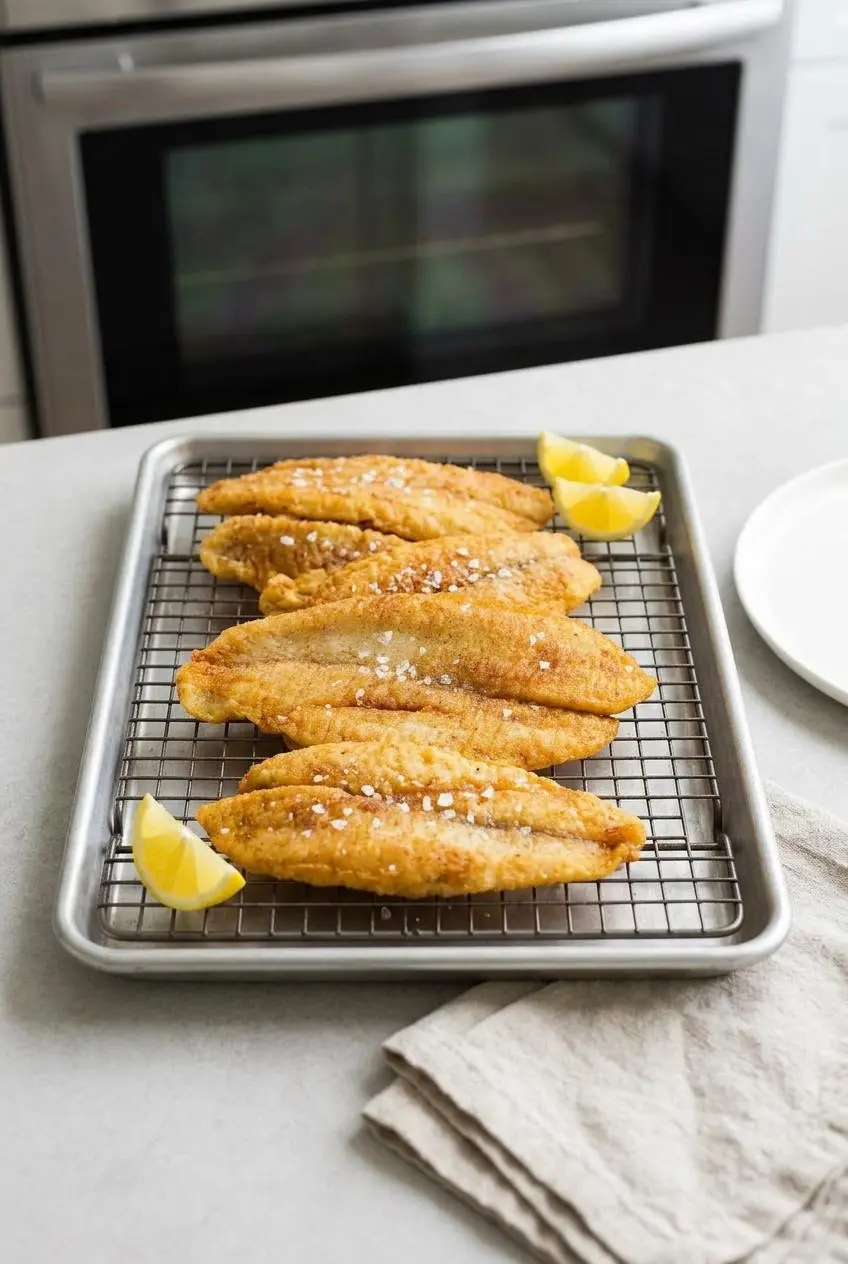
Fried fish is best fresh, but leftovers can still be good if you store them properly and reheat with dry heat. Keep cooled fish in an airtight container in the refrigerator for up to 3 days with official guidance.
For the best texture, reheat in a 375°F to 400°F oven or air fryer for 5 to 8 minutes, just until hot and crisp again. Skip the microwave if you can, because it softens the crust and can make the fish feel steamy.
If you’re using an air fryer from the start as a lighter variation, coat the fish as desired, lightly oil the surface, and cook in a single layer until crisp and cooked through. It won’t be exactly the same as deep-fried fish, but it can still give you a very satisfying crunch.
Conclusion
The keys to great fried fish are simple: start with dry fillets, use properly heated oil, and give the crust time to set. Once those pieces are in place, crispy fish gets much easier.
Whether you stick with the quick skillet version or go full Southern fish fry with cornmeal, you’re only a few good minutes away from a golden, flaky dinner. Serve it hot and enjoy every crunchy bite.
Frequently Asked Questions (FAQ)
What is the best type of fish for frying?
Firm, mild white fish are the best pick. Cod, haddock, tilapia, and catfish all fry well. They hold their shape in hot oil. They flake nicely once cooked. Catfish is especially popular for Southern-style fried fish.
How do I prevent my fried fish from being soggy or greasy?
Hot oil and dry fish matter most. Pat the fillets very dry before seasoning and coating. Keep deep-frying oil in the 350°F to 375°F range. Fry in batches so the temperature doesn’t drop. Drain the fish on a wire rack, not a flat plate.
Should I use flour or cornmeal for the coating?
Choose based on the crust you want. Flour gives a lighter, thinner crust and is great for pan-frying. Cornmeal gives a heartier, gritty crunch that suits Southern-style fish. Panko is another option if you want a lighter but extra-crispy shell.
How do I reheat leftover fried fish so it’s crispy again?
Use dry heat, not steam. An oven or air fryer works best. Reheat at 375°F to 400°F for 5 to 8 minutes. Arrange the fish in a single layer for better crisping. Avoid the microwave if you want the crust to stay crisp.
Can I use frozen fish fillets?
Yes, as long as you prep them well. Thaw them completely before cooking. Dry them thoroughly with paper towels. Season and coat only after the surface moisture is gone. This step makes a big difference in how well the crust sticks.
What is the right oil temperature for frying fish?
It depends on the method. For deep-frying, aim for 350°F to 375°F. For pan-frying, heat the oil until it shimmers. The fish should sizzle right away when it hits the pan. If the oil is too cool, the coating tends to absorb oil instead of crisping.
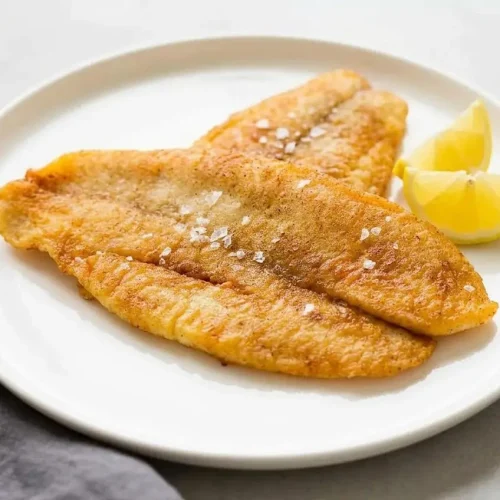
Fried Fish Recipe

Equipment
- Heavy based skillet (normal or non stick)
Ingredients
- 2 thin fish fillets, around 150g/5 oz each, 1 cm / 2/5″ thick, skin on or off
- Salt and pepper
- 1/4 cup flour (plain/all purpose, wholemeal) / 35g
- 1 tsp paprika optional
- 2-3 tbsp oil, enough to mostly thinly cover base (I use vegetable or canola)
Garnishes
- Lemon wedges
- Finely chopped parsley or dill for garnish, optional
Instructions
- Pat the fish fillets thoroughly dry on both sides with scrunched-up paper towels. The surface should feel dry to the touch, which helps the seasoning and flour cling properly.
- Season both sides well with salt and pepper. A full, even seasoning gives the fish flavor all the way through the crust.
- Stir the flour and paprika together on a plate. The mixture should look evenly colored so the crust browns consistently.
- Dredge each fillet on both sides in the flour mixture, pressing lightly so it sticks, then shake off the excess. The coating should look thin and even, not thick or dusty.
- Heat a heavy based skillet over medium high heat until you see faint wisps of smoke, then add the oil and swirl to coat the base. The oil should look loose and hot almost immediately.
- Lay the fish in the skillet and cook for 2 minutes on the first side, pressing gently if needed. You want a confident sizzle and a deep golden crust before turning.
- Flip and cook the second side for 2 minutes more, then lift the fish out of the pan. The coating should be crisp and the fish should flake easily at the thickest part.
- If the fish colors too fast, pull the skillet off the heat briefly, and if it sticks, leave it alone until the crust sets. Once the surface is properly browned, the fillet usually releases on its own.
- Serve right away with lemon wedges and parsley or dill, if using. The crust is at its best while it is still hot and audibly crisp.