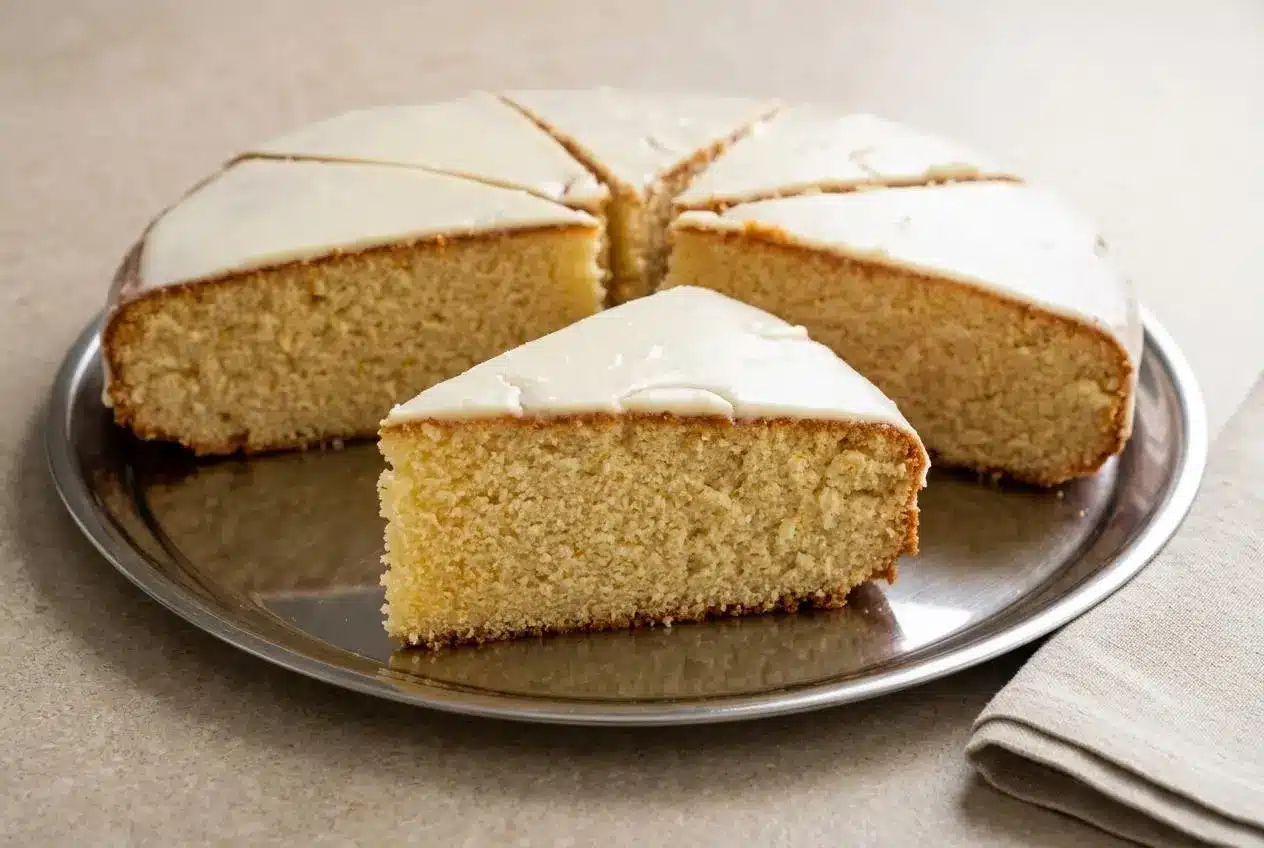
There’s something almost magical about a classic yellow cake on a kitchen counter, the kind that takes you straight back to birthday parties with paper plates and too much frosting. In my American home kitchen, I’ve baked more of these than I can count, and I learned the hard way why so many turn out dry and crumbly like the grocery store versions.
This yellow cake keeps the familiar golden color and vanilla warmth, but it bakes up plush and moist, with a crumb that stays tender for days. It looks traditional on the outside, yet a couple of quiet pastry-chef habits make all the difference once you take that first buttery bite.
Why You’ll Love This Recipe
Brown-butter perfume: Instead of a flat, one-note sweetness, I lean on beurre noisette style flavor for a toasted, nutty aroma that makes the vanilla extract smell even more “bakery.”
Tender crumb that lasts: A touch of full-fat sour cream brings acidity and fat, which helps soften the crumb structure so the cake stays velvety even the next day.
Classic, but not boring: You still get that sunshine-yellow slice and familiar celebration vibe, just with a deeper buttery finish and a softer bite than most all-purpose flour cakes deliver.
Ingredients and Substitutions

This is a pantry-friendly list, the kind you can pull together fast. The balance of baking powder, sugar, and fat is what gives yellow cake its lift and that soft, birthday-cake crumb.
Ingredients
- 2 cups all-purpose flour
- 2 1/2 teaspoons baking powder
- 1 teaspoon salt
- 1 1/2 cups white sugar
- 1/2 cup shortening
- 3 large eggs
- 1 cup milk
- 1 teaspoon vanilla extract
Ingredient Notes & Substitutions
Room temperature ingredients: Let the eggs and milk lose their chill before you start, because warm-ish ingredients emulsify more smoothly and you won’t end up with a batter that looks slightly curdled.
All-purpose flour: For a softer, more delicate bite, swap out 2 tablespoons of the flour for cornstarch, then whisk it thoroughly into the remaining flour to mimic a DIY cake flour effect.
Shortening and the brown butter twist: This ingredient list uses shortening, but in my kitchen I often replace it with the same amount of unsalted butter, browned until nutty and golden. You’ll get a deeper flavor and a more aromatic crumb, just cool it slightly before creaming so it doesn’t melt the sugar.
Whole eggs: Yolks give yellow cake its signature color and richness. For an “ivory cake” direction, you can use whites instead, but expect a lighter color and a slightly different tenderness.
Milk: Whole milk gives the nicest balance, but whatever you use, keep it consistent and measure carefully so the batter stays spoonable and silky, not tight and stiff.
Vanilla extract: A straightforward vanilla works beautifully here, especially because the batter is simple and the aroma comes through clearly after baking.
How to make yellow cake
Prep the pan and dry mix
- Heat the oven to 350 degrees F (175 degrees C). Grease and flour a 9×13-inch pan well, including the corners, because that’s where cakes love to cling.
- In a medium bowl, whisk together the all-purpose flour, baking powder, and salt until the mixture looks evenly blended and airy, with no little streaks of white leavening hiding inside.
Creaming for lift and a fine crumb
- In a large bowl, beat the white sugar with the shortening until it turns pale and fluffy, usually 3 to 5 minutes. You’re looking for a lighter color and a texture that looks almost whipped, this is what helps the cake rise instead of baking up heavy.
- Add the eggs one at a time, beating well after each, so the batter stays glossy and smooth. If it looks like it’s separating, keep mixing until it comes back together.
Alternate wet and dry, then bake
- Add the dry ingredients and the milk in turns, mixing just until you stop seeing dry flour. The batter should look creamy and thick, and overmixing here is the fastest road to a tough crumb.
- Stir in the vanilla extract, then scrape the bowl well and pour into the prepared pan. Bake for about 30 minutes, until the top springs back lightly and a toothpick in the center comes out clean.
Cool completely before frosting
Let the cake cool all the way in the pan before adding frosting, because warm cake will melt the topping and turn it slippery. When it’s cool, the crumb sets and slices cleanly with that tender, fine texture.
Secrets for a Bakery Style Result

Precision weighing matters most with flour, since a packed measuring cup is a sneaky way to bake a dry cake. Culinary schools explain precision weighing for consistent baking results.
Temperature control is the quiet pro move, because yellow cake can look done before it truly is. I aim for an internal temperature around 205 to 210 degrees F, which keeps it fully baked but still moist.
Emulsification is what makes the batter satiny instead of broken, especially once eggs go in. Egg science like proper emulsification helps explain that stable, smooth texture.
Crumb structure improves when you cream long enough and mix gently after flour. If you use the brown butter and sour cream twist, you’ll notice a softer bite and a warmer, toasted finish without sacrificing that classic yellow cake feel.
Pro Tips & Troubleshooting

Pro Tips
- Use fresh baking powder, because old leavening bakes up dense and flat.
- Cream the fat and sugar a full 3 to 5 minutes until noticeably paler.
- Stop mixing as soon as the flour disappears to avoid a tight crumb.
- If baking 24 hours ahead, a light simple syrup soak keeps slices extra moist.
Common Mistakes to Avoid
- Opening the oven early, because the sudden heat drop can sink the center.
- Overmixing after adding flour, which develops gluten and turns rubbery.
- Measuring flour too heavily, which is a common cause of dryness.
- Frosting while warm, which makes the topping melt and slide.
Serving & Storage
Serving Ideas
For the most classic table moment, yellow cake loves chocolate fudge frosting, that old-school sweet-and-buttery contrast. The same crowd-pleasing pairing shows up in my chocolate cake recipe when you want something darker and richer.
In summer, I’ll spoon macerated strawberries over a slice and finish with whipped cream, letting the juices soak in like a soft shortcut to strawberry shortcake. When you’re craving a lighter, sunny dessert, an olive oil cake gives that citrusy, breezy feel for warm-weather gatherings.
Storage & Make-Ahead
Store the cooled cake at room temperature in an airtight container, and it stays moist for several days. If your kitchen runs warm, you can refrigerate it, but let slices come back to room temp for the softest texture.
For make-ahead baking, wrap the fully cooled cake tightly in plastic wrap, then a layer of foil, and freeze. Thaw overnight in the refrigerator, then bring to room temperature before frosting or serving so the crumb feels plush again.

Classic Moist Yellow Cake

Equipment
- 9×13 inch baking pan
- Medium mixing bowl
- Large Mixing Bowl
- Electric hand mixer or stand mixer
- Whisk
Ingredients
- 2 cups all-purpose flour
- 2 1/2 teaspoons baking powder
- 1 teaspoon salt
- 1 1/2 cups white sugar
- 1/2 cup shortening
- 3 large eggs
- 1 cup milk
- 1 teaspoon vanilla extract
Instructions
Prep the pan and dry mix
- Heat the oven to 350 degrees F (175 degrees C). Grease and flour a 9×13-inch pan well, including the corners, because that is where cakes love to cling.
- In a medium bowl, whisk together the all-purpose flour, baking powder, and salt until the mixture looks evenly blended and airy, with no streaks of leavening.
Creaming for lift and a fine crumb
- In a large bowl, beat the white sugar with the shortening until it turns pale and fluffy, which usually takes 3 to 5 minutes of mixing.
- Add the eggs one at a time, beating well after each addition, ensuring the batter stays glossy and smooth without separating.
Alternate wet and dry, then bake
- Add the dry ingredients and the milk in alternating turns, mixing just until the dry flour is no longer visible to avoid creating a tough texture.
- Stir in the vanilla extract, scrape the sides of the bowl, and pour the batter into the prepared pan. Bake for about 30 minutes until a toothpick comes out clean and the top springs back.
Cool completely before frosting
- Let the cake cool completely in the pan before adding any frosting to ensure the topping does not melt or slide off.
Notes
Nutrition
Conclusion
This is the yellow cake I bake when I want the classic look with a more tender, bakery-style bite. The brown butter aroma and that little sour cream trick are small changes, but they turn a simple batter into a cake that stays soft and fragrant for days.
If you play with it, start small, a cornstarch swap for a finer crumb, or a simple syrup soak when making it ahead. And when you’re in the mood for another buttery classic, a sour cream cake is a lovely cousin with the same tender charm.