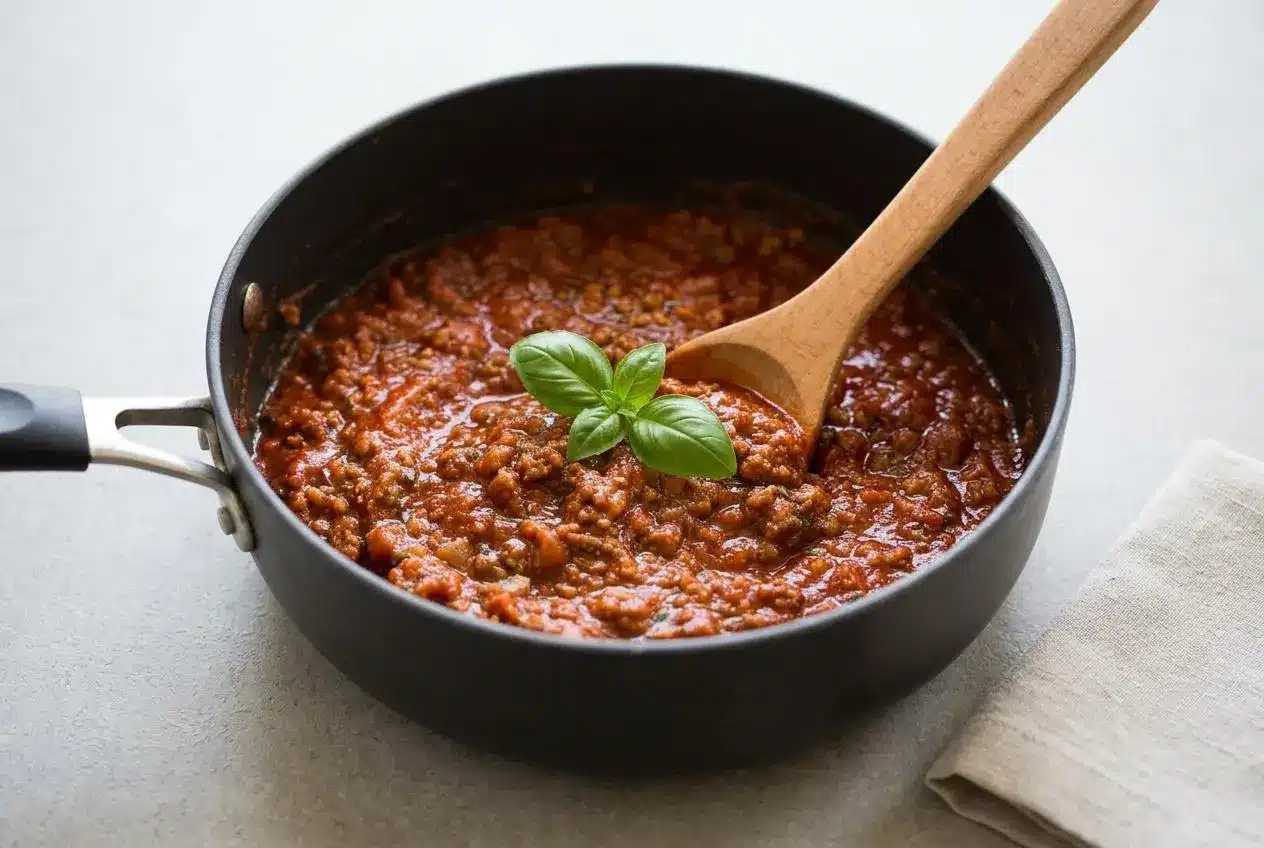
This homemade spaghetti sauce is a rich, meaty tomato sauce made with ground beef, tomato paste, and seasonings, then simmered until thick and flavorful. It’s easy enough for a weeknight and tasty enough to use beyond pasta night.
This spaghetti sauce is the kind of dinner staple that earns a permanent spot in your rotation. It delivers deep, savory flavor in under an hour, with a texture that clings well to noodles and layers beautifully into baked pasta dishes.
You get the comfort of a simmering pot, a reliable method, and plenty of ways to adjust the flavor without changing the core recipe. The best part is how the sauce darkens and mellows as it cooks.
Chop the onion before you start and keep the tomato paste, seasonings, and water close by so the sauce comes together smoothly once the meat is browned.
Why This Is the Only Spaghetti Sauce Recipe You’ll Need
If you want a classic meat sauce that works on a busy night but still tastes like it had more time, this is it. The combination of beef, tomato sauce, tomato paste, Worcestershire sauce, and herbs builds a hearty sauce with real depth.
It’s flexible, too. Spoon it over spaghetti, tuck it into lasagna, or save it for a baked pasta dinner later in the week. The base recipe is straightforward, which makes it easy to master and even easier to repeat.
Ingredients Explained: Building Blocks of Great Sauce
Each ingredient has a job here, from building savory depth and body to balancing acidity and adding fresh finish at the end.
- 1 pound ground beef ((or 1/2 lb ground Italian sausage and 1/2 lb ground beef))
- salt and freshly ground black pepper (, to taste)
- 1 medium onion (, chopped)
- 15 ounces tomato sauce
- 6 ounces tomato paste
- 1/2 teaspoon Italian seasoning
- 1 Tablespoon dried parsley flakes
- 1 teaspoon garlic powder
- crushed red pepper flakes (, to taste)
- 1 Tablespoon Worcestershire sauce
- 1 Tablespoon granulated sugar
- 1 cup water
- 1/4 cup fresh basil leaves ((optional))
- spaghetti noodles (, for serving)
Ground beef gives the sauce its hearty backbone. Onion softens into the meat and creates a sweeter base as it cooks. Tomato sauce forms the body, while tomato paste adds concentrated tomato flavor and helps the sauce thicken as it simmers.
The dried herbs and garlic powder build that familiar spaghetti-night flavor. Crushed red pepper adds gentle heat if you want it. Worcestershire sauce brings a darker savory note that makes the sauce taste fuller, and the sugar rounds out the sharp edge of the tomatoes rather than making the sauce sweet. Fresh basil brightens the finish right before serving.
I like to keep tomato paste on hand because it’s one of the quickest ways to make a sauce taste deeper and more cooked, even when dinner needs to move fast.
The Best Tomatoes: Fresh vs. Canned
For a dependable spaghetti sauce, canned tomatoes usually win. They’re picked and packed at peak ripeness, and they give you consistent flavor every time. In this recipe, tomato sauce keeps the texture smooth and the method simple.
If you want to upgrade the tomato flavor, look for San Marzano tomatoes or tomato products made from them. They tend to taste sweeter and less acidic, which helps the sauce feel richer without much extra work.
Fresh tomatoes can work, especially ripe plum tomatoes like Roma, but they need more prep and usually a longer cook. Peel and seed them first if you want a smoother finish, and expect the sauce to need extra simmering to cook off moisture and concentrate flavor.
| Tomato type | What it does well | What to expect |
|---|---|---|
| Canned tomato sauce | Smooth texture and steady flavor | Best for an easy, classic sauce like this one |
| Whole peeled tomatoes | Fresh tomato taste with more texture control | Needs crushing and a bit more simmering |
| Crushed tomatoes | Chunkier, rustic sauce | Great if you want more texture |
| Fresh plum tomatoes | Bright seasonal flavor | Needs peeling, seeding, and longer cooking |
Choosing Your Meat
All ground beef gives you a classic American-style meat sauce with a clean, hearty flavor. It’s the most straightforward option and pairs well with the sweetness of onion and the richness of tomato paste.
A mix of ground beef and Italian sausage adds more seasoning and a slightly richer texture because sausage brings extra fat and spices. If you use hot sausage, the whole pot gets a little more zip. Sweet or mild sausage keeps things savory without much heat.
You can also make it with only Italian sausage as an optional variation. When you do, taste before adding extra salt or pepper since sausage is often well seasoned on its own.
The Role of Tomato Paste and Seasonings
Tomato paste is doing heavy lifting here. It concentrates tomato flavor, deepens the color, and gives the sauce more body so it coats pasta instead of sliding off. If you cook it briefly before adding the liquids, it loses its raw edge and tastes sweeter and richer.
The sugar is there for balance, not dessert. A small amount helps soften the natural acidity of the tomatoes. Worcestershire sauce adds umami and a darker savory depth that makes the sauce taste more layered, even though the ingredient list stays familiar.
Dried parsley, Italian seasoning, garlic powder, and red pepper flakes fill out the flavor base, while basil added at the end keeps the sauce from tasting flat or overly dry.
| Ingredient | Best swap | How the sauce changes |
|---|---|---|
| Ground beef | Italian sausage | Richer, more seasoned flavor |
| Fresh basil leaves | Skip if needed | The finish is less bright and fresh |
| Tomato sauce | Whole or crushed tomatoes | More texture and a looser, rustic feel |
How to Make Homemade Spaghetti Sauce
The method is simple, but a few details make the sauce taste fuller and feel more polished. Brown the meat well, drain excess grease, and give the sauce enough simmering time to thicken and mellow.
- Season the ground beef with salt and freshly ground black pepper.
The seasoning starts building flavor before the meat even hits the pan. - Place the beef and chopped onion in a large skillet and cook over medium heat until the meat is browned and the onion has softened.
Look for no pink remaining in the beef and onions that turn translucent and smell sweet. - Drain off the excess grease from the skillet.
This keeps the finished sauce rich instead of oily. - Add the tomato sauce, tomato paste, Italian seasoning, dried parsley flakes, garlic powder, crushed red pepper flakes, Worcestershire sauce, and granulated sugar.
Stir until the tomato paste is fully worked in and the mixture looks evenly red and thick. - Bring the sauce to a boil, then pour in the water and stir again until smooth.
The sauce should loosen slightly but still look substantial in the pan. - Lower the heat and let the sauce simmer for 30 minutes, then stir in the chopped fresh basil leaves if using just before serving.
By the end, the color will deepen and the sauce will look thicker and more cohesive.
This sauce is especially good over spaghetti noodles, but it also works well anywhere you need a rich meat sauce that won’t disappear into the dish.
Tips for Unforgettable Flavor
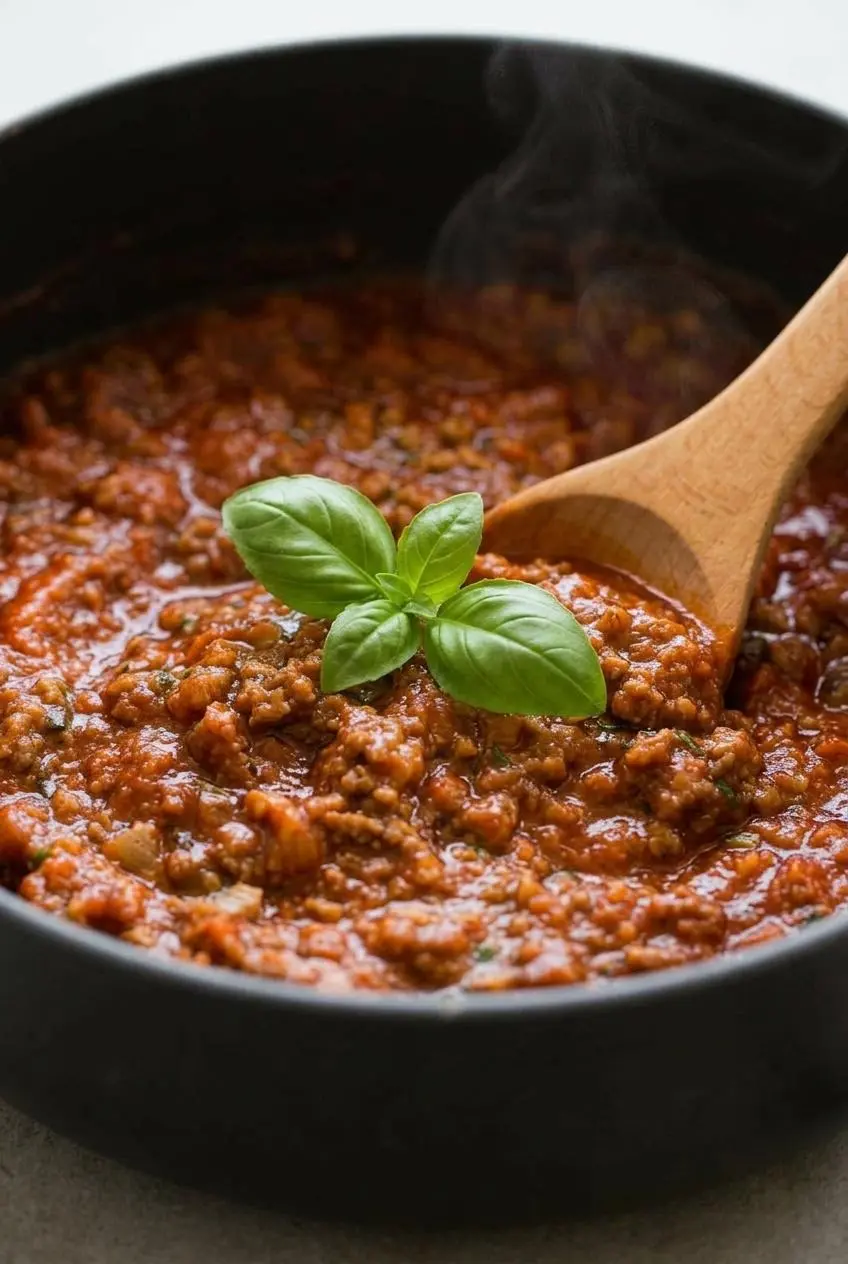
The base recipe is already solid, but a few small choices can make the sauce taste more rounded, deeper, and more like it simmered longer than the clock says.
Give It a Long, Slow Simmer
The recipe is ready after 30 minutes, but if you have extra time, keep it at a gentle low simmer longer. The sauce will darken from bright red to a deeper brick red, and it will thicken as water cooks off.
This is one of the easiest ways to improve flavor. The herbs soften, the meat taste settles into the tomatoes, and the sharp edges mellow out. If you’ve ever made sauce and thought it tasted thin or one-note, more simmering is usually the fix.
The Secret Weapon: A Parmesan Rind
If you have a Parmesan rind in the fridge, drop it into the pot while the sauce simmers. It adds a subtle savory, nutty depth that makes the sauce taste more developed without making it cheesy.
Let it steep in the sauce, then remove it before serving. This works especially well if the sauce tastes a little flat and you want more body without adding more salt.
Caramelize the Tomato Paste
One of the smartest upgrades is to cook the tomato paste for a minute or two after the onions soften and before the rest of the tomatoes go in. That short step changes the flavor from sharp and metallic to sweeter and richer.
You’ll notice the paste darken slightly and smell less raw. The recipe works without this extra minute, but when you want deeper flavor, this is the move to make first.
A Splash of Red Wine
A little dry red wine is optional, but it adds another layer of depth. Pour it in after the meat browns and let it bubble briefly before adding the tomato ingredients so the harsh edge cooks off.
If you prefer not to use wine, a small splash of balsamic vinegar can give a similar sense of roundness and complexity. Either way, the goal is balance, not a strong wine flavor.
Variations and Customizations
This sauce is a reliable base, which means you can adjust it to fit what you have or what kind of dinner you want without losing its classic feel.
Hearty Vegetarian Sauce
For a meat-free version, skip the beef and build flavor with vegetables that bring both savoriness and body. Mushrooms add depth, zucchini adds softness, and grated carrot adds natural sweetness while helping the sauce feel thicker.
Sauté the vegetables with the onion until their moisture cooks down and the pan smells savory rather than watery. Then continue with the sauce the same way. If you want a smoother finish, blend part of the sauce with an immersion blender after simmering.
Using Only Italian Sausage
You can swap the beef for Italian sausage if you want a bolder, more seasoned sauce. Sweet sausage keeps it mellow, while hot sausage gives you built-in heat.
Taste as you go, especially before adding more salt or red pepper flakes. Sausage usually brings more seasoning and more fat, so the sauce often tastes fuller with very little extra help.
Making It in the Slow Cooker
To adapt this for the slow cooker, brown the meat and onion on the stovetop first, then drain the grease. That step matters because it develops better flavor and keeps the sauce from tasting flat.
After that, transfer everything to the slow cooker and cook on low for 4 to 6 hours. The sauce becomes deeper and smoother as it sits, and it’s a good option when you want dinner mostly handled ahead of time.
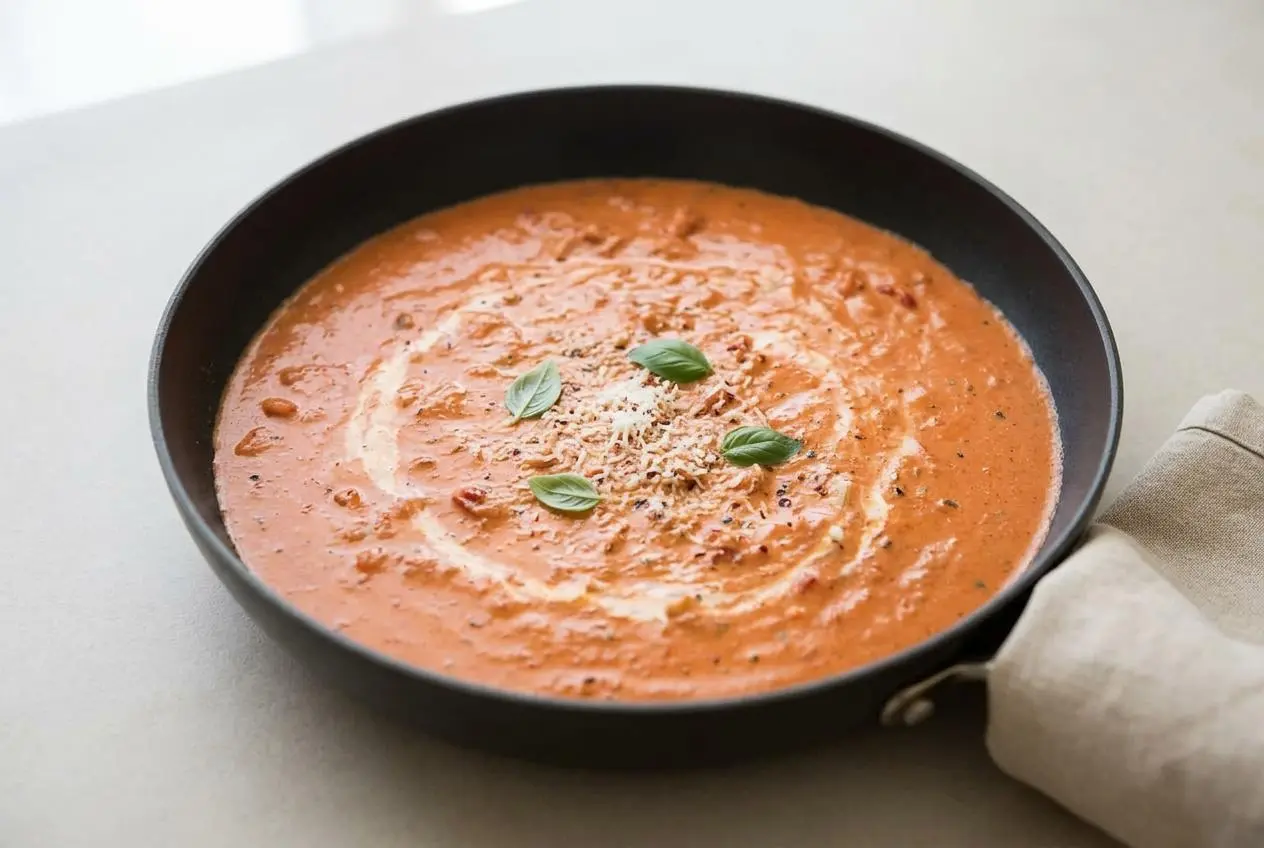
If you want to turn the finished sauce in a creamier direction, a little dairy can shift it toward a creamy pink sauce style for a different pasta night.
Troubleshooting Common Sauce Problems
If your sauce looks or tastes off, the fix is usually pretty simple. Start with the texture or flavor issue you notice most, then adjust in small steps.
| Problem | Common Cause | How to Fix It |
|---|---|---|
| Too acidic or bitter | Tomatoes taste sharp, or the sauce hasn’t simmered long enough | Add the sugar called for in the recipe if you haven’t yet, simmer longer, or stir in some finely grated carrot for gentler sweetness |
| Too thin or watery | Too much moisture and not enough reduction | Simmer with the lid off or partly off so steam can escape, or stir in a bit more tomato paste if you need a quicker fix |
| Too thick | Too much reduction during simmering | Add a splash of water and stir until the texture loosens back up |
| Bland flavor | Needs more seasoning or more time to meld | Taste for salt first, then consider a longer simmer, a Parmesan rind, or a splash of Worcestershire sauce for extra depth |
| Greasy surface | Excess fat from the meat stayed in the pan | Drain the grease well after browning so the sauce stays rich but not heavy |
One more texture tip helps a lot. For a chunkier sauce, leave it as is. For a smoother sauce, blend a portion with an immersion blender after simmering rather than pureeing the entire pot.
How to Store, Freeze, and Reheat Spaghetti Sauce
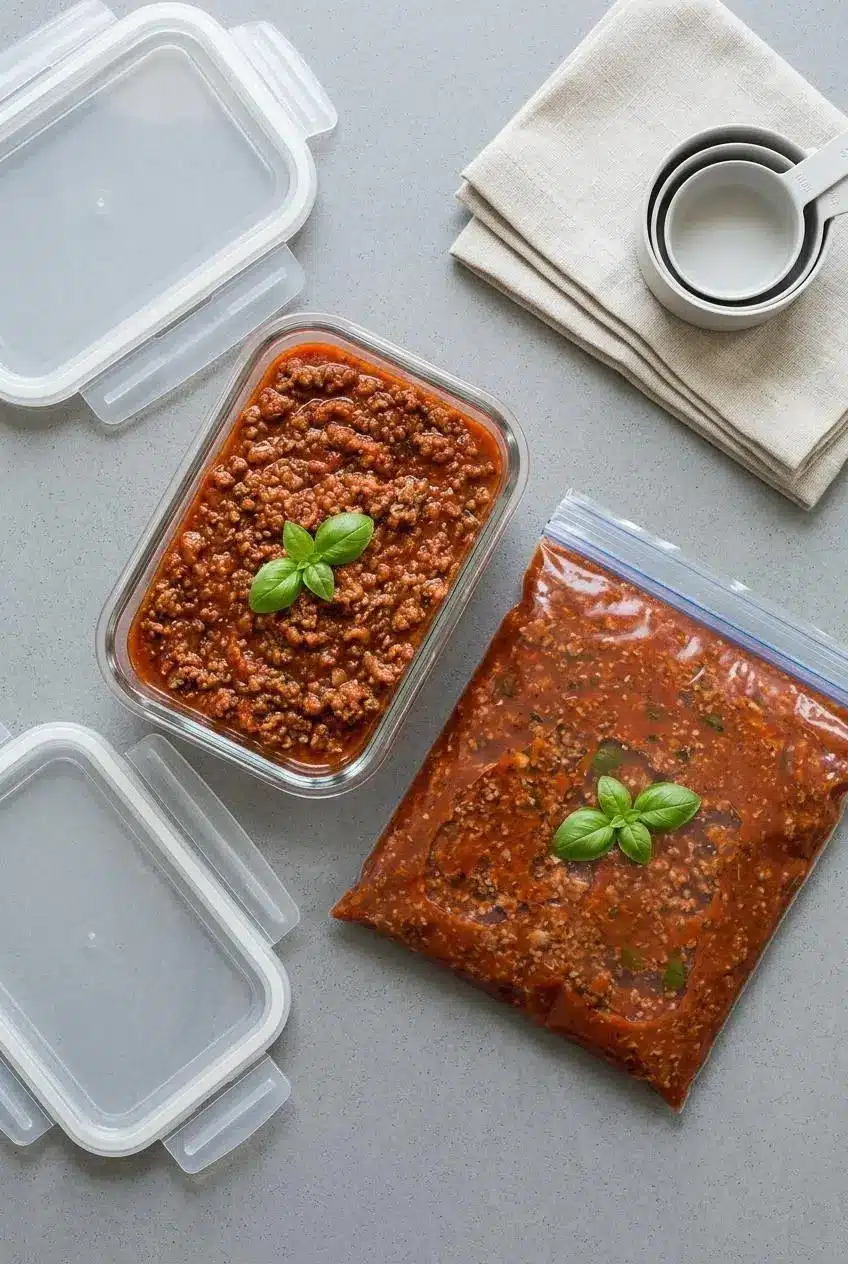
This sauce stores well, and the flavor often tastes even better after it rests because the seasonings have more time to meld.
For the refrigerator, let the sauce cool, then transfer it to an airtight container. It keeps well for 3 to 4 days. Reheat gently on the stovetop or in the microwave, adding a splash of water if it has thickened too much.
For freezing, cool the sauce completely first, then portion it into freezer-safe bags or containers and label them before freezing. It can be frozen for up to 6 months. Flattening freezer bags makes them easier to stack and thaw more evenly later.
To reheat from frozen, thaw it in the refrigerator if possible, then warm it slowly on the stovetop until heated through. If you’re reheating straight from frozen, use low heat and stir often as it loosens.
If you want to can tomato sauce for longer storage, use a tested canning method from the safe washing and handling practices for fresh produce only as a general food handling reference, and follow a current dedicated home canning resource before preserving sauce.
What to Serve with Spaghetti Sauce
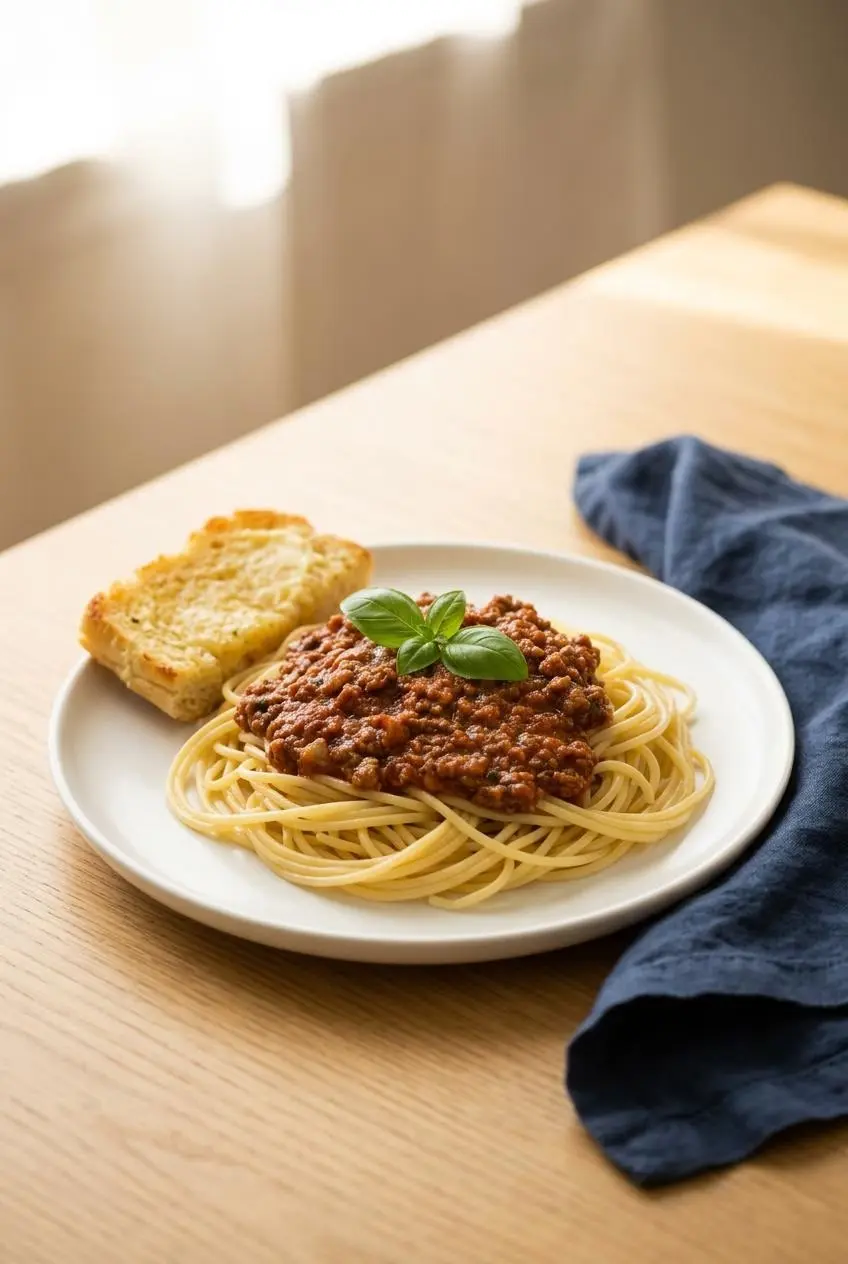
The classic move is serving it over spaghetti, but this sauce is useful far beyond one bowl of pasta. It also works well with angel hair, penne, rigatoni, or any noodle that can catch a hearty meat sauce.
For baked dinners, you can use in Spaghetti Pie when you want something cozy and structured enough to slice. Garlic bread or breadsticks on the side are never a bad idea either.
Conclusion
This is the kind of spaghetti sauce that gives you a lot back for very reasonable effort. It’s rich, hearty, adaptable, and built from ingredients that create real depth when treated well.
Make it once as written, then play with the optional flavor boosters and variations from there. A pot of good sauce has a way of making dinner feel handled.
Frequently Asked Questions (FAQ)
What Is the Best Kind of Tomato to Use for Spaghetti Sauce?
Canned tomatoes are usually the best choice for consistency and depth. San Marzano tomatoes or tomato products made from them are a great upgrade because they’re often sweeter and less acidic. This recipe uses canned tomato sauce for a smooth texture and reliable results. If you want to use fresh tomatoes, ripe plum tomatoes like Roma work best. Fresh tomatoes usually need peeling, seeding, and a longer cook to concentrate their flavor.
How Do You Make Spaghetti Sauce Not Taste Bitter or Acidic?
Balance is the key. The granulated sugar in this recipe helps soften the acidic edge of the tomatoes. Grated carrot can add natural sweetness if the sauce still tastes sharp. A Parmesan rind adds savory depth, which can make bitterness less noticeable. Longer simmering also helps the flavors mellow and come together.
What’s the Difference Between Spaghetti Sauce, Marinara, and Bolognese?
They’re related, but they’re not the same style of sauce. Spaghetti sauce is a broad term and often means a tomato-based sauce served with pasta. Marinara is usually a quicker, meatless tomato sauce. Bolognese is a richer, slower-cooked meat sauce that often includes dairy. This recipe is a classic American-style meat-based spaghetti sauce with some bolognese-like heartiness.
Is It Better to Simmer Spaghetti Sauce with the Lid On or Off?
Partly off is usually best. A cracked lid lets steam escape, which helps the sauce reduce and thicken. A fully covered pot can trap too much moisture and keep the sauce looser than you want. If the sauce is already thick enough, you can cover it a bit more to prevent too much reduction. For the richest flavor, check the texture as it simmers and adjust the lid position as needed.
Spaghetti Sauce

Equipment
- Large Skillet
Ingredients
- 1 pound ground beef (or 1/2 lb ground Italian sausage and 1/2 lb ground beef)
- salt and freshly ground black pepper to taste
- 1 medium onion, chopped
- 15 ounces tomato sauce
- 6 ounces tomato paste
- 1/2 teaspoon Italian seasoning
- 1 Tablespoon dried parsley flakes
- 1 teaspoon garlic powder
- crushed red pepper flakes to taste
- 1 Tablespoon Worcestershire sauce
- 1 Tablespoon granulated sugar
- 1 cup water
- 1/4 cup fresh basil leaves optional
- spaghetti noodles for serving
Instructions
- Season the ground beef with salt and freshly ground black pepper. The seasoning starts building flavor before the meat even hits the pan.
- Place the beef and chopped onion in a large skillet and cook over medium heat until the meat is browned and the onion has softened. Look for no pink remaining in the beef and onions that turn translucent and smell sweet.
- Drain off the excess grease from the skillet. This keeps the finished sauce rich instead of oily.
- Add the tomato sauce, tomato paste, Italian seasoning, dried parsley flakes, garlic powder, crushed red pepper flakes, Worcestershire sauce, and granulated sugar. Stir until the tomato paste is fully worked in and the mixture looks evenly red and thick.
- Bring the sauce to a boil, then pour in the water and stir again until smooth. The sauce should loosen slightly but still look substantial in the pan.
- Lower the heat and let the sauce simmer for 30 minutes, then stir in the chopped fresh basil leaves if using just before serving. By the end, the color will deepen and the sauce will look thicker and more cohesive.