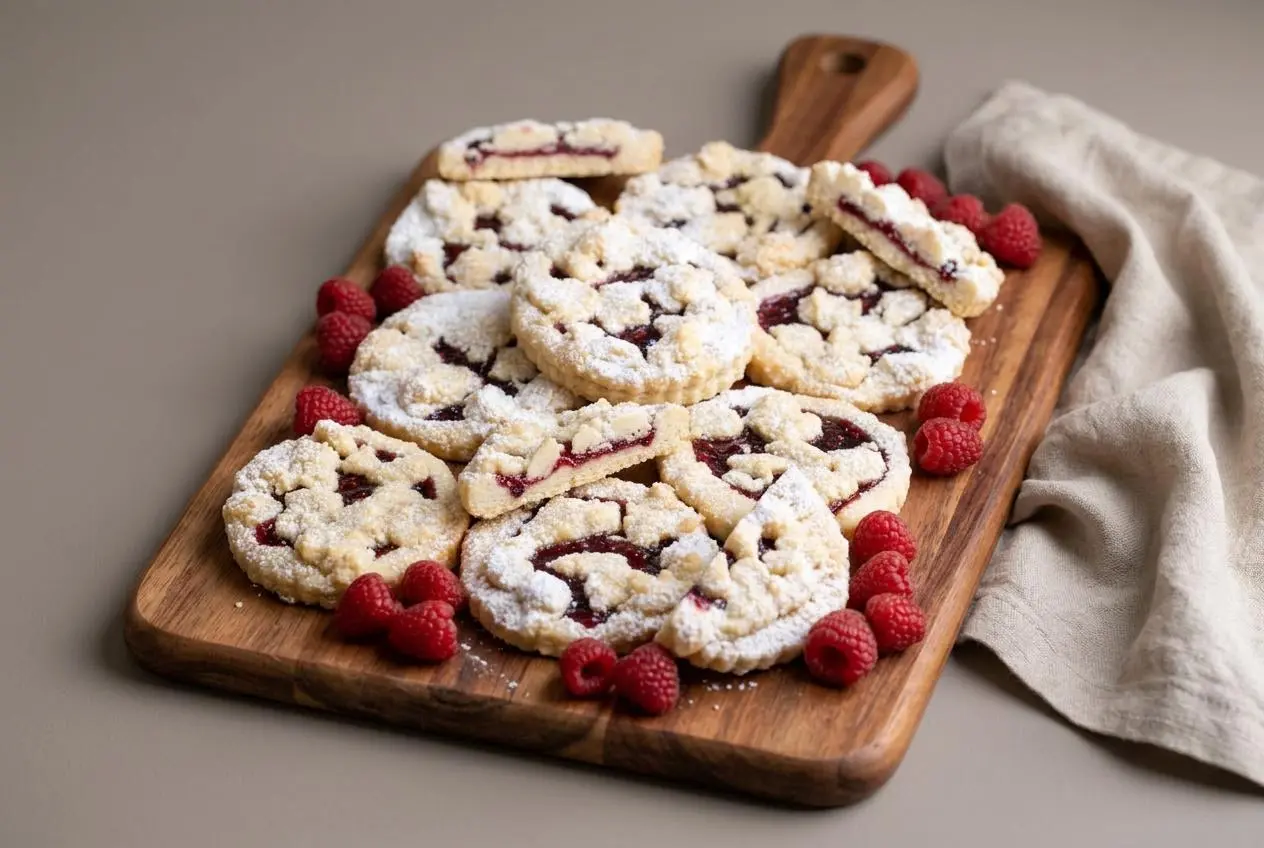
Make thick raspberry crumble cookies by pressing buttery shortbread dough into lined tart pans or muffin wells, adding raspberry jam, and scattering chilled dough crumbs over the filling. Bake at 350°F until lightly golden, then cool completely for a tender base, tart center, and crisp topping.
These raspberry crumble cookies bring together the sandy tenderness of shortbread and the sweet-tart flavor of raspberry preserves. The same dough forms both the cookie bottoms and the crumb topping, so each bite has butter-rich edges and a bright fruit center.
As they bake, the butter and almond extract fill the kitchen with that familiar bakery aroma. Shaped pans help the cookies stay thick, while a gentle touch keeps the crumb delicate. The topping is where the texture shines.
Check your butter before starting: it should yield to gentle finger pressure without looking melted or oily.
The Secret to Bakery-Style Raspberry Crumble Cookies
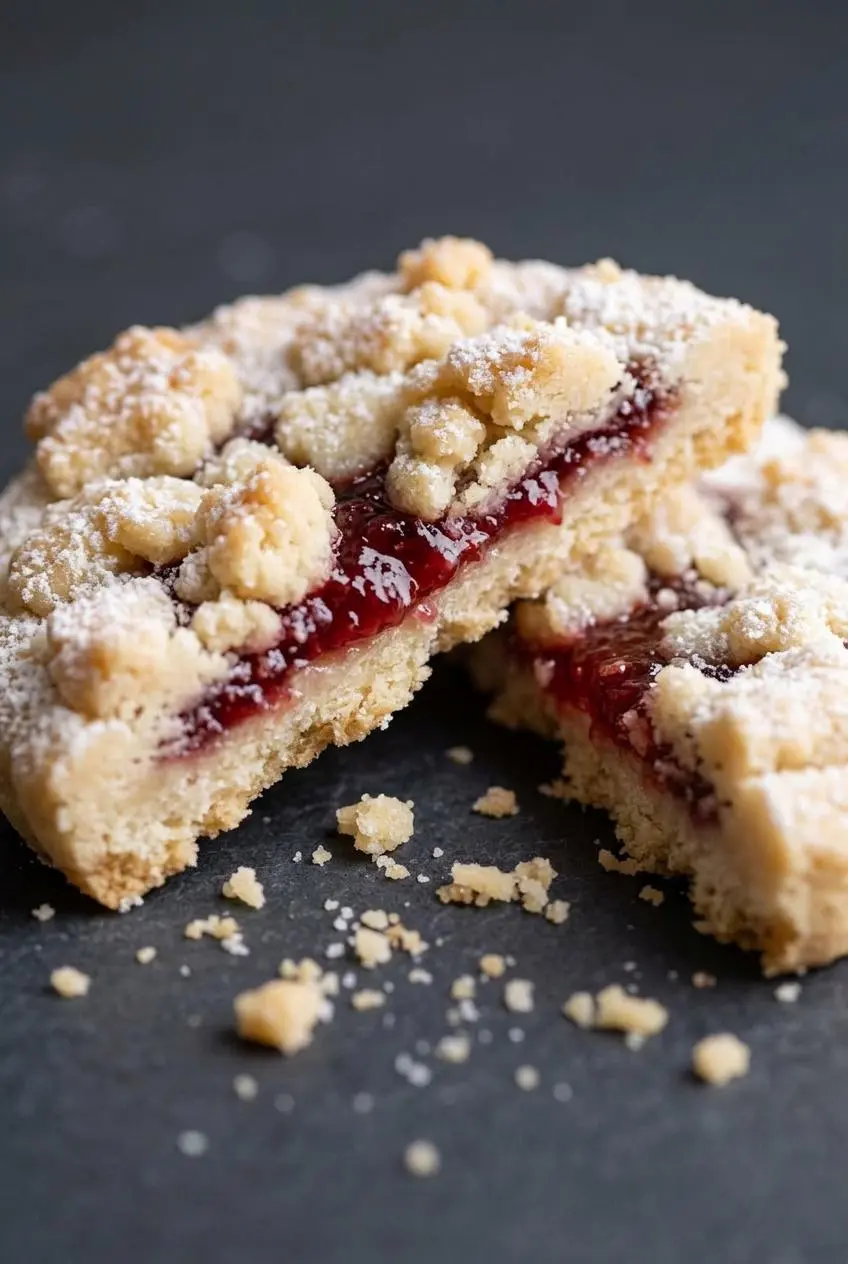
The bakery-style texture comes from treating one dough two different ways: lightly press it for the bottoms, then keep the topping loose and chilled.
Like classic shortbread cookies, these rely on butter, flour, and sugar rather than eggs or leavening for their structure. Powdered sugar contributes a fine, delicate crumb, while granulated sugar adds sweetness and a slightly firmer bite.
Vanilla rounds out the butter flavor. Almond extract adds a fragrant accent that pairs especially well with raspberry. Measure it carefully so the fruit remains noticeable.
Chilling the reserved dough firms the butter before you scatter the crumbs. That helps the pieces retain definition rather than smearing together during assembly. They still soften in the oven, but the loose topping develops a different texture from the pressed bottom.
For an optional brighter flavor, fresh lemon zest in the dough can complement the raspberry filling. Keep it as a variation, not a required ingredient.
Essential Ingredients and Their Roles
Butter supplies richness and tenderness, flour gives the cookies structure, and the sugar blend shapes their crumb. Vanilla and almond extracts add aroma, salt balances the sweetness, raspberry preserves bring tart fruit flavor, and the finishing sugar adds a delicate sweet surface.
Ingredients for the Cookies and Topping
Shortbread Cookies & Crumb Topping
- 1 cup (2 sticks) unsalted butter (softened)
- ⅓ cup (35g) powdered sugar
- ¼ cup (50g) granulated sugar
- 2 teaspoons pure vanilla extract
- 1 teaspoon pure almond extract
- 2 ¼ cups (282g) all-purpose flour
- ¼ teaspoon kosher salt
- 1 cup raspberry jam or preserves (room temperature)
- Powdered sugar (for sprinkling on top after baking)
For Decorating
- Powdered Sugar or Sparkling Sugar (optional)
Choose preserves that hold a soft mound on a spoon rather than pouring like syrup. A well-set, pectin-thickened filling stays more contained during baking. Seeded and seedless raspberry preserves both work; seeds change the mouthfeel, but they don’t reliably tell you how thick the filling will be.
I favor preserves that spread easily but still hold their shape on the spoon; that consistency makes the fruit layer easier to control.
Butter and Extracts for Classic Flavor
Softened unsalted butter blends evenly with the sugars and lets the measured salt control the seasoning. Cold butter can leave firm lumps and make the dough seem dry. Melted butter won’t cream into the light mixture you want.
Use pure vanilla and almond extracts as listed. Almond brings a concentrated aroma, while vanilla softens its edges and supports the buttery flavor. Neither should overpower the raspberry.
Flour and Sugar Ratios for Soft Crumb
Keep the flour and sugar amounts unchanged for the intended shortbread texture. If you measure flour by volume, avoid packing it tightly into the cup; excess flour can leave the dough too dry to hold together.
Once the flour enters the bowl, mixing becomes a brief combining task rather than a whipping task. Stop when you no longer see dry flour. The mixture can look sandy and still be ready, provided a gently squeezed portion holds its shape.
How to Make Raspberry Crumble Cookies
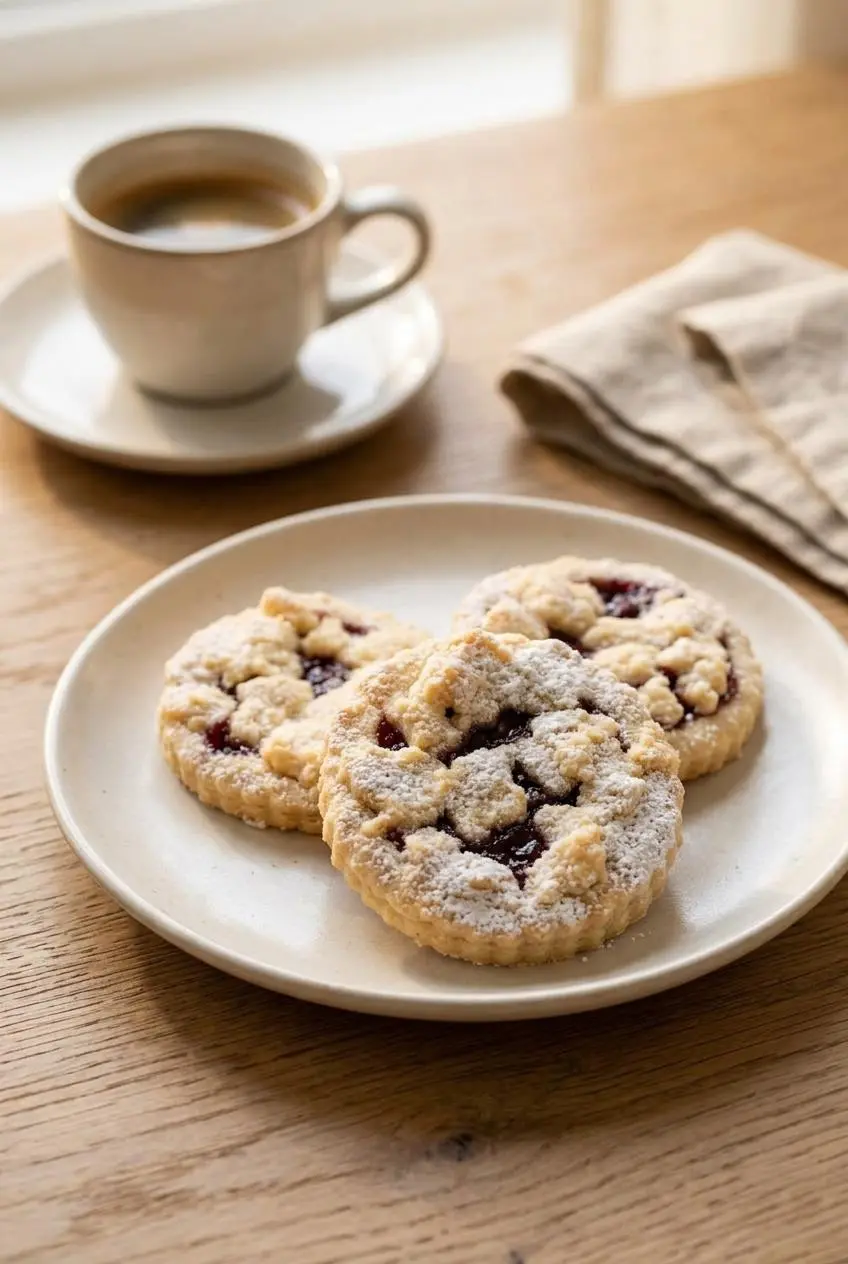
This recipe yields 12 four-inch cookies, with an 18 to 20 minute bake for the larger pan options. Assemble the bottoms, filling, and topping before baking; there’s no separate blind-baking stage.
Mix, Fill, and Bake
- Bring the butter and raspberry jam out of the refrigerator before mixing.
The butter should accept a gentle indentation, and the jam should be easy to stir. - Set the oven to 350°F.
Let it reach the selected temperature before the assembled cookies go in. - Fit non-stick parchment liners into mini-tart pans or jumbo muffin wells, leaving a ½-inch edge extending beyond each well.
Press the paper against the bottom so it supports the dough without deep folds underneath. - Beat the butter, granulated sugar, powdered sugar, vanilla, and almond extract in a stand mixer at medium speed for about 3 minutes.
The mixture should look lighter and fluffier, with no obvious firm butter pieces. - Whisk the flour and salt in a medium bowl, then incorporate them into the butter mixture at low speed only until combined.
A pinch of the sandy-looking dough should stay together when gently squeezed. - Transfer about 1 cup of dough to the refrigerator for the topping.
Keep this portion loose so it remains easy to scatter into crumbs later. - Portion the remaining dough evenly among the prepared wells with a medium cookie scoop, using about ¼ cup per well.
Similar amounts in each well help the cookie bottoms bake evenly. - Shape each portion with light pressure from a glass or metal measuring cup, forming a shallow center and raised outer edge, and dip the cup bottom in flour if it sticks.
The dough should cover the bottom evenly without becoming densely packed. - Stir the jam smooth, then spoon 1 tablespoon into each center and spread it with the back of a spoon.
Keep the fruit inside the dough rim rather than carrying it to the liner. - Retrieve the chilled dough and distribute about 1 tablespoon of crumbs over each jam layer.
Leave the pieces loose, with small patches of raspberry visible between them. - Bake for 18 to 20 minutes at 350°F.
Look for the first pale-golden color on the tops and edges rather than a deeply browned surface. - Leave the cookies in their pans until completely cool before lifting them out.
The bottoms need to feel firm enough to support the filling without bending. - Finish the cooled cookies with powdered sugar or the optional sparkling sugar.
A light coating leaves the raspberry color and crumb texture visible. - Transfer the cooled cookies to an airtight container for storage.
Make sure no warmth remains before closing the lid to limit trapped condensation.
Pan Options and Sizing Conversions
You don’t need specialty tart pans, but the well size affects portioning and baking time. Choose a pan that supports the dough around its edges.
Baking in Jumbo vs Standard Muffin Tins
- Four-inch mini-tart pans: These create broad cookies with room for an even fruit layer and scattered topping; use the 18 to 20 minute baking window.
- Jumbo muffin tins: These support thick, bakery-style cookies, though their narrower wells may produce a deeper shape; use the same baking window and watch for pale-golden edges.
- Standard 12-cup muffin tins: Use smaller dough portions and reduce the filling and topping proportionally, then bake for 14 to 16 minutes.
A standard muffin tin doesn’t mean the entire batch must fit into 12 wells. Don’t force oversized portions into smaller cups. Aim for shallow bottoms with space for the fruit and crumbs.
Lining and Releasing Without Breakage
Press parchment liners into the wells before adding dough. If you’re fitting cut parchment, fold it against the sides and leave accessible edges for lifting. Avoid bunching thick paper folds beneath the cookie.
Check both the pan and cookie before removal: neither should feel warm. Lift opposite parchment edges together while supporting the bottom, rather than pulling one side upward. A cool cookie can still be tender, so keep the motion level.
Troubleshooting Common Shortbread Issues
Most problems come from butter consistency, mixing, filling depth, or handling before the cookies have set.
- The dough looks dry: Squeeze a small portion first. If it holds together, the sandy appearance is normal; if it falls apart, check for cold butter or excess flour rather than immediately adding liquid.
- The measuring cup pulls up dough: Dust its bottom lightly with flour and press more gently. Repeated forceful pressing can compact the bottom and tear the shallow rim.
- Jam escapes over the edge: For the larger cookies, measure the 1 tablespoon filling portion and keep it inside the rim. Thin jam or an overfilled center is more likely to spill.
- The shortbread feels tough: Excess mixing after adding flour can reduce tenderness. Stop at incorporation, even if the dough doesn’t resemble a smooth ball.
- The topping clumps into a layer: Keep the reserved dough chilled during shaping, then scatter it without pressing. Warm, compressed crumbs lose their separate texture.
- The cookies break during removal: Let them cool completely in the pan. Lift with the parchment and support the bottom instead of gripping the crumbly edges.
- The cookies turn soft in the container: Warm packing traps moisture. Cool thoroughly before closing the lid, and choose thick preserves instead of watery filling.
Use color as the primary baking cue. A buttery, lightly toasted aroma is helpful, but don’t wait for dark browning or a dry-looking jam center.
Flavor Variations and Dietary Swaps
Optional changes work best when they preserve the balance between tender shortbread and a contained fruit filling.
Berry and Citrus Preserve Options
- Seedless blackberry preserves: Add a deeper berry flavor with a smooth fruit layer.
- Blueberry preserves: Create a rounder, sweeter berry filling; choose a thick consistency.
- Apricot preserves: Bring a mellow, tangy contrast to the almond-scented dough.
- Lemon or lime curd: Offer a bright citrus alternative, though the creamy filling will differ from a jam center.
Fresh or frozen raspberries aren’t a direct replacement for preserves here. They release juice and don’t provide the same set, spreadable layer.
For another fruit-centered baking project, try apple pie cookies. Serve these raspberry cookies with hot tea or espresso, or package them only after they’ve cooled completely.
Making It Gluten-Free
As an optional adaptation, replace the all-purpose flour with a 1-to-1 gluten-free baking blend containing xanthan gum, following its replacement directions without changing the other measurements. Avoid treating a single flour, such as almond flour, as an equivalent swap.
Different blends can produce a more fragile crumb. Check that the dough holds when squeezed, and take extra care during lifting. If baking for someone avoiding gluten, check the labels on the other ingredients too.
Storage and Texture Protection
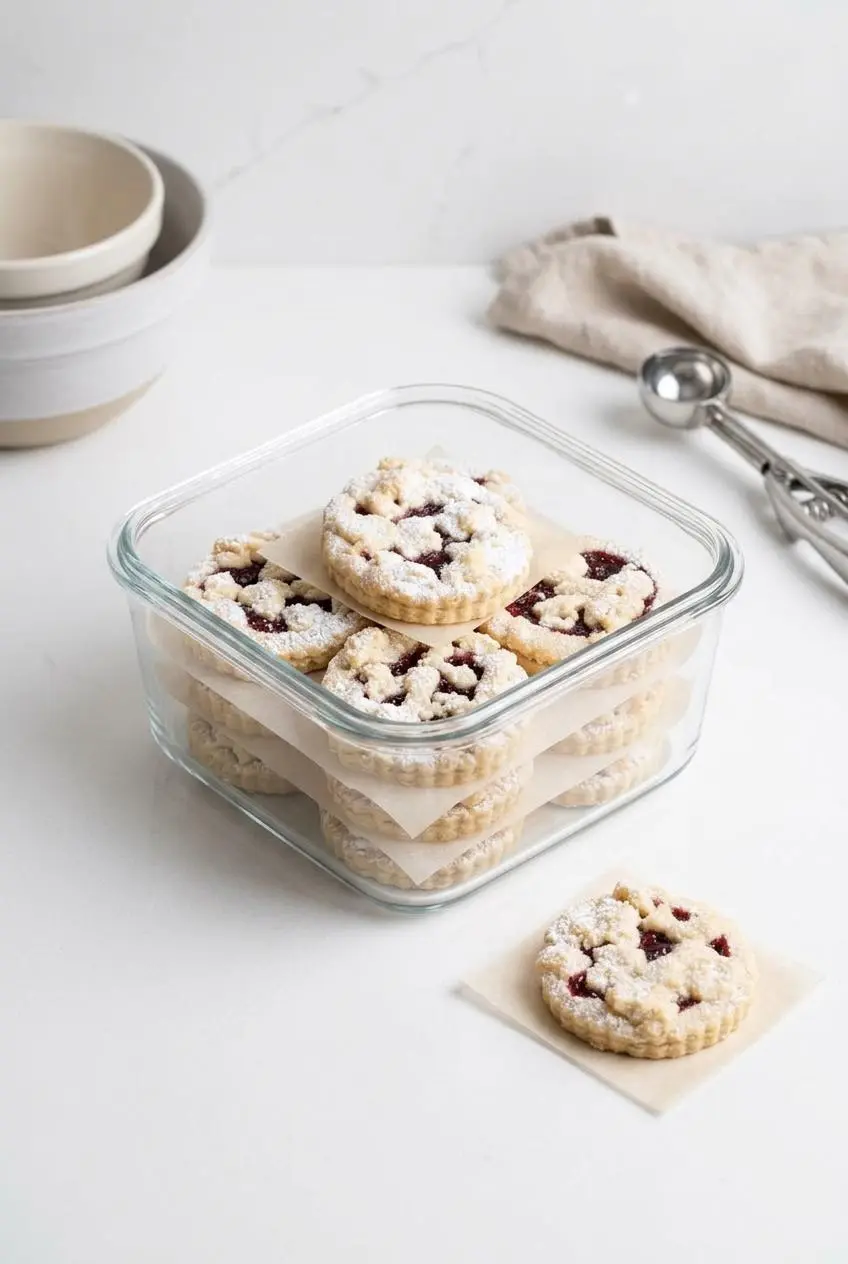
Complete cooling matters as much as the container. Closing the lid over warm cookies traps steam and can soften the crumb topping.
Keep cooled cookies in an airtight container, with parchment between layers to protect the topping and prevent sticking. Avoid stacking them under heavy baked goods. Refrigeration is an option, but don’t expect storage to preserve the topping’s just-baked texture unchanged.
Add a fresh dusting of powdered sugar just before serving if the earlier coating has absorbed moisture. For gifting, use packaging that supports the cookie bottom and keeps the crumb topping from getting crushed.
Conclusion
Buttery shortbread, tart raspberry preserves, and loose golden crumbs give these cookies their bakery-style appeal. Gentle mixing and careful filling make the layers work together.
Let the cookies cool completely before lifting them from their pans. That patience protects the tender bottoms and keeps the fruit centers intact, ready for a well-earned cookie break.
Frequently Asked Questions
Can I Make These Cookies in a Regular Muffin Tin?
Yes. Use smaller dough portions in a standard 12-cup muffin tin and reduce the jam and topping accordingly. Bake for 14 to 16 minutes, watching for pale-golden edges.
Why Did My Shortbread Dough Turn Out Too Crumbly?
A sandy appearance is normal if the dough holds together when gently squeezed. If it won’t hold, butter that wasn’t properly softened or excess flour may be the cause. Don’t add liquid just because the mixture looks crumbly.
How Long Do Raspberry Crumble Cookies Stay Fresh?
Freshness depends on the filling, cooling, and storage conditions. Keep fully cooled cookies in an airtight container and follow the storage guidance above to protect their texture; the topping is crispest when freshly baked.
How Should I Store the Cookies After Baking?
Let them cool completely, then place them in an airtight container with parchment between layers. Keep the cookies supported and avoid pressing down on their delicate topping.
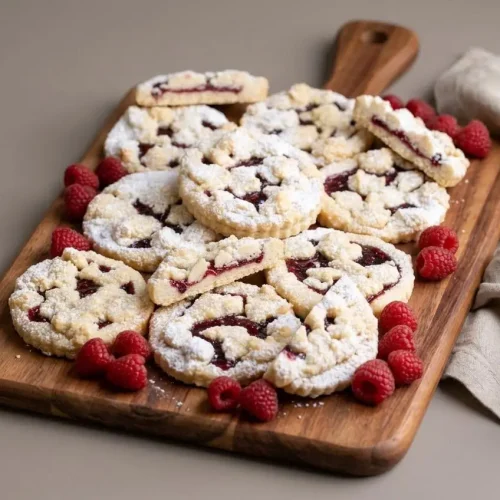
Raspberry Crumble Cookies

Equipment
- Stand mixer
- Medium bowl
- 4-inch round baking pans, mini-tart pans or jumbo muffin tins
- non-stick parchment paper liners
- Medium Cookie Scoop
- Measuring cup
Ingredients
Shortbread Cookies & Crumb Topping
- 1 cup unsalted butter 2 sticks, softened
- ⅓ cup powdered sugar 35g
- ¼ cup granulated sugar 50g
- 2 teaspoons pure vanilla extract
- 1 teaspoon pure almond extract
- 2 ¼ cups all-purpose flour 282g
- ¼ teaspoon kosher salt
- 1 cup raspberry jam or preserves room temperature
- Powdered sugar for sprinkling on top after baking
For Decorating
- Powdered Sugar or Sparkling Sugar optional
Instructions
- Bring the butter and raspberry jam out of the refrigerator before mixing. The butter should accept a gentle indentation, and the jam should be easy to stir.
- Set the oven to 350°F. Let it reach the selected temperature before the assembled cookies go in.
- Fit non-stick parchment liners into mini-tart pans or jumbo muffin wells, leaving a ½-inch edge extending beyond each well. Press the paper against the bottom so it supports the dough without deep folds underneath.
- Beat the butter, granulated sugar, powdered sugar, vanilla, and almond extract in a stand mixer at medium speed for about 3 minutes. The mixture should look lighter and fluffier, with no obvious firm butter pieces.
- Whisk the flour and salt in a medium bowl, then incorporate them into the butter mixture at low speed only until combined. A pinch of the sandy-looking dough should stay together when gently squeezed.
- Transfer about 1 cup of dough to the refrigerator for the topping. Keep this portion loose so it remains easy to scatter into crumbs later.
- Portion the remaining dough evenly among the prepared wells with a medium cookie scoop, using about ¼ cup per well. Similar amounts in each well help the cookie bottoms bake evenly.
- Shape each portion with light pressure from a glass or metal measuring cup, forming a shallow center and raised outer edge, and dip the cup bottom in flour if it sticks. The dough should cover the bottom evenly without becoming densely packed.
- Stir the jam smooth, then spoon 1 tablespoon into each center and spread it with the back of a spoon. Keep the fruit inside the dough rim rather than carrying it to the liner.
- Retrieve the chilled dough and distribute about 1 tablespoon of crumbs over each jam layer. Leave the pieces loose, with small patches of raspberry visible between them.
- Bake for 18 to 20 minutes at 350°F. Look for the first pale-golden color on the tops and edges rather than a deeply browned surface.
- Leave the cookies in their pans until completely cool before lifting them out. The bottoms need to feel firm enough to support the filling without bending.
- Finish the cooled cookies with powdered sugar or the optional sparkling sugar. A light coating leaves the raspberry color and crumb texture visible.
- Transfer the cooled cookies to an airtight container for storage. Make sure no warmth remains before closing the lid to limit trapped condensation.