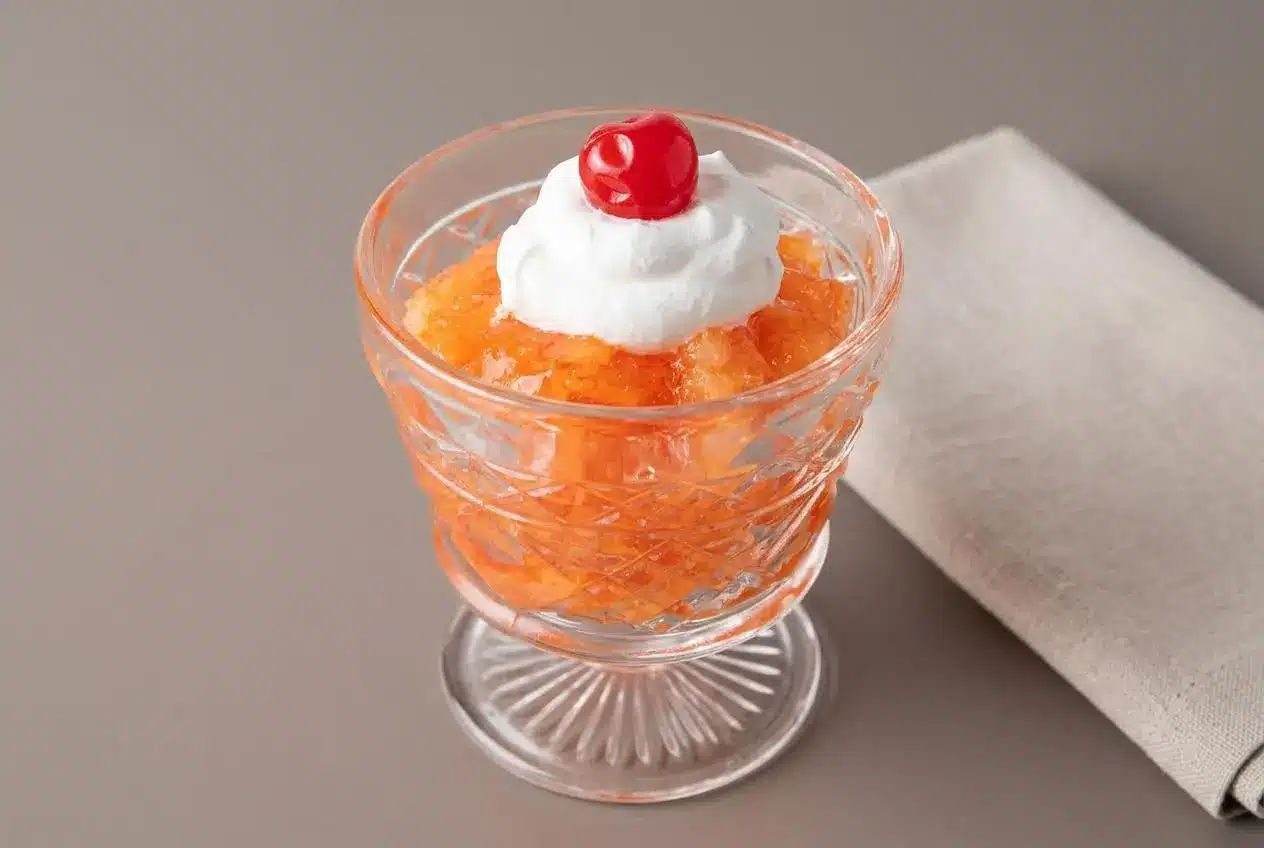
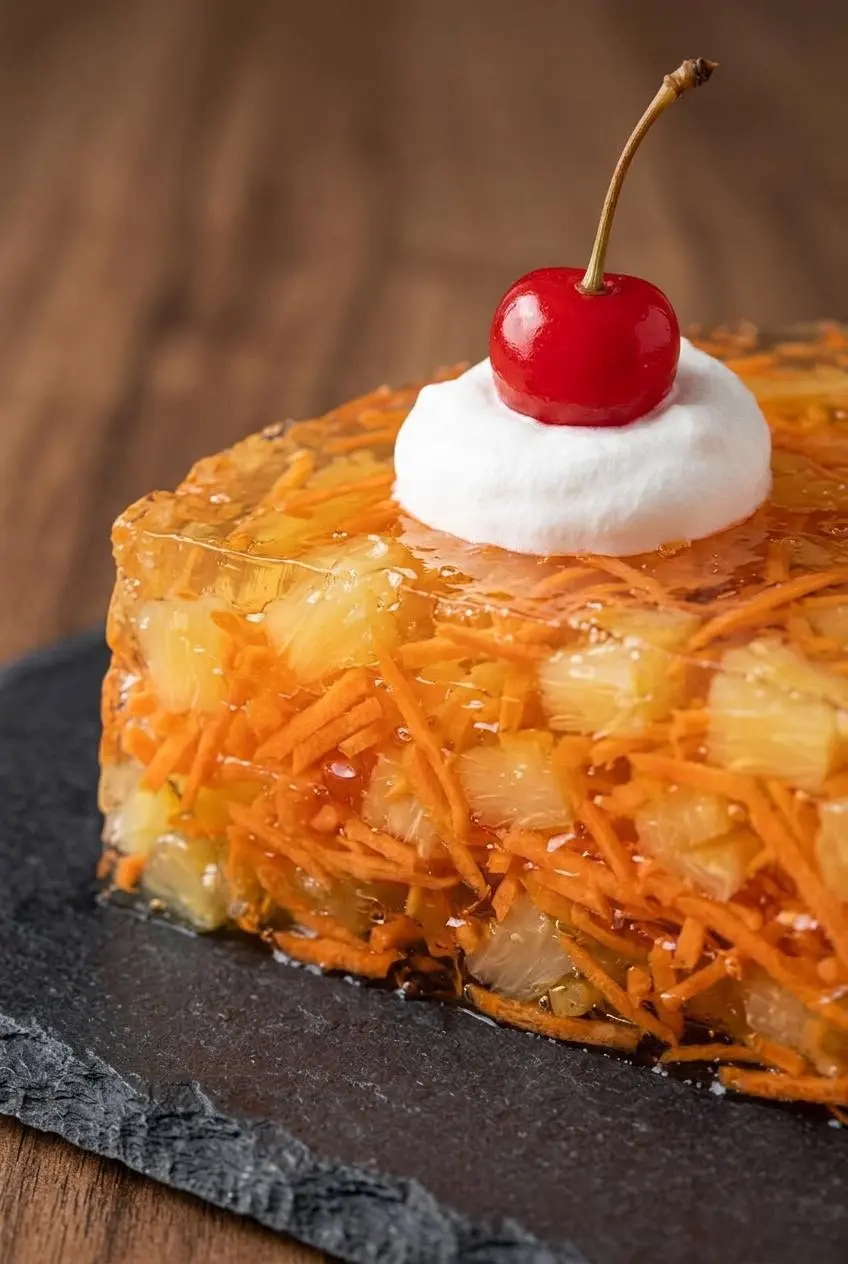
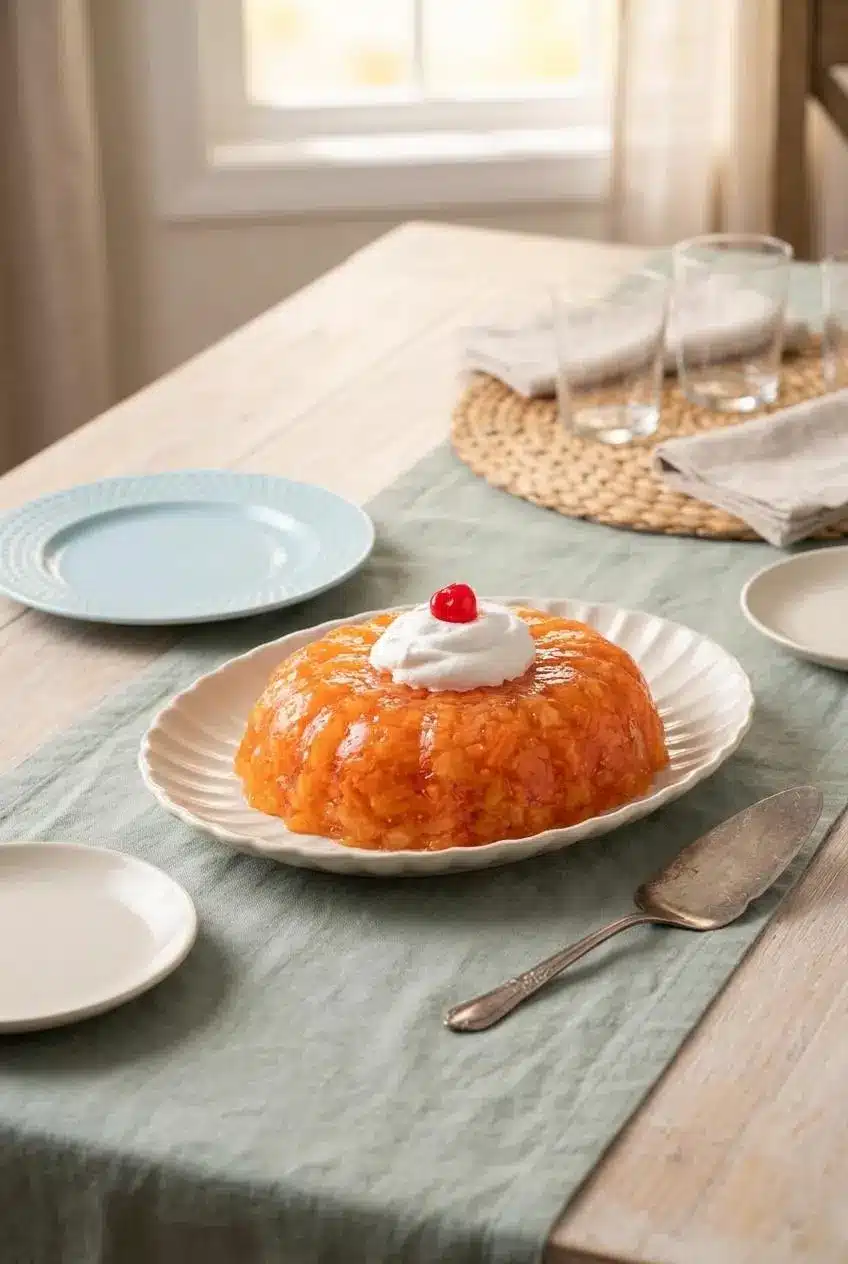
Pineapple Carrot Jello Salad, also called sunshine salad, combines orange gelatin, undrained canned crushed pineapple, and shredded carrots in a chilled mold. It tastes sweet and citrusy, with a refreshing carrot crunch, and needs four hours of chilling to firm up.
With its bright orange color and fruit-filled jiggle, Pineapple Carrot Jello Salad brings vintage potluck charm to the table. Serve it as a sweet side dish or a chilled dessert, depending on the menu.
The pineapple adds juicy sweetness, while the carrots keep each bite crisp rather than uniformly soft. Most of the preparation happens in one bowl, leaving the refrigerator to finish the job. The crunch makes it.
Keep the pineapple juice in the can when you open it; that liquid belongs in the gelatin mixture.
Essential Ingredients for Sunshine Salad
Orange gelatin supplies citrus flavor and structure, pineapple contributes sweetness and moisture, and carrots add color and crunch. Boiling water dissolves the gelatin, while ice water cools the mixture before the fruit and vegetables go in.
- 1 large box Orange Jello
- 1 cup boiling water
- 1/2 cup Ice water
- 2 large carrots shredded
- 1 15-ounce can crushed pineapple
Use the large box of gelatin called for here, rather than substituting a smaller package. The gelatin provides the structure that holds the pineapple and carrots together, so the package choice matters as much as measuring the water.
Crushed pineapple spreads fruit throughout the salad without leaving large chunks between the carrot shreds. Its juice also contributes to the liquid balance. Don’t drain it, and don’t add the full amount of water suggested on the gelatin package in addition to the recipe’s liquids.
I prefer slender carrot shreds here because they give a crisp bite without making the chilled salad feel coarse.
Canned Pineapple vs. Fresh
Choose canned crushed pineapple for this salad. Fresh pineapple can interfere with gelatin setting, so it isn’t a dependable direct substitute when you want a firm mold.
This is a texture decision, not just a flavor preference. Follow the canned-pineapple method rather than trying to compensate for fresh fruit by adding more gelatin or extending the chilling time.
Keep both the crushed fruit and its juice. Draining the can changes the intended liquid balance and removes some of the pineapple flavor that softens the sweetness of the orange gelatin.
Carrot Grating Size for Even Suspension
Aim for thin, recognizable shreds rather than thick strips or wet carrot pulp. A box grater or the shredding attachment on a food processor works well. Choose a finer shredding option when available, but avoid turning the carrots into a purée.
Thick shreds make a tougher bite and are harder to distribute evenly. Thin shreds mix more readily with the crushed pineapple, although grating size alone won’t keep every piece suspended in a very liquid mixture.
After washing the carrots, dry their surfaces before peeling and grating. This keeps rinse water out of the bowl without squeezing away the carrots’ natural moisture.
How to Make the Pineapple Carrot Jello Salad
Finish dissolving the gelatin before cooling it or adding the fruit. You’ll need a grater or food processor, a large mixing bowl, measuring cups, a whisk or spoon, and a gelatin mold.
Timing: 5 minutes of preparation, 4 hours of chilling, and 4 hours 5 minutes total. The recipe makes 20 servings.
- Remove the carrot peels, then use a box grater or food processor to produce thin shreds.
The pieces should look slender and feel crisp, not resemble chunky strips or a wet purée. - Open the crushed pineapple and reserve everything inside the can.
The fruit should remain surrounded by its juice rather than sit dry in a strainer. - Bring 1 cup of water to a boil over high heat while placing the orange gelatin powder in a large mixing bowl.
The water should bubble actively before it meets the powder. - Combine the boiling water with the gelatin powder and stir thoroughly.
The orange liquid should have no visible crystals or grainy deposits on the bottom of the bowl. - Stir the 1/2 cup ice water into the dissolved gelatin until all the ice has melted.
No ice pieces should remain in the cooled liquid. - Mix in the carrot shreds and all the crushed pineapple, including its juice.
The fruit and carrots should spread throughout the orange mixture without clumped pockets.
Transfer the finished mixture to your gelatin mold and refrigerate for the full chilling time. Before attempting to release it, check that the surface and outer rim feel firm rather than loose or sloshy.
Dissolving Gelatin and Balancing Liquids
Check the bottom of the mixing bowl as you stir the hot gelatin. Powder can collect there even when the surface looks smooth. Continue stirring until you no longer see granules; once pineapple and carrots enter the bowl, those crystals become harder to spot.
The liquid balance here includes 1 cup boiling water, 1/2 cup ice water, and the juice from the pineapple can. The canned juice supplies part of the liquid that would otherwise come from cold water, along with fruit flavor.
Measure the ice water as the stated portion rather than adding a separate handful of ice afterward. Extra melting ice adds extra liquid. Let the measured ice melt completely before stirring in the carrots and pineapple.
Warm Water Release Technique for Unmolding
Release the salad only after it has set firmly. A soft rim is a reason to leave it chilled, not a reason to give the mold a longer warm-water bath.
Dip the bottom and sides of the mold in warm water for about ten seconds, keeping water below the rim. Lift it out and dry the exterior so water doesn’t drip onto the platter.
Gently loosen the outer edge with a clean, damp fingertip. Set a chilled serving plate over the opening, hold plate and mold securely together, and turn them over in one controlled motion.
If the salad stays attached, turn it upright and repeat a brief warm-water dip. Avoid pulling at the gelatin or using hot water, which can soften the outside before the center releases.
Troubleshooting Common Gelatin Texture Issues
Check the ingredients, liquid measurements, and firmness before trying to repair a loose mold. Extra stirring or forceful shaking won’t solve a setting problem.
- The mixture is still watery: Check whether you used fresh pineapple, a smaller gelatin package, or extra water. If the ingredient amounts were correct but the salad still feels loose, continue chilling and check again before unmolding.
- The gelatin feels grainy: Undissolved powder can leave rough patches. Prevent this by checking the hot liquid thoroughly before adding ice water; stirring the finished fruit mixture won’t reliably dissolve trapped granules.
- The carrots collect in one layer: Coarse shreds or clumps can distribute unevenly. Use thinner shreds and separate them as you mix them with the pineapple before transferring the salad to the mold.
- The mold tears during release: The salad may be insufficiently firm or still attached at the rim. Check the set, loosen the edge gently, and use the brief warm-water release rather than tugging.
- The outside turns slick or soft: The water bath may be too hot or too prolonged. Return the salad to the refrigerator to firm up, and use warm water with shorter contact on the next attempt.
A damaged mold doesn’t have to end the meal. If the salad has set but loses its shape during release, serve it in chilled spoonfuls instead of trying to rebuild the mold.
Flavor Variations and Serving Suggestions
Keep optional additions separate from the main recipe, and choose them for the texture or flavor you want. The orange-and-pineapple combination already has a sweet, bright character.
- Orange zest: A little finely grated fresh orange zest adds citrus aroma without introducing another pour of liquid.
- Lemon gelatin: An equivalent large package shifts the flavor toward a sharper citrus contrast.
- Lime gelatin: An equivalent large package gives the salad a different citrus flavor and changes its color.
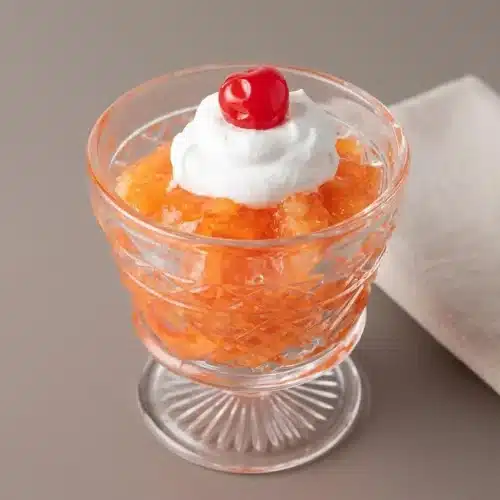
- Maraschino cherries: Use them as an optional garnish for a colorful retro finish.
Creamy Sour Cream and Whipped Toppings
A dollop of whipped topping adds sweetness and a soft contrast to the crisp carrots. Sour cream brings a tangier finish. Serving either alongside the set salad lets everyone choose how creamy they want their portion.
Folding dairy into the gelatin produces a different, opaque salad and changes the texture. For the clearest mold and most predictable result with these quantities, keep creamy additions on top rather than mixing them into the liquid.
For another fruit-and-dairy option, try cottage cheese jello salad.
Adding Pecans and Mini Marshmallows
- Chopped pecans: Add them optionally for a nutty crunch, or sprinkle them over individual servings to keep the contrast distinct.
- Mini marshmallows: Use them optionally for a softer, sweeter chew, remembering that they make an already sweet salad taste sweeter.
Serve the salad chilled beside holiday ham, roast chicken, or barbecue ribs. Its cool citrus flavor contrasts nicely with salty or smoky main dishes. For a picnic or potluck, keep the salad chilled until serving rather than leaving the mold out as decoration.
Storage and Make-Ahead Guidelines
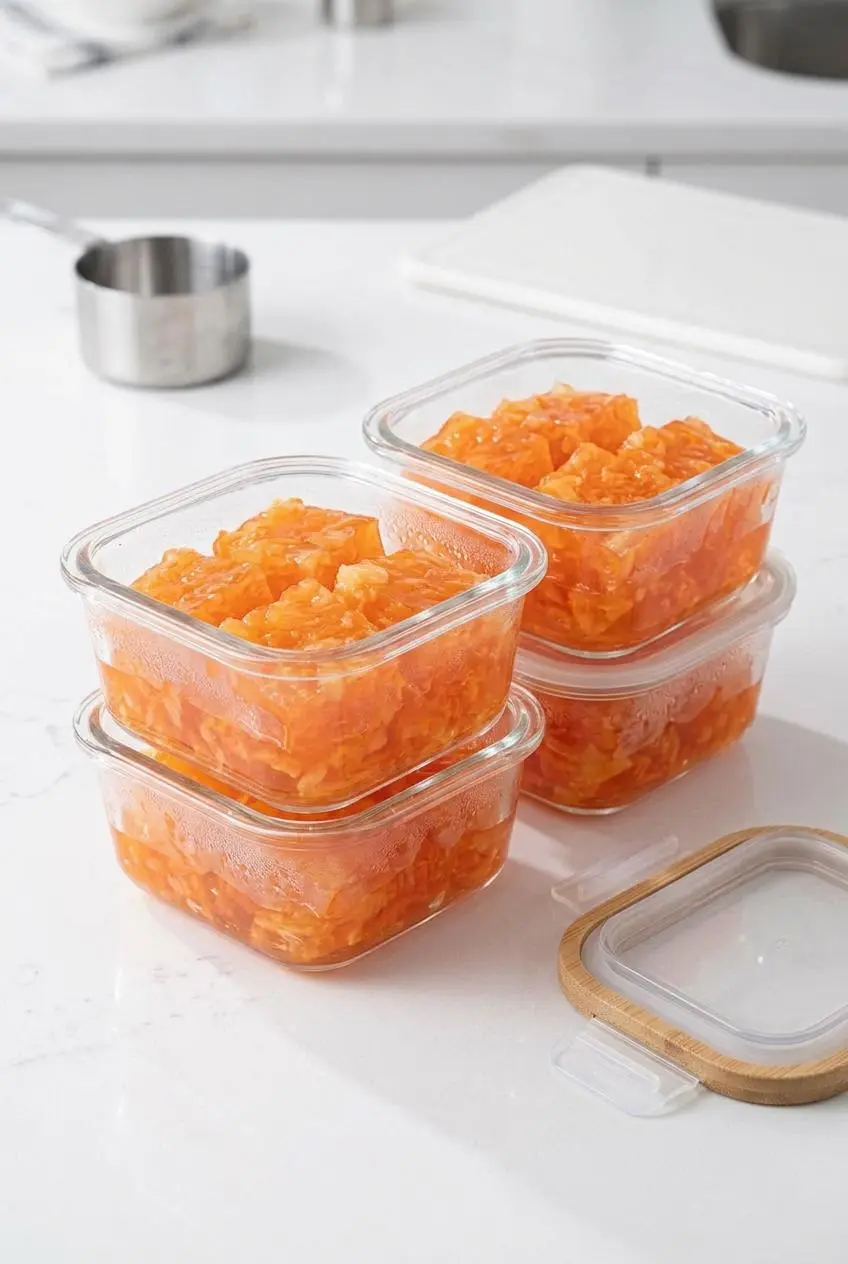
Plan around the required chilling time rather than trying to finish the salad just before the meal. Keep it in the mold, covered in the refrigerator, until it has set and you’re ready to release it.
For leftovers, transfer portions to a covered container and keep them refrigerated. If storing the unmolded salad on its platter, cover it without pressing the wrap into the surface.
Keep whipped topping, sour cream, pecans, and decorative garnishes separate until serving. This protects the salad’s surface and preserves the contrast between the soft gelatin and crunchy toppings.
When organizing a gathering, leave refrigerator space for the filled mold and serving platter. Unmolding close to serving reduces unnecessary handling and helps the shape stay neat.
Conclusion
This sunshine salad brings bright citrus flavor, juicy pineapple, and crisp carrot shreds to a chilled side dish with vintage charm.
Use canned pineapple, preserve the measured liquid balance, and give the gelatin its full chill before releasing the mold for a refreshing addition to the table.
Frequently Asked Questions
Can I Use Fresh Pineapple in Carrot Jello Salad?
No, don’t substitute fresh pineapple directly in this recipe; it can interfere with setting. Use canned crushed pineapple and include its juice for the intended texture and liquid balance.
Why Did My Pineapple Carrot Jello Salad Fail to Set?
Common causes include fresh pineapple, excess liquid, a smaller gelatin package, or insufficient chilling. If you followed the ingredient amounts correctly, leave the salad refrigerated until it feels firm before attempting to unmold it.
How Do You Unmold a Jello Salad Without Breaking It?
Check that the gelatin has set firmly, then give the mold a brief warm-water dip. Loosen the rim gently with a clean, damp fingertip and invert onto a chilled plate. If it sticks, repeat the brief dip rather than pulling on the salad.
How Far in Advance Can I Make This Jello Salad?
Schedule preparation so the salad can complete its full chilling time before the meal. Keep it covered and refrigerated in the mold until serving, and add optional toppings afterward.
Pineapple Carrot Jello Salad

Equipment
- Box grater or food processor
- Large Mixing Bowl
- Measuring Cups
- Whisk or spoon
- Jello mold
Ingredients
- 1 large box Orange Jello
- 1 cup boiling water
- 1/2 cup Ice water
- 2 large carrots shredded
- 1 15-ounce can crushed pineapple
Instructions
- Remove the carrot peels, then use a box grater or food processor to produce thin shreds. The pieces should look slender and feel crisp, not resemble chunky strips or a wet purée.
- Open the crushed pineapple and reserve everything inside the can. The fruit should remain surrounded by its juice rather than sit dry in a strainer.
- Bring 1 cup of water to a boil over high heat while placing the orange gelatin powder in a large mixing bowl. The water should bubble actively before it meets the powder.
- Combine the boiling water with the gelatin powder and stir thoroughly. The orange liquid should have no visible crystals or grainy deposits on the bottom of the bowl.
- Stir the 1/2 cup ice water into the dissolved gelatin until all the ice has melted. No ice pieces should remain in the cooled liquid.
- Mix in the carrot shreds and all the crushed pineapple, including its juice. The fruit and carrots should spread throughout the orange mixture without clumped pockets.