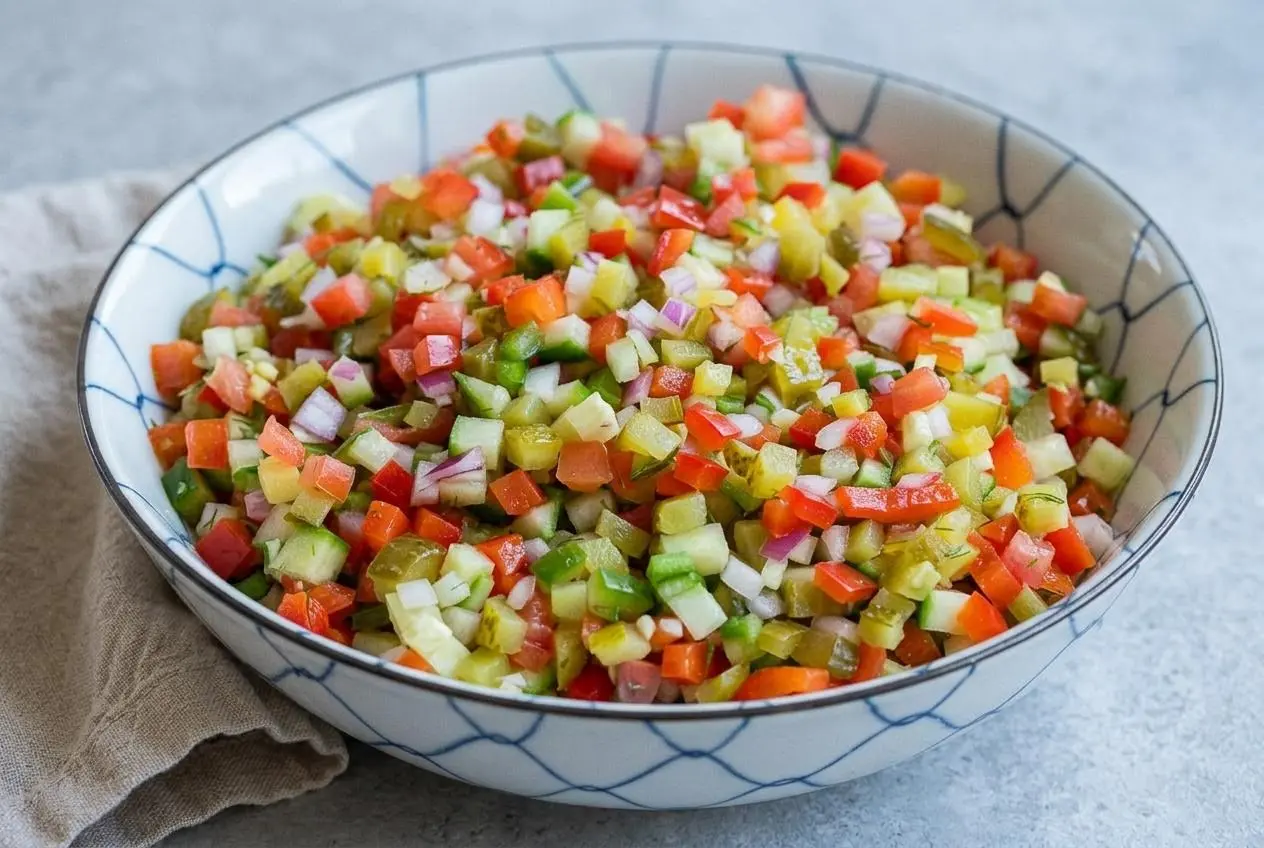
This pickle de gallo recipe delivers crisp dill pickles, fresh vegetables, garlic, and dill in a tangy, chunky salsa. It takes 15 minutes to prepare, uses brine straight from the pickle jar, and needs no cooking.
Think of it as pickle crunch with the fresh, scoopable character of salsa. Cucumber, bell pepper, and tomato balance the punchy brine, while jalapeno adds a little heat.
It works as a snack or a bright topping for a cookout spread. You can eat it immediately, and every bite has something crisp to offer. Start with a sturdy chip.
Set out a large mixing bowl before chopping so you can gather the diced vegetables without crowding your cutting board.
What Makes This Pickle de Gallo Different?
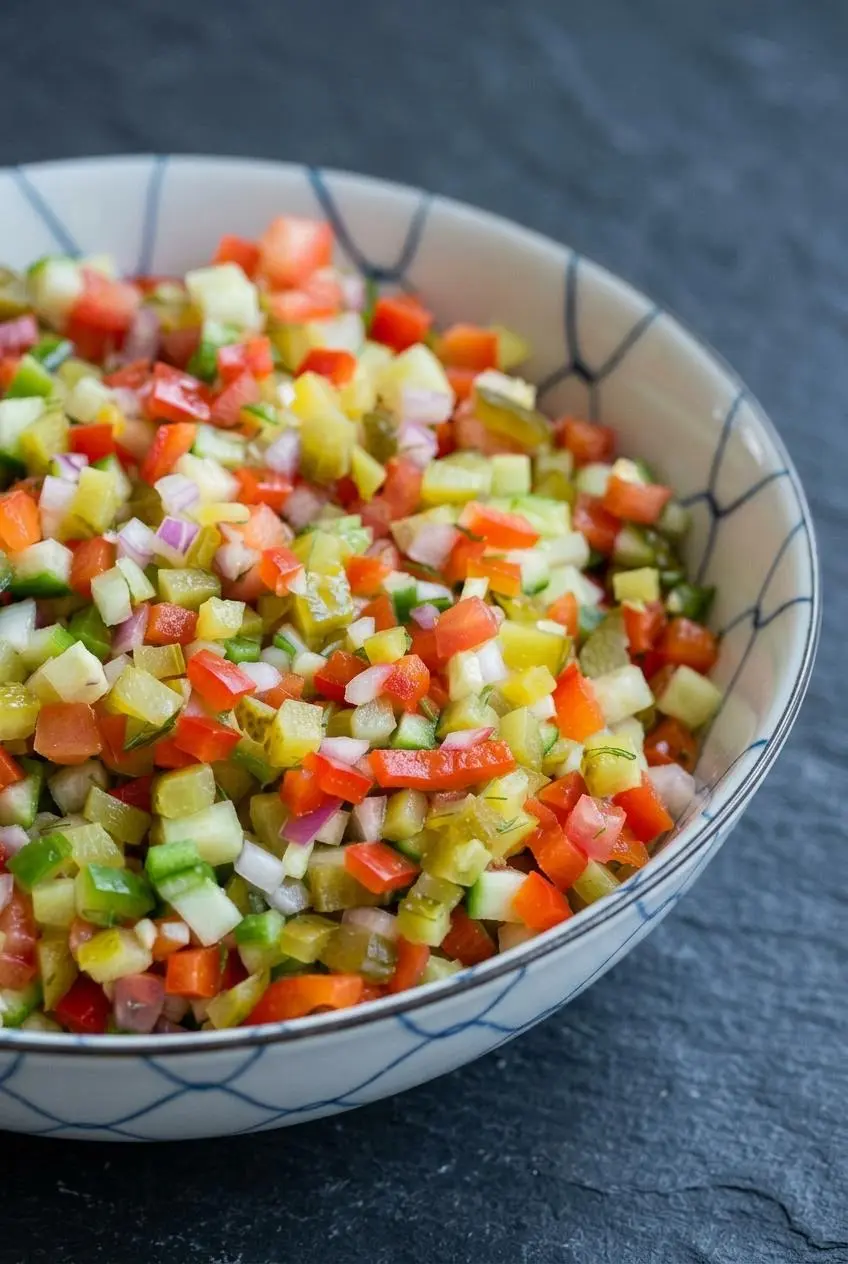
This version keeps the juicy tomato character of fresh pico de gallo and adds dill pickles, cucumber, bell pepper, and pickle brine. The result tastes garlicky, fresh, and distinctly pickle-forward.
It’s chunkier than typical finely minced pickle relish, with recognizable pieces of fresh vegetables. Relish can be sweet or savory, so texture and preparation make a more useful distinction than sweetness alone.
This tomato-inclusive salsa isn’t an exact commercial copycat. If you prefer the cucumber-forward, tomato-free Grillo’s style, there’s an optional adaptation below.
Key Ingredients and Smart Substitutions
Pickles and brine bring tang, cucumber and bell pepper provide crisp balance, and tomato adds juicy freshness. Onion, garlic, dill, and jalapeno build aroma and heat, while optional lime and a careful touch of salt finish the seasoning.
- 1 cup diced pickles
- 1 cup diced cucumber
- 1 cup diced red bell pepper
- 1 cup diced tomato
- 1/2 cup diced red onion
- 1/4 cup diced jalapeno, or more if desired
- 1-2 cloves garlic, minced
- 1 tablespoon chopped fresh dill
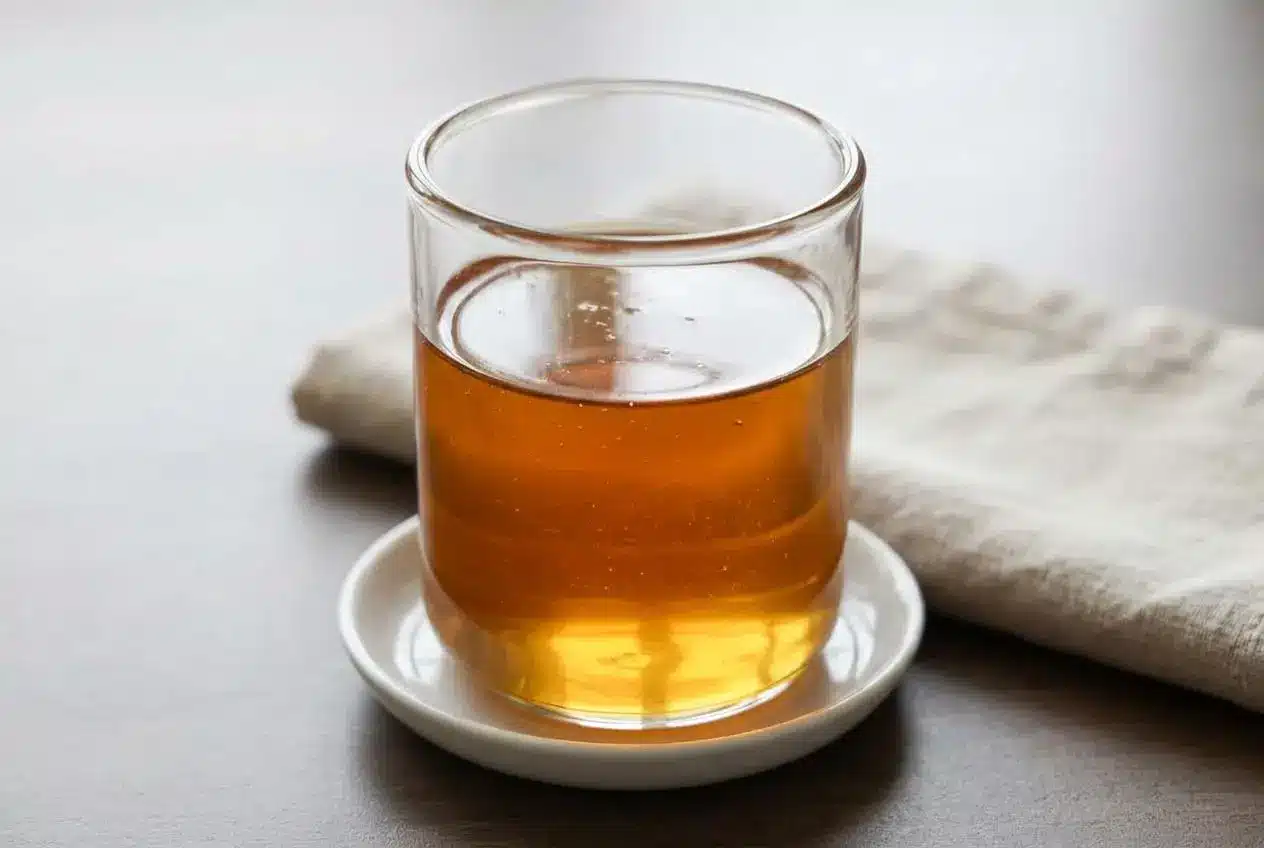
- 1/4 cup pickle brine, from the pickle jar
- Juice of half a lime (optional)
- Salt, to taste
Fresh cucumber softens the salty intensity of the pickles without losing crunch. Red bell pepper contributes sweetness and a firm bite, while tomato gives the mixture a softer, juicier pico-style character.
Red onion adds sharpness, garlic deepens the savory flavor, and fresh dill connects everything to the pickles. Mince the garlic more finely than the vegetables so you don’t get a large raw piece in one bite.
Jalapeno supplies heat, which varies from pepper to pepper. Lime adds another kind of brightness, but it remains optional. Taste the mixed salsa before deciding whether it needs salt.
I favor small, even pieces here because a chip should carry a little of everything, not one oversized chunk of cucumber.
Which Pickles Give the Best Crunch?
Firm baby kosher dill pickles or crisp refrigerated deli-style pickles are useful choices. Choose pickles with a clean snap rather than a soft center.
Refrigerated pickles often have the texture you want, but refrigeration alone doesn’t determine quality. A firm shelf-stable pickle can work well, too. Taste one before chopping.
English cucumber is convenient if you prefer tender skin and less prominent seeds. Roma tomatoes are another useful option because their flesh is relatively firm. Neither variety is required.
Use the Brine Straight From the Pickle Jar
Measure the listed 1/4 cup directly from your pickle jar. You don’t need to boil anything or prepare a separate vinegar mixture.
Brines differ in saltiness, acidity, garlic, and dill flavor. That variation affects the finished salsa, so use the measured amount and taste before adding salt or optional lime.
How to Make Pickle de Gallo Step by Step
Allow 15 minutes for preparation, with no cooking required. A knife gives you control over the cut and helps keep the vegetables visibly chunky rather than mashed.
- Cut the pickles, cucumber, bell pepper, tomato, onion, and jalapeno into small pieces of similar size.
An even dice makes the mixture easier to scoop and keeps large pieces from dominating each bite. - Combine those chopped ingredients and the minced garlic in a large bowl, then fold in the dill, measured pickle brine, and optional lime juice before tasting and adding salt as needed.
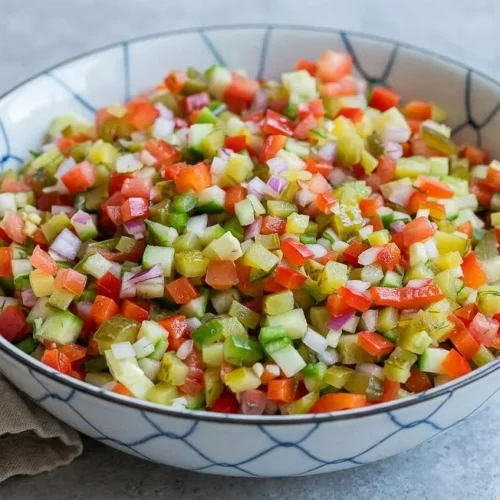
The finished mixture should look colorful and chunky, with dill and garlic distributed throughout rather than gathered in pockets. - Serve the mixed pickle de gallo when you’re ready to eat.
The vegetables should still have distinct edges and a crisp bite, with a little seasoned liquid collecting underneath.
No waiting period is required. The moisture-control and refrigerated-resting suggestions below are optional ways to adjust texture and flavor, not additional preparation requirements.
Tips for Success and Common Mistakes to Avoid
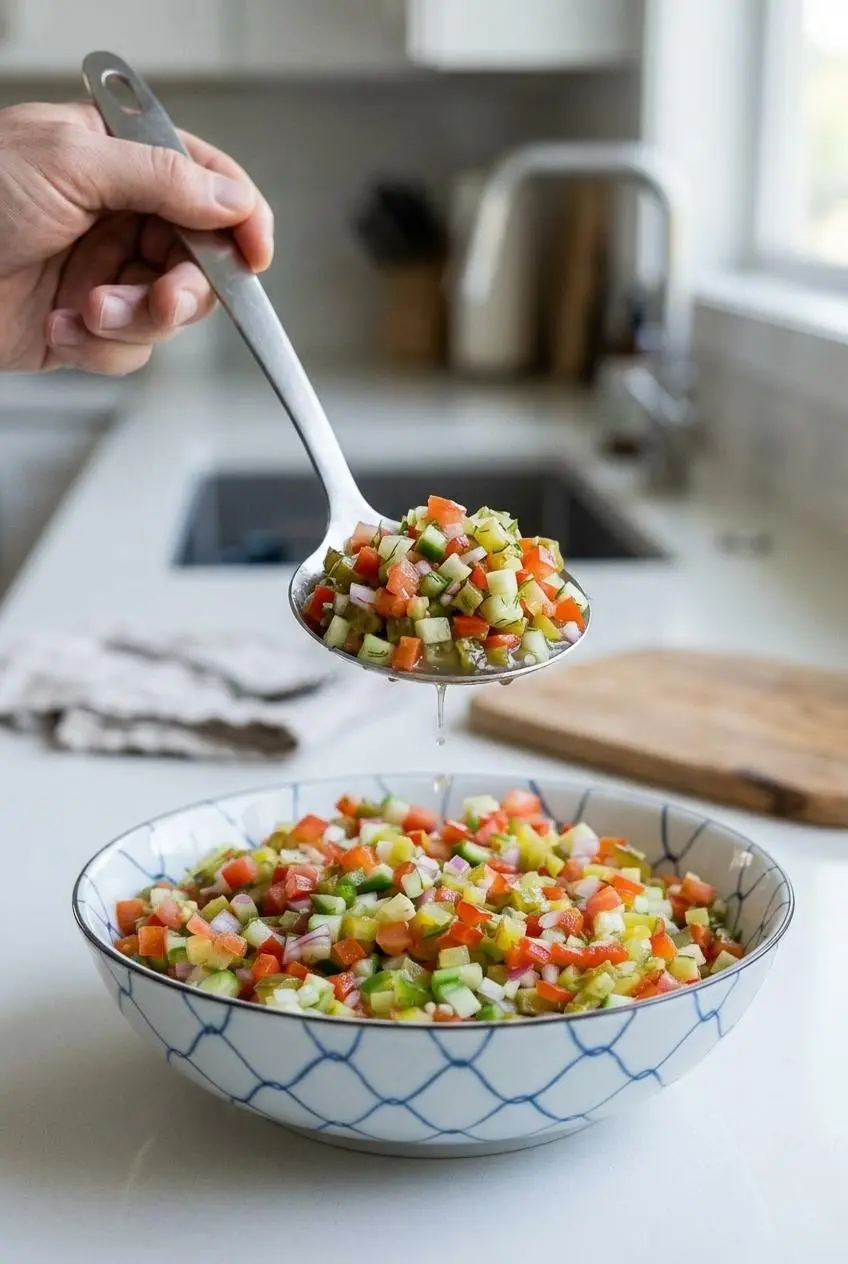
Most texture problems come from uneven chopping or excess vegetable moisture. Address those first rather than adding more brine or seasoning.
How to Prevent Watery Pickle Salsa
- Watery tomato pulp: For a less juicy result, scoop out the loose seed pulp before dicing, keeping the firmer outer flesh.
- Wet cucumber centers: If the cucumber has a loose, watery seed channel, scrape it out and let excess moisture drain before mixing.
- Liquid after resting: Serve an already-mixed batch with a slotted spoon rather than trying to absorb or disguise the liquid with extra salt.
For an optional extra draining step, lightly salt the diced tomato and cucumber in a colander, then let released moisture drain away. Use salt from the recipe’s seasoning allowance, and be especially cautious if your pickles taste salty. This extra preparation falls outside the 15-minute method.
Some liquid release is normal for cut vegetables and doesn’t automatically mean spoilage. It also doesn’t establish freshness or safety, so keep storage and handling in mind rather than judging by liquid alone.
Why Chilling Time Matters
You can enjoy the salsa immediately for its sharp, freshly chopped flavor. If you prefer a more blended dill-garlic taste, cover it and let it rest in the refrigerator before serving.
The garlic may seem less sharp as its flavor spreads through the mixture. For an optional covering trick, press food-safe plastic wrap gently against the surface to help exposed pieces stay in contact with the dressing. The shallow brine won’t necessarily submerge every piece.
Fixing Harsh Garlic and Excess Salt
- Pieces tumble off the chip: Oversized or uneven chunks are difficult to scoop. Aim for a consistent fine dice when preparing the vegetables.
- Raw garlic overwhelms the dill: Finely mince it to prevent concentrated bites, or try optional refrigerated resting for a more blended flavor.
- The salsa tastes too salty: Pickles and brine may already provide enough seasoning. Hold back additional salt until you’ve tasted the complete mixture; chilling won’t remove salt.
Tomato-Free Copycat, Sweet, and Spicy Pickle Salsa
Choose an optional variation according to the flavor you want, keeping these changes separate from the ingredient list above.
- Tomato-inclusive pico style: Juicy tomato balances the dill pickle tang.
- Tomato-free cucumber style: Cucumber and bell pepper put more emphasis on crisp texture.
- Sweet or hot styles: Different pickles and peppers shift the balance toward sweetness or heat.
Tomato-Free Grillo’s Pickle de Gallo Style
Grillo’s commercial style combines cucumber, bell pepper, onion, and pickles without tomatoes. For a similar direction at home, omit the tomato and emphasize cucumber and bell pepper.
This is style inspiration, not a verified exact formula. Expect a firmer, less juicy mixture than the tomato-inclusive version.
Sweet and Tangy Bread-and-Butter Version
Try bread and butter pickles or sweet gherkins for a sweeter variation. You can also combine sweet and dill pickles to retain more of the savory dill character.
Their brine changes sweetness as well as tang. Taste it before mixing, especially if you want the finished salsa to remain more savory than sweet.
Extra Spicy Hot Pickle Salsa
Hot pickle spears bring heat along with their seasoned brine. More jalapeno, retained pepper membranes, or serrano peppers offer other optional ways to increase the kick.
Make changes cautiously and taste between additions. Pepper heat varies, and you can always add more after mixing.
What to Eat With Pickle de Gallo
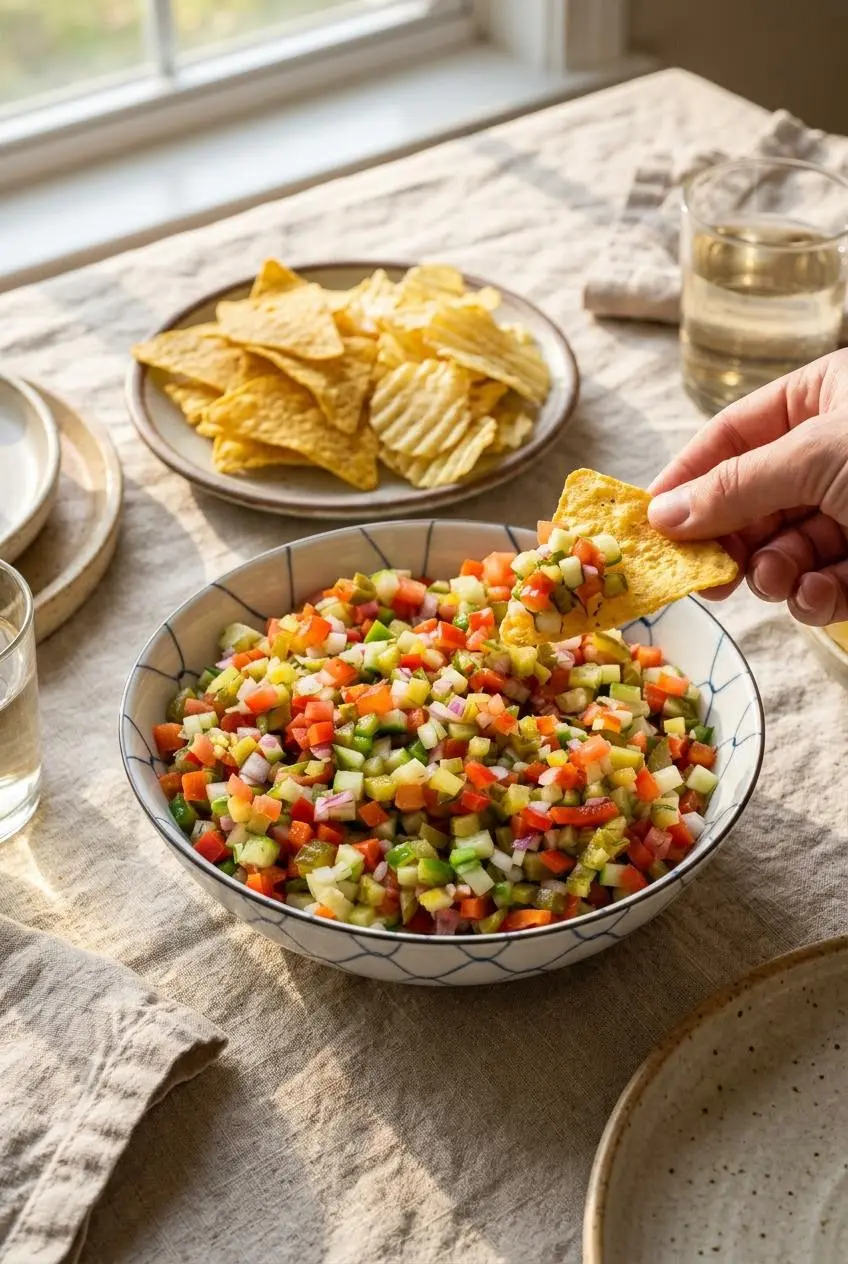
Use it anywhere a bright, crunchy topping would balance something rich or savory.
- For scooping: Sturdy tortilla chips and kettle-cooked potato chips carry the chunky mixture better than thin, delicate chips.
- For tacos and nachos: Add it just before eating so the topping stays crisp and its liquid doesn’t soak the chips.
- For cookouts: Spoon it over burgers, hot dogs, bratwursts, or pulled pork sliders in place of finely chopped relish.
- For creamy dishes: Fold a drained spoonful into potato salad, deviled egg filling, or tuna salad for tang and crunch.
Drain individual spoonfuls when extra liquid would loosen a filling or soak bread. For a pickle-focused snack spread, creamy dill pickle dip offers a contrasting texture alongside this chunky salsa.
Making Pickle de Gallo Ahead and Keeping Its Crunch
If you aren’t serving it immediately, transfer the salsa to an airtight container and refrigerate promptly. Keep chips separate so they stay crisp.
Cut vegetables soften and release moisture as they sit, so freshly mixed crunch and storage life aren’t the same thing. Plan around serving rather than extended storage, and stir gently before scooping.
At a party, keep the serving bowl cold and refrigerate leftovers promptly. Pickle brine doesn’t turn the fresh vegetables into a shelf-stable product.
Keep this preparation for refrigerated use rather than home canning. It isn’t a tested canning formula, and extra lime isn’t a substitute for one.
Conclusion
This pickle salsa brings tangy brine, fresh dill, and crisp vegetables together without turning on the stove. Even dicing makes each scoop more balanced.
Taste before salting, and use a slotted spoon if the vegetables release extra liquid. Then bring out something sturdy for scooping and enjoy that dill-pickle crunch.
Frequently Asked Questions
Is Pickle de Gallo Just Relish?
No. It can serve a similar purpose, but this mixture contains chunky, hand-diced fresh vegetables tossed with pickles and dill brine. Typical sweet pickle relish has a finer cut and a sweeter flavor, though relish styles vary.
Does Grillo’s Pickle de Gallo Have Tomatoes in It?
No, the commercial Grillo’s style is tomato-free. This version intentionally includes tomato for a juicy pico-style character, so it isn’t an exact commercial copycat.
Do I Use Pickle Juice From the Jar or Make a New Brine?
Use the brine directly from the pickle jar. Measure the listed 1/4 cup; no boiling or homemade vinegar brine is needed.
How Long Does Pickle de Gallo Last in the Refrigerator?
Keep it covered in an airtight container and refrigerated, and plan to serve it while the vegetables retain their crunch. There isn’t a verified storage limit for this particular mixture here, so don’t assume the pickle brine preserves it for extended storage. Smell and appearance alone don’t establish safety.
Can You Can Pickle de Gallo to Make It Shelf Stable?
Use this recipe as a refrigerated fresh salsa, not a canning recipe. Adding vegetables to jar brine doesn’t create a tested shelf-stable formula, and adding extra lime doesn’t replace a tested canning process.
Pickle de Gallo Recipe

Equipment
- Large Mixing Bowl
- Chef’s knife
- Cutting board
Ingredients
- 1 cup diced pickles
- 1 cup diced cucumber
- 1 cup diced red bell pepper
- 1 cup diced tomato
- 1/2 cup diced red onion
- 1/4 cup diced jalapeno or more if desired
- 1-2 cloves garlic minced
- 1 tablespoon chopped fresh dill
- 1/4 cup pickle brine from the pickle jar
- Juice of half a lime (optional)
- Salt to taste
Instructions
- Cut the pickles, cucumber, bell pepper, tomato, onion, and jalapeno into small pieces of similar size. An even dice makes the mixture easier to scoop and keeps large pieces from dominating each bite.
- Combine those chopped ingredients and the minced garlic in a large bowl, then fold in the dill, measured pickle brine, and optional lime juice before tasting and adding salt as needed. The finished mixture should look colorful and chunky, with dill and garlic distributed throughout rather than gathered in pockets.
- Serve the mixed pickle de gallo when you’re ready to eat. The vegetables should still have distinct edges and a crisp bite, with a little seasoned liquid collecting underneath.