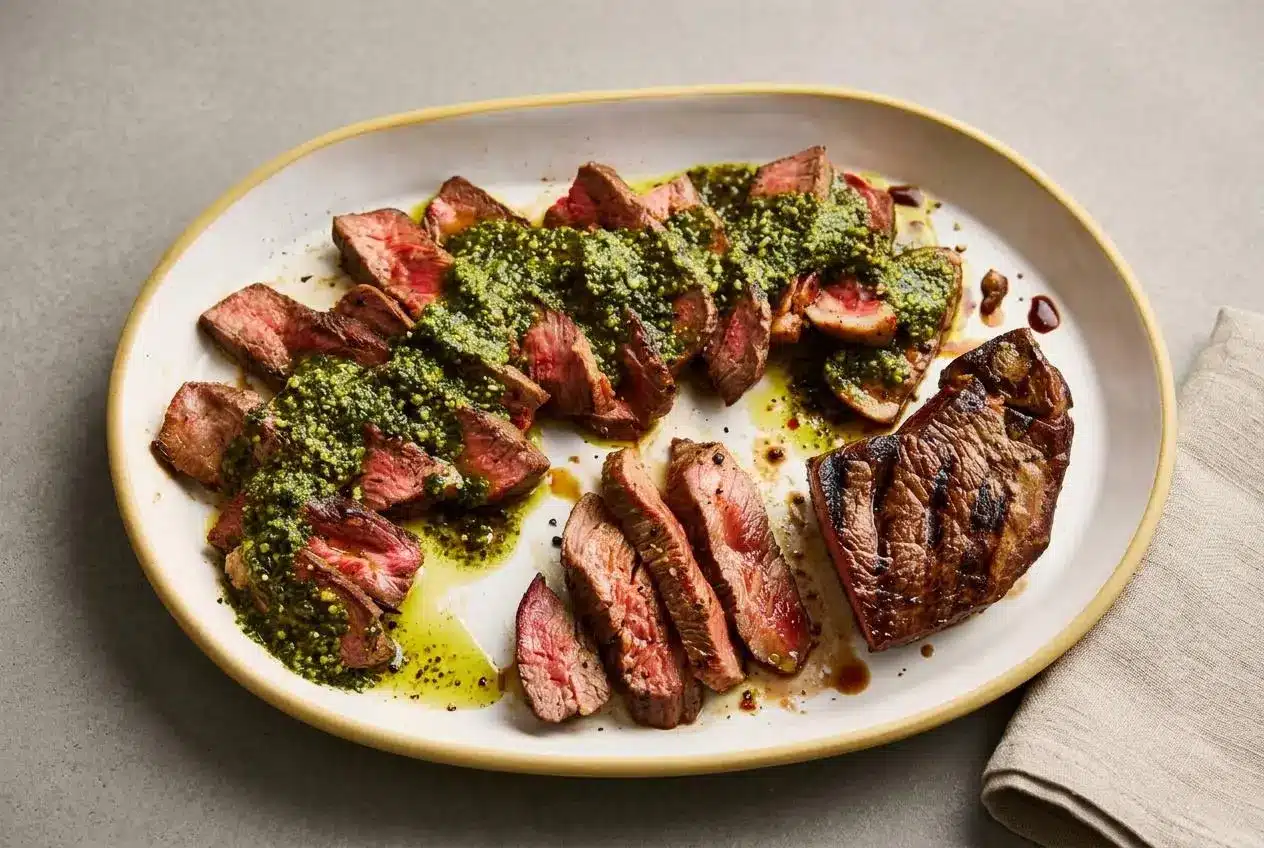
Picanha is a Brazilian top sirloin cap with a thick fat cap that bastes the beef as it grills. Curl thick steaks onto metal skewers, cook over high heat to 130°F, then rest before carving thin slices against the grain.
Picanha steak delivers the churrascaria combination of charred edges, rosy beef, and crisp rendered fat in about 30 minutes. The key is keeping the fat cap intact and giving it enough heat to turn golden.
As the fat meets the grates, listen for a lively sizzle and watch for caramelized edges rather than blackened flare-up marks. That crackle is where the flavor starts.
Have heavy metal skewers and an instant-read thermometer ready before the grill gets hot.
What Is Picanha Steak and How to Buy It
Picanha comes from the top of the rump, sitting over the biceps femoris muscle at the end of the top sirloin area. It is a compact, beefy cut with a distinct fat cap, which gives it a very different character from leaner grilling steaks.
Understanding the Butcher Cuts: Sirloin Cap vs Coulotte
At U.S. butcher counters, ask for a whole top sirloin cap, rump cap, or coulotte. “Picanha” is increasingly common, but these names will help you find the correct cut when the Brazilian name is not on the label.
Do not confuse picanha with tri-tip, which has a different shape and grain pattern, or with flank steak, a flatter and more fibrous cut. If you are after a leaner, sliced-beef cookout option, marinated flank steak is a better fit than trying to substitute it here.
Look for a cap that is broad and gently curved, with visible beef marbling beneath a continuous white fat layer. The meat should feel firm and hold its shape rather than looking loose or heavily trimmed.
Selecting the Right Fat Cap Thickness
Choose a firm, unbroken fat cap about 1/4 to 1/2 inch thick. That layer slowly renders over the heat, coating the lean sirloin beneath it with beefy richness while helping the exterior brown deeply.
Do not trim away the entire cap. If an edge is ragged, neaten only that loose piece. Leaving the main layer in place is what gives picanha its signature crisp-fat-and-tender-beef contrast.
Ingredients
Each ingredient has a clear job: beef supplies richness, salt and pepper build a savory crust, oil helps prevent sticking, and chimichurri brings bright herbal balance to the rendered fat.
- Vegetable oil, for grill
- 2 lb. sirloin cap, cut into 4 (1 1/2″) steaks
- 2 1/4 tsp. kosher salt
- 1 tsp. freshly ground black pepper
- Chimichurri, for serving
- 4 metal skewers
Kosher salt seasons the beef and helps form a well-browned exterior. Freshly ground black pepper adds a warm bite, while chimichurri’s herbs and acidity cut through the rich fat cap.
I prefer a fat cap that feels cool, firm, and evenly attached, since soft or patchy fat renders less evenly over high heat.
How to Grill Picanha Steak
High heat gives the beef its churrascaria-style crust, while the curled shape places the fat cap where it can render over the meat. Keep the skewers moving and use the thermometer rather than guessing from color alone.
- Heat a grill for high heat for 5 minutes, or heat a grill pan over high heat; clean the grates and lightly oil them with vegetable oil. Curl each steak, thread it onto a metal skewer, and season the outside with kosher salt and black pepper.
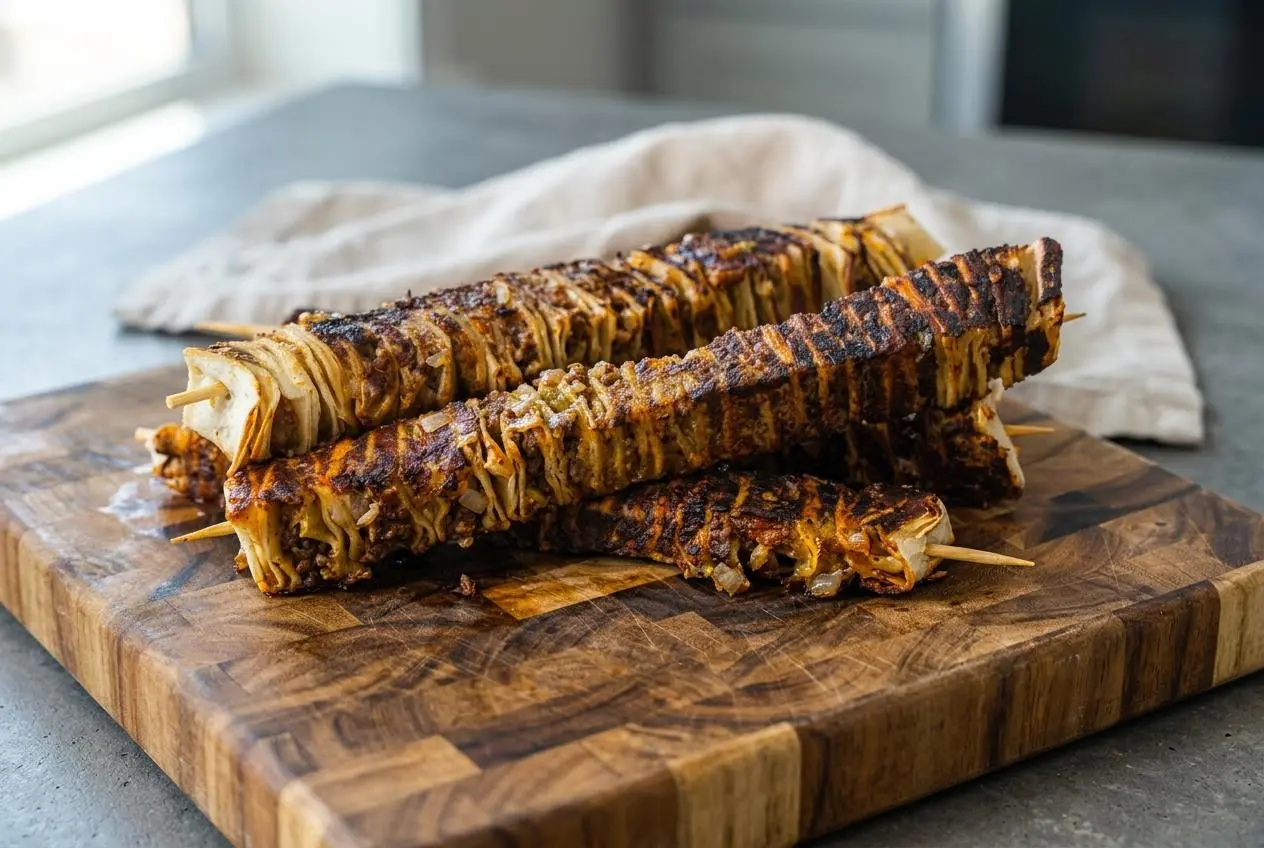
The meat should sit securely on the skewers with the fat cap facing outward, ready to meet the hottest part of the grill. - Grill the skewered steaks for 4 to 6 minutes per side, rotating them halfway through the cooking time. Check the thickest part with an instant-read thermometer and remove the steak when it reaches 130°F.
The fat should hiss and take on golden-brown patches while the beef develops dark, caramelized grill marks. - Place the skewers on a cutting board and leave the steak undisturbed for 10 minutes before slicing. Serve the carved beef with chimichurri alongside.
The center should remain rosy and juicy, while the outer fat settles into a crisp, lightly chewy layer.
If the fat begins to scorch before the center reaches temperature, shift the skewers away from the hottest area for a moment, then return them to finish browning. A hard black crust tastes bitter; deep mahogany browning tastes like the good part of a steakhouse grill.
How to Cut and Skewer Picanha the Traditional Way
The way you cut picanha before grilling determines how tender it feels on the plate. Thick steaks protect the center from overcooking, while the final carving direction shortens the muscle fibers in every bite.
The Grain Direction Rule: Slicing for Tenderness
When starting with a whole cap, identify the long, visible lines running through the beef. Cut the roast into thick steaks with the grain, rather than across it, before cooking.
This can seem backward at first, but it solves the carving problem later. Slicing with the grain now means the thin exterior ribbons carved after grilling will run against the grain, shortening the fibers and making each slice easier to chew.
Aim for steaks about 2 inches thick when preparing a whole picanha for traditional skewers. Keep the fat cap attached to each piece, and make smooth, confident cuts so the steaks hold their shape.
Forming and Securing the C-Shape on Skewers
Lightly score the fat cap in a diamond crosshatch, cutting through the fat but stopping before the red meat. As the fat renders, those lines open up and help prevent the steak from tightening into an awkward curl.
Fold each steak into a snug C-shape with the fat on the outside, then thread it onto a heavy, flat metal skewer. Flat skewers grip the meat during rotation, while thin wooden or round skewers can bend or allow the steak to spin.
Leave a little space between pieces if several steaks share a skewer so heat can reach the inner curve. For another open-fire beef dinner with a different threading style, try garlic steak kebabs.
- Classic rock salt churrasco: Skip the pepper as an optional traditional approach and use coarse salt alone for a clean, beef-forward finish.
- Fat cap curling too tightly: The score marks may be too shallow or absent. Make a light crosshatch through the fat before folding.
- Meat slipping on the skewer: Use wide, flat metal skewers and push the steak firmly through the center of its folded curve.
Step-by-Step Grilling and Fire Management
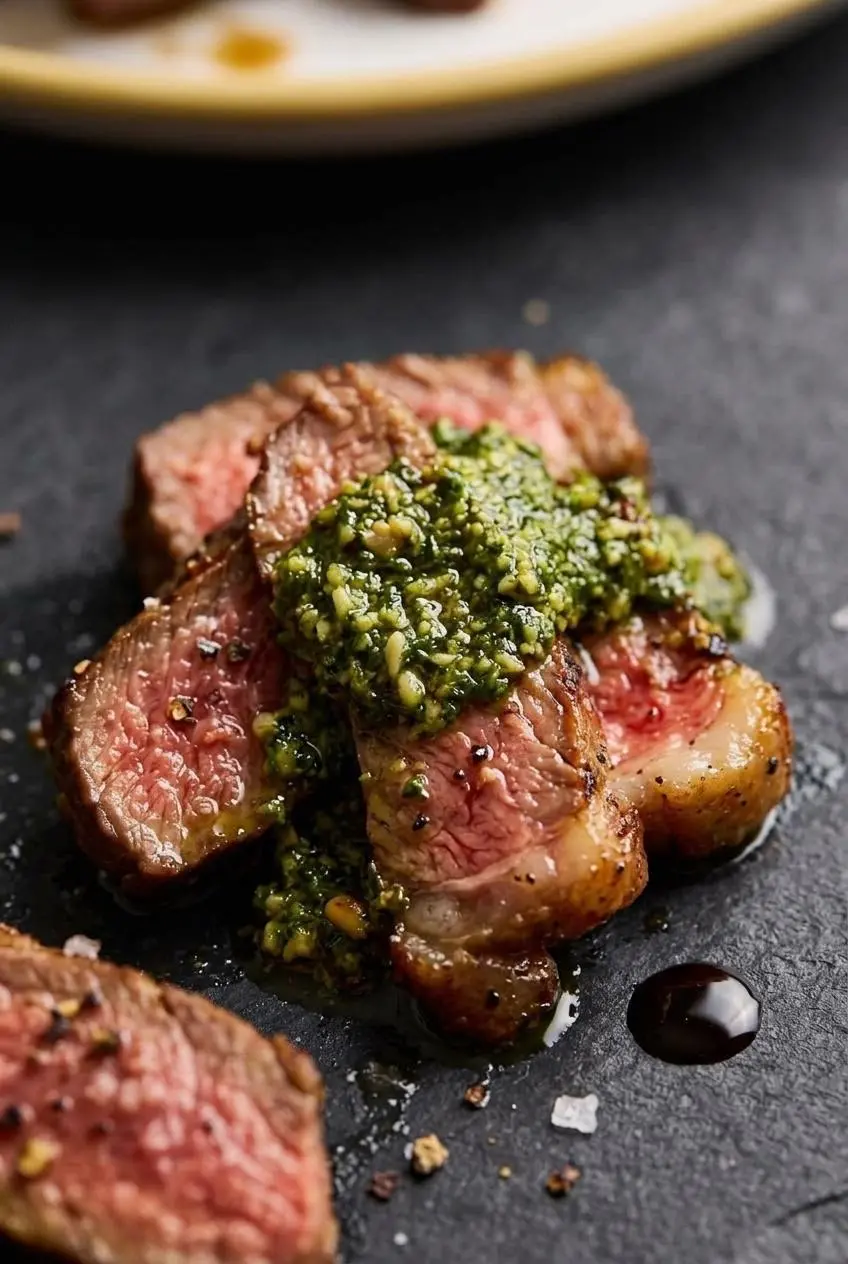
Picanha fat drips quickly once it warms, so managing the fire matters as much as managing the steak. Build a hot searing area and a calmer area before the skewers go on the grill.
Setting Up Two-Zone Heat on Charcoal or Gas
For charcoal, bank the coals to one side, leaving the other side clear for indirect heat. For gas, heat one side more aggressively and keep another burner lower or off. The hot zone builds color; the cooler zone gives you control when the fat starts dripping.
Do not leave picanha unattended directly over flames. If flare-ups rise around the fat cap, move the skewers to the indirect side right away and rotate them until the flames settle. This keeps the exterior savory and browned instead of coated in acrid soot.
Rotate the skewers frequently during cooking. That movement mimics rotisserie-style basting, lets the fat render more evenly, and prevents one side from taking all the heat.
Monitoring Temperature Milestones and Rendering Fat
For medium-rare, pull picanha between 125°F and 130°F. For medium, aim for 135°F to 140°F. A thermometer in the thickest part gives a clearer answer than pressing the meat alone, especially when the outer fat has crisped.
Use tongs to gently press the lean center. Medium-rare picanha should feel springy with some give, while the fat cap should feel firmer and look golden rather than pale and spongy. The scored diamonds should open as the surface fat melts down.
- Charred outside, underdone center: Move to indirect heat to let the interior catch up without further scorching the fat.
- Chewy fat cap: Give the fat side more direct exposure in short stretches, rotating often so it renders instead of burning.
- Dry beef: Pull the steak at your preferred temperature and keep the full 10-minute rest. Lean sirloin can lose its tenderness when cooked much beyond medium.
Alternative Indoor Methods: Skillet and Reverse Sear
A heavy cast-iron skillet is the strongest indoor choice because direct contact renders the fat cap and develops a serious crust. Avoid nonstick pans, which do not handle the required heat as well.
For a cast-iron reverse sear, cook the thick steaks in a 250°F oven until the center reaches 115°F. Transfer them to a very hot cast-iron skillet, place them fat-side down first to render and brown the cap, then briefly sear the remaining sides.
Work in batches so each steak has room in the pan. Crowding traps steam and softens the crust. For a richer optional finish, brush the skewered steaks with warm smoked beef tallow just before the final sear, or use the butter-basting approach in this garlic butter steak.
A skillet will not reproduce charcoal smoke, but it does deliver an excellent beef crust and a deeply golden fat cap. Keep the same carving rule: thick cuts before cooking, thin slices against the grain after resting.
Resting, Tableside Carving, and Serving Suggestions
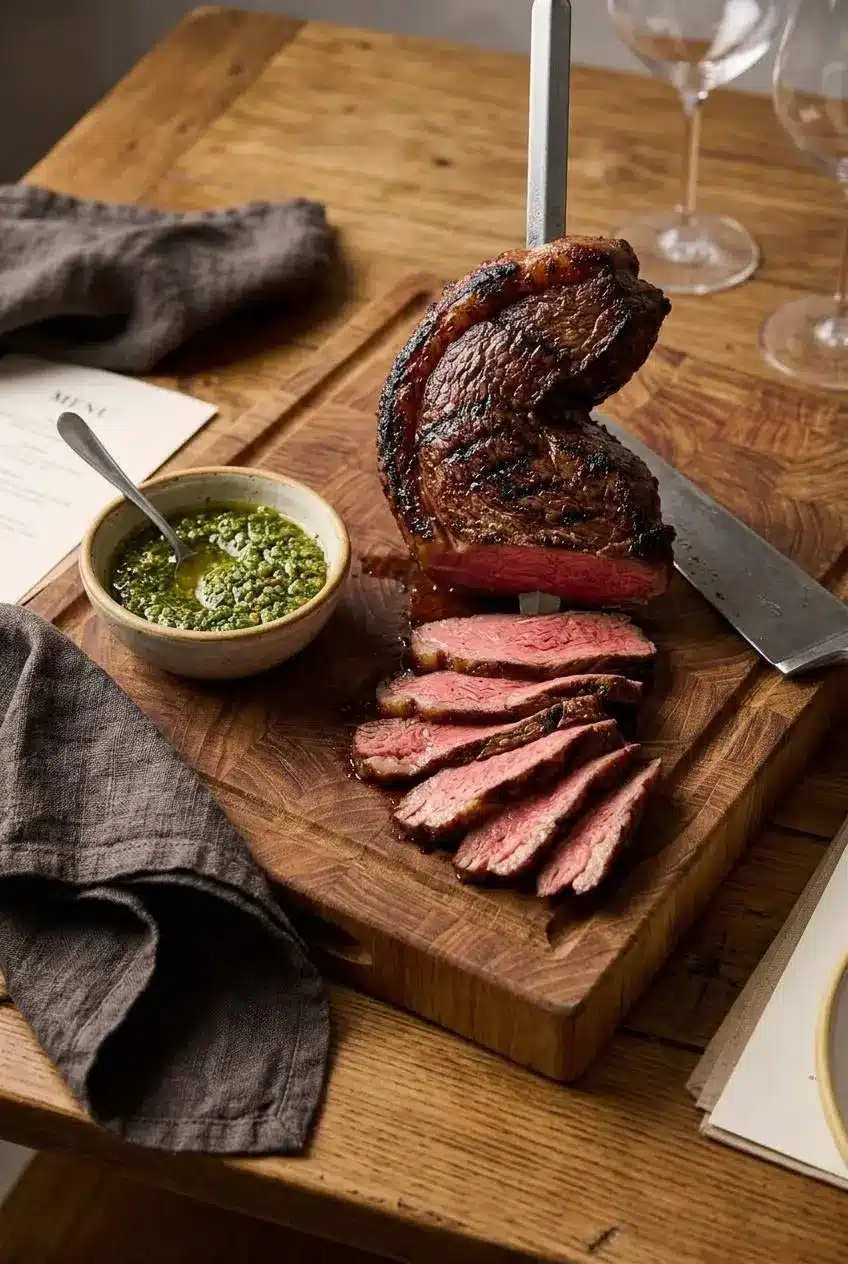
Resting is the final step that keeps a beautifully grilled picanha from losing its juices on the board. Give it the full 10 minutes, then use the juices left behind as a spoonable finish rather than discarding them.
For churrascaria-style carving, hold the skewer upright over the cutting board and shave thin ribbons from the browned exterior. Cut across the grain as you carve, exposing more rosy meat after each pass. The goal is delicate slices, not thick steakhouse slabs.
- Chimichurri: Spoon the bright herb sauce alongside the beef so each person can add as much acidity as they like.
- Brazilian sides: Serve toasted manioc flour farofa, seasoned black beans, and white rice for a fuller churrasco-style meal.
- Warm crusty rolls: Use them to catch the savory juices and extra chimichurri.
- Cookout side: A tangy steakhouse potato salad makes a satisfying contrast to the crisp rendered fat.
Storing and Reheating Leftovers
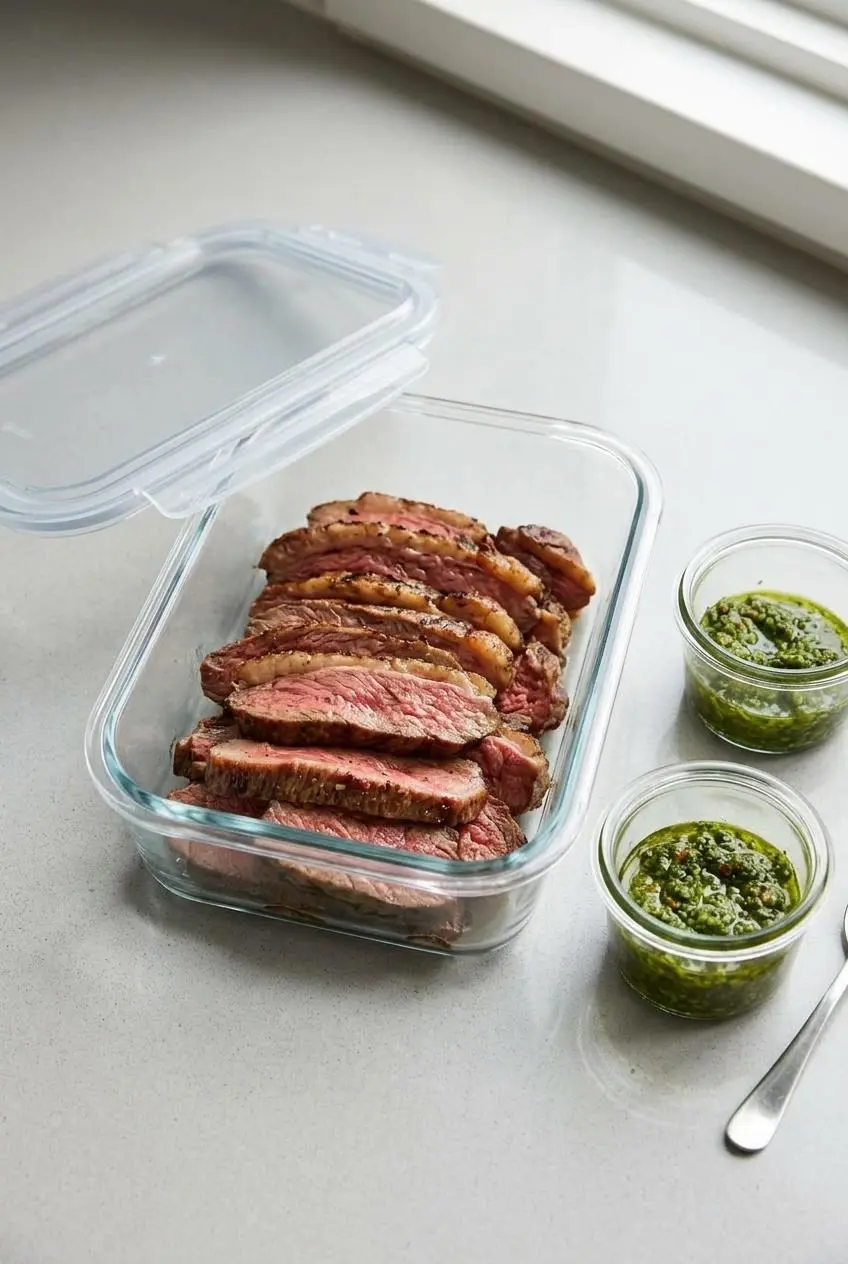
Cool leftover slices completely, then keep them in an airtight container in the refrigerator. Store any chimichurri separately so the herbs stay brighter and the beef does not sit in excess moisture.
Reheat only the portion you plan to eat. Warm the beef gently in a low oven, or use a very hot skillet for a brief fat-side-down crisping, taking care not to overcook the pink center. Leftover picanha also works well sliced cold into rice bowls or tucked into a sandwich.
Conclusion
Picanha rewards a little attention to shape, heat, and carving. Keep the fat cap intact, score it lightly, and use the indirect side of the grill whenever the drippings get too enthusiastic.
After the 10-minute rest, carve thinly against the grain and let chimichurri brighten every rich bite. You have everything you need for a confident churrascaria-style dinner at home.
Frequently Asked Questions
What Is Picanha Steak Called in US Grocery Stores?
Look for top sirloin cap, rump cap, or coulotte steak. Some butcher shops also use the Brazilian name picanha. Ask for a whole, untrimmed cap with the fat layer intact. Avoid cuts labeled tri-tip or flank steak, which cook and carve differently.
Why Is Picanha Cut With the Grain Before Grilling?
Cutting with the grain into thick steaks sets up the final carving correctly. After grilling, slice the cooked exterior against the grain to shorten the muscle fibers. That two-stage approach gives you tender slices while keeping each steak sturdy enough to curl and skewer before cooking.
What Internal Temperature Is Best for Picanha Steak?
Aim for 125°F to 130°F for medium-rare picanha, or 135°F to 140°F for medium. Check the thickest part of the beef, away from the fat cap. Medium-rare keeps the lean sirloin center tender and juicy. Cooking beyond medium can make this cut noticeably drier.
How Do You Avoid Grill Flare-Ups With Picanha Fat?
Set up two heat zones before grilling. Keep one side hot for searing and one side cooler for indirect cooking. When dripping fat creates tall flames, move the skewers to the cooler side and rotate them often. Return to direct heat only when the flames calm down.
Picanha Steak

Equipment
- 4 metal skewers
- Grill or grill pan
- Cutting board
- Instant-read thermometer
Ingredients
- Vegetable oil, for grill
- 2 lb. sirloin cap, cut into 4 (1 1/2″) steaks
- 2 1/4 tsp. kosher salt
- 1 tsp. freshly ground black pepper
- Chimichurri, for serving
- 4 metal skewers
Instructions
- Heat a grill for high heat for 5 minutes, or heat a grill pan over high heat; clean the grates and lightly oil them with vegetable oil. Curl each steak, thread it onto a metal skewer, and season the outside with kosher salt and black pepper. The meat should sit securely on the skewers with the fat cap facing outward, ready to meet the hottest part of the grill.
- Grill the skewered steaks for 4 to 6 minutes per side, rotating them halfway through the cooking time. Check the thickest part with an instant-read thermometer and remove the steak when it reaches 130°F. The fat should hiss and take on golden-brown patches while the beef develops dark, caramelized grill marks.
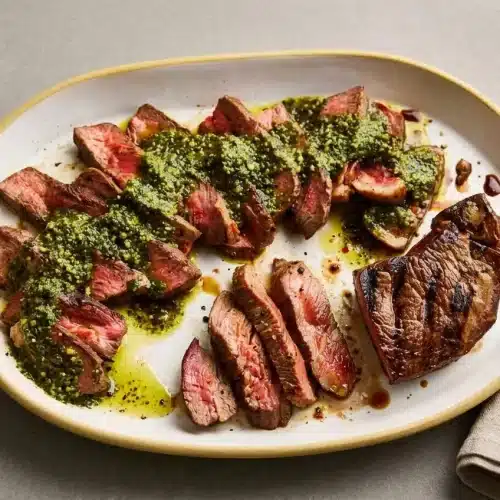
- Place the skewers on a cutting board and leave the steak undisturbed for 10 minutes before slicing. Serve the carved beef with chimichurri alongside. The center should remain rosy and juicy, while the outer fat settles into a crisp, lightly chewy layer.