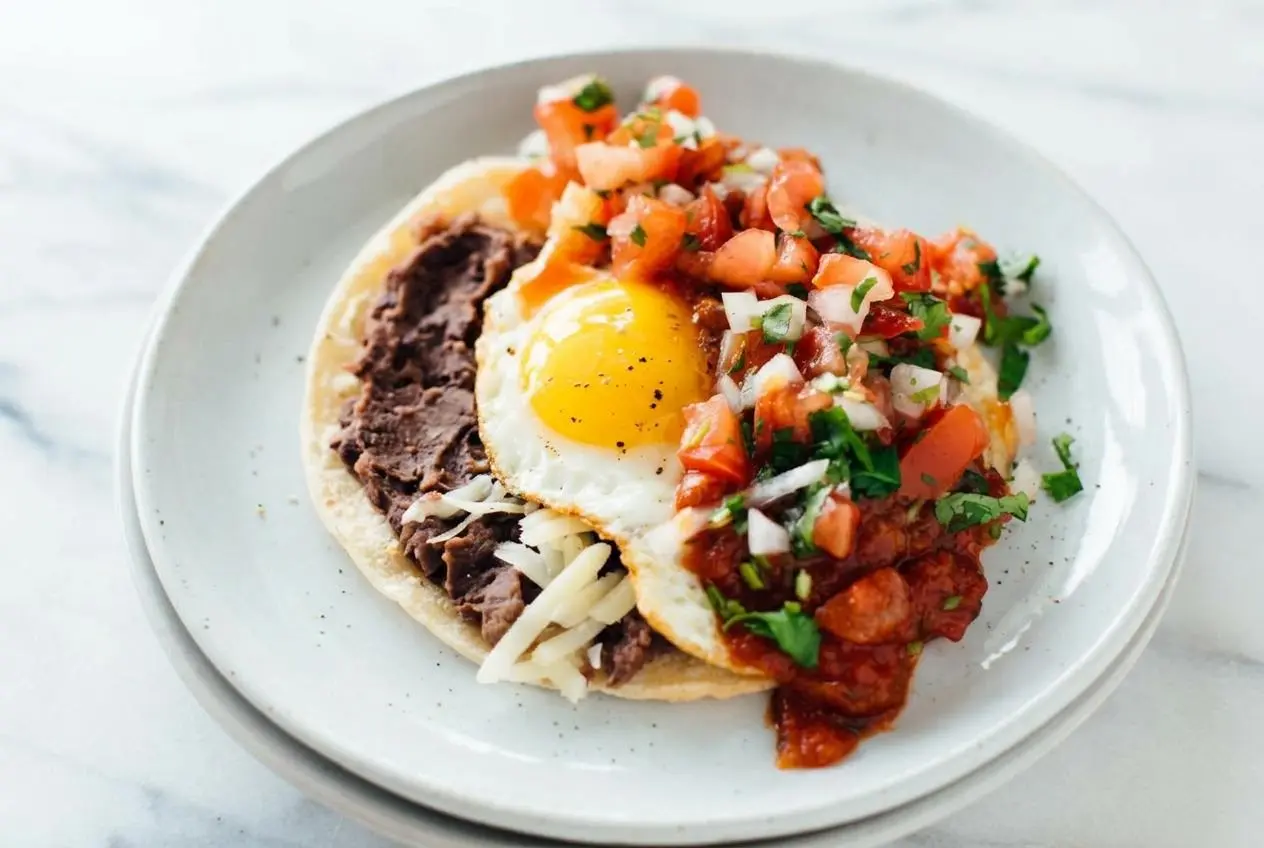
Huevos rancheros is a traditional Mexican breakfast of warm corn tortillas topped with beans, eggs, and savory salsa. This version walks you through every key part, including pico de gallo, creamy beans, and the best way to assemble it so nothing turns soggy.
Huevos rancheros works because every layer brings something different: soft tortillas, hearty beans, runny yolk, and a bright, warm sauce. It’s a home-cook-friendly breakfast that feels special without getting fussy.
The best part is how easily you can make it your own.
Set out warm plates before you fry the eggs so the whole dish stays hot from first bite to last.
What Are Huevos Rancheros?
This is the kind of breakfast that tastes bigger than the effort it takes. At its heart, huevos rancheros is a plate of lightly warmed corn tortillas topped with refried beans, fried eggs, warm salsa, and fresh garnishes.
It’s beloved in Mexico and all across the American Southwest for good reason. You get creamy, zesty, hearty, and rich in one forkful, and when the yolk breaks into the salsa, that’s when the magic really starts.
The 4 Essential Components of Huevos Rancheros
If you want great results, focus on the four parts that make the dish work. Each one affects the final texture, flavor, and how well the plate holds together.
The Perfect Ranchero Sauce
Ranchero sauce is a cooked tomato-based salsa served warm over the eggs. It’s different from a cold spoonful of jarred salsa because the heat wakes up the garlic, onion, and chile flavors and helps the whole plate stay hot.
This recipe uses your favorite red salsa for convenience, and that works well. If you want a more homemade flavor, make a quick blender version with fire-roasted tomatoes, onion, garlic, cumin, and a chipotle in adobo, then simmer it until slightly thickened. That gives you a sauce with a smoky edge and a smoother texture than most jarred salsa.
A good ranchero sauce should coat a spoon, not run all over the plate. If it seems watery, simmer it a bit longer before serving. Warm sauce over hot eggs and tortillas makes a huge difference.
Quick Homemade Refried Beans
The bean layer does more than add substance. It gives the dish creaminess, helps anchor the egg, and creates a barrier between the tortilla and the salsa.
Using canned black beans or pinto beans keeps things practical, but the method matters. Sautéing onion first builds sweetness, cumin adds warmth, and mashing only part of the beans gives you that ideal texture: creamy enough to spread, but still with some bite. If you want the fastest version, store-bought refried beans are perfectly fine here.
The beans are ready when they’re thick enough to hold their shape on a spoon. If they get too stiff, loosen them with a tiny splash of water.
Preparing the Corn Tortillas
Traditionally, corn tortillas are the move here. They bring a distinct toasted-corn flavor and hold up better than flour tortillas under beans, egg, and sauce.
The goal is not a crisp tostada. You want a tortilla that’s warm, flexible, and lightly toasted. A quick pass in a skillet with a little hot oil does that beautifully. It should puff slightly and smell fragrant, like toasted corn. That quick heating step also helps reduce sogginess once everything is layered on top.
If you’d rather skip the oil, you can warm the tortillas until soft and pliable in the microwave. That shortcut won’t give the same lightly fried flavor, but it’s fast and practical on a busy morning.
Cooking the Eggs
A fried egg with a runny yolk is the classic choice. Once the yolk breaks, it mingles with the salsa and turns the whole top layer into a richer sauce.
For crispy edges and tender whites, use shimmering oil and give the pan space. Tilt the skillet now and then so hot oil slips around the white. That helps it set evenly while the yolk stays soft. If fried eggs aren’t your thing, scrambled or poached eggs still make a very good plate.
Ingredients for Huevos Rancheros
Each ingredient has a clear job here, from the freshness of the pico to the creamy structure of the beans and the warmth, richness, and balance in the final plate.
Pico de gallo
- 2 medium ripe tomatoes, chopped (about 1 ½ cups)
- ¼ cup finely chopped white onion
- ¼ cup chopped fresh cilantro
- 2 tablespoons lime juice (about 1 medium lime)
- ¼ teaspoon fine-grain sea salt
Refried beans
- 2 teaspoons extra-virgin olive oil
- ¼ cup finely chopped white onion
- ¼ teaspoon fine-grain sea salt
- 1 teaspoon ground cumin
- 1 can (15 ounces) black beans or pinto beans, rinsed and drained, or 1 ½ cups cooked beans
- ¼ cup water
- Freshly ground black pepper, to taste
- ½ teaspoon lime juice
Everything else
- 1 ½ cups ( 12 ounces ) of your favorite red salsa, either homemade or jarred
- 4 teaspoons extra-virgin olive oil, divided
- 4 eggs
- 4 corn tortillas
- ½ cup shredded Monterey Jack cheese (optional)
- Freshly ground black pepper
- Optional garnishes: Crumbled Cotija or feta cheese, sliced avocado, additional chopped cilantro and/or hot sauce
I like Roma-style tomatoes for the pico when I have them because they stay meatier and release less liquid over the finished eggs.
How to Make Huevos Rancheros
- Stir the tomatoes, white onion, cilantro, lime juice, and salt together in a medium bowl, then set the pico de gallo aside.
The mixture should look juicy but fresh, with the salt starting to draw out a little tomato liquid. - Heat the olive oil in a small saucepan over medium heat, then add the onion and salt and cook for 3 to 6 minutes, stirring now and then.
Stop when the onion looks soft and translucent and the pan smells sweet rather than sharp. - Add the cumin and cook for about 30 seconds, then stir in the beans and water, cover, and cook for 5 minutes.
You should smell the cumin bloom quickly before the beans warm through and soften. - Lower the heat, uncover the pan, and mash at least half the beans with a potato masher or the back of a fork, then cook 2 to 3 minutes more, stirring often.
The beans should become thick and creamy while still keeping some texture. - Take the beans off the heat and stir in black pepper and lime juice, adjusting with more salt, pepper, lime juice, or a tiny splash of water if needed.
They should spread easily without running and stay warm under a cover until serving. - Warm the salsa in a medium saucepan over medium heat until it reaches a gentle simmer, then keep it on low.
The sauce should be hot and lightly bubbling, not boiled down too far. - Warm each tortilla one at a time in a small skillet over medium heat, turning as needed, then spread each with beans and place on its own plate, adding Monterey Jack if using.
The tortillas should be soft and flexible, not stiff or crisp. - Using the same skillet over medium heat, add 1 teaspoon olive oil and cook one egg at a time, repeating with the remaining oil and eggs.
The whites should be set and the yolk cooked to your preferred doneness, with lightly crisp edges if the oil is hot enough. - Set an egg on each prepared tortilla, spoon warm salsa over the dish without covering the yolk, then add pico de gallo with a slotted spoon or fork and finish with black pepper and any optional garnishes.
Keep the extra tomato juices behind so the top stays bright and fresh instead of watery. - Serve right away while the eggs, beans, and salsa are still hot.
The tortilla stays at its best texture when the plate goes straight from assembly to the table.
Tips for the Best Huevos Rancheros
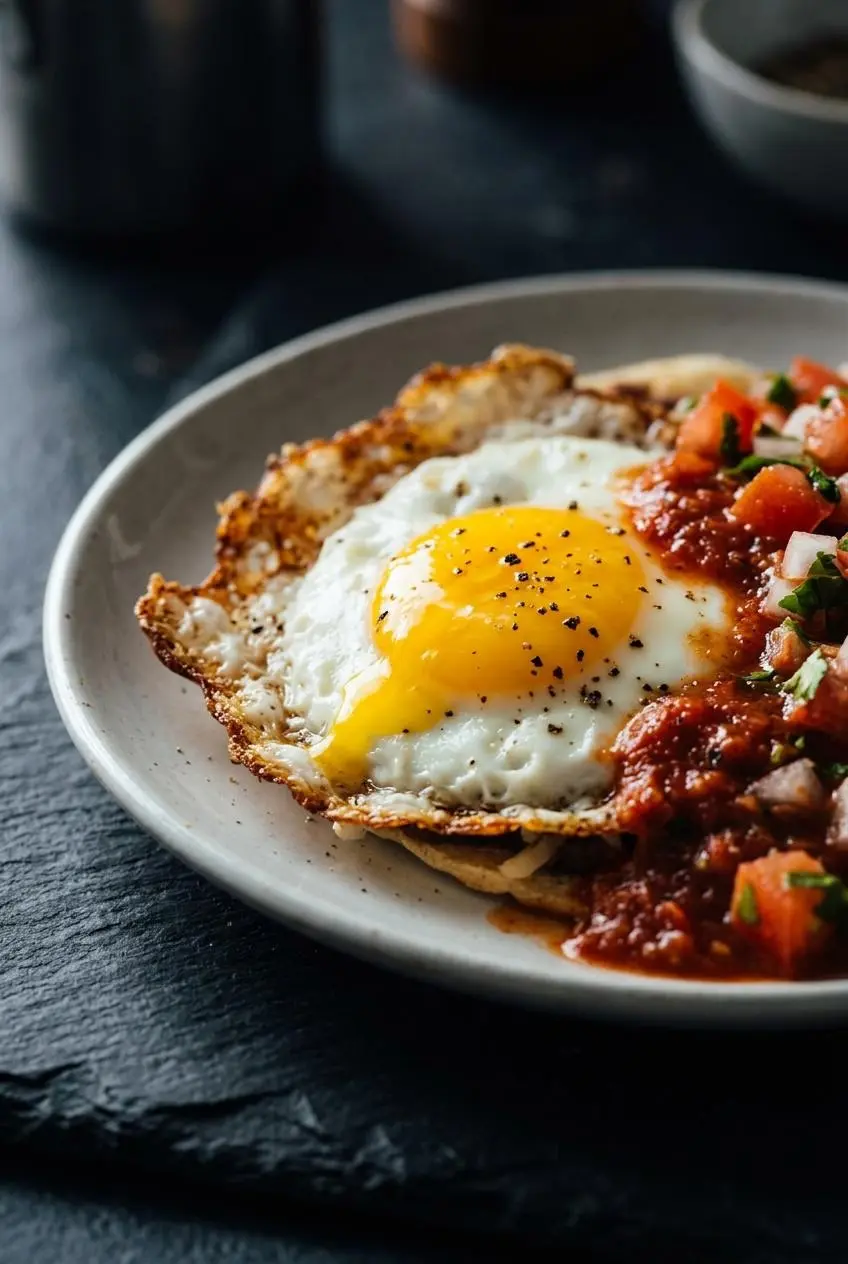
A lot of home cooks ask the same thing: why did my plate get soggy, bland, or cold so fast? These small details fix most of that.
| Problem | Likely Cause | Fix |
|---|---|---|
| Soggy tortillas | Cold tortillas or too much loose liquid | Warm the tortillas first, keep them pliable, use beans as a barrier, and drain excess tomato juice from the pico before topping. |
| Egg whites set but yolks overcook | Pan heat is too low or cooking drags on | Use shimmering oil and tilt the skillet so hot oil moves around the whites while the yolk stays softer. |
| Dish turns lukewarm quickly | Cold plates or cold sauce | Warm the plates and serve with hot salsa and hot beans so the eggs stay cozy instead of cooling on contact. |
| Beans taste flat | Only the top is seasoned | Season each layer as you cook, especially the beans, then finish the plate with black pepper and bright toppings. |
| Eggs cook unevenly | Very cold eggs hitting the pan | Let the eggs lose their chill for a bit before frying so the whites set more evenly. |
And one more thing: keep the salsa warm until the last minute. Cold salsa on hot eggs is the fastest way to flatten the whole dish.
Popular Variations to Try
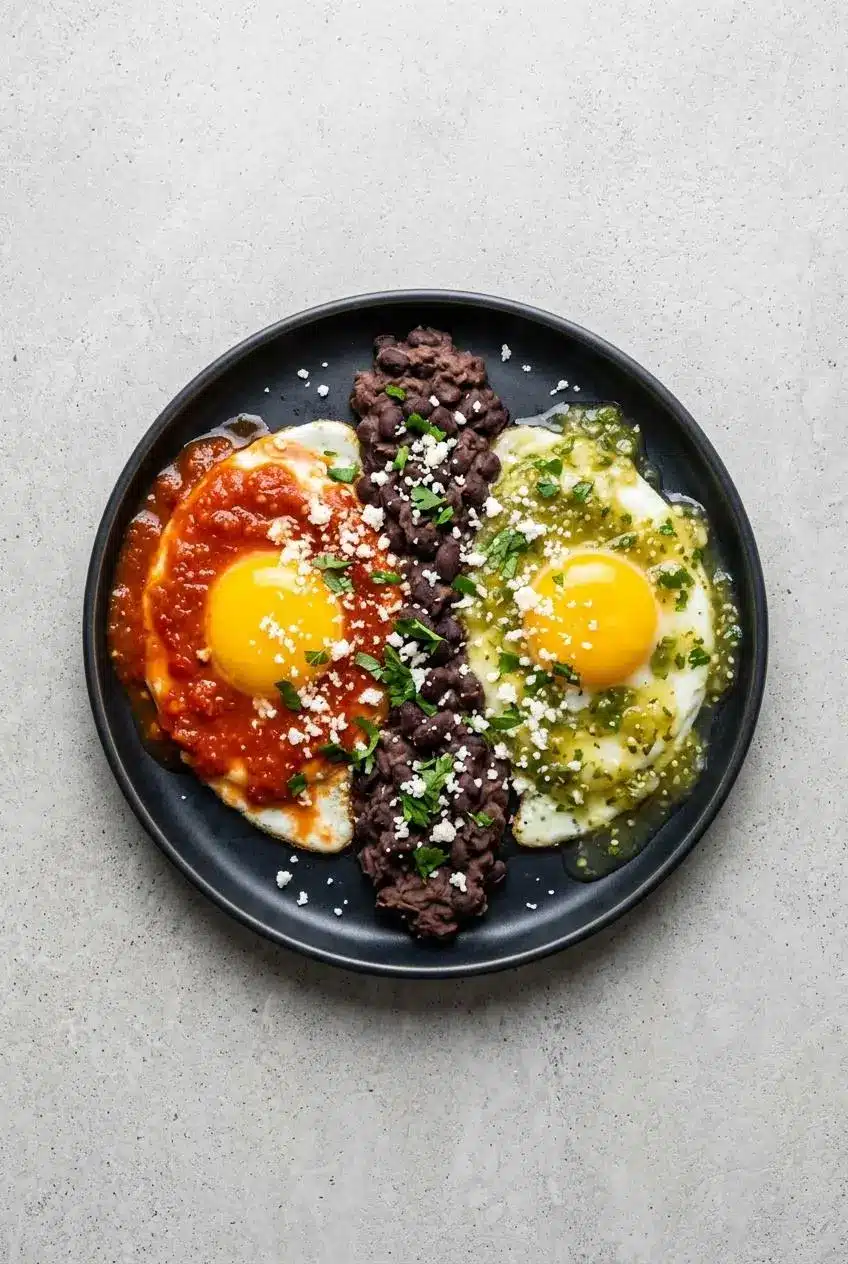
The classic version is hard to beat, but it’s also easy to customize. These are the most common ways to change the plate without losing the spirit of the dish.
Huevos Rancheros with Chorizo
Use raw Mexican chorizo here, not cured Spanish chorizo. Remove the casing, cook it in a skillet while breaking it into crumbles, and drain off excess fat. Layer the cooked chorizo over the tortilla before adding the egg. It brings spice, richness, and a little swagger.
Huevos Divorciados (‘Divorced Eggs’)
This variation serves two eggs on one plate with a stripe of refried beans between them. One egg gets red salsa, the other gets green salsa. They’re called “divorced” because the sauces stay separate, and yes, it’s as fun to eat as it sounds.
New Mexico Style: Red or Green Chile
In New Mexico, the sauce often shifts away from tomato-based ranchero sauce and toward red or green chile sauce. The flavor is earthier, deeper, and more chile-forward. Order it “Christmas” style and you get both red and green on the same plate.
If you want a quick customization beyond those three, scrambled eggs are an easy swap for fried eggs. You’ll lose the runny-yolk sauce effect, but you’ll get a softer, fluffier bite that plenty of people prefer.
What to Serve with Huevos Rancheros
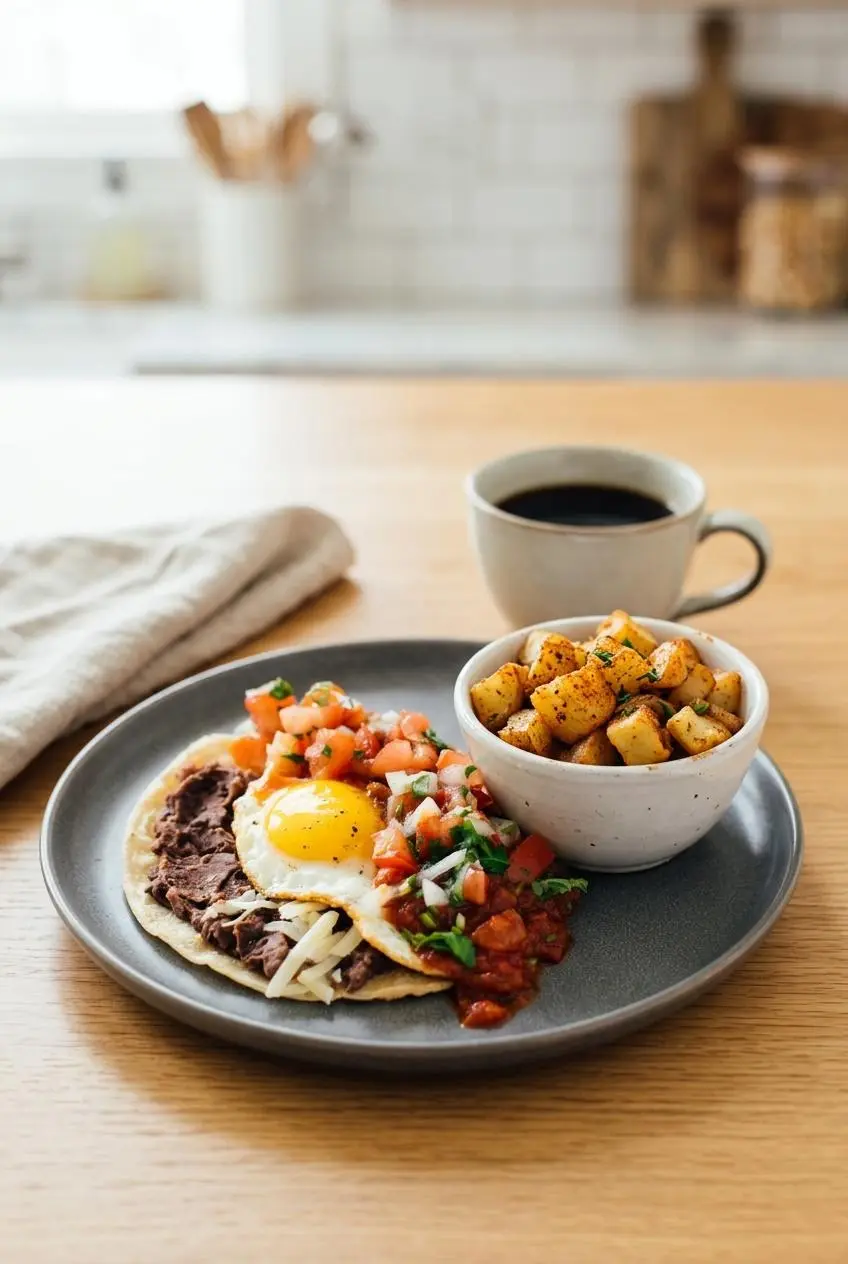
This dish can stand on its own, but it also plays very well with brunch sides. Crispy potatoes, hash browns, a simple green salad, or fresh fruit kabobs all balance the rich beans and eggs nicely.
If you want another savory breakfast side with a Latin American feel, classic Gallo Pinto fits right in. Just keep the rest of the plate light so the huevos rancheros still get to be the star.
| Creamy | Fresh & Zesty | Cheesy & Salty |
|---|---|---|
| avocado | pico de gallo | crumbled cotija |
| sour cream | cilantro | queso fresco |
| Mexican crema | lime wedges | Monterey Jack |
| sliced jalapeños | feta |
Storing and Reheating Leftovers
Huevos rancheros is best assembled and eaten right away, but you can absolutely save the separate components. Keep the beans, salsa, and pico in separate airtight containers, then reheat the beans and salsa gently before building a fresh plate.
| Component | Storage | Duration | Reheating Instructions |
|---|---|---|---|
| Ranchero sauce | Airtight container in fridge | Store chilled and use while fresh | Warm gently on the stove or in the microwave until hot. |
| Refried beans | Airtight container in fridge | Store chilled and use while fresh | Reheat slowly with a splash of water if needed to loosen the texture. |
| Assembled dish | Covered in fridge | Best enjoyed right after assembly | The texture softens quickly, so it’s better to reheat components and cook fresh eggs and tortillas. |
If your goal is a breakfast you can fully prep in advance, make-ahead egg muffins are a much better fit than a fully assembled plate of huevos rancheros.
Conclusion
This is the kind of breakfast that feels restaurant-worthy but still lands comfortably in a home kitchen. Warm tortillas, creamy beans, hot salsa, and a runny yolk make a plate that tastes bold, balanced, and deeply satisfying.
The homemade touches, especially the well-seasoned beans and warm sauce, are what make it sing. Once you try it, don’t be surprised if it ends up in your regular brunch rotation.
Frequently Asked Questions
What is the difference between huevos rancheros and chilaquiles?
The main difference is the tortilla. In huevos rancheros, whole tortillas act as the base and stay mostly intact. In chilaquiles, tortilla pieces or chips are simmered in salsa until softened. Think of huevos rancheros as layered, and chilaquiles as saucy and tossed. Dish Tortilla Style Texture Huevos rancheros whole tortillas soft base with layered toppings Chilaquiles cut tortillas or chips simmered and softened in salsa
Can I make huevos rancheros ahead of time?
Yes, but only in parts. The beans, salsa, and pico can be prepared ahead and kept separate. For the best texture, warm the beans and salsa before serving, then cook the tortillas and eggs fresh right before you eat.
How do I keep the tortillas from getting soggy?
Three things help most: warm the tortillas first, spread on a layer of thick beans before the egg, and avoid spooning extra tomato liquid from the pico onto the plate. Then serve right away. Waiting is the enemy here.
Are huevos rancheros spicy?
They can be, but they don’t have to be. Most of the heat comes from the salsa or the chiles used in the ranchero sauce. Choose a mild red salsa for a gentler plate, or go hotter with jalapeños, serranos, chipotle, or hot sauce at the table.
What kind of cheese is best for huevos rancheros?
Cotija is salty and crumbly, so it adds a punchy finish. Queso fresco is milder and softer, which gives a gentler contrast to the salsa. Monterey Jack melts well, which is why it works nicely in the main recipe if you want a gooier layer.
Can I use scrambled eggs instead of fried?
Absolutely. Fried eggs are traditional because the yolk mixes into the sauce, but scrambled eggs are a common and tasty variation. If that’s your preference, go for it. This breakfast is supposed to make your morning better, not boss you around.
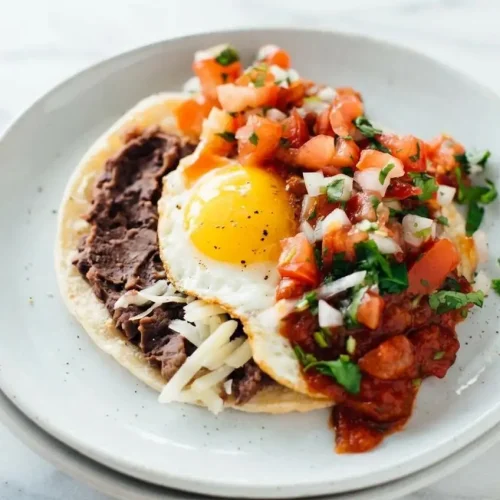
Huevos Rancheros

Equipment
- Medium bowl
- Small saucepan
- Potato masher
- Medium saucepan
- Small skillet
- Slotted spoon
Ingredients
Pico de gallo
- 2 medium ripe tomatoes, chopped (about 1 ½ cups)
- ¼ cup finely chopped white onion
- ¼ cup chopped fresh cilantro
- 2 tablespoons lime juice (about 1 medium lime)
- ¼ teaspoon fine-grain sea salt
Refried beans
- 2 teaspoons extra-virgin olive oil
- ¼ cup finely chopped white onion
- ¼ teaspoon fine-grain sea salt
- 1 teaspoon ground cumin
- 1 can (15 ounces) black beans or pinto beans, rinsed and drained, or 1 ½ cups cooked beans
- ¼ cup water
- Freshly ground black pepper, to taste
- ½ teaspoon lime juice
Everything else
- 1 ½ cups ( 12 ounces ) of your favorite red salsa, either homemade or jarred
- 4 teaspoons extra-virgin olive oil, divided
- 4 eggs
- 4 corn tortillas
- ½ cup shredded Monterey Jack cheese optional
- Freshly ground black pepper
- Optional garnishes: Crumbled Cotija or feta cheese, sliced avocado, additional chopped cilantro and/or hot sauce
Instructions
- Stir the tomatoes, white onion, cilantro, lime juice, and salt together in a medium bowl, then set the pico de gallo aside. The mixture should look juicy but fresh, with the salt starting to draw out a little tomato liquid.
- Heat the olive oil in a small saucepan over medium heat, then add the onion and salt and cook for 3 to 6 minutes, stirring now and then. Stop when the onion looks soft and translucent and the pan smells sweet rather than sharp.
- Add the cumin and cook for about 30 seconds, then stir in the beans and water, cover, and cook for 5 minutes. You should smell the cumin bloom quickly before the beans warm through and soften.
- Lower the heat, uncover the pan, and mash at least half the beans with a potato masher or the back of a fork, then cook 2 to 3 minutes more, stirring often. The beans should become thick and creamy while still keeping some texture.
- Take the beans off the heat and stir in black pepper and lime juice, adjusting with more salt, pepper, lime juice, or a tiny splash of water if needed. They should spread easily without running and stay warm under a cover until serving.
- Warm the salsa in a medium saucepan over medium heat until it reaches a gentle simmer, then keep it on low. The sauce should be hot and lightly bubbling, not boiled down too far.
- Warm each tortilla one at a time in a small skillet over medium heat, turning as needed, then spread each with beans and place on its own plate, adding Monterey Jack if using. The tortillas should be soft and flexible, not stiff or crisp.
- Using the same skillet over medium heat, add 1 teaspoon olive oil and cook one egg at a time, repeating with the remaining oil and eggs. The whites should be set and the yolk cooked to your preferred doneness, with lightly crisp edges if the oil is hot enough.
- Set an egg on each prepared tortilla, spoon warm salsa over the dish without covering the yolk, then add pico de gallo with a slotted spoon or fork and finish with black pepper and any optional garnishes. Keep the extra tomato juices behind so the top stays bright and fresh instead of watery.
- Serve right away while the eggs, beans, and salsa are still hot. The tortilla stays at its best texture when the plate goes straight from assembly to the table.