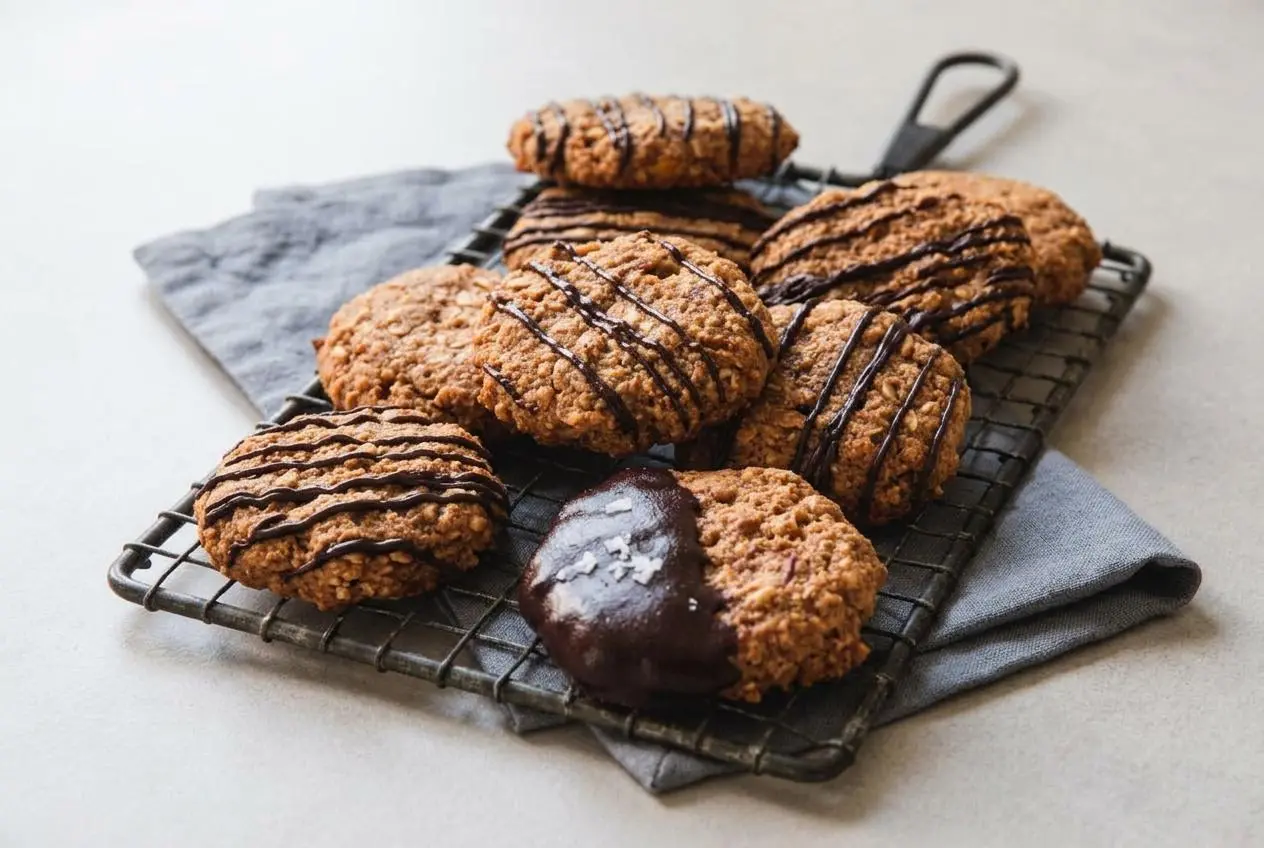
High-fiber breakfast cookies can support digestion with oats and prune puree while giving you a chewy, naturally sweet grab-and-go breakfast.
High Fiber Breakfast Cookies are the kind of bake that makes busy mornings feel a little more manageable. They mix hearty oats, prune puree, almond butter, walnuts, and apricots into a soft, sturdy cookie with real breakfast energy.
They’re especially appealing if you want something portable that still feels homemade. As they bake, the kitchen fills with a warm, caramelized fruit aroma that gives away the good part early.
Wet your fingers before flattening the dough so the sticky oat mixture doesn’t cling to your hands.
The Science of Prunes and Prebiotic Fiber
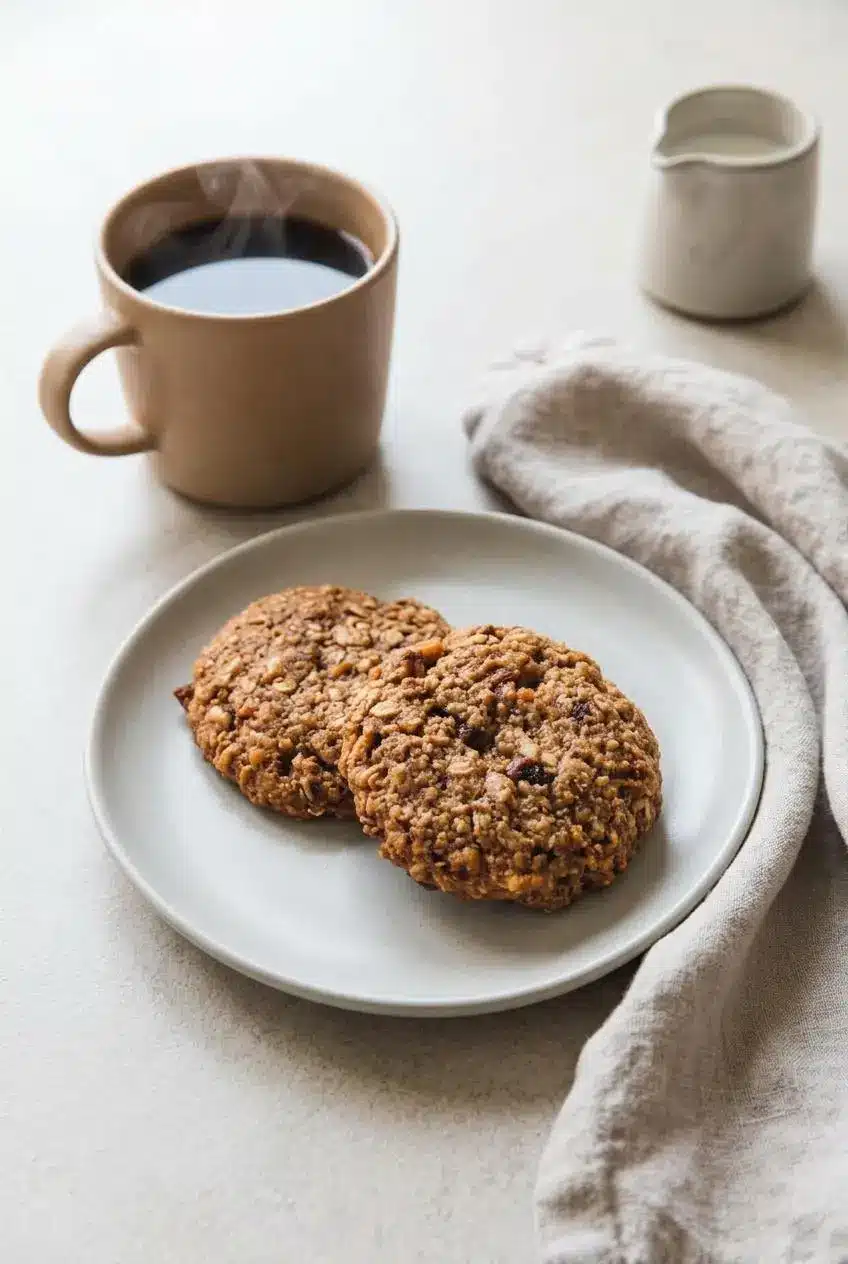
These cookies lean into ingredients that many people already reach for when they want gentle digestive support. Prune puree brings natural sweetness, moisture, and sorbitol, while oats add dietary fiber that helps give the cookies substance and a steadier, more satisfying texture.
That pairing matters. The prune puree keeps the dough soft without butter, and the oats help create a chewy bite that feels more like breakfast than dessert. Together, they make a cookie that can fit into a balanced morning routine when you want something practical and filling.
Prunes are widely known for helping with regularity, which is one reason they work so well here, but these cookies are still food first. Think of them as nutritional support, not medical treatment.
Ingredients That Drive Fiber and Digestion
Each ingredient pulls its weight here, building chew, moisture, structure, nuttiness, and natural sweetness so the cookies bake up satisfying instead of dry or flat.
For the cookie dough
- 1 cup almond flour
- 1 cup gluten-free rolled oats
- 1/2 teaspoon baking powder
- 1/4 teaspoon salt
- 3/4 cup walnuts, chopped
- 1/2 cup apricots, diced
- 1/4 cup almond butter, salt free
- 1/4 cup prune puree
- 6 tablespoons maple syrup
- 2 tablespoons coffee, black
- 2 teaspoons vanilla extract
Rolled oats are one of the main reasons these cookies feel substantial. They absorb liquid gradually, which helps the dough hold together and gives the finished cookies a hearty chew instead of a cakey crumb.
Prune puree does double duty. It adds sweetness and moisture, and it also stands in for part of the richness you might otherwise get from butter or extra oil. That keeps the center soft and helps the cookies stay tender after baking.
Almond butter adds fat, flavor, and structure. It helps bind the oat mixture so the cookies don’t crumble apart, and it rounds out the fruit with a mellow, nutty richness. The walnuts reinforce that texture with crunch, while diced apricots brighten the flavor so the cookies don’t taste heavy.
I like to use a runny, natural almond butter here because thick, dry nut butter can leave the dough thirsty and crumbly.
Seed Blends for Maximum Fiber
If you want to bump up the fiber feel even more, chia seeds or flaxseed meal are good optional add-ins. Both soak up moisture and form a light gel, which can help gluten-free dough hold together a little more neatly.
Chia tends to add tiny pops of texture, while ground flax blends in more smoothly. If you try either, add them modestly and give the dough a brief rest so the oats and seeds can absorb the liquid before you judge the texture.
Oat Flour vs. Rolled Oats: Texture Guide
Rolled oats are the better choice if you want distinct chew and a more rustic cookie. Oat flour absorbs moisture differently and can make the dough denser and more uniform, which shifts the texture away from that hearty breakfast-cookie bite.
Quick oats can work in a pinch, but they soften faster and usually produce a less chewy cookie. If you enjoy the classic chew of classic oatmeal cookies, rolled oats are the closest match here, just in a more fiber-forward breakfast style.
How to Make High Fiber Breakfast Cookies
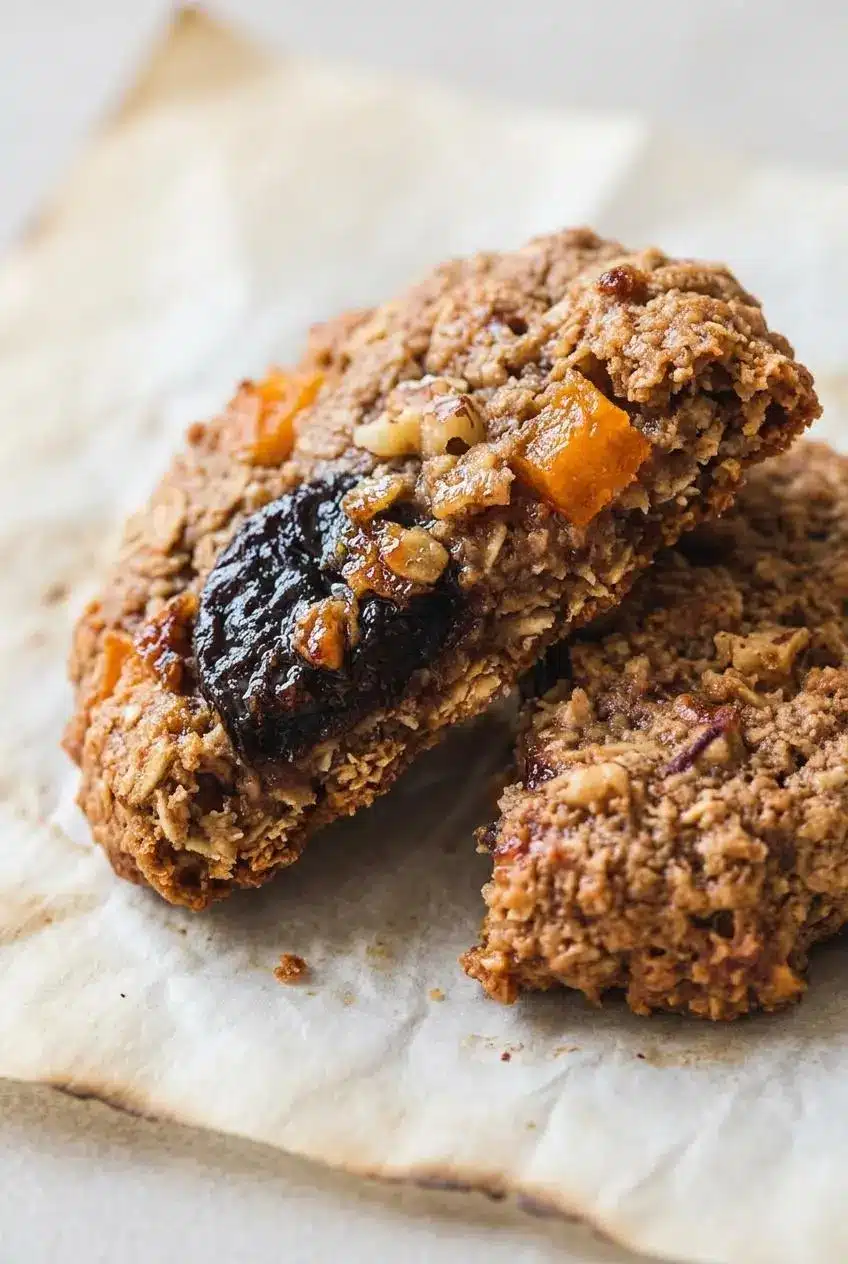
This dough is supposed to feel sticky and heavy, so don’t expect it to behave like a roll-and-cut cookie dough. Once the liquids coat the oats well, it should look thick, tacky, and scoopable.
To make the cookies
- Heat the oven to 350 °F and line a baking sheet with parchment paper.
The parchment keeps the sticky dough easy to release and helps the bottoms brown evenly. - Add the almond flour, gluten-free rolled oats, baking powder, and salt to the bowl of a stand mixer fitted with the paddle, then mix on low just until the dry ingredients are evenly distributed.
You want the mixture to look uniform before the wet ingredients go in so the leavening and salt are spread throughout. - Add the walnuts, apricots, almond butter, prune puree, maple syrup, black coffee, and vanilla extract, then mix on low until a thick dough forms with no dry pockets left.
The dough should look very sticky and dense, with the oats fully coated and the fruit evenly tucked through the mixture. - Scoop the dough into 2 tablespoon portions, set them on the prepared baking sheet, and press each one into a disc about 1/4 inch thick using damp fingers or a piece of parchment.
If the dough keeps grabbing at your hands, wet them again and keep going until the tops look flattened and tidy. - Bake for 12 to 14 min until the cookies are golden brown.
Check the bottoms for the best doneness cue, because a golden-brown base tells you the centers have set while the cookies stay chewy.
To store
- Cool the cookies completely, then place them in an airtight container and store for up to 5 days.
They hold their texture best once all trapped steam has escaped, so don’t pack them while warm.
Incorporating a Warm Citrus Twist
If you want a brighter flavor, fold in a little orange zest and a pinch of ground cardamom with the wet ingredients. The citrus oil cuts through the almond butter nicely, and the cardamom plays well with the prune and apricot notes without changing the cookie’s chewy character.
Troubleshooting Sticky or Crumbly Cookie Dough
This is the section that saves a batch. High-fiber dough changes quickly depending on your nut butter, the humidity in your kitchen, and how long the oats sit before baking.
- Dough feels too dry and crumbly: This usually happens when the almond butter is thick or chalky. Mix in a little warm water or a little maple syrup, just enough to bring the dough back to a sticky, cohesive texture.
- Dough seems overly wet: Let it sit briefly first, because oats keep absorbing liquid. If it still spreads too easily, mix in a small amount of rolled oats gradually until the dough can be scooped and pressed.
- Dough sticks to everything: That’s normal to a point. Use damp fingers, a scoop, or a square of parchment to flatten the portions without fighting the dough.
- Cookies turn out tough: Steel-cut oats are usually the culprit. Stick with rolled oats for chew that stays tender instead of gritty.
- Cookies look pale on top but are ready: Check the underside. The bottom should have a clear golden-brown hue even if the tops still look soft.
- Humidity throws off the dough: On muggy days, the mixture may feel looser at first. Give it a short rest before adjusting, since the oats and fruit need time to settle into the liquid.
A properly mixed dough should feel thick, tacky, and a little heavy on the scoop. It should not pour, but it also should not break apart when pressed.
Allergy-Friendly Customizations and Substitutions
The base recipe already has strong flavor, so optional swaps work best when they respect the dough’s moisture balance. If you change the fat source or add extra dry ingredients, keep an eye on texture first and flavor second.
If you like building a more whole-food breakfast routine, these cookies also fit nicely alongside other clean breakfast ideas that keep mornings simple without feeling dull.
- Chia seeds: optional, adds a mild crunch and more gel-like binding.
- Ground flaxseed: optional, softens the texture and helps the dough hold together.
- Hemp seeds: optional, boosts nuttiness and adds a little protein without much crunch.
- Pumpkin or sunflower seeds: optional, adds bite and works well when replacing walnuts.
Nut-Free Sunflower Seed Option
To make the cookies nut free, swap the almond butter for sunflower seed butter or tahini and replace the walnuts with pumpkin seeds or sunflower seeds. Sunflower seed butter is usually the closest match for texture, while tahini gives the cookies a slightly toastier, more savory edge.
Because seed butters can vary a lot, check the dough before scooping. If your seed butter is thick, the dough may need a touch more moisture to stay soft and cohesive.
Perfecting the Flax Egg Binder
These cookies don’t rely on eggs, but flaxseed meal is still useful if you want extra binding in a customized batch. Once it’s mixed with liquid, it thickens and helps reinforce structure, which is especially handy when you change the nut butter or add more seeds.
If you go this route, let the dough sit briefly before shaping so the flax has time to gel. That extra pause can make a loose dough easier to scoop and flatten.
Balancing Protein and Fiber
If you want a more protein-forward cookie, hemp seeds are the easiest add-in because they blend in without drying the dough too much. Seed-based protein powders can work too, but use a light hand because they absorb moisture fast.
When a dough with added protein starts looking stiff or dull instead of sticky and glossy, loosen it with a splash of liquid before baking. The goal is still a tacky dough that presses easily, not a dry paste.
Lactation Boosting Cookies
For a lactation-style variation, you can optionally add brewer’s yeast, extra ground flaxseed, and a splash of oat milk. That changes the flavor a bit, making it more earthy and less sweet, so prune puree and apricots help keep the cookies balanced.
Because those additions soak up liquid, watch the dough closely and adjust gently if needed. This variation is best treated as a supportive food choice, not a guaranteed result.
Meal Prep, Storage, and Cookie Care Tips
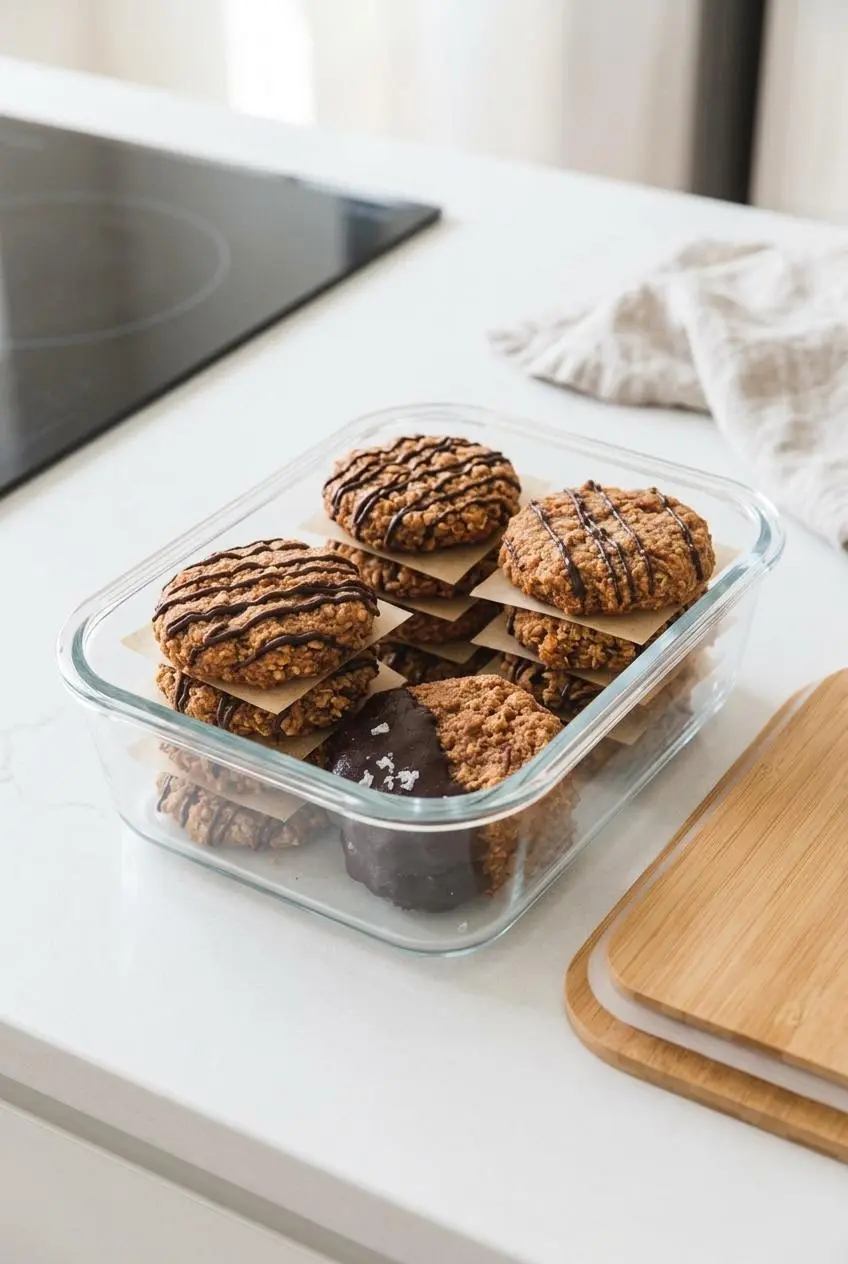
These cookies are genuinely useful for meal prep because they travel well and don’t need frosting or delicate handling. Once they’re fully cool, keep them in an airtight container so they stay chewy instead of drying out.
Do not stack or seal them while warm. Trapped steam softens the exterior too much and can make the texture sticky by the next day.
If you want to refresh one before eating, warm it briefly until the center softens and the fruit smells fragrant again. A short reheat brings back some of that fresh-baked chew without drying the edges.
For the best texture, separate layers with parchment if you’re packing them for the week. That small step helps prevent the cookies from sticking together, especially in a humid kitchen.
Conclusion
These cookies do a lot with smart ingredients. You get chewy texture, natural sweetness, and a breakfast that feels sturdy enough to carry you through a busy morning.
They’re easy to mix, easy to pack, and flexible enough for a few thoughtful swaps. Once you catch that warm caramelized fruit aroma from the oven, you’ll know the batch is on the right track.
Frequently Asked Questions
Do high fiber breakfast cookies help with constipation?
Yes, they may help support regularity for some people. Prune puree brings sorbitol and fruit fiber. Rolled oats add dietary fiber and give the cookies a more satisfying, steady texture. Together, those ingredients can be a helpful food-based option, but they are not a medical treatment.
Can I freeze these breakfast cookies for meal prep?
The recipe gives clear room-temperature storage, but it does not provide tested freezing details. If you want to prep ahead, bake the cookies fully and cool them completely before storing. For the most dependable texture, keep to the airtight storage method listed above. If freezing matters for your routine, test a small portion first before committing the whole batch.
How can I make these breakfast cookies nut free?
Use sunflower seed butter or tahini in place of almond butter, and swap the walnuts for pumpkin seeds or sunflower seeds. Sunflower seed butter is usually the closest texture match. Tahini works too, though the flavor is a bit more savory and earthy. Check the dough texture before baking, since different seed butters vary in thickness.
Can I use quick oats instead of rolled oats?
Yes, but the cookies will be softer and less chewy. Quick oats absorb moisture faster than rolled oats. That can make the dough thicken sooner and the finished cookie feel more tender than hearty. Rolled oats are still the best choice if you want the intended chewy texture.
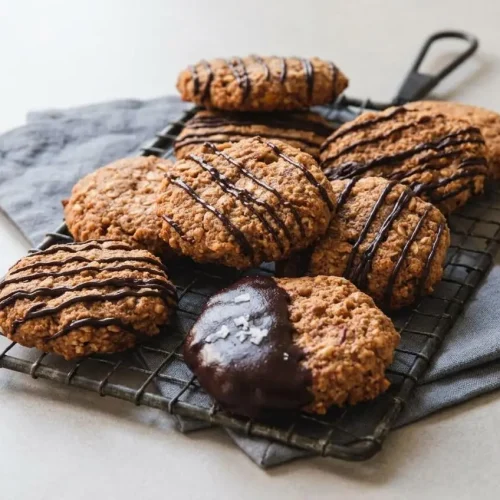
High Fiber Breakfast Cookies

Equipment
- Stand mixer with paddle attachment
- Cookie Scoop
- Baking Sheet
- Parchment Paper
Ingredients
For the cookie dough
- 1 cup almond flour
- 1 cup gluten-free rolled oats
- 1/2 teaspoon baking powder
- 1/4 teaspoon salt
- 3/4 cup walnuts chopped
- 1/2 cup apricots diced
- 1/4 cup almond butter salt free
- 1/4 cup prune puree
- 6 tablespoons maple syrup
- 2 tablespoons coffee black
- 2 teaspoons vanilla extract
Instructions
To make the cookies
- Heat the oven to 350 °F and line a baking sheet with parchment paper. The parchment keeps the sticky dough easy to release and helps the bottoms brown evenly.
- Add the almond flour, gluten-free rolled oats, baking powder, and salt to the bowl of a stand mixer fitted with the paddle, then mix on low just until the dry ingredients are evenly distributed. You want the mixture to look uniform before the wet ingredients go in so the leavening and salt are spread throughout.
- Add the walnuts, apricots, almond butter, prune puree, maple syrup, black coffee, and vanilla extract, then mix on low until a thick dough forms with no dry pockets left. The dough should look very sticky and dense, with the oats fully coated and the fruit evenly tucked through the mixture.
- Scoop the dough into 2 tablespoon portions, set them on the prepared baking sheet, and press each one into a disc about 1/4 inch thick using damp fingers or a piece of parchment. If the dough keeps grabbing at your hands, wet them again and keep going until the tops look flattened and tidy.
- Bake for 12 to 14 min until the cookies are golden brown. Check the bottoms for the best doneness cue, because a golden-brown base tells you the centers have set while the cookies stay chewy.
To store
- Cool the cookies completely, then place them in an airtight container and store for up to 5 days. They hold their texture best once all trapped steam has escaped, so don’t pack them while warm.