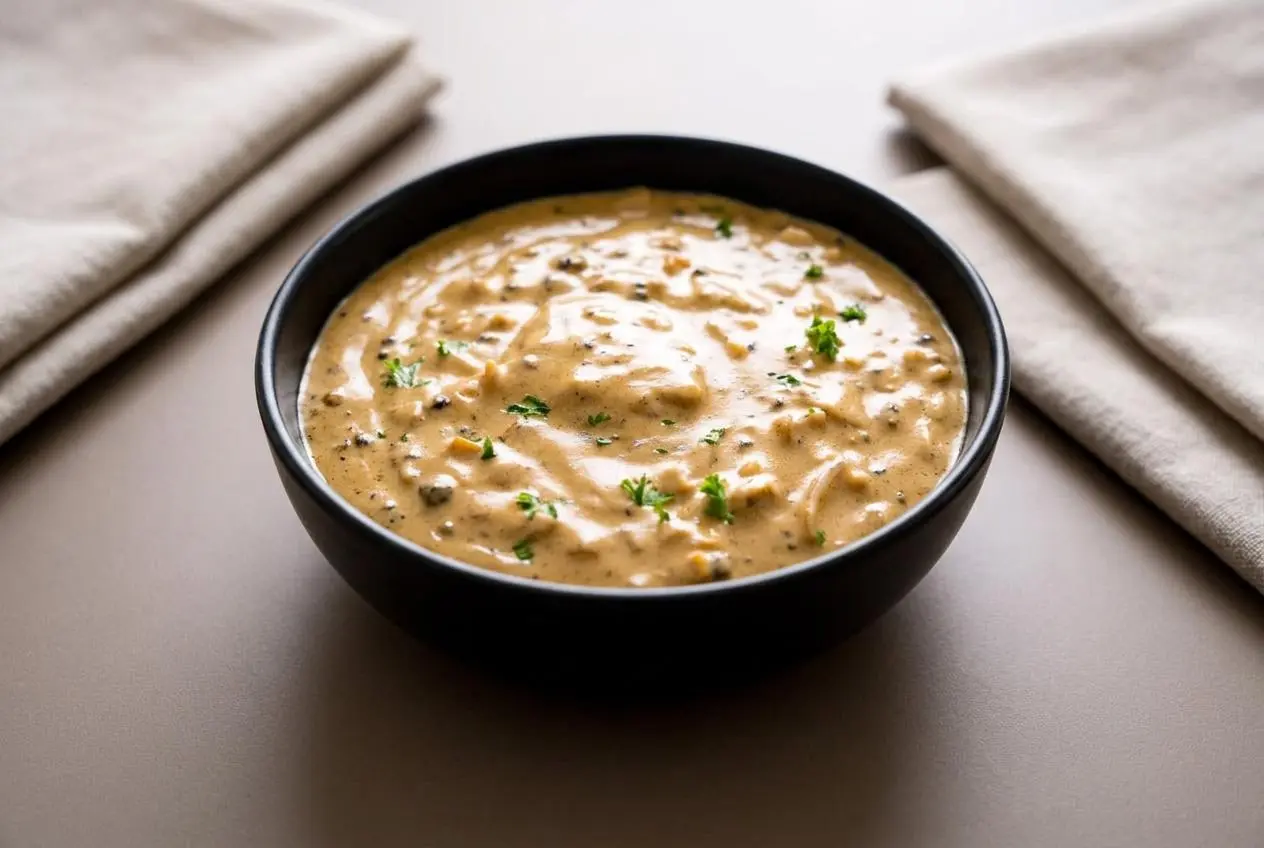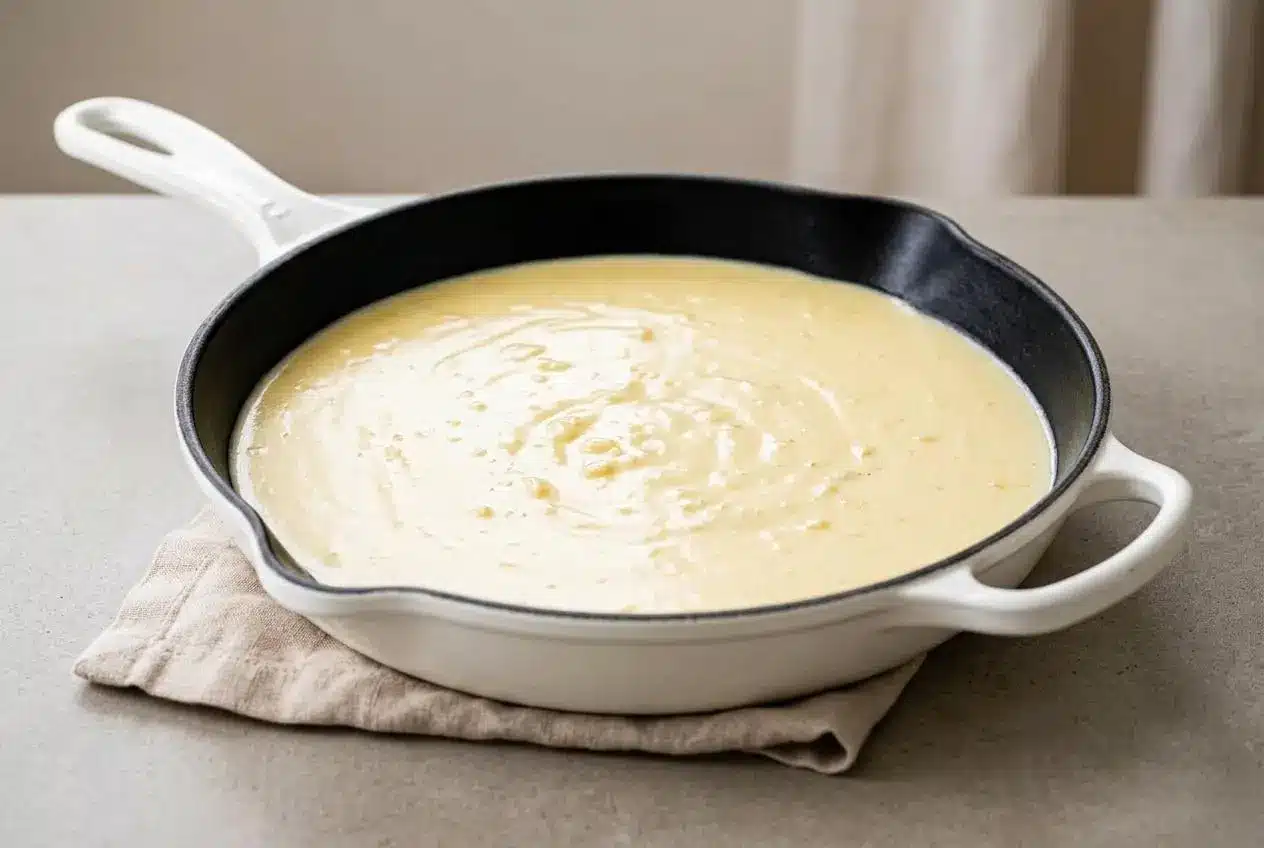
Garlic parmesan sauce is a velvety stovetop reduction of butter, garlic, white wine, and heavy cream, finished with freshly grated parmesan off the heat for a smooth, savory sauce in 15 minutes.
This garlic parmesan sauce starts with the rich aroma of garlic gently sizzling in butter, then builds into a glossy cream sauce with a bright edge from white wine.
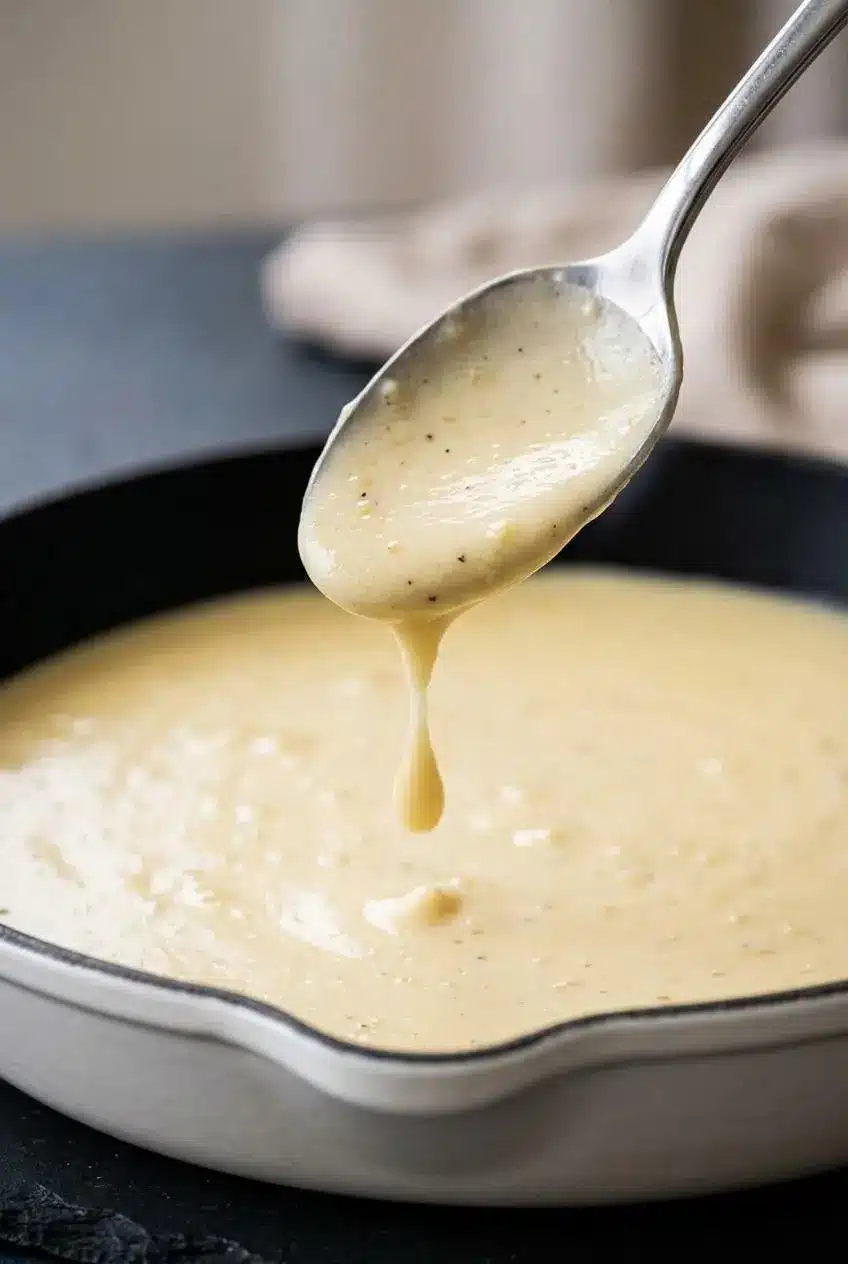
It works with pasta, wings, steak, and warm bread, but the off-heat parmesan step is what keeps it silky. That spoon-coating finish is close.
Keep the garlic pale gold and fragrant, not brown, so the sauce stays savory rather than bitter.
Why You Will Love This Homemade Garlic Parmesan Sauce
This warm sauce comes together quickly but tastes layered: buttery garlic up front, a little acidity from the wine, and a full parmesan finish. The cream reduces into a velvety coating instead of a heavy, gluey blanket.
Use it as a pasta sauce base, spoon it over steak, toss it with crisp chicken wings, or serve it as a dip for bread. Its garlicky flavor is bolder and more savory than classic alfredo sauce, while the white wine keeps the richness from feeling flat.
Freshly made sauce also gives you control over the salt and texture. Parmesan brings plenty of savory depth, so season at the end after the cheese has melted.
Ingredients for Garlic Parmesan Sauce
Each ingredient earns its place: butter carries the garlic aroma, wine balances the cream, and parmesan gives the sauce its savory body and smooth finish.
- 2 tbsp butter
- 2 cloves garlic (minced)
- 1/4 cup dry white wine
- 1 cup heavy whipping cream
- 1/2 cup grated parmesan cheese (plus more for serving if desired)
- sea salt & black pepper to taste
Butter softens the garlic’s sharpness, while dry white wine loosens the flavorful bits in the pan and adds welcome lift. Heavy whipping cream provides the richness needed for a naturally thick sauce, and parmesan gives it a nutty, salty finish.
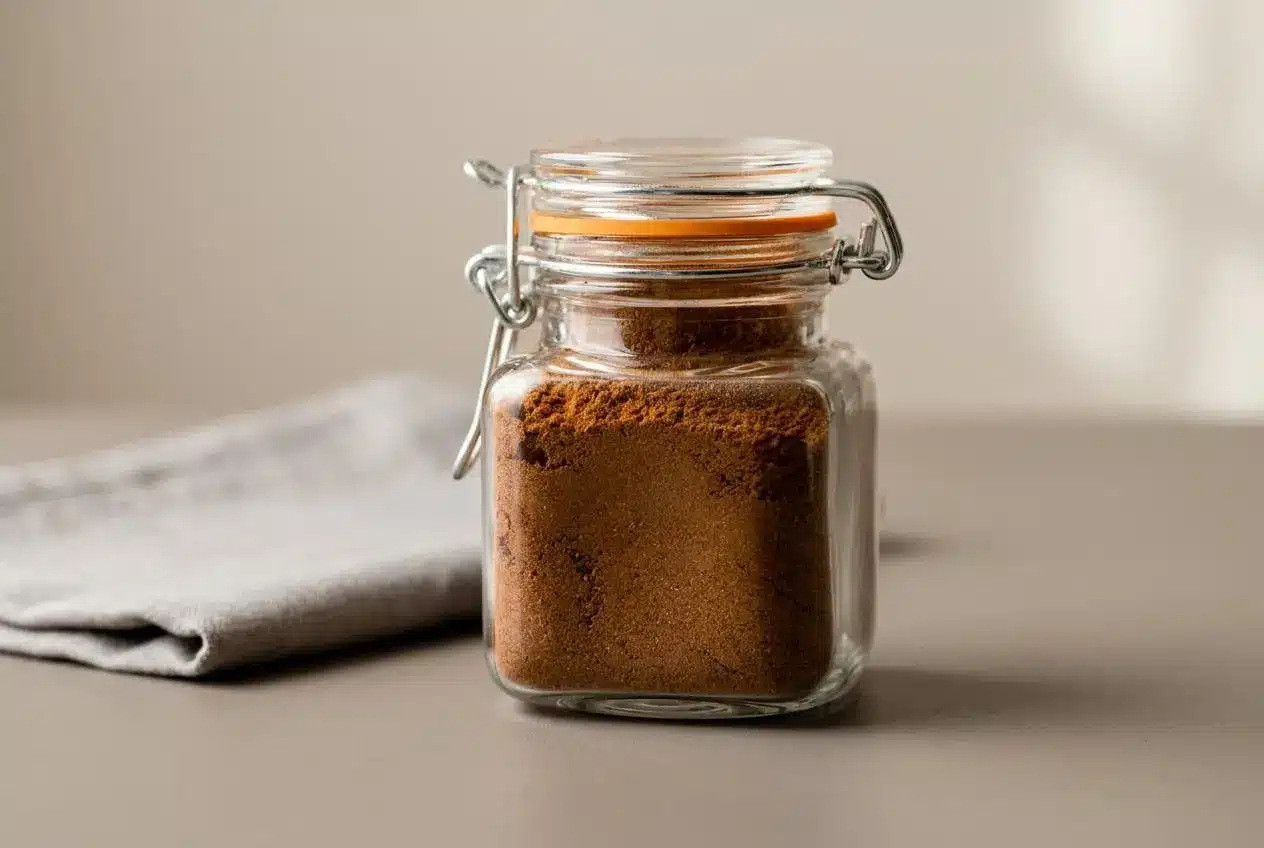
I grate parmesan from a wedge on the finest side of a box grater or a microplane because it melts into the cream much more smoothly than packaged shreds.
The Power of Freshly Grated Parmesan
Freshly grated parmesan is the biggest texture upgrade you can make. A wedge grated into fine, fluffy pieces melts quickly once it meets the warm cream. The spoon should glide through the finished sauce without catching on cheese granules.
Many pre-shredded cheeses contain cellulose or anti-caking agents that help the shreds stay separate in the package. In a cream sauce, those coatings can leave a sandy or grainy feel. If pre-grated cheese is your only option, add it gradually off the heat and stir gently rather than whisking aggressively.
Heavy Cream vs Broth and Flour Roux
This recipe uses a cream reduction, meaning the sauce thickens as moisture cooks off during a gentle simmer. It creates the richest texture and needs no flour. The lazy, glossy bubbles that form near the end are a good sign that the cream has reduced enough.
For an optional lighter, roux-based version, cook 1 tablespoon of flour in butter before gradually whisking in chicken broth and whole milk or half-and-half. That method relies on starch for thickness, so it has a lighter body and less of the lush, reduced-cream character. Add parmesan only after the liquid has thickened and the pan is off direct heat.
How to Make Garlic Parmesan Sauce Step by Step
Gentle heat is the whole game here. Build flavor in the pan first, let the cream reduce slowly, then add the parmesan after the saucepan leaves the burner.
- Warm a large saucepan over medium heat, then melt the butter and add the minced garlic.
Stir until the garlic smells sweet and aromatic, about 30 seconds, while keeping it pale rather than browned. - Pour in the dry white wine, bring it to a brief boil, then lower the heat and let it reduce.
Continue until the wine is nearly evaporated and the pan smells mellow rather than sharply alcoholic. - Add the heavy whipping cream, bring it just to a boil, then reduce the heat and simmer for about 8 minutes.
Look for slow, glossy bubbles and a sauce that lightly coats the back of a spoon without running off in a thin stream. - Take the saucepan off the heat, stir in the grated parmesan, and season with sea salt and black pepper to taste.
The cheese should disappear into a smooth sauce that feels supple and creamy as you stir.
Serve promptly while the sauce is at its glossiest. If it tightens while sitting, stir it gently before spooning it over your dish.
Troubleshooting and Texture Tips
A cream sauce can look temperamental, but most texture issues have a clear cause and an easy correction.
- Grainy sauce: Parmesan likely went into a pan that was too hot, or the cheese was pre-shredded. Remove the pan from heat before adding finely grated cheese, then stir until smooth.
- Oily or separated sauce: High heat can cause the fat and dairy solids to pull apart. Take the pan off the heat and whisk in a splash of warm heavy cream until the sauce comes back together.
- Thin sauce: The cream needs a little more reduction. Return it to low heat and let it simmer gently until it clings to a spoon, avoiding a hard boil.
- Too thick sauce: Stir in a small splash of warm cream or milk off the heat until it loosens to the consistency you want.
- Overly salty sauce: Parmesan varies widely in saltiness. Add salt only after the cheese has fully melted, and use black pepper to boost flavor without adding more salt.
- Bitter garlic flavor: Garlic browned too much at the beginning. Keep the heat at medium and add the wine as soon as the garlic becomes fragrant.
Serving Ideas and Delicious Variations
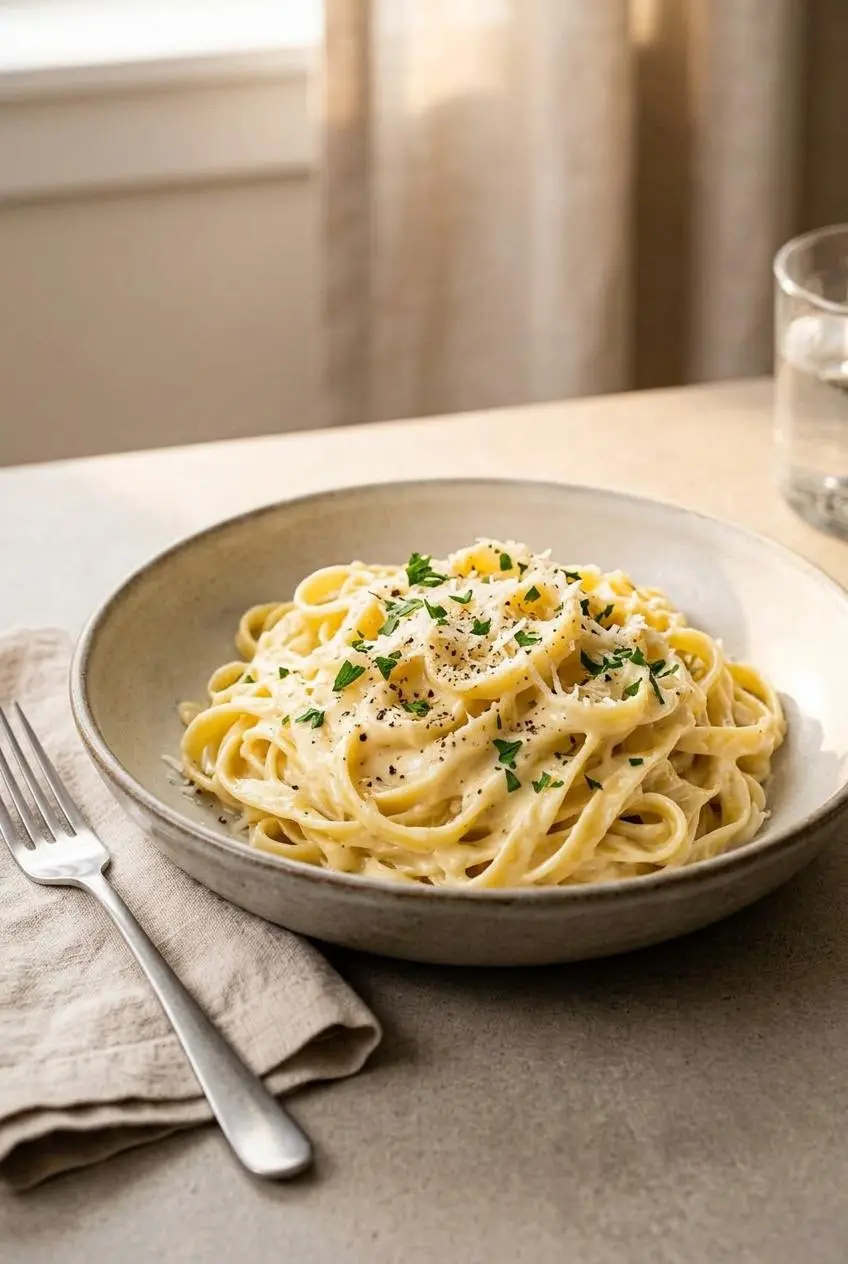
This sauce shines when it meets something with texture, whether that means crisp chicken skin, tender pasta, or charred vegetables. Keep the main sauce as written, then customize each serving as you like.
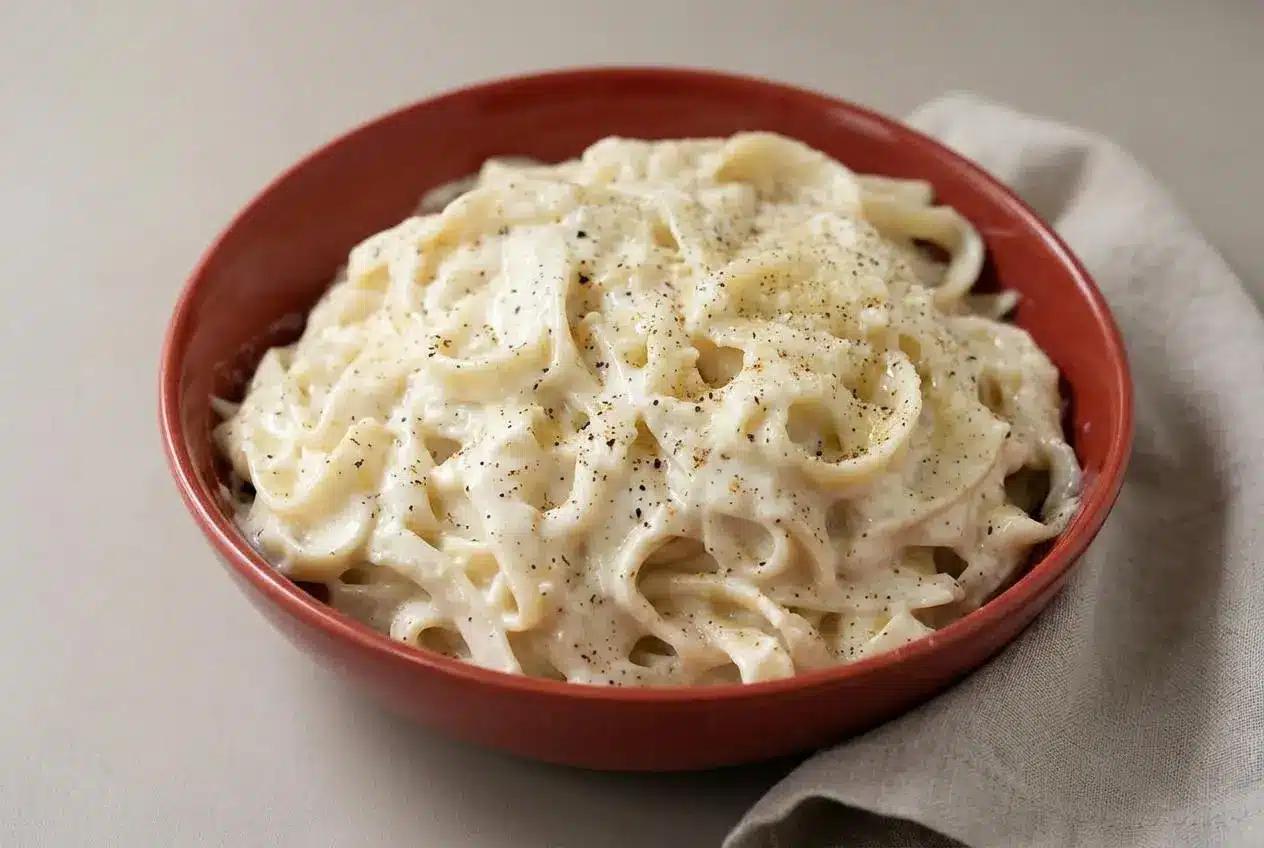
- Toss it with warm fettuccine, penne, or cheese tortellini, adding the pasta while the sauce is loose enough to coat every curve.
- Drizzle it over grilled steak, pan-seared pork chops, or roasted asparagus for a rich finish with plenty of garlic flavor.
- Use it as a white base for homemade pizza or calzones, spreading a thin layer so the crust can still crisp properly.
- Stir in dried Italian herbs and crushed red pepper flakes for an optional herb-and-spice version with extra warmth.
- Add a half teaspoon of fresh lemon zest right before serving when you want to brighten the dairy richness without thinning the sauce.
Buffalo Wild Wings Copycat Style
For a restaurant-style garlic parmesan wing coating, stir dried Italian herbs, cracked black pepper, and crushed red pepper flakes into the finished sauce. Toss hot, crispy baked or air-fried wings immediately before serving, using just enough sauce to coat them without softening the crust.
This is a warm cream-based wing sauce, not a cold mayonnaise-style wing dip. The warm version clings beautifully to freshly cooked wings and also works well on chicken tenders.
Pasta, Pizza, and Roasted Veggie Pairings
For a complete dinner, pair the sauce with garlic steak tortellini, where the creamy parmesan flavor complements both the filled pasta and seared beef. It also suits roasted broccoli, asparagus, mushrooms, or cauliflower, especially when the vegetables have browned edges.
For dipping, serve the sauce warm alongside breadsticks or pizza crust. Its thick, spoon-coating consistency makes it more satisfying than a thin garlic butter.
Storage and Reheating Instructions
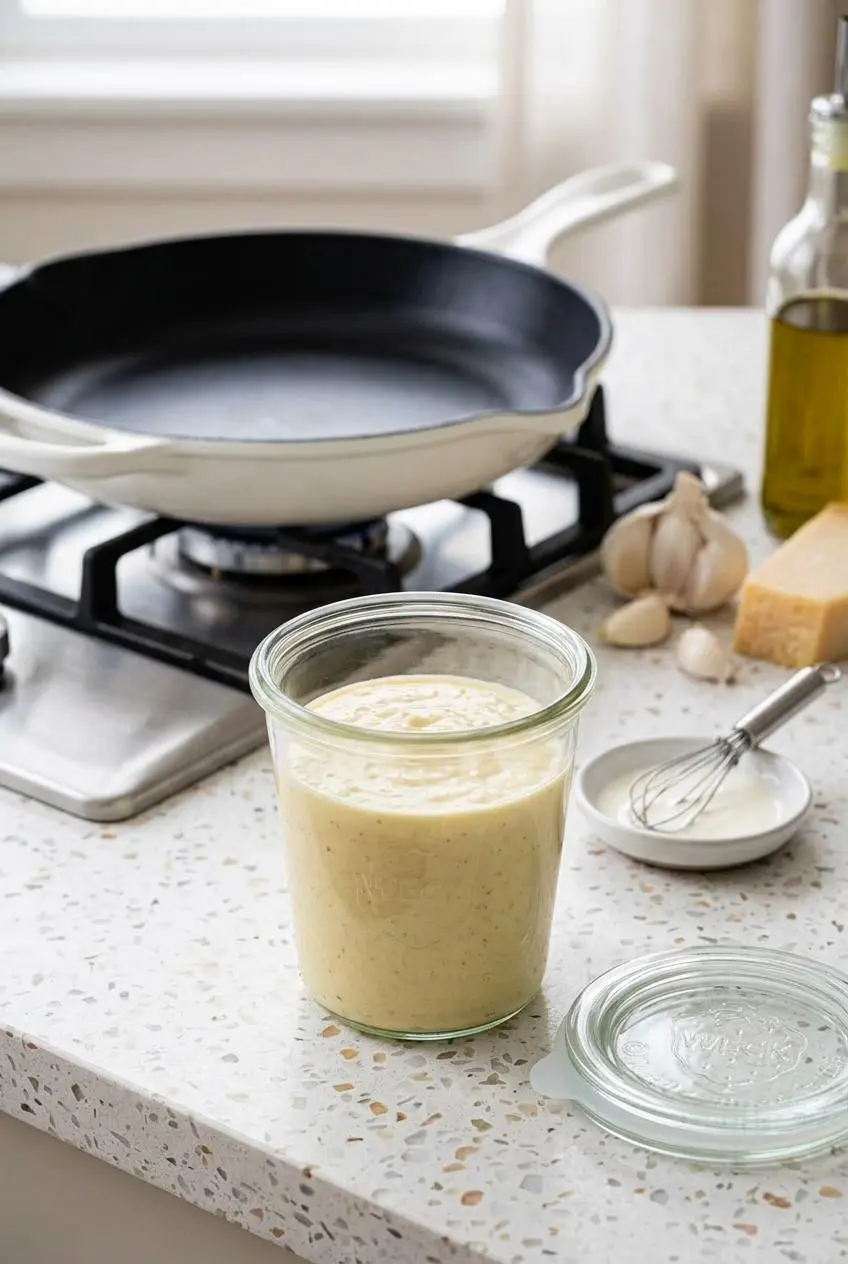
Cool leftover sauce promptly, transfer it to an airtight glass container, and keep it refrigerated. Cream sauces can change texture as they chill, so plan to rewarm only the portion you need.
Reheat the sauce slowly in a saucepan over low heat, whisking often. Add a splash of milk or cream as it warms to loosen the sauce and help the dairy come back into a smooth emulsion. Avoid high heat, which can cause oily separation.
For the best texture, make the sauce close to serving time. It is especially silky straight from the pan, when the parmesan is fully melted and the cream is still glossy.
Conclusion
In 15 minutes, this buttery garlic parmesan sauce turns a handful of focused ingredients into a rich, flexible finishing sauce for weeknight pasta, wings, vegetables, and more.
Keep the simmer gentle, grate the parmesan finely, and always remove the pan from direct heat before stirring in the cheese. A smooth, savory spoonful is the reward.
Frequently Asked Questions
What Is the Difference Between Garlic Parmesan Sauce and Alfredo Sauce?
Classic Alfredo is traditionally centered on butter and parmesan. Garlic parmesan sauce puts sautéed garlic at the forefront and uses heavy cream for a more substantial, spoon-coating texture. This version also includes a white wine reduction, which brings subtle acidity and keeps the rich dairy flavors balanced.
Why Is My Garlic Parmesan Sauce Grainy or Separated?
Graininess usually comes from adding parmesan to sauce that is boiling or from using pre-shredded cheese with anti-caking coatings. Remove the pan from heat first and use finely grated parmesan from a wedge when possible. Separation happens when the sauce gets too hot after the cheese goes in. Whisk in a splash of warm cream off the heat to help restore a smooth texture.
Can I Substitute Whole Milk or Half-and-Half for Heavy Cream?
Yes, but whole milk and half-and-half do not reduce into the same thick texture as heavy cream. For a successful swap, make a roux by cooking 1 tablespoon of flour in butter before gradually whisking in the milk or half-and-half. The roux provides the structure that heavy cream normally creates through reduction. Expect a lighter sauce with a softer dairy flavor.
How Do You Reheat Garlic Parmesan Sauce Without It Breaking?
Warm it in a saucepan over low heat and whisk continuously rather than letting it boil. A splash of milk or cream helps loosen chilled sauce and encourages it to become smooth again. If you see oil gathering around the edges, take the pan off the heat and keep whisking gently until the sauce comes back together.
Garlic Parmesan Sauce

Equipment
- Le Creuset 10.25″ Cast Iron Skillet
- Wooden Spoon
- Measuring Cups
Ingredients
- 2 tbsp butter
- 2 cloves garlic minced
- 1/4 cup dry white wine
- 1 cup heavy whipping cream
- 1/2 cup grated parmesan cheese plus more for serving if desired
- sea salt & black pepper to taste
Instructions
- Warm a large saucepan over medium heat, then melt the butter and add the minced garlic. Stir until the garlic smells sweet and aromatic, about 30 seconds, while keeping it pale rather than browned.
- Pour in the dry white wine, bring it to a brief boil, then lower the heat and let it reduce. Continue until the wine is nearly evaporated and the pan smells mellow rather than sharply alcoholic.
- Add the heavy whipping cream, bring it just to a boil, then reduce the heat and simmer for about 8 minutes. Look for slow, glossy bubbles and a sauce that lightly coats the back of a spoon without running off in a thin stream.
- Take the saucepan off the heat, stir in the grated parmesan, and season with sea salt and black pepper to taste. The cheese should disappear into a smooth sauce that feels supple and creamy as you stir.