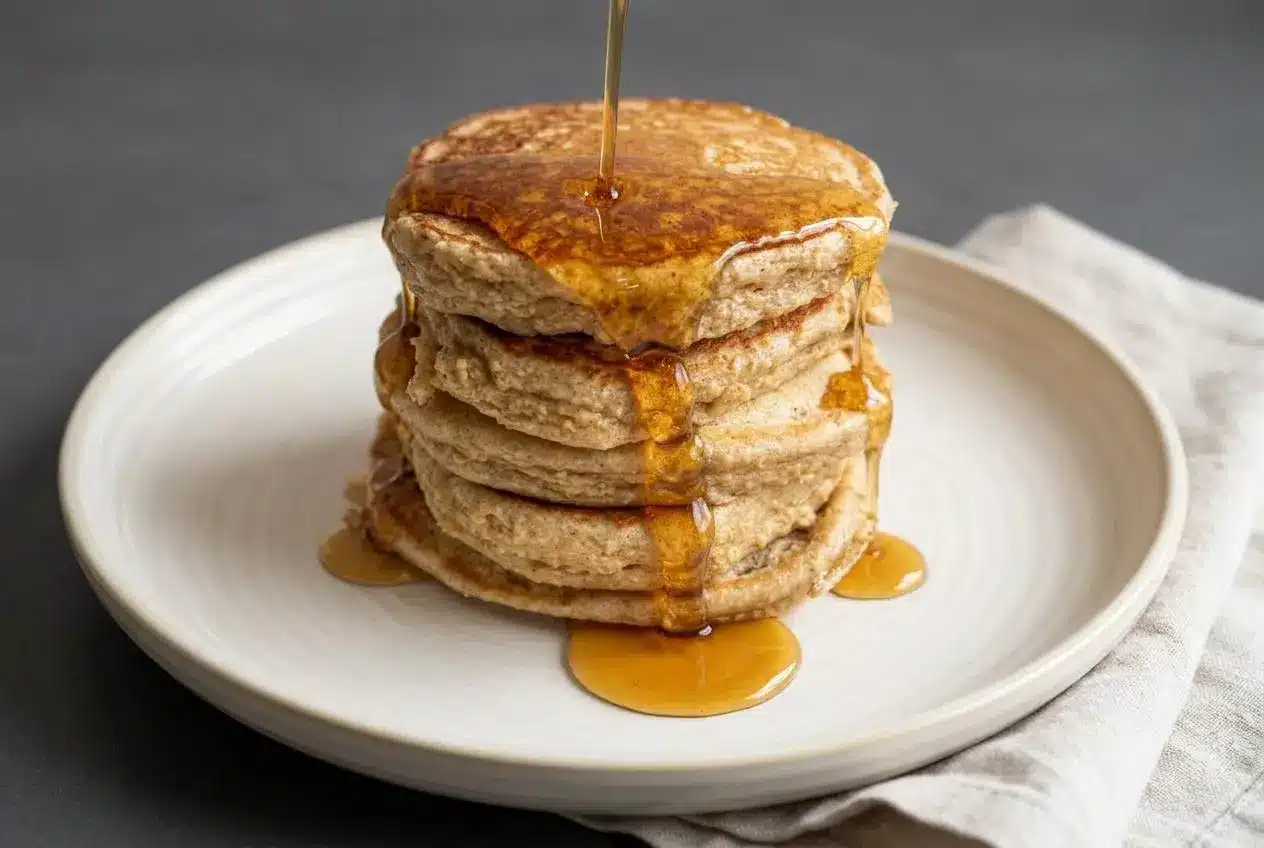
Blend the batter until smooth, then cook small scoops on medium-low heat until the tops bubble and the edges darken. That’s the key to Cottage Cheese Banana Oatmeal Protein Pancakes with fluffy centers and golden outsides.
These pancakes are a blender breakfast that eats like a real meal. Banana brings natural sweetness, oats give body, and cottage cheese plus eggs create a tender, protein-rich stack without relying on regular flour.
You also get that sweet warm banana and cinnamon aroma while the pan heats, which is a nice sign breakfast is headed in the right direction. The flip cue matters here.
The first pancake is your test run, so use it to dial in the heat before cooking the rest of the batch.
Ingredients and Nutritional Roles
Each ingredient has a real job here, from building structure and moisture to adding aroma, lift, and a naturally sweet banana flavor.
Pancake Batter
- 1 cup old fashioned oats
- 1 cup low fat cottage cheese
- 1 ripe banana
- 2 large eggs
- 2 tsp baking powder
- 1 tsp cinnamon
- 2 tsp vanilla extract
For Cooking
- salted butter
Old fashioned oats act like the flour base once blended. They soak up moisture steadily, which helps the batter thicken into pancakes that hold their shape instead of spreading too thin. Quick oats can work in a pinch, but they absorb differently and may need a short rest after blending so the batter can settle and thicken properly.
Cottage cheese does a lot more than add protein. It brings moisture, mild richness, and a soft dairy base that helps replace standard flour structure in this kind of batter. Eggs step in as the main binder, helping the pancakes set in the middle so they lift and hold instead of tearing when flipped.
The banana is the flavor glue. A ripe one sweetens the batter naturally, adds moisture, and blends into the oats so the pancakes stay tender rather than dry. Cinnamon and vanilla round everything out with that warm breakfast-shop aroma, while baking powder gives the batter the push it needs to rise in the pan.
I always reach for a banana with lots of brown speckles here because it blends smoother and tastes sweeter without needing anything extra.
The Role of Cottage Cheese
If you’re wondering whether cottage cheese will make these lumpy, it won’t once the batter is blended smooth. In the pan, its moisture loosens the oat mixture enough for the baking powder to expand, which helps create that light interior instead of a heavy, pasty center.
Its protein also matters for texture. As the pancakes cook, the proteins in the cottage cheese and eggs firm up gently, giving the pancakes enough support to stay fluffy without collapsing. If you enjoy comparing textures, fluffy cottage cheese pancakes are a helpful contrast because they lean more traditional while this version stays oat-based and banana-forward.
Selecting the Perfect Rolled Oats
Old-fashioned rolled oats are the best fit for this recipe because they blend into a hearty flour-like base without turning gummy. They give the batter enough body to puff nicely while keeping a pleasant oatmeal character in the background.
Quick oats break down faster and can create a softer, slightly pastier batter if the pan is too hot. If that’s what you have, blend as directed, then let the batter stand briefly only until it thickens enough to mound lightly on a spoon.
Step-by-Step Cooking Method
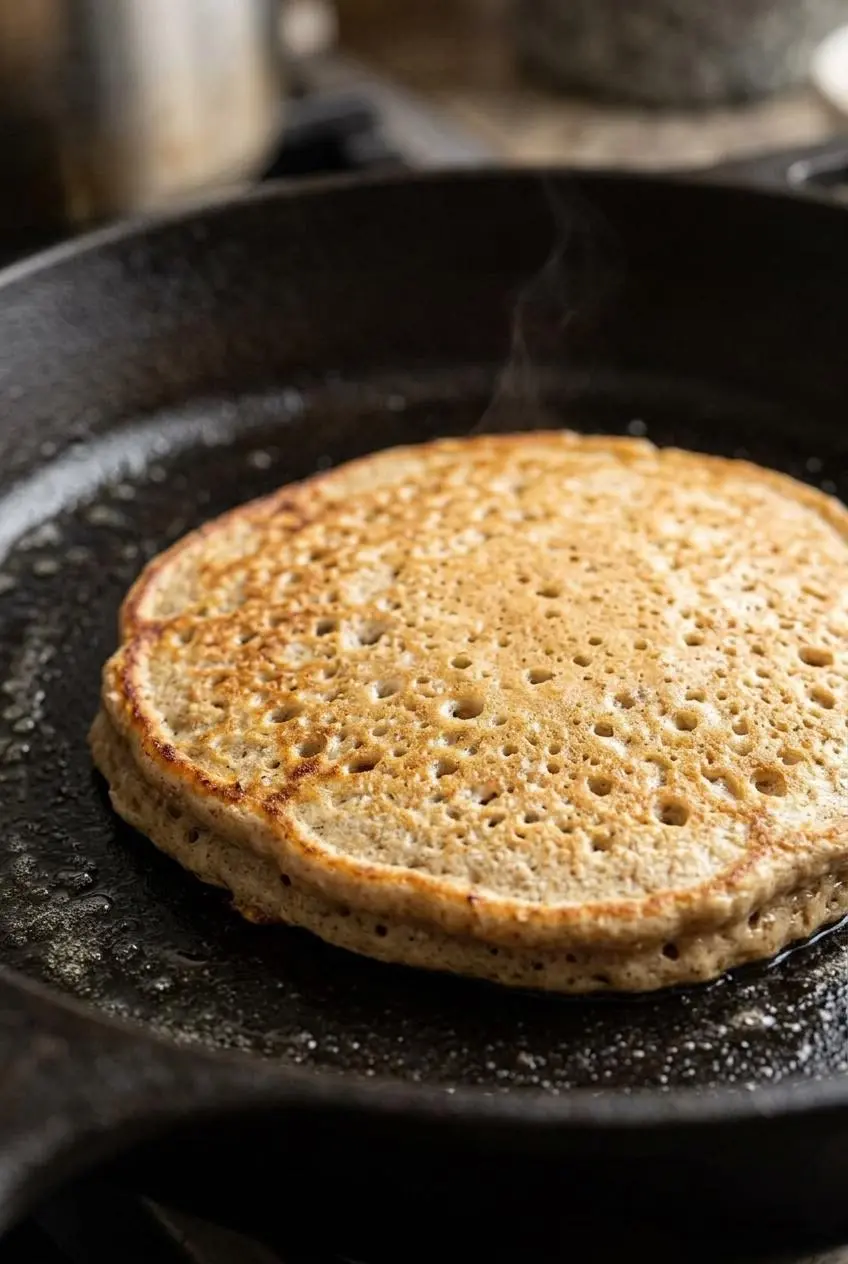
This recipe works best when the batter is smooth and the heat stays gentle. The texture is easy to get right once you watch the pan instead of the clock alone.
Preparation and Cooking
- Add the cottage cheese, banana, eggs, baking powder, cinnamon, vanilla extract, and oats to a blender, then blend on high for 30 to 45 seconds until fully smooth, scraping the sides if needed.
The batter should look thick but pourable, with no visible oat bits or cottage cheese curds. - Set a large non-stick pan over medium-low heat and coat the surface with salted butter.
When the butter melts and a tiny drop of water skitters gently instead of exploding, the pan is ready. - Portion about 1/4 cup of batter for each pancake, leaving space between them so they spread evenly.
The rounds should settle into neat circles rather than running all over the pan. - Cook the pancakes without moving them for 3 to 4 minutes.
Wait for lots of small bubbles across the top and a darker ring around the edges before flipping. - Turn each pancake carefully and cook for 2 to 3 minutes more, adding more butter between batches as needed.
The pancakes are done when both sides are golden brown and the centers feel set instead of wet. - Transfer to plates and serve with your favorite toppings.
The best texture is warm and fluffy inside with lightly crisp edges.
Ingredient order in the blender makes a difference. Put the wet ingredients on the bottom and the oats on top so the blades catch liquid first and keep moving freely. That helps prevent blender jams and gives you a much smoother batter with less scraping.
For an electric griddle, 350 °F is the sweet spot. On the stovetop, medium-low is usually right, but burners vary, so the water drop test is more useful than guessing. If the butter browns hard right away or the batter hisses aggressively, the pan is too hot.
You’ll also smell warm cinnamon and banana once the surface heat is in the right zone. Watch for a darkened edge before you flip, not just a few bubbles in the center. And after flipping, do not press the pancakes down with a spatula. That pushes out the air pockets and can leave the middle dense and undercooked.
Dietitian Satiety and Volume Eating Benefits
These pancakes are filling in a practical, everyday way. The combination of cottage cheese, eggs, oats, and banana gives you protein, fiber, and enough substance to feel like breakfast actually happened.
The oats slow things down by adding body and staying power, while the protein from the eggs and cottage cheese helps the stack feel more substantial than standard banana pancakes. Since the sweetness comes mostly from ripe banana, the flavor stays mellow and balanced instead of syrup-dependent.
If you like this same oat-and-banana combination in a grab-and-go format, banana oatmeal muffins are another useful prep-friendly option for busy mornings.
Customization and Dietary Adaptations
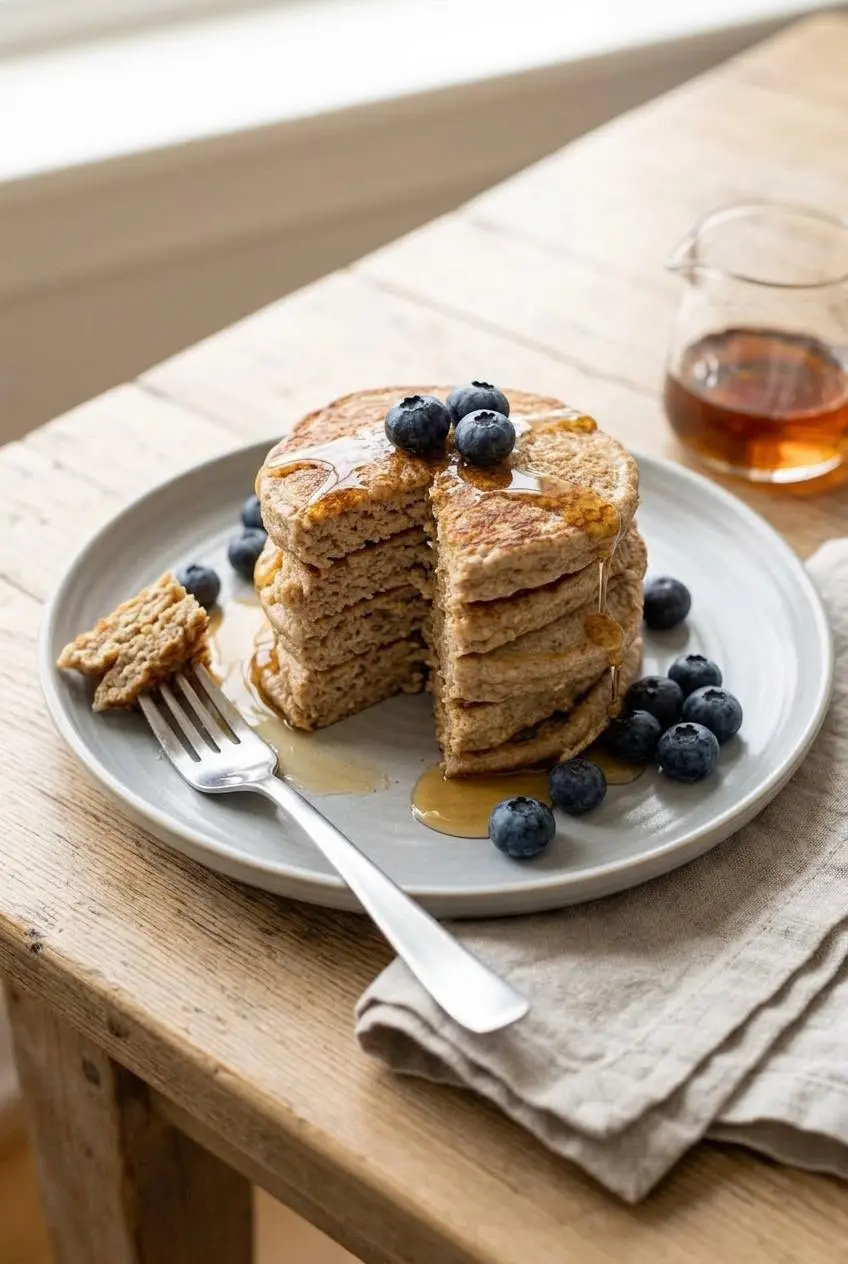
This batter is flexible as long as the core recipe stays the same. The safest approach is to keep the base untouched and make changes through mix-ins or toppings.
Gluten-Free Oats Option
To keep the recipe gluten-free, use certified gluten-free rolled oats. Regular oats are often processed in facilities that also handle wheat, so the label matters if gluten cross-contact is a concern in your kitchen.
Berry and Chocolate Mix-Ins
For fruit or chocolate add-ins, sprinkle them directly onto each pancake right after the batter hits the pan. That gives better distribution and keeps the blender batter from turning streaky or overly loose.
- Fresh blueberries add juicy pops without weighing the batter down.
- Dark chocolate chips make the pancakes feel more like a weekend treat.
- A spoonful of pumpkin puree or sweet potato puree can replace banana for a warmer, more autumn-style flavor, though the texture may change slightly.
Healthy Mix-Ins and Fruit Toppings
Toppings work best when they add contrast. Try Greek yogurt for cool tang, sliced bananas for extra sweetness, and a light drizzle of warm natural peanut butter or pure maple syrup for richness.
If you want a sweeter brunch-style stack with a more classic dessert feel, these banana pancakes go in that direction.
Quick Refined-Sugar-Free Warm Berry Compote
Simmer frozen berries with a small splash of water and a squeeze of lemon juice until they soften and become spoonable. You’ll get a warm fruit topping that fits the banana-cinnamon flavor nicely and keeps the plate bright instead of overly sweet.
Troubleshooting Common Cooking Mistakes
Most pancake problems here come down to heat or batter thickness. The fixes are easy once you know what to look for.
Fixing a Wet and Raw Center
- If the outside browns fast while the middle stays wet, the pan is too hot. Lower the heat to medium-low and let the pan cool slightly before the next round.
- If you flipped too early, give the next batch more time. Look for lots of small bubbles and that dark ring around the edges before turning.
- If the pancakes seem dense after flipping, check your spatula habits. Pressing down squeezes out steam and air, which leaves the center heavier.
What to Do with Thin Batter
- If the batter spreads too quickly, the banana may have been extra large or juicy. Blend in an extra tablespoon of oats and check the texture again.
- If the batter still seems loose but not watery, let it sit for 5 minutes so the oats can absorb more moisture. It should go from wet and shiny to thicker and softly mounded.
- If the batter got too thick because it sat too long, cook it as soon as possible after blending next time. This batter tightens up quickly.
Storage and Freezer Meal Prep
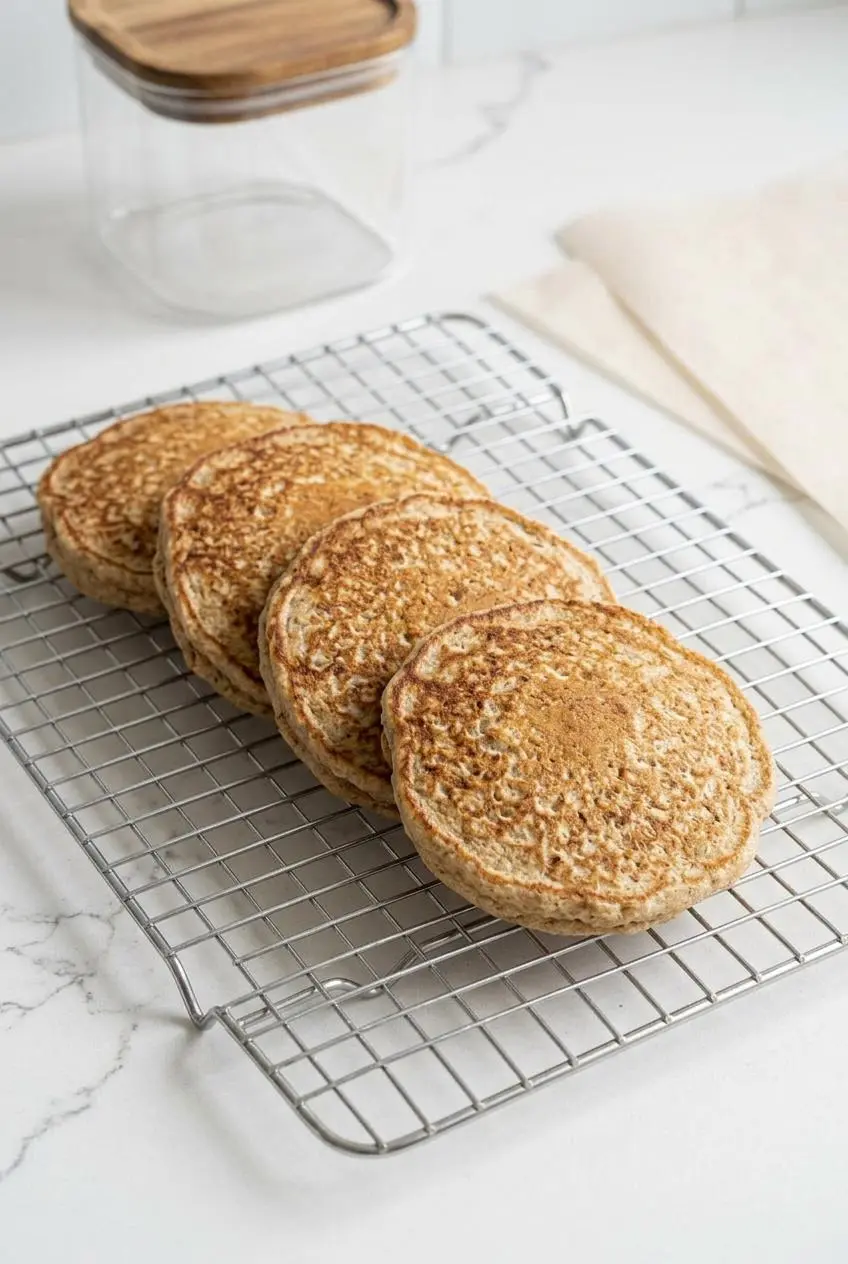
These pancakes are very meal-prep friendly once they’re cooked. The main goal is protecting the texture so they stay tender instead of steaming themselves soggy.
Budget-Friendly Meal Prep Planning
Doubling the batch is an easy way to stretch ingredients you may already buy often, especially oats, cottage cheese, and ripe bananas. It also saves time on future mornings, and if you like having more than one portable breakfast in rotation, cottage cheese muffins fit the same make-ahead mindset.
Cooling on Wire Racks
Move cooked pancakes to a wire rack instead of stacking them on a plate. Air can circulate underneath, which keeps steam from collecting and turning the edges soft.
This matters even if you plan to eat them later the same day. A flat plate traps moisture fast, especially while the pancakes are still warm.
Freezing with Parchment Sheets
Once the pancakes are fully cool, layer them with parchment sheets in an airtight freezer bag so they don’t stick together. For leftovers made with eggs, keep them cold promptly, and for longer storage, USDA food safety guidance for cooked egg dishes supports refrigeration for 3 to 4 days or freezing for up to 2 months when properly chilled and stored at safe temperatures for refrigerating or freezing cooked egg dishes.
Reheating in a Toaster
Reheat chilled or frozen pancakes in a standard toaster or toaster oven so the outside stays light and the center warms through. It’s a better texture move than microwaving if you want the edges to stay pleasant instead of floppy.
Since this recipe includes eggs and dairy, store leftovers cold and reheat until hot all the way through. Good chilled storage and thorough cooking help reduce food safety risks with egg-based breakfasts, especially when following safe handling and thorough cooking for shell eggs.
Conclusion
These pancakes work because the ingredients pull in the same direction: oats for body, banana for moisture and sweetness, and cottage cheese plus eggs for a fluffy, satisfying center.
Keep the heat low and steady, trust the bubble and edge cues, and use your favorite toppings to make the plate your own. A warm stack with crisp edges is worth the extra minute.
Frequently Asked Questions
Can I taste the cottage cheese in these pancakes?
No. Once blended, the curds disappear into the batter. The flavor turns mild and creamy rather than cheesy. Banana, cinnamon, and vanilla are what you notice most.
How do I prevent the pancakes from being raw inside?
Keep the heat at medium-low so the center has time to cook through. Wait for lots of bubbles and darker edges before flipping. Do not press the pancakes with a spatula after turning them.
Can I make these high protein pancakes without a blender?
Yes, though the texture will be less smooth. Mash the banana and cottage cheese as finely as you can. Use oat flour in place of whole oats for the easiest hand-mixed version.
How should I store and reheat leftovers?
Cool the pancakes on a wire rack before storing so steam does not soften them. Keep them chilled in a covered container, or freeze them in layers with parchment between each pancake. Use a toaster or toaster oven to warm them back up and keep the edges from going soft.
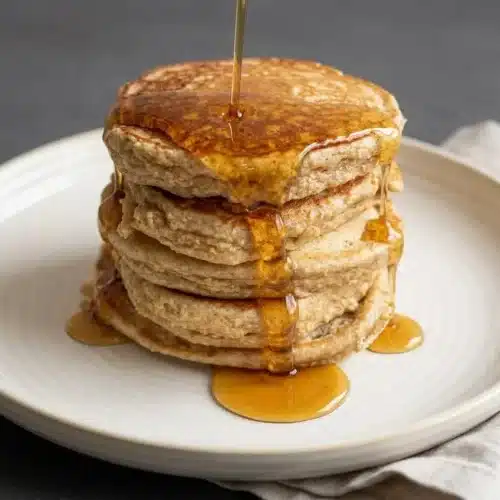
Cottage Cheese Banana Oatmeal Protein Pancakes

Equipment
- Blender
- Large Non-Stick Pan
Ingredients
Pancake Batter
- 1 cup old fashioned oats
- 1 cup low fat cottage cheese
- 1 ripe banana
- 2 large eggs
- 2 tsp baking powder
- 1 tsp cinnamon
- 2 tsp vanilla extract
For Cooking
- salted butter
Instructions
Preparation and Cooking
- Add the cottage cheese, banana, eggs, baking powder, cinnamon, vanilla extract, and oats to a blender, then blend on high for 30 to 45 seconds until fully smooth, scraping the sides if needed. The batter should look thick but pourable, with no visible oat bits or cottage cheese curds.
- Set a large non-stick pan over medium-low heat and coat the surface with salted butter. When the butter melts and a tiny drop of water skitters gently instead of exploding, the pan is ready.
- Portion about 1/4 cup of batter for each pancake, leaving space between them so they spread evenly. The rounds should settle into neat circles rather than running all over the pan.
- Cook the pancakes without moving them for 3 to 4 minutes. Wait for lots of small bubbles across the top and a darker ring around the edges before flipping.
- Turn each pancake carefully and cook for 2 to 3 minutes more, adding more butter between batches as needed. The pancakes are done when both sides are golden brown and the centers feel set instead of wet.
- Transfer to plates and serve with your favorite toppings. The best texture is warm and fluffy inside with lightly crisp edges.