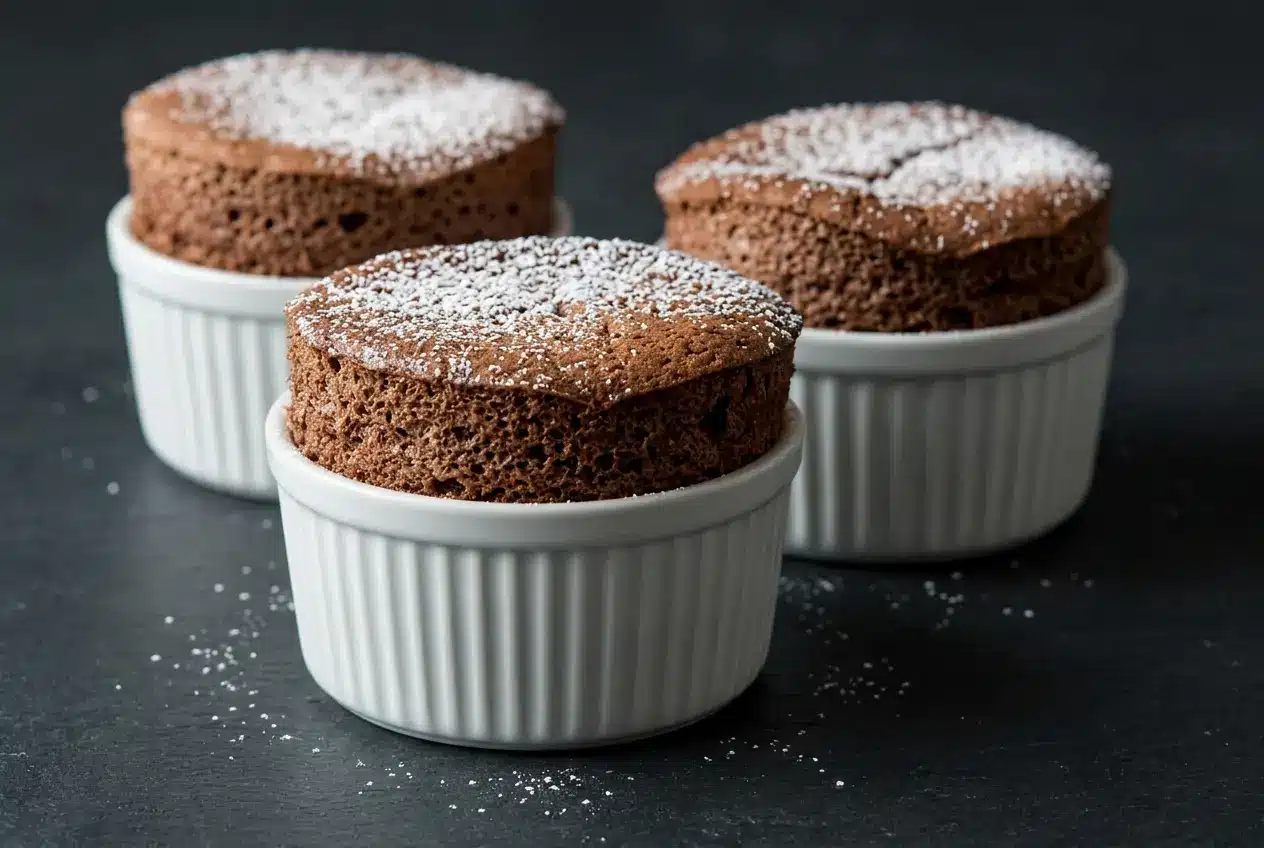
To make chocolate souffle, fold sugar-whipped egg whites into a thickened bittersweet chocolate base, then bake in buttered, sugar-coated ramekins. Look for puffed tops, set edges, and a gentle center wobble for an airy dessert with a creamy interior.
This French dessert pairs deep chocolate flavor with a delicate, puffed crust. Individual ramekins give everyone their own warm serving, ready for a light dusting of confectioners’ sugar.
A flour-and-milk mixture gives the chocolate base structure, while supple beaten whites provide lift. You don’t need rigid peaks or frantic folding. Watch for that little droop.
Have serving plates ready before baking so the soufflés can go straight from oven to table.
Essential Ingredients for Chocolate Soufflés
Each ingredient contributes to the balance: chocolate and cocoa supply depth, butter adds richness, flour and milk support the structure, and eggs create both a creamy base and an airy rise. Sugar sweetens the batter and gives the buttered molds a textured coating.
- 1 to 2 tablespoons unsalted butter, softened
- 2 to 3 tablespoons granulated sugar
- 2 tablespoons unsalted butter ()
- 1 tablespoon all-purpose flour
- 1 tablespoon cocoa powder
- 1/2 cup whole milk
- 2 tablespoons liqueur (such as orange or coffee liqueur), rum, or bourbon (optional; see note)
- 1 teaspoon vanilla extract
- 1/4 teaspoon salt
- 4 oz bittersweet chocolate, chopped
- 3 large eggs, separated
- 1/3 cup granulated sugar
- Confectioners’ sugar (optional, for dusting)
The first butter and sugar amounts coat the molds; the later amounts belong in the batter. Thorough coverage helps prevent sticking and supports an even rise.
Chopped bittersweet chocolate brings richness, while cocoa reinforces the chocolate flavor. Flour thickens the milk mixture into a supportive foundation, and yolks add richness. Whites beaten with sugar create the foam that lightens it.
The optional flavoring can be orange liqueur, coffee liqueur, rum, or bourbon. If you omit it, replace it with more whole milk.
I’d judge the chocolate mixture by its smoothness before moving on; visible chocolate pieces make gentle folding harder than it needs to be.
How to Make Chocolate Souffle Step by Step
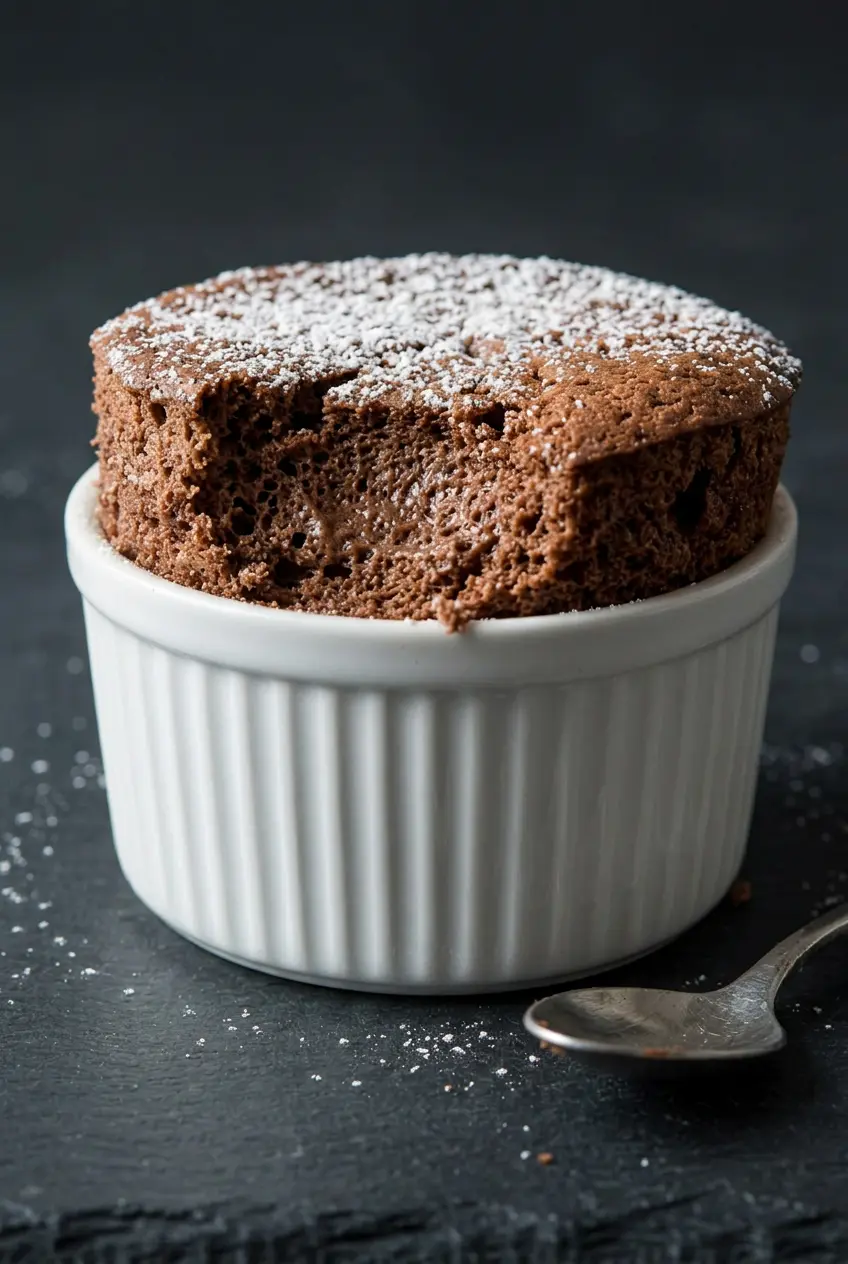
This makes four individual soufflés. Allow about 20 minutes for preparation and 20 minutes for cooking overall, including the stovetop work; the oven bake takes about 15 minutes.
- Set the middle oven rack in place and heat the oven to 375°F (190°C).
This positions the molds in the center of the oven for baking. - Cover the bottoms and walls of four 6-oz (180-ml) soufflé molds generously with softened butter, then rotate sugar through each mold, passing the excess to the next and discarding what remains.
Look for an even sugar coating over the buttered surfaces, without bare patches. - Use a medium saucepan over medium heat to melt the batter butter, then whisk in the flour for about 1 minute.
The butter-flour mixture should bubble and look smooth. - Whisk in the cocoa, followed by the milk, optional liqueur or replacement milk, vanilla, and salt, then stir continuously for about 2 minutes.
Stop cooking when the mixture thickens into a smooth paste with gentle bubbles. - Take the saucepan off the burner, whisk in the chopped chocolate until melted, then promptly incorporate the yolks individually and set the mixture aside.
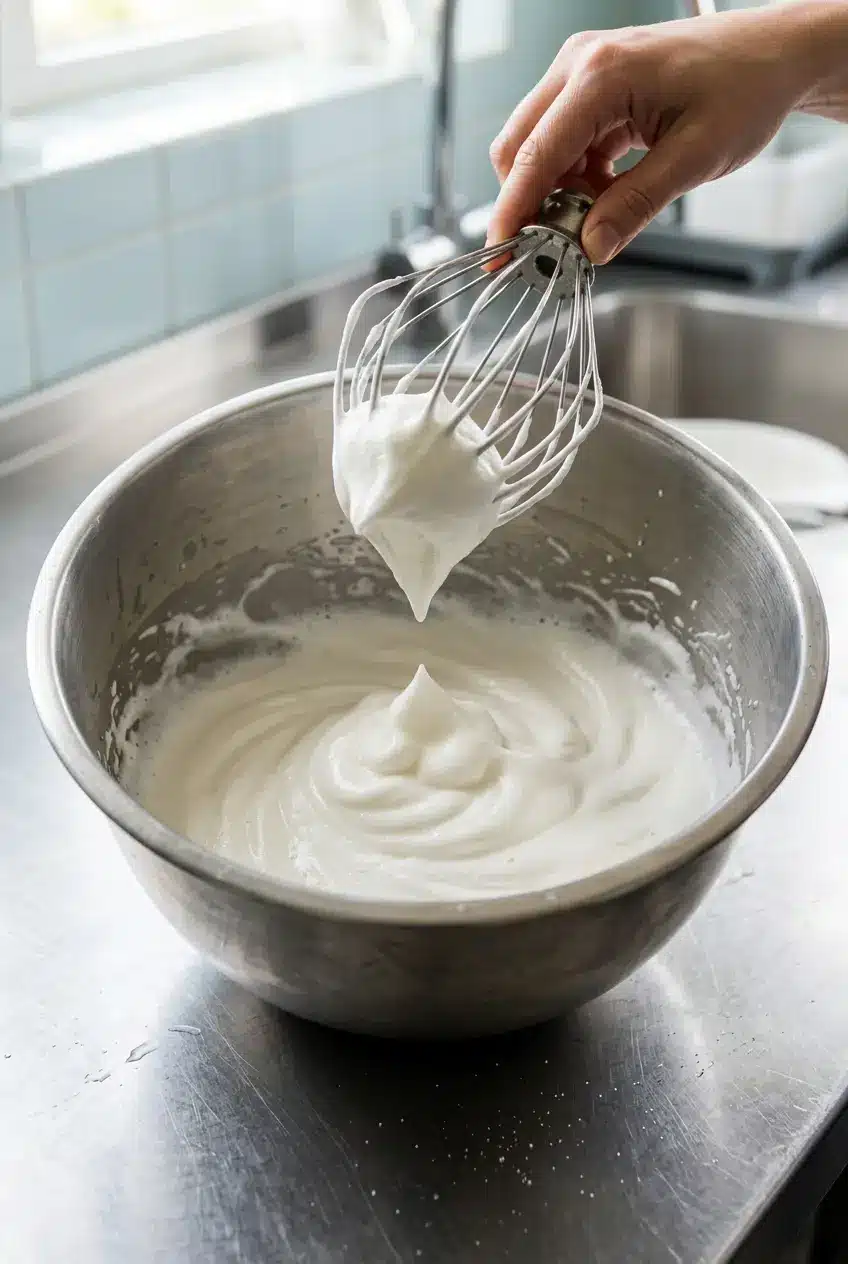
The finished chocolate mixture should look uniform and smooth, without unmelted pieces. - Use an electric mixer’s whisk attachment at medium-high speed to beat the whites for about 1 minute, then gradually add the sugar and beat for about 2½ minutes more.
The whites should progress from soft peaks to shaped, supple peaks with tips that bend slightly, rather than becoming dry or rigid. - Gently whisk one-third of the whipped whites into the chocolate, then transfer that loosened mixture into the remaining whites and incorporate it with a rubber spatula using gentle folds.
Finish when the batter has an even chocolate color without visible streaks of white. - Distribute the batter evenly among the molds to about ⅛ inch below their tops, wipe the rims clean with your fingers, and arrange the molds on a baking sheet.
The upper edges should be free of batter drips that could catch during baking. - Bake for about 15 minutes, checking for doneness with a light shake of the baking sheet.
The tops should rise above the rims, the outsides should look set, and the centers should wobble gently. - Support each hot ramekin with two spatulas to move it onto a serving plate, then add confectioners’ sugar if desired and serve immediately.
The soufflés should reach the table while their tops remain puffed.
Pro Tips and Common Mistakes to Avoid
A slightly uneven top isn’t a failure. Focus on the batter’s texture and a set exterior rather than demanding four identical towers.
- Sticking or leaning: Bare spots in the mold coating or batter on the rim can interfere with rising, so give those areas careful attention.
- Dense texture: Heavy stirring during the final incorporation knocks out air; use gentle folds rather than treating the mixture like cake batter.
- Clumpy chocolate: Finish melting the chocolate before adding the whites; this guide to how to melt chocolate explains the handling fundamentals.
- Unsteady handling: Move the molds together on their baking sheet rather than carrying filled ramekins individually into the oven.
- Lost height: Keep the oven door closed until it’s time to check doneness, and avoid delaying service once the soufflés come out.
The Thumb-Groove Trick for an Even Rise
Cleaning the rims belongs in the main method. As an optional extra, you can run your thumb just inside the upper edge of the filled mold to leave a shallow channel between the batter and the wall.
This can help separate the rising cap from the edge, but it doesn’t promise perfectly straight sides. A little leaning can still happen.
Why Medium Peaks Beat Stiff Peaks
Soft peaks bend over readily. Medium peaks hold their shape with a slight droop at the tip. Overbeaten whites look dry or clumpy and resist smooth incorporation.
Lightening the chocolate first matters because it reduces the contrast between the dense chocolate and airy whites. Transfer that loosened mixture into the remaining whites, rather than forcing all the delicate foam into the heavy chocolate at once.
Flavor Variations and Customizations
Keep flavor changes separate from the structure-building ingredients. These options customize the aroma or coating without replacing the flour, milk, or eggs.
Liqueur-Infused vs. Alcohol-Free Chocolate Soufflé
- Orange liqueur: Grand Marnier or Cointreau adds a citrus accent to bittersweet chocolate.
- Coffee liqueur: Kahlúa brings a coffee note alongside the cocoa.
- Rum: Adds a rounded, aromatic flavor.
- Bourbon: Contributes warm vanilla and oak notes.
- Whole milk: Replaces the optional alcohol for a version centered on chocolate and vanilla.
Cocoa-Sugar Crusted Ramekins
A cocoa-and-granulated-sugar coating is an optional alternative to the sugar-only coating, giving the exterior a deeper cocoa character. Keep it as a flavor variation rather than changing the batter.
What to Serve with Chocolate Soufflé
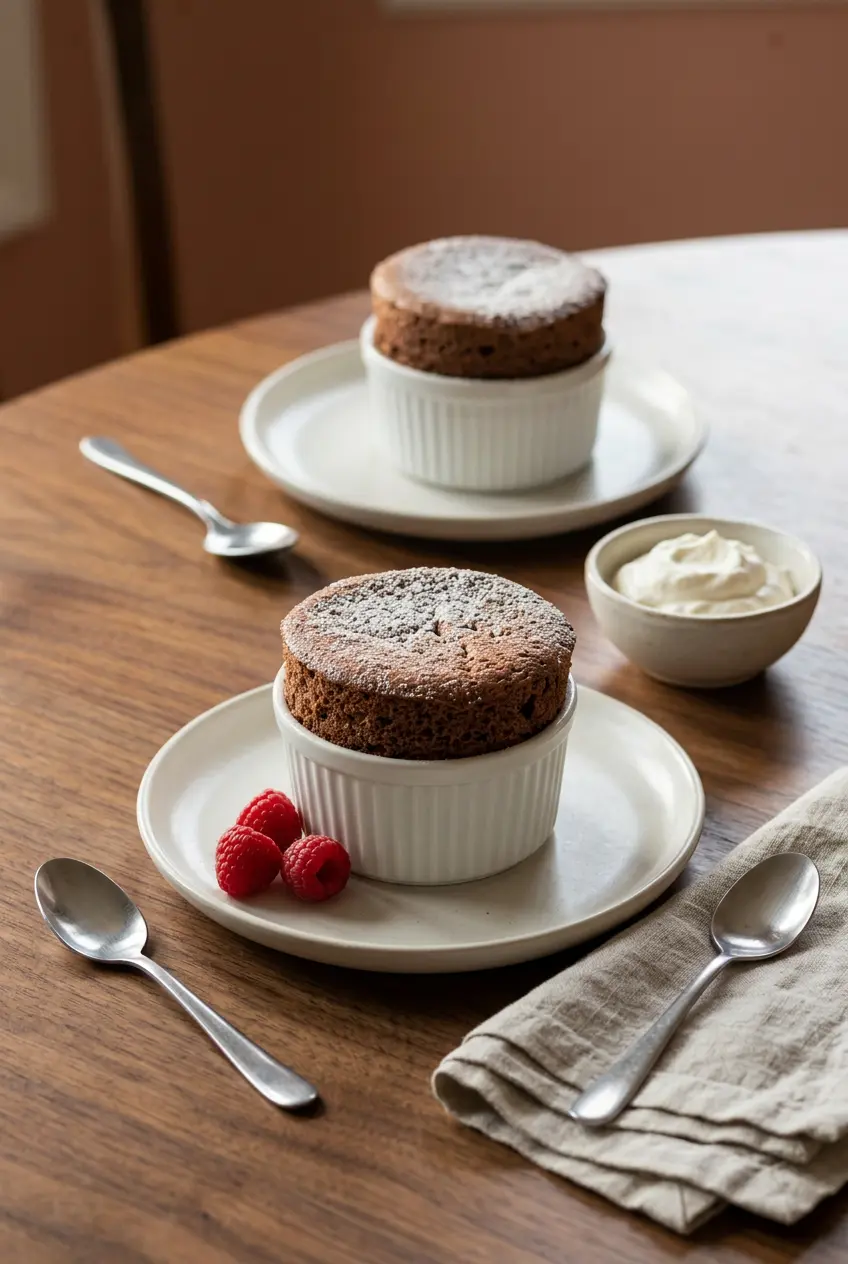
Keep the finish light so the delicate crust stays intact. Use the two-spatula transfer to plate the hot ramekins, then add the optional confectioners’ sugar just before serving.
Fresh raspberries make a tart accompaniment to the rich chocolate. Serve them alongside rather than piling them onto the puffed top.
Chocolate Soufflé with Ice Cream or Whipped Cream
Vanilla bean ice cream offers a dense, creamy contrast to the airy soufflé. Lightly sweetened whipped cream is a softer companion that lets the bittersweet chocolate remain prominent.
Offer either alongside, ready to spoon into the center after the first bite, instead of weighing down the crust.
Prep and Dinner-Party Timing
Plan around the final bake, not a holding period for assembled batter. Organize the work in stages: prepare the molds, cook the chocolate component, then whip and fold the whites before filling and baking.
That sequence helps with dinner-party organization without relying on advance storage of an egg-based mixture. No holding or storage schedule is established here, so don’t assume filled ramekins can wait until later. Arrange the plates and accompaniments before the soufflés finish baking.
Final Thoughts on Mastering Chocolate Soufflé
Well-coated molds, supple medium-peak whites, and gentle folding give this dessert its airy structure. The most useful mixer cue is a peak that stands but bends at the tip.
Choose your favorite optional flavoring or keep the finish to confectioners’ sugar. Have everyone ready when the soufflés leave the oven, and enjoy them at their puffed best.
Frequently Asked Questions
What Is a Chocolate Soufflé Made Of?
This version combines bittersweet chocolate, cocoa, butter, flour, milk, yolks, vanilla, and salt in a thickened chocolate mixture. Egg whites whipped with sugar supply the airy structure; liqueur is optional.
Why Is Chocolate Soufflé Hard to Make?
Its delicate rise depends on preserving air in the whipped whites while combining them with a heavier mixture. Medium peaks, two-stage incorporation, and prepared molds make those tricky parts easier to manage.
What Makes a Soufflé a Soufflé?
A soufflé combines a flavorful mixture with beaten egg whites that expand during baking. That method produces its distinctive puffed top and airy interior.
What Chocolate Is Best for Soufflé?
Use chopped bittersweet chocolate for this version, together with cocoa powder. The chocolate should melt completely into the cooked mixture before the yolks and whites follow.
Can You Prepare Chocolate Soufflés Ahead of Time?
Organize the mold preparation and chocolate-making stages before whipping and folding the whites. This method doesn’t establish advance holding instructions for the components or filled ramekins, so plan to bake and serve fresh.
How Do You Know When a Chocolate Soufflé Is Done Baking?
Look for a risen top and a set exterior. A gentle shake of the baking sheet should reveal a slight center wobble rather than a fully rigid center.
Chocolate Souffle

Equipment
- Soufflé molds
- Medium saucepan
- Electric Mixer
- Whisk
- Rubber spatula
- Baking Sheet
Ingredients
- 1 to 2 tablespoons unsalted butter softened
- 2 to 3 tablespoons granulated sugar
- 2 tablespoons unsalted butter ()
- 1 tablespoon all-purpose flour
- 1 tablespoon cocoa powder
- 1/2 cup whole milk
- 2 tablespoons liqueur (such as orange or coffee liqueur), rum, or bourbon (optional; see note)
- 1 teaspoon vanilla extract
- 1/4 teaspoon salt
- 4 oz bittersweet chocolate chopped
- 3 large eggs separated
- 1/3 cup granulated sugar
- Confectioners’ sugar (optional, for dusting)
Instructions
- Set the middle oven rack in place and heat the oven to 375°F (190°C). This positions the molds in the center of the oven for baking.
- Cover the bottoms and walls of four 6-oz (180-ml) soufflé molds generously with softened butter, then rotate sugar through each mold, passing the excess to the next and discarding what remains. Look for an even sugar coating over the buttered surfaces, without bare patches.
- Use a medium saucepan over medium heat to melt the batter butter, then whisk in the flour for about 1 minute. The butter-flour mixture should bubble and look smooth.
- Whisk in the cocoa, followed by the milk, optional liqueur or replacement milk, vanilla, and salt, then stir continuously for about 2 minutes. Stop cooking when the mixture thickens into a smooth paste with gentle bubbles.
- Take the saucepan off the burner, whisk in the chopped chocolate until melted, then promptly incorporate the yolks individually and set the mixture aside. The finished chocolate mixture should look uniform and smooth, without unmelted pieces.
- Use an electric mixer’s whisk attachment at medium-high speed to beat the whites for about 1 minute, then gradually add the sugar and beat for about 2½ minutes more. The whites should progress from soft peaks to shaped, supple peaks with tips that bend slightly, rather than becoming dry or rigid.
- Gently whisk one-third of the whipped whites into the chocolate, then transfer that loosened mixture into the remaining whites and incorporate it with a rubber spatula using gentle folds. Finish when the batter has an even chocolate color without visible streaks of white.
- Distribute the batter evenly among the molds to about ⅛ inch below their tops, wipe the rims clean with your fingers, and arrange the molds on a baking sheet. The upper edges should be free of batter drips that could catch during baking.
- Bake for about 15 minutes, checking for doneness with a light shake of the baking sheet. The tops should rise above the rims, the outsides should look set, and the centers should wobble gently.
- Support each hot ramekin with two spatulas to move it onto a serving plate, then add confectioners’ sugar if desired and serve immediately. The soufflés should reach the table while their tops remain puffed.