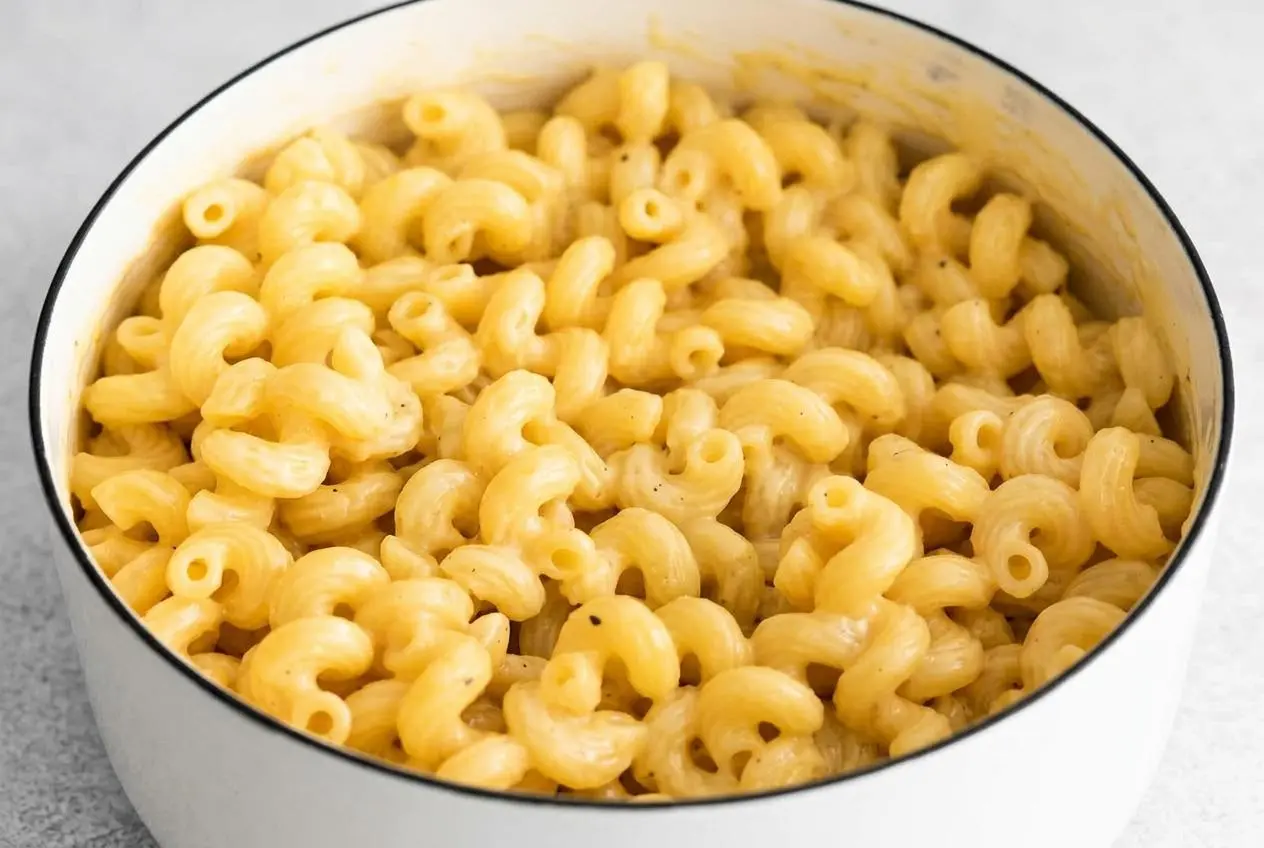
This cheesy pasta is a fast, ultra-creamy pasta dish made with cavatappi, heavy cream, and three cheeses for a smooth sauce that stays rich instead of grainy.
It lands somewhere between stovetop mac and cheese and a quick cream sauce pasta. The texture is glossy, cozy, and ready in about 22 minutes.
The best part is how little fuss it takes once you know when to warm the cream, when to stop the heat, and how to let the cheese melt gently. That one move changes everything.
Grate the cheese before you start cooking so the sauce comes together quickly while the cream is warm.
Choosing the Best Cheeses for Pasta
If you want a silky sauce instead of a clumpy one, cheese choice matters more than people think. The best cheesy pasta uses one cheese for melt and stretch, then another for deeper flavor, and block cheese almost always melts more smoothly than pre-shredded.
| Cheese | Meltability | Flavor Intensity | Best Use |
|---|---|---|---|
| Mild cheddar | High | Medium | Creates a creamy, familiar base |
| Gouda | High | Mild to medium | Adds smooth melt and gentle richness |
| Fontina | Very high | Mild | Great when you want extra silkiness |
| Sharp cheddar | Medium | High | Boosts tangy cheese flavor |
| Parmesan | Low to medium | High | Adds salty, nutty finish |
| Gruyère | High | High | Brings deeper savory flavor |
Freshly grated cheese wins because bagged shredded cheese is usually coated to keep the shreds separate. That coating is handy in the package and annoying in the pan, where it can keep the sauce from turning truly smooth.
A good formula is simple: use a melty cheese for body and a stronger cheese for punch. For this recipe, cheddar plus Gouda plus Parmesan gives you a balanced sauce that tastes rich without getting too sharp or too heavy.
Great Melting Cheeses
Mild cheddar, Gouda, and Fontina are excellent choices when you want the sauce to turn creamy and cohesive. These cheeses soften easily and help create that glossy, gooey texture that coats every curl of pasta.
Great Flavor Cheeses
Sharp cheddar, Parmesan, and Gruyère bring the personality. They add nuttiness, salt, and a more complex cheesy finish, so the sauce tastes fuller instead of just creamy.
Cheesy Pasta Ingredients
Each ingredient earns its place here, from the cream that builds richness to the cheeses that create melt, depth, and a little salty edge.
- 8 oz. dry cavatappi pasta (or any pasta of choice)
- ¾ cup heavy cream
- ½ cup shredded cheddar cheese
- ¼ cup shredded gouda cheese
- ¼ cup grated parmesan cheese
- ½ teaspoon kosher salt
- ¼ teaspoon cracked black pepper
Heavy cream gives the sauce its velvety body and helps it stay stable as the cheese melts. The cheddar and Gouda build a soft, creamy base, while Parmesan adds a sharper, savory finish that keeps the whole dish from tasting flat.
I always grate the cheese right before cooking because it melts faster and more evenly while the cream is still warm.
How to Make Ultra-Creamy Cheesy Pasta
This method is short, but the order matters. Cook the pasta just to al dente, warm the cream gently, then melt in the cheeses before tossing everything together while the sauce is still loose enough to coat the noodles.
- Bring a large pot of salted water to a boil, then cook the pasta until al dente and drain it.
The pasta should still have a little bite so it finishes tender instead of soft once it meets the hot sauce. - Set a small saucepan over medium heat and warm the heavy cream for about 1 minute, then whisk in the cheddar, Gouda, Parmesan, salt, and black pepper until melted.
Keep whisking so the sauce stays smooth and turns into a velvety, uniform river. - Take the saucepan off the heat, add the cooked pasta, and stir until every piece is coated before serving right away.
The sauce may look slightly loose in the pan, but it thickens quickly as it settles onto the pasta.
Tips for the Perfect, Non-Grainy Sauce
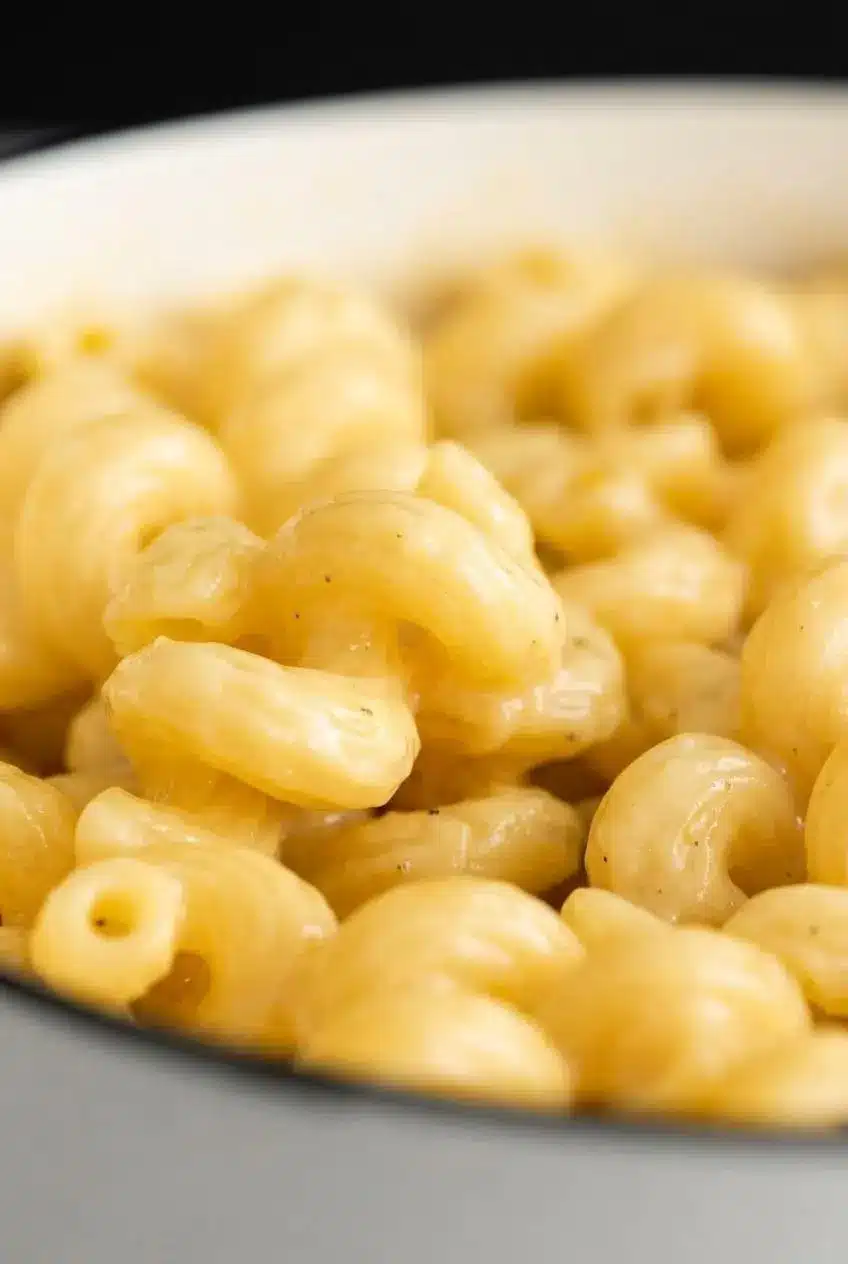
Great cheese sauce is mostly about heat control and texture control. A few small habits keep the sauce glossy, help it cling to the pasta, and save you from that broken, oily look nobody wants at dinner.
Use Starchy Pasta Water
Before you drain the pasta, reserve some of the cooking water. Its starch acts like liquid gold, helping the sauce loosen without turning watery and giving it a clingy, creamy finish if it tightens up too much.
Add Cheese Off the Heat
This is the biggest trick for a smooth sauce. When cheese gets too hot, the proteins tighten up and push out fat, which can leave you with a grainy or oily texture instead of a creamy pasta sauce. Warm the cream first, melt the cheese gently, and if the pan gets too hot, pull it off the burner.
The Pro Tip for a Flawless Sauce (Optional)
If you like kitchen science, a tiny pinch of sodium citrate can make cheese sauce even more reliable. It is an emulsifying salt used by cooks to help water and fat stay together, so the sauce melts extra smoothly. It is absolutely optional, but it can be a handy trick when you want a very polished result.
Troubleshooting: How to Fix Common Sauce Problems
If your sauce looks wrong, it can usually be rescued. The key is to match the problem with the right fix instead of adding random extra cheese or extra cream and hoping for the best.
| Problem | Likely Cause | Quick Solution |
|---|---|---|
| Grainy or gritty sauce | Cheese added over too much heat or pre-shredded cheese used | Take the pan off the heat and whisk gently until smooth. Next time, grate cheese from a block and melt it into warm, not boiling, cream. |
| Oily or separated sauce | Cheese overheated and the fat split out | Pull the pan off the burner and stir in a little reserved pasta water until the sauce comes back together. |
| Sauce is too thick | It cooled down or the pasta absorbed more liquid than expected | Loosen it with a splash of reserved pasta water, milk, or broth and stir over low heat. |
| Sauce is too thin | The pasta was very wet or the sauce did not sit long enough | Let it rest briefly so it can thicken, or warm it gently and stir until it coats the pasta more fully. |
Popular Variations and Add-Ins
This pasta works like a blank canvas for quick dinner upgrades. Keep the core method the same, then fold in cooked add-ins at the end so you keep that creamy texture intact.
Variation: Cheesy Chicken Pasta
Stir cooked shredded chicken into the finished pasta just after the sauce comes together. Rotisserie chicken works especially well because it is tender and fast. If you want something heartier with a bubbly finish, creamy chicken pasta bake is a great next move.
Variation: Cheesy Broccoli Pasta
For broccoli, either add small florets to the pasta water during the last part of cooking or cook them separately and fold them in at the end. The first method gives you softer broccoli that blends right in, while the second keeps the florets a little more distinct. If you like that combo with extra protein, sausage and broccoli pasta is a natural match.
Variation: One-Pot Method
You can adapt this into a one-pot pasta by cooking the noodles directly in extra liquid, such as water or stock, until they are tender and surrounded by a starchy base. Then add the dairy and cheese at the end over low heat so the sauce stays smooth. Different pasta shapes absorb liquid differently, so watch the texture and adjust with a splash more liquid if needed.
Other Simple Add-ins
Crumbled bacon, sautéed mushrooms, wilted spinach, peas, or browned sausage all work well here. If you want a richer, meatier spin, Philly cheesesteak pasta leans fully into comfort food territory. For a cheesy pasta with red sauce, stir a little warm marinara into the finished dish until you get the balance you like, keeping it optional so the cream sauce still leads.
Serving Suggestions
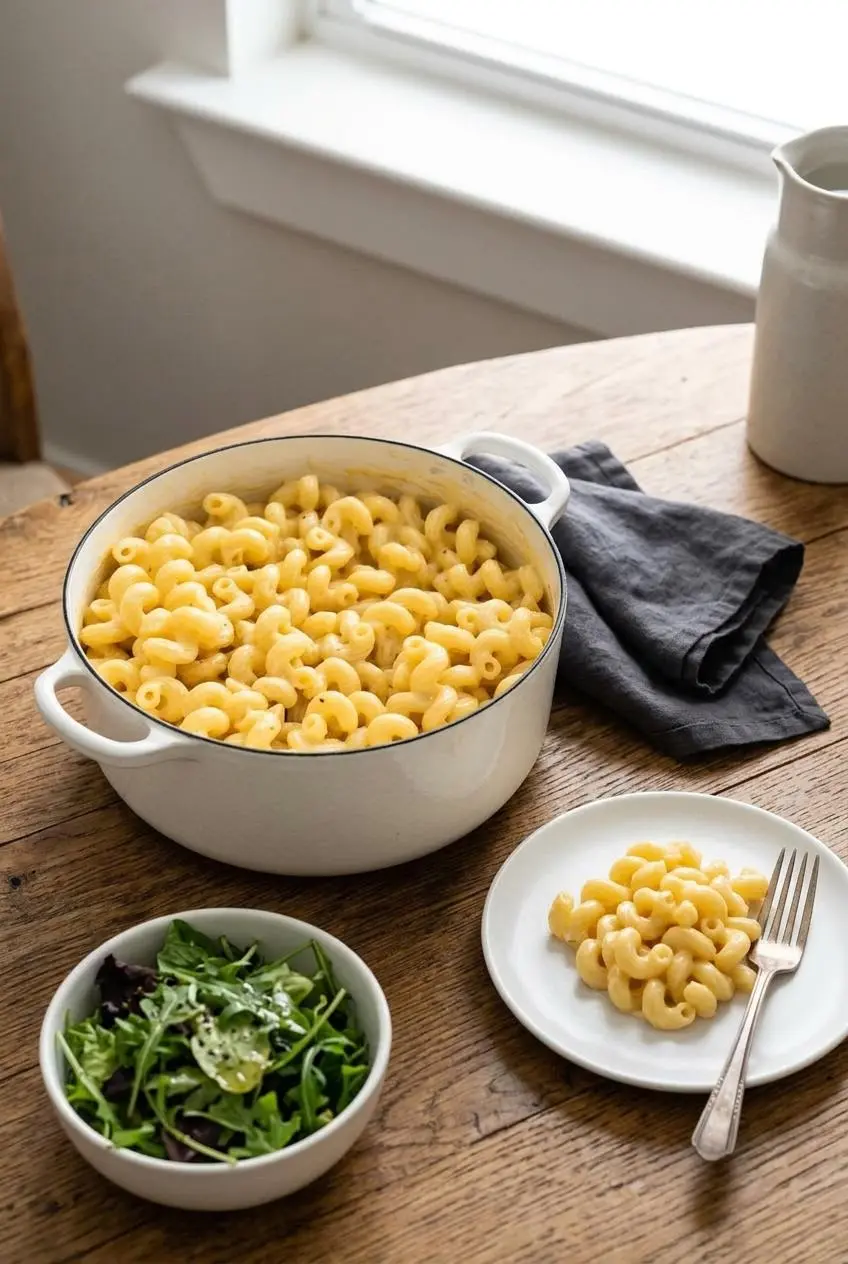
Serve this as a main dish when you want a quick weeknight dinner, or use smaller portions as a side with grilled chicken or steak.
A crisp green salad with vinaigrette cuts through the richness nicely, and garlic bread is excellent for scooping up any extra sauce left in the bowl.
Storage and Reheating Instructions
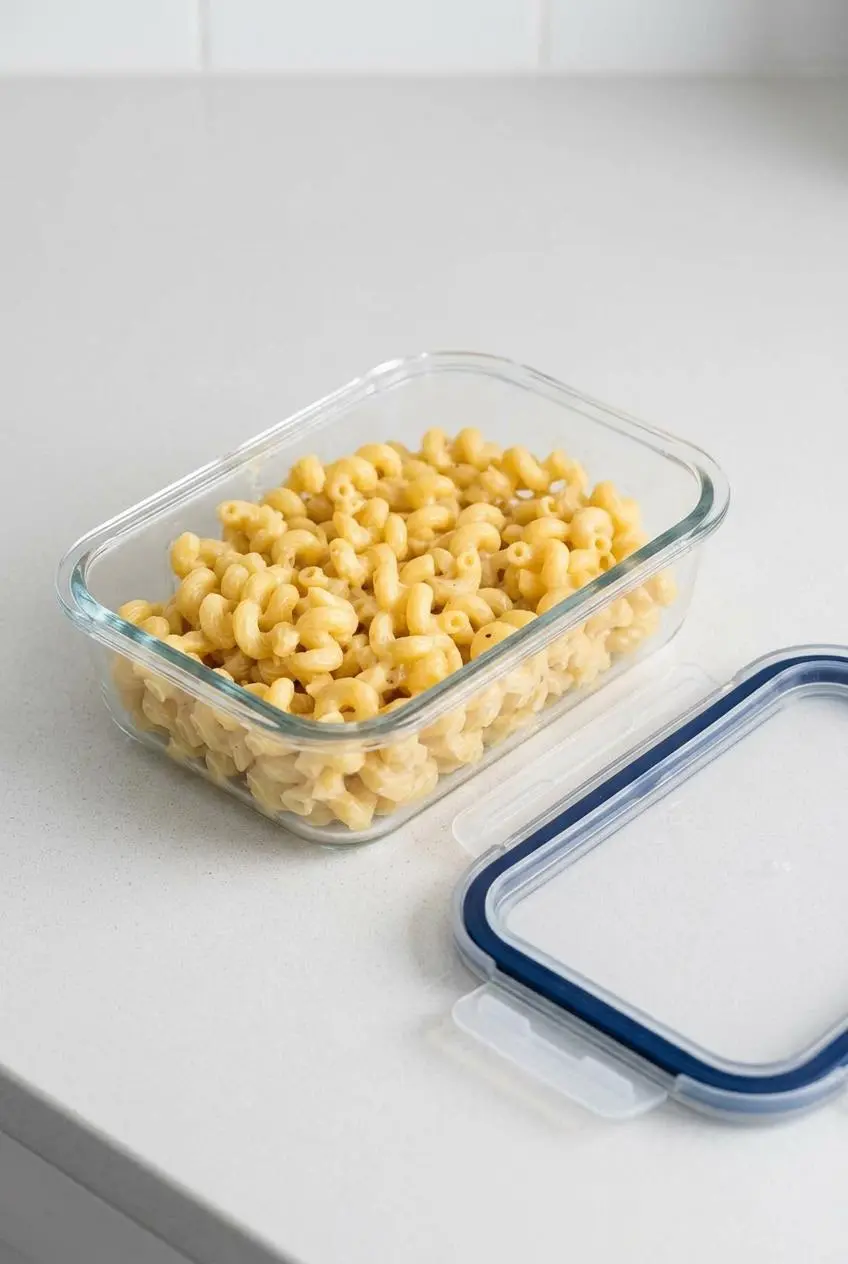
Cheesy pasta is best right after cooking, but leftovers can still be very good if you cool them promptly, keep them covered, and reheat them gently. Creamy sauces tighten as they sit, so the main goal is bringing back moisture without overheating the cheese.
Storing Leftovers
Transfer cooled leftovers to an airtight container and keep them chilled in the refrigerator. Since this dish includes dairy, keeping cold foods at or below 40° F helps maintain safer storage conditions. The pasta will continue to absorb some of the sauce as it rests.
If you would rather turn leftovers into something new instead of reheating them, leftover pasta frittata is a smart use for them.
The Best Way to Reheat
For the stovetop, add the pasta to a small pan with a splash of milk, cream, or broth. Warm it over low heat and stir often until the sauce loosens and turns creamy again.
For the microwave, add a small splash of liquid first, cover loosely, and heat at 50% power in short bursts, stirring between each round. Gentle reheating makes a big difference here. Blast it and the sauce sulks.
Conclusion
This cheesy pasta works because it keeps the method simple and the texture front and center. You get a rich, glossy sauce with real cheese flavor in less than half an hour.
If you remember one thing, make it this: melt the cheese gently and keep it off high heat. That is the easiest path to a smooth bowl of comfort food.
Frequently Asked Questions (FAQ)
What’s the secret to a super smooth cheese sauce?
Use freshly grated block cheese and add it to warm cream rather than boiling cream. That keeps the proteins from tightening too fast, which helps the sauce stay smooth instead of turning grainy or oily.
Can I use milk instead of heavy cream to make it lighter?
Yes, but the sauce will be less rich and a little more delicate. Warm the milk gently and avoid boiling it. If you want extra insurance, start with a roux so the sauce has more structure.
My leftover cheesy pasta is dry. How can I fix it when reheating?
Add a splash of milk, cream, or broth before reheating. Warm it slowly on the stovetop or in the microwave at reduced power, stirring often so the sauce loosens back up instead of separating.
What pasta shape is best for cheesy pasta?
Shapes with ridges, curls, and little pockets hold creamy sauce best. Cavatappi, shells, rotini, fusilli, and rigatoni are all great choices because they catch the cheese sauce instead of letting it slide away.
Cheesy Pasta

Equipment
- Large Pot
- Small saucepan
- Whisk
Ingredients
- 8 oz. dry cavatappi pasta (or any pasta of choice)
- ¾ cup heavy cream
- ½ cup shredded cheddar cheese
- ¼ cup shredded gouda cheese
- ¼ cup grated parmesan cheese
- ½ teaspoon kosher salt
- ¼ teaspoon cracked black pepper
Instructions
- Bring a large pot of salted water to a boil, then cook the pasta until al dente and drain it. The pasta should still have a little bite so it finishes tender instead of soft once it meets the hot sauce.
- Set a small saucepan over medium heat and warm the heavy cream for about 1 minute, then whisk in the cheddar, Gouda, Parmesan, salt, and black pepper until melted. Keep whisking so the sauce stays smooth and turns into a velvety, uniform river.
- Take the saucepan off the heat, add the cooked pasta, and stir until every piece is coated before serving right away. The sauce may look slightly loose in the pan, but it thickens quickly as it settles onto the pasta.