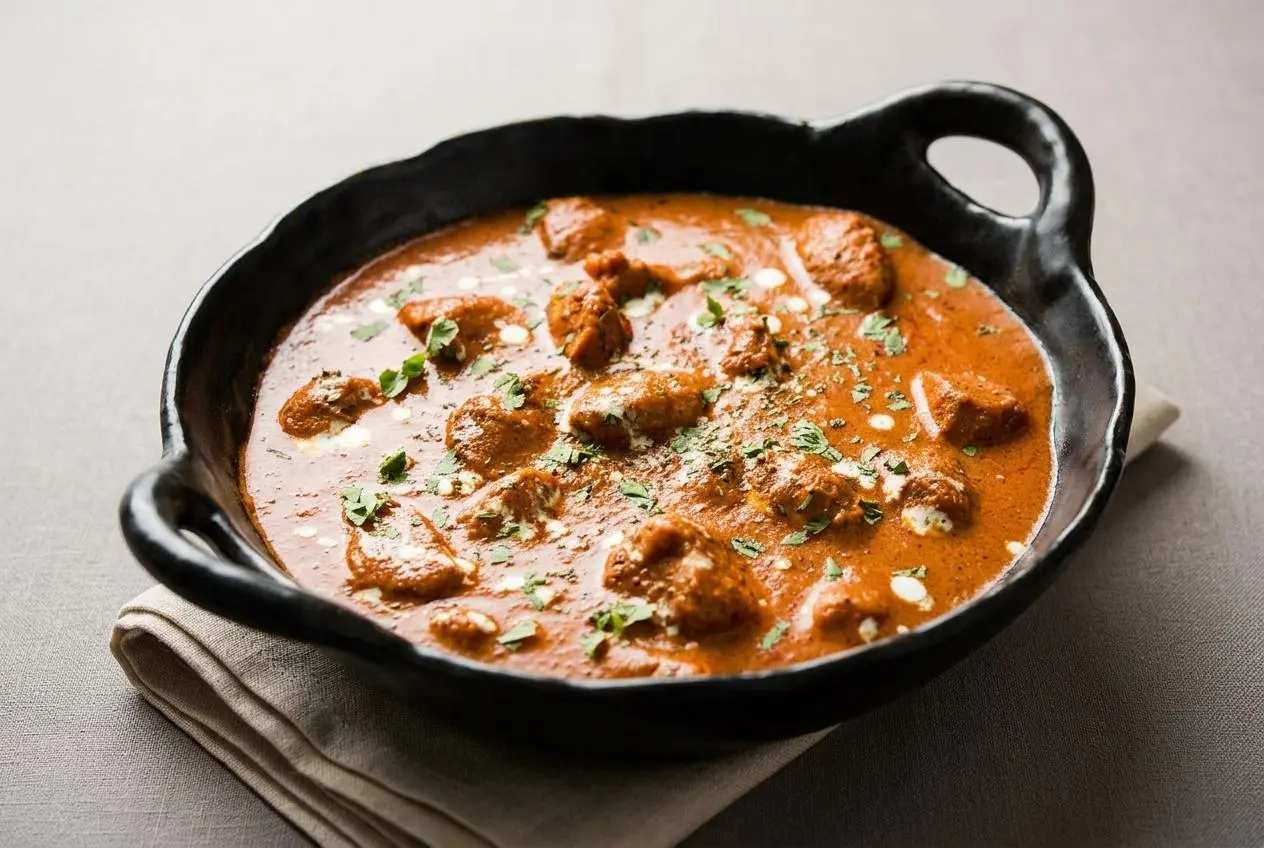
Butter chicken, or murgh makhani, is yogurt-marinated chicken seared for smoky edges and simmered in a velvety tomato, cashew, butter, and cream sauce.
This butter chicken recipe brings the warm aroma of toasted spices, melted butter, and ginger-garlic to your kitchen without needing a tandoor.
It balances gentle heat, tangy tomato, and a lush finish that clings to every piece of chicken. The crushed fenugreek at the end makes the difference.
Take the chicken out of the refrigerator while you prepare the sauce so it loses its chill before it hits the hot pan.
Key Ingredients for Restaurant-Style Butter Chicken
Each ingredient contributes something important, from the yogurt’s cling and the tomatoes’ brightness to cashews’ body, butter’s richness, and kasuri methi’s unmistakable aroma.
First Marination
- ½ kg (1.1 lbs) boneless chicken (cut to 1 inch pieces)
- ½ to ¾ teaspoon Kashmiri red chili powder (or paprika adjust to taste, reduce for kids)
- ¼ to ⅓ teaspoon salt (adjust to taste)
- ¾ to 1 tablespoon lemon juice
Second Marination
- ⅓ cup Greek yogurt (hung curd/thick curd)
- ¾ tablespoon ginger garlic paste (or ½ tbsp fine grated ginger + ½ tbsp fine grated garlic)
- ⅛ teaspoon turmeric (haldi, optional)
- ¾ to 1 teaspoon garam masala (adjust to taste)
- ½ teaspoon cumin powder (optional)
- 1 teaspoon coriander powder (optional)
- 1 teaspoon kasuri methi (optional, dried fenugreek leaves)
- ¾ to 1 tablespoon oil
For Sauce
- 2 to 3 tablespoons butter or ghee (divided)
- 2 inch cinnamon piece (optional, for extra flavor)
- 2 to 4 green cardamoms (optional, for added flavor)
- 2 to 4 cloves (optional)
- 1½ cups (130 grams) onions sliced (optional, cuts down acidity from tomatoes)
- 600 grams (1.3 lbs.) fresh tomatoes (or 1 cup passata/canned tomato puree or ⅓ cup double concentrate tomato paste)
- ¾ tablespoon ginger garlic paste (or ½ tbsp each fine grated ginger and garlic)
- 1 to 2 green chilies (optional, deseed, slit or chop)
- 28 (42 grams, ⅓ cup) whole raw cashews (soaked in hot water, sub with ¼ to ⅓ cup heavy cream)
- ½ cup water to blend (more if required)
- 1 to 2 teaspoons Kashmiri chili powder (reduce for kids, adjust to taste)
- 1 to 1½ teaspoons garam masala (divided, adjust to taste)
- 1 to 1½ teaspoon coriander powder (optional, adjust to taste)
- ½ teaspoon cumin powder (optional, adjust to taste)
- ½ to ¾ teaspoon salt (adjust to taste)
- 1 teaspoon sugar (to balance the flavors)
- ½ tablespoon Kasuri methi (dried fenugreek leaves)
- 1½ cups hot water to make gravy (cut down to 1 cup if omitting cashews)
- ⅓ cup (80 to 100 ml) heavy cream or whipping cream (divided)
- 2 tablespoons coriander leaves (fine chopped to garnish)
Greek yogurt or hung curd coats the chicken with spices without adding excess moisture, which helps it brown instead of steam. Kashmiri chili powder provides a deep red color with mild warmth. Paprika works well here too, much like in classic chicken paprikash, though Kashmiri chili has a more distinctly Indian flavor.
I rub the first seasoning into every piece of chicken before adding the yogurt mixture, especially around the cut edges where the flavor can sink in best.
Chicken Thighs vs Chicken Breast
Boneless thighs stay especially juicy during high-heat searing and the final simmer. Chicken breast works well too, but avoid overcooking it in the pan because the sauce will finish the cooking. Use the listed chicken amount rather than estimating by eye so the seasoning stays balanced.
Aromatics and Spices That Define Makhani Sauce
Cinnamon, cardamom, and cloves add a warm background fragrance, while garam masala brings the recognizable rounded spice character. Bloom the ginger-garlic paste gently in butter until it smells sweet and fragrant. If it darkens too quickly, lower the heat before it turns bitter.
Kasuri methi, also called dried fenugreek leaves, is the final aromatic lift. Crush it between your palms immediately before adding it so its earthy, herbal oils reach the gravy instead of staying trapped in whole leaves.
The Role of Cashews and Dairy
Soaked cashews blend into a smooth paste that thickens the tomato sauce and softens its acidity without making it taste nutty. Butter gives the gravy its round finish, while heavy cream makes it glossy and mellow. For a nut-free route, omit the cashews and use the listed heavy-cream substitution, or choose sunflower seed paste as an optional alternative.
How to Make Butter Chicken Step by Step
The process has three useful checkpoints: well-seasoned chicken, a fully cooked tomato-cashew gravy, and a gentle dairy finish. Give each stage its moment and the sauce will taste layered rather than flat.
Marination
- Coat the chicken with lemon juice, Kashmiri chili powder, and salt, then cover and rest it for 20 minutes.
The first seasoning should lightly stain the chicken red and begin to cling to its surface. - Mix in the Greek yogurt, kasuri methi, oil, turmeric, ginger garlic paste, coriander powder, cumin powder, and garam masala, then refrigerate for at least 30 minutes or overnight.
The finished marinade should look thick and cohesive, not watery or loose.
Puree Preparation
- If using onion, cook it in 1 tablespoon oil for 7 minutes until lightly golden, then let it cool.
The onion should soften and sweeten without becoming deeply browned. - Blend the tomatoes, cooled onion, cashews, and water until completely smooth.
The puree should have no obvious cashew pieces; blend the cashews separately with water if your blender needs help.
Make the Sauce
- Melt butter in a pan and sizzle the cinnamon, cloves, and cardamom, then add ginger garlic paste and green chilies over low heat for 1 to 2 minutes.
The paste should smell fragrant and cooked through while remaining pale enough that it has not scorched. - Take the pan off the heat, stir in the chili powder, garam masala, cumin, and coriander powder, then add the tomato-cashew puree.
Removing the pan briefly keeps the ground spices from burning on contact with the butter. - Partially cover the pan, bring the puree to a boil over medium-high heat, then cook it over low to medium heat until thickened, stirring now and then.
The mixture should lose its raw tomato smell and look darker, thicker, and more concentrated. - Pour in the hot water and simmer for 10 minutes, then remove and discard the whole spices.
Small droplets of fat rising across the gravy signal that the spices and tomato mixture have cooked properly.
Grill or Roast Chicken
- Heat 1 tablespoon butter or ghee in a griddle or pan, then sear the chicken in 2 to 3 batches over medium heat, turning each batch after 2 minutes.
Leave space between pieces so the marinade dries and dark blistered spots form instead of the chicken steaming. - Stop searing when the chicken is nearly cooked and the coating has dried onto the pieces.
The chicken will finish cooking gently after it joins the gravy, so avoid hard, dry edges.
How to Make Butter Chicken
- Add the seared chicken to the gravy, loosen it with about ½ cup more hot water only if it seems too thick, then cover and simmer for 5 to 7 minutes.
The chicken should become tender and reach 165°F at its thickest point when checked with a thermometer. - Stir in salt, sugar, and kasuri methi, then adjust with more garam masala or another tablespoon butter if desired.
The sauce should taste balanced, with tomato brightness supported by buttery richness rather than sweetness. - Turn off the heat and fold in the heavy cream, then finish with coriander leaves and a little cream.
The gravy should look smooth and glossy, never vigorously boiling after the cream goes in.
Phase 1: Spiced Yogurt Marination
The two-phase marinade gives lemon juice and salt a head start before the yogurt and spices go in. Thick yogurt holds the seasoning against the chicken and helps the pieces stay moist during searing. A thinner yogurt can release water and weaken that char.
Phase 2: Achieving Stovetop or Broiler Char
A heavy skillet is the easiest option, but an oven broiler or outdoor grill can also create tandoor-like blistering. Place the chicken close enough to high heat to brown quickly, watching carefully because the yogurt coating can darken fast. Cook chicken to a minimum internal temperature of 165°F as measured with a food thermometer.
Phase 3: Simmering and Emulsifying the Gravy
Strain the puree through a fine-mesh sieve if your blender leaves any texture behind. That extra minute produces the silky restaurant-style finish that makes makhani gravy feel special. Finish off the heat with cream, and stir in cold butter if you want extra sheen without splitting the sauce.
Expert Tips for the Best Makhani Sauce
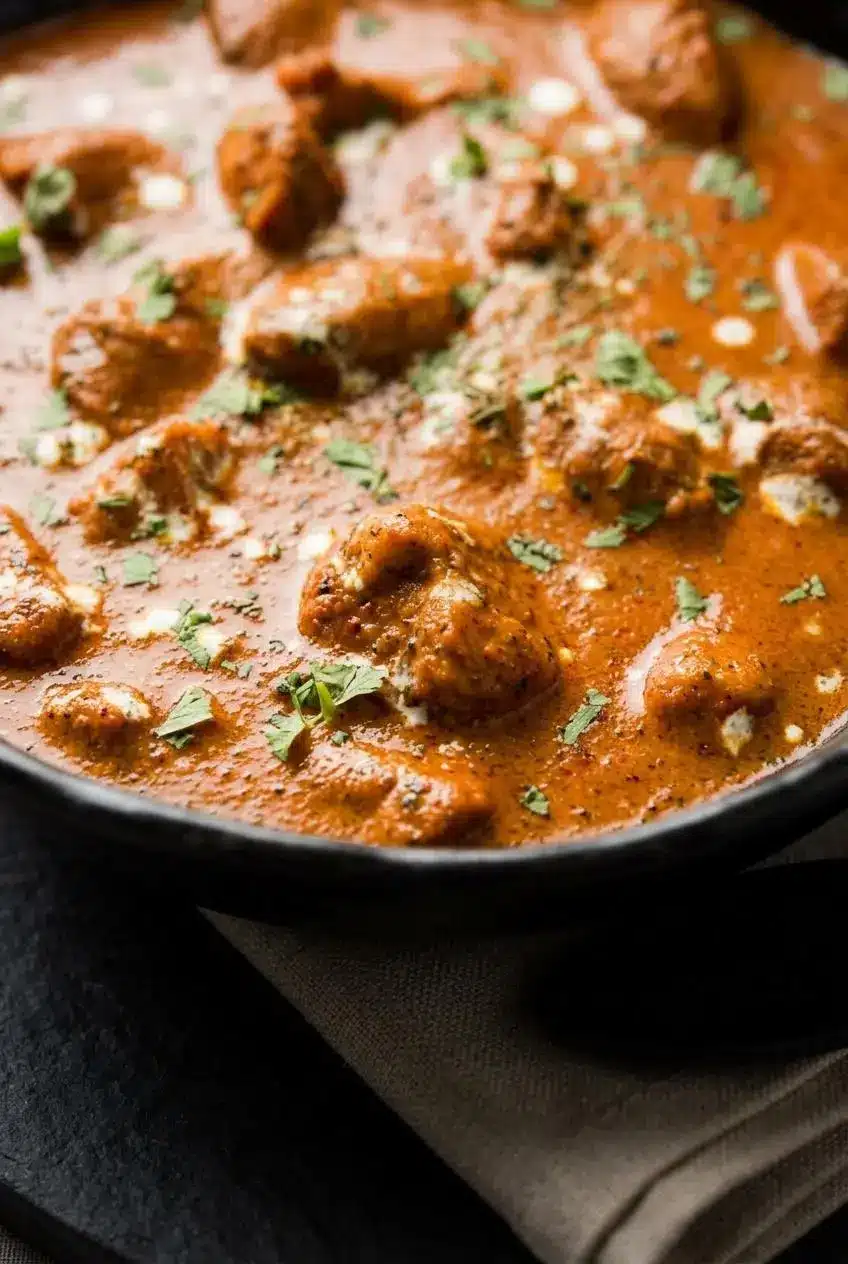
Most butter chicken troubles come from rushing the puree or overheating the cream. These fixes keep the gravy smooth, balanced, and deeply flavored.
- Grainy sauce: Cashews or tomato skins were not blended finely enough. Pass the puree through a fine-mesh sieve before simmering for a smoother result.
- Too much tomato tang: Cook the puree until it thickens and the fat begins to separate, then use the listed sugar gradually to round out acidity without making the sauce sugary.
- Split cream: Cold cream meeting a hot acidic sauce can break the emulsion. Stir a spoonful of warm gravy into the cream first, then add it after taking the pan off high heat.
- Missing depth: Deglaze the chicken pan with a little hot water and add those browned bits to the gravy. They carry concentrated spice and chicken flavor.
- Steamed chicken: The pan was crowded or not hot enough. Sear in batches so moisture can evaporate and the edges can char.
Gentle heat matters whenever cream joins an acidic sauce. The same approach helps with other creamy pan dishes, including creamy herb chicken.
Dietary Variations and Quick Shortcuts
Keep the main method as written for the classic result, then use one of these optional approaches when dietary needs or a busy evening call for a change.
Dairy-Free Coconut Butter Chicken
Use refined coconut oil or vegan butter in place of dairy butter, then finish with full-fat coconut cream instead of heavy cream. The spices, tomato, and cashews still create a rich sauce, while refined coconut oil keeps the coconut flavor quieter. This version will taste different from traditional makhani, but it remains full-bodied and aromatic.
Nut-Free Heavy Cream Version
- Omit the cashews and use the heavy-cream substitution already listed with the cashew ingredient.
- For another optional thickener, use smooth sunflower seed paste, which adds body with a more neutral flavor than many nut substitutes.
- Strain the tomato puree carefully, since the cashews normally help disguise small bits of tomato skin or seeds.
The 30-Minute Weeknight Skillet Method
For a faster dinner, use passata or canned tomato puree from the ingredient list and marinate the chicken for 15 minutes while you blend and begin the sauce. The flavor will be less developed than a longer rest, but searing the chicken in a hot pan and finishing with crushed kasuri methi still gives the dish character.
When you need an even faster buttery chicken skillet meal on another night, try garlic butter chicken bites.
What to Serve with Butter Chicken
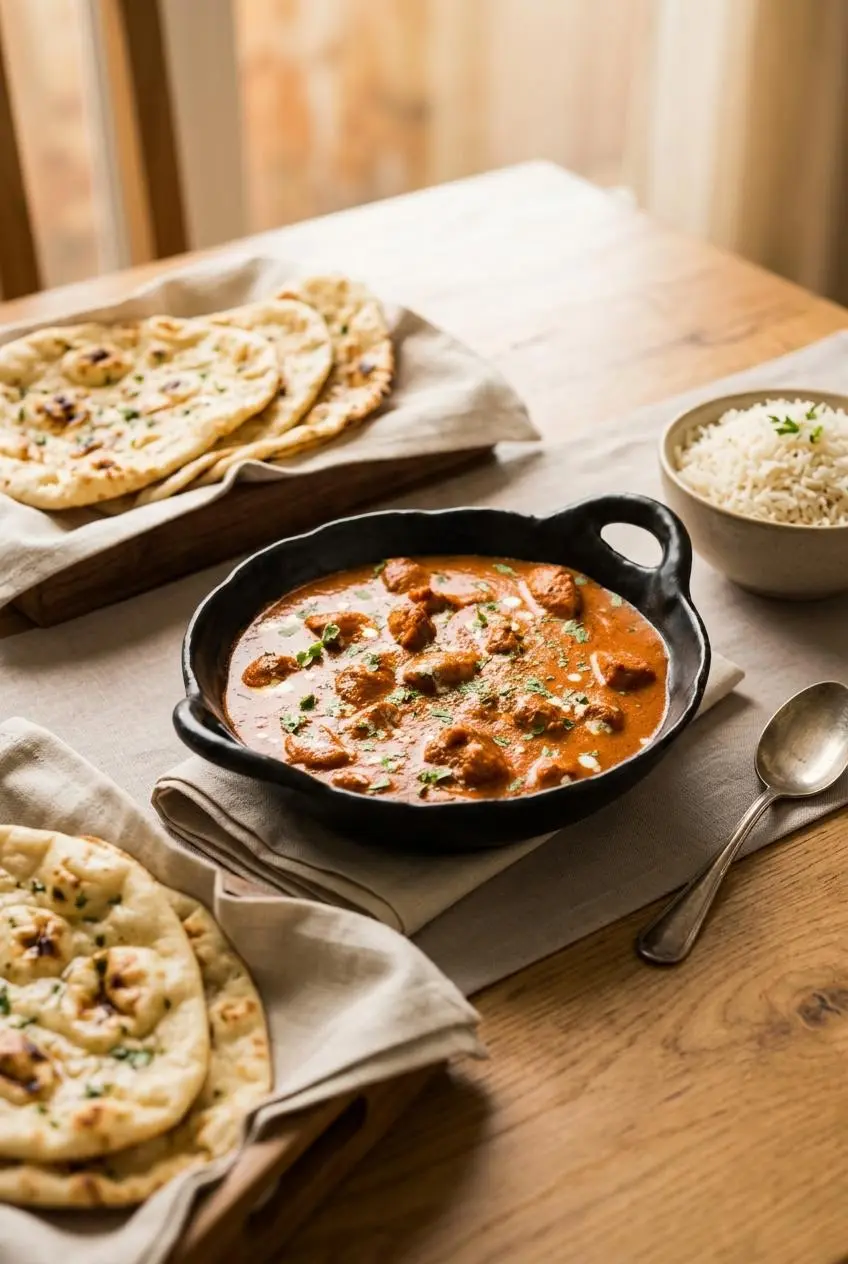
Butter chicken needs something ready to catch every bit of its silky gravy. Choose one starch and one cool, crisp side for a well-balanced North Indian-style meal.
- Garlic butter naan: Warm, soft naan is ideal for scooping the sauce. Crisp tandoori roti offers a lighter, chewier contrast.
- Basmati rice: Steamed basmati rice lets the sauce shine, while jeera cumin rice adds a toasted, fragrant edge.
- Kachumber salad: Cucumber, tomato, and red onion bring fresh crunch and acidity against the rich gravy.
- Cucumber raita: A chilled yogurt side calms the warmth of the chilies and adds a refreshing contrast.
Make-Ahead, Storage, and Reheating Guide
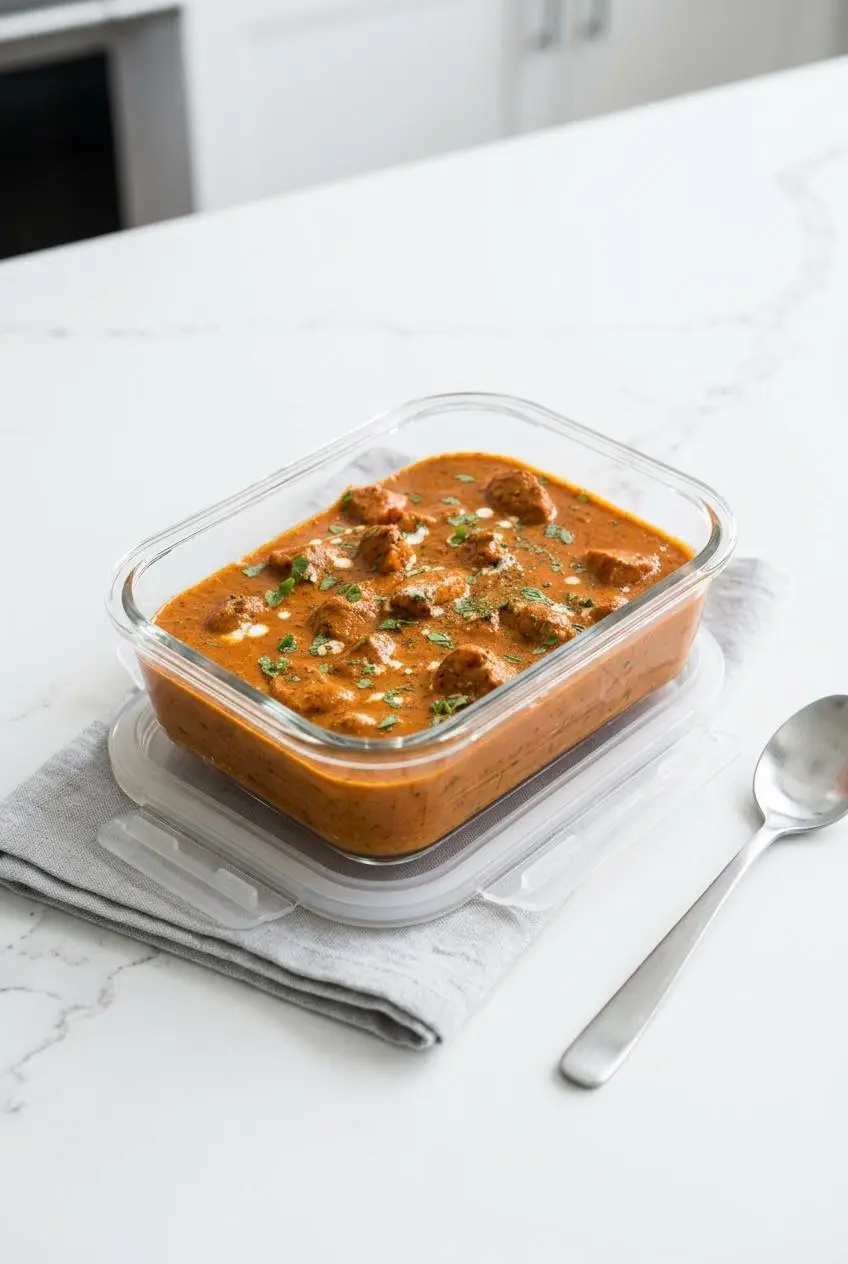
You can marinate the chicken overnight, as directed, for deeper seasoning. Cool cooked butter chicken promptly, transfer it to an airtight container, and refrigerate it for up to 4 days with careful handling of cooked poultry leftovers.
Reheat only the portion you plan to serve in a covered pan over low heat. Add a splash of water if the sauce has tightened, stir often, and keep the heat gentle so the cream stays smooth rather than separating.
Conclusion
Great butter chicken comes down to tender chicken with charred edges and a tomato-butter gravy that has simmered long enough to become smooth, rich, and balanced.
Finish with crushed kasuri methi and cream off the heat, then serve while the sauce is glossy and fragrant. A warm naan is never a bad idea.
Frequently Asked Questions
What Is the Difference Between Butter Chicken and Chicken Tikka Masala?
Butter chicken is generally milder and creamier, with a smooth tomato-cashew sauce enriched by butter and cream. Chicken tikka masala is usually more heavily spiced, more onion-forward, and often has a chunkier tomato gravy.
Can I Make Butter Chicken Without Kasuri Methi?
Yes, the curry will still cook well without it. However, kasuri methi gives butter chicken its earthy, slightly sweet herbal aroma, so use it when possible for the most recognizable restaurant-style finish.
How Do I Stop Cream From Splitting in the Hot Curry?
Bring the cream closer to room temperature, then temper it with a little warm gravy before adding it to the pan. Take the skillet off high heat first, and do not let the sauce boil hard after the cream goes in.
Can Butter Chicken Be Frozen for Meal Prep?
For meal prep, the best approach is to refrigerate cooked portions in airtight containers and reheat them gently with a splash of water. Adding cream at the end of reheating helps preserve the sauce’s smooth texture.
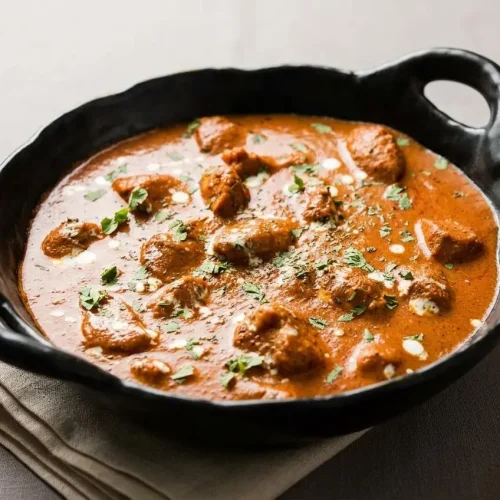
Butter Chicken Recipe

Equipment
- Blender
- Griddle
- Pan
Ingredients
First Marination
- ½ kg boneless chicken cut to 1 inch pieces, 1.1 lbs
- ½ to ¾ teaspoon Kashmiri red chili powder or paprika adjust to taste, reduce for kids
- ¼ to ⅓ teaspoon salt adjust to taste
- ¾ to 1 tablespoon lemon juice
Second Marination
- ⅓ cup Greek yogurt hung curd/thick curd
- ¾ tablespoon ginger garlic paste or ½ tbsp fine grated ginger + ½ tbsp fine grated garlic
- ⅛ teaspoon turmeric haldi, optional
- ¾ to 1 teaspoon garam masala adjust to taste
- ½ teaspoon cumin powder optional
- 1 teaspoon coriander powder optional
- 1 teaspoon kasuri methi optional, dried fenugreek leaves
- ¾ to 1 tablespoon oil
For Sauce
- 2 to 3 tablespoons butter or ghee divided
- 2 inch cinnamon piece optional, for extra flavor
- 2 to 4 green cardamoms optional, for added flavor
- 2 to 4 cloves optional
- 1½ cups onions sliced 130 grams, optional, cuts down acidity from tomatoes
- 600 grams fresh tomatoes 1.3 lbs., or 1 cup passata/canned tomato puree or ⅓ cup double concentrate tomato paste
- ¾ tablespoon ginger garlic paste or ½ tbsp each fine grated ginger and garlic
- 1 to 2 green chilies optional, deseed, slit or chop
- 28 whole raw cashews 42 grams, ⅓ cup, soaked in hot water, sub with ¼ to ⅓ cup heavy cream
- ½ cup water to blend more if required
- 1 to 2 teaspoons Kashmiri chili powder reduce for kids, adjust to taste
- 1 to 1½ teaspoons garam masala divided, adjust to taste
- 1 to 1½ teaspoon coriander powder optional, adjust to taste
- ½ teaspoon cumin powder optional, adjust to taste
- ½ to ¾ teaspoon salt adjust to taste
- 1 teaspoon sugar to balance the flavors
- ½ tablespoon Kasuri methi dried fenugreek leaves
- 1½ cups hot water to make gravy cut down to 1 cup if omitting cashews
- ⅓ cup heavy cream or whipping cream 80 to 100 ml, divided
- 2 tablespoons coriander leaves fine chopped to garnish
Instructions
Marination
- Coat the chicken with lemon juice, Kashmiri chili powder, and salt, then cover and rest it for 20 minutes. The first seasoning should lightly stain the chicken red and begin to cling to its surface.
- Mix in the Greek yogurt, kasuri methi, oil, turmeric, ginger garlic paste, coriander powder, cumin powder, and garam masala, then refrigerate for at least 30 minutes or overnight. The finished marinade should look thick and cohesive, not watery or loose.
Puree Preparation
- If using onion, cook it in 1 tablespoon oil for 7 minutes until lightly golden, then let it cool. The onion should soften and sweeten without becoming deeply browned.
- Blend the tomatoes, cooled onion, cashews, and water until completely smooth. The puree should have no obvious cashew pieces; blend the cashews separately with water if your blender needs help.
Make the Sauce
- Melt butter in a pan and sizzle the cinnamon, cloves, and cardamom, then add ginger garlic paste and green chilies over low heat for 1 to 2 minutes. The paste should smell fragrant and cooked through while remaining pale enough that it has not scorched.
- Take the pan off the heat, stir in the chili powder, garam masala, cumin, and coriander powder, then add the tomato-cashew puree. Removing the pan briefly keeps the ground spices from burning on contact with the butter.
- Partially cover the pan, bring the puree to a boil over medium-high heat, then cook it over low to medium heat until thickened, stirring now and then. The mixture should lose its raw tomato smell and look darker, thicker, and more concentrated.
- Pour in the hot water and simmer for 10 minutes, then remove and discard the whole spices. Small droplets of fat rising across the gravy signal that the spices and tomato mixture have cooked properly.
Grill or Roast Chicken
- Heat 1 tablespoon butter or ghee in a griddle or pan, then sear the chicken in 2 to 3 batches over medium heat, turning each batch after 2 minutes. Leave space between pieces so the marinade dries and dark blistered spots form instead of the chicken steaming.
- Stop searing when the chicken is nearly cooked and the coating has dried onto the pieces. The chicken will finish cooking gently after it joins the gravy, so avoid hard, dry edges.
How to Make Butter Chicken
- Add the seared chicken to the gravy, loosen it with about ½ cup more hot water only if it seems too thick, then cover and simmer for 5 to 7 minutes. The chicken should become tender and reach 165°F at its thickest point when checked with a thermometer.
- Stir in salt, sugar, and kasuri methi, then adjust with more garam masala or another tablespoon butter if desired. The sauce should taste balanced, with tomato brightness supported by buttery richness rather than sweetness.
- Turn off the heat and fold in the heavy cream, then finish with coriander leaves and a little cream. The gravy should look smooth and glossy, never vigorously boiling after the cream goes in.