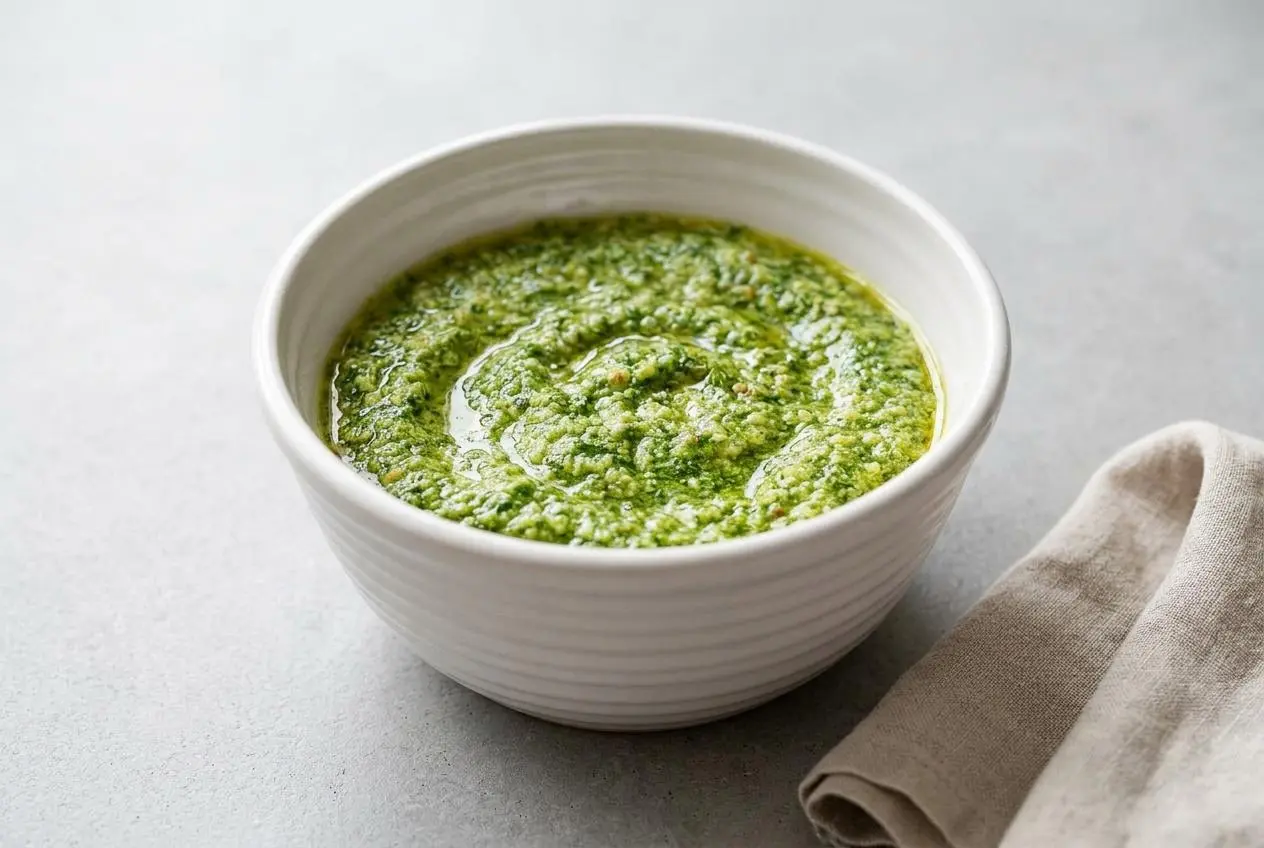
This basil pesto recipe makes a fresh, vibrant sauce in about 5 minutes with basil, pine nuts, lemon, garlic, olive oil, and optional Parmesan.
Homemade pesto tastes brighter, greener, and more alive than most store-bought jars. It’s rich from the nuts and oil, sharp from the cheese, and lifted by lemon.
You’ll also get the little details that help pesto stay vivid and smooth instead of dull or bitter. The slow drizzle of oil matters here.
Dry the basil well before blending so the pesto stays thick and glossy instead of loose and watery.
Classic Basil Pesto Ingredients
Each ingredient has a real job here, from fresh basil aroma to nutty richness, creamy body, bright acidity, and the silky texture that brings it all together.
- ½ cup toasted pine nuts
- 2 tablespoons fresh lemon juice
- 1 small garlic clove
- ¼ teaspoon sea salt
- freshly ground black pepper
- 2 cups basil leaves
- ¼ cup extra-virgin olive oil (plus more for a smoother pesto)
- ¼ cup freshly grated Parmesan cheese (optional)
Basil is the star, so fresh leaves with a sweet, peppery smell make the biggest difference. Pine nuts add a buttery richness and help create that classic soft texture. Freshly grated Parmesan brings saltiness and savory depth, while olive oil turns everything into a spoonable sauce instead of a chopped herb paste.
Lemon juice brightens the flavor and helps the pesto stay lively in both taste and color. Garlic should support the basil, not overpower it, which is why one small clove is plenty. If you want a sharper, saltier finish, Pecorino works well in place of Parmesan.
I always toast the pine nuts in a dry skillet until they smell warm and nutty because that extra minute adds a deeper, rounder flavor.
How to Make Basil Pesto
- Add the toasted pine nuts, lemon juice, garlic, sea salt, and a few grinds of black pepper to a food processor, then pulse until the mixture is finely chopped.
The texture should look coarse and damp, almost like wet sand, with no big chunks of garlic left behind. - Add the basil leaves and pulse again just until the leaves are broken down and mixed in.
The mixture should turn bright green and look evenly chopped rather than fully pureed. - With the machine running, pour in the olive oil in a slow stream, then pulse in the Parmesan cheese, if using, just until combined.
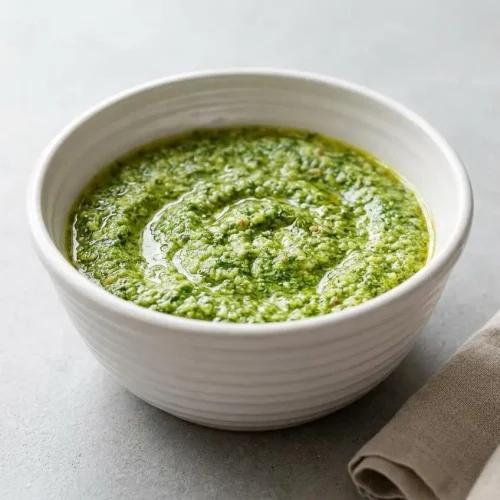
The pesto should look creamy and loosely textured, and you can add a bit more olive oil if you want it smoother.
That slow drizzle of oil is what helps the pesto emulsify into a cohesive sauce. If all the oil goes in at once, the mixture is more likely to separate or turn heavy instead of silky. Before serving, taste it with a piece of bread or a spoon so you can decide if it needs another pinch of salt, pepper, or a touch more lemon.
Tips for the Best Homemade Pesto
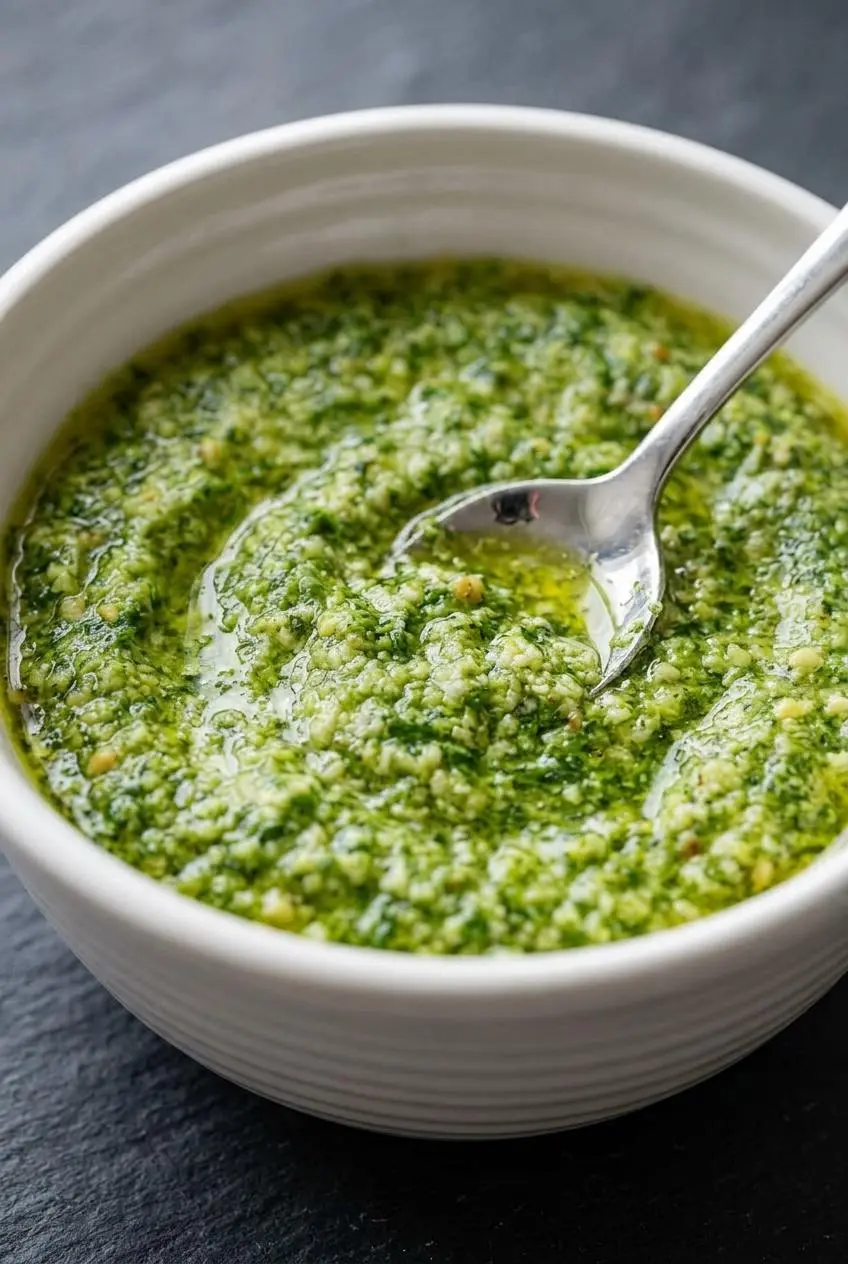
A good pesto is easy. A great pesto stays bright, tastes balanced, and keeps some texture instead of turning into green glue.
Toast Your Nuts for Deeper Flavor
Even if your pine nuts are already lightly toasted, a quick pass in a dry skillet can wake them up. Heat them over medium-low, shake the pan often, and pull them off as soon as they smell fragrant and turn lightly golden. That richer nut flavor gives the basil something to lean on.
Optional: Blanch Basil for Extra Green Pesto
If color matters most to you, blanch the basil leaves for 5 to 10 seconds, then move them straight into ice water. Dry them very well before blending. This extra step helps lock in a vivid green color, though unblanched basil still makes excellent pesto with a more straightforward fresh basil taste.
Blanching is useful when you want the brightest possible look, but it does soften basil’s raw edge a little. If you love a punchier herbal flavor, skip it.
For the Traditionalist: Making Pesto with a Mortar and Pestle
You can make pesto without a food processor by crushing the garlic, salt, and nuts first, then working in the basil, and finishing with oil and cheese. The result is usually more rustic, with a crushed texture rather than a smooth whirl. It takes longer, but the flavor can taste a little more layered because the basil is bruised instead of sharply cut.
A blender also works in a pinch, though it tends to need more scraping down the sides and can heat the basil faster. Pulse in short bursts if you go that route.
Troubleshooting Common Pesto Problems
Most pesto issues come down to water, heat, or air exposure.
| Problem | Potential Cause | Solution |
|---|---|---|
| Pesto is bitter | The basil was over-processed, which created heat, or the olive oil tasted harsh. | Pulse instead of blending continuously, and use a fresh extra-virgin olive oil with a flavor you actually enjoy on its own. |
| Pesto is turning brown | Too much air reached the basil after blending. | Press a thin layer of olive oil over the surface and keep it covered. Lemon juice also helps slow discoloration. |
| Pesto is watery | The basil was still wet after washing, or the mixture was overworked. | Dry the leaves thoroughly before blending and pulse only until the pesto comes together. |
Pesto Variations (Beyond Pine Nuts)
This classic version is a great starting point, and it’s very easy to customize once you know what each ingredient contributes. Small swaps can change the flavor without changing the whole spirit of the sauce.
Pesto with Walnuts or Almonds
Walnuts are the most common stand-in for pine nuts and usually the easiest on the grocery budget. They make a pesto that tastes a bit earthier and slightly more robust. Almonds give a cleaner, milder nuttiness and a firmer texture. Toast either one just as you would pine nuts so the flavor tastes warm and developed instead of flat.
Cashews and pistachios can work too, but walnuts and almonds are the most dependable swaps when you want the sauce to stay close to classic.
Nut-Free Pesto with Seeds
For a nut-free version, toasted pumpkin seeds or sunflower seeds work especially well. Pumpkin seeds give the pesto a deeper green color and a savory, almost earthy finish. Sunflower seeds are milder and a little softer in flavor.
If allergies are a concern in your kitchen, double-check the cheese too, since different brands vary in handling and production.
Vegan Pesto (No Cheese)
This pesto still works well without Parmesan. The nuts and olive oil already provide body, and the basil and lemon keep it lively. If you want some of that savory, cheesy character back, stir in a little nutritional yeast to taste. It won’t be identical to Parmesan pesto, but it will still be rich, bright, and very usable.
Pesto Ingredient Substitution Ideas
These swaps keep the same general style while changing the flavor slightly.
| Ingredient | Classic Choice | Great Alternatives |
|---|---|---|
| Nuts or seeds | Pine nuts | Walnuts, almonds, cashews, pumpkin seeds, sunflower seeds |
| Cheese | Parmesan | Pecorino, or nutritional yeast for a dairy-free option |
| Greens | Basil | Part baby spinach for mildness or part arugula for a peppery edge |
How to Store and Freeze Pesto
Homemade pesto is great for batch cooking because a small amount can transform a whole meal. The key is protecting that bright green surface from air and storing it cold.
Storing Pesto in the Refrigerator
Transfer the pesto to a clean container and smooth the top. Pour a thin layer of olive oil over the surface before sealing it. That simple barrier helps slow browning and keeps the top from drying out.
Because this pesto can include Parmesan, keep it chilled and well covered. The FDA notes that dairy products need refrigeration at or below 40 °F for safe cold storage. For best quality, use refrigerated pesto while it still smells fresh and tastes bright.
How to Freeze Pesto (in Jars or Trays)
You can freeze pesto if you want to save a batch for later. For the best texture, freeze it without the Parmesan and stir the cheese in after thawing.
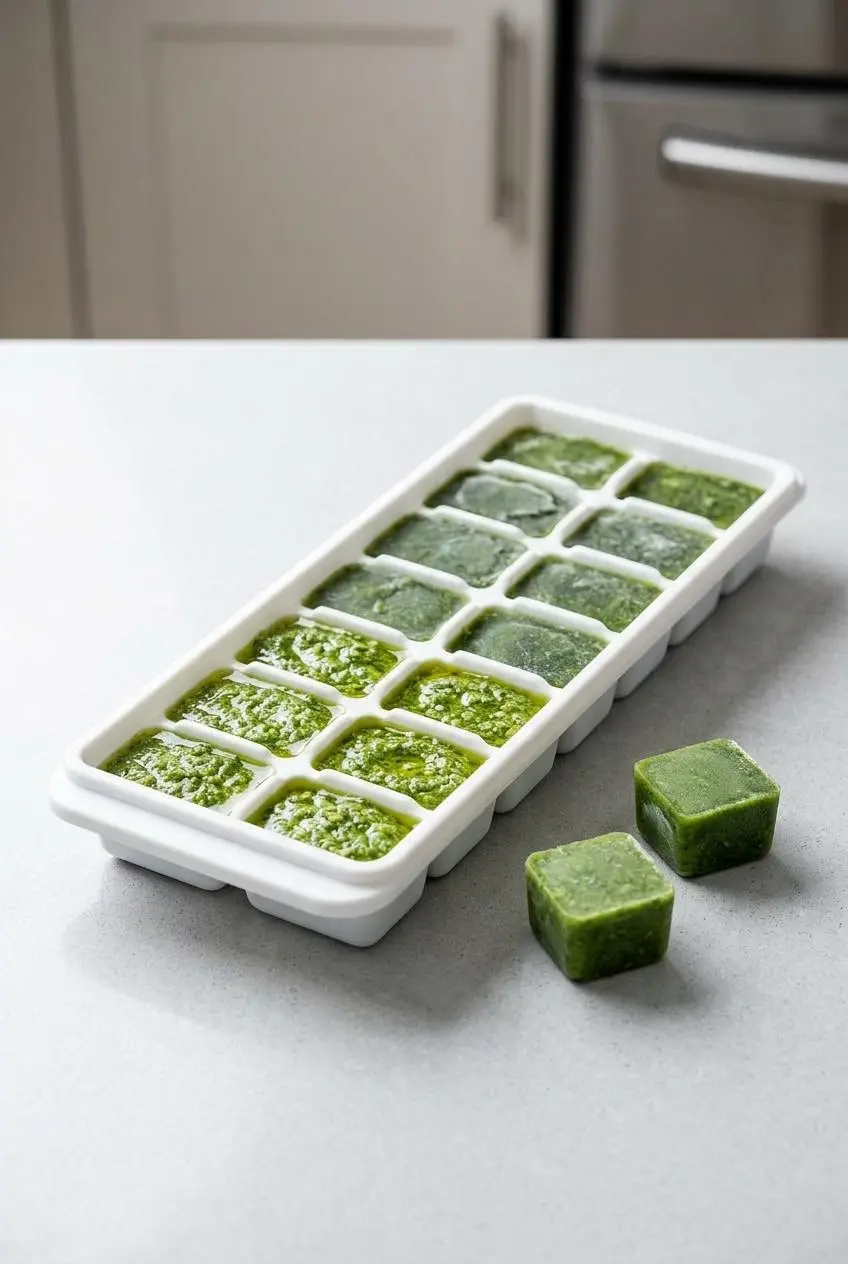
For jars, spoon the pesto into a small freezer-safe jar, leaving a little room at the top for expansion, then add a thin layer of olive oil before sealing. For trays, portion the pesto into an ice cube tray, freeze until solid, and move the cubes to a freezer bag so you can grab small amounts as needed.
FoodSafety.gov includes general refrigerator and freezer storage time charts for cold foods, but pesto quality depends a lot on the basil and cheese, so it’s best to freeze it promptly and thaw only what you plan to use.
Ways to Use Your Homemade Pesto
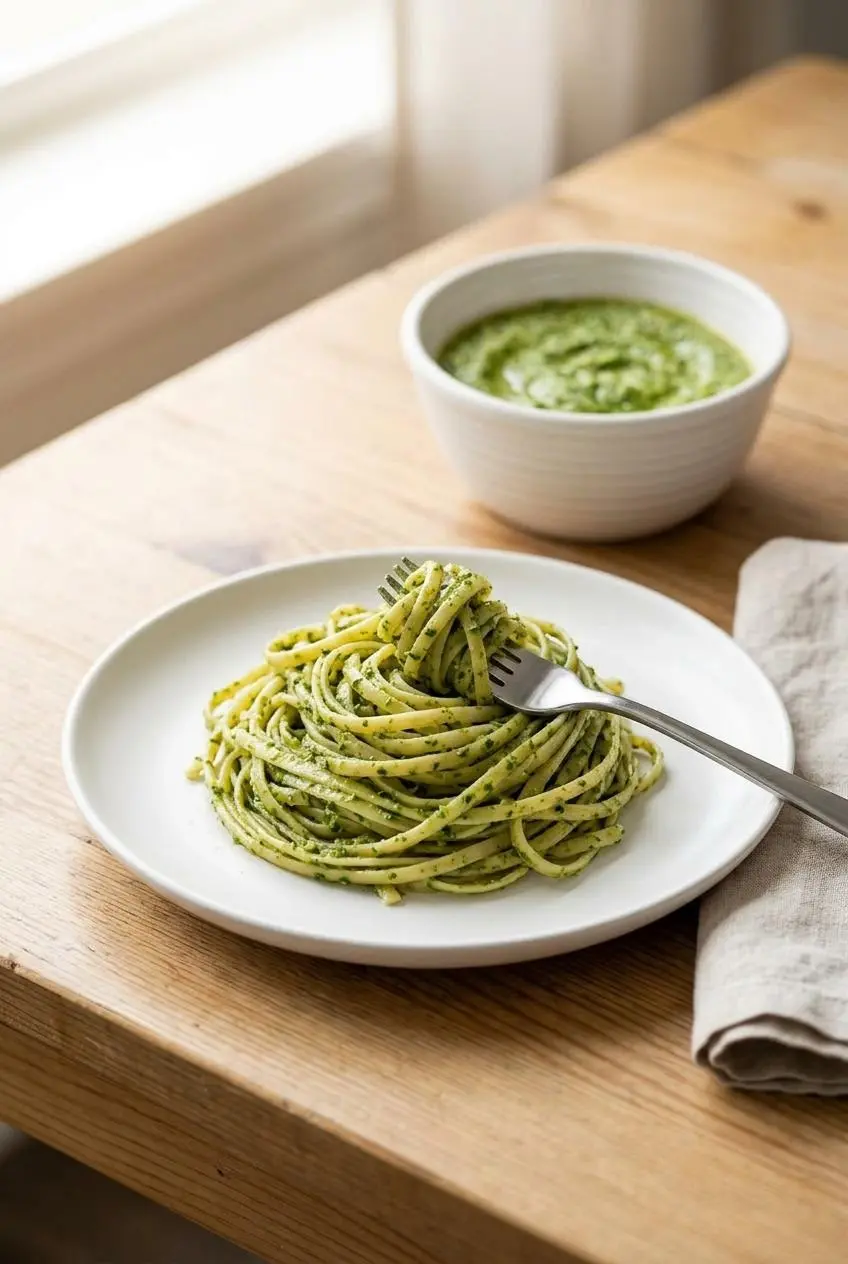
Pesto goes far beyond a bowl of hot pasta. A spoonful can wake up lunch, dinner, or even brunch.
- On breads and sandwiches: Spread it on toast, layer it into grilled sandwiches, or use it as the base for spinach pesto pizza.
- With pasta and gnocchi: Toss it with hot noodles, loosen it with a splash of pasta water, or turn it into creamy chicken pesto pasta for a full dinner.
- For cold meals: Stir it into a cold pesto pasta salad for lunches, picnics, or an easy side.
- With proteins: Spoon it over grilled chicken, fish, or roasted shrimp right before serving.
- In soups and eggs: Swirl a little into classic tomato soup or use it to finish scrambled eggs.
- With vegetables and grains: Toss it with roasted vegetables, spoon it over potatoes, or mix it into rice, farro, or quinoa.
Conclusion
This pesto works because it stays classic, fast, and flexible. Fresh basil, toasted nuts, good olive oil, and a careful pulse are doing most of the heavy lifting.
If you remember one thing, make it this: add the oil slowly and stop blending before the pesto turns hot. That little move keeps the sauce brighter, smoother, and more alive.
Frequently Asked Questions (FAQ)
What can I substitute for pine nuts in pesto?
Walnuts are the most common substitute and give a slightly earthier flavor. Almonds and cashews also work well, especially if you toast them first. For a nut-free option, use toasted pumpkin seeds or sunflower seeds.
How do you keep homemade pesto from turning brown?
Cover the surface with a thin layer of olive oil before storing it so less air reaches the basil. Lemon juice helps keep the flavor bright and can slow browning too. If you want maximum green color, blanch the basil briefly before blending.
Why does my pesto taste bitter?
The usual cause is over-processing, which heats the basil and pushes it toward bitterness. A harsh or older olive oil can also make the whole sauce taste bitter. Use short pulses and stop as soon as the pesto looks combined and creamy.
Can I make pesto without a food processor?
Yes. A blender can work, though you may need to stop and scrape the sides more often. A mortar and pestle is the traditional option and gives a more rustic, crushed texture. Either way, work gently so the basil keeps its fresh flavor.
Basil Pesto Recipe

Equipment
- Food processor
Ingredients
- ½ cup toasted pine nuts
- 2 tablespoons fresh lemon juice
- 1 small garlic clove
- ¼ teaspoon sea salt
- freshly ground black pepper
- 2 cups basil leaves
- ¼ cup extra-virgin olive oil plus more for a smoother pesto
- ¼ cup freshly grated Parmesan cheese optional
Instructions
- Add the toasted pine nuts, lemon juice, garlic, sea salt, and a few grinds of black pepper to a food processor, then pulse until the mixture is finely chopped. The texture should look coarse and damp, almost like wet sand, with no big chunks of garlic left behind.
- Add the basil leaves and pulse again just until the leaves are broken down and mixed in. The mixture should turn bright green and look evenly chopped rather than fully pureed.
- With the machine running, pour in the olive oil in a slow stream, then pulse in the Parmesan cheese, if using, just until combined. The pesto should look creamy and loosely textured, and you can add a bit more olive oil if you want it smoother.