Banana ketchup is a sweet, tangy Filipino condiment made with mashed ripe bananas, vinegar, brown sugar, soy sauce, and optional rum, simmered briefly and blended until glossy.
Homemade banana ketchup brings together mellow fruit sweetness, bright vinegar, and savory depth in a smooth sauce that works far beyond fries.
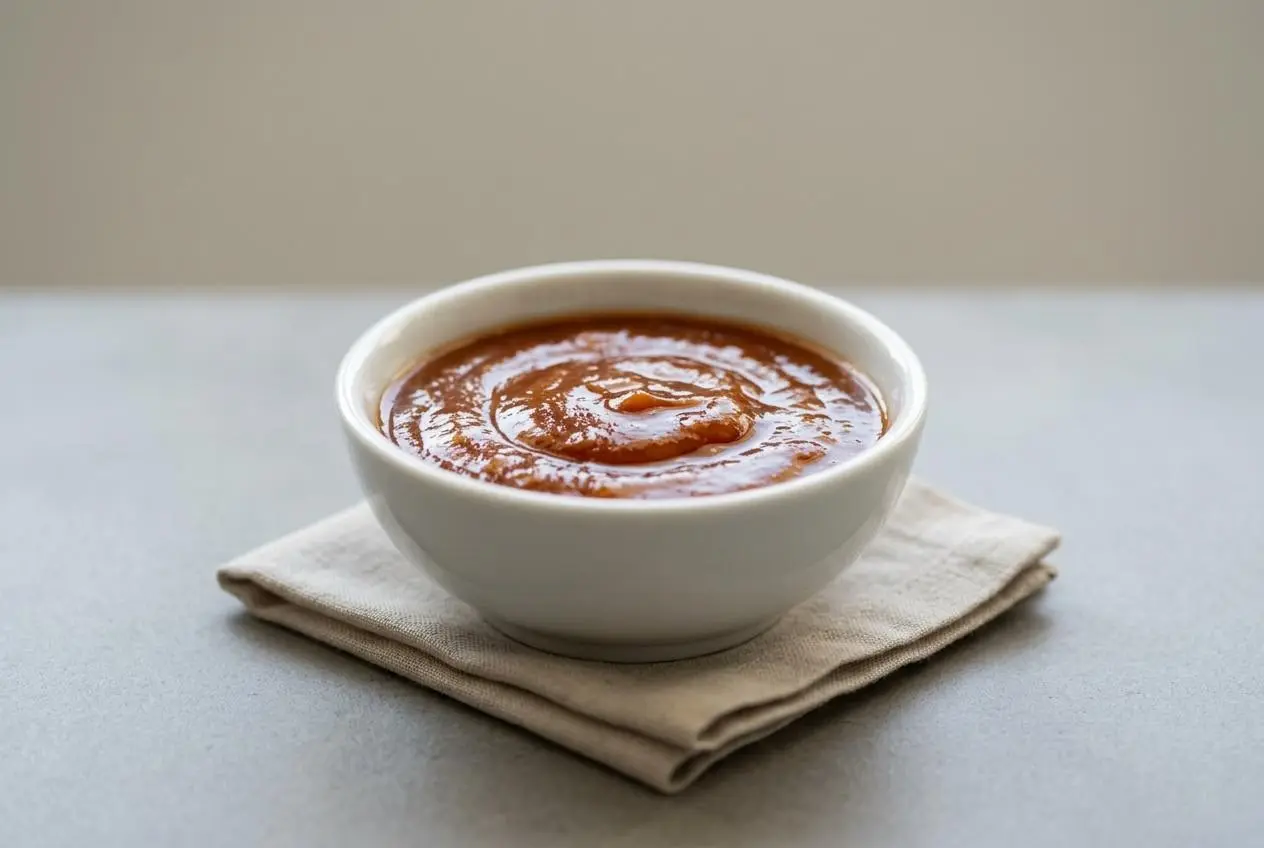
As it simmers, the sharp vinegar aroma softens and the sauce turns rich and shiny. The blender is what gives it that silky finish.
Use bananas with plenty of dark spots, since firmer yellow or green bananas can leave the sauce starchy rather than smooth.
What Is Banana Ketchup and How Does It Taste?
Banana ketchup tastes sweet, tangy, savory, and gently fruity. Ripe banana provides roundness rather than a loud banana flavor, while vinegar keeps the sauce bright and soy sauce adds a darker, salty edge.
Compared with tomato ketchup, it has a softer fruit profile and a more caramel-like sweetness from the bananas and brown sugar. It still has the familiar sweet-and-tangy balance that makes ketchup easy to use as a dip or glaze, but it tastes warmer and more complex.
- Sweetness: ripe banana and brown sugar give the sauce its mellow body.
- Tang: vinegar cuts through that sweetness so the condiment does not taste like a dessert puree.
- Savory depth: soy sauce adds the salty, fermented flavor that makes it especially good with fried foods and grilled meats.
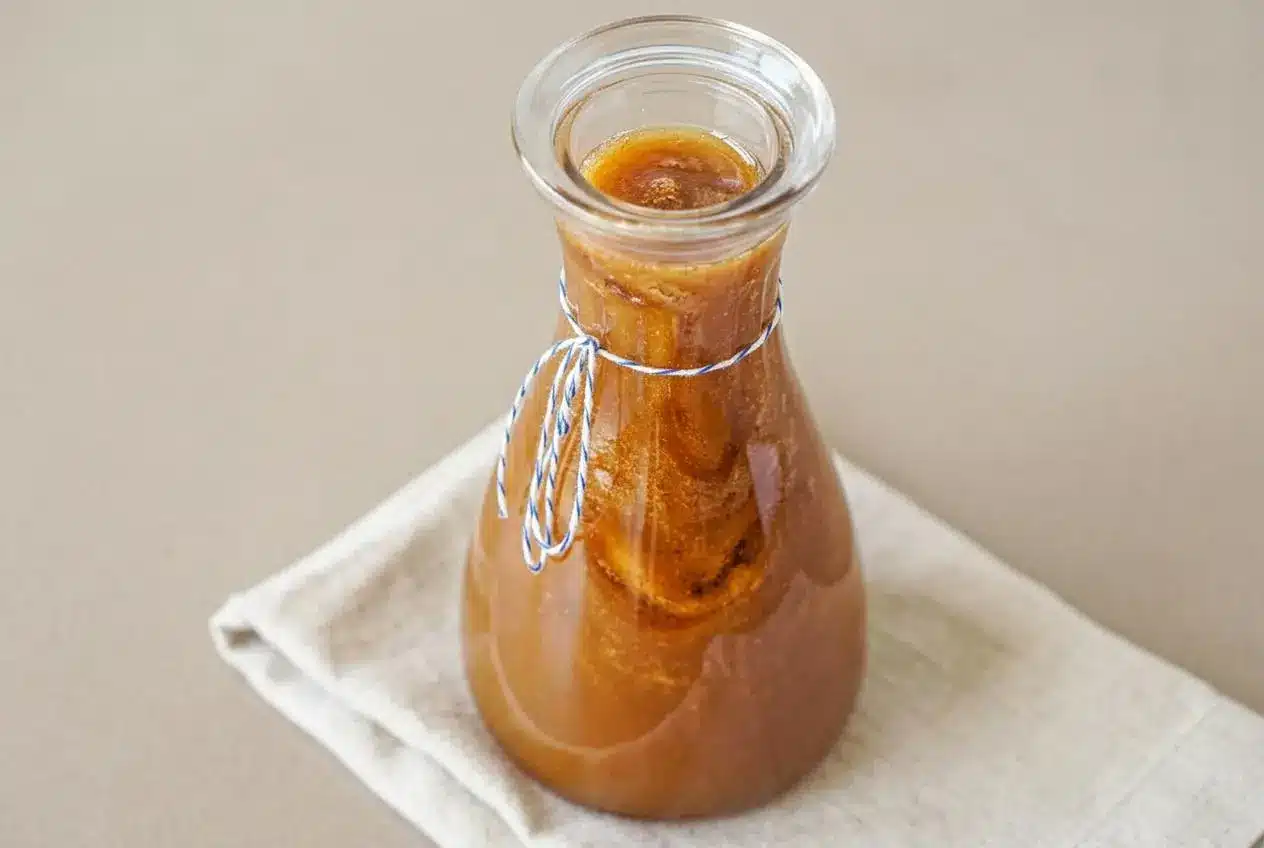
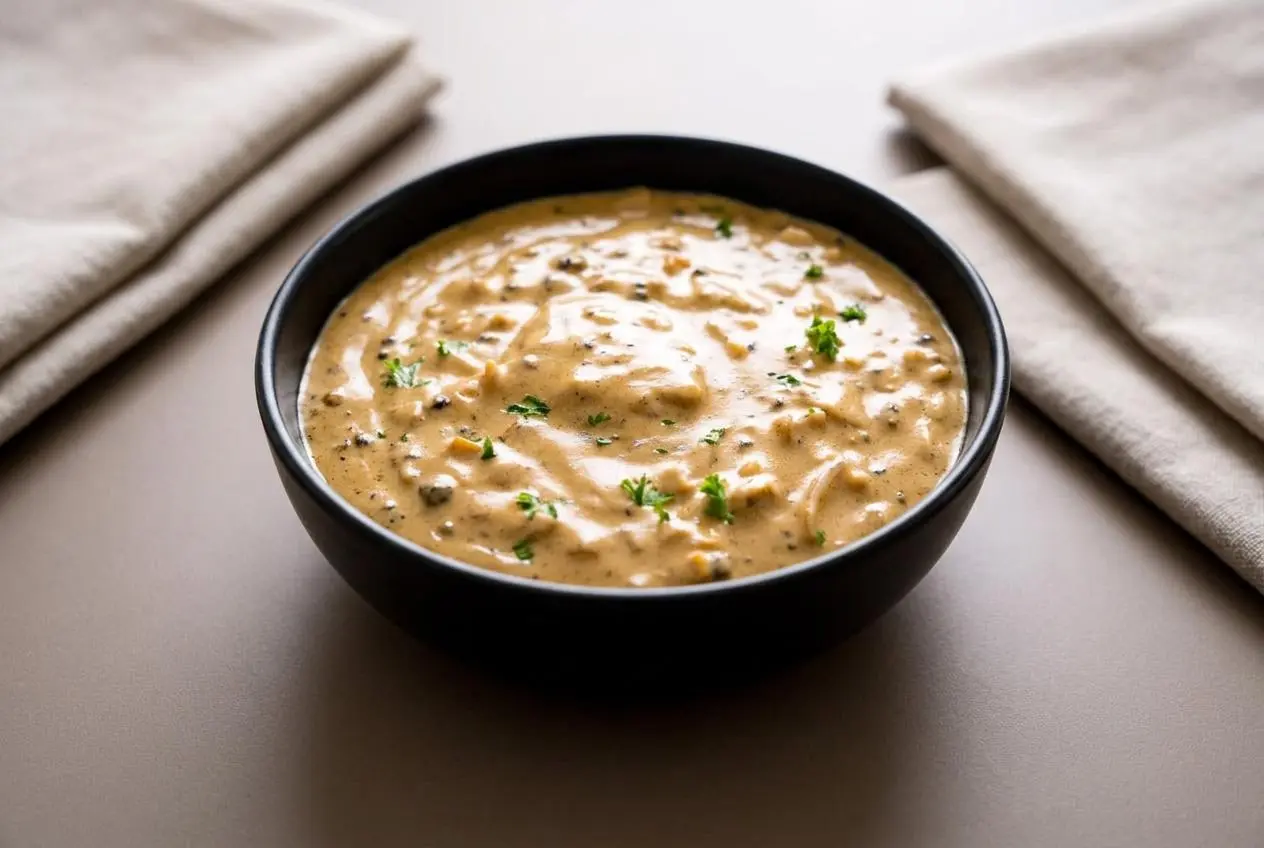
Natural homemade banana ketchup is usually golden amber to warm brown. Many commercial versions are bright red because food coloring was traditionally used to make the condiment resemble tomato ketchup at the table.
The Story of Banana Ketchup from Maria Orosa to Modern Pantries
Banana ketchup has deep roots in Filipino cuisine and food innovation. Filipino food technologist Maria Orosa developed the condiment in the 1930s, using abundant local bananas as an alternative to imported tomatoes.
Tomato shortages during World War II made that local-fruit approach especially practical. The result became a lasting favorite in the Philippines, where it remains a familiar partner for fried chicken, barbecue, lumpia, and silog breakfasts.
Filipino-style versions tend to lean sweet, tangy, and smooth, often with a reddish color in bottled brands such as UFC ketchup and Jufran. Caribbean versions, including styles associated with St. Lucia and Jamaica, can be less sweet and more savory, with curry and allspice bringing an aromatic, peppery character.
Ingredients for Homemade Banana Ketchup
Each ingredient builds the sauce’s balance: bananas create body, vinegar adds lift, brown sugar deepens sweetness, soy sauce adds savoriness, and rum contributes optional aroma.
- Mashed bananas
- Vinegar
- Brown sugar
- Soy sauce
- Rum, optional
Choose very ripe bananas when possible. Their soft texture blends more smoothly, and their concentrated sweetness gives the finished sauce its rounded, almost caramelized flavor without making it heavy.
Vinegar is essential to the flavor balance. It brightens the dense fruit base and keeps the sauce tasting like a condiment rather than sweet banana spread. Brown sugar adds molasses-like warmth, while soy sauce supplies the savory backbone that makes the sauce work with salty, crisp foods.
The optional rum adds a subtle fragrant finish as the mixture cooks. It should sit in the background rather than dominate the sauce.
I reach for bananas that are soft enough to mash easily, with freckled or dark skins, because they blend into a noticeably smoother sauce.
How to Make Banana Ketchup
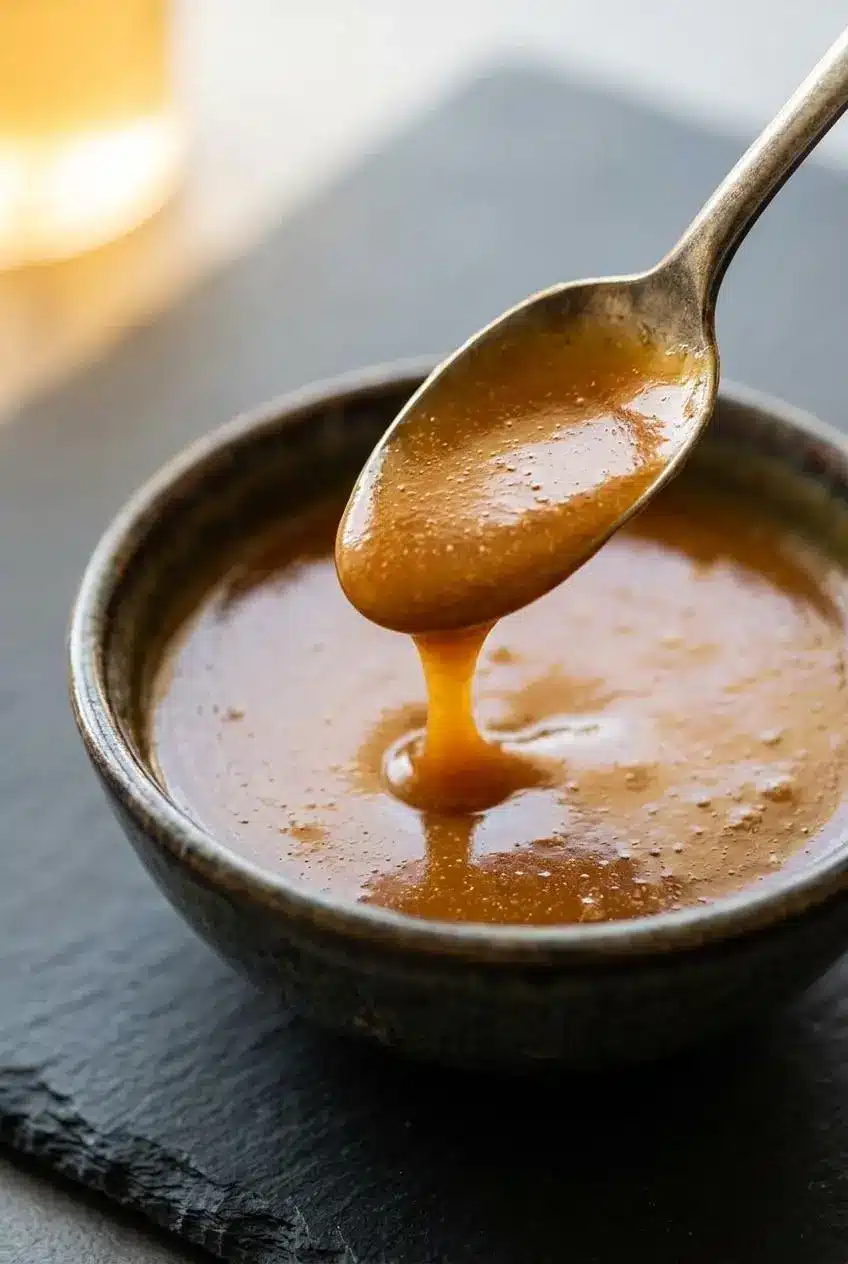
Gentle heat matters here because banana and brown sugar can catch quickly on the bottom of the pan. Keep the mixture at a calm simmer, stir often enough to protect the sugars, and blend while warm for the smoothest texture.
- Place the mashed bananas, vinegar, brown sugar, soy sauce, and rum if using in a saucepan, then stir until combined.
The mixture will look loose and pale at first, with streaks of brown sugar throughout. - Set the pan over medium-low heat and simmer for about 10 minutes, stirring occasionally.
When ready, the sauce should smell sweeter than sharply vinegary and lightly coat the back of a spoon. - Transfer the warm mixture to a blender or food processor and process until fully smooth.
Blend until no banana grit remains and the ketchup looks velvety and glossy.
Do not rush the simmer with high heat. A hard boil can scorch the natural sugars before the vinegar has time to mellow. If the sauce begins to stick around the edges, lower the heat and stir across the bottom of the pan.
Flavor Variations and Regional Styles
Keep the main sauce as written, then adjust a portion after cooking if you want to explore another flavor direction. A pinch of smoked paprika and some grated fresh ginger add warmth and a faint smoky edge without hiding the banana.
Spicy Chili Banana Ketchup
For heat that balances the fruit, add minced bird’s eye chiles or crushed red pepper flakes during the simmer. Start cautiously, because the spice becomes more noticeable as the sauce reduces. This version is especially good with fried chicken, crispy wings, and grilled pork.
Caribbean Spiced Style
Caribbean-style banana ketchup often moves in a more savory, aromatic direction. Curry powder and allspice bring earthy warmth, while the fruit still provides body and a gentle sweetness. Add these seasonings to a separate portion so the original sauce remains unchanged.
Best Ways to Serve, Pair, and Glaze
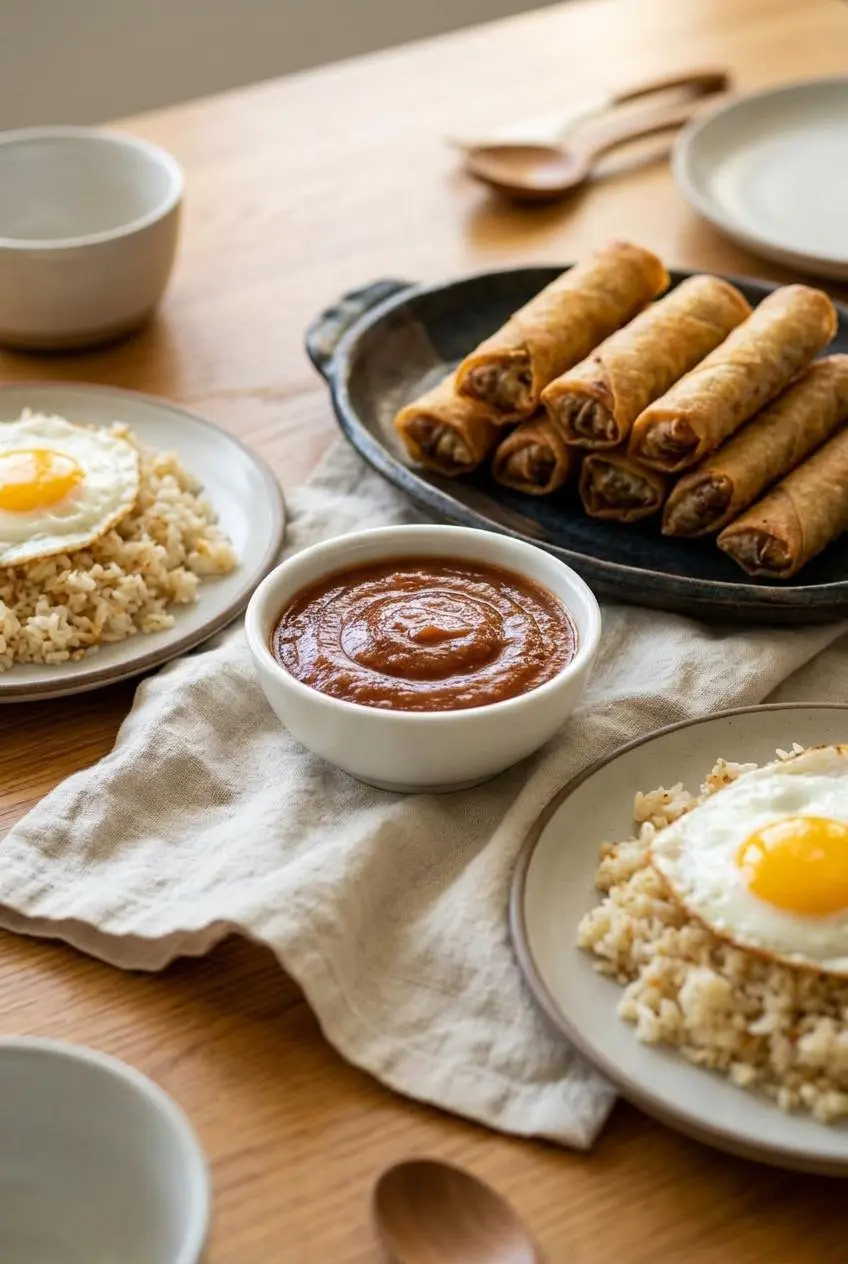
This sauce earns its place wherever sweet, tangy flavor helps balance something salty, smoky, or crisp. Serve it at the table as a dip, or brush it on near the end of cooking when you want a sticky glaze.
- Filipino breakfast: Spoon it alongside garlic fried rice and fried eggs for a sweet-salty contrast.
- Crispy foods: Use it as a dip for lumpia, French fries, fried chicken, and other crunchy finger foods.
- Grilled meats: Brush it onto pork skewers, pork chops, burgers, or chicken wings near the end of grilling so the sugars caramelize without burning.
- Seafood: Pair it with grilled shrimp or crisp fried fish for a fruity alternative to standard tomato ketchup.
For glazing, use a light coat first, then add more as the food finishes cooking. Too much sauce too early can darken before the meat has time to cook through.
Storage and Troubleshooting Tips
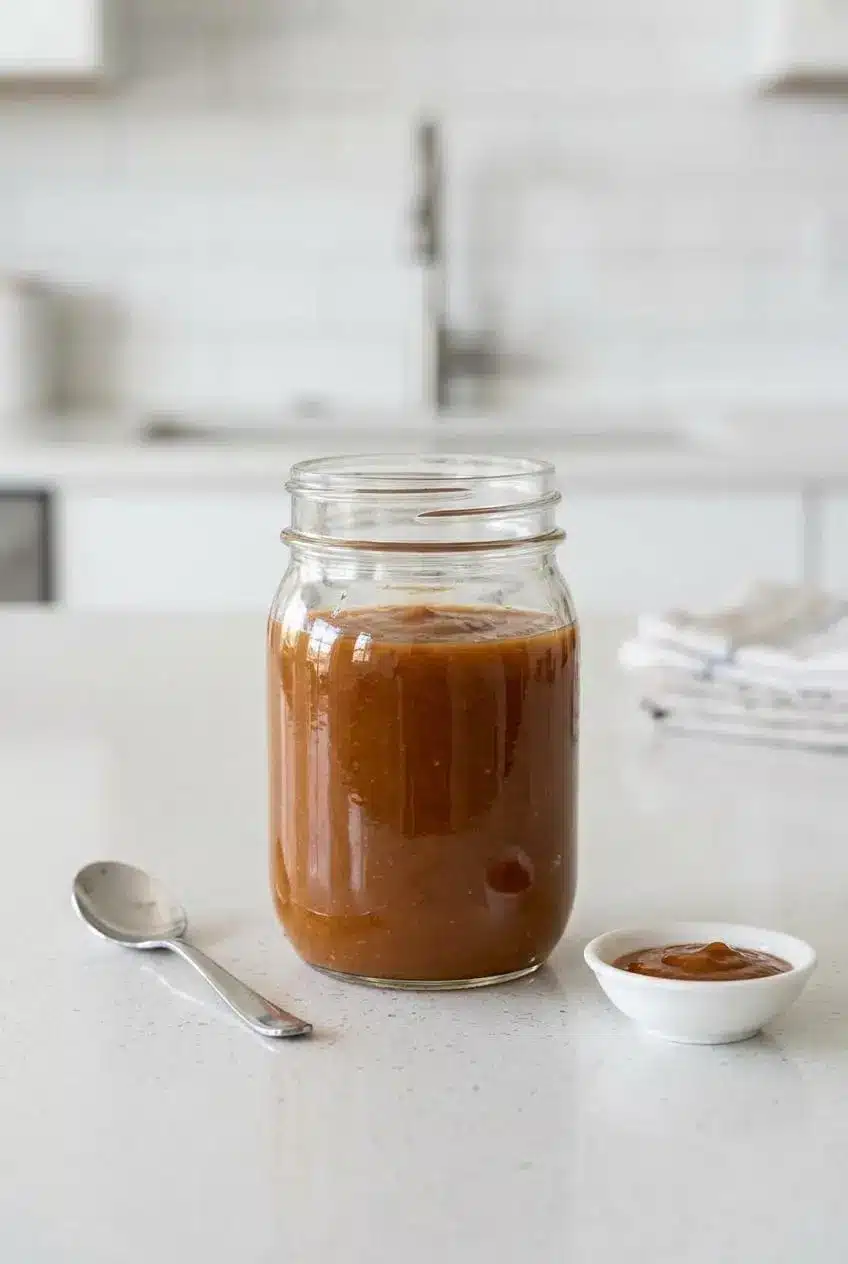
Cool the sauce completely before transferring it to a clean, airtight glass jar and refrigerating it. This homemade condiment is not shelf-stable, so keep it chilled and avoid home canning without a tested preservation formula.
Refrigeration Guidelines
Store the cooled ketchup in a clean airtight container in the refrigerator. Use a clean spoon each time to help keep the jar tidy, and discard the sauce if it develops an off odor, visible mold, or an unusual texture.
For the best flavor and texture, make it close to the time you plan to serve it. The sauce may firm up after chilling, so stir it well before using.
Fixing Common Texture and Flavor Issues
- Too thick: Stir in a small splash of water or vinegar until the ketchup loosens to your preferred consistency.
- Too thin: Return it to the saucepan and simmer gently, stirring regularly, until it coats a spoon more heavily.
- Grainy texture: Blend the sauce thoroughly while it is still warm. Soft ripe bananas make this much easier.
- Scorched flavor: Burnt sugar can overpower the whole batch. If the bottom catches badly, it is better to start again with lower heat than scrape burnt residue into the sauce.
- Overly sweet taste: Add a little more vinegar gradually to restore the tangy balance.
- Too sharp: Let the sauce simmer gently so the vinegar edge has time to soften into the fruit.
Conclusion
Fresh banana ketchup is a lively way to turn ripe bananas into a glossy condiment with sweet fruit, tangy vinegar, and savory soy sauce in every spoonful.
Use well-ripened bananas, keep the heat gentle, and blend until completely smooth. A small jar can make a familiar meal feel much more interesting.
Frequently Asked Questions
What Does Banana Ketchup Taste Like?
It tastes sweet, tangy, and savory, with soft tropical fruit notes. Its balance is similar to sweetened tomato ketchup, though banana gives it a fuller, warmer flavor. Vinegar and soy sauce keep it from tasting like a dessert sauce.
Why Is Commercial Banana Ketchup Red if Bananas Are Yellow?
Commercial producers traditionally added red food coloring to make banana ketchup look more like tomato ketchup. The color helped the condiment feel familiar on the table. Homemade versions can stay naturally golden amber or brown.
How Long Does Homemade Banana Ketchup Last in the Fridge?
Keep homemade banana ketchup in a clean, airtight glass container in the refrigerator. Because this version is homemade and not shelf-stable, keep it chilled and check it before serving. Discard it if the smell, texture, or appearance changes noticeably.
Where Can You Buy Banana Ketchup in the US?
Look for it at Asian supermarkets and Filipino grocery stores. Caribbean specialty markets may carry banana ketchup in their condiment section. Many online grocers stock brands such as UFC and Jufran.
What Dishes Pair Best with Banana Ketchup?
Try it with fried chicken, lumpia, French fries, and crispy wings. It is a classic match for garlic fried rice and fried eggs. Use it as a finishing glaze for grilled pork skewers, burgers, chicken, or shrimp.
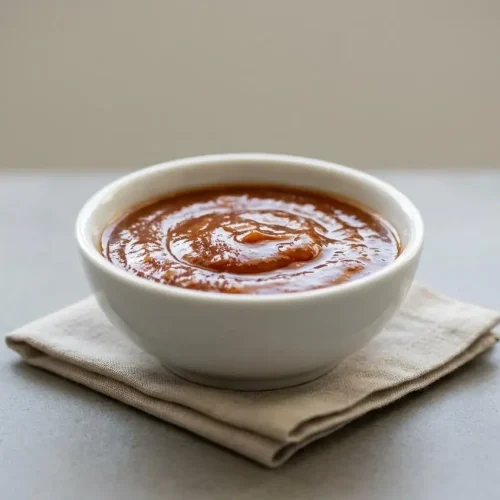
Banana Ketchup

Equipment
- Saucepan
- Blender or Food Processor
Ingredients
- Mashed bananas
- Vinegar
- Brown sugar
- Soy sauce
- Rum, optional
Instructions
- Place the mashed bananas, vinegar, brown sugar, soy sauce, and rum if using in a saucepan, then stir until combined. The mixture will look loose and pale at first, with streaks of brown sugar throughout.
- Set the pan over medium-low heat and simmer for about 10 minutes, stirring occasionally. When ready, the sauce should smell sweeter than sharply vinegary and lightly coat the back of a spoon.
- Transfer the warm mixture to a blender or food processor and process until fully smooth. Blend until no banana grit remains and the ketchup looks velvety and glossy.