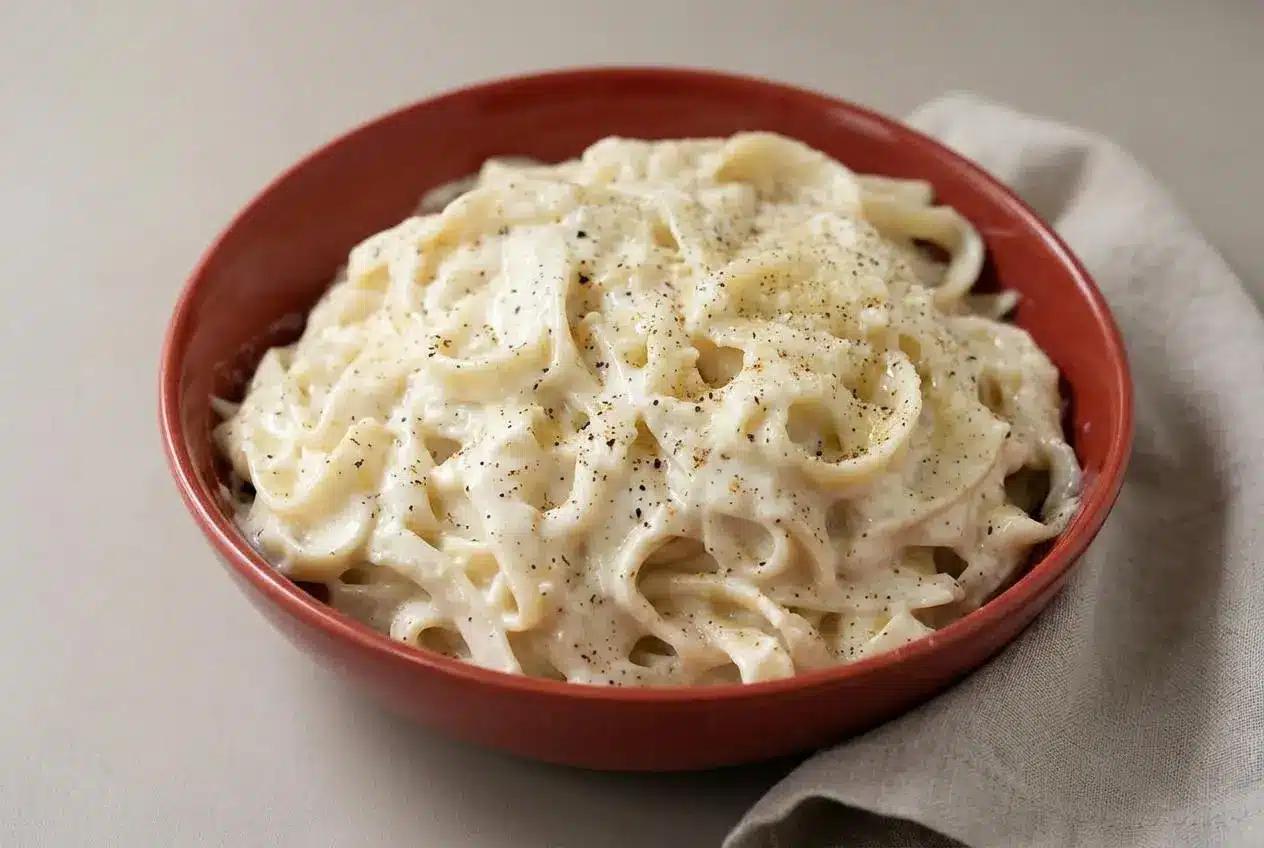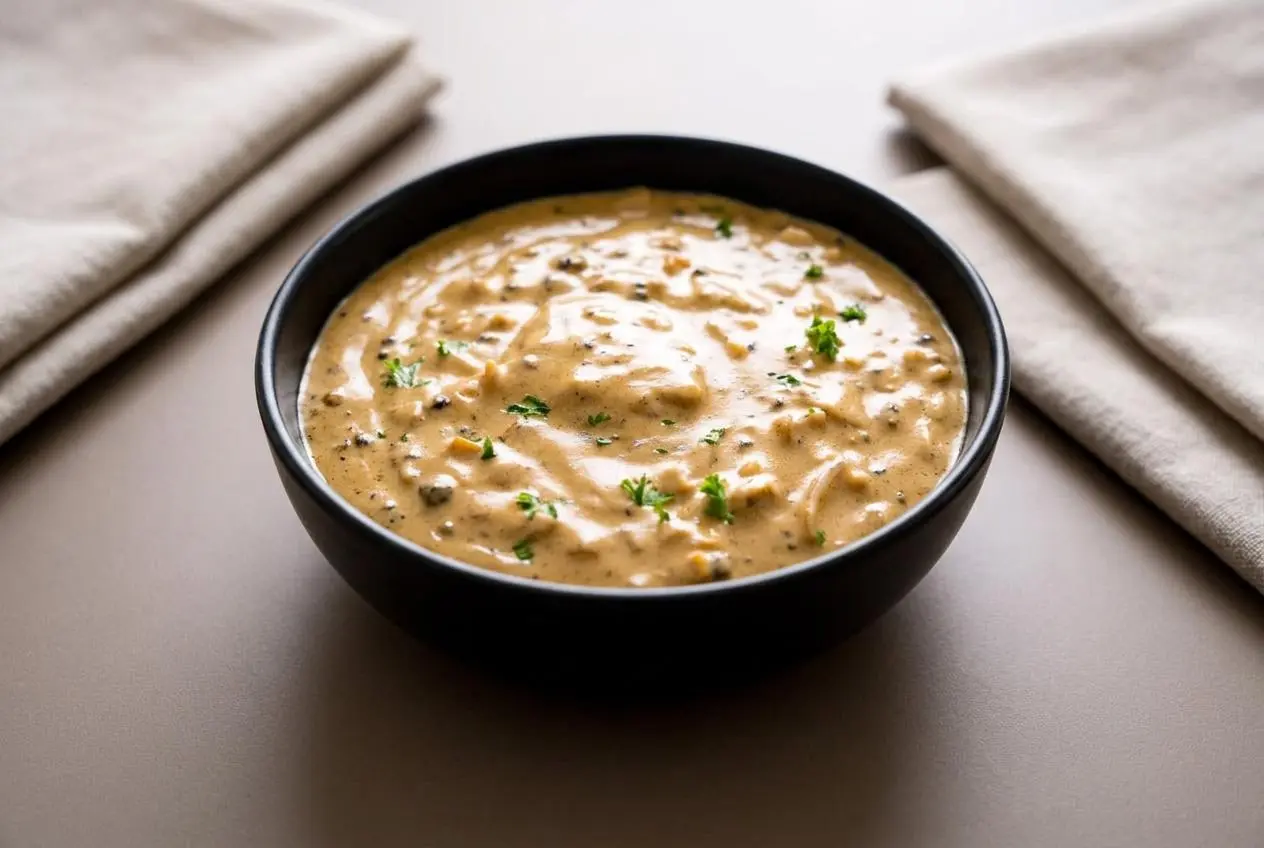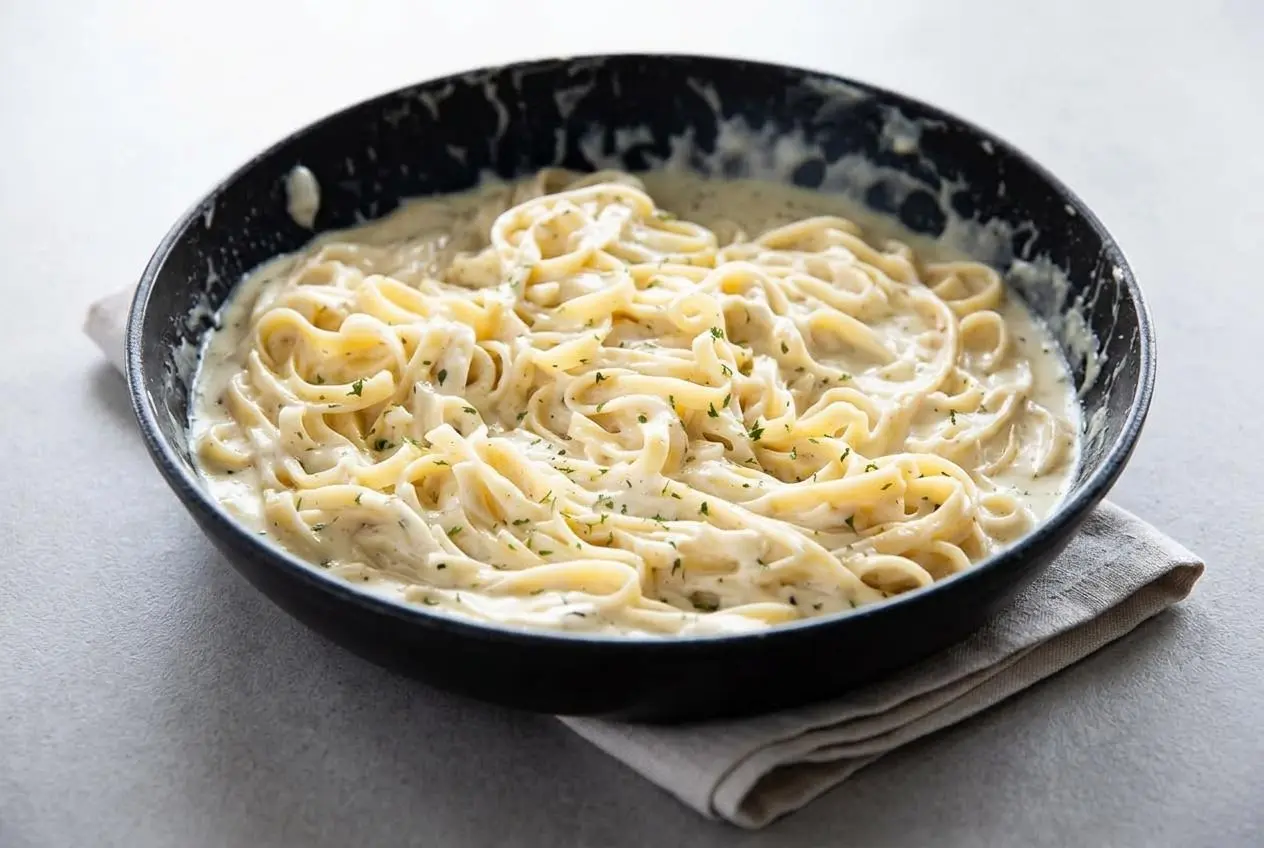
Make homemade Alfredo sauce in 10 minutes by gently simmering butter and heavy cream, then whisking in garlic, seasonings, and freshly grated Parmesan until smooth and velvety.
This alfredo sauce recipe delivers a rich, garlicky cream sauce with a satin finish and enough body to coat warm pasta beautifully.
The aroma of garlic warming in butter and cream is reason enough to keep the skillet nearby. The cheese technique makes the difference.
Grate the Parmesan before heating the skillet so it can melt gradually while the cream stays calm and gently bubbling.
Essential Ingredients for Homemade Alfredo Sauce
Each ingredient builds the sauce’s character: butter creates richness, cream provides a smooth body, garlic adds aroma, seasonings bring balance, and Parmesan gives the sauce its savory structure.
- 1/2 Cup Butter
- 1 1/2 Cups Heavy Whipping Cream
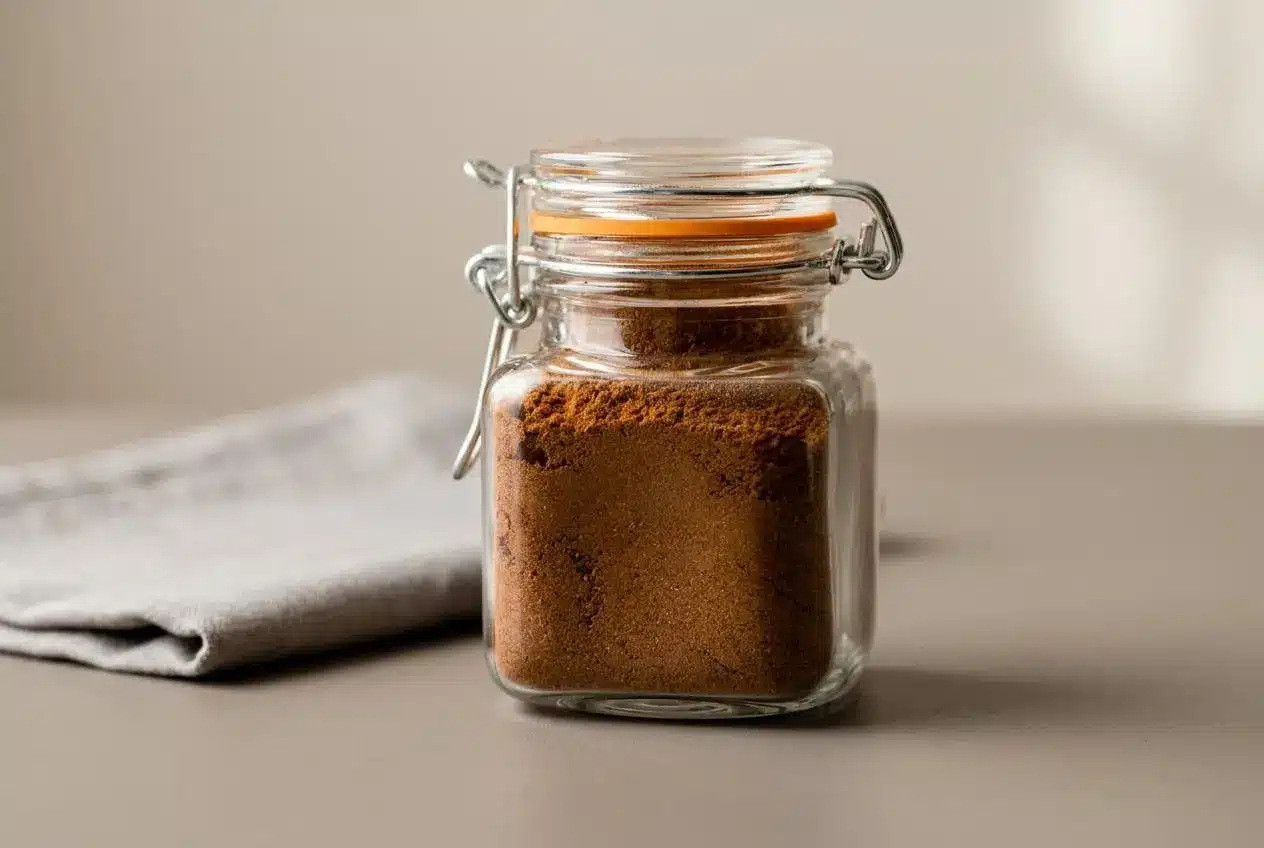
- 2 Teaspoons Garlic Minced
- 1/2 Teaspoon Italian Seasoning
- 1/2 Teaspoon Salt
- 1/4 Teaspoon Pepper
- 2 Cups Freshly Grated Parmesan Cheese
The Role of High-Fat Heavy Cream
Heavy whipping cream gives this sauce its luxurious texture without needing flour or another thickener. Its higher fat content helps the butter and cheese blend into a stable emulsion, while the cream carries the warm flavor of garlic and Italian seasoning through every bite.
Use low heat from the start. The cream should show a quiet, delicate simmer around the edges rather than a hard boil. Vigorous bubbling can push the dairy fats apart and leave the sauce looking oily.
Why Freshly Grated Parmesan Matters
Freshly grated Parmesan melts more evenly because it has no added starches or anti-caking agents. Pre-shredded bagged cheese and shelf-stable shaker cheese can resist melting, leaving a grainy or clumpy sauce instead of the glossy finish you want.
Parmigiano-Reggiano from a wedge is especially flavorful, though any good block Parmesan works well. Grate it finely so it disappears into the warm cream with less whisking.
I grate Parmesan on the small holes of a box grater for this sauce because the fine shreds melt quickly before the cream has a chance to overheat.
How to Make Alfredo Sauce
Keep the pan over low heat throughout the method. This short cooking process works because the dairy warms gently, the garlic perfumes the sauce without browning, and the cheese melts into a smooth finish.
- Place the butter and heavy whipping cream in a large skillet over low heat.
Warm them together until the butter melts and the cream begins to make small, gentle bubbles around the pan. - Keep the mixture at a low simmer for 2 minutes.
The surface should stay calm and creamy rather than rapidly boiling. - Whisk in the minced garlic, Italian seasoning, salt, and pepper, then cook for 1 minute.
The garlic should smell fragrant and mellow, with no browning or sharp toasted aroma. - Add the freshly grated Parmesan gradually, whisking until it melts into the cream.
The sauce is ready when it looks glossy, smooth, and thick enough to coat the whisk. - Take the skillet off the heat and serve the sauce immediately.
It will continue to settle and thicken slightly as it stands.
Techniques for a Silky, Lump-Free Sauce
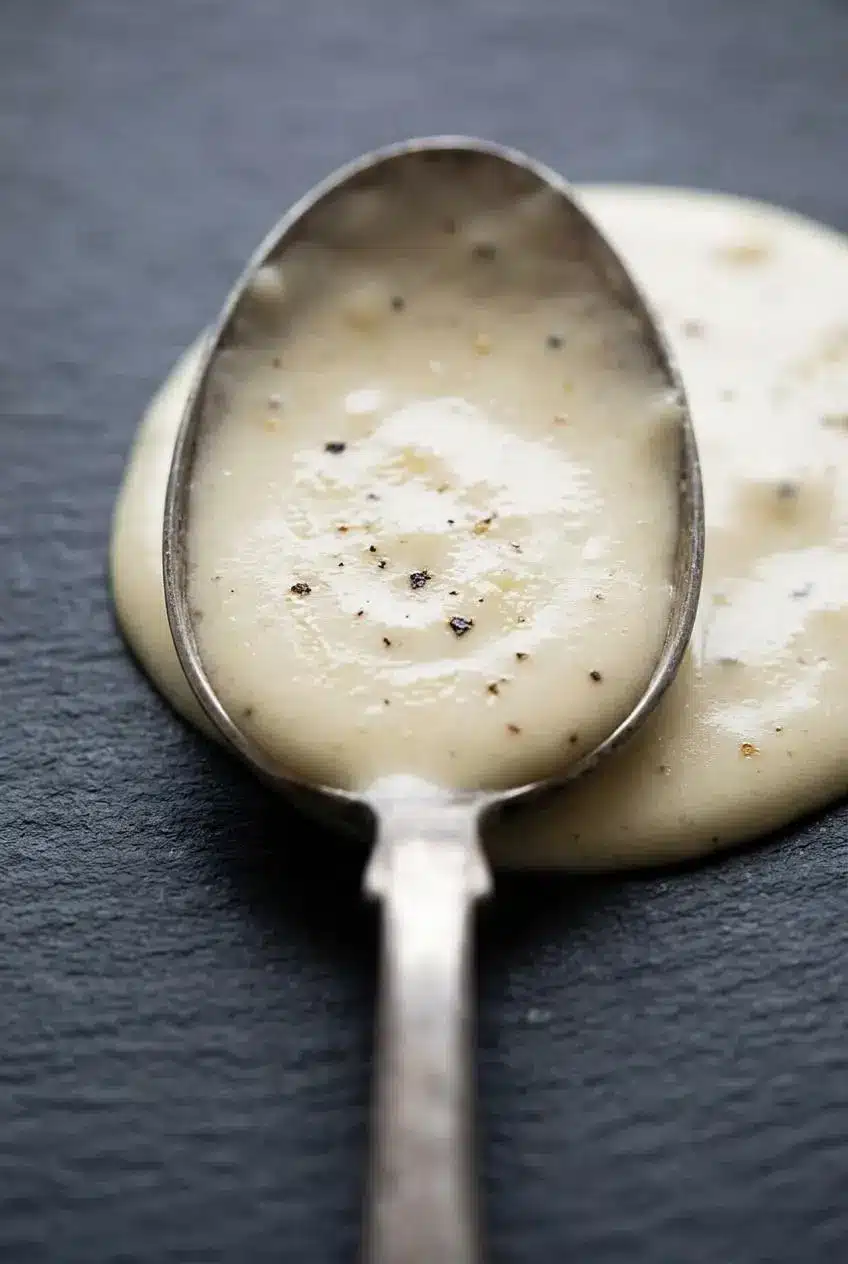
Low heat and gradual whisking are the two habits that protect Alfredo from separating. Let the sauce build its thickness naturally instead of turning up the burner to rush it.
- If the sauce looks oily: The dairy likely got too hot. Remove the skillet from the burner and whisk steadily until the sauce comes back together. A small splash of cream can help loosen the texture while you whisk.
- If the sauce feels grainy: The cheese may have been pre-shredded or added too quickly. Use finely grated block Parmesan next time and add it in small handfuls, letting each addition melt before adding more.
- If the sauce seems thin: Let it rest off the heat for 2 minutes. Parmesan and cream continue to thicken as the sauce cools slightly, without the risk of boiling.
- If the sauce clings poorly to pasta: Toss it with hot pasta in the skillet. A little starchy pasta cooking water can help the sauce grab onto fettuccine instead of pooling underneath it.
- If the garlic tastes harsh: Keep it away from high heat. It needs just a minute in the warm cream to soften and perfume the sauce.
A smooth Alfredo should have a glossy satin sheen, not a greasy layer on top. Whisk with enough movement to keep the cheese moving through the cream, but do not whip aggressively once the sauce is fully melted.
How to Store and Reheat Alfredo Sauce
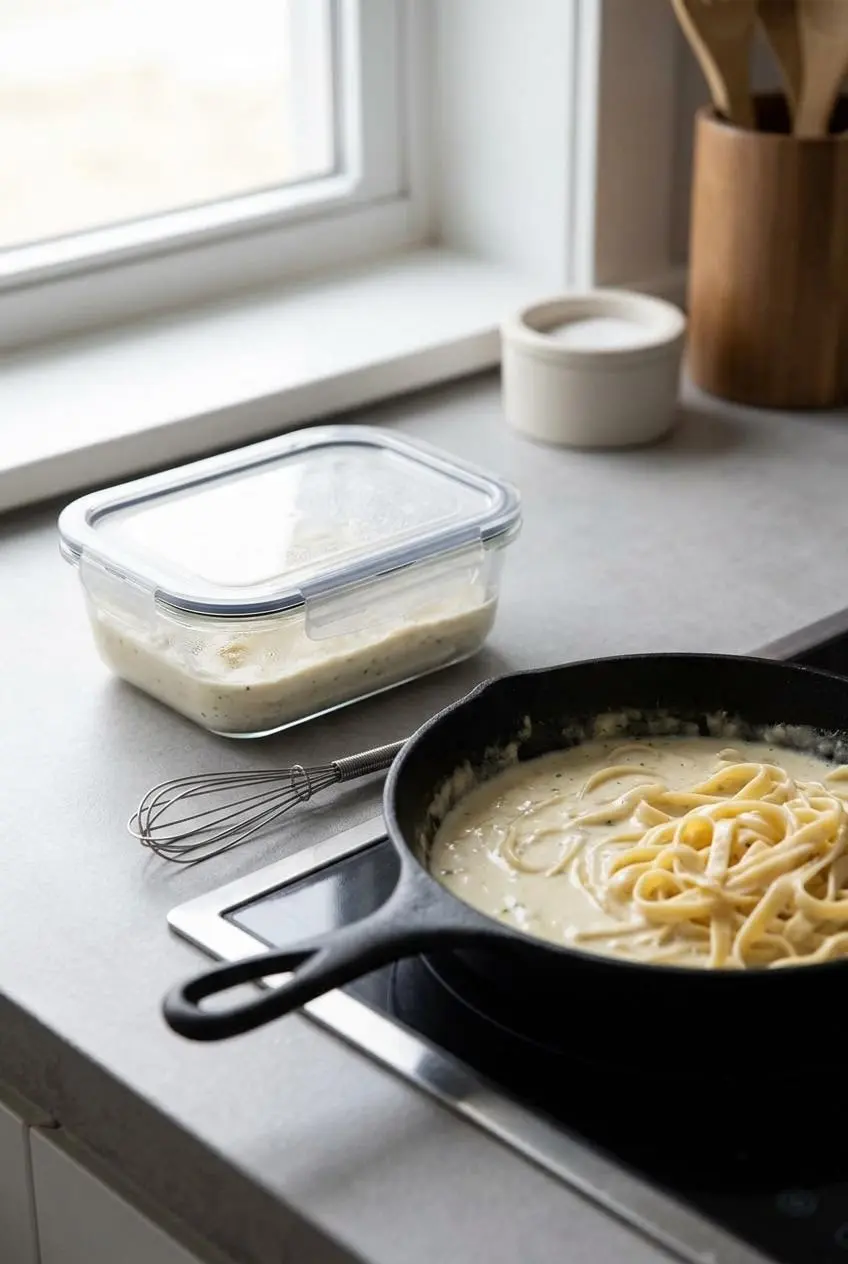
Cool leftover sauce, transfer it to an airtight container, and keep it chilled until you are ready to use it. Cream sauces are at their best when reheated gently rather than held for long periods.
For the smoothest result, warm the sauce in a skillet over very low heat. Add a splash of milk or fresh cream and whisk constantly as it loosens. Stop warming as soon as the sauce looks glossy and fluid again.
A microwave can work for a small portion, but avoid high power. Use gentle heat and stir between warming intervals so the butterfat is less likely to separate. If the sauce still looks a little thick after reheating, whisk in another small splash of dairy rather than increasing the heat.
Smart Substitutions and Dietary Variations
These changes are optional and create a different sauce from the creamy Parmesan version above. Keep the original method intact when you want the richest, most classic result.
Using Milk or Half-and-Half
Half-and-half makes a lighter Alfredo, but it produces a thinner sauce because it contains less fat than heavy cream. For a more substantial texture, use a light flour roux or a cornstarch slurry before adding the dairy, then warm it gently until it thickens.
Whole milk can also work with a thickener, though it will have a lighter mouthfeel and less of the buttery coating quality that heavy cream provides. For another lighter dinner direction, try this low-calorie chicken Alfredo.
Garlic, Herb, Lemon, and Nutmeg Options
For more depth, stir in a pinch of freshly grated nutmeg after removing the skillet from the heat. It adds warmth without taking over the Parmesan.
- Add lemon zest off heat for a brighter edge that cuts through the sauce’s richness.
- Fold in sautéed garlic and chopped fresh parsley for a stronger garlic-herb finish.
- Stir in sautéed mushrooms or roasted broccoli for a heartier vegetable version.
Serving Suggestions and Pairing Ideas
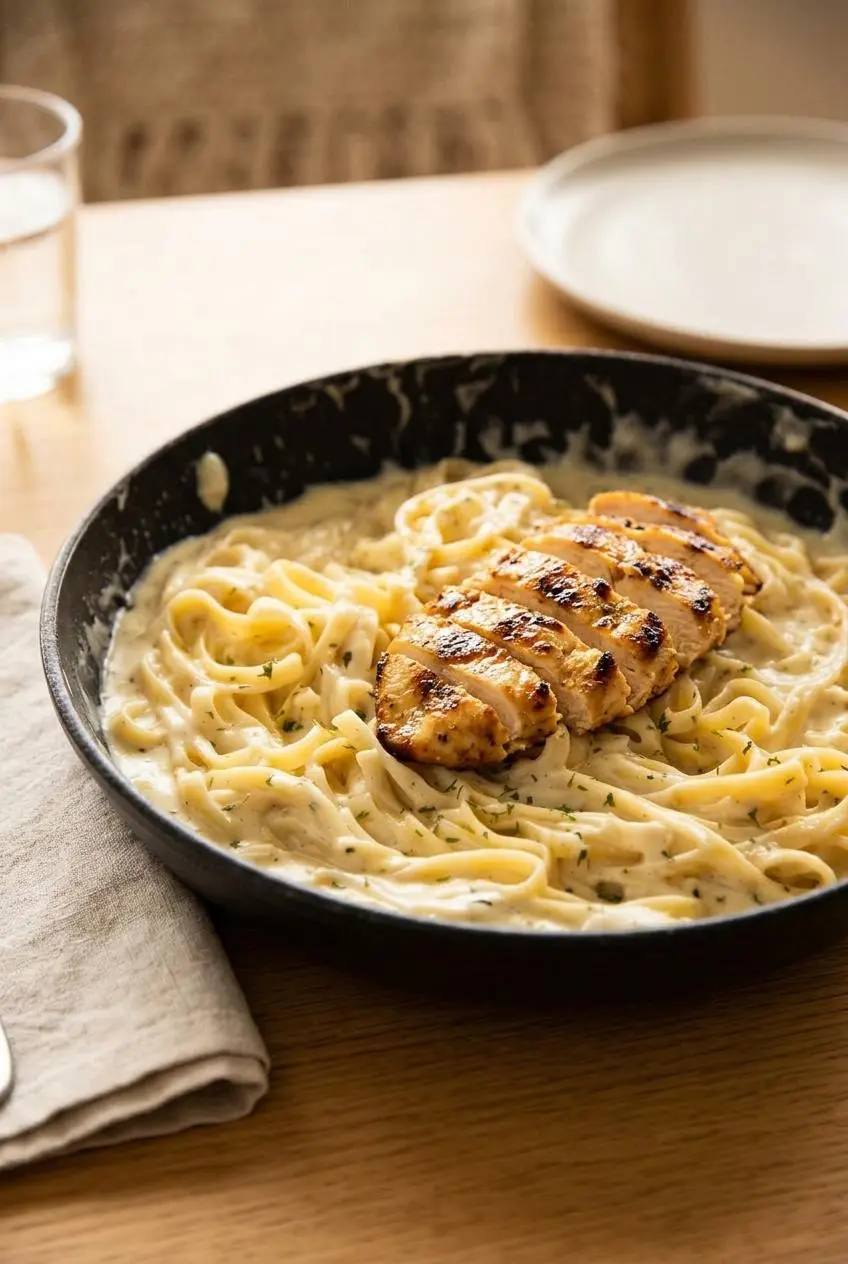
This sauce shines on pasta, but it is also a flexible creamy base for weeknight meals and casual appetizers.
Classic Pasta and Protein Pairings
Toss hot fettuccine directly in the skillet so every strand gets coated before the sauce tightens. Add sliced grilled chicken breast for a familiar dinner, or use seared garlic shrimp when you want a faster seafood option.
For a complete pasta dinner built around this sauce, chicken fettuccine alfredo is a satisfying way to turn the skillet into a full meal.
Creamy Vegetable, Gnocchi, and Pizza Bases
Potato gnocchi works especially well because its soft ridges catch the sauce. Toss it with roasted broccoli florets or sautéed mushrooms for a comforting meatless bowl.
Spread the sauce over flatbread before baking for a rich white base, or serve it warm beside garlic breadsticks for dipping. Keep the sauce loose enough to dip by whisking in a touch of cream just before serving.
Conclusion
A warm skillet, low heat, and freshly grated Parmesan are all it takes to make a velvety Alfredo sauce in about 10 minutes. The butter and cream create the foundation, while the Parmesan brings the sauce together.
Keep the simmer gentle, add the cheese gradually, and let the finished sauce rest briefly off heat. That calm approach gives you the glossy, garlicky finish that makes Alfredo so comforting.
Frequently Asked Questions
What Is the Secret to a Good Alfredo Sauce?
Use Parmesan grated from a block and keep the cream at a gentle simmer. Add the cheese gradually over low heat, then let the sauce rest off the burner briefly so it thickens without separating.
Can I Use Milk Instead of Heavy Cream in My Alfredo Sauce?
Yes, but milk makes a thinner sauce. Use whole milk or half-and-half with a light flour roux or cornstarch slurry if you want a thicker consistency that coats pasta well.
Why Did My Alfredo Sauce Turn Out Grainy or Oily?
Graininess usually comes from pre-shredded cheese that contains anti-caking ingredients. An oily surface usually means the sauce overheated. Remove it from the heat, whisk steadily, and use freshly grated Parmesan next time.
How Do You Reheat Leftover Alfredo Sauce Without It Separating?
Warm it in a skillet over very low heat and whisk in a splash of milk or cream as it loosens. Avoid high heat, which can cause the butterfat and dairy proteins to pull apart.
Alfredo Sauce Recipe

Equipment
- Large Skillet
- Whisk
Ingredients
- 1/2 Cup Butter
- 1 1/2 Cups Heavy Whipping Cream
- 2 Teaspoons Garlic Minced
- 1/2 Teaspoon Italian Seasoning
- 1/2 Teaspoon Salt
- 1/4 Teaspoon Pepper
- 2 Cups Freshly Grated Parmesan Cheese
Instructions
- Place the butter and heavy whipping cream in a large skillet over low heat. Warm them together until the butter melts and the cream begins to make small, gentle bubbles around the pan.
- Keep the mixture at a low simmer for 2 minutes. The surface should stay calm and creamy rather than rapidly boiling.
- Whisk in the minced garlic, Italian seasoning, salt, and pepper, then cook for 1 minute. The garlic should smell fragrant and mellow, with no browning or sharp toasted aroma.
- Add the freshly grated Parmesan gradually, whisking until it melts into the cream. The sauce is ready when it looks glossy, smooth, and thick enough to coat the whisk.
- Take the skillet off the heat and serve the sauce immediately. It will continue to settle and thicken slightly as it stands.