A great lemon loaf gets its bright flavor from fresh zest, lemon juice, and a warm syrup soak, while buttermilk keeps the crumb tender and velvety beneath a thick lemon glaze.
This lemon loaf has the bakery-style balance people love: a buttery, close-textured crumb, punchy citrus aroma, and a sweet white icing that contrasts with the tart syrup underneath.
Fresh zest perfumes the batter before it ever reaches the oven, and the glaze gives every slice that coffeehouse finish. The slow-drip icing is worth the wait.
Set the butter and eggs on the counter before starting so they blend smoothly into the batter instead of leaving small curds or lumps.
Ingredients for Lemon Loaf and Why They Work
Each ingredient supports the loaf’s citrus flavor, tender structure, buttery richness, moist crumb, or opaque finish, so the finished cake tastes balanced rather than merely sweet.
For the lemon pound cake
- 1 ½ cups all-purpose flour
- 1 ½ tsp baking powder
- 1 Tbsp lemon zest
- ½ tsp salt
- ½ cup unsalted butter, room temperature
- 1 cup granulated sugar
- 2 large eggs, room temperature
- 1 tsp vanilla extract
- 2 Tbsp lemon juice, about 1/2 lemon
- ½ cup buttermilk
For the lemon syrup
- ¼ cup lemon juice, about 1 lemon
- 3 Tbsp powdered sugar
For the lemon icing
- 1 cup powdered sugar, sifted
- 1 ½ Tbsp lemon juice
- 1 Tbsp milk
Butter gives this loaf its rich pound-cake character and supports a fine crumb when properly creamed with sugar. Eggs add structure, baking powder lifts the batter, and salt keeps the lemon and sugar from tasting flat. The syrup brings tartness deep into the loaf, while sifted powdered sugar creates a smooth glaze without gritty bits.
I rub the zest into the granulated sugar with my fingertips until the sugar feels damp and smells intensely lemony, which helps prevent clumps of zest in the finished crumb.
The Power of Fresh Lemon Zest and Juice
Fresh lemon zest carries the fragrant oils found in the outer yellow peel, giving the loaf its floral, sunny citrus character without adding excess liquid. Rub the zest into the sugar before creaming it with the butter. The friction releases those oils and distributes them through the batter, so the lemon flavor reaches every bite.
Fresh juice also tastes cleaner in both the syrup and glaze. Bottled juice can work in a pinch for batter acidity, but it cannot replace the aroma of freshly zested lemons, and fresh lemons are already needed for the zest.
Buttermilk for Supreme Tenderness
Buttermilk’s acidity softens flour proteins as the batter comes together, helping create a velvety crumb instead of a chewy one. Its gentle tang also keeps the sweet glaze from overwhelming the lemon flavor.
A butter-based loaf tastes richer and has a tighter, more pound-cake-like texture than an oil-based loaf. Neutral oil can make a cake feel softer, but butter gives this version the bakery aroma and fine crumb that pair especially well with the syrup soak.
How to Make the Perfect Lemon Loaf Step by Step
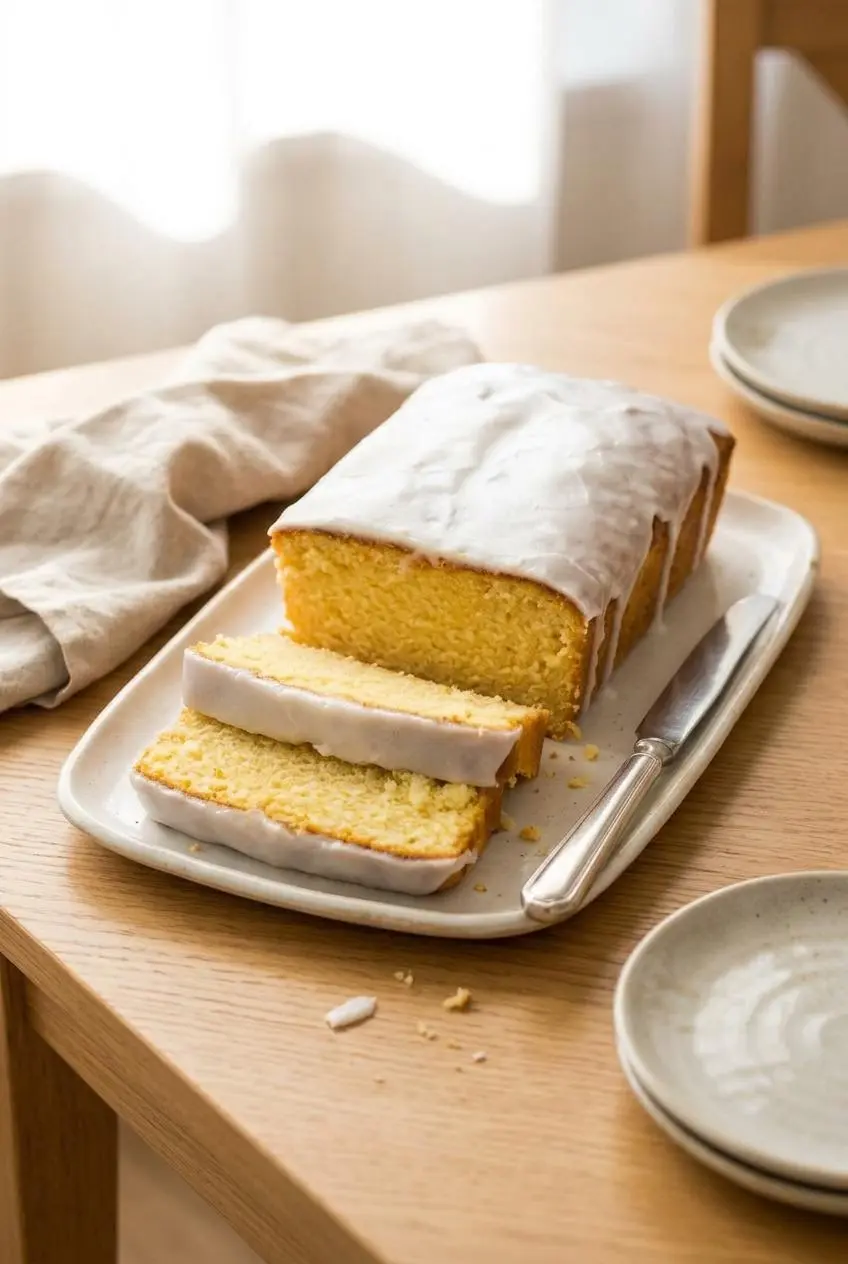
Use a prepared loaf pan, fully aerated butter, and gentle mixing after the flour goes in. Those three details make the difference between a lofty, tender loaf and a dense one.
- Heat the oven to 350°F (177°C) and grease a 9×5-inch (or 8×4-inch) loaf pan.
Coat the corners well so the warm loaf releases cleanly after its initial cooling time. - Whisk the flour, baking powder, lemon zest, and salt in a medium bowl.
Break up any concentrated bits of zest so the citrus is evenly spread through the dry mixture. - Beat the room-temperature butter and sugar with a paddle attachment or electric mixer on medium-high speed for 4-6 minutes, scraping the bowl when needed.
The mixture should become pale ivory, noticeably fluffier, and lighter in texture. - Reduce the mixer to low and add the eggs one at a time, then mix in the vanilla extract and lemon juice before beating briefly on medium-high.
The batter should look smooth and cohesive rather than separated or curdled. - With the mixer on low, add one-third of the flour mixture, then half the buttermilk; repeat with another third of flour, the remaining buttermilk, and the final flour addition.
Stop as soon as no dry streaks remain, because extended mixing makes the crumb firm and rubbery. - Spread the batter in the prepared pan and bake for 45-55 minutes.
The top should be golden brown, a toothpick should emerge with only a couple of moist crumbs, and the center should offer gentle resistance when lightly pressed. - Cool the loaf in the pan for about 15 minutes while stirring together the lemon juice and powdered sugar for the syrup, then turn the loaf onto a wire rack.
Brush the syrup over the warm cake so it absorbs into the crumb instead of sitting on the surface. - Let the loaf cool completely, then stir the powdered sugar, milk, and lemon juice for the icing, beginning with 1 Tbsp lemon juice and adding the remaining lemon juice as needed.
Drizzle the thick icing over the cooled loaf and leave it undisturbed until the surface sets.
Creaming and Batter Assembly
Creaming is the stage that builds the loaf’s airy foundation. Give the butter and sugar the full mixing time, then scrape the bowl so no dense butter layer hides along the bottom. The finished mixture should look pale, soft, and almost whipped.
Once flour enters the bowl, switch from aerating to protecting the batter. Low speed keeps the gluten from developing too much, and alternating the flour with buttermilk prevents the mixture from becoming stiff. The batter should be thick but spreadable, with a smooth, satin-like look.
The Bakery Scoring Trick for an Even Rise
For a more defined center crack, lightly oil a spatula or knife and draw one shallow line down the middle of the wet batter before baking. This small groove encourages the loaf to open along the center as steam expands, creating a neat domed crown rather than an unpredictable split.
Keep the line shallow. A deep cut can deflate the surface and leave a trench instead of a rounded top.
The Two-Step Citrus Finish With Lemon Syrup and Opaque Glaze
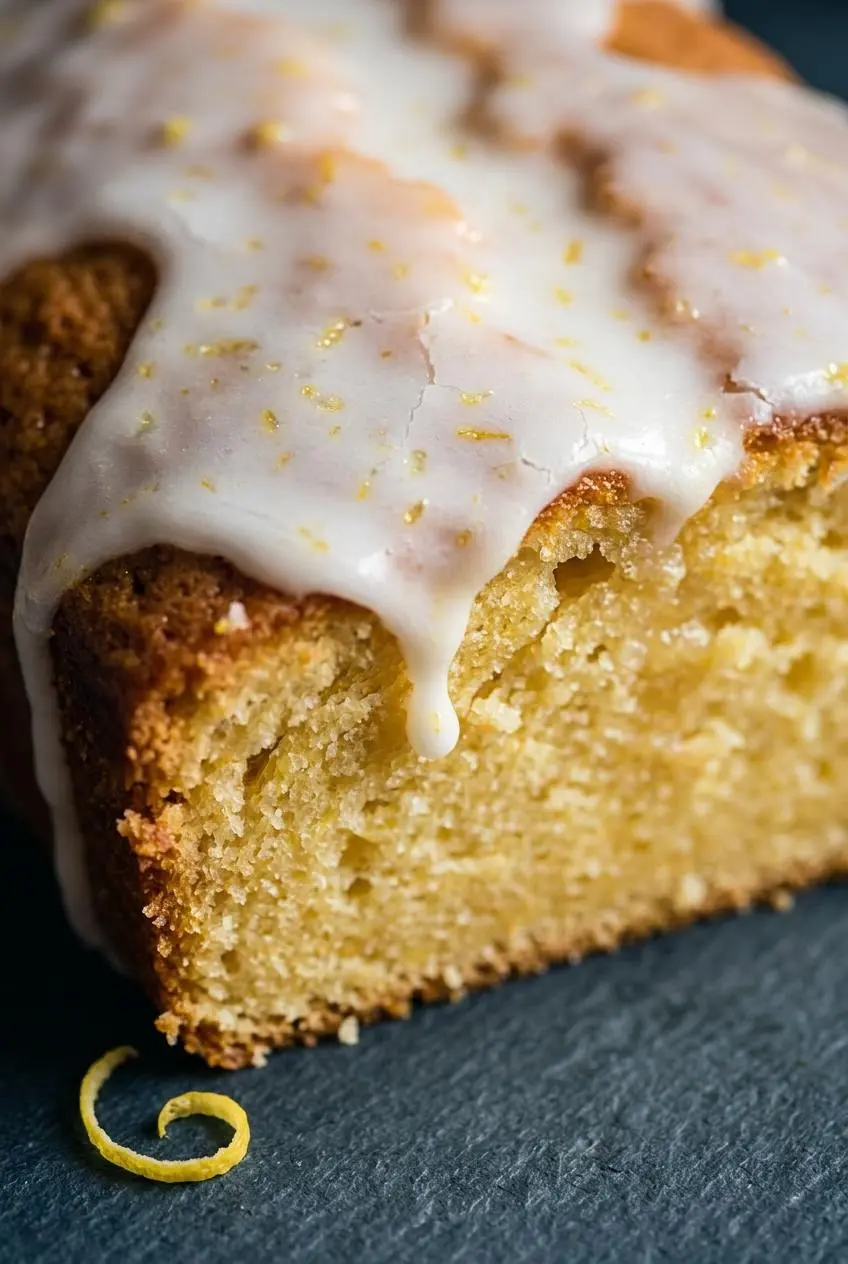
The syrup and glaze do different jobs. The syrup carries tart lemon flavor into the warm crumb, while the glaze provides the sweet, thick coating that makes the top feel like a bakery treat.
After turning out the warm loaf, use a skewer or toothpick to make shallow holes across the top and sides. Brush the syrup gradually, giving it a moment to sink in before adding more. This keeps the surface from becoming soggy while bringing lemon flavor below the crust.
Wait until the loaf is completely cool before adding icing. A warm cake melts powdered-sugar glaze into a thin, translucent puddle. The right consistency should cling to the back of a spoon, then fall in a slow ribbon that holds its shape for a moment before settling.
If the icing seems too thick to drizzle, add the remaining lemon juice gradually. If it becomes loose, whisk in more powdered sugar until it looks white and opaque again. Avoid bottled lemon juice here, since fresh juice gives the cleanest citrus finish.
Lemon Thyme Option
For a subtle herbal version, steep two sprigs of fresh lemon thyme in the warm lemon syrup, then remove them before brushing the syrup over the loaf. The herb adds a soft botanical aroma that rounds out the citrus without making the cake taste savory.
Troubleshooting Common Lemon Loaf Baking Mistakes
Quick breads are forgiving when you catch the warning signs early. These fixes target the problems most likely to affect the crumb, rise, and glaze.
- Sunken center: The middle likely needed more baking time, the oven door was opened before the loaf had set, or the baking powder had lost strength. Keep the door closed through the early bake, check the baking powder’s freshness, and bake until the toothpick shows only moist crumbs rather than wet batter.
- Dark top with an underdone middle: The loaf is browning faster than the center is baking. At about the 35-minute mark, loosely tent the pan with foil if the top already looks deeply golden, leaving room for heat to circulate around the loaf.
- Dense or rubbery crumb: Overmixing after flour was added develops too much gluten. Mix on low only until the final flour streaks disappear, then stop.
- Large tunnels inside the loaf: Aggressive mixing can trap large air channels in the batter. Scrape the bowl during creaming, then use a restrained low-speed mix once the dry ingredients are added.
- Gummy layer near the bottom: This usually means the loaf was sliced before it finished cooling or came out before the center fully baked. Let the syrup-soaked loaf cool completely on the rack before glazing and cutting.
- Thin, transparent glaze: The loaf was still warm or the icing contained too much liquid. Cool the cake fully, then aim for a slow drizzle rather than a fast pour.
Storing Lemon Loaf for Fresh Texture
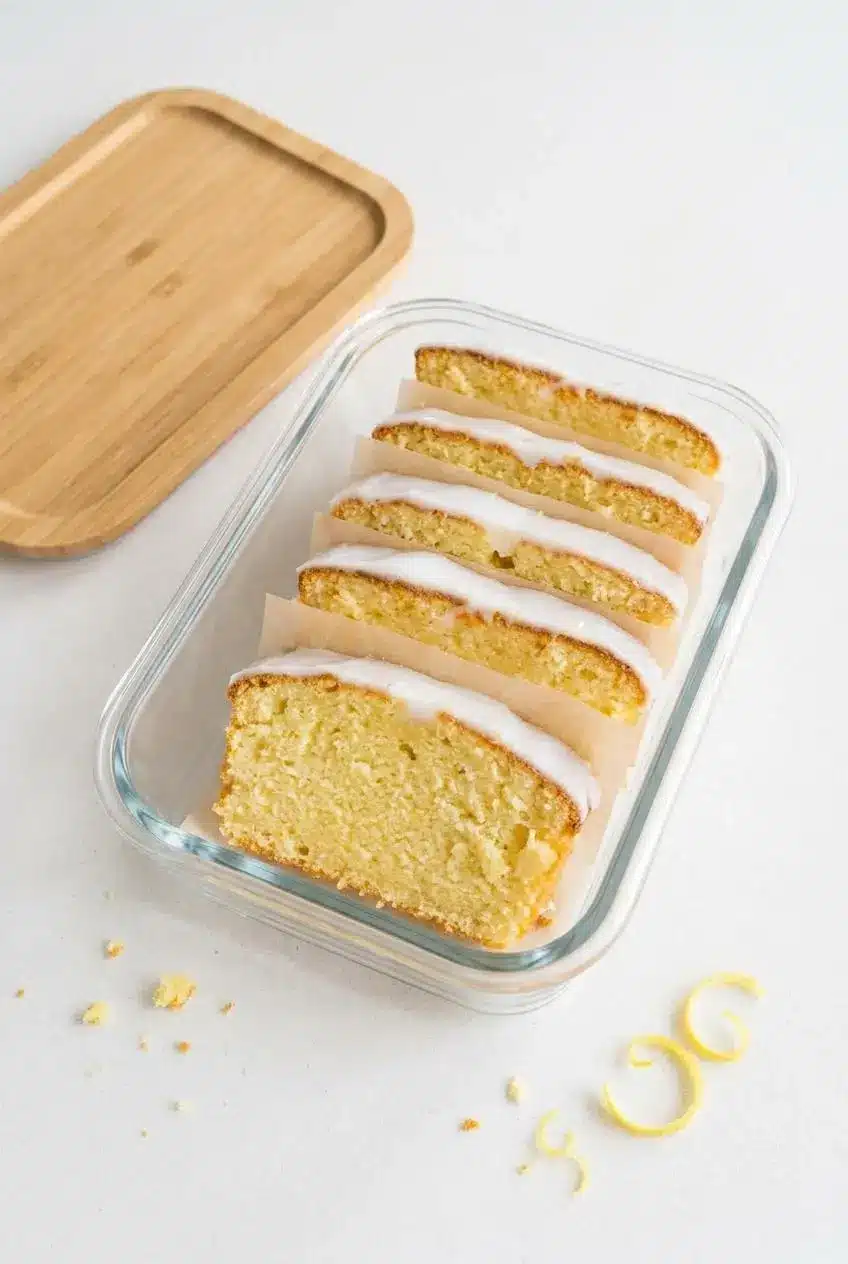
Once the glaze has set, keep the loaf in an airtight container at room temperature and protect it from humidity. The citrus flavor often feels more rounded after the syrup has had time to settle through the crumb, making later slices especially fragrant.
For the neatest slices, cut only what you plan to serve and keep the remaining loaf covered. A lightly chilled slice is excellent with hot black coffee or iced Earl Grey tea. For dessert, serve it with a scoop of lemon ice cream and a few fresh berries.
Delicious Recipe Variations
Keep the original loaf as written for the classic buttery citrus result, then use these ideas when you want a different flavor direction. Treat each change as optional rather than part of the core method.
Dairy-Free Buttermilk Alternative
Use unflavored plant milk curdled with a splash of fresh lemon juice in place of buttermilk. Let it stand briefly until it looks slightly thickened, then use it in the same alternating pattern with the flour. The crumb may be a little less rich without butter, but the lemon and acidity will still come through clearly.
Bakery Almond Lemon Flavor
If you enjoy the flavor of almond pastries, add ¼ tsp pure almond extract to the batter or the glaze. Its floral nuttiness pairs naturally with lemon, but use a light hand because almond extract can quickly dominate the citrus.
- Gluten-free option: Use a cup-for-cup gluten-free flour blend designed for baking. The loaf may have a slightly different crumb, so mix gently and rely on the toothpick and spring-back cues rather than appearance alone.
- Berry addition: For a fruit-filled citrus bake, try a lemon blueberry cake when you want juicy berries alongside the lemon flavor.
- Unglazed serving: Skip the icing and serve the syrup-soaked loaf with fresh berries or a spoonful of unsweetened clotted cream for a less sweet finish.
Conclusion
This lemon loaf delivers three layers of citrus flavor through zest-infused sugar, warm lemon syrup, and a smooth opaque glaze. Buttermilk keeps the crumb tender while butter gives every slice a rich bakery-style character.
The biggest finishing rule is simple: let the loaf cool completely before glazing. That patience gives you a bright white topping, clean slices, and a loaf worth lingering over with tea or coffee.
Frequently Asked Questions
What Is the Secret to a Moist Lemon Loaf?
Buttermilk’s acidity helps keep the flour proteins from producing a tough crumb. Creaming butter and sugar thoroughly creates a lighter structure before the flour is added. Brushing lemon syrup onto the warm loaf adds citrus flavor and moisture beneath the crust.
Why Did My Lemon Loaf Sink in the Center?
The center may have been under-baked, even if the top looked done. Repeatedly opening the oven door early can interrupt the loaf’s rise before its structure sets. Expired baking powder can also leave the batter without enough lift.
Can I Substitute Bottled Lemon Juice for Fresh Lemon Juice?
Fresh lemon juice is strongly preferred for its brighter flavor. Fresh lemons are also necessary for the zest, which provides most of the loaf’s fragrant citrus oils. Bottled juice may taste flatter in the syrup and glaze, where lemon flavor is especially noticeable.
How Should I Store Lemon Loaf to Keep It Fresh?
Cool the loaf completely and let the glaze set before covering it. Keep it in an airtight container at room temperature to protect the tender crumb from drying out. Slice as needed so the cut surface stays covered between servings.

Lemon Loaf

Equipment
- 9×5-inch Loaf Pan
- Citrus Zester
- lemon squeezer
- Stand mixer with paddle attachment or electric mixer
- Wire cooling rack
Ingredients
For the lemon pound cake
- 1 ½ cups all-purpose flour
- 1 ½ tsp baking powder
- 1 Tbsp lemon zest
- ½ tsp salt
- ½ cup unsalted butter room temperature
- 1 cup granulated sugar
- 2 large eggs room temperature
- 1 tsp vanilla extract
- 2 Tbsp lemon juice about 1/2 lemon
- ½ cup buttermilk
For the lemon syrup
- ¼ cup lemon juice about 1 lemon
- 3 Tbsp powdered sugar
For the lemon icing
- 1 cup powdered sugar sifted
- 1 ½ Tbsp lemon juice
- 1 Tbsp milk
Instructions
- Heat the oven to 350°F (177°C) and grease a 9×5-inch (or 8×4-inch) loaf pan. Coat the corners well so the warm loaf releases cleanly after its initial cooling time.
- Whisk the flour, baking powder, lemon zest, and salt in a medium bowl. Break up any concentrated bits of zest so the citrus is evenly spread through the dry mixture.
- Beat the room-temperature butter and sugar with a paddle attachment or electric mixer on medium-high speed for 4-6 minutes, scraping the bowl when needed. The mixture should become pale ivory, noticeably fluffier, and lighter in texture.
- Reduce the mixer to low and add the eggs one at a time, then mix in the vanilla extract and lemon juice before beating briefly on medium-high. The batter should look smooth and cohesive rather than separated or curdled.
- With the mixer on low, add one-third of the flour mixture, then half the buttermilk; repeat with another third of flour, the remaining buttermilk, and the final flour addition. Stop as soon as no dry streaks remain, because extended mixing makes the crumb firm and rubbery.
- Spread the batter in the prepared pan and bake for 45-55 minutes. The top should be golden brown, a toothpick should emerge with only a couple of moist crumbs, and the center should offer gentle resistance when lightly pressed.
- Cool the loaf in the pan for about 15 minutes while stirring together the lemon juice and powdered sugar for the syrup, then turn the loaf onto a wire rack. Brush the syrup over the warm cake so it absorbs into the crumb instead of sitting on the surface.
- Let the loaf cool completely, then stir the powdered sugar, milk, and lemon juice for the icing, beginning with 1 Tbsp lemon juice and adding the remaining lemon juice as needed. Drizzle the thick icing over the cooled loaf and leave it undisturbed until the surface sets.