
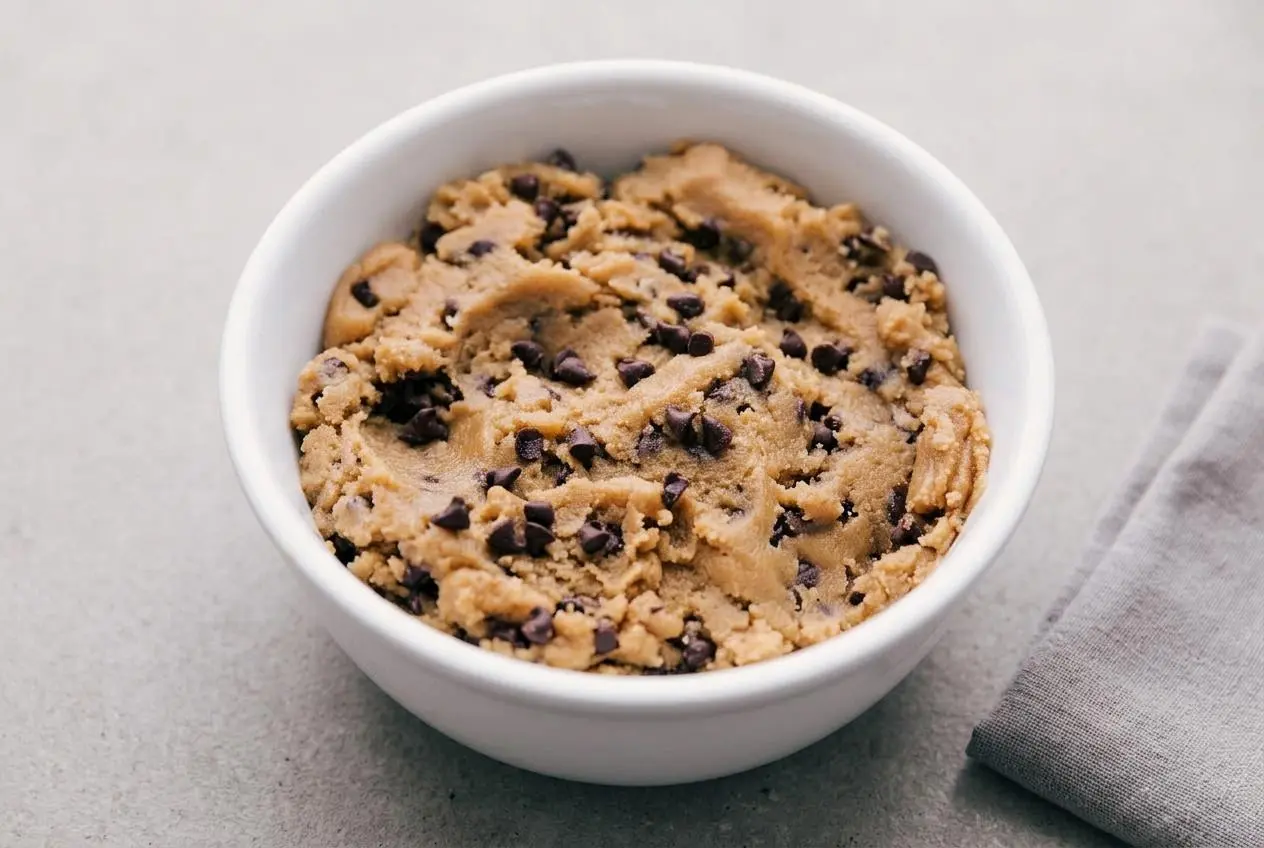
Making safe edible cookie dough requires heat treating raw flour to 165 degrees Fahrenheit and eliminating raw eggs entirely. Combining cooled melted butter with brown and granulated sugars, milk, vanilla, and chocolate chips creates a rich, creamy treat you can eat straight from the bowl.
Everyone knows the temptation of tasting classic chocolate chip batter before it hits the oven sheet. This edible cookie dough recipe delivers all the buttery sweetness and melt-in-your-mouth comfort of traditional dough without any of the food safety worries.
Stirring together a batch takes only minutes, giving you an instant dessert that satisfies late-night cravings or elevates an afternoon snack. The secret lies in balancing rich butter with the right blend of sugars to produce that unmistakable bakery flavor.
Keep your butter at room temperature after melting so the sugars blend smoothly without breaking the emulsion into an oily puddle.
Essential Ingredients and Their Roles
Every ingredient in this recipe serves a dedicated purpose, balancing moisture, fat, sweetness, and structure to recreate the authentic texture of unbaked dough safely.
- 3/4 cup all-purpose flour
- 1/3 cup unsalted butter (melted and slightly cooled)
- 1/3 cup brown sugar (packed, dark or light; I love dark)
- 3 tablespoons granulated sugar
- 1/8 teaspoon salt
- 1 teaspoon vanilla extract
- 1 tablespoon whole milk (1% or 2% also work)
- 1/3 cup mini chocolate chips
Brown sugar supplies rich molasses notes and vital moisture that keeps the dough tender, while granulated sugar adds structure and crisp sweetness. Unsalted butter introduces velvety richness, creating that authentic bakery taste once emulsified with the sugars. Milk serves as the binding liquid to replace eggs, providing enough hydration to bring the dry ingredients together into a cohesive scoop. Chemical leaveners like baking soda and baking powder are deliberately left out, as unbaked dough does not require rising agents and omitting them prevents an unpleasant metallic aftertaste.
I always choose mini chocolate chips over standard morsels because their smaller size distributes evenly throughout every single spoonful.
How to Heat Treat Flour for Complete Food Safety
Raw all-purpose flour is an untreated agricultural ingredient that may carry harmful microorganisms such as E. coli. Heating the flour until it reaches an internal temperature of 165 degrees Fahrenheit helps eliminate bacterial risks. Always let the heated flour cool completely to room temperature before combining it with your butter and sugar mixture to avoid melting the fats.
The Microwave Method
Place the all-purpose flour into a microwave-safe ceramic or glass bowl. Heat on high in 30-second bursts, stirring thoroughly after each interval to eliminate hot spots. Use an instant-read thermometer inserted into the center of the flour to verify it reaches 165 degrees Fahrenheit, which typically takes two to three heating rounds. Break up any tiny warmth lumps with a fork and let it cool completely on the counter before measuring.
The Oven Sheet Method
Preheat your oven to 300 degrees Fahrenheit and line a large rimmed baking sheet with parchment paper. Spread the raw flour in an even, thin layer across the prepared pan. Bake for 5 to 8 minutes, watching closely so the edges do not scorch or turn golden brown. Remove the sheet from the oven, confirm the internal temperature with a digital thermometer, and let it cool entirely before sifting it through a fine-mesh strainer into your mixing bowl.
How to Make Edible Cookie Dough
- Melt the unsalted butter gently in a small dish and let it sit undisturbed until it returns to room temperature.
The butter should feel completely cool to the touch while remaining entirely liquid, preventing greasy separation when combined with the sugars. - Pasteurize the flour using your preferred heat method, allow it to cool fully, and spoon it into a measuring cup before sweeping the top level with a flat blade.
Properly cooled flour appears bright white, airy, and free from toasted aromas or hard clumping. - Combine the room-temperature melted butter, brown sugar, and white sugar in a medium mixing bowl, then whisk briskly for one full minute.
The sugar crystals should partially dissolve into the fat, forming a glossy, thickened emulsion with a pale caramel sheen. - Whisk in the pure vanilla extract, fine salt, and milk until completely incorporated, then fold in the cooled flour and mini chocolate chips using a silicone spatula.
A soft, cohesive dough will form as the dry particles absorb the liquid, holding its shape without sticking heavily to the spatula. - Rest the finished dough in the refrigerator for 10 minutes if you prefer a firmer, scoopable consistency.
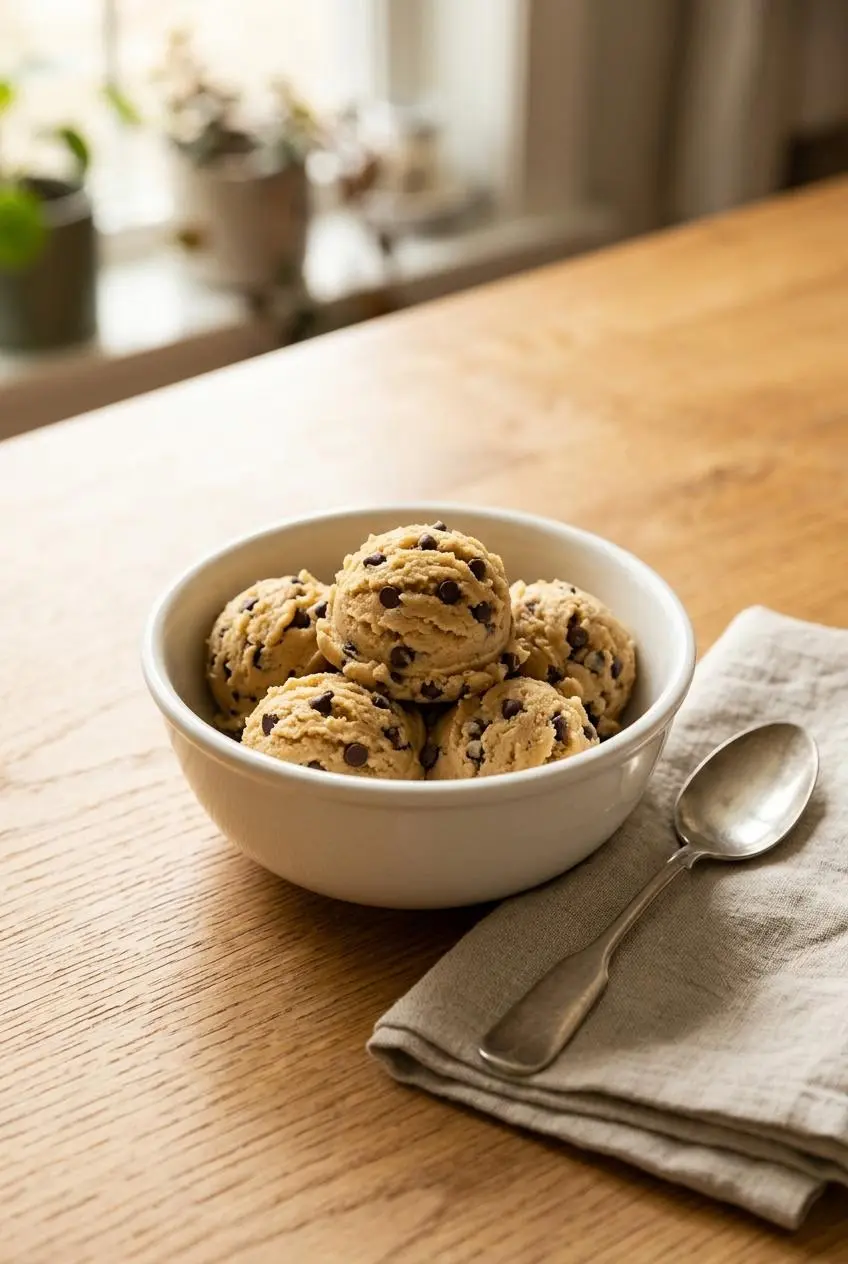
Short chilling solidifies the butter fats slightly, transforming the mixture into classic bakery-style scoops ready to serve.
Whisking the sugars and cooled butter thoroughly creates a stable base that holds moisture without weeping. Folding the dry ingredients gently ensures the starches absorb the liquids evenly, yielding a tender, velvety crumb that mimics traditional unbaked batter.
Troubleshooting Common Texture Issues
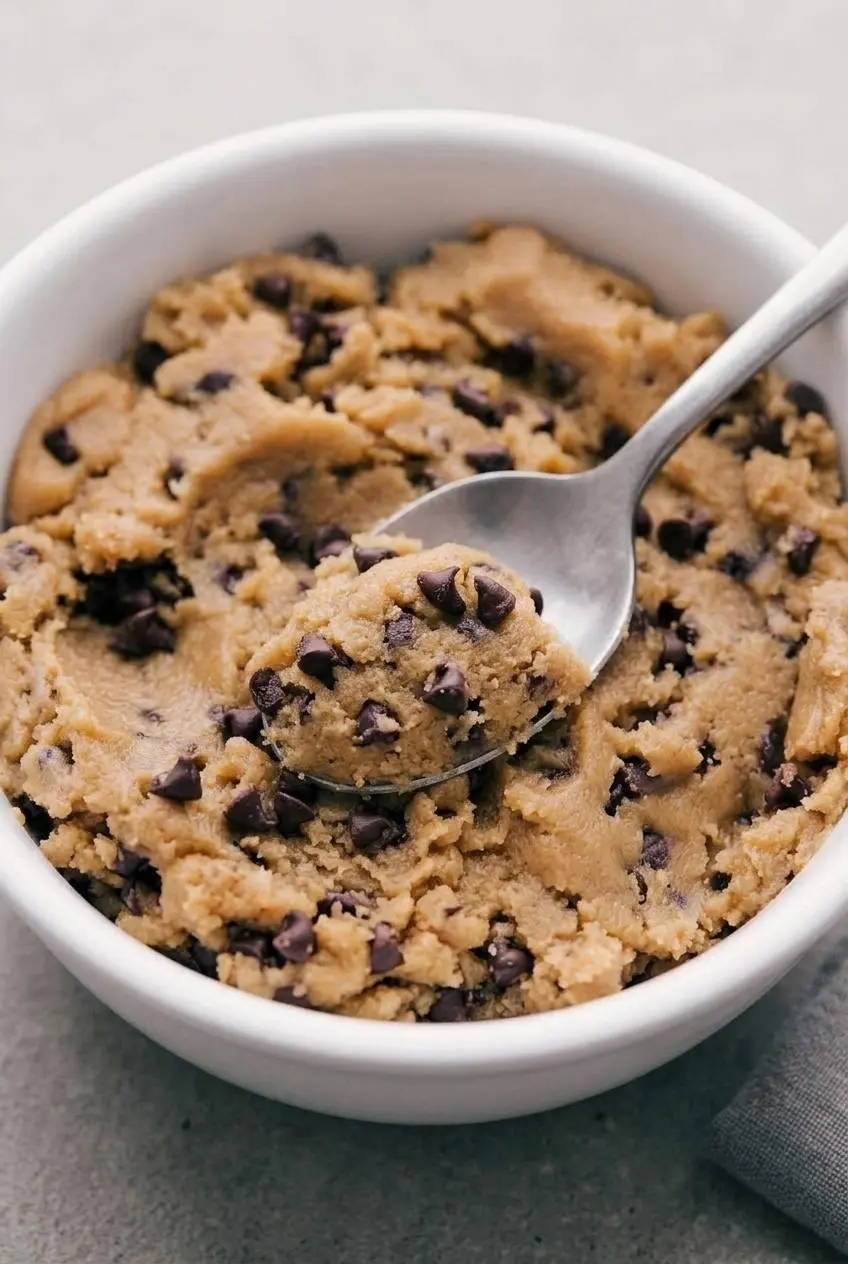
Getting the exact consistency you want is simple once you know how the ingredients interact. Here is how to fix common texture challenges on the spot:
- Greasy or oily dough: Warm butter melts sugar crystals and releases free fat into the bowl. Place the mixing bowl into the refrigerator for 10 to 15 minutes to firm the butter, or stir in one extra tablespoon of cooled heat-treated flour to absorb excess moisture.
- Dry or crumbly dough: Packing flour too tightly into the measuring cup creates a dry mixture that refuses to hold together. Work in an extra splash of milk, adding one half-teaspoon at a time, until the mixture gathers into a supple dough.
- Gritty mouthfeel: Large sugar crystals need gentle agitation to blend into the fat base. Whisk the cooled butter and both sugars briskly for a full 60 seconds before introducing the flour so the granules break down smoothly.
Proper Storage and Freezer Truffle Tips
Keep your prepared dough in an airtight glass or plastic container stored inside the refrigerator to maintain optimal freshness and clean flavor. Because this dough contains dairy butter and milk, chilling prevents spoilage and preserves that pleasant, firm texture for several days of snacking.
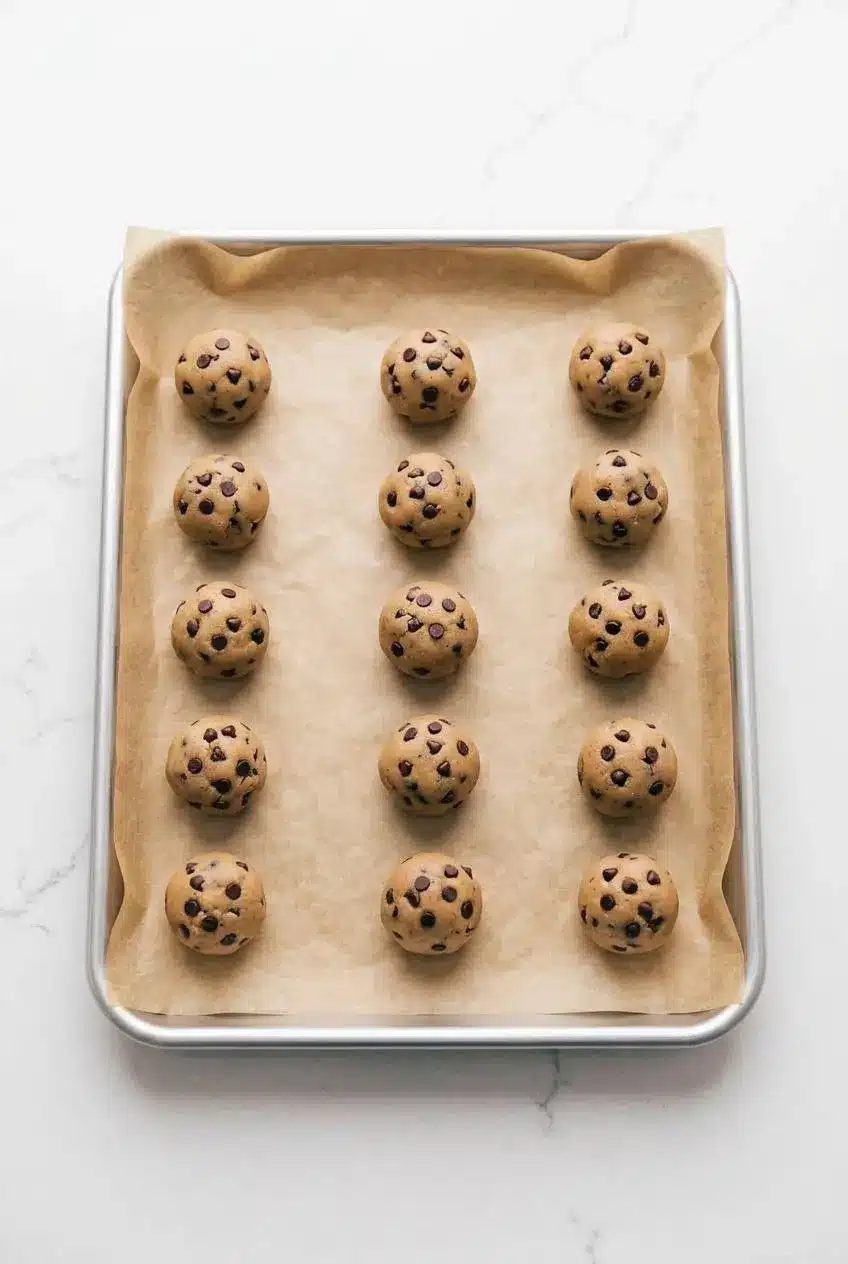
For grab-and-go convenience, roll the dough into one-inch bite-sized portions and place them on a parchment-lined tray. Once chilled firm, transfer these bite-sized pieces into a sealed freezer bag. If you enjoy no-bake bite-sized treats, creating chocolate-coated sugar cookie truffles offers another delicious way to enjoy chilled dough rounds straight from the cold storage tray.
Delicious Recipe Variations to Try
This classic chocolate chip foundation adapts effortlessly to different flavors and dietary preferences. For a richer, nutty profile, try browning your unsalted butter in a skillet over medium heat until golden flecks appear, then letting it cool completely before mixing. You can also explore creative dessert spreads like a fluffy cookie dough dip for entertaining platters, or whip up a high-protein treat using cottage cheese cookie dough as a wholesome foundation.
If you prefer functional modifications to fuel your workout routine, incorporating a scoop of vanilla or chocolate whey into a batch of protein cookie dough delivers sweet indulgence with extra nutrition.
Single-Serve Cookie Dough
When you want a quick solo dessert without leftover temptation, scale down the measurements for an instant mug portion. Mix 2 tablespoons of heat-treated flour, 1 tablespoon of cooled melted butter, 1 tablespoon of packed brown sugar, a small pinch of salt, a drop of vanilla extract, and 1 teaspoon of mini chocolate chips in a small ramekin.
Dairy-Free and Vegan Swaps
You can easily create an entirely plant-based treat by replacing dairy butter with an equal amount of melted vegan block butter. Substitute whole milk with oat milk, unsweetened almond milk, or soy milk, and select certified dairy-free dark chocolate chips to keep the entire bowl plant-forward.
Gluten-Free Adaptations
Swap standard all-purpose flour for a high-quality 1-to-1 gluten-free baking blend that includes xanthan gum for structure. Remember that gluten-free grain blends also require heat treatment in the microwave or oven until they reach 165 degrees Fahrenheit to ensure proper kitchen safety.
Conclusion
Making a batch of homemade cookie dough that is safe to eat straight from the bowl is one of the easiest kitchen victories you can enjoy. By simply taking a few minutes to heat treat your flour and omitting raw eggs, you unlock pure nostalgic comfort with complete peace of mind.
Whether you portion it into bite-sized freezer snacks, fold it into vanilla ice cream, or eat it directly from the spoon, this recipe delivers bakery-quality decadence whenever a sweet craving strikes.
Frequently Asked Questions
Why do you have to heat treat flour for edible cookie dough?
Raw flour is an untreated agricultural grain that can harbor harmful pathogens such as E. coli during harvesting and processing. Heating the dry flour in the oven or microwave until it reaches 165 degrees Fahrenheit neutralizes these food safety risks, making it suitable for unbaked recipes.
Can I bake this edible cookie dough into real cookies?
This recipe will not bake into regular cookies. It lacks structural eggs and chemical leavening agents like baking soda or baking powder. If placed on a hot sheet in the oven, the fats and sugars will melt into a flat, greasy puddle instead of rising into soft cookies.
How long does edible cookie dough stay fresh?
Store your dough in a tightly sealed, airtight container in the refrigerator to keep it moist and flavorful. When properly chilled and protected from air exposure, the dough retains its delicious texture and fresh dairy flavor for easy weekday snacking.
Why is my edible cookie dough greasy?
Greasy dough occurs when butter is mixed into the sugars while it is still warm. Hot fat melts sugar crystals and causes oil separation. Allow melted butter to return completely to room temperature before stirring, and chill the prepared dough for 10 minutes to help the fats solidify.
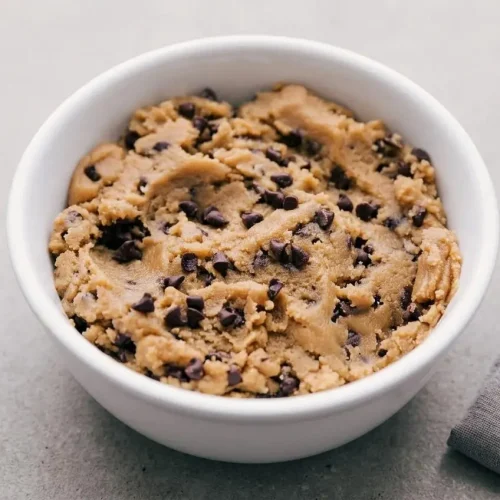
Edible Cookie Dough Recipe

Equipment
- Medium bowl
Ingredients
- 3/4 cup all-purpose flour
- 1/3 cup unsalted butter melted and slightly cooled
- 1/3 cup brown sugar packed, dark or light; I love dark
- 3 tablespoons granulated sugar
- 1/8 teaspoon salt
- 1 teaspoon vanilla extract
- 1 tablespoon whole milk 1% or 2% also work
- 1/3 cup mini chocolate chips
Instructions
- Melt the unsalted butter gently in a small dish and let it sit undisturbed until it returns to room temperature. The butter should feel completely cool to the touch while remaining entirely liquid, preventing greasy separation when combined with the sugars.
- Pasteurize the flour using your preferred heat method, allow it to cool fully, and spoon it into a measuring cup before sweeping the top level with a flat blade. Properly cooled flour appears bright white, airy, and free from toasted aromas or hard clumping.
- Combine the room-temperature melted butter, brown sugar, and white sugar in a medium mixing bowl, then whisk briskly for one full minute. The sugar crystals should partially dissolve into the fat, forming a glossy, thickened emulsion with a pale caramel sheen.
- Whisk in the pure vanilla extract, fine salt, and milk until completely incorporated, then fold in the cooled flour and mini chocolate chips using a silicone spatula. A soft, cohesive dough will form as the dry particles absorb the liquid, holding its shape without sticking heavily to the spatula.
- Rest the finished dough in the refrigerator for 10 minutes if you prefer a firmer, scoopable consistency. Short chilling solidifies the butter fats slightly, transforming the mixture into classic bakery-style scoops ready to serve.




1 thought on “Edible Cookie Dough Recipe”