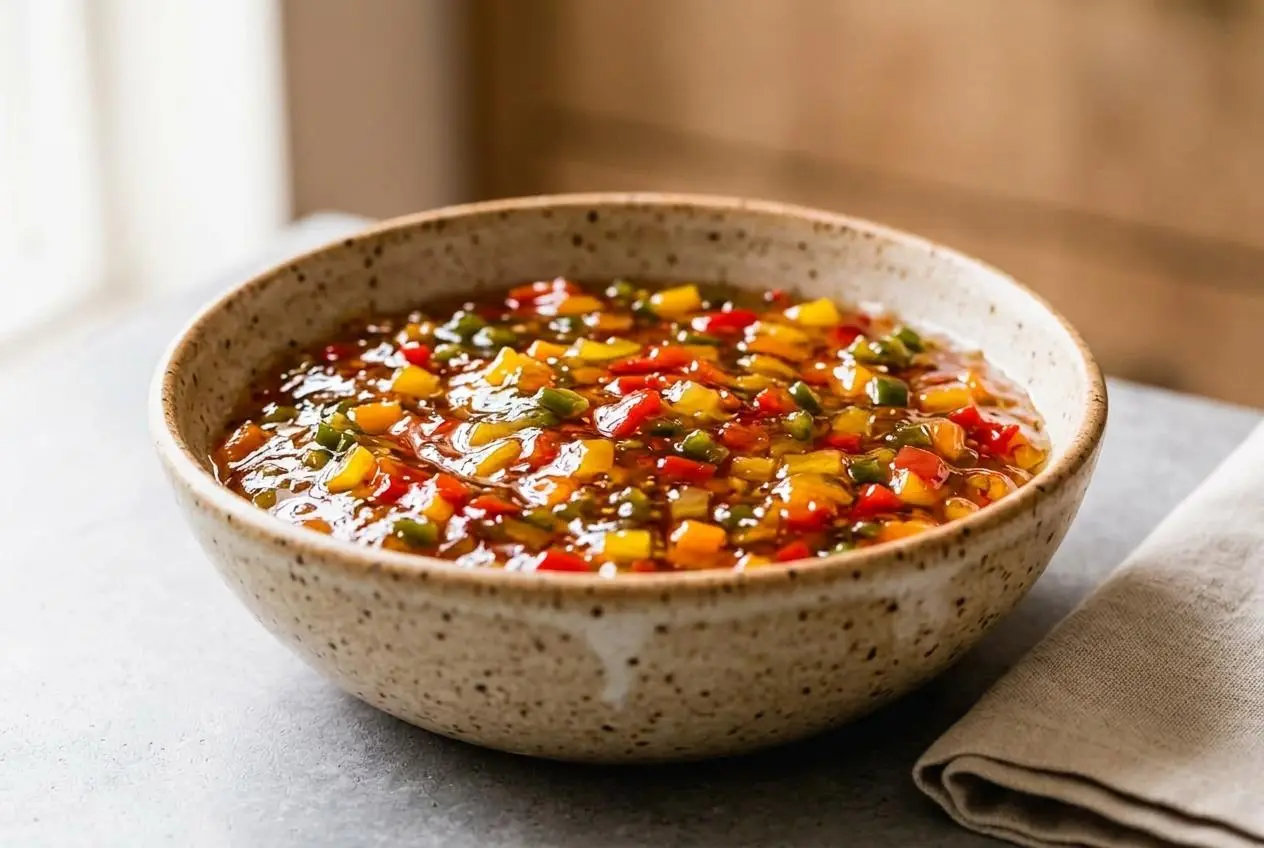
This pepper jelly recipe makes a sweet, tangy, spicy jelly with bell peppers, jalapeños, sugar, vinegar, lime juice, and liquid pectin. It’s great over cream cheese, easy to customize for heat, and simple to make with either refrigerator, freezer, or canning storage.
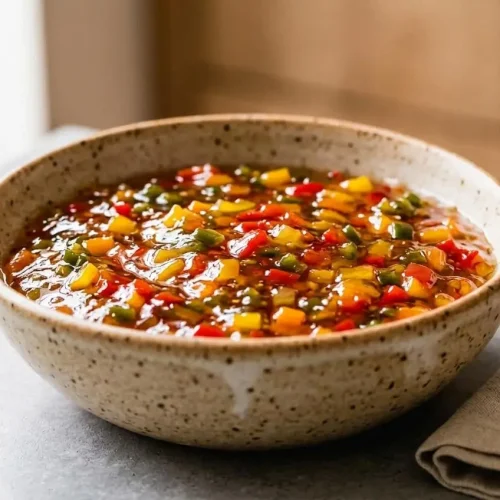
Pepper jelly is a Southern favorite that lands somewhere between a condiment and an appetizer hero. It’s glossy, vibrant, and built on that classic sweet heat contrast that wakes up crackers, sandwiches, grilled meat, and cheese boards.
What makes it especially satisfying is how dramatic the transformation is. Chopped peppers and syrup turn into jewel-like jars with a gentle kick and a clean set if you nail one key moment, the boil.
Chop the peppers very fine, more like a coarse relish than a purée, so they suspend better in the finished jelly.
What Is Pepper Jelly?
Pepper jelly is a sweet and spicy homemade jelly made from peppers, sugar, acid, and pectin. It has a bright, tangy flavor with enough heat to keep it interesting, but the sweetness keeps it friendly and very spreadable.
It’s especially popular as a classic cream cheese appetizer. Spoon it over a block of softened cream cheese, add crackers, and suddenly you have one of those retro Southern snacks that never really needed improving.
The flavor profile is what makes it so useful. Bell peppers bring freshness and color, jalapeños add the kick, vinegar and lime keep it lively, and the final texture turns glossy and spoonable rather than syrupy.
Ingredients for Perfect Pepper Jelly
Each ingredient here has a job, from building the jelly’s set to creating its sweet heat, bright color, and sharp finish.
- 1 ½ cups finely diced bell pepper (I use a combination of colors)
- 1 lb jalapeños (about 10, or 1 2/3 cup), remove seeds and veins from half for mild jelly, or leave them all for hot jelly
- 5 cups granulated sugar
- 1 ¼ cups white or apple cider vinegar
- ¼ cup lime juice
- 1 teaspoon salt
- 3 ounces Certo liquid fruit pectin
Bell peppers give the jelly body, fresh pepper flavor, and that beautiful confetti look in the jar. Using a mix of red, green, and yellow makes the color especially vibrant.
Jalapeños bring the heat. You can make the finished jelly milder by removing seeds and veins from some of them, or leave more intact if you want a hotter batch with a sharper kick.
Sugar does more than sweeten. In a standard jelly like this, it helps the mixture set properly with the pectin and supports the final texture, so it’s not a good place to improvise.
Vinegar and lime juice add acidity and balance. They keep the flavor from tasting flat and help create the right environment for the jelly to firm up.
Liquid pectin is the gelling agent. This recipe is built specifically for Certo liquid fruit pectin, which is added near the end of cooking. Powdered pectin works differently and is not interchangeable in a one-for-one way, so use a recipe designed for that format if that’s what you have. The same goes for low-sugar pectin, which needs its own method and sugar ratio.
I always wear gloves when chopping jalapeños for this batch because that much pepper prep can linger on your hands far longer than dinner should.
How to Make Pepper Jelly
- Finely chop the bell pepper with a knife or food processor, then spread the pieces in paper towels and press out excess moisture before measuring 1 ½ cups loosely, not packed.
They should look finely minced, almost like relish, and removing that extra liquid helps the jelly set instead of staying thin. - Finely chop the jalapeños the same way and blot or squeeze out the extra liquid before measuring them for the pot.
Wear gloves while handling them, and aim for very even pieces so the heat and texture distribute well through the jelly. - Add the bell pepper, jalapeños, sugar, vinegar, lime juice, and salt to a large deep pot, then bring the mixture to a boil while stirring often.
As it heats, the sharp vinegar smell softens and a sweeter pepper aroma starts to come through. - Lower the heat only enough to prevent boil-over and keep the mixture boiling for 10 minutes.
A full rolling boil should keep bursting across the surface and continue even when you stir, not collapse into a simmer. - Slowly stir in the liquid pectin and boil for 1 more minute.
The syrup will still look fluid at this stage, but the pectin needs that final short boil to activate properly. - Take the pot off the heat and let the jelly rest for 5 minutes, then stir well and ladle it into containers before securing the lids.
This short rest lets the syrup thicken slightly so the peppers stay suspended more evenly instead of rushing to the top. - If you like, turn the sealed containers upside down for about 30 minutes, then return them upright and let them cool at room temperature for 24 hours.
This optional step can help redistribute the pepper pieces and reduce floating in the finished jars. - For refrigerated or frozen jelly, cool the containers fully and store them as directed for your chosen method.
The jelly should look glossy and loose at first, then continue to settle as it cools. - For canned jelly, ladle the hot mixture into sterilized jars, wipe the rims clean, fit washed new lids and rings, and process in a water bath canner for 10 minutes or longer if you are at high altitude.
Clean rims matter because sticky residue can interfere with a good seal.
If you want more even pepper distribution, ladle a small scoop into each jar first, then go back and fill them the rest of the way. It’s a tiny trick, but it keeps one jar from getting all the colorful bits.
Tips for Success
- Squeeze the peppers: Extra pepper moisture can dilute the syrup and make the final set weaker, so blotting well is worth the mess.
- Use a food processor: It gives you a faster, more consistent chop, which helps the peppers suspend better and keeps the texture uniform.
- Wear gloves: Capsaicin has a long memory. Protect your hands before you discover that soap alone is not a miracle worker.
- Don’t double the batch: Larger batches can interfere with how the pectin sets, so make separate batches instead of one oversized pot.
- Use a large, deep pot: The mixture foams and boils hard, especially before the pectin goes in, so extra height helps prevent bubbling over.
- Stick with real sugar for this version: Standard liquid pectin relies on the full sugar amount for proper texture, flavor, and structure.
Troubleshooting Common Issues
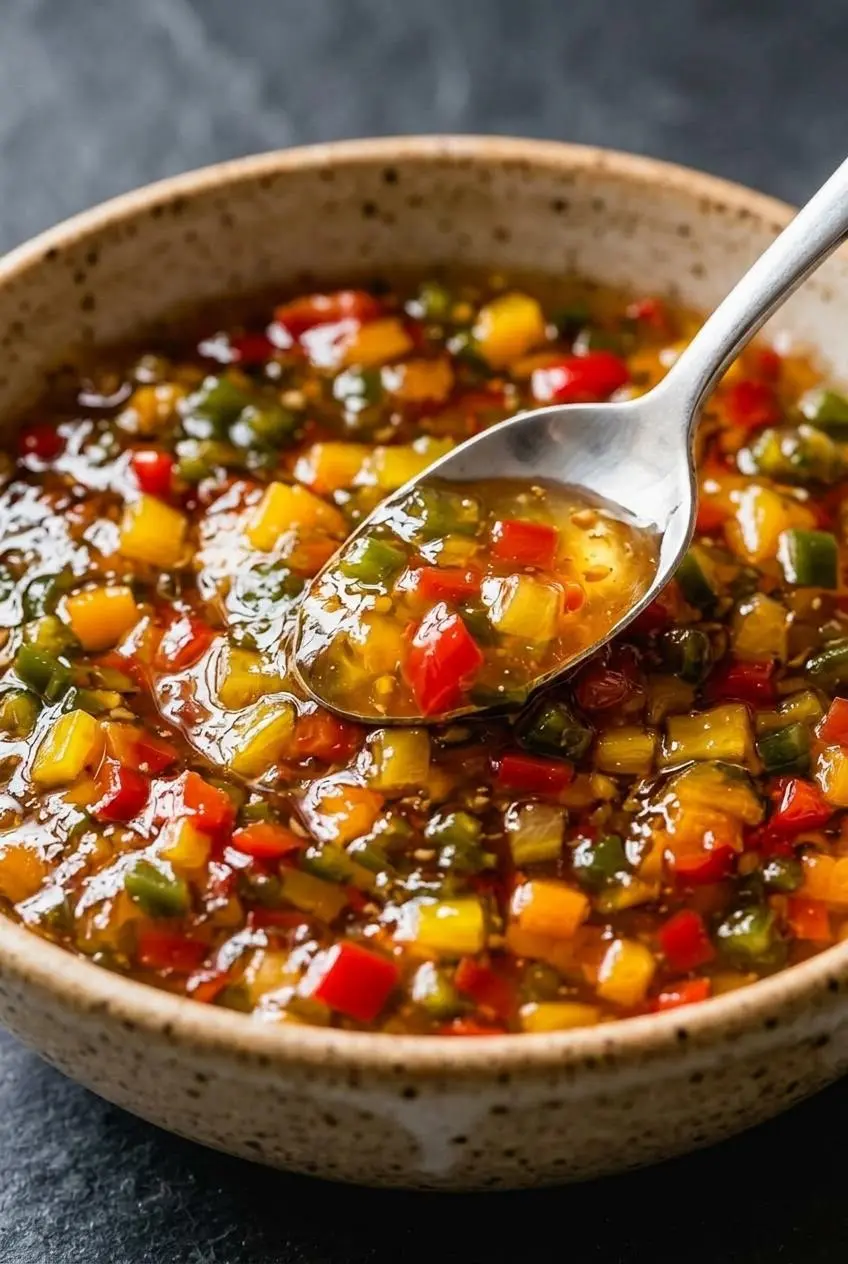
Jelly can be a little fussy, but the problems are usually easy to identify once you know what to look for.
Why Is My Jelly Runny?
- Likely cause: The mixture never reached a full rolling boil, the boiling time was cut short, or the sugar, acid, or pectin was measured off. Fix: Reheat the batch, bring it back to a hard boil, and cook it again following the same order carefully.
- Likely cause: The peppers carried too much extra moisture into the pot. Fix: Next time, squeeze them very well before measuring so the syrup is not watered down.
- Likely cause: The pectin was old or not fully incorporated. Fix: If you re-cook the batch, stir the pectin in slowly and make sure it gets its full final minute at a boil.
- If you want to try saving the batch: Pour the runny jelly back into a pot, bring it to a full rolling boil again, and cook briefly until it looks more active and cohesive before re-jarring. A re-cook often helps, though the exact result can vary.
How Do I Stop the Peppers From Floating?
- Use the rest in the pot: Let the jelly sit off the heat for about 5 minutes, then stir well before ladling. That slight thickening helps suspend the pepper pieces.
- Stir right before filling: Peppers rise quickly in hot syrup, so give the pot a good stir just before each round of ladling.
- Try the optional inversion step: Briefly turning sealed jars upside down can help redistribute the peppers before the jelly fully sets.
- Chop finely: Smaller pieces stay suspended better than chunky ones.
Why Is My Jelly Cloudy?
- Likely cause: Too much pepper pulp got squeezed into the mixture. Fix: Press out moisture, but avoid crushing the peppers so hard that you force lots of solids through.
- Likely cause: The peppers were less crisp or slightly underripe. Fix: Use firm, fresh peppers for the clearest look.
- Good news: Cloudiness is usually cosmetic. If the jelly set well and smells right, it can still taste great.
If your jars did not seal, the usual culprits are sticky rims, trapped residue, or a lid that did not bond well. Refrigerate those jars and use them first, rather than treating them as shelf-stable.
Pepper Jelly Variations
Once you’ve made the classic version, it’s easy to steer it milder, hotter, fruitier, or a little more rustic in texture.
Adjusting the Heat Mild, Medium, and Hot
You control the spice level mostly by how many jalapeño seeds and membranes you leave in, plus the balance between sweet bell peppers and hot peppers.
- Mild: Remove seeds and veins from about half or more of the jalapeños and lean on sweet bell pepper for flavor and color.
- Medium: Remove seeds and veins from about half, which is the sweet spot for many home cooks.
- Hot: Leave all the seeds and veins in, or use a greater share of hot peppers in a future custom batch.
- Different peppers: Habaneros make a hotter, fruitier jelly, while serranos give a cleaner, sharper heat.
- Color play: All green peppers create a greener, more savory look, while red peppers make the jelly look richer and sweeter.
How to Make Pepper Jelly Without Pectin
A no-pectin version is possible, but it behaves differently. Instead of setting into a classic, clean jelly, it usually cooks down into something closer to a loose jam or thick pepper syrup.
To make that style, simmer the pepper mixture longer so more water cooks off, and consider adding a high-pectin ingredient such as citrus pith or chopped tart green apple. The texture will be softer and less jewel-clear than this liquid pectin version, but the flavor can be excellent.
If what you really need is an alternative gelling route rather than a true no-pectin reduction, a dessert-style set such as agar-agar fruit jelly shows how a different setting agent behaves. It’s a different technique, but useful if you want to understand your options.
Fruit & Pepper Jelly Ideas
- Raspberry and jalapeño: Sweeter, brighter, and especially good with goat cheese.
- Pineapple and habanero: Juicy tropical flavor with a stronger heat punch.
- Cranberry and pepper: Tart and festive, great for holiday snack boards.
- Strawberry and jalapeño: Softer, rounder fruit flavor with gentle heat.
- Mango and chile: If you already love the sweet heat profile of spicy mango salsa, that same pairing works beautifully in jelly form too.
When fruit enters the mix, sugar and pectin behavior can change. Use a recipe built for that exact fruit combination instead of dropping fruit straight into this base recipe.
Storage, Freezing, and Canning Guide
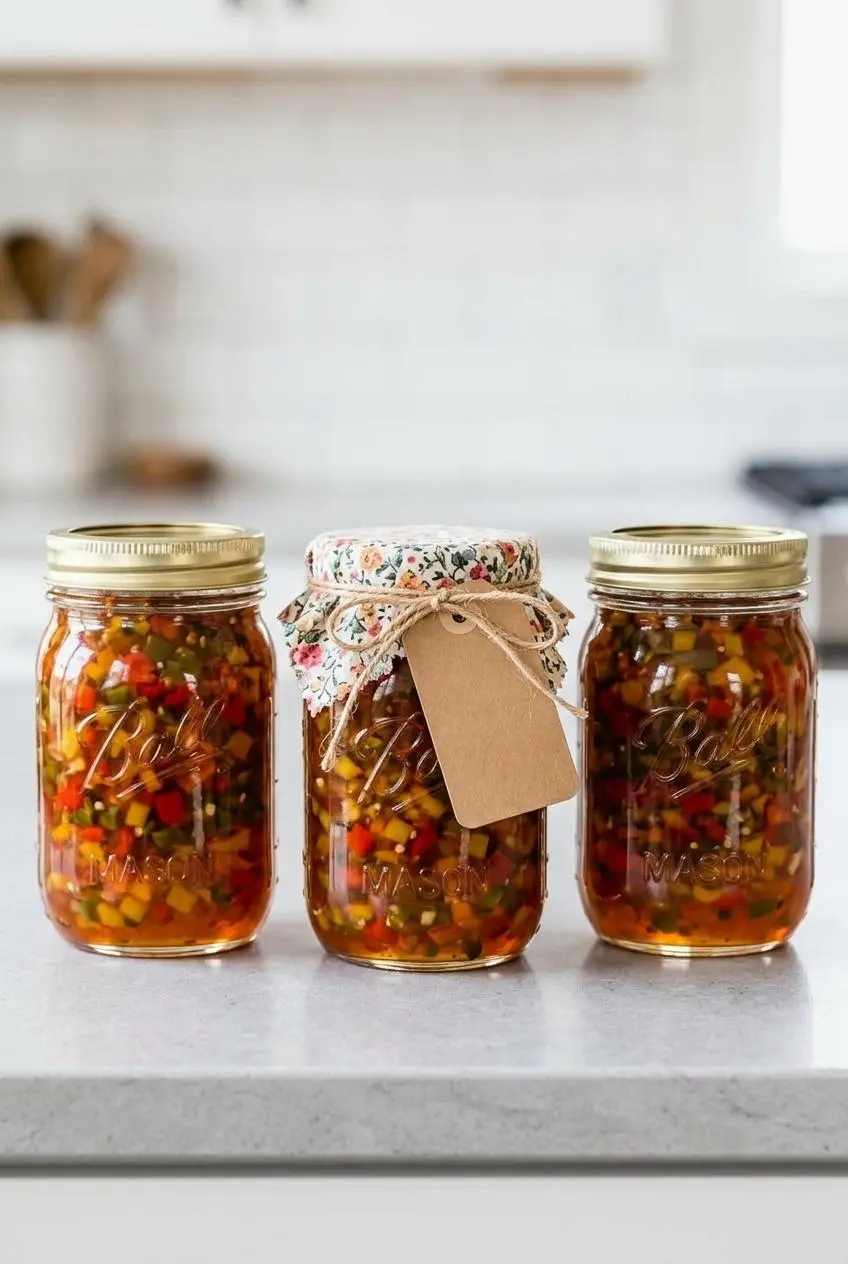
How you store pepper jelly depends on whether you want to refrigerate it, freeze it, or process it for pantry storage.
Refrigerator Jelly
This is the simplest option. Pour the hot jelly into clean containers, secure the lids, let it cool, and refrigerate it.
The official method for this recipe keeps refrigerated jelly for 10 days. If you serve it over cream cheese or another dairy base, keep that appetizer chilled and follow refrigerator storage guidance for dairy foods at 40°F or below.
Freezer Jelly
If you do not want to can it, freezing works well for this recipe. Use freezer-safe containers, leave a little room at the top for expansion, cool the jelly fully, then freeze.
The official method gives a freezer storage time of up to 4 months. Thaw it in the refrigerator before using for the best texture.
Water Bath Canning for Pantry Storage
For longer storage, ladle the hot jelly into sterilized jars, wipe the rims clean, add new washed lids and rings, and process the jars in a water bath canner. This recipe uses a 10-minute process, with a longer time needed at high altitude.
After processing, let the jars stand at room temperature until fully cooled and check that the lids have sealed. The official method stores properly canned pepper jelly for 6 to 10 months in a cool, dry place.
Gifting Homemade Pepper Jelly: Small jars make this especially nice to share. Add a simple label with the flavor and date, and if you like, finish the top with a bit of fabric or ribbon for a homemade gift that actually gets used.
How to Serve Pepper Jelly
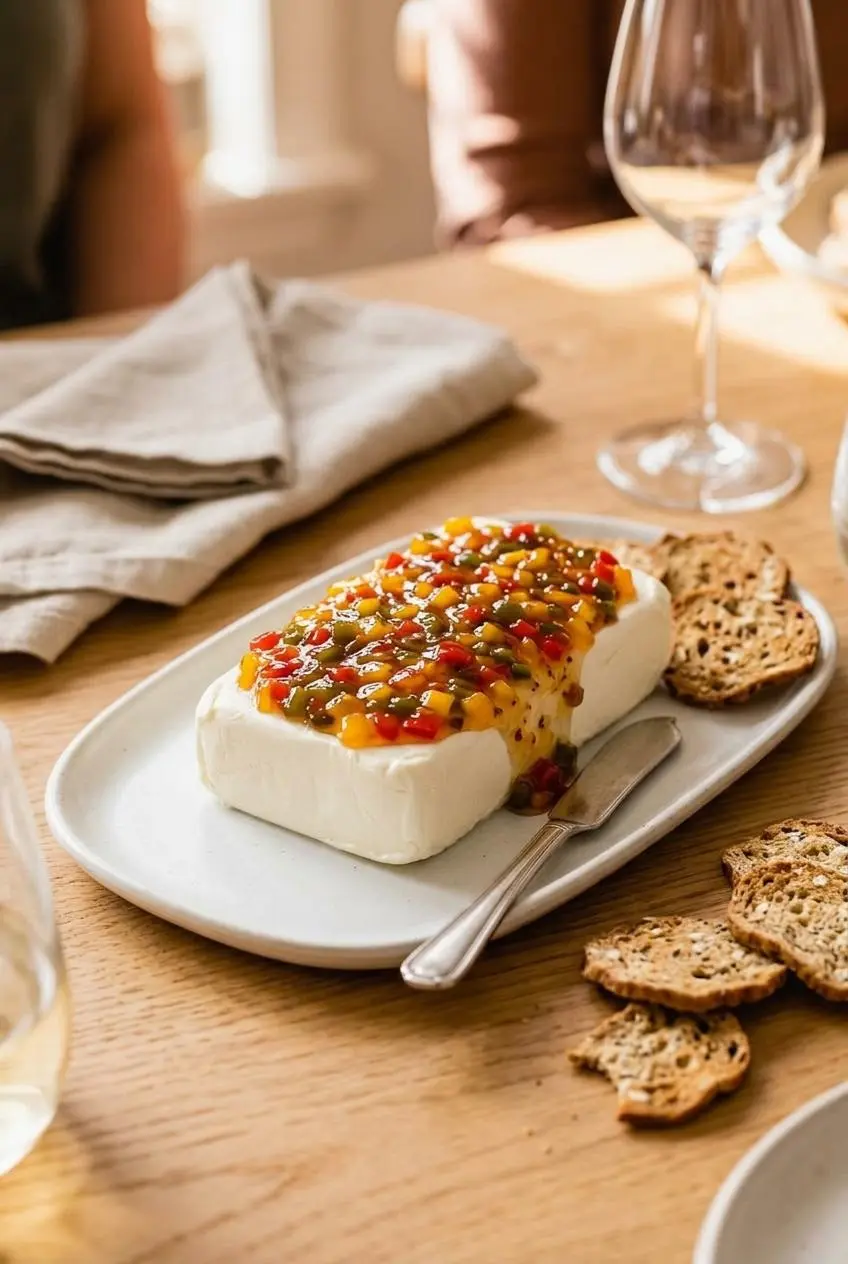
- The classic: Spoon it over softened cream cheese or goat cheese and serve with crackers.
- Glaze for meats: Brush it over grilled chicken, pork chops, meatballs, wings, or salmon near the end of cooking.
- Sandwich spread: Use a thin layer on turkey or ham, or tuck it into a pimento chicken sandwich for sweet heat that cuts through rich fillings.
- Burger topping: Add a spoonful to turkey or beef burgers with sharp cheese.
- Charcuterie board favorite: Pair it with cured meats, cheddar, creamy cheeses, toasted bread, and nuts.
- Roasted vegetable finish: A little spoonful on roasted Brussels sprouts or carrots gives them a glossy sweet-spicy edge.
- Breakfast bonus: Spread a bit on a biscuit with sausage or a breakfast sandwich if you like sweet heat first thing.
Conclusion
Homemade pepper jelly is one of those recipes that feels fancy in the jar but is very manageable once you understand the rhythm. Sweet peppers, jalapeños, sugar, acid, and pectin do the heavy lifting.
The two biggest keys are squeezing moisture from the peppers and keeping a true rolling boil. Get those right, and those glossy little jars line up beautifully.
Frequently Asked Questions (FAQ)
Why Is My Pepper Jelly Runny and How Can I Fix It?
Runny jelly usually means the balance of sugar, acid, and pectin was off, or the mixture did not boil hard enough for long enough. Too much extra liquid from the peppers can also weaken the set. To try saving it, pour the batch back into a pot, bring it to a full rolling boil again, and cook it briefly before re-jarring. For the next batch, measure carefully and do not skip squeezing the chopped peppers dry.
How Do I Prevent the Chopped Peppers From All Floating to the Top?
Let the cooked jelly rest in the pot for about 5 minutes before ladling it into jars. Stir well right before filling so the peppers redistribute through the thickening syrup. Finely chopped peppers stay suspended better than larger pieces. You can also use the optional upside-down jar step for a short time to help move the pieces around.
Can I Make Pepper Jelly Without Canning It?
Yes. This recipe can be used as refrigerator jelly or freezer jelly. For the refrigerator, pour the hot jelly into clean containers, cool it, and chill it. For the freezer, cool it fully, use freezer-safe containers, and thaw in the refrigerator when needed. That makes it a good option if you want the flavor without pulling out the canner.
Can I Use Less Sugar in Pepper Jelly?
Not in this standard version. The full sugar amount helps the jelly set and supports the finished texture. If you reduce the sugar here, the jelly may stay loose or behave unpredictably. For a lower-sugar version, use a recipe designed for low or no-sugar pectin. Sugar substitutes are not a direct swap in this liquid pectin recipe.
Should I Chop or Blend the Peppers?
Chopping gives you distinct pepper pieces suspended through a clearer jelly. Blending creates a smoother texture that leans more toward jam than classic jelly. For this recipe, a very fine chop is ideal because it keeps the texture lively without turning muddy. If you use a food processor, pulse carefully and stop at coarse relish, not purée.
Pepper Jelly Recipe

Equipment
- Water bath canner
- Sterilized jars
- Large Pot
Ingredients
- 1 ½ cups finely diced bell pepper (I use a combination of colors)
- 1 lb jalapeños (about 10, or 1 2/3 cup), remove seeds and veins from half for mild jelly, or leave them all for hot jelly
- 5 cups granulated sugar
- 1 ¼ cups white or apple cider vinegar
- ¼ cup lime juice
- 1 teaspoon salt
- 3 ounces Certo liquid fruit pectin
Instructions
- Finely chop the bell pepper with a knife or food processor, then spread the pieces in paper towels and press out excess moisture before measuring 1 ½ cups loosely, not packed. They should look finely minced, almost like relish, and removing that extra liquid helps the jelly set instead of staying thin.
- Finely chop the jalapeños the same way and blot or squeeze out the extra liquid before measuring them for the pot. Wear gloves while handling them, and aim for very even pieces so the heat and texture distribute well through the jelly.
- Add the bell pepper, jalapeños, sugar, vinegar, lime juice, and salt to a large deep pot, then bring the mixture to a boil while stirring often. As it heats, the sharp vinegar smell softens and a sweeter pepper aroma starts to come through.
- Lower the heat only enough to prevent boil-over and keep the mixture boiling for 10 minutes. A full rolling boil should keep bursting across the surface and continue even when you stir, not collapse into a simmer.
- Slowly stir in the liquid pectin and boil for 1 more minute. The syrup will still look fluid at this stage, but the pectin needs that final short boil to activate properly.
- Take the pot off the heat and let the jelly rest for 5 minutes, then stir well and ladle it into containers before securing the lids. This short rest lets the syrup thicken slightly so the peppers stay suspended more evenly instead of rushing to the top.
- If you like, turn the sealed containers upside down for about 30 minutes, then return them upright and let them cool at room temperature for 24 hours. This optional step can help redistribute the pepper pieces and reduce floating in the finished jars.
- For refrigerated or frozen jelly, cool the containers fully and store them as directed for your chosen method. The jelly should look glossy and loose at first, then continue to settle as it cools.
- For canned jelly, ladle the hot mixture into sterilized jars, wipe the rims clean, fit washed new lids and rings, and process in a water bath canner for 10 minutes or longer if you are at high altitude. Clean rims matter because sticky residue can interfere with a good seal.