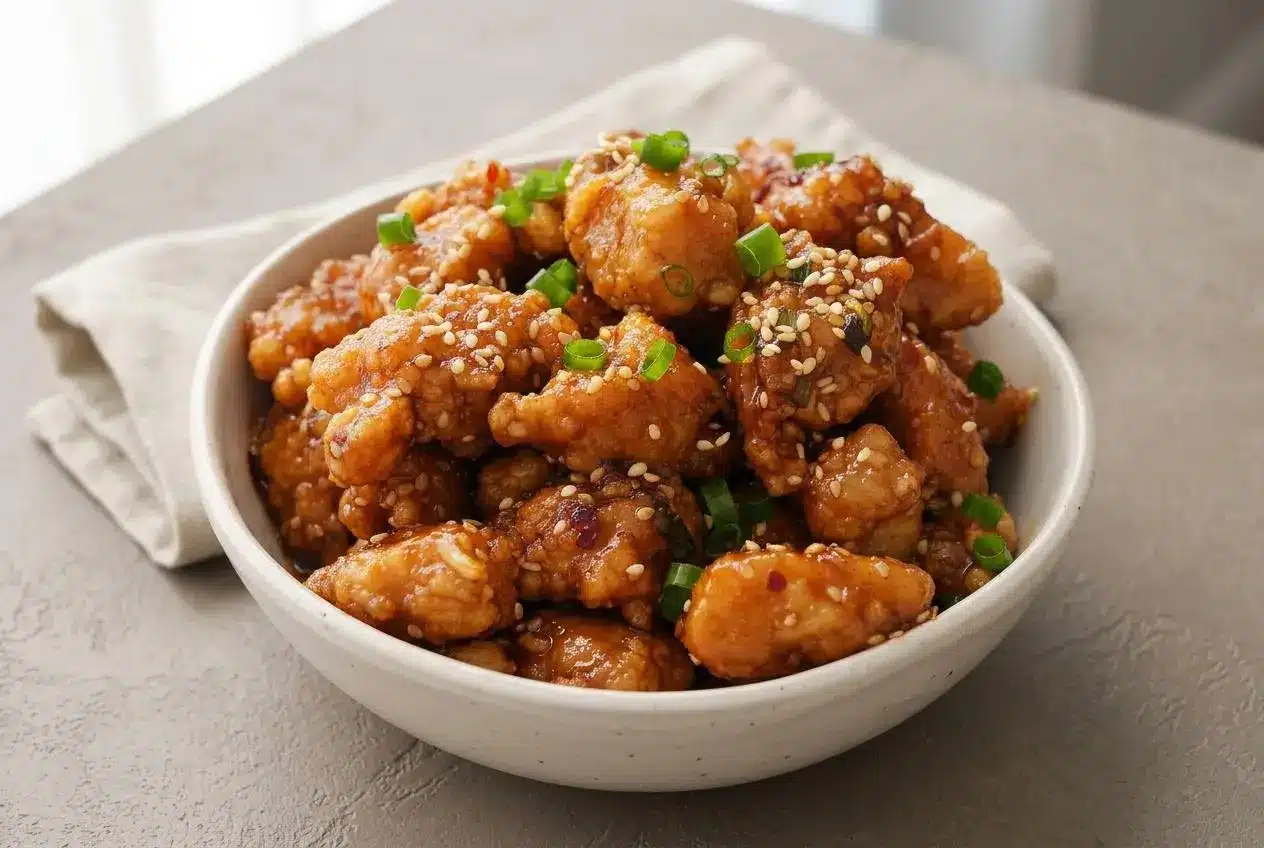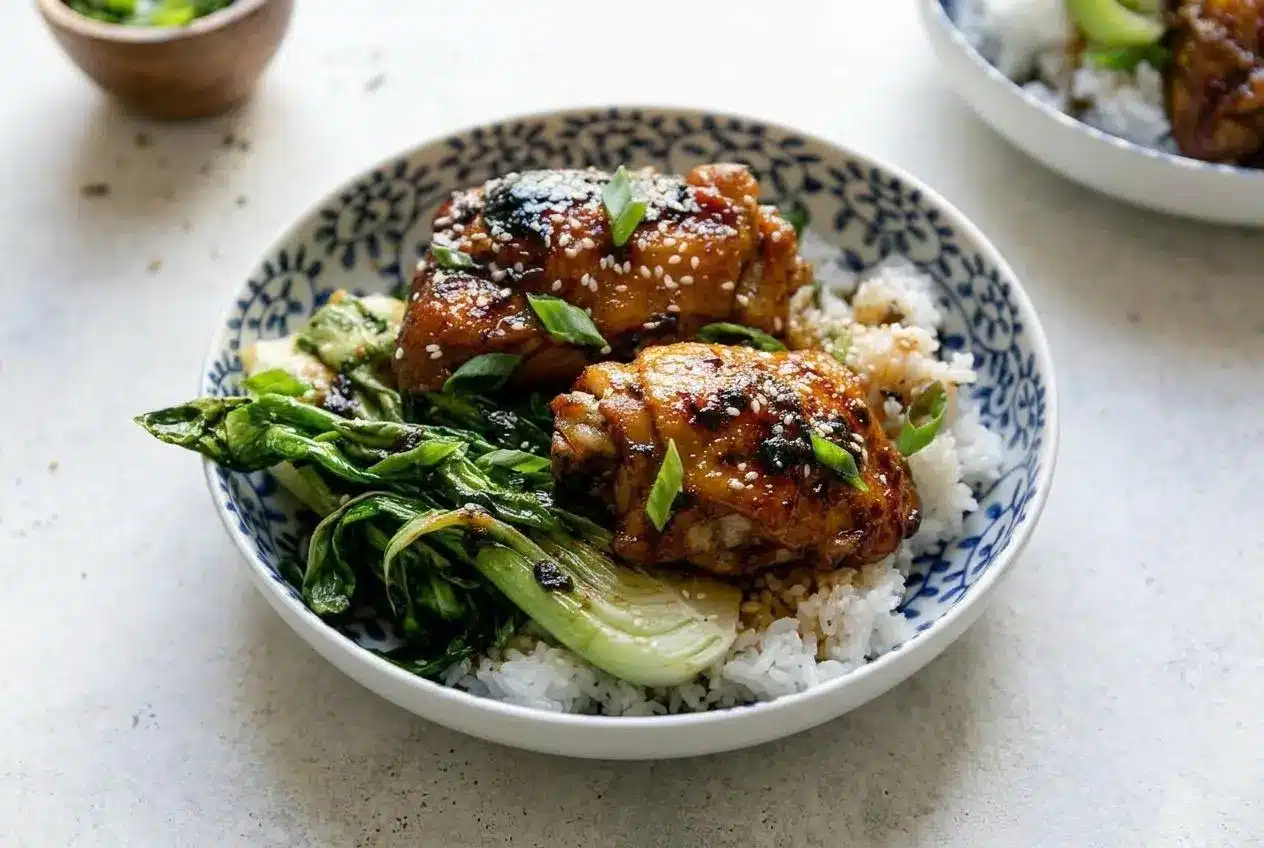
Shoyu Chicken is a Hawaiian braised chicken dish with bone-in thighs simmered in a savory-sweet sauce of shoyu, brown sugar, garlic, ginger, and green onions until tender enough to pull from the bone.
Shoyu Chicken is one of those comfort-food dinners that feels generous with very little fuss. The sauce smells deeply savory as the garlic and ginger warm up, and the chicken turns rich, tender, and glossy.
It’s an easy Hawaiian classic to make on the stovetop, and it also adapts well to a slow cooker or Instant Pot. The best part is that final spoon-coating sauce.
Use a pot wide enough to hold the chicken in a snug single layer so the thighs braise evenly and the sauce reduces more cleanly later.
What Is Shoyu Chicken? A Hawaiian Classic Explained
If you’re new to it, shoyu chicken is a beloved Hawaiian comfort food built around chicken simmered in a soy-based sauce until deeply seasoned and very tender. “Shoyu” is the Japanese word for soy sauce, and in this dish it forms the backbone of a braising liquid with brown sugar, garlic, ginger, and green onions.
The flavor lands in that sweet spot between savory and sweet, with a little sharpness from fresh ginger and garlic. It’s often part of a Hawaiian plate lunch, where the chicken is served with white rice and macaroni salad so none of that sauce goes to waste.
It also gets confused with teriyaki chicken quite a bit. They share some familiar ingredients, but shoyu chicken is usually braised in its sauce, while teriyaki is more often grilled or broiled and finished with a thicker glaze. That difference changes both the texture and the overall feel of the dish.
Key Ingredients for Authentic Flavor
Each ingredient here pulls its weight, from building the sauce’s savory depth to keeping the chicken moist and giving the finished dish its glossy balance.
- 6 bone-in, skin-on chicken thighs (about 2 – 3 pounds)
- 1 cup water
- ⅔ cup shoyu
- ⅔ cup dark brown sugar
- 4 green onions, thinly sliced
- 5 cloves garlic, finely chopped or grated
- 3 -inch piece ginger, finely chopped or grated
- optional: cornstarch slurry
Bone-in, skin-on thighs are the right fit for this kind of braise. The bone helps the meat stay juicy during the simmer, and the skin adds richness to the sauce. Boneless, skinless pieces can work, but they cook faster and dry out more easily.
Shoyu matters too. Aloha Shoyu tends to taste a little milder and slightly sweeter, while Kikkoman usually tastes saltier and sharper. Either can work, but low-sodium shoyu gives you better control because the sauce reduces and concentrates as it cooks.
Dark brown sugar does more than sweeten. Its molasses note rounds out the soy sauce and gives the glaze a deeper color and fuller flavor than white sugar would.
Fresh ginger and garlic are the aromatic base that makes the whole pot smell like dinner is already underway. Green onions bring a softer onion flavor that blends right into the braising liquid.
I always grate the ginger and garlic fresh here because the aroma that hits the bowl right away tells you the sauce is headed in the right direction.
How to Make Shoyu Chicken (Step-by-Step)
This stovetop method is the classic way to make it, and it keeps the process straightforward: mix the sauce, simmer the chicken gently, then reduce the liquid into a glaze.
- Whisk the water, shoyu, dark brown sugar, green onions, garlic, and ginger together in a bowl until the sugar is mostly dissolved.
The mixture should smell sweet, salty, and sharp from the fresh aromatics. - Pour the braising liquid into a heavy-bottomed pot or Dutch oven with a lid, then add the chicken thighs and settle them into the liquid as much as possible.
If you want a little more skin texture, brown the thighs skin-side down in the pot first until they are deep golden brown, not burnt, then add the liquid. - Bring the pot to a boil over high heat, reduce the heat to low, cover, and simmer for 30 to 35 minutes.
The chicken is ready when it is tender enough to pull from the bone with a fork and the thickest part reaches 165°F for cooked chicken. - Lift the chicken out once it is cooked through and keep it nearby while you finish the sauce.
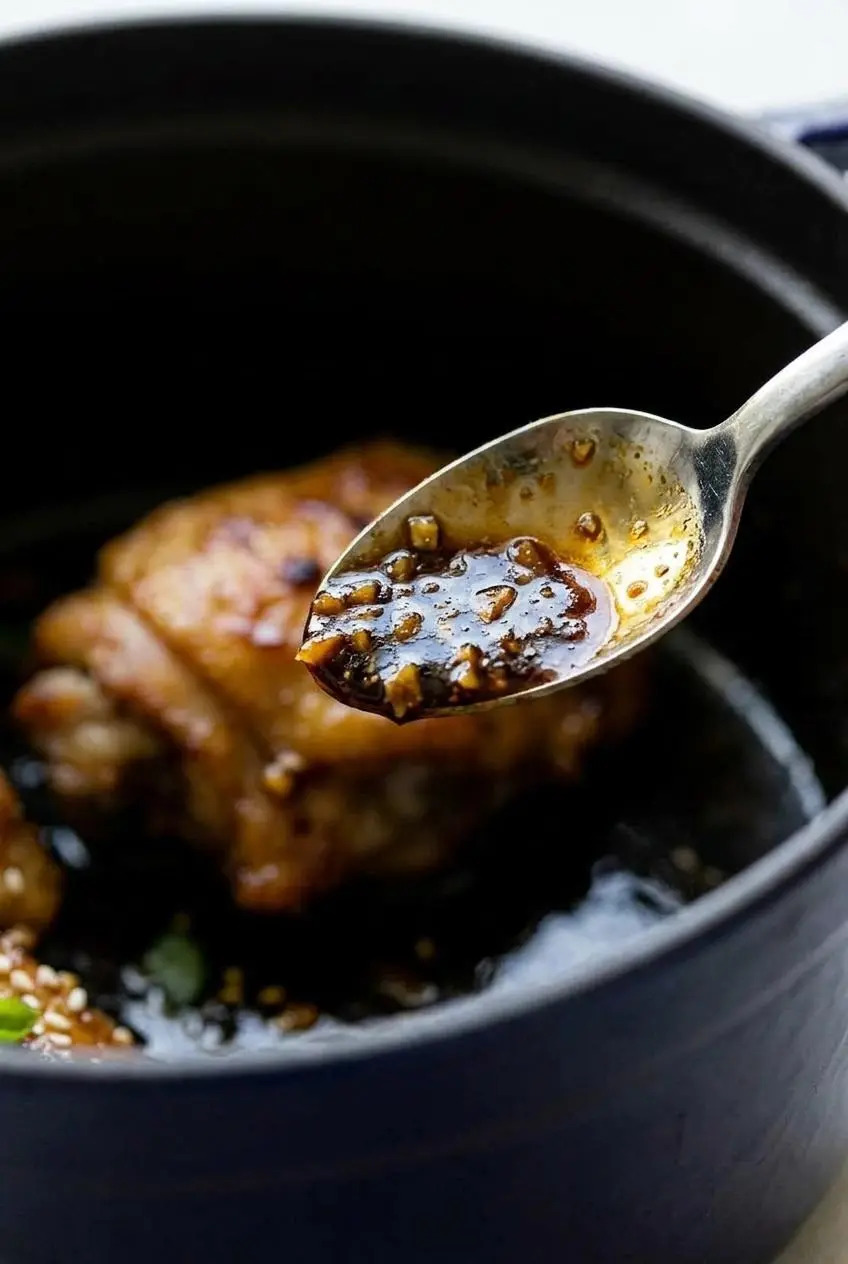
If there is a lot of fat floating on top, skim some off for a cleaner, less greasy glaze. - Turn the heat to high and boil the sauce for 5 to 10 minutes, or until it reduces as much as you like.
It should thicken enough to coat the back of a spoon, and this is the time to taste for sweetness or saltiness before it goes further. - For crispier skin, heat the broiler to high with a rack about 6 inches below the heat, transfer the chicken to a small baking sheet, and broil for 4 to 5 minutes, turning the pan halfway through.
The skin should look crispy and caramelized at the edges while the sauce finishes reducing on the stove.
Serve the chicken hot with spoonfuls of the reduced sauce over the top. A few extra sliced green onions are a great finishing touch if you like a little freshness against the richer glaze.
Slow Cooker and Instant Pot Instructions
If you want a more hands-off option, both appliance methods work well. The stovetop version gives you the most control over the sauce, but these are great for busy days.
Slow Cooker Method
To make slow cooker shoyu chicken, whisk the same braising liquid together first. For better flavor and better-looking skin, you can brown the chicken in a skillet before transferring it to the slow cooker, though it’s optional.
Add the chicken and sauce to the slow cooker and cook on low for 4 to 5 hours or on high for 2 to 3 hours, until the chicken is very tender and pulls easily from the bone. If the sauce tastes a little thin at the end, remove the chicken and either simmer the liquid in a saucepan on the stove or stir in the optional cornstarch slurry and cook until lightly thickened.
Instant Pot Method
For the Instant Pot, use the Sauté function first if you want to brown the skin side of the chicken before pressure cooking. That extra step adds flavor, but the recipe still works without it.
Add the braising liquid, arrange the chicken in the pot, then cook at high pressure for about 10 minutes and let the pressure release naturally for 10 minutes before opening. Remove the chicken, switch back to Sauté, and simmer the sauce until it thickens enough to coat a spoon, or use the optional cornstarch slurry for a quicker finish.
Shoyu Chicken vs. Teriyaki Chicken: What’s the Difference?
The easiest way to think about it is this: shoyu chicken is braised, while teriyaki chicken is usually grilled or broiled and glazed. Both are savory and sweet, but shoyu chicken tastes more infused because the meat cooks right in the sauce. If you’re craving a grill-style version instead, classic teriyaki chicken scratches a different itch.
| Feature | Shoyu Chicken | Teriyaki Chicken |
|---|---|---|
| Cooking Method | Braised or simmered in the sauce | Usually grilled or broiled, then glazed |
| Sauce Ingredients | Shoyu, sugar, water, garlic, ginger, green onions | Soy sauce with a thicker, sweeter glaze-style balance, often with mirin-style flavor |
| Final Texture | Tender, sauce-soaked, fall-apart meat | Firmer pieces with a sticky glaze on the surface |
Tips for the Best Shoyu Chicken
- Use the right cut: Bone-in, skin-on thighs stay juicier during the simmer and give the sauce more body. They’re worth it.
- Control the salt: Use low-sodium shoyu if possible, especially if you plan to reduce the sauce well. Regular soy sauce can get intense fast.
- Don’t rush the simmer: Keep it gentle. A hard boil can tighten the meat instead of letting it turn tender.
- Reduce the sauce: This is what turns the braising liquid into something glossy and spoonable instead of thin and watery.
- Crisp the skin if you want contrast: The optional broiler step adds that sticky-crispy edge that makes the dish even more satisfying.
- Let the flavors settle: This dish is excellent right away, but the sauce often tastes even more rounded after a rest and reheat.
If bone-in thighs are your weeknight hero cut, this technique works for more than one dinner. You might also like another chicken thigh recipe when you want something with a very different flavor profile.
Troubleshooting Common Issues
A few small adjustments usually fix the most common problems. Here’s where to look first.
| Problem | Possible Cause | Solution |
|---|---|---|
| Sauce is too salty | Regular soy sauce or too much reduction | Add a splash of water to loosen it, then taste again. A small pinch of sugar can help rebalance the edge. |
| Sauce won’t thicken | It hasn’t reduced long enough | Boil it a little longer after removing the chicken. If you need a faster fix, whisk in the optional cornstarch slurry. |
| Chicken is tough or dry | Boneless, skinless cuts or overcooking | Use thighs when you can, and stop cooking once the meat is tender and fully cooked through. |
How to Serve Shoyu Chicken
This dish really shines when you give the sauce something to cling to. Rice is the obvious answer, but it’s far from the only one.
The Classic Plate Lunch
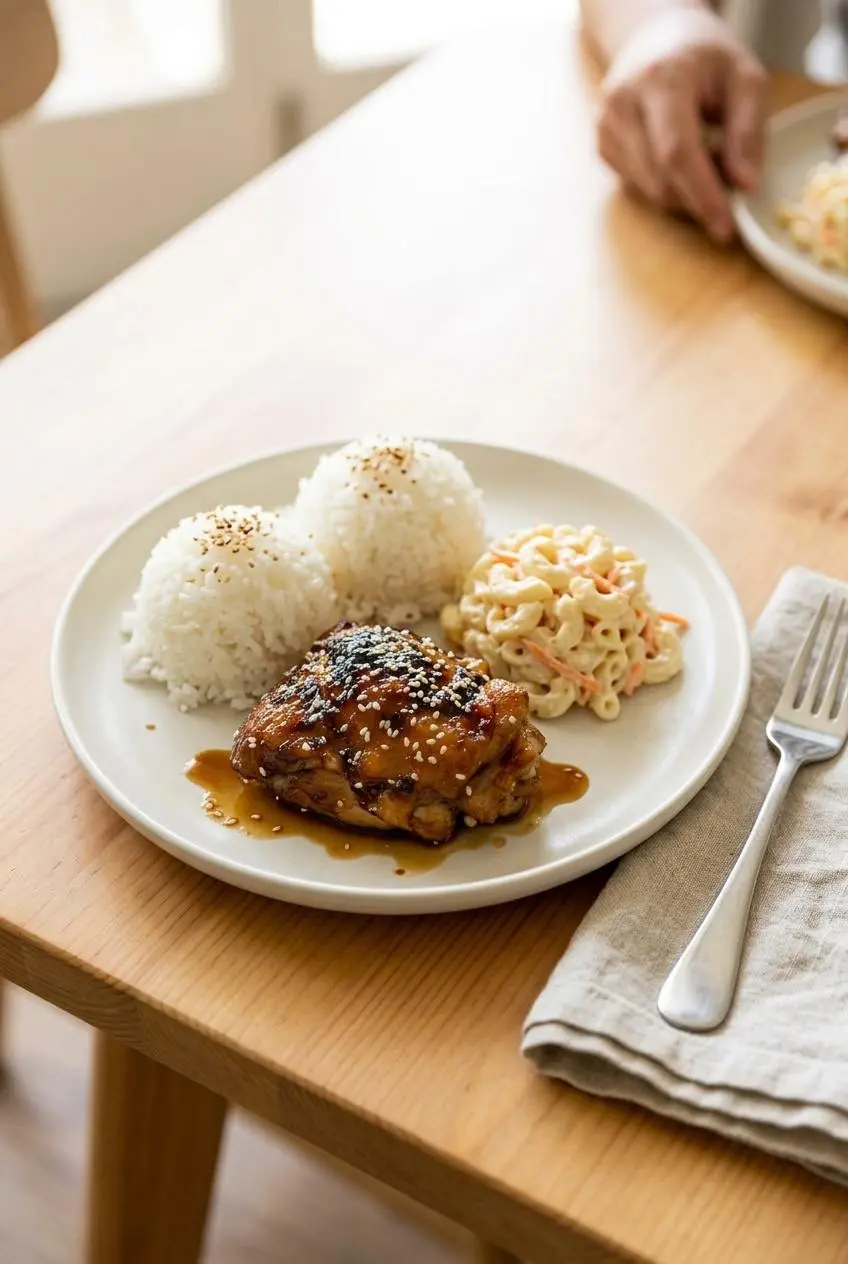
A classic Hawaiian plate lunch usually means shoyu chicken with two scoops of white rice and a scoop of macaroni salad. The rice matters because it catches every bit of the savory-sweet sauce, which is honestly half the reason to make this dish in the first place.
What Is Hawaiian Macaroni Salad?
Hawaiian macaroni salad is a creamy, tangy pasta salad usually made with very soft macaroni, mayonnaise, and shredded carrots, sometimes with onion or celery in the mix. Its mild, cool, creamy texture balances the richer chicken beautifully.
That contrast is what makes the plate lunch work so well. You get salty-sweet chicken, warm rice, and a chilled creamy side all on one plate. If you enjoy exploring Hawaiian comfort food, Chicken Katsu Musubi is another fun one to make next.
Other Serving Ideas
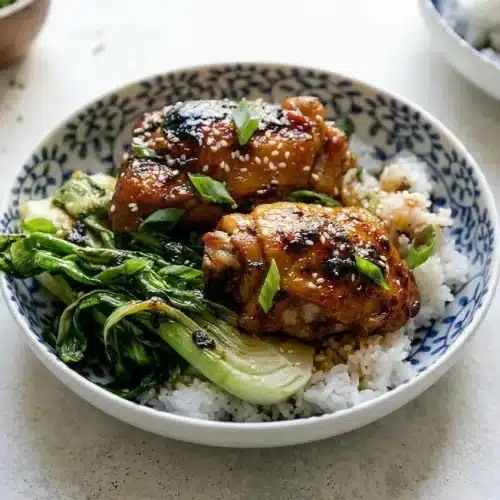
Serve shoyu chicken with steamed bok choy, sautéed cabbage, or other simple vegetables when you want a lighter plate. Toasted sesame seeds and extra green onions also make a nice finishing touch.
Leftovers are great shredded into sandwiches, tucked into tacos, or added to ramen. If you want more ways to stretch cooked meat into another meal, here are some ideas for shredded chicken.
Storage and Reheating
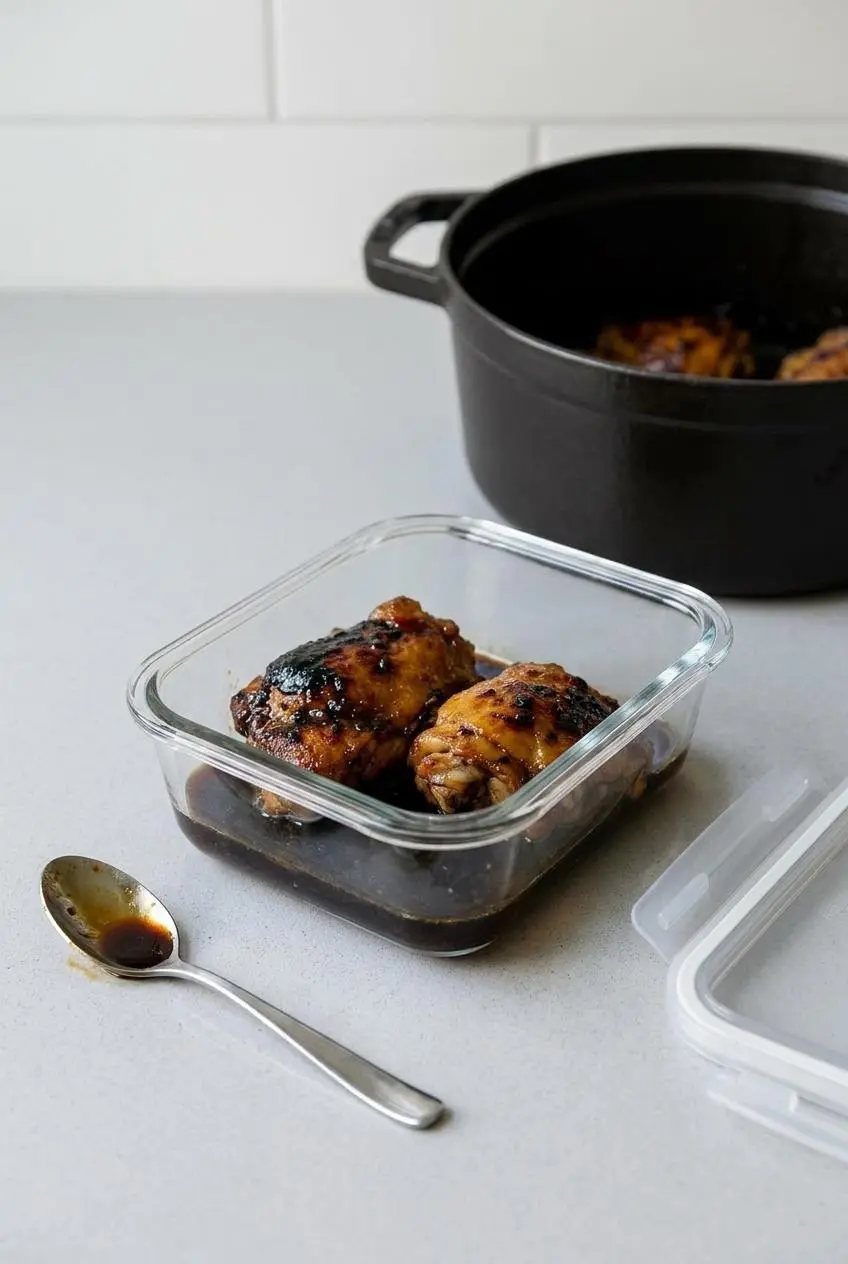
Cool leftovers, transfer them to an airtight container with some sauce, and refrigerate them promptly. They keep well for 3 to 4 days in the refrigerator, and the flavor often tastes even more settled the next day.
Reheat gently on the stove with the sauce over low heat, or microwave in short bursts until heated through. If the sauce has thickened a lot in the fridge, add a small splash of water before reheating to loosen it back up.
For best texture, don’t leave cooked chicken sitting out too long before chilling it. Try to get leftovers refrigerated within 2 hours after serving.
Conclusion
This shoyu chicken delivers exactly what you want from a comforting braised chicken dinner: tender meat, a savory-sweet sauce, and plenty of flavor from ginger, garlic, and green onions.
Once you know how to simmer it gently and reduce the sauce properly, it’s an easy dish to repeat whenever you want a Hawaiian-style dinner that feels extra cozy.
Frequently Asked Questions
What Is the Difference Between Shoyu Chicken and Teriyaki Chicken?
Shoyu chicken is braised in a thinner savory sauce with ginger and garlic, so the meat becomes very tender as it cooks. Teriyaki chicken is usually grilled or broiled and coated in a thicker, sweeter glaze. The comparison table above breaks it down quickly.
Can I Use Chicken Breasts Instead of Thighs?
Yes, but watch them carefully because they can dry out faster. Reduce the simmering time to about 15 to 20 minutes, and pull them once they reach 165°F. Thighs still give the juiciest result and the most forgiving texture.
How Do I Make the Sauce Thicker?
First, remove the cooked chicken and boil the sauce until it reduces and coats the back of a spoon. If you want a faster fix, whisk the optional cornstarch slurry into the simmering sauce and cook until it thickens.
What Is Hawaiian Macaroni Salad?
It’s a creamy, tangy pasta salad usually made with soft macaroni, mayonnaise, and shredded carrots. It’s a classic partner for shoyu chicken because it cools down the plate and balances the rich sauce.
How Long Does Shoyu Chicken Last in the Fridge?
Store it covered in an airtight container with some of the sauce and use it within the refrigerated storage window given above. Keeping the chicken with the sauce helps protect it from drying out.
Can I Make This in a Slow Cooker or Instant Pot?
Yes. Both methods work well, and each has its own section above so you can choose between a more hands-off slow cooker version or a faster Instant Pot version.
Shoyu Chicken

Equipment
- Staub 7-Qt Cocotte
Ingredients
- 6 bone-in, skin-on chicken thighs (about 2 – 3 pounds)
- 1 cup water
- ⅔ cup shoyu
- ⅔ cup dark brown sugar
- 4 green onions, thinly sliced
- 5 cloves garlic, finely chopped or grated
- 3 inch piece ginger, finely chopped or grated
- cornstarch slurry optional
Instructions
- Whisk the water, shoyu, dark brown sugar, green onions, garlic, and ginger together in a bowl until the sugar is mostly dissolved. The mixture should smell sweet, salty, and sharp from the fresh aromatics.
- Pour the braising liquid into a heavy-bottomed pot or Dutch oven with a lid, then add the chicken thighs and settle them into the liquid as much as possible. If you want a little more skin texture, brown the thighs skin-side down in the pot first until they are deep golden brown, not burnt, then add the liquid.
- Bring the pot to a boil over high heat, reduce the heat to low, cover, and simmer for 30 to 35 minutes. The chicken is ready when it is tender enough to pull from the bone with a fork and the thickest part reaches 165°F for cooked chicken.
- Lift the chicken out once it is cooked through and keep it nearby while you finish the sauce. If there is a lot of fat floating on top, skim some off for a cleaner, less greasy glaze.
- Turn the heat to high and boil the sauce for 5 to 10 minutes, or until it reduces as much as you like. It should thicken enough to coat the back of a spoon, and this is the time to taste for sweetness or saltiness before it goes further.
- For crispier skin, heat the broiler to high with a rack about 6 inches below the heat, transfer the chicken to a small baking sheet, and broil for 4 to 5 minutes, turning the pan halfway through. The skin should look crispy and caramelized at the edges while the sauce finishes reducing on the stove.