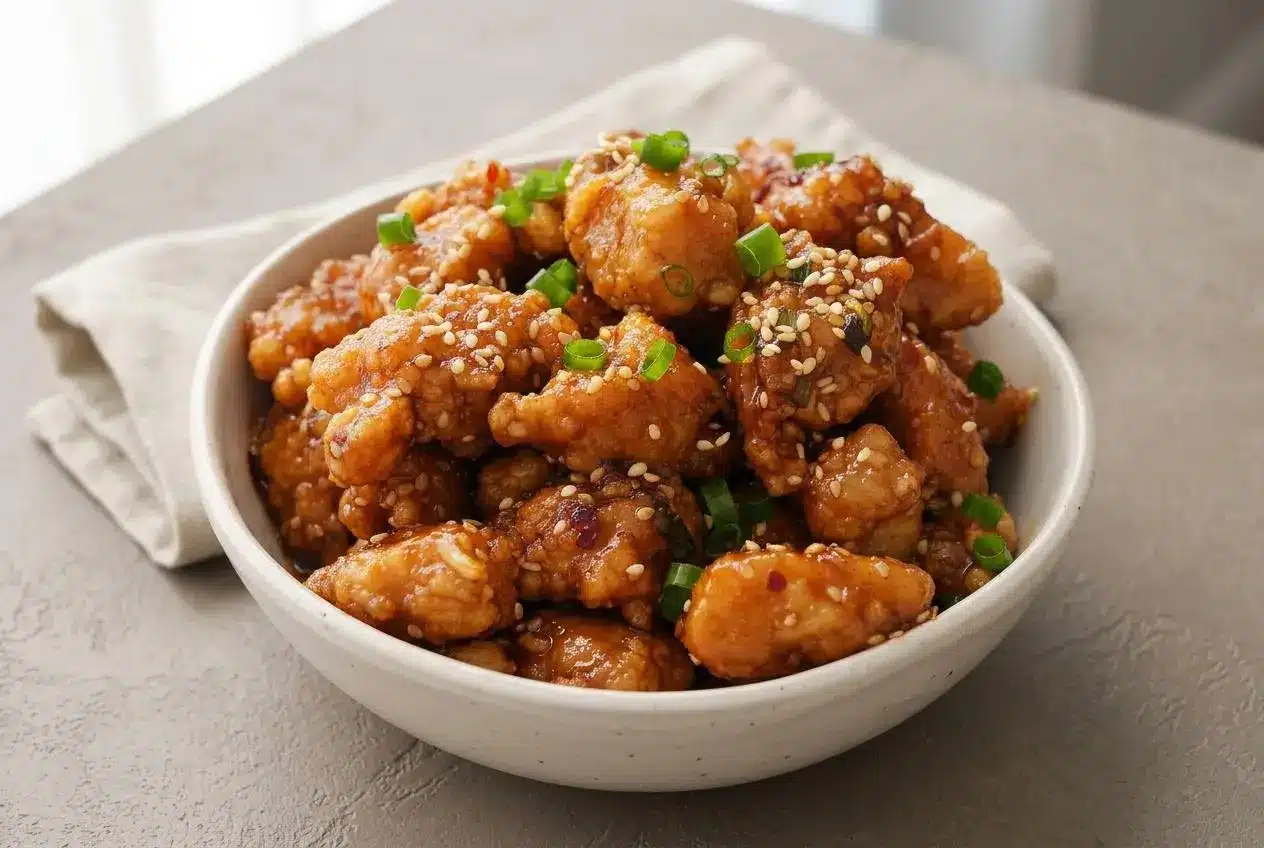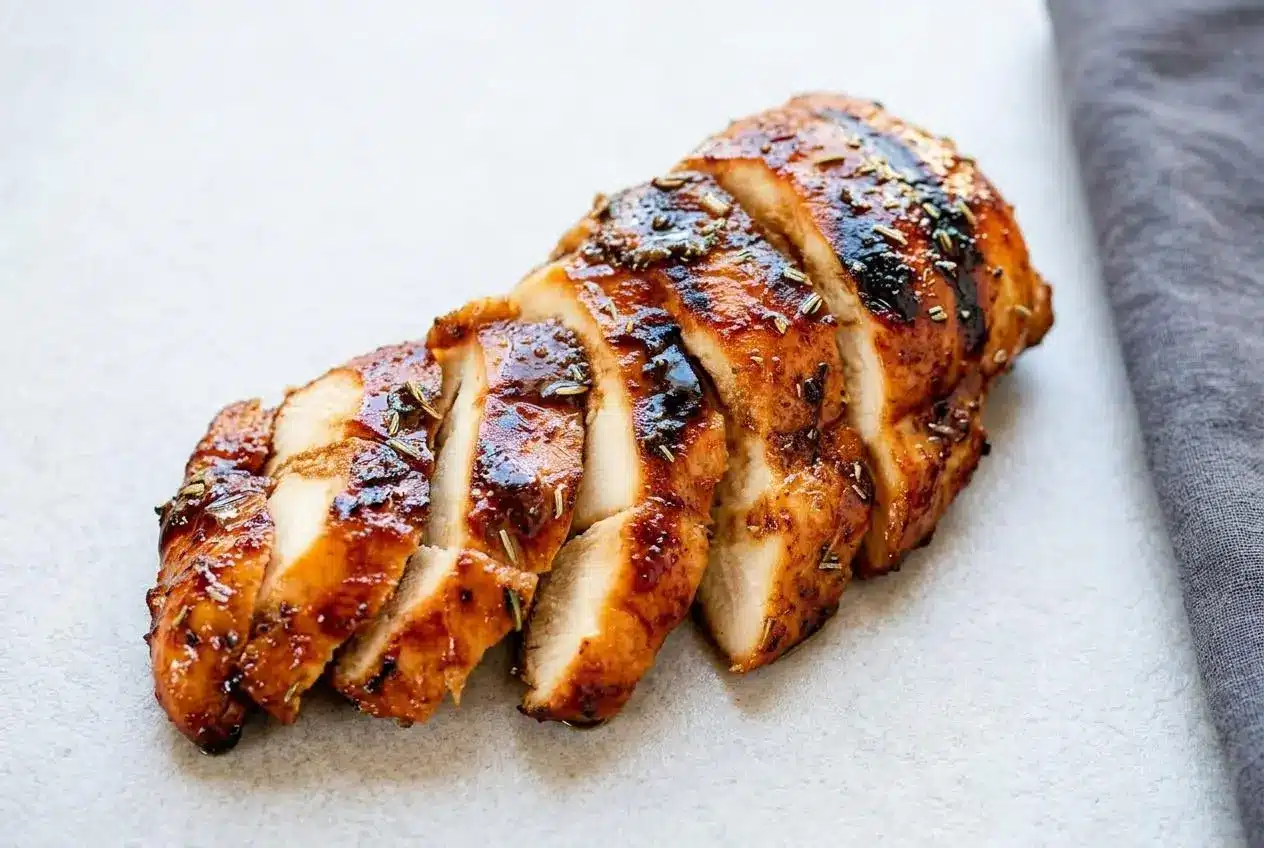
This grilled chicken marinade balances savory, sweet, and tangy flavors with balsamic vinegar, soy sauce, and brown sugar for juicy, flavorful chicken. It works especially well for chicken breasts, but it’s flexible enough for thighs, tenders, and other cuts too.
A good marinade should do more than coat the meat. It should help the chicken stay tender, build deep flavor, and give you that glossy, lightly charred finish once it hits the grill.
This one delivers all of that without making dinner feel fussy. And once you know the base version, the variations are fun.
If your chicken breasts are thick on one end, pound them lightly before marinating so they cook more evenly.
Why This Is the Best Chicken Marinade
This marinade works because every part of it has a job. The olive oil carries flavor and helps the chicken stay moist, the balsamic vinegar and lemon juice gently tenderize, the soy sauce and Worcestershire bring salt and savory depth, and the brown sugar rounds everything out while helping the outside brown nicely.
It also gives you a lot of flexibility. You can grill the chicken for smoky char, bake it when the weather is terrible, or cook it in a skillet when you want dinner fast. The flavor still holds up.
Balsamic is especially good here because it adds sweetness, tang, and color all at once. If you already love that flavor in chicken, this balsamic chicken recipe is another great direction to try.
The big win is balance. Nothing tastes too sharp, too salty, or too sugary. It just tastes like chicken you want to keep making.
Grilled Chicken Marinade Ingredients
Each ingredient shapes the final chicken, from the tangy depth of the vinegar to the savory backbone of soy sauce and Worcestershire, the browning from sugar, and the herbal lift from rosemary.
- ½ cup extra virgin olive oil
- ½ cup balsamic vinegar or other vinegar
- ¼ cup soy sauce I use low sodium soy sauce
- ¼ cup Worcestershire sauce
- ⅛ cup lemon juice
- ¾ cup brown sugar
- 2 teaspoon dried rosemary
- 2 tablespoon Dijon mustard or Spicy Brown mustard
- 1 ½ teaspoons salt
- 1 teaspoon ground black pepper
- 2 teaspoon garlic powder
- 6 chicken breasts or 3.5 lb chicken
I usually reach for low-sodium soy sauce here because it gives me a little more control over the final seasoning, especially if I’m using smaller chicken breasts.
The mustard helps the marinade come together and adds a little zip. Rosemary gives it that classic grilled chicken aroma. Brown sugar is what makes the edges caramelize, but it also means you want to watch the heat so the outside doesn’t darken too fast.
This marinade is especially good with boneless skinless breasts, but it also works with thighs, tenders, and wings. Thighs stay naturally juicy and can handle a little extra char, while breasts benefit the most from even thickness and a good rest after cooking.
Smart Ingredient Substitutions
| Ingredient | Substitution | Result |
|---|---|---|
| Balsamic vinegar | Red wine vinegar or apple cider vinegar | Red wine vinegar tastes sharper and less sweet. Apple cider vinegar gives a fruitier tang. |
| Brown sugar | Honey or maple syrup | Honey makes the glaze a little stickier. Maple syrup adds a deeper sweetness with a softer caramel note. |
| Soy sauce | Tamari or coconut aminos | Tamari keeps the savory depth close to the original. Coconut aminos taste a little sweeter and milder. |
| Dijon mustard | Spicy brown mustard or stone-ground mustard | Spicy brown keeps the bite punchy. Stone-ground gives a slightly coarser texture. |
How to Marinate and Cook The Chicken (3 Ways)
This section is where the recipe really comes together. The main things that matter are reserving some marinade before it touches the raw chicken, giving the meat enough time to absorb flavor, and cooking just until done so it stays juicy.
Step 1: Prepare the Marinade
- Whisk the olive oil, vinegar, soy sauce, Worcestershire sauce, lemon juice, brown sugar, rosemary, mustard, salt, pepper, and garlic powder in a large bowl until blended.
The marinade should look glossy and slightly thickened, like a well-mixed vinaigrette. - Pour ½ cup of the marinade into a separate container before adding any chicken.
Keep that reserved portion separate if you want to baste during cooking or simmer it into a sauce later.
If you want to turn the reserved marinade into a sauce, bring it to a full boil first, since marinade that touched raw poultry should be boiled before serving, as explained in guidance for using marinade as a sauce.
Step 2: Marinate the Chicken
- Place the chicken in a large resealable bag and pour in the marinade.
Press out extra air, seal the bag, and massage the chicken so every piece is evenly coated. - Refrigerate the chicken for at least 30 minutes and no more than 24 hours.
For the best flavor and texture, aim for 4 to 6 hours, and poke the chicken with a fork first if you need the marinade to work faster.
| Chicken cut | Best marinating time | What to expect |
|---|---|---|
| Breasts | 4 to 6 hours | Great flavor without risking a mushy texture |
| Thighs | 4 to 12 hours | Deep flavor and very juicy results |
| Tenders | 30 minutes to 4 hours | Quick to absorb flavor and quick to cook |
| Wings | 2 to 6 hours | Good surface flavor and strong browning |
| Bone-in pieces | 4 to 12 hours | Plenty of flavor with a little more grill time |
Method 1: Grilling Instructions
- Heat the grill to medium-high and oil the grates lightly.
When the chicken hits the grill, you want a sharp sizzle instead of a faint hiss. - Lift the chicken from the bag and let the excess marinade drip off before placing it on the grill.
Less dripping helps limit flare-ups and keeps the outside from scorching too early. - Cook for 5 to 6 minutes per side, turning once.
The surface should pick up charred spots and the meat should feel firmer as it cooks through. - Baste occasionally with the reserved marinade during cooking.
Brush lightly so the coating builds flavor without flooding the grates. - Remove the chicken when it reaches 165°F and tent it loosely with foil for at least 5 minutes.
That short rest helps the juices settle back into the meat instead of running onto the cutting board.
For charcoal grilling, a two-zone fire makes life easier. Start the chicken on the cooler side if the sugar is browning too fast, then finish over direct heat for color.
Method 2: Baking Instructions
- Heat the oven to 400°F and arrange the marinated chicken on a baking sheet.
Leave a little space between pieces so the heat can circulate and brown the edges. - Bake for 18 to 22 minutes, depending on thickness.
The chicken is ready when the center reaches 165°F and the juices run clear when pierced. - Rest the chicken briefly before slicing or serving.
The texture will stay noticeably juicier if you give it a few minutes before cutting.
Baking is a great backup when grilling isn’t happening. You still get the sweet-savory flavor, and cleanup is pleasantly boring.
Method 3: Stovetop Instructions
- Set a large skillet over medium-high heat and add the chicken in a single layer.
The pan should sound lively when the chicken goes in, but it should not smoke aggressively. - Cook for 5 to 7 minutes per side, adjusting as needed for thickness.
The outside should turn deep golden brown while the center finishes cooking through. - Do not overcrowd the pan, and cook in batches if needed.
Giving the pieces space helps them sear instead of steam. - Take the chicken out of the skillet when it reaches 165°F, then let it rest before serving.
You’ll keep more juice in the meat and get cleaner slices.
Tips for Perfect Results Every Time
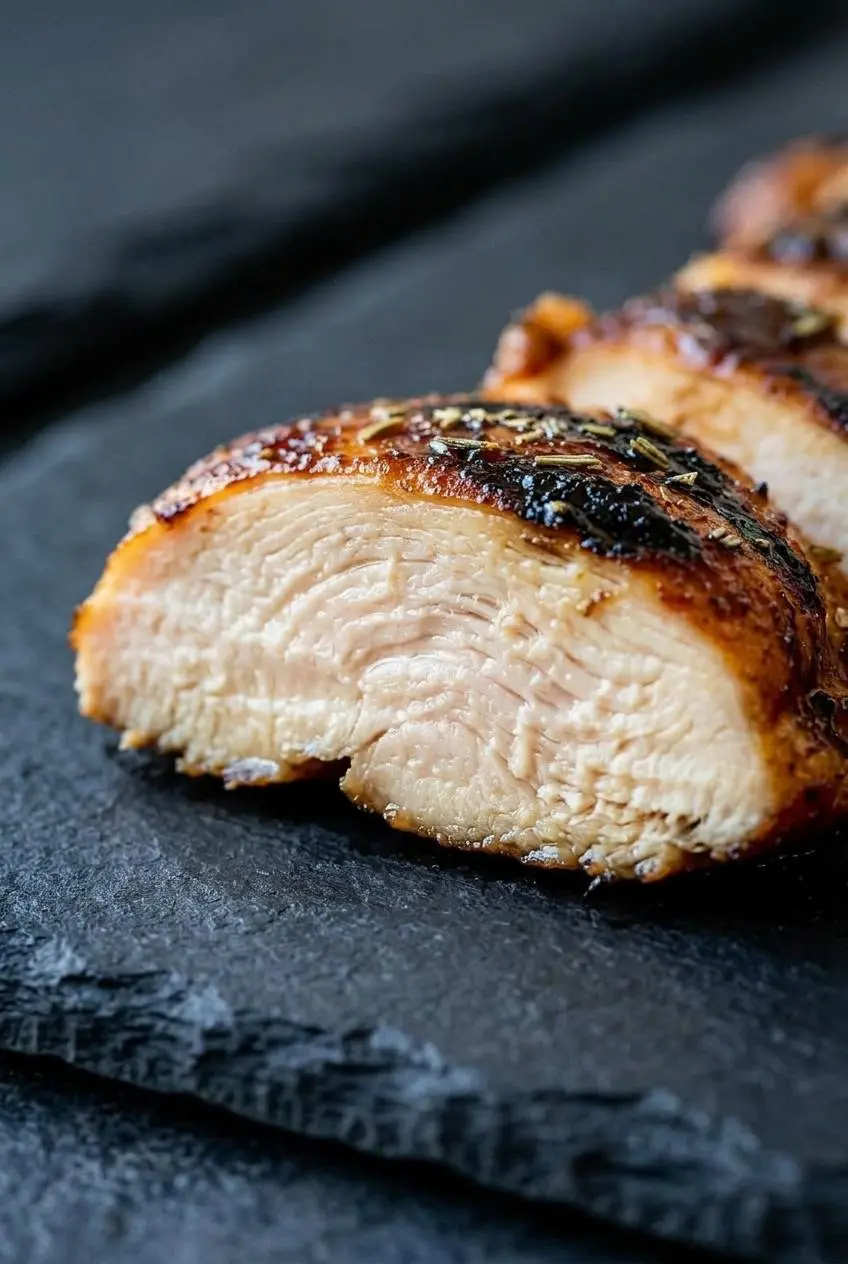
A lot of home cooks run into the same few problems with marinated chicken. These small adjustments make a big difference.
- Pound for evenness: Flatten thick chicken breasts lightly so the skinny end doesn’t dry out before the thicker side is done.
- Poke holes if you’re short on time: A few fork holes help the marinade move in faster, especially when you only have about 30 minutes.
- Don’t marinate too long: Once you go past 24 hours, the acid can start messing with the texture and make the chicken unpleasantly soft.
- Use a thermometer: It’s the easiest way to avoid dry chicken and pull it right when it’s done.
- Let it rest: Give the chicken 5 to 10 minutes before slicing so the juices stay where you want them.
- Set up two heat zones on the grill: This is especially helpful with a marinade that contains sugar, because you can move the chicken away from direct heat if it starts darkening too fast.
- Don’t crowd the grill or skillet: Space helps the chicken sear and caramelize instead of steaming.
- For a smokier twist: You can add 1 tbsp smoked paprika and 1/4 tsp liquid smoke to the marinade if you want a deeper backyard barbecue vibe.
Flavor Variations
Once you know the base method, you can change the personality of the marinade pretty easily. Each option below makes about 1 cup and is meant as a separate variation, not an addition to the main ingredient list.
Greek Lemon-Herb Marinade
Use 1/2 cup olive oil, 1/4 cup lemon juice, 1 tbsp Dijon mustard, 2 teaspoons dried oregano, and 3 minced garlic cloves. Skip the balsamic vinegar, soy sauce, and Worcestershire sauce from the base version.
This one tastes brighter and cleaner, with a fresh lemony finish that’s especially good over greens or grain bowls. If that sounds like dinner, Greek Chicken Bowls are a natural next move.
Classic Italian Marinade
Use 1/2 cup olive oil, 1/4 cup red wine vinegar, 2 tbsp Dijon mustard, 1 teaspoon dried basil, 1 teaspoon dried oregano, 1 teaspoon dried parsley, 1 teaspoon garlic powder, 1 teaspoon salt, and 1/2 teaspoon black pepper. Leave out the Worcestershire sauce and rosemary.
The flavor leans herb-forward and tangy, with less sweetness than the base recipe. It’s especially nice if you’re serving the chicken with roasted potatoes, pasta salad, or grilled vegetables.
Spicy Chipotle-Lime Marinade
Use 1/2 cup olive oil, 1/4 cup lime juice, 1/4 cup soy sauce, 2 tbsp brown sugar, 1 to 2 chopped chipotles in adobo, 1 teaspoon cumin, 1 teaspoon garlic powder, and 1 tbsp Dijon mustard. Skip the balsamic vinegar and rosemary.
This version has smoky heat and a sharper citrus edge. It’s excellent sliced into bowls, wraps, or tacos, and if you want to keep going down the spicy route, spicy jerk chicken is another bold grill-friendly option.
Creamy Yogurt Marinade
Use 3/4 cup plain yogurt, 2 tbsp lemon juice, 1 tbsp grated ginger, 3 minced garlic cloves, 2 teaspoons garam masala, 1/2 teaspoon turmeric, 1 tbsp oil, 1 teaspoon salt, and 1/2 teaspoon black pepper.
Yogurt gives you a softer, creamy coating and a gentler kind of tenderizing. The flavor feels warmer and more aromatic, and it’s a great option when you want something a little different from the balsamic-based base marinade.
What to Serve With Grilled Chicken
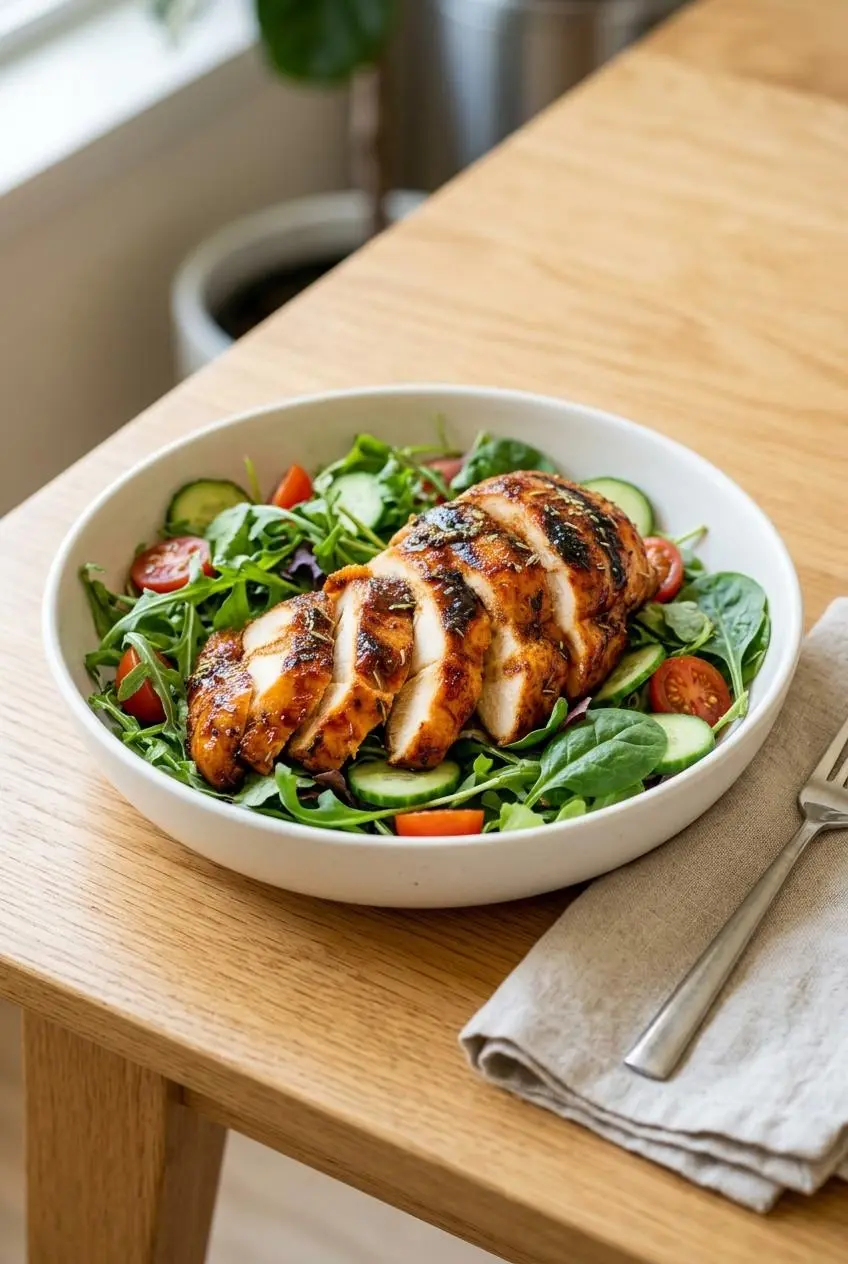
- Slice it over a crisp green salad. If you want a dressing that echoes the marinade, use reserved uncooked marinade as the starting point and adjust it to taste before serving.
- Tuck it into sandwiches, wraps, or tacos. For leftovers, this guide on how to shred chicken is handy if you want a finer texture.
- Serve it with grilled zucchini, bell peppers, onions, or corn for an easy warm-weather plate.
- Pair it with rice pilaf, quinoa, or roasted potatoes when you want something heartier.
- Use it in burrito bowls with black beans, avocado, and salsa if you’re leaning into the chipotle-lime variation.
If you’re making this for salad, the Greek-style version or a lighter Italian-style marinade tends to taste freshest and is less likely to darken too quickly on the grill.
Storage, Freezing, and Meal Prep
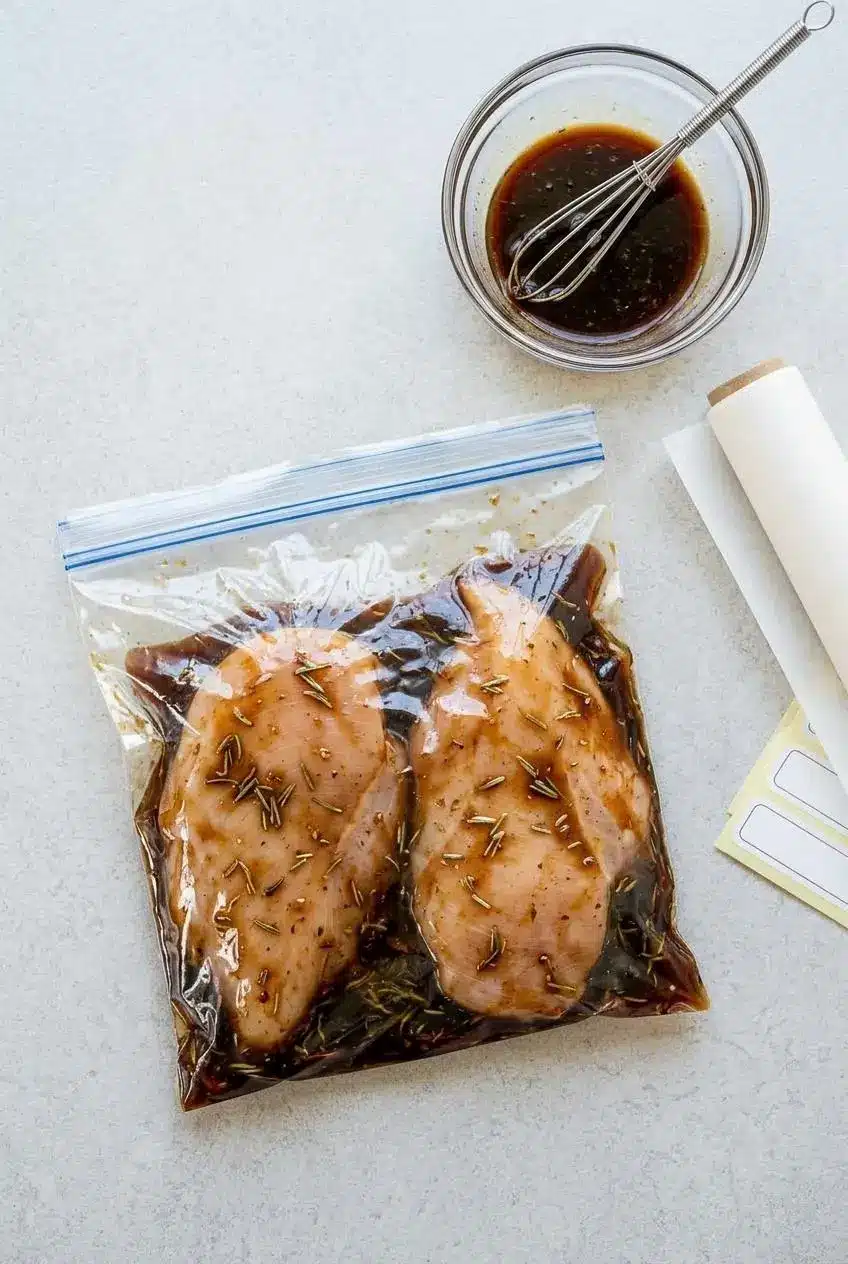
This recipe is very meal-prep friendly, especially if you like stocking the freezer with ready-to-cook proteins.
Store leftover cooked chicken in an airtight container in the refrigerator for 3 to 4 days, which lines up with cold food storage times for cooked chicken. Keeping the slices with any juices from the platter helps them stay moister.
To freeze raw chicken in the marinade, place the chicken and marinade in a freezer-safe zip-top bag, press out as much air as you can, and lay it flat. Freeze it for up to 3 months.
Thaw frozen marinated chicken in the refrigerator before cooking. If you’re marinating fresh raw chicken in the fridge before freezing or cooking, use it or freeze it within 2 days.
For reheating, the best approach is gentle heat. Warm the chicken in a covered baking dish with a splash of water or any collected juices so it doesn’t dry out.
Troubleshooting Common Issues
The biggest challenge home cooks face here is heat management. The table below helps you fix the most common problems fast.
| Problem | Likely Cause | Solution |
|---|---|---|
| Dry chicken | It cooked too long or the pieces were uneven in thickness. | Pound breasts to an even thickness, pull the chicken as soon as it hits 165°F, and let it rest before slicing. |
| Burnt outside, undercooked middle | The heat was too aggressive, especially with the sugar in the marinade. | Use a two-zone grill, start on lower heat if needed, and baste near the end instead of early. |
| Weak flavor | The chicken didn’t marinate long enough or the pieces were very thick. | Aim for 4 to 6 hours when possible, and poke the chicken lightly with a fork if time is short. |
| Mushy texture | The chicken sat in the marinade too long. | Keep the marinating time under 24 hours, especially for boneless breasts. |
| Chicken sticking to the grill | Grates weren’t hot enough or weren’t oiled. | Preheat fully, oil the grates lightly, and let the chicken sear before trying to move it. |
Conclusion
This is the kind of marinade that earns a spot in regular dinner rotation. It gives you juicy chicken, balanced flavor, and enough flexibility to work on the grill, in the oven, or on the stovetop.
If you remember one thing, let it be this: rest the chicken before slicing. That small pause pays off every single time.
Frequently Asked Questions
How long should you marinate chicken for grilling?
For the best flavor and texture, 4 to 6 hours is the sweet spot. Even 30 minutes helps if you’re in a hurry. Thighs can handle a little longer than breasts. Try not to go past 24 hours, or the texture can turn soft and a little mushy.
Can I bake the chicken instead of grilling it?
Yes, absolutely. Bake it at 400°F on a baking sheet. Most pieces take about 18 to 22 minutes, depending on thickness. Cook until the center reaches 165°F.
Is it safe to use leftover marinade as a sauce?
Yes, but only if it has not touched raw chicken, or if you boil it first. The safest option is to reserve some marinade before adding the chicken. If the marinade has touched raw chicken, bring it to a full rolling boil for at least 1 to 2 minutes before serving it. That boiled, slightly reduced marinade makes a great spoon-over sauce.
How do I prevent a sugary marinade from burning on the grill?
Keep the heat controlled and don’t rush the color. Use a two-zone fire so you can move the chicken away from direct heat. Cook on the cooler side first if the outside is darkening too quickly. Baste during the last few minutes instead of from the start.
Can I freeze chicken in this marinade?
Yes, and it works very well for meal prep. Place the chicken and marinade in a freezer-safe bag. Press out as much air as possible before sealing. Freeze for up to 3 months, then thaw in the refrigerator before cooking.
What’s the difference between a marinade and a brine?
They’re similar in purpose, but they work differently. A marinade focuses on flavor and usually includes oil, acid, and seasonings. A brine is saltwater-based and is mainly used to improve moisture retention. If you want bold surface flavor, use a marinade. If you want extra moisture with simpler seasoning, use a brine.
Grilled Chicken Marinade

Equipment
- large bowl
- Whisk
- Resealable bag
- Grill
Ingredients
- ½ cup extra virgin olive oil
- ½ cup balsamic vinegar or other vinegar
- ¼ cup soy sauce I use low sodium soy sauce
- ¼ cup Worcestershire sauce
- ⅛ cup lemon juice
- ¾ cup brown sugar
- 2 teaspoon dried rosemary
- 2 tablespoon Dijon mustard or Spicy Brown mustard
- 1 ½ teaspoons salt
- 1 teaspoon ground black pepper
- 2 teaspoon garlic powder
- 6 chicken breasts or 3.5 lb chicken
Instructions
Step 1: Prepare the Marinade
- Whisk the olive oil, vinegar, soy sauce, Worcestershire sauce, lemon juice, brown sugar, rosemary, mustard, salt, pepper, and garlic powder in a large bowl until blended. The marinade should look glossy and slightly thickened, like a well-mixed vinaigrette.
- Pour ½ cup of the marinade into a separate container before adding any chicken. Keep that reserved portion separate if you want to baste during cooking or simmer it into a sauce later.
Step 2: Marinate the Chicken
- Place the chicken in a large resealable bag and pour in the marinade. Press out extra air, seal the bag, and massage the chicken so every piece is evenly coated.
- Refrigerate the chicken for at least 30 minutes and no more than 24 hours. For the best flavor and texture, aim for 4 to 6 hours, and poke the chicken with a fork first if you need the marinade to work faster.
Method 1: Grilling Instructions
- Heat the grill to medium-high and oil the grates lightly. When the chicken hits the grill, you want a sharp sizzle instead of a faint hiss.
- Lift the chicken from the bag and let the excess marinade drip off before placing it on the grill. Less dripping helps limit flare-ups and keeps the outside from scorching too early.
- Cook for 5 to 6 minutes per side, turning once. The surface should pick up charred spots and the meat should feel firmer as it cooks through.
- Baste occasionally with the reserved marinade during cooking. Brush lightly so the coating builds flavor without flooding the grates.
- Remove the chicken when it reaches 165°F and tent it loosely with foil for at least 5 minutes. That short rest helps the juices settle back into the meat instead of running onto the cutting board.
Method 2: Baking Instructions
- Heat the oven to 400°F and arrange the marinated chicken on a baking sheet. Leave a little space between pieces so the heat can circulate and brown the edges.
- Bake for 18 to 22 minutes, depending on thickness. The chicken is ready when the center reaches 165°F and the juices run clear when pierced.
- Rest the chicken briefly before slicing or serving. The texture will stay noticeably juicier if you give it a few minutes before cutting.
Method 3: Stovetop Instructions
- Set a large skillet over medium-high heat and add the chicken in a single layer. The pan should sound lively when the chicken goes in, but it should not smoke aggressively.
- Cook for 5 to 7 minutes per side, adjusting as needed for thickness. The outside should turn deep golden brown while the center finishes cooking through.
- Do not overcrowd the pan, and cook in batches if needed. Giving the pieces space helps them sear instead of steam.
- Take the chicken out of the skillet when it reaches 165°F, then let it rest before serving. You’ll keep more juice in the meat and get cleaner slices.