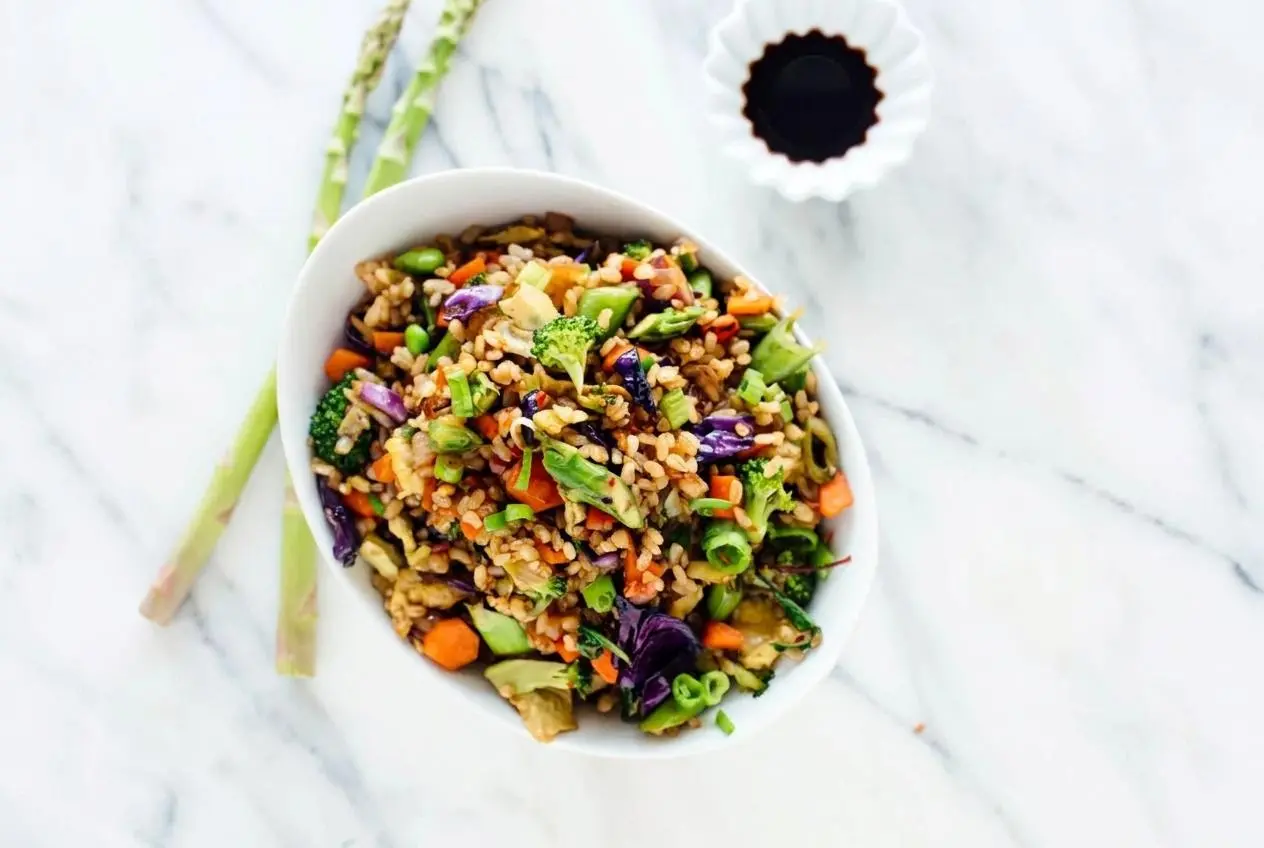
Vegetable Fried Rice is fast, savory, veggie-packed, and reliable when you use cold rice, a hot pan, and cook the eggs, vegetables, and rice in stages for distinct grains and tender-crisp texture.
Vegetable Fried Rice is one of the easiest ways to turn cooked rice and a handful of vegetables into a full meal that tastes a little better than takeout and a lot more fresh. You get lightly set egg pieces, savory rice, and vegetables that stay colorful instead of fading into mush.
You’ll like this version because it’s flexible without being vague. The method is simple, the flavors are balanced, and the crispy edges come from a few smart choices rather than kitchen heroics. The hot pan is where the magic starts.
Have every ingredient chopped and within reach before the skillet goes on, because the last few minutes move quickly.
Ingredients
This ingredient list is short, practical, and built for good texture. Nothing here is complicated, but a few choices make a big difference once the pan gets hot.
- 1 ½ teaspoons + 2 tablespoons avocado oil or safflower oil, divided
- 2 eggs, whisked together
- 1 small white onion, finely chopped (about 1 cup)
- 2 medium carrots, finely chopped (about ½ cup)
- 2 cups additional veggies, cut into very small pieces for quick cooking (options include snow peas, asparagus, broccoli, cabbage, bell pepper, and/or fresh or frozen peas—no need to thaw first)
- ¼ teaspoon salt, more to taste
- 1 tablespoon grated or finely minced fresh ginger
- 2 large cloves garlic, pressed or minced
- Pinch of red pepper flakes
- 2 cups cooked brown rice
- 1 cup greens (optional), such as spinach, baby kale or tatsoi
- 3 green onions, chopped
- 1 tablespoon reduced-sodium tamari or soy sauce
- 1 teaspoon toasted sesame oil
- Chili-garlic sauce or sriracha, for serving (optional)
Ingredient notes that matter most
Cold, day-old rice helps the grains stay separate, so the rice fries instead of steaming. If I’m using rice that feels a little soft, I break it up with my fingers first so it hits the pan in loose grains instead of cold clumps.
Very small vegetable pieces matter here because everything cooks fast. Tiny cuts let the carrots soften, the onions turn sweet, and the mixed vegetables pick up a little golden color before the rice goes in.
Tamari and soy sauce both work, but they taste slightly different. Tamari usually has a deeper, rounder flavor, while soy sauce tastes a little sharper and more classic for takeout-style fried rice. If you need a gluten-free option, use tamari.
Simple swaps to mention outside the base recipe
You can change the vegetable mix without changing the method. Peas, broccoli, cabbage, bell pepper, snow peas, asparagus, mushrooms, and zucchini all work well as long as you cut them small so they cook quickly.
If you want more protein, tofu or edamame fit naturally here as optional add-ins. For a fully vegan version, simply leave out the eggs. The base recipe stays the same, and the rice still gets plenty of flavor from the ginger, garlic, tamari, and sesame oil.
How to Make Vegetable Fried Rice
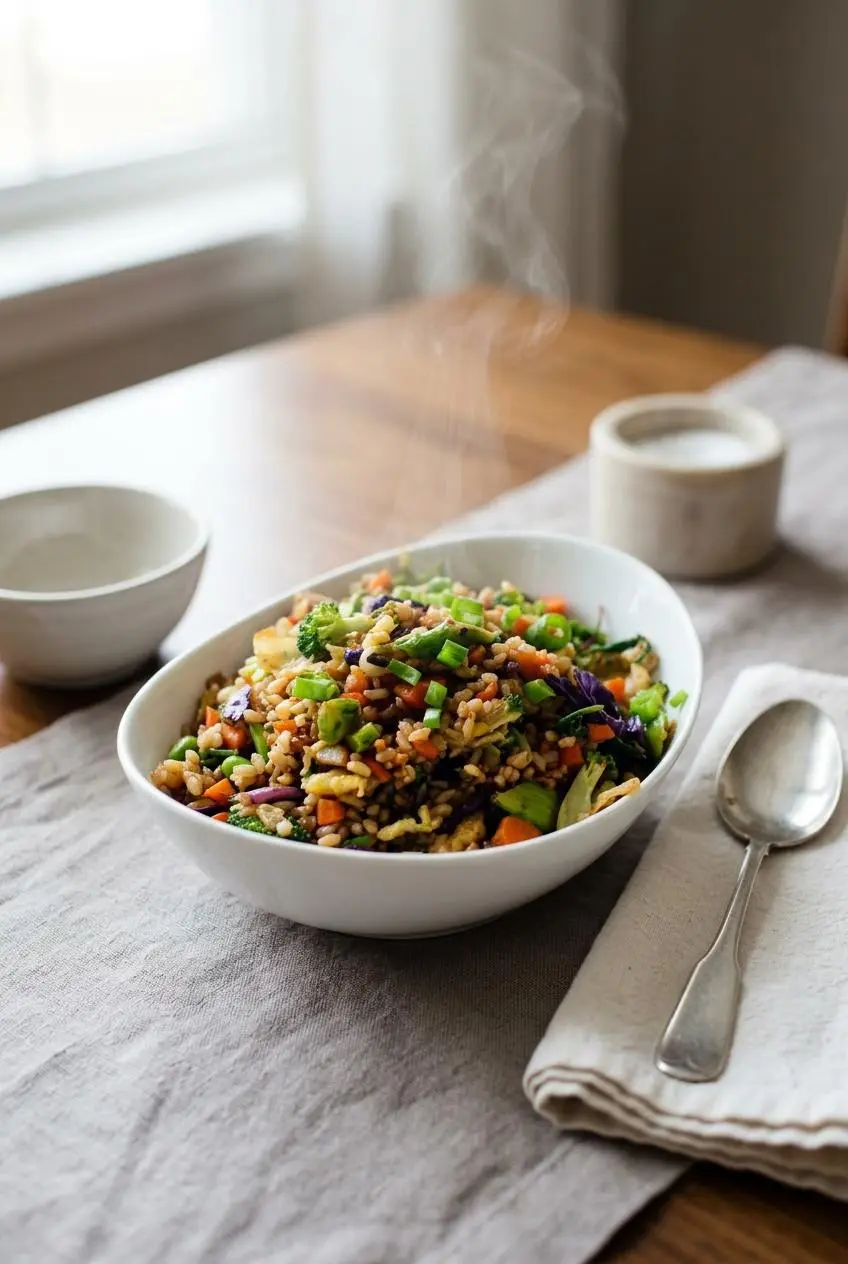
This recipe cooks quickly, so the best way to make it feel easy is to set yourself up before the heat starts. Once the aromatics hit the pan, you’ll be moving fast.
- Before you start cooking, prep everything and keep it within arm’s reach of the stove. Set out an empty bowl for the cooked eggs and vegetables. Start over medium-high heat, and if you smell oil or food getting too dark too fast, lower the heat to medium. I always do this setup first because fried rice waits for no one.
- Warm a large cast iron or stainless steel skillet over medium-high heat until a few drops of water evaporate within a couple of seconds. Add 1 ½ teaspoons of oil right away and swirl to coat the bottom. Pour in the whisked eggs and tilt the pan so they spread out. Cook until they are just lightly set, flipping or stirring as needed. You want soft curds here, not dry scrambled eggs. Transfer them to the bowl and wipe out the pan with a heat-proof spatula.
- Put the pan back on the heat and add 1 tablespoon of oil. Add the onion and carrots, then cook, stirring often, until the onion looks translucent and the carrots are tender, about 3 to 5 minutes. This is the stage where the kitchen starts smelling sweet and savory.
- Add the remaining veggies and salt. Cook, stirring occasionally, until the vegetables are cooked through and turning golden on the edges, about 3 to 5 more minutes. Try not to stir constantly. Those brief pauses against the hot pan are what give you color instead of steamed vegetables. While they cook, break the eggs into smaller pieces with the edge of your spatula or a spoon.
- Use a big spatula or spoon to move everything in the pan into the bowl with the eggs. Return the pan to the heat and add the remaining 1 tablespoon oil. Add the ginger, garlic and red pepper flakes, and cook while stirring constantly for about 30 seconds. As soon as the mixture smells fragrant and lively, you’re ready for the rice.
- Add the rice and mix it all together. Cook, stirring occasionally, until the rice is hot and starting to turn golden on the edges, about 3 to 5 minutes. If the rice came from the fridge in clumps, keep pressing and tossing gently until the grains separate. I like to listen for a steady sizzle here, because that sound usually means the rice is frying well.
- Add the greens, if using, and the green onions, then stir to combine. Return the cooked vegetables and eggs to the pan and stir everything together. Remove the pan from the heat and stir in the tamari and sesame oil. Taste and adjust with a little more tamari if you want more soy flavor, or more salt if the whole dish needs a boost. Go lightly with extra tamari so the rice stays balanced instead of getting heavy.
- Divide into bowls and serve right away. Chili-garlic sauce or sriracha on the side gives it a nice extra kick. Leftovers can be refrigerated, covered, for 3 to 4 days. If you used purple cabbage, the eggs may turn a funny blue shade later, which looks odd but is harmless.
A quick flavor note
If you like a slightly bolder finish, serve this with a little extra chili-garlic sauce at the table rather than adding more liquid to the pan. That keeps the rice crisp while still giving you a spicy, takeout-style edge.
Rice, pan, and oil choices that change the texture
If your fried rice ever turns out soft, sticky, or bland, this is usually where the answer lives. The rice, the pan, and the oil all affect whether you get distinct grains and crispy edges or a steamy pile.
Which rice works best
This recipe uses cooked brown rice, and it works beautifully because it has a little chew and holds its shape well in the skillet. The result is hearty, slightly nutty, and less likely to collapse once you add the vegetables back in.
For future batches, jasmine rice gives you a softer, more classic homemade fried rice texture with grains that still stay fairly separate. Long-grain white rice is usually the easiest for fluffy, distinct grains. Short-grain rice can work, but it cooks up softer and stickier, so the final dish feels more tender and less crisp around the edges.
| Rice type | Texture in fried rice | Best for |
|---|---|---|
| Brown rice | Chewy, sturdy, distinct | This recipe and hearty weeknight meals |
| Jasmine rice | Tender with light separation | Takeout-style flavor and aroma |
| Long-grain rice | Fluffy, dry, separate grains | Extra crisp, clean texture |
| Short-grain rice | Softer, stickier, less defined | A more tender bowl |
Why cold rice matters
Yes, cold rice really does matter. Chilled rice is drier, the grains separate more easily, and it fries instead of steaming. That’s what gives you those little golden spots and keeps the rice from turning gummy.
If you only have freshly cooked rice, you can still use it, but it helps to spread it out so steam escapes and the grains cool down before cooking. It won’t behave exactly like day-old rice, but it will be much easier to fry well.
Best pans and oils for home cooking
A wok is great when you have a powerful burner and want quick movement, but a large cast iron or stainless steel skillet works extremely well at home for this recipe. Cast iron holds heat beautifully and helps with browning. Stainless steel also gives great color once it’s properly heated.
Avocado oil and safflower oil are smart choices because they have a neutral flavor and handle higher heat well, which helps the rice brown instead of steam. Toasted sesame oil is different. It’s there for aroma, so stir it in at the end off the heat. If you want another fun method for leftovers, Air Fryer Fried Rice is a good option too.
Common fried rice problems and how to fix them
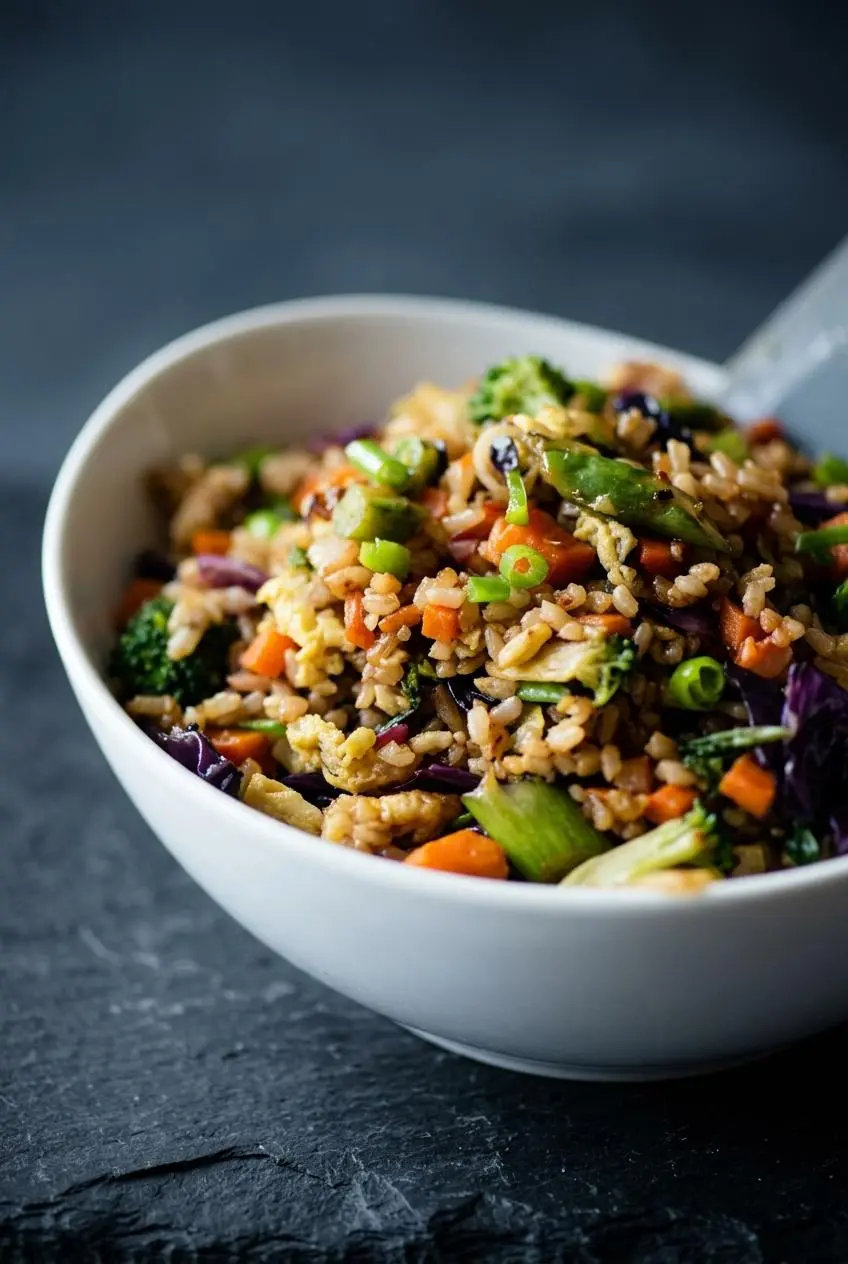
Most fried rice problems come down to moisture, crowding, or timing. A few small adjustments can completely change the final texture.
Why is my fried rice soggy?
Soggy fried rice usually starts with warm rice, an overcrowded pan, or too much stirring. When the pan is packed, the ingredients release moisture and steam each other instead of frying.
Another common issue is adding the sauce too early. In this recipe, the tamari and sesame oil go in at the end for a reason. That keeps the rice from soaking up liquid before it has a chance to get hot and lightly golden.
How to get crispy edges and distinct grains
Break up clumps before the rice goes into the pan, then give the rice some space and some patience. Stir occasionally, not constantly, and let parts of the rice sit against the hot surface long enough to brown.
If your pan looks crowded, you’re making it harder on yourself. A steady sizzle, visible steam that clears quickly, and grains that look separate instead of glossy are all signs you’re on the right track.
| Problem | Likely cause | Quick fix |
|---|---|---|
| Mushy rice | Rice too warm or wet | Use chilled rice and loosen clumps first |
| Bland flavor | Not enough salt balance at the end | Taste after tamari and adjust lightly |
| Soggy vegetables | Pan overcrowded or too much stirring | Cook in a hot pan and let edges brown |
| No crispy bits | Heat too low | Keep the pan properly hot before adding rice |
How to keep the eggs soft and visible
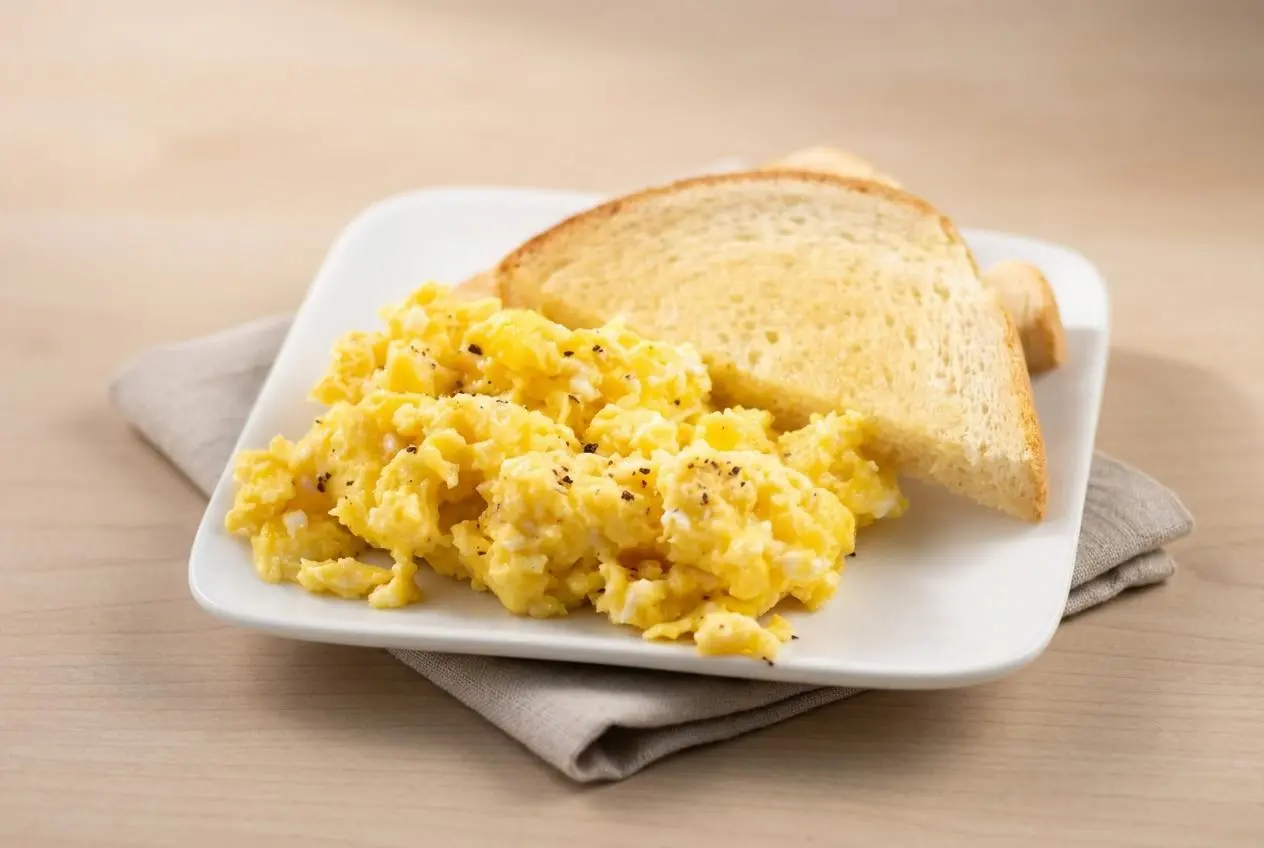
Cooking the eggs first is the trick. If you scramble them directly into the finished rice, they can disappear into the grains and turn a little rubbery.
Here, the eggs are cooked until just lightly set, then broken into small pieces and added back at the end. That keeps them fluffy, visible, and evenly tucked through the rice instead of vanishing into it.
Make ahead, store, freeze, and reheat
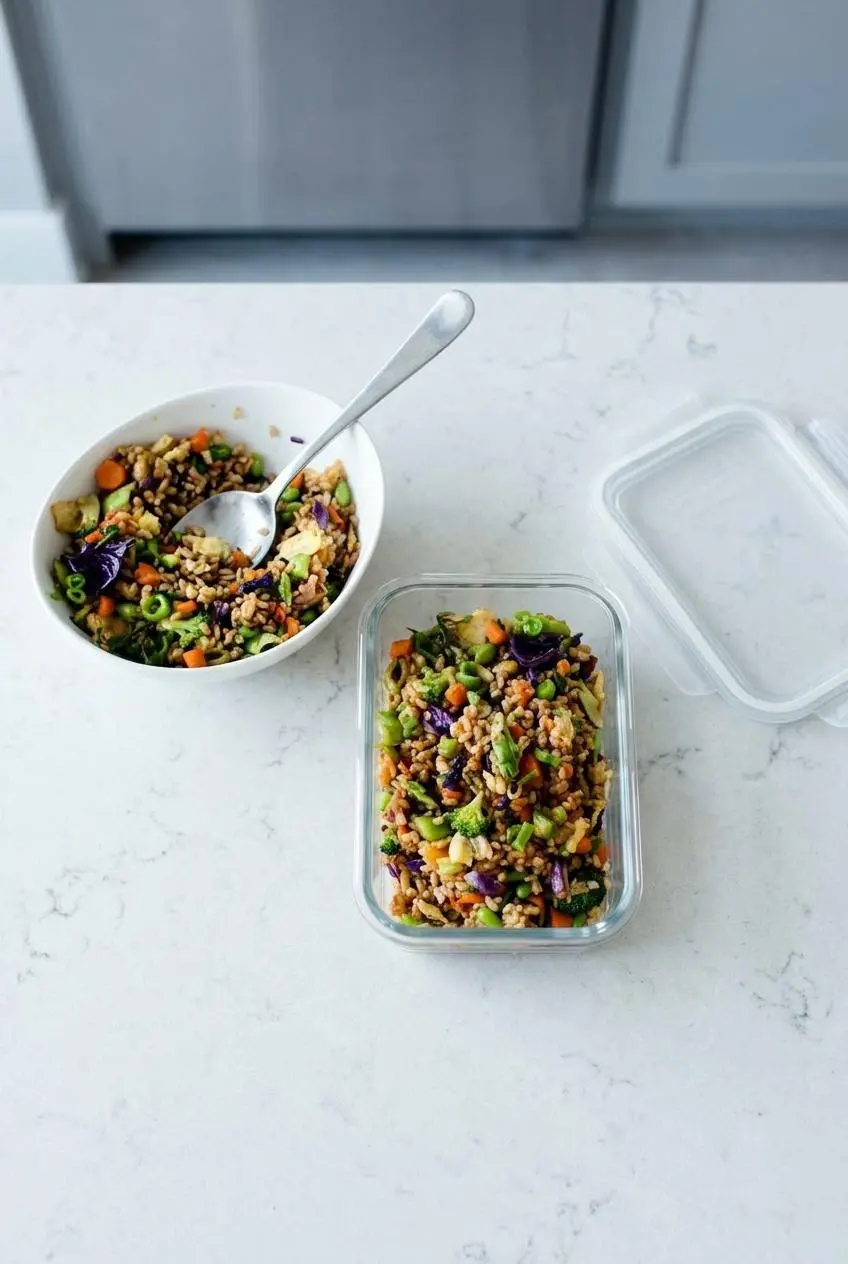
This recipe is especially good for meal prep because much of the work can happen before dinner. The texture is best fresh from the skillet, but leftovers are still very good when reheated well.
How to make it ahead for busy nights
Chop the onion, carrots, and other vegetables ahead of time, whisk the eggs, and keep the rice cooled and ready to go. That way dinner becomes a fast skillet job instead of a full prep session.
Cold rice is actually your friend here, so making the rice in advance works in your favor. You can also prep the ginger and garlic early so the final cooking process feels smooth instead of frantic.
How to store and reheat leftovers
The recipe notes that leftovers store well in the refrigerator, covered, for 3 to 4 days. For the best texture, reheat it in a skillet so the rice can dry out a bit and pick up some color again.
The microwave works fine when speed wins. Just know the rice will be a little softer, and the vegetables won’t have the same crisp edges they had on day one.
Can you freeze it?
Yes, you can freeze fried rice. It helps to cool it first and freeze it in portions so you can reheat only what you need.
After thawing and reheating, the vegetables may be softer and the rice a bit less crisp than when freshly made. The flavor still holds up well, so it’s a handy backup meal when your future self needs a favor.
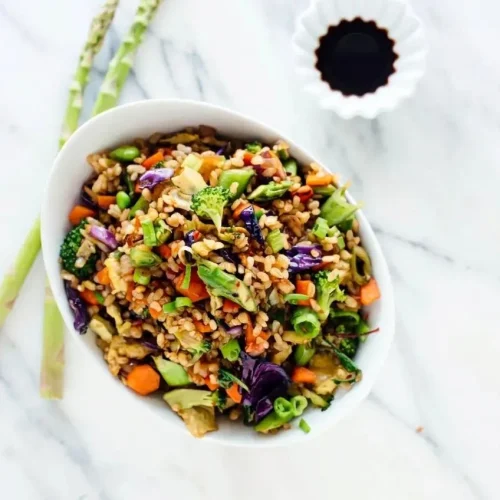
Vegetable Fried Rice

Equipment
- Large cast iron or stainless steel skillet
- Empty bowl
- Heat-proof spatula
- Big spatula or spoon
Ingredients
- 1 ½ teaspoons + 2 tablespoons avocado oil or safflower oil divided
- 2 eggs whisked together
- 1 small white onion finely chopped (about 1 cup)
- 2 medium carrots finely chopped (about ½ cup)
- 2 cups additional veggies cut into very small pieces for quick cooking (options include snow peas, asparagus, broccoli, cabbage, bell pepper, and/or fresh or frozen peas, no need to thaw first)
- ¼ teaspoon salt more to taste
- 1 tablespoon grated or finely minced fresh ginger
- 2 large cloves garlic pressed or minced
- Pinch of red pepper flakes
- 2 cups cooked brown rice
- 1 cup greens (optional), such as spinach, baby kale or tatsoi
- 3 green onions chopped
- 1 tablespoon reduced-sodium tamari or soy sauce
- 1 teaspoon toasted sesame oil
- Chili-garlic sauce or sriracha for serving (optional)
Instructions
- Before you start cooking, prep everything and keep it within arm’s reach of the stove. Set out an empty bowl for the cooked eggs and vegetables. Start over medium-high heat, and if you smell oil or food getting too dark too fast, lower the heat to medium. I always do this setup first because fried rice waits for no one.
- Warm a large cast iron or stainless steel skillet over medium-high heat until a few drops of water evaporate within a couple of seconds. Add 1 ½ teaspoons of oil right away and swirl to coat the bottom. Pour in the whisked eggs and tilt the pan so they spread out. Cook until they are just lightly set, flipping or stirring as needed. You want soft curds here, not dry scrambled eggs. Transfer them to the bowl and wipe out the pan with a heat-proof spatula.
- Put the pan back on the heat and add 1 tablespoon of oil. Add the onion and carrots, then cook, stirring often, until the onion looks translucent and the carrots are tender, about 3 to 5 minutes. This is the stage where the kitchen starts smelling sweet and savory.
- Add the remaining veggies and salt. Cook, stirring occasionally, until the vegetables are cooked through and turning golden on the edges, about 3 to 5 more minutes. Try not to stir constantly. Those brief pauses against the hot pan are what give you color instead of steamed vegetables. While they cook, break the eggs into smaller pieces with the edge of your spatula or a spoon.
- Use a big spatula or spoon to move everything in the pan into the bowl with the eggs. Return the pan to the heat and add the remaining 1 tablespoon oil. Add the ginger, garlic and red pepper flakes, and cook while stirring constantly for about 30 seconds. As soon as the mixture smells fragrant and lively, you’re ready for the rice.
- Add the rice and mix it all together. Cook, stirring occasionally, until the rice is hot and starting to turn golden on the edges, about 3 to 5 minutes. If the rice came from the fridge in clumps, keep pressing and tossing gently until the grains separate. I like to listen for a steady sizzle here, because that sound usually means the rice is frying well.
- Add the greens, if using, and the green onions, then stir to combine. Return the cooked vegetables and eggs to the pan and stir everything together. Remove the pan from the heat and stir in the tamari and sesame oil. Taste and adjust with a little more tamari if you want more soy flavor, or more salt if the whole dish needs a boost. Go lightly with extra tamari so the rice stays balanced instead of getting heavy.
- Divide into bowls and serve right away. Chili-garlic sauce or sriracha on the side gives it a nice extra kick. Leftovers can be refrigerated, covered, for 3 to 4 days. If you used purple cabbage, the eggs may turn a funny blue shade later, which looks odd but is harmless.
Notes
Nutrition
What our readers ask about swaps and add-ins
A lot of home cooks want to know how flexible this recipe really is. The good news is that the method is sturdy, so you can change the mix-ins without losing the basic fried rice magic.
What vegetables can you use for fried rice?
Use quick-cooking vegetables that can be cut into small, even pieces. Good choices include peas, broccoli, cabbage, bell pepper, snow peas, asparagus, mushrooms, and zucchini.
The key is size more than variety. Small pieces cook fast, brown more easily, and mix into the rice without leaving you with some bites that are crunchy and others that are overdone.
How do you make it vegan or add more protein?
For a vegan version, leave out the eggs. If you want more protein, tofu or edamame are both easy optional add-ins that match the flavors already in the pan.
If you’re in the mood for a bolder variation, kimchi makes a great spicy add-in for another batch. If that sounds like your kind of dinner, try Kimchi Fried Rice.
What to serve with it
You can serve this as a main dish or as a side. Chili-garlic sauce or sriracha on the table is the easiest finishing touch.
For a takeout-style dinner at home, pair it with simple favorites like egg drop soup, potstickers, orange chicken, or beef and broccoli.
Conclusion
This is the kind of weeknight meal that earns a permanent place in the rotation: fast, flexible, colorful, and full of savory flavor. The vegetables stay crisp-tender, the eggs stay visible, and the rice gets those golden edges that make fried rice worth craving.
If you remember just one thing, make it this: cold rice and a hot pan change everything. Add a spoonful of chili-garlic sauce at the table if you like, and dinner is in very good shape.
FAQ
What is the best rice to use for fried rice?
Cold cooked rice is the best choice, and this recipe is built around cooked brown rice. Jasmine and long-grain rice also work very well because the grains stay separate, while short-grain rice gives you a softer, stickier result.
How do I get my fried rice crispy and not mushy?
Use cold rice, keep the pan fairly hot, avoid overcrowding, and don’t stir constantly. Letting the rice sit briefly against the hot pan helps it brown instead of steam.
Can I use frozen vegetables for fried rice?
Yes. This recipe even allows frozen peas straight from the freezer. Just keep the pieces small and cook until the moisture cooks off and the edges start turning golden.
How do I make this recipe vegan or add more protein?
For vegan fried rice, leave out the eggs. For more protein, add tofu or edamame as optional extras without changing the base recipe.
What’s the best way to store and reheat leftover fried rice?
Store leftovers covered in the refrigerator for 3 to 4 days, as noted in the recipe. Reheat in a skillet for the best texture, or use the microwave if you want the fastest option.
Can I make fried rice without a wok?
Absolutely. A large cast iron or stainless steel skillet works very well for homemade fried rice. The bigger goal is a hot cooking surface with enough room for the rice to fry instead of steam.