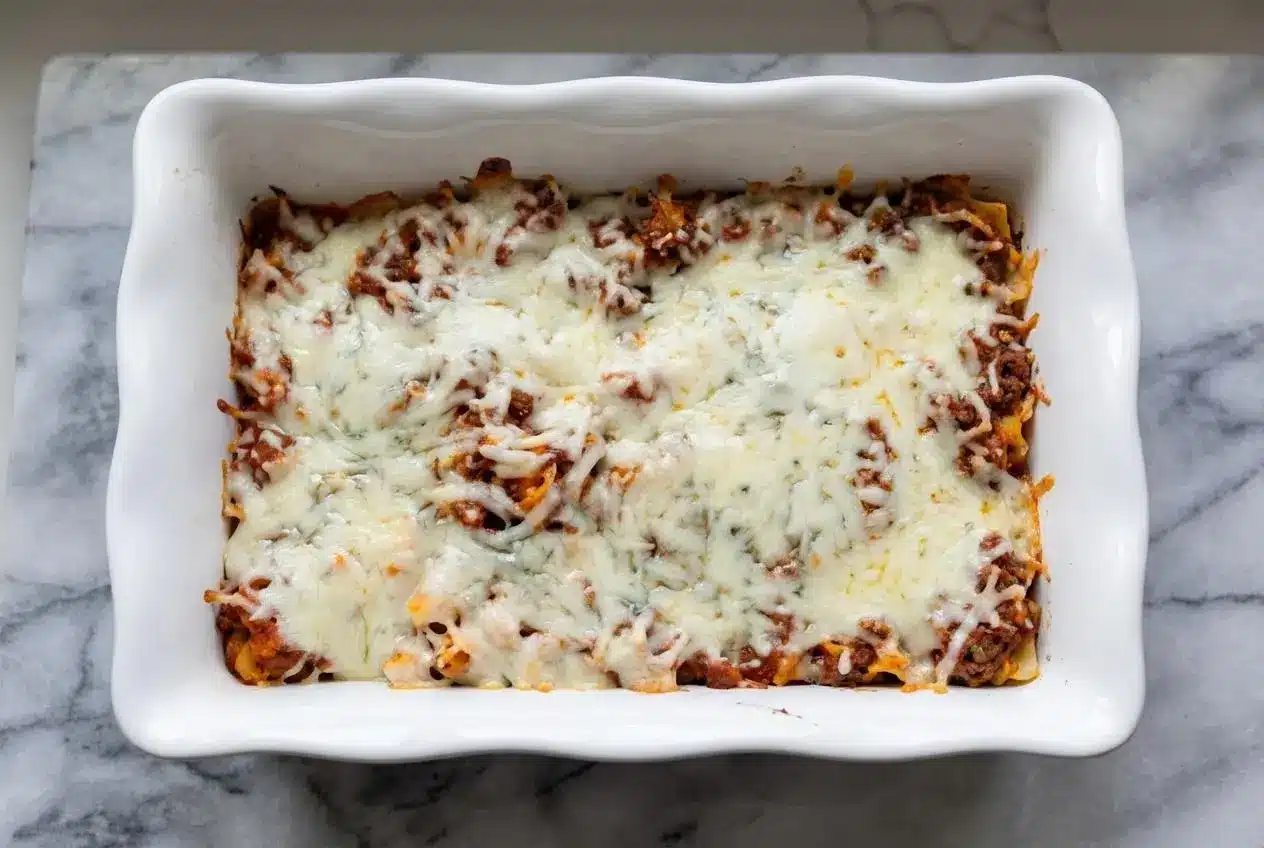
There are nights when only a hot, cheesy pan of lasagna will do, the kind that perfumes the whole kitchen and makes everyone wander in asking when dinner is ready. In my house, this high protein lasagna is the answer when I want all that cozy baked pasta comfort without drifting away from my meal prep goals.
It’s rich, saucy, and satisfyingly meaty, but the real magic is the whipped cottage cheese filling that turns silky in the oven. If you want a macro-friendly dinner that still feels like proper comfort food, this one earns a permanent spot in the rotation.
Why You’ll Love This Recipe
Ultra-Creamy Texture: I know cottage cheese can be a hard sell for people who dislike the curds, but once it’s blended with parmesan, herbs, and egg, it turns smooth and velvety, almost like a classic ricotta substitute.
Macro-Friendly Comfort: This high protein lasagna leans on protein pasta, lean ground beef, and cottage cheese to create a filling dinner that feels indulgent while staying lighter than many traditional versions.
Meal Prep Gold: In my kitchen, this is one of those baked pasta dishes that tastes even better the next day. The slices hold together beautifully, which makes lunch boxes and easy reheating a breeze.
Big Lasagna Flavor: You still get bubbly marinara sauce, mozzarella cheese, parmesan cheese, and that deeply comforting layered bite that makes lasagna casserole such a crowd-pleaser.
Ingredients and Substitutions
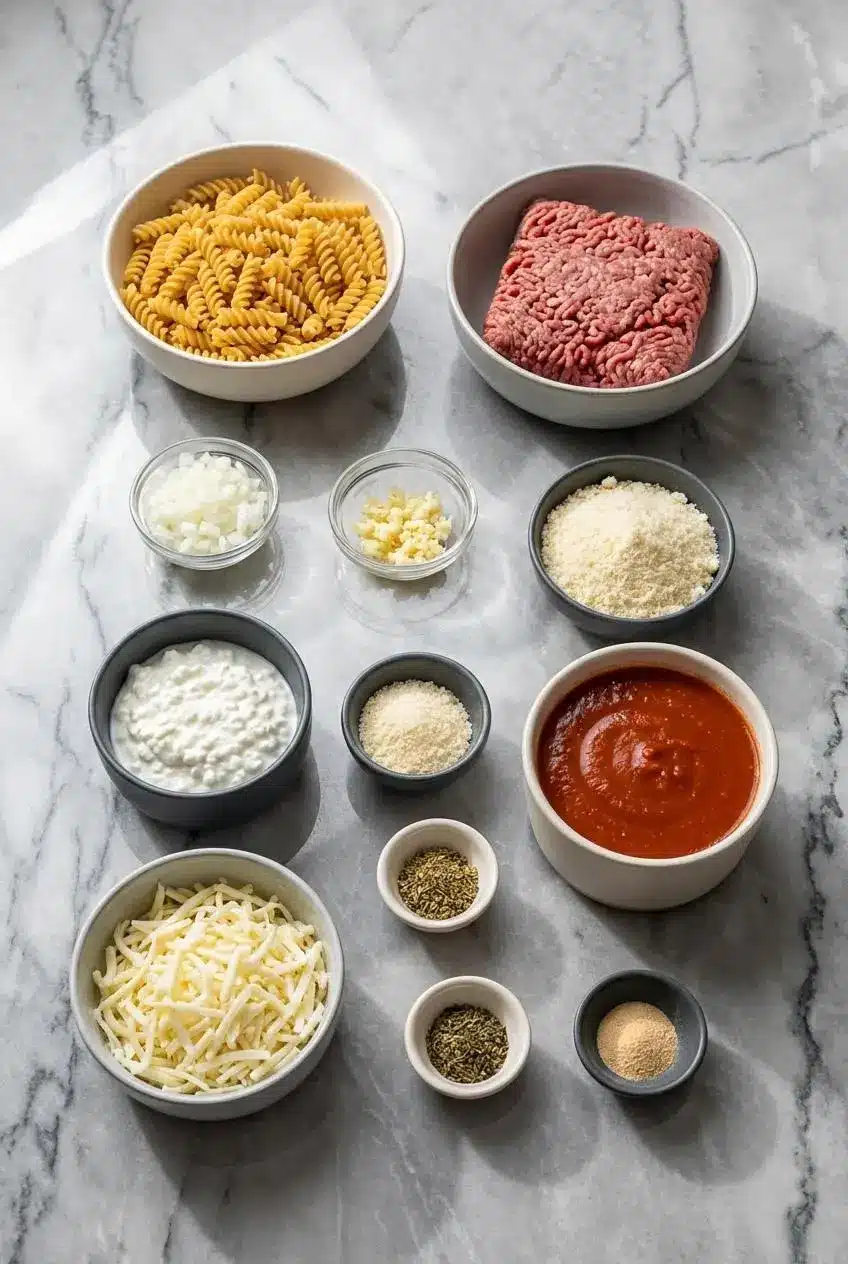
These simple ingredients build a lasagna that’s creamy, hearty, and packed with flavor, with every component pulling its weight from the protein pasta to the whipped cheese filling.
Ingredients
- 6oz (168 g) dry protein pasta I used Banza
- 1 lb (454 g) lean ground beef I used grass-fed 90/10
- 1/4 cup (40 g) white onion, finely chopped
- 2 cloves (6 g) garlic, minced
- 1 cup (226 g) low-fat cottage cheese
- 1/4 cup (30 g) grated parmesan
- 2.5 cups (680 g) pasta sauce I used a low sugar sauce
- 1 cup (112 g) mozzarella cheese, shredded
- salt, to taste
- 1 tsp oregano
- 1 tsp basil
- 1/4 tsp garlic powder
- 1/4 tsp chili flakes, optional
- fresh parsley, optional
Ingredient Notes & Substitutions
Ground Meat: I like 90/10 lean ground beef here because it gives you good flavor without leaving a greasy layer in the pan. Ground turkey or ground chicken work well too, and if you want a more old-school Sunday-sauce flavor, a half beef and half Italian sausage blend is delicious.
Protein Pasta: Banza pasta is a solid choice if you want to push the protein count higher, and chickpea pasta holds up nicely in this kind of baked dish. Other protein pasta brands work too, and if that’s what you have on hand, regular or gluten-free lasagna noodles can absolutely step in, which I cover more below.
Cottage Cheese: Low-fat cottage cheese keeps the filling lighter while still turning creamy once blended. Full-fat cottage cheese gives you an even richer finish, so either works depending on whether you want to lean harder into macro-friendly goals or pure comfort.
Pasta Sauce: A good marinara sauce does a lot of heavy lifting in a quick lasagna, so I usually choose one with clean ingredients and no added sugar. If your sauce tastes a little flat, a spoonful of tomato paste stirred into the meat can deepen it fast.
Mozzarella and Parmesan: Freshly shredded mozzarella melts more evenly and gives a better stretch than pre-shredded bags, though either will do in a busy weeknight pinch. Parmesan brings saltiness and savory depth to the whipped filling, so it’s more than just a finishing touch here.
How to Make High Protein Lasagna
Follow these steps and you’ll end up with a bubbly, creamy pan that slices cleanly and tastes like classic lasagna with a smarter, protein-packed twist.
Cook the Pasta and Brown the Meat
- Cook the protein pasta according to the package directions, aiming for al dente so it doesn’t soften too much later. Drain it well and set it aside while you build the rest of the dish.
- Set a large pan over medium-high heat and add the lean ground beef. Since this is a leaner blend, you should not have much excess fat, then add the chopped onion and minced garlic and cook, breaking the meat into small crumbles, until everything is browned and fragrant.
Build the Sauce and Creamy Filling
- Season the browned beef mixture with 1/4 teaspoon salt and the chili flakes if you want a little heat. Pour in the pasta sauce, stir well, and let it simmer for about 3 to 5 minutes so the flavors come together and the sauce smells rich and savory, then fold in the cooked pasta.
- While the sauce simmers, make the filling by combining the cottage cheese, parmesan, 1/4 teaspoon salt, basil, and oregano in a bowl. Blend it in a food processor or with an immersion blender until it becomes smooth, creamy, and no longer looks curdy, because that silky texture is what makes this layer feel so luxurious.
Layer and Bake
- Spoon half of the pasta, sauce, and meat mixture into your baking dish, spreading it into an even layer. Cover that with all of the whipped cottage cheese mixture, smoothing it gently to the edges, then finish with the remaining pasta mixture on top.
- Scatter the shredded mozzarella over the surface and add fresh parsley if you like a little color. Bake at 350°F until the sauce is bubbling around the edges and the mozzarella is fully melted, hot, and lightly golden.
Let It Rest Before Slicing
Give the lasagna 10 to 15 minutes on the counter before cutting into it. That short rest makes all the difference, because the layers settle and firm up instead of sliding into a saucy heap on the plate.
Why This Recipe Works: The Science of Perfect Lasagna
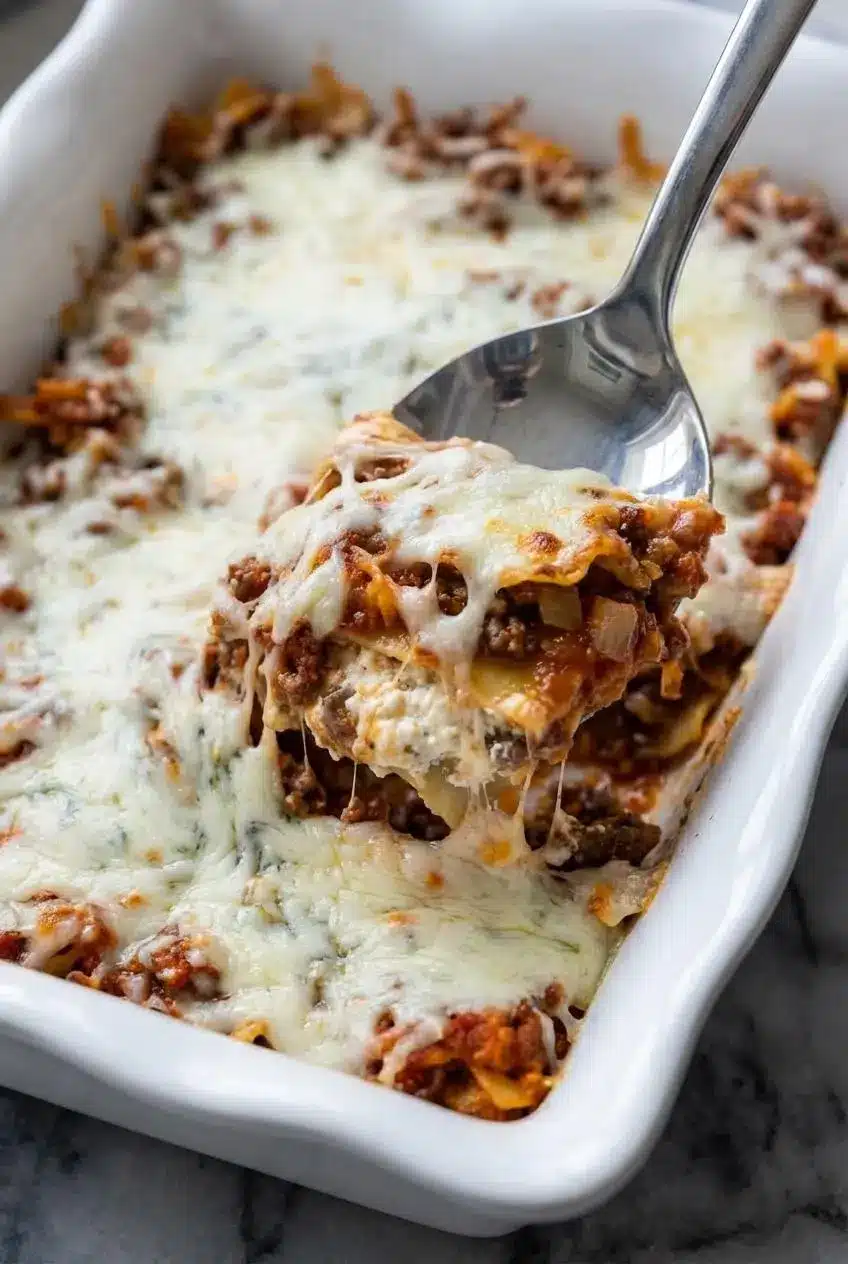
The biggest trick in this recipe is the whipped cottage cheese. Blending breaks down the curds and creates a smooth, protein-rich mixture that feels much closer to ricotta on the tongue, which is why even people who swear they dislike cottage cheese usually love this version.
The egg is what gives that creamy layer structure in the oven. As proteins in the egg coagulate, the filling firms up instead of staying loose, so each slice holds together neatly rather than spilling apart.
Resting matters just as much as baking. Right out of the oven, the sauce and cheese are still very fluid, but a short pause lets everything settle, thicken, and cling to the noodles, which is the difference between a beautiful square and what I jokingly call lasagna soup.
Cottage Cheese vs. Ricotta: A Nutritional Showdown
For a high protein lasagna, cottage cheese usually wins on numbers while still delivering the creamy result most people want. Ricotta is absolutely delicious and traditional, but when I’m trying to keep a dish more macro-friendly, cottage cheese gives me more flexibility.
Low-fat cottage cheese, about 1 cup: Usually higher in protein, lower in calories, and much lower in fat, especially saturated fat. It can run a bit higher in sodium, so seasoning the rest of the dish with a light hand is smart.
Whole-milk ricotta, about 1 cup: Usually lower in protein and noticeably richer in calories and fat, but beautifully creamy and mild. It’s a lovely option for classic lasagna, just not the strongest choice when protein is the goal.
If you want a deeper nutritional comparison, the side-by-side numbers make the trade-offs easy to see. For this specific recipe, cottage cheese is the better fit because it boosts protein without sacrificing that soft, luscious center layer.
It’s also one of the most versatile ingredients in my fridge. Once you see what it can do here, it’s no surprise that it can even turn into desserts like high-protein ice cream and still stay creamy.
Choosing Your Noodles: A Guide for Perfect Lasagna
The noodles you choose affect everything from texture to bake time. I’ve made this dish with several styles, and each one brings its own personality to the pan.
Regular Lasagna Noodles
This is the classic route and the most predictable one. Boil them to al dente before layering, because they will continue to soften in the oven and give you that firm, structured slice people expect from traditional lasagna.
No-Boil Noodles
These are convenient, but they absorb more liquid as they bake. If you use them, make sure your marinara sauce is not too thick or the finished lasagna can turn dry in spots.
Fresh Lasagna Sheets
Fresh sheets give a very tender, delicate result and feel a little more special for a dinner party. Because they cook quickly, you may need a slightly shorter bake so the layers stay soft rather than overdone.
Protein Pasta and Gluten-Free Options
Protein pasta like Banza, lentil-based noodles, or gluten-free brown rice sheets can all work nicely in a baked pasta dish like this. Just follow the package directions closely, because the texture can vary from brand to brand and some need a gentler hand to avoid breaking.
Pro Tips & Troubleshooting
Pro Tips for Success
- Blend the cottage cheese until it is completely smooth if you want that creamy, ricotta-style texture with no visible curds.
- Add a tablespoon of tomato paste while the meat browns if you want the sauce to taste like it simmered all afternoon.
- Start the baking dish with a light coating of sauce so the first layer stays moist and doesn’t stick.
- A mix of lean beef and Italian sausage gives the lasagna a deeper, more robust flavor without changing the method.
- Finely chopped spinach, mushrooms, zucchini, or bell peppers can be worked into the sauce for extra nutrition and texture.
- If hearty baked pasta is your comfort zone, dishes like our spaghetti pie scratch that same cozy itch while bringing a different texture to the table. I often rotate both when I want easy family-style dinners that reheat well.
Common Mistakes to Avoid
- Cutting into the lasagna too soon is the fastest way to lose those tidy layers, so always let it rest before serving.
- Watery lasagna usually comes from thin sauce, excess moisture from vegetables, or a cheese mixture with too much liquid.
- Dry lasagna often means the noodles were not covered well enough with sauce, so make sure every layer has enough moisture.
- Overcooked pasta can turn soft and floppy after baking, which is why al dente is the sweet spot for this recipe.
Serving & Storage
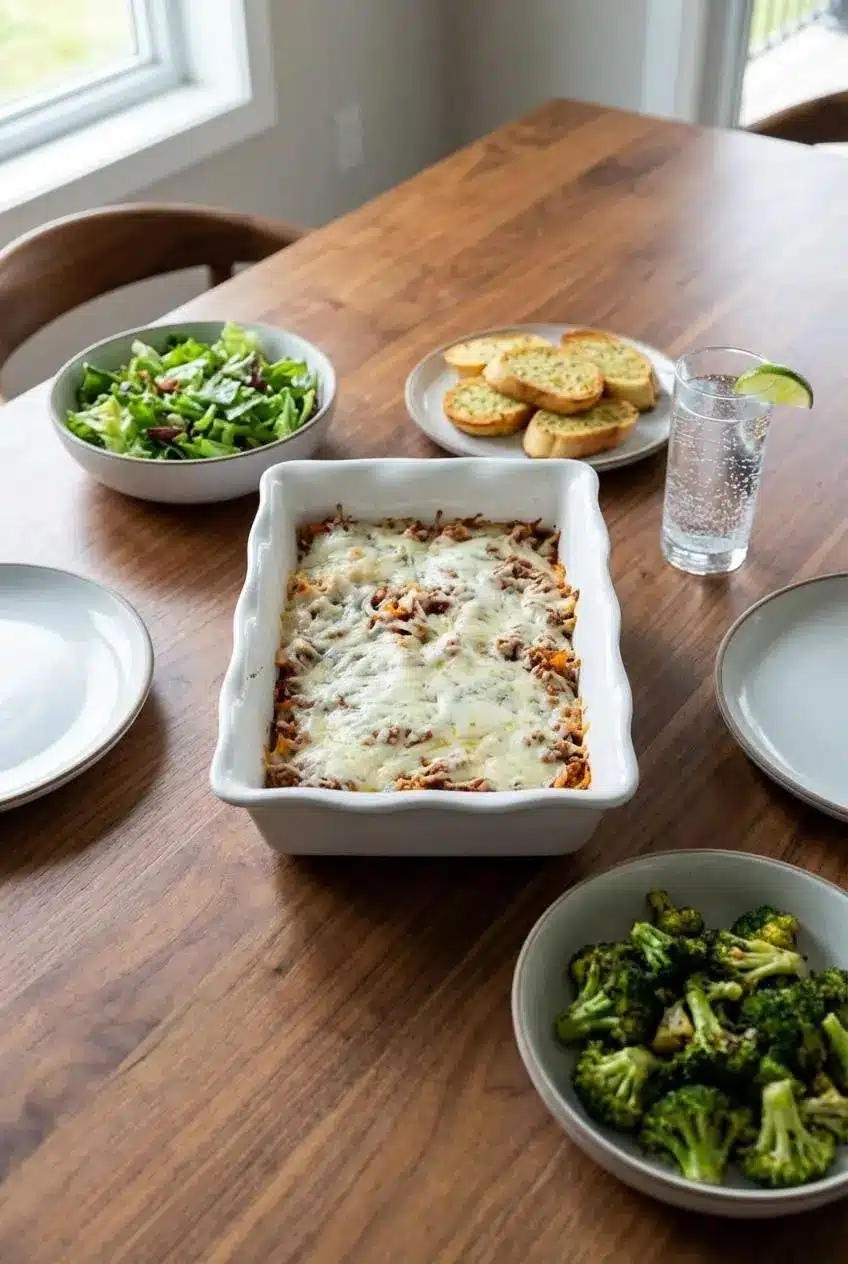
Serving Suggestions
A warm slice of this high protein lasagna pairs beautifully with a crisp green salad dressed in a sharp vinaigrette. That fresh bite cuts through the creamy cheese and rich marinara sauce in the best way.
I also love serving it with garlic bread or a hunk of crusty sourdough to swipe through the extra sauce. If you want a fuller plate, roasted broccoli, asparagus, or green beans round things out nicely without making the meal feel too heavy.
Storage, Freezing, and Make-Ahead Instructions
This is an excellent make-ahead dinner. You can assemble the whole lasagna, cover it tightly, and refrigerate it for up to 2 days before baking, then add 10 to 15 minutes to the oven time if it’s going in cold.
Leftovers keep well in an airtight container in the fridge for 4 to 5 days. For weekly lunches, I like slicing it into portions once cooled, because it makes reheating cleaner and faster.
For freezing, I get the best texture when I freeze the lasagna before baking, either as a full pan or as individual slices. Wrap it tightly in plastic wrap and then foil, and it will keep well for up to 3 months.
To bake from frozen, cover with foil and bake for about 1 hour, then uncover for the last 15 to 20 minutes so the cheese can brown. This lasagna is a meal prep champion, much like our burrito casserole, because both dishes hold up beautifully in the freezer and save busy weeks.
For reheating, the microwave is perfectly fine for a quick single serving. If you want the best texture and a revived cheesy top, reheat slices in the oven or air fryer at 350°F (175°C) until heated through.
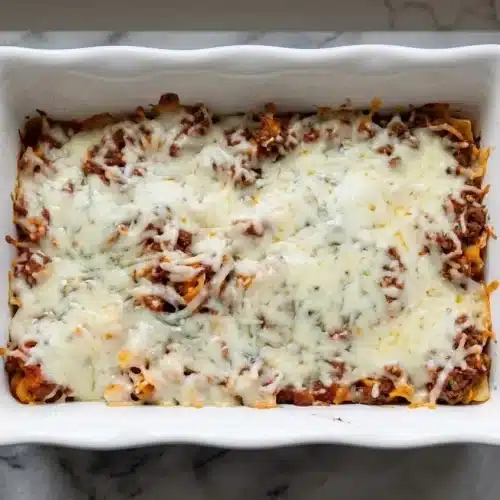
High Protein Lasagna

Equipment
- Large pan
- Food Processor or Immersion Blender
- Baking Dish
- Large Pot
Ingredients
- 6 oz (168 g) dry protein pasta I used Banza
- 1 lb (454 g) lean ground beef I used grass-fed 90/10
- 1/4 cup (40 g) white onion, finely chopped
- 2 cloves (6 g) garlic, minced
- 1 cup (226 g) low-fat cottage cheese
- 1/4 cup (30 g) grated parmesan
- 2.5 cups (680 g) pasta sauce I used a low sugar sauce
- 1 cup (112 g) mozzarella cheese, shredded
- salt, to taste
- 1 tsp oregano
- 1 tsp basil
- 1/4 tsp garlic powder
- 1/4 tsp chili flakes, optional
- fresh parsley, optional
Instructions
Cook the Pasta and Brown the Meat
- Cook the protein pasta according to package directions until al dente. Drain well and set aside.
- Set a large pan over medium-high heat. Add the lean ground beef and cook, breaking it into crumbles, until browned. Add the chopped onion and minced garlic and cook for another 1-2 minutes until fragrant.
Build the Sauce and Creamy Filling
- Season the beef mixture with salt, pepper, garlic powder, and chili flakes (if using). Pour in the pasta sauce, stir to combine, and let it simmer for 3-5 minutes. Fold the cooked pasta into the sauce.
- While the sauce simmers, combine the cottage cheese, parmesan, salt, basil, and oregano in a food processor or a bowl. Blend with an immersion blender until completely smooth and creamy.
Layer and Bake
- Preheat your oven to 350°F (175°C). Spoon half of the pasta and meat mixture into your baking dish and spread into an even layer.
- Spread all of the whipped cottage cheese mixture over the first layer, smoothing it to the edges.
- Top with the remaining pasta and meat mixture. Scatter the shredded mozzarella cheese over the surface.
- Bake for 30 minutes, or until the sauce is bubbling and the cheese is melted and lightly golden.
Let It Rest
- Remove the lasagna from the oven and let it rest on the counter for 10-15 minutes before slicing and serving. This helps the layers set for cleaner slices.
Notes
Nutrition
Conclusion
This high protein lasagna brings all the bubbling, cheesy comfort of the classic version, but with a smarter, lighter build that still feels generous on the plate. The whipped cottage cheese filling is the kind of small kitchen trick that changes everything, giving you creamy texture and a strong protein boost in one move.
I hope it lands in your regular dinner rotation, whether you make it exactly as written or put your own spin on it with sausage, veggies, or different noodles. It’s the kind of pan that makes a weeknight feel a little more special.
Frequently Asked Questions
Why use cottage cheese in lasagna instead of ricotta?
Can I make this high-protein lasagna ahead of time?
What’s the best way to freeze and reheat this lasagna?
How do I prevent my lasagna from being watery?
Can I use regular pasta instead of protein pasta?
What are some good vegetarian substitutes for the ground beef?