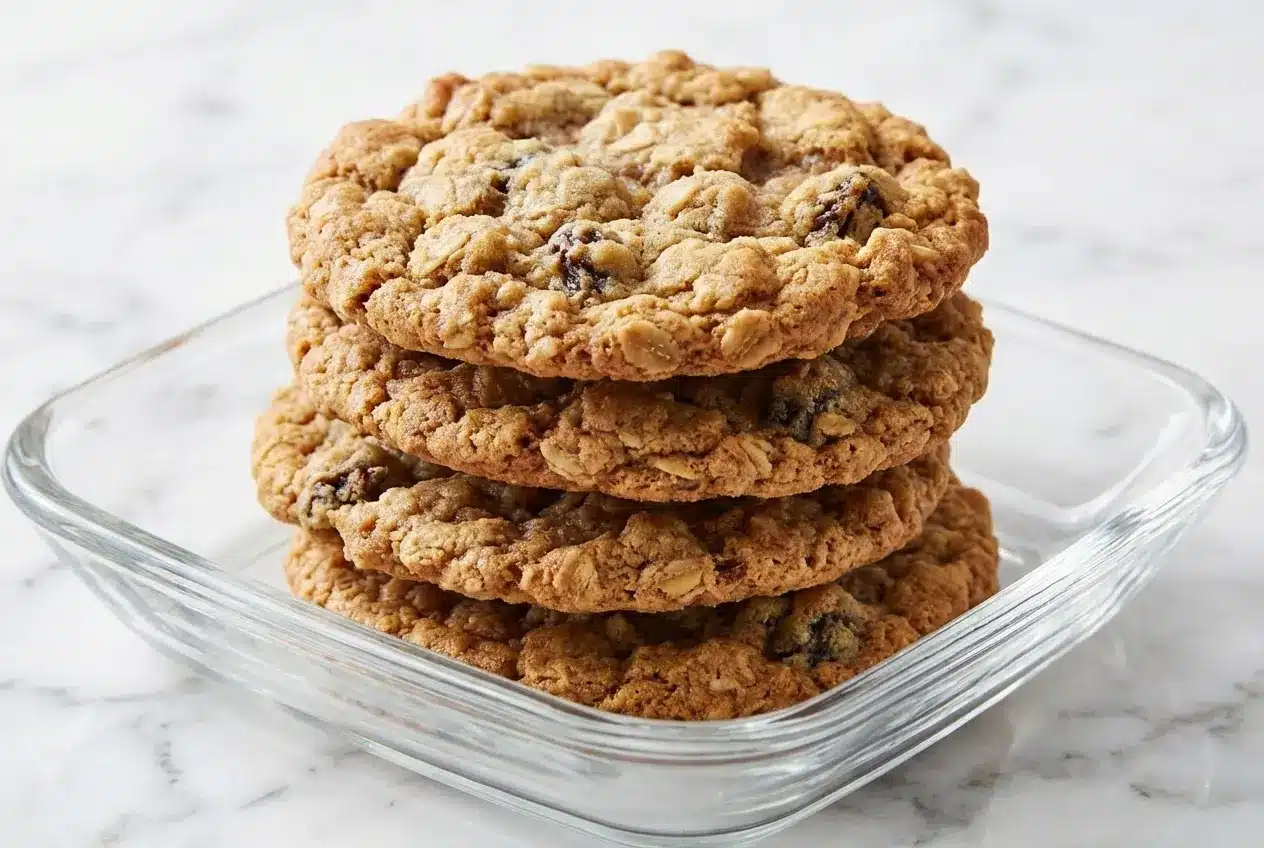
Nothing smells more like an American home kitchen than oatmeal cookies in the oven, especially when the butter turns nutty and the cinnamon starts to bloom. This Oatmeal Cookies Recipe is for anyone who wants that old-school comfort with a bakery-style upgrade, chewy centers, crisp edges, and a deep caramel flavor that tastes like you fussed all afternoon.
In my kitchen, the game-changing move is simple, brown the butter and toast the rolled oats before mixing the dough. That one extra step gives these cookies a richer flavor and a softer, more dependable texture, so every batch comes out warmly spiced, buttery, and irresistible.
Why You Will Love This Recipe
Deep, toasty flavor: Browning the butter gives these cookies a rich, almost butterscotch-like aroma that plain melted or softened butter just cannot match. I discovered that even a simple oatmeal cookie feels far more special with those caramel notes tucked into every bite.
Chewy every time: Toasted rolled oats bring out a nuttier flavor, and they absorb moisture a little differently after a quick skillet toast. In my kitchen, that helps the cookie dough stay balanced, so the finished cookies stay soft and chewy instead of turning dry or crumbly.
Crisp edges, tender centers: The combination of light brown sugar and granulated sugar gives you that classic contrast people chase in great chewy cookies. You get golden edges with just enough snap, while the middle stays plush and slightly gooey.
Reliable and homey: This is the kind of recipe that feels nostalgic but still teaches you something useful. If you have ever wanted an oatmeal cookie that tastes like childhood and bakes like a pro recipe, this one earns a permanent spot in the cookie jar.
Ingredients and Substitutions
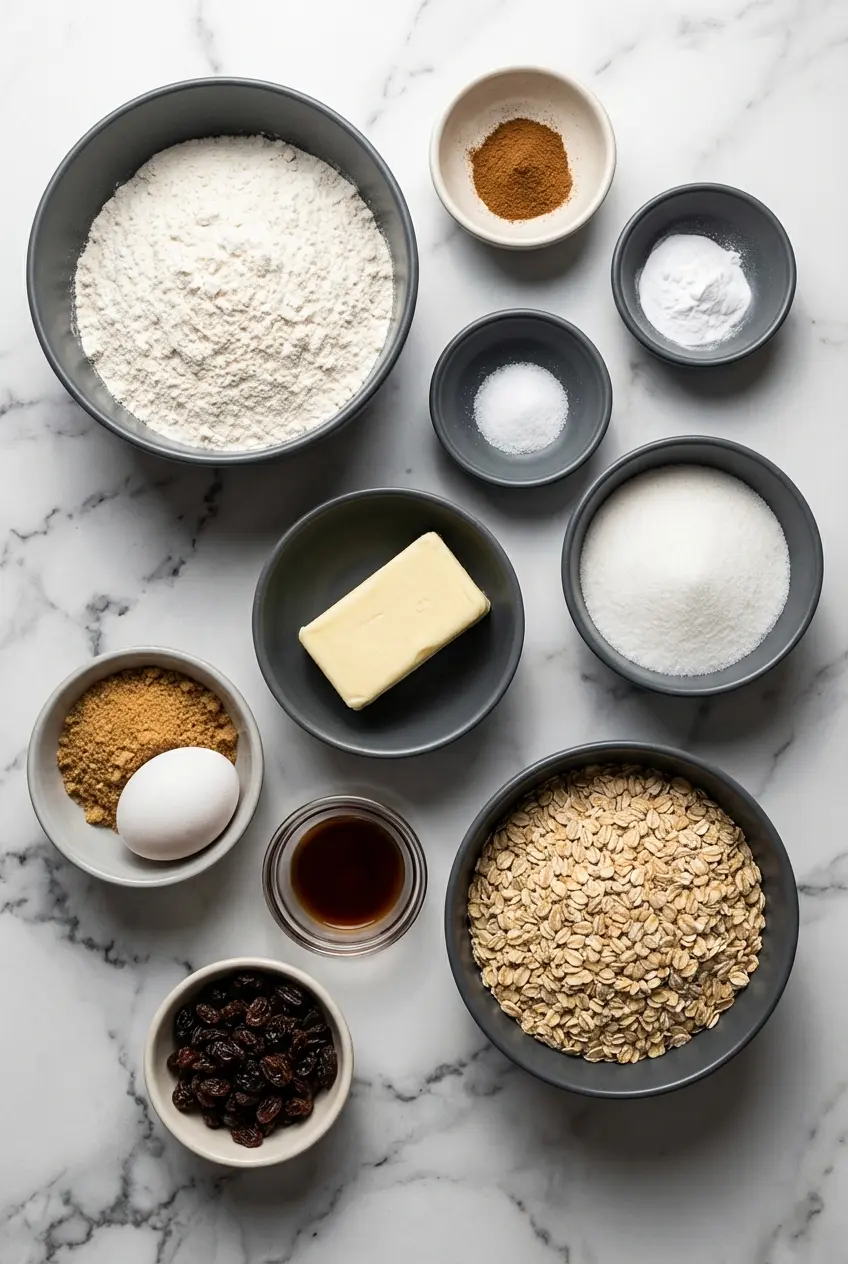
Each ingredient pulls its weight here, from the oats that build chew to the sugars that create color, tenderness, and those signature crisp edges.
Ingredients
- ¾ cup (3 ¾ oz/105 g) all-purpose flour
- 1 teaspoon cinnamon
- ½ teaspoon baking soda
- ½ teaspoon salt
- ½ cup (4 oz/115 g) butter, room temperature
- ½ cup (4 oz/115 g) granulated sugar
- ½ cup (3 oz/85 g) light brown sugar
- 1 large egg
- 1 teaspoon vanilla extract
- 1 ½ cups (4 ½ oz/128 g) rolled oats
- ⅔ cup (3 ⅓oz/94 g) raisins
Ingredient Notes & Substitutions
Rolled Oats: Old-fashioned oats are the right choice for this dough, full stop. They hold their shape, give the cookies that hearty chew, and create much better structure than quick oats, which soften too fast and can leave the centers a little pasty.
Raisins: I like to plump them first by soaking them in hot water or rum for 10 minutes, then patting them dry well before folding them in. That small step keeps them juicy and prevents them from pulling moisture out of the dough as the cookies bake.
Butter: Room temperature butter should be around 65°F (18°C), soft enough to give when pressed but never greasy or half-melted. Since this recipe starts with browned butter, let it cool back to that soft, spreadable stage before creaming it with the sugars.
Mix-Ins: If raisins are not your thing, semi-sweet chocolate chips, butterscotch chips, or dried cranberries all work beautifully here. For extra crunch, fold in ½ cup of toasted chopped pecans or walnuts, or even chopped candied nuts if you want a sweeter, crisper finish with a little holiday flair.
Spices: Cinnamon gives these cookies their familiar warmth, but a pinch of freshly grated nutmeg deepens the flavor in a lovely old-fashioned way. It is a quiet addition, though, so keep it light and let the oats and brown butter stay in the spotlight.
How to Make Oatmeal Cookies Recipe
Prep the Oven and Build the Flavor Base
- Heat your oven to 375°F (190°C) and line two large cookie sheets with parchment paper. Having the pans ready before the dough is mixed makes the whole process smoother, and parchment paper helps the bottoms brown evenly without sticking.
- Set a skillet over gentle heat and cook the butter until the milk solids turn amber and the aroma shifts from creamy to deeply nutty. Pour it into a bowl right away so it does not keep cooking, then let it cool until it returns to a soft, room-temperature solid. In the same spirit, toast the rolled oats in a dry skillet for a few minutes, just until they smell warm and nutty, then let them cool completely.
Mix the Dough
- In a medium bowl, whisk together the all-purpose flour, cinnamon, baking soda, and salt until the spices and leavening are evenly distributed. This quick bowl of dry ingredients ensures every cookie has the same warm flavor and even rise.
- In a large bowl, cream the cooled brown butter with the granulated sugar and light brown sugar until the mixture looks lighter in color and fluffy in texture. Add the egg and vanilla extract, then beat until fully incorporated and smooth, with no streaks of egg remaining.
- Add the dry mixture to the wet ingredients and fold with a spatula just until the flour disappears into the dough. Stop as soon as it comes together, because overmixing can make the cookies tougher and mute that tender chew.
- Fold in the toasted oats and the plumped raisins, stirring only until they are evenly scattered throughout the dough. At this point, the cookie dough should look thick, textured, and nicely speckled with oats.
Portion and Bake
- Using a tablespoon measure, scoop heaped spoonfuls of dough onto the prepared cookie sheets, leaving about 2 inches between each one so they have room to spread. If you want neater cookies, lightly shape the scoops with your fingers before they go into the oven.
- Bake for about 9 to 10 minutes, until the cookies are lightly risen and golden brown around the edges. The centers should still look a touch soft when you pull them out, because baking longer will cost you that gooey middle.
Cool and Store
- Let the cookies rest on the baking sheet for a few minutes so they can finish setting without falling apart. Then move them to a wire rack to cool fully, where the edges will firm up while the centers stay chewy.
- Keep the baked cookies in an airtight container for up to 3 days at room temperature. They stay especially nice if they are packed once fully cool, so no steam gets trapped inside the container.
Chef Secrets for Perfection
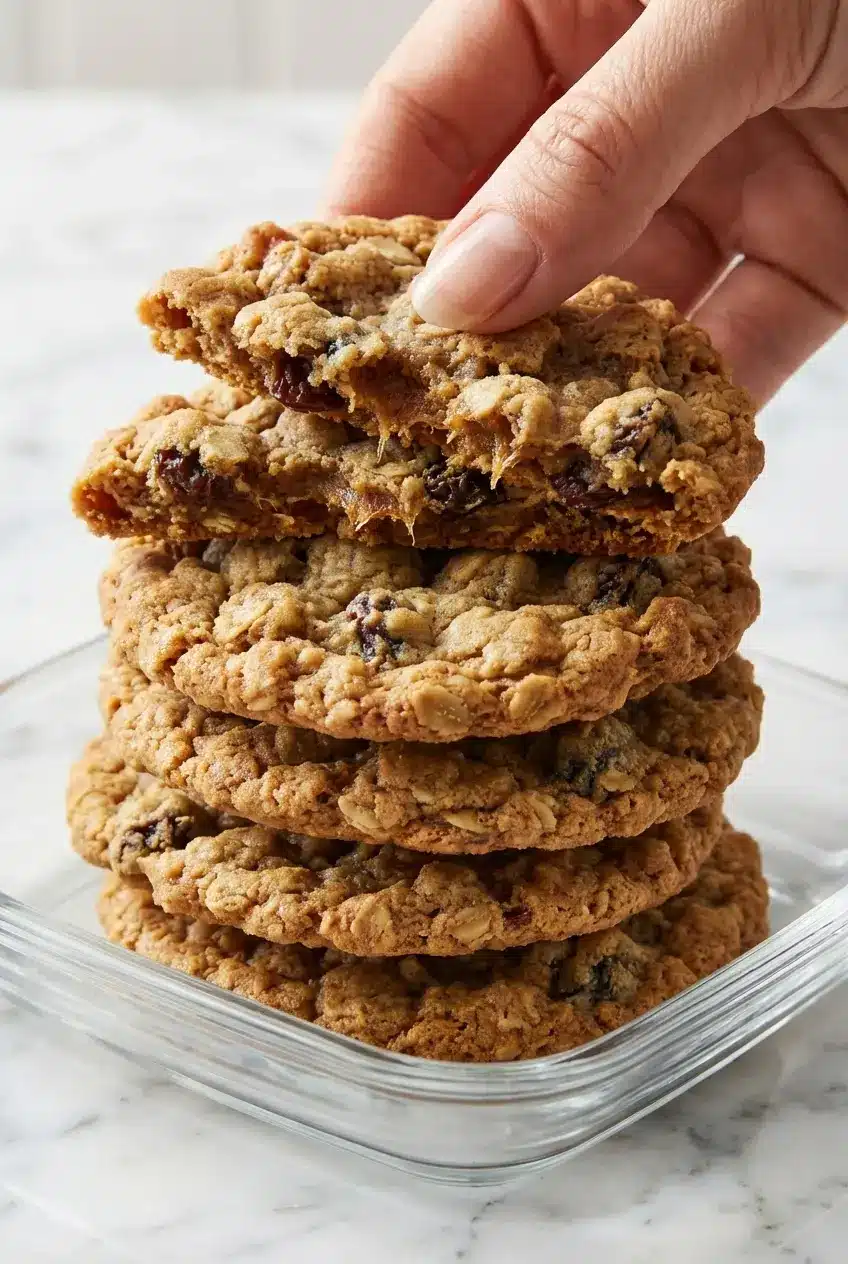
Know your butter: When bakers say room temperature butter, they mean about 65°F (18°C), not warm, glossy, or slumping. It should yield to a fingertip with slight pressure, but it should never feel greasy, because greasy butter leads to flat, overly spread cookies.
Cream longer than you think: Give the butter and sugars a full 3 to 4 minutes. Oatmeal cookie dough is naturally dense, so properly creaming butter and sugar matters a great deal, and the technique behind properly creaming butter and sugar is what builds the air pockets that help the cookies bake up lighter instead of heavy and squat.
Use the cookie scoot: The moment the cookies come out of the oven, place a round biscuit cutter or even a large mug over one cookie and swirl it in a quick circle. That little bakery trick nudges the soft edges inward and gives you beautifully round cookies while they are still hot and pliable.
The Science of Sugar Ratios and the Maillard Reaction
The balance of light brown sugar and white sugar is what gives oatmeal cookies their sweet spot between chewy cookies and crisp edges. Brown sugar brings moisture and a little acidity, which keeps the centers softer, while white sugar encourages spreading and caramelized edges that snap just slightly when you bite in.
Once browned butter enters the picture, the flavor gets even deeper because you are layering toasted milk solids with the sugars’ natural browning. That rich, roasty complexity is tied to the science of the Maillard reaction, which is the same delicious chemistry responsible for the caramel notes, golden color, and irresistible aroma that make these cookies taste far more complex than a standard batch.
High Altitude Baking Adjustments
At higher elevations, lower air pressure can make cookie dough spread faster and lose structure before the centers set. If you bake in the mountains, a small adjustment can save the batch.
I usually start by reducing the sugar slightly, adding a touch more flour, or nudging the oven temperature up a bit so the cookies set sooner. With oatmeal cookies, even a modest tweak helps prevent thin, overly flat rounds and keeps that soft middle intact.
Pro Tips and Troubleshooting
Expert Baking Tips
- Let your baking sheets cool completely between batches. If warm pans hit the dough, the butter starts melting before the cookies even reach the oven, and that almost always leads to extra spread.
- Stick with old-fashioned oats for the best texture and structure. I keep a big canister in the pantry because they work just as well in sturdy breakfasts and bakes like banana oatmeal muffins, so they never go to waste.
- Beat the butter and sugars for a full 3 to 4 minutes. That extra air is especially important here because the oats make the dough heavier than a typical drop cookie.
Common Mistakes to Avoid
- Do not use quick-cooking oats or steel-cut oats. Quick oats change the hydration too much, and steel-cut oats stay too firm, so neither gives the right chewy oatmeal cookie texture.
- Do not overbake the cookies. They should look slightly underdone in the center when you remove them, because the hot baking sheet continues to cook them for a few minutes.
- Do not skip the short rest on the baking sheet. Moving them too soon can cause the cookies to crack or break before they have finished setting.
- Do not cream with butter that is too warm. If it looks shiny or partially melted, the dough will struggle to hold air and the cookies can turn out flat.
Serving Ideas and Storage Guide
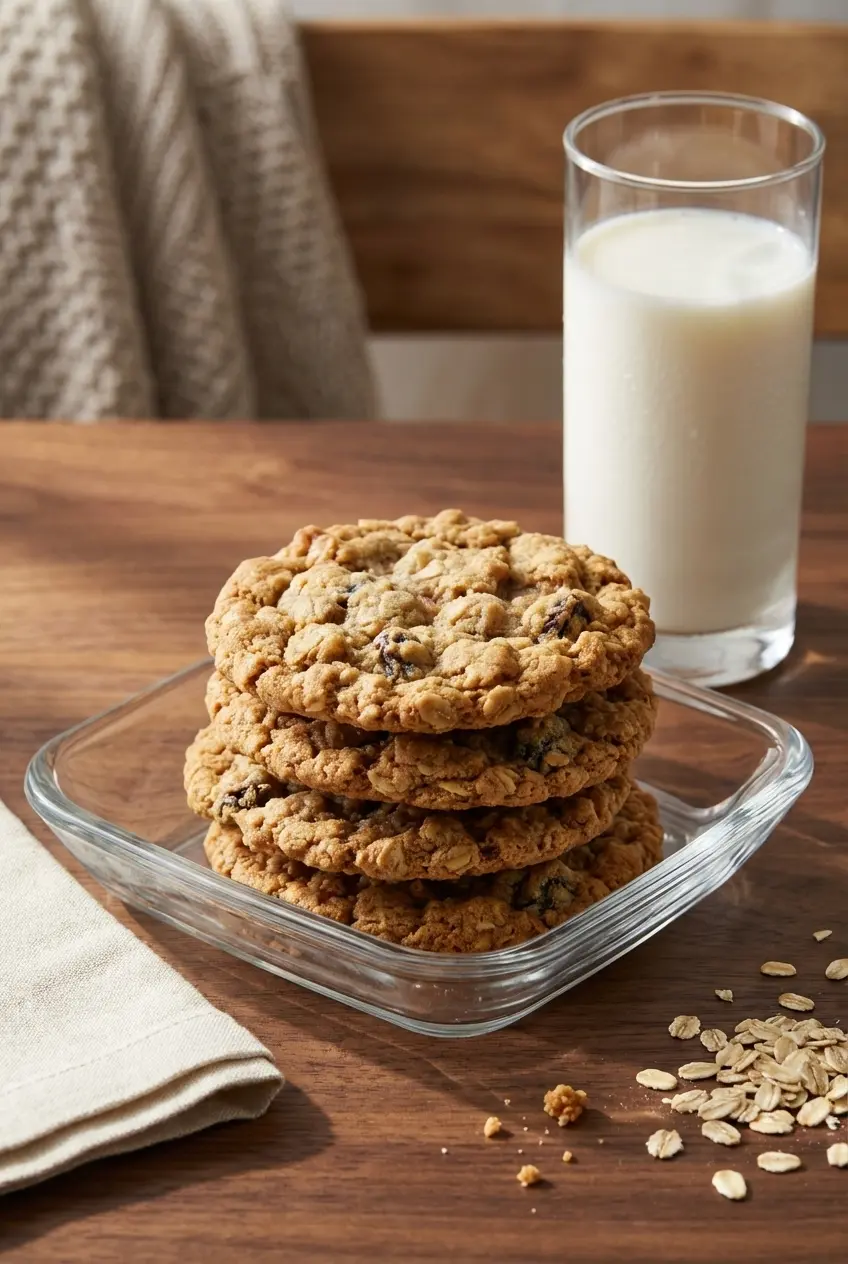
Best Ways to Serve
These cookies are at their best when they are still a little warm, with a tall glass of cold milk nearby and the edges just barely crisp. They also make a terrific dessert crumbled over vanilla ice cream, where the brown butter notes play especially well with a creamy vanilla base.
If you want to stretch the batch into something party-worthy, sandwich vanilla bean ice cream between two larger cookies for a nostalgic homemade treat. The same dough also bakes beautifully as bars in a 9×13 pan, and the finished squares tuck nicely into parchment-lined tins for a holiday cookie exchange.
Storage and Make-Ahead
Once the cookies are fully cool, store them in an airtight container at room temperature to keep them soft. For longer freshness, slip a slice of bread into the container, which gently shares moisture with the cookies and helps keep the centers tender.
If you want fresh cookies on demand, scoop the dough into portions and freeze the dough balls on a baking sheet until firm. Transfer them to a freezer bag after that, and bake straight from frozen with an extra minute or two added to the baking time.
Best Oatmeal Cookies Recipe

Equipment
- Baking Sheets
- Skillet
- Wire rack
Ingredients
- ¾ cup (3 ¾ oz/105 g) all-purpose flour
- 1 teaspoon cinnamon
- ½ teaspoon baking soda
- ½ teaspoon salt
- ½ cup (4 oz/115 g) butter, room temperature
- ½ cup (4 oz/115 g) granulated sugar
- ½ cup (3 oz/85 g) light brown sugar
- 1 large egg
- 1 teaspoon vanilla extract
- 1 ½ cups (4 ½ oz/128 g) rolled oats
- ⅔ cup (3 ⅓oz/94 g) raisins
Instructions
Prep the Oven and Build the Flavor Base
- Heat your oven to 375°F (190°C) and line two large cookie sheets with parchment paper.
- Set a skillet over gentle heat and cook the butter until the milk solids turn amber and smell deeply nutty. Pour it into a bowl right away and let it cool to a soft, room-temperature solid. In a dry skillet, toast the rolled oats for a few minutes just until they smell warm and nutty, then let them cool completely.
Mix the Dough
- In a medium bowl, whisk together the all-purpose flour, cinnamon, baking soda, and salt until evenly distributed.
- In a large bowl, cream the cooled brown butter with the granulated sugar and light brown sugar for 3 to 4 minutes until lighter in color and fluffy. Add the egg and vanilla extract, then beat until fully incorporated and smooth.
- Add the dry mixture to the wet ingredients and fold with a spatula just until the flour disappears into the dough to avoid overmixing.
- Fold in the toasted oats and the plumped raisins, stirring only until they are evenly scattered throughout the dough.
Portion and Bake
- Using a tablespoon measure, scoop heaped spoonfuls of dough onto the prepared cookie sheets, leaving about 2 inches between each one.
- Bake for about 9 to 10 minutes, until the cookies are lightly risen and golden brown around the edges. The centers should still look slightly soft.
Cool and Store
- Let the cookies rest on the baking sheet for a few minutes so they finish setting, then move them to a wire rack to cool fully.
- Keep the baked cookies in an airtight container for up to 3 days at room temperature.
Notes
Conclusion
Browned butter and toasted oats turn a familiar oatmeal cookie into something deeper, cozier, and far more memorable. You still get that classic comfort, but with better chew, better aroma, and those beautiful crisp edges that make the whole batch disappear fast.
If you enjoy baking with rolled oats, this is the kind of recipe that invites a little play once you know the base. And if that hearty, old-fashioned flavor is your style, a loaf of oatmeal bread makes a lovely next weekend bake for the same comforting mood.