There’s a sound I chase every time I bake skillet cornbread, that first bold sizzle when batter hits a screaming hot cast iron skillet. My kitchen instantly smells like toasted corn and Sunday supper, the kind of comfort food that doesn’t just sit on the side, it owns the table.
This guide is for anyone who wants a crust with real attitude and a crumb that stays tender. I’ll walk you through my chef trick for a professional, golden bottom, plus one simple hydration step that keeps cornbread moist instead of gritty.
Why You Will Love This Recipe
The Browned-Honey-Butter Sear: In my kitchen, this is the move that turns basic quick bread into something you’d brag about, with a caramel-kissed crust that crackles when you cut it.
Beurre noisette aroma: Browning the butter wakes up those nutty milk solids, and when honey joins in, the whole skillet smells warm and floral, like a Southern cuisine daydream.
Crunch meets cloud: You get that deeply bronzed bottom from the cast iron skillet, then a soft, fluffy center that doesn’t crumble into sand the moment it cools.
Ingredients and Substitutions

These are pantry staples, but each one has a job. The cornmeal brings soul, the flour gives structure, and the butter plus hot skillet are what build that famous crust.
Ingredients
- 1 1/4 cups Milk
- 1 cup Cornmeal
- 1 cup All-purpose flour
- 4 teaspoons Baking powder
- 3/4 teaspoon Kosher salt
- 2 large Eggs, beaten
- 1/4 cup Unsalted butter, melted
- 1 tablespoon Vegetable oil
Ingredient Notes & Substitutions
Cornmeal: Stone-ground cornmeal gives bigger corn flavor and a slightly nubbly bite, while fine-ground bakes up more uniform and cake-like. Stone-ground is wonderful, but it can go stale faster, so I store it airtight.
Milk: Buttermilk works beautifully for tang and tenderness, but it is more acidic. If you swap it in, I like adding 1/2 teaspoon of baking soda to keep the rise and browning on track.
Kosher salt: This is not just “saltiness”, it makes the corn taste sweeter and more buttery. If you use a finer salt, measure carefully because it packs more densely.
Butter and oil: Butter brings flavor, oil helps with that slick, nonstick seal. For a traditional smoky edge, bacon grease can stand in for the oil when you coat the skillet.
How to make skillet cornbread
Heat the skillet and hydrate the cornmeal
- Set a 9-inch cast iron skillet in the oven, then preheat to 425 degrees F (220 degrees C). Give it time to get truly hot, because a warm skillet makes a soft crust, not a crunchy one.
- Stir the milk and cornmeal together in a small bowl until every grain looks wet. Let it soak for 10 minutes, this softens the grit so the crumb bakes up moist instead of sandy.
Mix the batter gently, but with intention
- Sift the all-purpose flour, baking powder, and kosher salt into a mixing bowl so the leavening agent is evenly distributed. This is what helps the bread lift instead of baking dense.
- Pour in the soaked cornmeal mixture, then add the beaten eggs and the melted butter. Beat for about 1 minute, just until the batter looks smooth and glossy, overmixing can make it chewy.
Sizzle, then bake until golden
- Carefully pull the hot skillet from the oven and add the vegetable oil, then swirl to coat the bottom and sides. Pour off any excess so the crust fries lightly, not greases up.
- Pour the batter in immediately and listen for that confident sizzle, it’s the sound of a crust forming on contact. Slide the skillet back into the oven.
- Bake until a toothpick inserted into the center comes out clean, 18 to 23 minutes. The edges should look dark golden brown and slightly pulled from the pan, then cut into wedges and serve.
Secrets for the Ultimate Golden Crust

That dramatic brown bottom is not luck, it is the Maillard reaction doing its best work when high heat meets the skillet’s steady cast iron power. Preheating matters because the crust sets instantly, so the edges turn crisp instead of steaming pale.
My favorite upgrade is browning the butter until it smells nutty, like beurre noisette, then letting that flavor hit the hot pan. When a little honey is whisked into the batter, it encourages caramelization and helps the crumb hold onto moisture, so the center stays tender even as the bottom gets bold.
If your skillet cornbread turns dry and crumbly, it is usually a structure problem. Too much cornmeal compared to flour, or skipping the eggs, can leave you without enough binding to hold a clean wedge.
After baking, I treat the skillet kindly so it keeps its seasoning. A warm rinse, a gentle scrub without harsh soap, then a thorough dry and a whisper of oil keeps that surface slick and reliable for next time.
Pro Tips and Troubleshooting
Pro Tips
- Give the skillet at least 10 minutes in the oven, a properly heated pan is the difference between crisp and cakey.
- Bacon grease in place of the vegetable oil adds a classic, smoky Southern profile without changing the method.
- If your baking powder is old, the bread will bake up flat, even with perfect mixing and heat.
- The pan is ready when a tiny drop of batter audibly sizzles on contact.
Common Mistakes to Avoid
- Overmixing the batter develops gluten and can make the crumb tough instead of tender.
- Starting with a cold skillet leads to pale, soft edges and a soggy bottom.
- Letting cornmeal sit open too long can make it taste dull or stale, especially stone-ground.
- Changing the cornmeal to flour balance too far can cause a crumbly, fragile wedge.
When I’m thinking about a full skillet-style supper, I keep the same “hot pan, big flavor” mindset. The science of lift is worth understanding, and this guide on checking the freshness and activity of leavening agents explains why quick breads can fail quietly.
Serving and Storage

Serving Ideas
I love serving hot wedges with a dollop of salted honey butter, it melts into every crackly ridge. On chili night, that sweet, nutty crust tastes like the best kind of balance against smoky beef and spice.
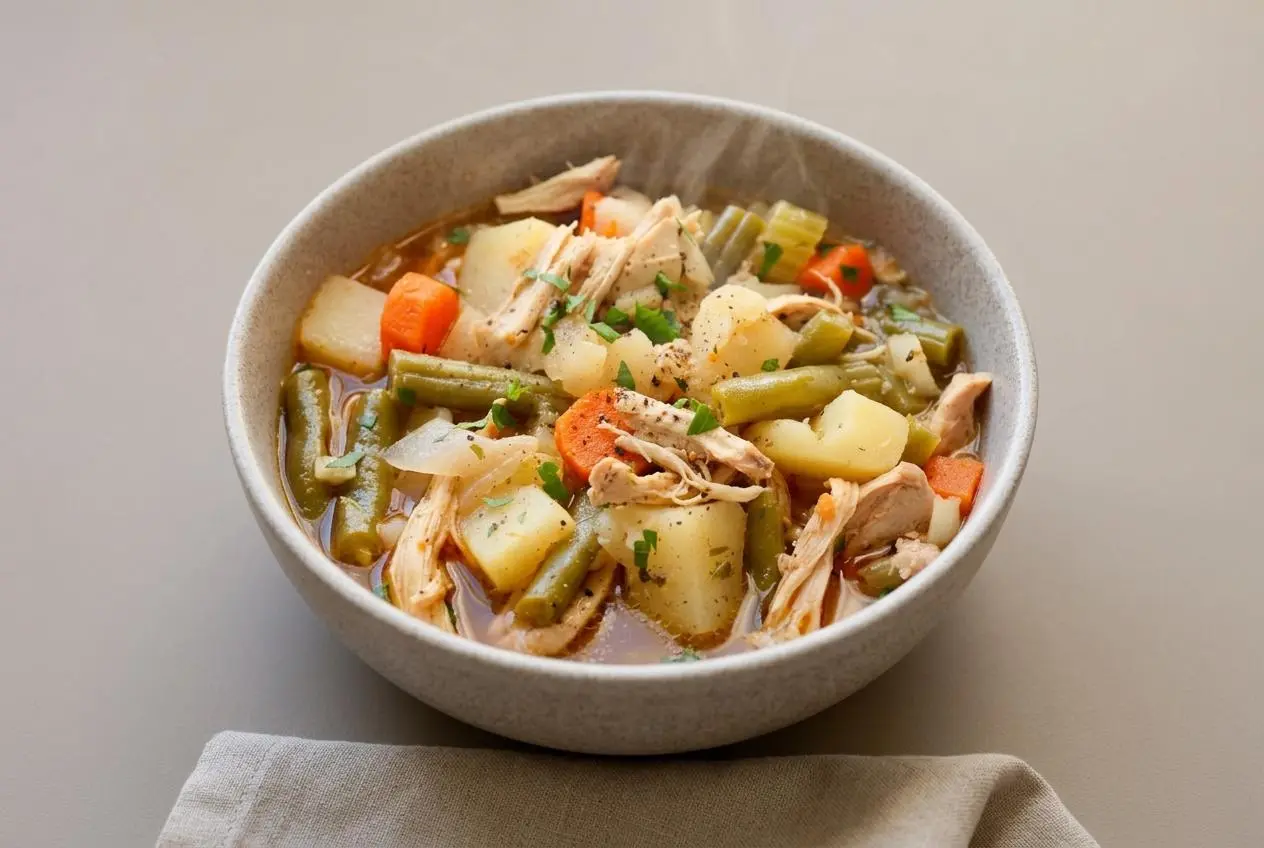
For a hearty comfort spread, a bowl of creamy zuppa toscana is a cozy match with cornbread. The soup’s richness loves a crisp-edged wedge that can scoop and soak without falling apart.
When I want something fresh on the side, cowboy caviar brings crunch, acid, and color to the plate. That bright bite makes the honeyed crust taste even more golden.
And if you grew up anywhere near the Appalachians, you’ve probably seen leftovers crumbled into a glass of cold buttermilk. It sounds humble because it is, but it hits the spot after a long day.
Storage and Reheating
Let the cornbread cool, then wrap it tightly so the crumb does not dry out. I like storing wedges in an airtight container once they are fully cool to avoid trapped steam.
To bring back the crispy bottom, reheat slices in a dry skillet over medium heat until the underside feels crisp again. A toaster oven also works well, the microwave tends to soften the crust and toughen the crumb.
For freezing, wrap individual wedges tightly and freeze for easy single servings. Reheat straight from frozen in a toaster oven until hot through, and you will still get some of that signature crunch.
Perfecting Your Skillet Cornbread Skills
The big two are simple, a fully preheated cast iron skillet and a batter that is not rushed. Once you feel that sizzle and smell that toasted corn, you’ll start trusting your senses as much as the timer.
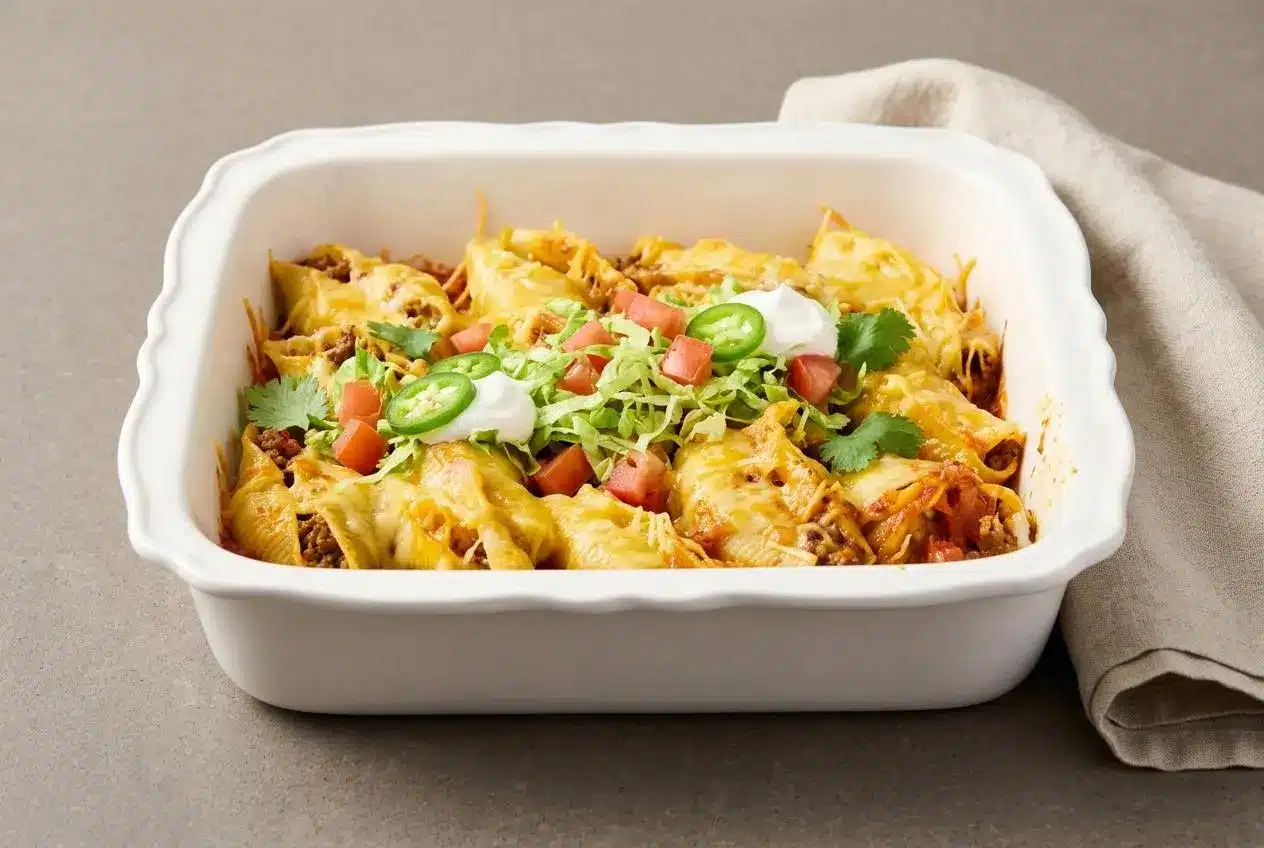
Variations are where you can have fun, jalapeño cheddar for a Tex-Mex table, or maple bacon for something sweet-savory. A one-pan menu keeps the vibe going, and beef enchilada skillet is the kind of bold main dish that loves a wedge of cornbread nearby.
If you enjoy pairing themes, Southwestern pasta salad fits right into a backyard spread. Cornbread sits happily next to it, especially when you lean into peppers, cheese, and smoky flavors.
Cornbread also carries history on its shoulders, from Native traditions to modern comfort food tables. This thoughtful piece on the cultural history of cornbread puts words to what many of us feel when that skillet hits the oven.

Golden Skillet Cornbread

Equipment
- 9-inch cast iron skillet
- Mixing Bowls
- Sifter
Ingredients
- 1 1/4 cups Milk
- 1 cup Cornmeal
- 1 cup All-purpose flour
- 4 teaspoons Baking powder
- 3/4 teaspoon Kosher salt
- 2 large Eggs, beaten
- 1/4 cup Unsalted butter, melted
- 1 tablespoon Vegetable oil
Instructions
Heat the skillet and hydrate the cornmeal
- Set a 9-inch cast iron skillet in the oven and preheat to 425 degrees F (220 degrees C). Ensure the skillet gets thoroughly hot to achieve a crunchy crust.
- Stir the milk and cornmeal together in a small bowl until every grain is wet. Let it soak for 10 minutes to soften the grit for a moist crumb.
Mix the batter gently, but with intention
- Sift the all-purpose flour, baking powder, and kosher salt into a large mixing bowl to ensure the leavening agent is evenly distributed.
- Pour the soaked cornmeal mixture, beaten eggs, and melted butter into the bowl. Beat for about 1 minute until the batter appears smooth and glossy.
Sizzle, then bake until golden
- Carefully remove the hot skillet from the oven. Add the vegetable oil and swirl to coat the bottom and sides, pouring off any excess.
- Immediately pour the batter into the hot skillet. Listen for the sizzle that indicates the crust is forming on contact.
- Slide the skillet back into the oven and bake for 18 to 23 minutes. The edges should be dark golden brown and a toothpick inserted into the center should come out clean.
Notes
Nutrition
Frequently Asked Questions
How do I make my cornbread more moist?
What is the best type of cornmeal for skillet cornbread?
Why didn’t my cornbread rise?
Can I make this recipe gluten-free?
How do I store and reheat leftover cornbread without it getting tough?
How do I prevent the cornbread from sticking to the skillet?
Conclusion
When skillet cornbread is right, the crust is dark and crisp, and the center stays soft enough to steam when you split a wedge. Keep the soak, honor the hot skillet, and if you feel like showing off, bring browned butter and honey into the story.
Once you’ve got your signature loaf down, little riffs become second nature, a peppery version one night, a sweeter one the next. A cozy one-pan dinner like beef enchilada skillet makes the whole table feel effortless and full.