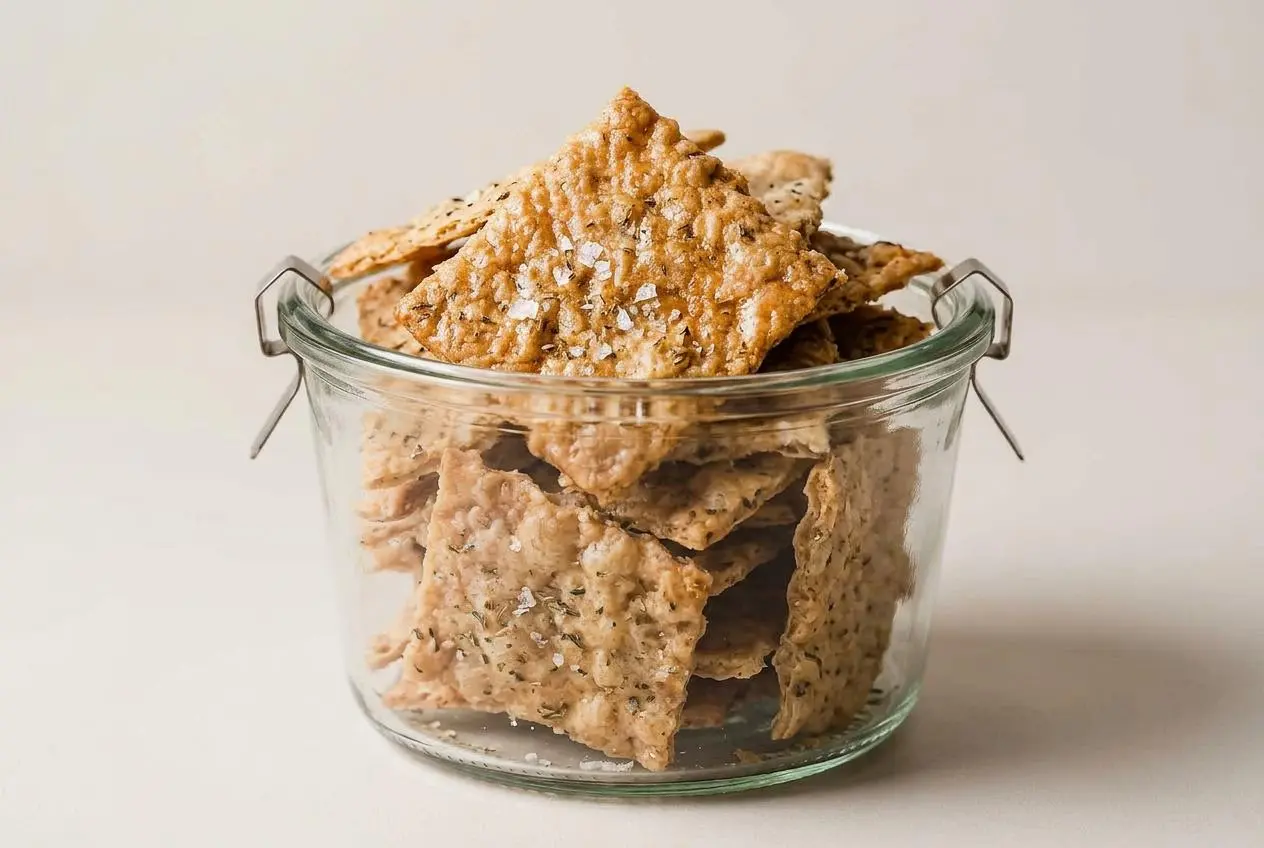
Sourdough discard crackers are an easy, no-waste way to turn extra starter into thin, crispy snacks. This guide shows you two methods: a fast spreadable batter and a classic rolled dough, plus the key tricks for the best crunch.
These crackers are crisp, tangy, savory, and built for that addictive crunch that makes you reach for one more piece. They’re also a smart way to use unfed starter straight from the fridge.
You can keep them delicate and thin or make them a little sturdier, depending on the method. The thinness trick is where the magic happens.
If your discard is very cold, that’s fine. Just stir it down well so it spreads evenly.
Why This Recipe Works
This guide clears up the biggest point of confusion right away: sourdough crackers can be made as a spreadable batter or as a rolled dough, and both work beautifully. The first method gives you ultra-thin, delicate crackers fast. The second gives you a sturdier, more traditional cracker that holds up well to dips and cheese.
You’ll also get practical help beyond the recipe itself, including how to spread or roll for real crispness, how butter and oil change the texture, and what to do if your crackers come out chewy, pale in the center, or too salty.
If you like finding more ways to use extra starter, fluffy discard pancakes are another smart option for the same jar of discard.
Ingredients You’ll Need
Each ingredient has a real job here, from tangy structure in the discard to richness from butter and a light herbal finish that makes the crackers taste complete.
- ¾ cup (200 g) discarded sourdough starter (stirred down)
- 2 tablespoons (28 g) butter (melted)
- ¼ teaspoon (1 g) fine sea salt
- 2 teaspoons dried herbs (Herbs de Provence)
- ¼ teaspoon (1 g) salt for sprinkling on top
The sourdough discard gives the crackers their tangy flavor and enough structure to bake up firm and crisp. Melted butter adds richness and helps the surface brown nicely. The dried herbs bring aroma, while the salt sharpens the flavor so the crackers taste savory rather than flat.
I usually use discard straight from the refrigerator for this, and it works well as long as it’s stirred smooth before mixing.
Two Easy Methods for Sourdough Crackers
There are two main ways to make these crackers. The spreadable version is faster and bakes up very thin, almost delicate. The rolled version takes a little more handling but gives you a sturdier cracker with a more classic snap.
| Method | Texture | Effort | Key Ingredients |
|---|---|---|---|
| Spreadable batter | Very thin, delicate, crisp | Low | Discard, butter, salt, herbs |
| Rolled dough | Sturdier, more traditional, crisp | Moderate | Discard, flour, fat, salt |
If you enjoy savory discard baking, sourdough English muffins are another great next project.
Method 1: Easy Spreadable Crackers (No Flour Added)
This is the quick route and the official base recipe. The batter should feel like thick paint: easy to spread, but not runny.
- Heat the oven to 325°F (162°C) and line a baking sheet with parchment paper, then melt the butter in a mixing bowl and let it cool slightly.
The cooler butter helps the batter mix smoothly instead of turning oily or streaky. - Stir the discarded sourdough starter, dried herbs, and fine sea salt into the melted butter until fully combined, then spread the mixture over the parchment in a very thin, even layer with an off-set spatula and sprinkle the top with salt.
An even layer is the difference between crisp crackers and a tray with burnt edges and a soft middle. - Bake for 10 minutes, take the tray out, and score the surface into cracker shapes, then return it to the oven for 20 to 50 minutes more until golden brown.
Your kitchen will smell tangy and buttery, and the crackers are ready when they feel firm and sound a little hollow when tapped. - Cool the crackers completely on the pan before breaking them apart along the score lines.
They continue to crisp as they cool, so don’t judge the final texture while they’re still warm.
Method 2: Classic Rolled Sourdough Crackers
Choose this method when you want a sturdier cracker for scooping hummus, stacking with cheese, or loading onto a snack board. It uses flour to turn the discard into a rollable dough rather than a spreadable batter.
Mix sourdough discard with flour, salt, and either melted butter or olive oil until a soft dough forms. If it feels sticky, chill it until firmer and easier to handle. Roll it very thin between sheets of parchment, transfer to a baking sheet, score, and bake at a moderate temperature until dry, golden, and crisp.
For the best texture, keep the dough around 1/16 inch thick. Thicker dough gives you more chew and less snap. A little patience with the rolling pin pays off here.
If you want to experiment, this method is the better one for whole wheat, rye, or spelt flour because the dough has more structure. Those flours can absorb moisture differently, so add fat or liquid only as needed to bring the dough together.
Tips for the Crispiest Crackers
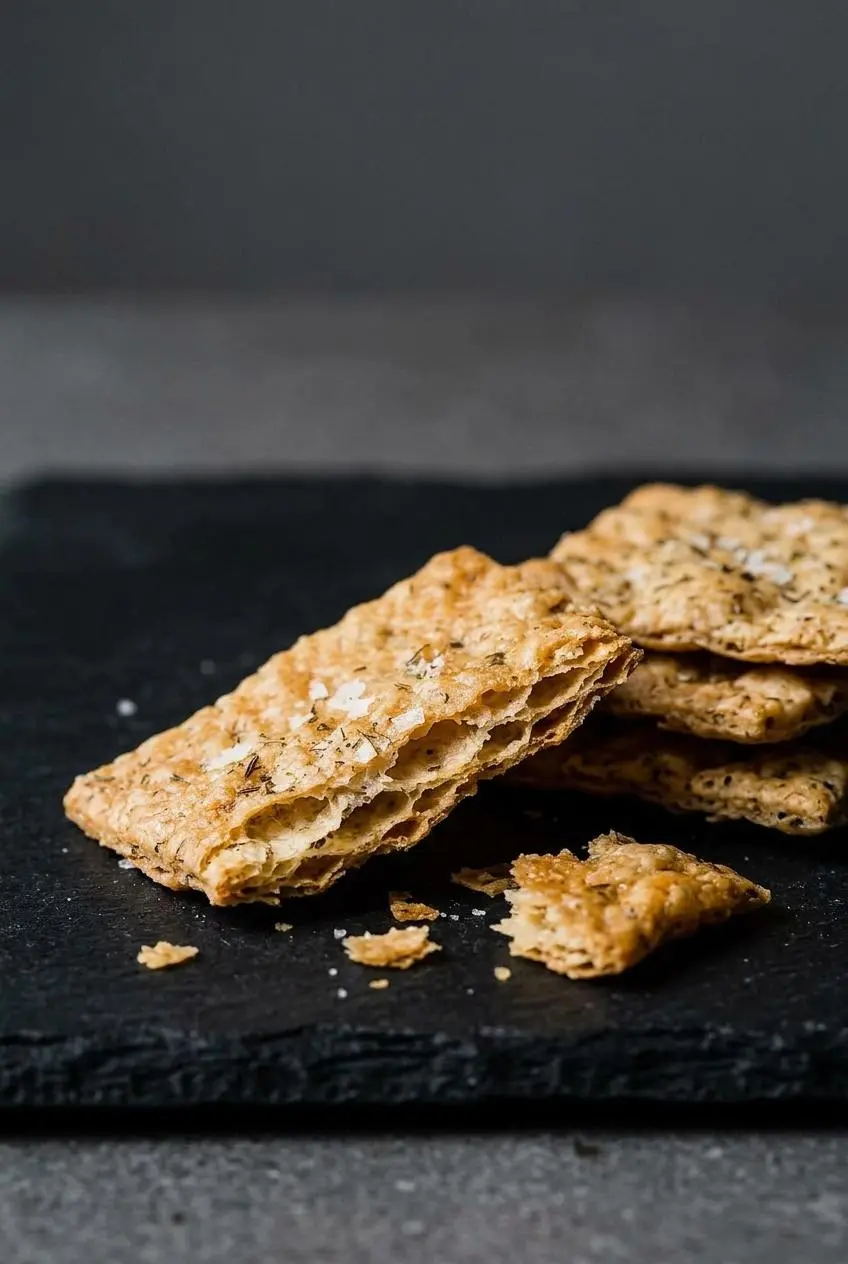
Crisp crackers come down to a few specific habits. These details matter more than any fancy ingredient.
Get the Thickness Right
This is the biggest one. Aim for about 1/16 inch, whether you’re spreading batter or rolling dough. Thin batter dries out evenly and becomes brittle in the best way, while thick spots stay chewy.
For the spreadable method, an off-set spatula helps you push the batter into a more even layer without tearing the parchment. For rolled dough, use a rolling pin and check the edges, since they often end up thinner than the center.
Bake Low and Slow
A moderate oven gives the crackers time to dry and crisp before the edges get too dark. Rotate the pan partway through baking so one side doesn’t race ahead while the center lags behind.
For the spreadable version, the wide baking range matters because thickness changes everything. Start checking once the surface looks dry and lightly browned, then keep going until the crackers are truly firm.
Don’t Be Afraid of Color
Pale crackers rarely stay crisp. Let them go until they look properly golden and feel firm when touched. That extra color brings better flavor too.
If the center still looks lighter than the edges, break those middle pieces apart after cooling a bit and return them to the oven briefly. This is an easy fix, not a failure.
Choosing Your Fat: Butter vs. Oil
Butter gives the crackers a richer, more savory flavor and a slightly deeper browning. Olive oil creates a lighter crispness and works especially well if you want a vegan version.
Neutral oils also work if you prefer the herbs and sourdough tang to stand out more. For the boldest flavor, butter wins. For a cleaner, lighter finish, oil is a great choice.
Flavor Variations and Add-Ins
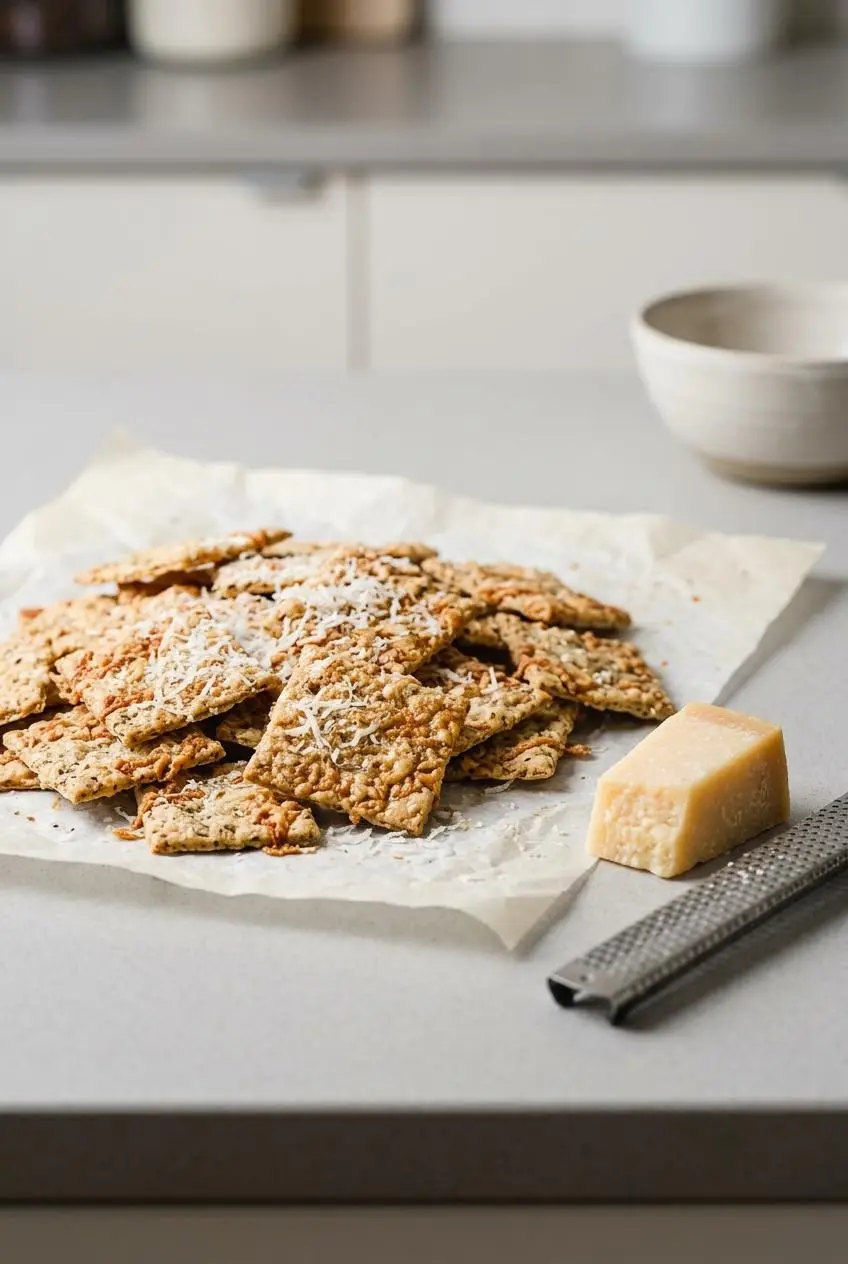
Once you have the base idea down, you can change the flavor in lots of directions. Most add-ins work in either method, and nutritional yeast is a great dairy-free way to add a savory, cheesy note.
| Add-in Type | Examples | Suggested Amount |
|---|---|---|
| Cheeses | Parmesan, Pecorino Romano | 2 to 3 tablespoons |
| Herbs | Rosemary, thyme, Herbs de Provence | 1 tablespoon fresh or 1 to 2 teaspoons dried |
| Spices | Garlic powder, smoked paprika | Light sprinkle to taste |
| Seeds | Sesame, poppy, flax, sunflower | 1 to 2 tablespoons |
| Savory boosters | Everything Bagel Seasoning, nutritional yeast | 1 to 2 tablespoons |
Cheesy Crackers (Parmesan & Pecorino)
Finely grated hard cheese is one of the most popular ways to change the flavor of sourdough crackers. Add 2 to 3 tablespoons of Parmesan or Pecorino Romano to the batter or dough, then bake as usual.
These cheeses melt into the surface and deepen the savory flavor without making the crackers heavy. Parmesan with rosemary is especially good if you want something that feels a little snack-board worthy.
Herbed Crackers (Rosemary & Thyme)
Fresh rosemary and thyme work beautifully here, especially with olive oil. Use about 1 tablespoon of finely chopped fresh herbs or 1 to 2 teaspoons dried herbs, depending on how bold you want the flavor.
Rosemary with Parmesan is a favorite for a reason. Thyme gives a slightly gentler, woodsy flavor that pairs nicely with soft cheeses and soups.
Seeded Crackers (Everything Bagel & More)
For everything bagel crackers, sprinkle Everything Bagel Seasoning over the top just before baking. It sticks especially well on the spreadable method because the surface stays tacky for a moment.
You can also mix sesame, poppy, flax, or sunflower seeds directly into the batter or dough for more texture. If you love this style of savory baking, sourdough discard bagels make a fun next bake.
Other good directions include smoked paprika and garlic powder, Pecorino with black pepper, or even a sweet version with cinnamon sugar if you want a lightly snacky dessert cracker.
How to Scale This Recipe
If your discard jar is fuller or smaller than expected, use this quick ratio guide. It keeps the balance close without forcing you into one exact batch size.
| Discard | Butter | Fine Sea Salt | Dried Herbs |
|---|---|---|---|
| 100 g | 14 g | 0.5 g | 1 teaspoon |
| 200 g | 28 g | 1 g | 2 teaspoons |
| 300 g | 42 g | 1.5 g | 1 tablespoon |
When scaling up, spread the batter across multiple sheets instead of making one thicker layer. Thickness changes the baking time more than batch size does.
How to Store and Serve
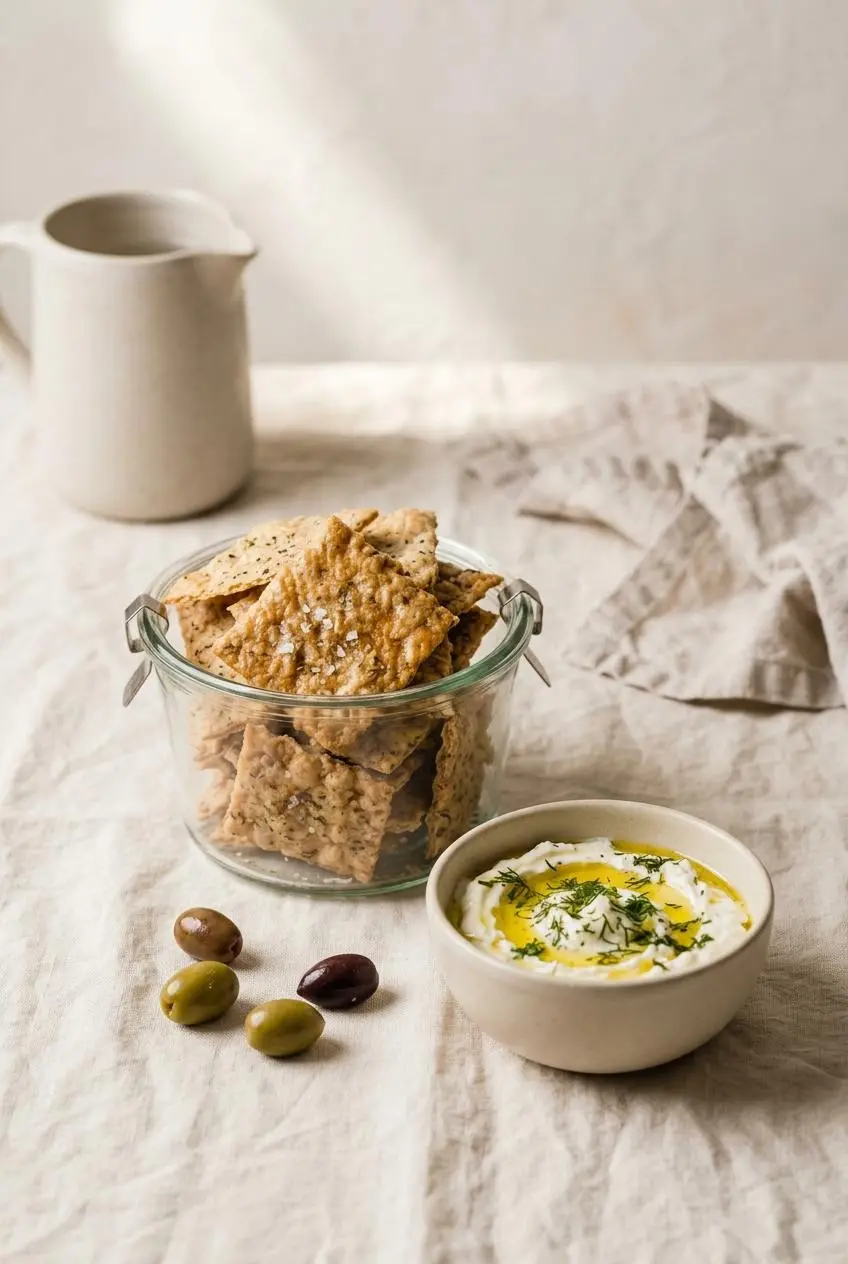
These crackers keep best when you protect them from moisture and let them cool fully before packing them away.
Storing for Maximum Crispness
Cool the crackers completely, then store them in an airtight container at room temperature for up to one week. If they soften a little, a short return to the oven can help restore their snap.
Keeping Dough Ready to Bake
For rolled dough, it’s helpful to mix it ahead and keep it chilled until you’re ready to roll. Chilling firms the fat and makes the dough easier to handle, especially if your kitchen runs warm.
If the dough starts fighting the rolling pin or shrinking back, slide it back into the refrigerator until relaxed and easier to work with again.
What to Serve with Sourdough Crackers
These are excellent on a cheese board with sharp cheddar, Brie, goat cheese, or whipped feta. They also pair well with hummus, spinach artichoke dip, or a bowl of soup where you want something crisp on the side.
Break them into smaller shards for salad crunch, or add them to a board with fruit, olives, and homemade sourdough focaccia for a fuller spread.
Troubleshooting Common Problems
If your first batch isn’t perfect, the fix is usually straightforward. Crackers are a little fussy about thickness, but very forgiving once you know what to watch for.
| Problem | Likely Cause | Fix |
|---|---|---|
| Chewy instead of crispy | The batter or dough was too thick, or the crackers needed more baking time. | Spread or roll to about 1/16 inch and bake until golden and firm. |
| Burnt edges and soft center | The layer was uneven. | Spread more evenly next time, then rebake the paler center pieces if needed. |
| Too salty | Too much finishing salt on top. | Use a lighter hand, especially on the thinner spreadable version. |
| Stuck to the parchment | The crackers needed more drying time or were moved before cooling. | Let them cool fully, and bake a little longer if the bottom still feels damp. |
Conclusion
Turning extra starter into crackers is one of the most satisfying sourdough side projects around. You get a snack that tastes intentional, not like leftovers in disguise.
Whether you choose the quick spreadable version or the classic rolled dough, keep the layer thin and bake until truly golden. That’s the path to the best crunch every time.
Frequently Asked Questions (FAQ)
Why are my sourdough crackers chewy instead of crispy?
The usual cause is thickness. If the batter or dough is thicker than about 1/16 inch, the crackers tend to stay chewy in the middle. They can also be underbaked. Keep going until they are golden brown and firm, then cool them completely so they finish crisping. Humidity matters too. If they soften after storage, a quick re-crisp in the oven usually helps.
Does my sourdough discard need to be active or at room temperature?
No. Unfed discard straight from the refrigerator works well for this recipe. That’s part of what makes these so convenient. Just stir the discard down first so it mixes and spreads evenly.
How long do homemade sourdough crackers last?
When they’re fully cooled and kept in an airtight container at room temperature, they stay crisp and fresh for up to one week.
Can I use a different flour for the rolled crackers?
Yes. Whole wheat, spelt, and rye can all work in the rolled version. Whole grain flours usually absorb more moisture, so the dough may need a touch more fat or a little adjustment to become smooth and cohesive.
Can I make these crackers vegan?
Yes. Swap the melted butter for olive oil or another neutral-tasting oil. The flavor will be a little different, but the crackers can still bake up crisp and delicious.
What’s the difference between discard crackers with and without flour?
Crackers without added flour use a spreadable batter, so they bake up ultra-thin, delicate, and crisp. They’re also the faster option. Crackers with flour use a rollable dough, which makes them sturdier and a bit more like classic wheat crackers. They’re great when you want a stronger snap and better scooping power.
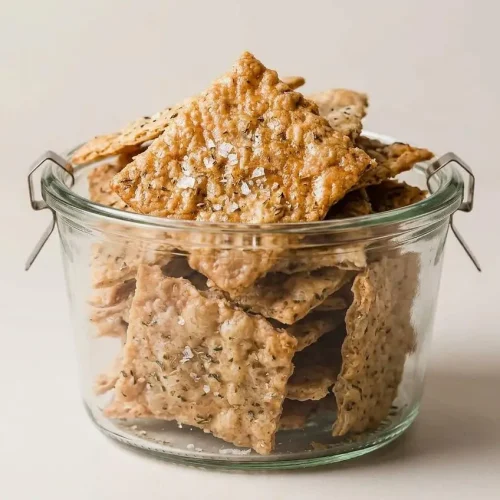
Sourdough Discard Crackers

Equipment
- Baking Sheet
- Parchment Paper
- Mixing Bowl
- off-set spatula
Ingredients
- ¾ cup (200 g) discarded sourdough starter (stirred down)
- 2 tablespoons (28 g) butter (melted)
- ¼ teaspoon (1 g) fine sea salt
- 2 teaspoons dried herbs (Herbs de Provence)
- ¼ teaspoon (1 g) salt for sprinkling on top
Instructions
- Heat the oven to 325°F (162°C) and line a baking sheet with parchment paper, then melt the butter in a mixing bowl and let it cool slightly. The cooler butter helps the batter mix smoothly instead of turning oily or streaky.
- Stir the discarded sourdough starter, dried herbs, and fine sea salt into the melted butter until fully combined, then spread the mixture over the parchment in a very thin, even layer with an off-set spatula and sprinkle the top with salt. An even layer is the difference between crisp crackers and a tray with burnt edges and a soft middle.
- Bake for 10 minutes, take the tray out, and score the surface into cracker shapes, then return it to the oven for 20 to 50 minutes more until golden brown. Your kitchen will smell tangy and buttery, and the crackers are ready when they feel firm and sound a little hollow when tapped.
- Cool the crackers completely on the pan before breaking them apart along the score lines. They continue to crisp as they cool, so don’t judge the final texture while they’re still warm.