
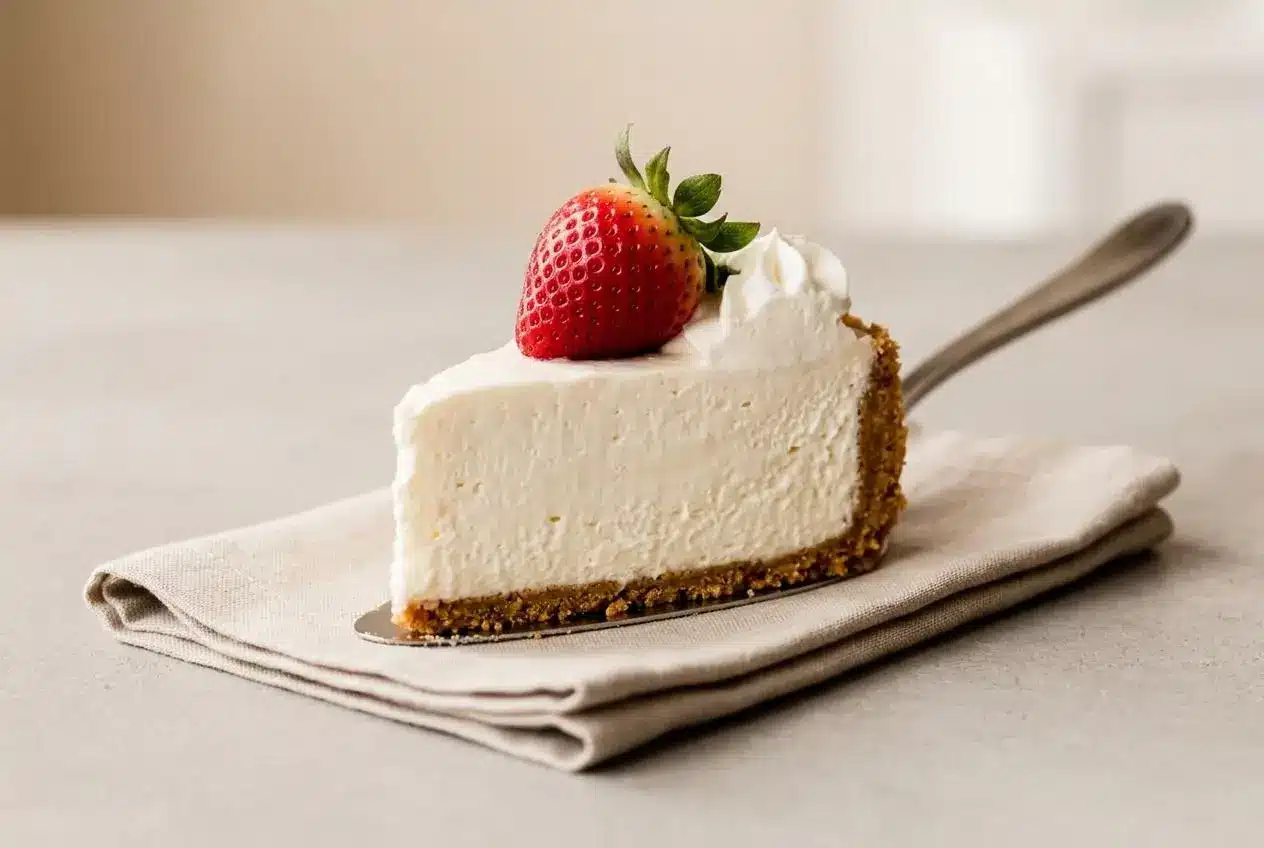
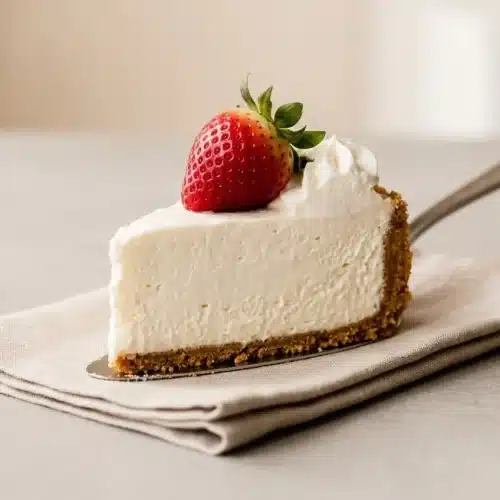
A no bake cheesecake recipe sets without gelatin when stiffly whipped heavy cream is folded into softened full-fat brick cream cheese, then chilled until firm. Give it at least 8 hours, with 12 hours producing the cleanest slices.
This chilled cheesecake has a crisp, buttery graham cracker crust and a silky filling with just enough lemony tang to keep the richness balanced.
It is especially welcome on a warm afternoon, when a cool, velvety slice feels like the right kind of dessert. The secret is in the fold.
Set the cream cheese on the counter until it feels pliable when pressed, but is still cool and not oily or melted.
Essential Ingredients for No-Bake Cheesecake
Every ingredient supports the final texture: the crust needs buttery cohesion, while the filling relies on dairy richness, gentle sweetness, tang, and trapped air for a smooth, sliceable finish.
Graham Cracker Crust
- 2 cups (240g) graham cracker crumbs (about 16 full sheet graham crackers)
- 1/3 cup (67g) packed light or dark brown sugar
- 1/2 cup (8 Tbsp; 113g) unsalted butter, melted
Cheesecake
- 1 and 1/4 cups (300ml) heavy cream or heavy whipping cream
- 24 ounces (678g) full-fat brick cream cheese, softened to room temperature
- 1/2 cup (100g) granulated sugar
- 2 Tablespoons (15g) confectioners’ sugar
- 1/4 cup (60g) sour cream, at room temperature
- 2 teaspoons lemon juice
- 1 teaspoon pure vanilla extract
Brown sugar gives the crust a deeper caramel flavor, while melted butter binds the crumbs into a firm base. Sour cream and lemon juice cut through the cream cheese richness. Confectioners’ sugar dissolves smoothly, helping the filling stay plush rather than gritty.
Outside the United States, digestive biscuits can replace the graham crackers by equal weight for a similarly crisp, lightly sweet crust.
I use brick-style cream cheese that has softened evenly at room temperature because it beats into a much smoother filling than cheese that is still cold in the center.
The Structural Role of Full-Fat Brick Cream Cheese
Full-fat brick cream cheese gives this cheesecake its body. It has the dense, rich texture needed to hold the whipped cream and chill into defined slices. Let it soften until a finger leaves a gentle impression, but avoid warming it until it looks shiny or loose.
Skip spreadable tub cream cheese here. It contains more moisture and incorporated air, so the filling can turn soft or loose instead of developing the smooth resistance you want when cutting a chilled slice. Low-fat cream cheese also changes the structure and is not an equal swap.
Whipping Cream vs Whipped Topping
Cold heavy cream whips into tiny air bubbles that give the filling lift without making it foamy. At true stiff peaks, the cream looks matte rather than glossy, and the peak stands straight up when the whisk is lifted.
Whipped topping creates a different result: sweeter, spongier, and less like classic cheesecake. Real heavy whipping cream gives this filling a clean dairy flavor and a softer melt once it reaches the tongue.
Mastering the Texture: Why This Method Sets Firmly
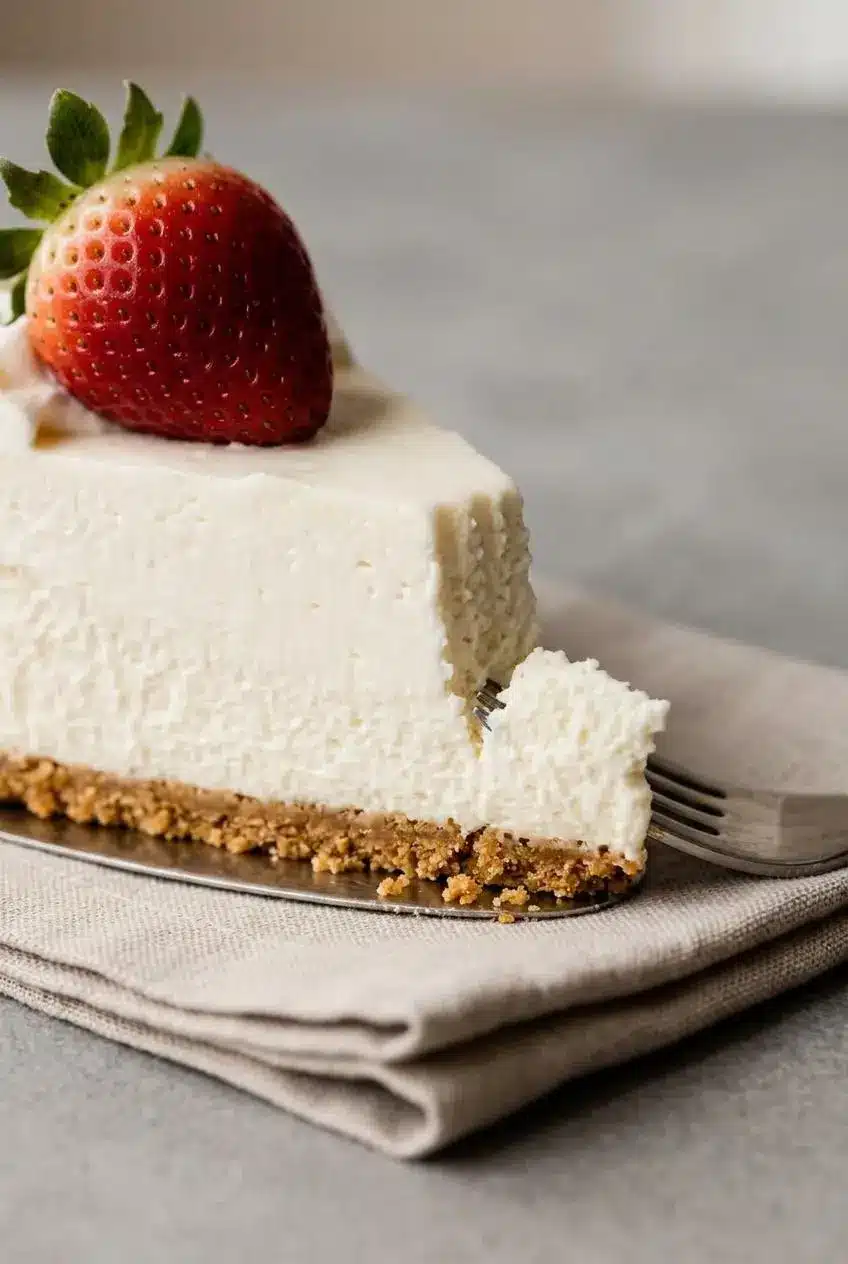
This filling gets its structure from properly whipped cream, rich cream cheese, and thorough refrigeration rather than gelatin. As the dessert chills, the dairy becomes firmer and the air incorporated into the cream helps the filling hold its height.
Whipping matters because every tiny air pocket acts like a bit of scaffolding. Fold that cream carefully into the cream cheese mixture, and the result stays airy while still feeling dense and velvety. Beat or stir aggressively after adding the whipped cream, and much of that useful volume disappears.
The long chill also lets the filling settle into the crust. A fully chilled cheesecake should offer smooth, even resistance to a knife instead of slumping outward at the center. This is a different texture from a baked custard-style rich Basque cheesecake, which sets through oven heat rather than cold dairy structure.
How to Make No-Bake Cheesecake
Work steadily, but do not rush the folding or chill time. A compact crust, stiffly whipped cream, and gentle assembly are the three details that turn a soft filling into clean, neat slices.
Make the crust
- Combine the graham cracker crumbs, brown sugar, and melted butter until the crumbs look evenly moistened, then transfer them to a 9-inch or 10-inch springform pan.
Press the mixture firmly across the bottom and up the sides with the flat base of a measuring cup so the crust feels compact rather than sandy. - Place the packed crust in the freezer for 10–20 minutes while preparing the filling.
The butter will firm up, leaving a sturdier base that is less likely to crumble when sliced.
Make the filling
- Whip the cold heavy cream with a hand mixer or stand mixer fitted with the whisk attachment on medium-high speed for about 4–5 minutes.
Stop when the cream forms firm, upright stiff peaks and no longer falls over at the tip. - Beat the softened cream cheese and granulated sugar on medium speed until completely smooth, scraping the bowl as needed.
The mixture should look creamy with no visible cream cheese flecks before the remaining filling ingredients go in. - Add the confectioners’ sugar, sour cream, lemon juice, and vanilla extract, then beat on medium-high speed for 2–3 minutes.
Keep mixing until the filling is smooth and cohesive, with no large lumps remaining. - Fold the whipped cream into the cream cheese mixture using a silicone spatula or the mixer on low speed.
Use broad, gentle sweeps until no white streaks remain, stopping as soon as the filling looks evenly airy. - Spoon the filling into the chilled crust and level the surface with an offset spatula.
A smooth top helps the cheesecake settle evenly as it chills. - Cover the pan tightly with plastic wrap or aluminum foil and refrigerate for at least 6–8 hours, or up to 2 days.
A 12-hour chill gives the filling the firmest set and the cleanest resistance when sliced. - Run a knife around the inside edge of the springform pan, then release and remove the collar before cutting.
A soft release sound and intact sides signal that the cheesecake is fully set. - Cut with a clean, sharp knife and wipe the blade between slices before serving with desired toppings.
Each slice should hold a crisp crust edge and a smooth, creamy center.
Troubleshooting Common Cheesecake Problems
Most no-bake cheesecake problems come down to temperature, whipping, or patience. The good news is that each one has a straightforward fix or prevention step.
How to Fix a Soft or Runny Filling
- Soft center after chilling: Give the assembled cheesecake a full 12-hour chill before judging the texture. The center needs time to firm through, especially in a deep pan.
- Filling looked loose before assembly: The heavy cream may not have reached stiff peaks. It should stand upright and feel thick on the whisk before folding.
- Warm, slack filling: Cream cheese that becomes overly warm can lose its body. Keep the filling chilled after assembly rather than trying to force a quick set in the freezer.
- Deflated mixture: Fold with slow, sweeping strokes. Fast stirring knocks air out of the whipped cream and leaves less structure behind.
Preventing Lumps in the Cream Cheese Base
Cold cream cheese is the usual culprit. Let the sealed bricks sit at room temperature for about 60 minutes so they soften evenly without melting. Then beat the cream cheese and granulated sugar until completely smooth before adding sour cream, lemon juice, vanilla, or whipped cream.
If a few lumps remain, keep beating the cream cheese mixture before folding in the whipped cream. Once the whipped cream goes in, aggressive mixing will flatten the filling, so solve the lump problem first.
Keeping the Graham Cracker Crust From Crumbling
Press the crumb mixture hard into the pan with the bottom of a flat measuring cup. Focus on the seam where the bottom meets the sides, since that is where slices tend to break apart. The brief freezer rest firms the butter and helps the crust stay together when the knife reaches the base.
Storage and Make-Ahead Instructions
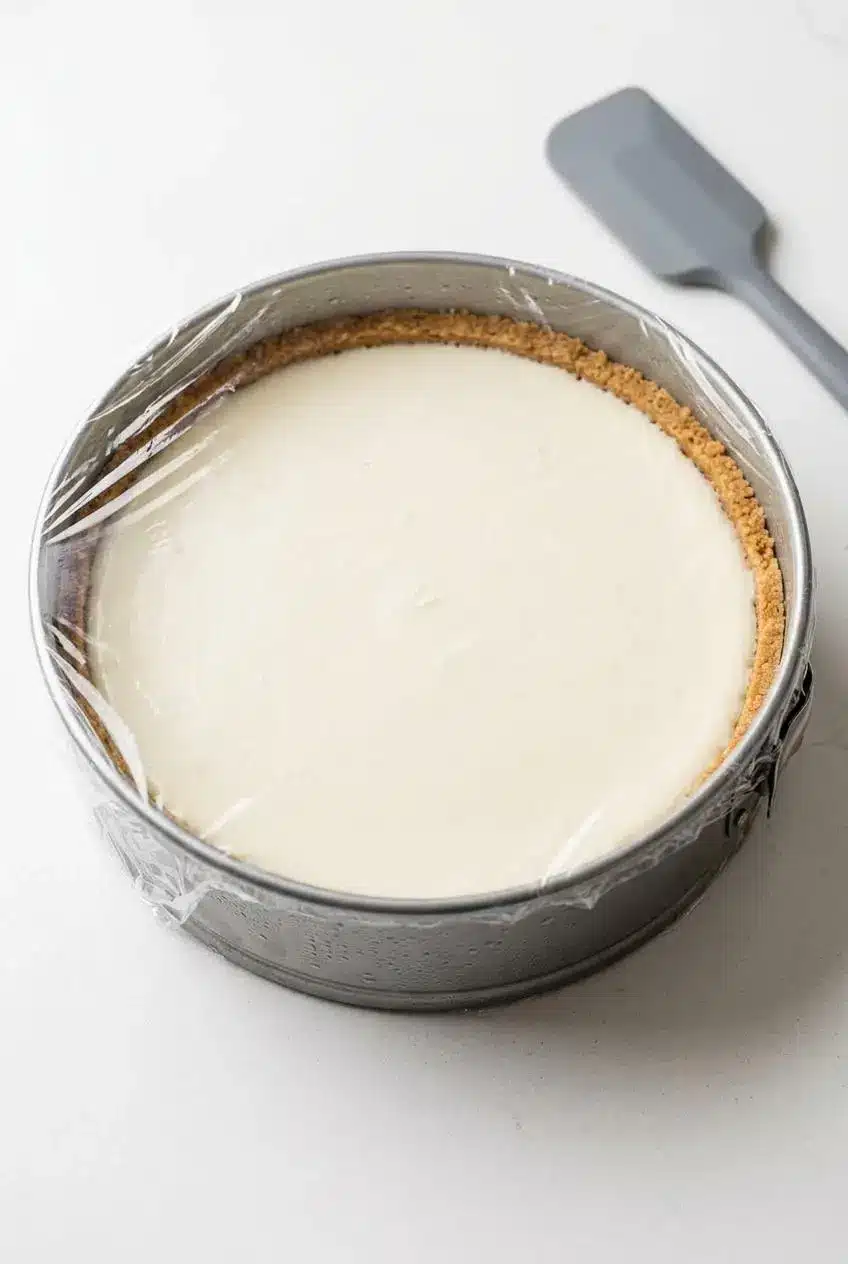
You can assemble this cheesecake up to 2 days before serving, which makes it a helpful choice for dessert tables and relaxed hosting. Keep the pan tightly covered so the surface stays fresh and does not pick up refrigerator odors.
Leftovers can stay covered in the refrigerator for up to 5 days. Keep the refrigerator at or below 40 °F for chilled perishable foods, and return slices to the refrigerator promptly after serving.
Do not use the freezer to hurry the initial set. The cheesecake needs steady refrigerator chilling to keep its creamy, even texture.
Flavor Variations and Serving Inspirations
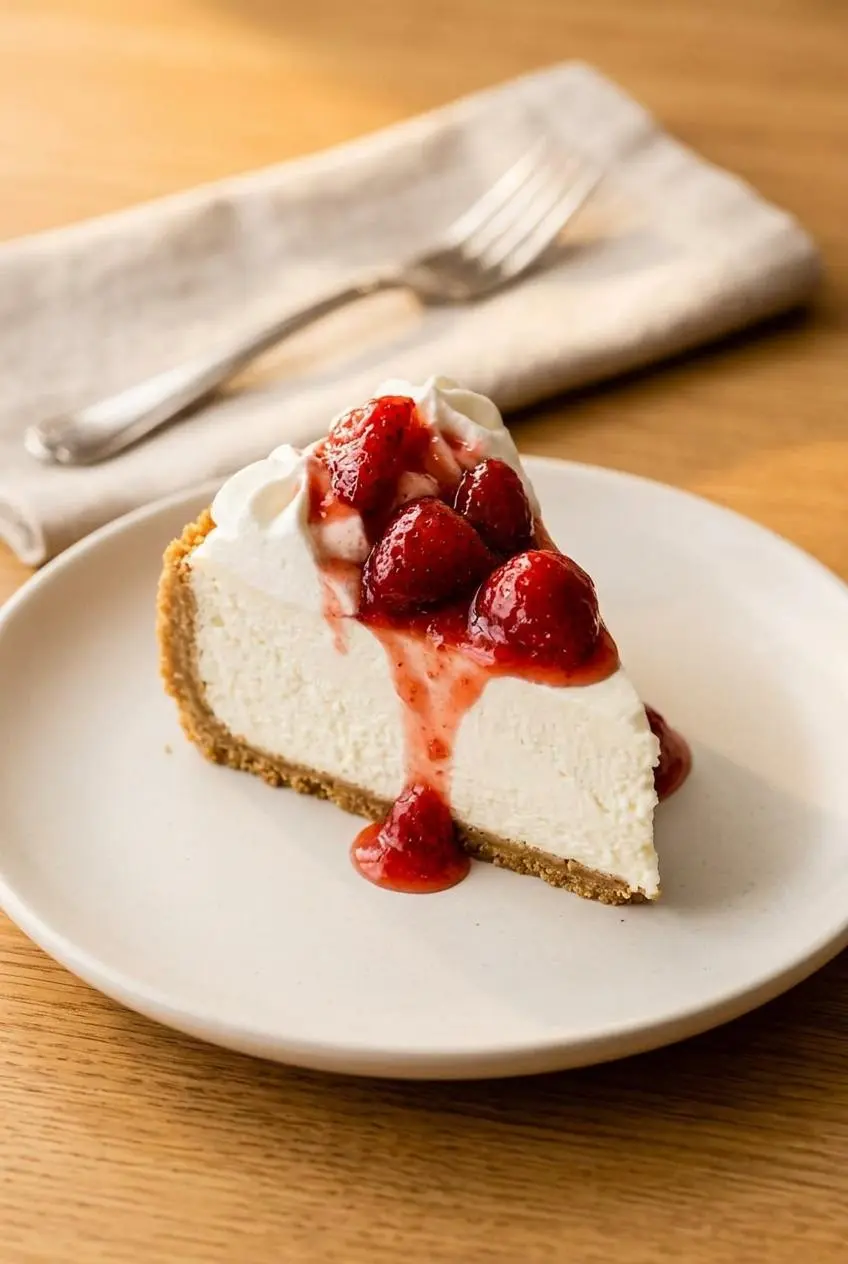
Keep the classic filling as written, then add personality at the table with optional finishing ideas.
- Lemon cheesecake: Rub finely grated lemon zest into the melted butter before mixing the crust, then add an extra teaspoon of fresh lemon juice to the filling for a brighter citrus aroma. For individual citrus desserts, try these lemon cheesecake mousse cups.
- Fresh berry toppings: Spoon warm strawberry reduction, macerated raspberries, or blueberry compote over each slice just before serving so the crust stays crisp.
- Salted caramel and pecans: Add warm salted caramel and toasted chopped pecans for a buttery, lightly salty contrast to the tangy filling.
- Cherry topping: A fruit-forward no-bake cherry cheesecake is a natural next choice when you want a brighter, more classic topping style.
- Clean slicing: Run a sharp chef’s knife under warm water, dry it thoroughly, then wipe it clean after every cut. This keeps the creamy filling from dragging across the next slice.
Conclusion
This cheesecake delivers a crisp graham cracker base and a cloud-like, tangy filling without turning on the oven. Full-fat brick cream cheese and properly whipped heavy cream give every slice its silky structure.
Give the chill time the respect it deserves, and the springform collar will lift away from a dessert ready for neat, bakery-style slices.
Frequently Asked Questions
Why Did My No-Bake Cheesecake Not Set Firmly?
The most common causes are under-whipped heavy cream, spreadable tub cream cheese, or too little chill time. Whip the heavy cream to true stiff peaks before folding. Use full-fat brick cream cheese rather than a tub spread. Chill for at least 8 hours, with 12 hours giving a firmer result.
Can I Use Low-Fat Cream Cheese or Whipped Topping?
Neither gives the same texture. Low-fat cream cheese has more moisture and can leave the filling soft, while whipped topping makes the cheesecake sweeter and spongier. For the classic rich, velvety set, use full-fat brick cream cheese and heavy cream.
How Long in Advance Can I Make This Dessert?
You can assemble it up to 2 days ahead and keep it tightly covered in the refrigerator. This gives the filling plenty of time to set and makes serving day much easier.
Can I Put No-Bake Cheesecake in the Freezer to Set Quickly?
No. A quick freeze can create an uneven, icy texture instead of the smooth, creamy set that comes from slow refrigerator chilling. Let the cheesecake firm gradually in the refrigerator.
What Is the Best Way to Slice Cleanly?
Use a sharp chef’s knife warmed under hot water, then dry the blade well. Make one cut, wipe the knife clean, and repeat. This prevents creamy residue from smearing the top and sides of the next slice.
No Bake Cheesecake Recipe

Equipment
- Electric Mixer
- 9-inch Springform Pan
- Silicone spatula
- Offset spatula
Ingredients
Graham Cracker Crust
- 2 cups graham cracker crumbs (240g; about 16 full sheet graham crackers)
- 1/3 cup packed light or dark brown sugar (67g)
- 1/2 cup unsalted butter melted (8 Tbsp; 113g)
Cheesecake
- 1 1/4 cups heavy cream or heavy whipping cream (300ml)
- 24 ounces full-fat brick cream cheese softened to room temperature (678g)
- 1/2 cup granulated sugar (100g)
- 2 Tablespoons confectioners’ sugar (15g)
- 1/4 cup sour cream at room temperature (60g)
- 2 teaspoons lemon juice
- 1 teaspoon pure vanilla extract
Instructions
Make the crust
- Combine the graham cracker crumbs, brown sugar, and melted butter until the crumbs look evenly moistened, then transfer them to a 9-inch or 10-inch springform pan. Press the mixture firmly across the bottom and up the sides with the flat base of a measuring cup so the crust feels compact rather than sandy.
- Place the packed crust in the freezer for 10–20 minutes while preparing the filling. The butter will firm up, leaving a sturdier base that is less likely to crumble when sliced.
Make the filling
- Whip the cold heavy cream with a hand mixer or stand mixer fitted with the whisk attachment on medium-high speed for about 4–5 minutes. Stop when the cream forms firm, upright stiff peaks and no longer falls over at the tip.
- Beat the softened cream cheese and granulated sugar on medium speed until completely smooth, scraping the bowl as needed. The mixture should look creamy with no visible cream cheese flecks before the remaining filling ingredients go in.
- Add the confectioners’ sugar, sour cream, lemon juice, and vanilla extract, then beat on medium-high speed for 2–3 minutes. Keep mixing until the filling is smooth and cohesive, with no large lumps remaining.
- Fold the whipped cream into the cream cheese mixture using a silicone spatula or the mixer on low speed. Use broad, gentle sweeps until no white streaks remain, stopping as soon as the filling looks evenly airy.
- Spoon the filling into the chilled crust and level the surface with an offset spatula. A smooth top helps the cheesecake settle evenly as it chills.
- Cover the pan tightly with plastic wrap or aluminum foil and refrigerate for at least 6–8 hours, or up to 2 days. A 12-hour chill gives the filling the firmest set and the cleanest resistance when sliced.
- Run a knife around the inside edge of the springform pan, then release and remove the collar before cutting. A soft release sound and intact sides signal that the cheesecake is fully set.
- Cut with a clean, sharp knife and wipe the blade between slices before serving with desired toppings. Each slice should hold a crisp crust edge and a smooth, creamy center.


1 thought on “No Bake Cheesecake Recipe”