This iced latte recipe is a quick way to make a cool, creamy coffee drink at home with espresso, milk, and ice. You can keep it classic, sweeten it to taste, and even make it without an espresso machine.
An iced latte is simply espresso poured over ice and finished with milk, so it feels richer and creamier than regular iced coffee. It looks coffee-shop fancy, but the method is wonderfully low drama.
You’ll like this because it’s fast, easy to customize, and much easier to balance once you know the right coffee-to-milk ratio. A better homemade latte starts here.
Use a glass that’s a little larger than your finished drink so you have room to stir without splashing milk across the counter.
What Is an Iced Latte?
An iced latte is made with espresso, ice, and a generous pour of milk. That’s the whole idea: bold coffee softened by cold, creamy milk.
The biggest point of confusion is iced latte versus iced coffee. An iced latte starts with espresso and usually tastes smoother and milkier, while iced coffee starts with brewed coffee and often has a stronger coffee flavor with less milk. If you want a brewed-coffee example, Banana Iced Coffee is much closer to the iced coffee side of the lineup.
You can also think of it this way: iced coffee is coffee first, milk second. An iced latte is milk and espresso in a more balanced, creamy partnership.
Iced Latte Ingredients: The 3-Part Formula
Each ingredient has a job here: espresso brings depth, milk adds body, and sweetener smooths the edges so the drink tastes rounded instead of sharp.
- 2 shots of brewed hot or cold espresso (approximately 2 oz)
- 8 oz milk (any variety)
- 2 oz liquid sweetener, such as a coffee syrup, maple syrup, caramel sauce, honey, or simple syrup
I usually reach for whole milk when I want the latte extra silky, but oat milk gives a really nice café-style texture too.
Espresso is the base flavor. It gives the drink its roasted backbone and keeps the milk from tasting flat. Two shots make a balanced 12 oz latte, with enough coffee flavor to come through clearly.
Milk changes the texture more than anything else. It softens the espresso, cools the drink down, and gives that creamy look when it swirls into the dark coffee.
Ice does more than chill the drink. It keeps the latte crisp and refreshing, but it can also dilute the coffee if the espresso is very hot or the glass doesn’t have enough ice.
The optional fourth part is flavor. Liquid sweeteners work best because they blend smoothly into cold drinks. Maple syrup, vanilla syrup, caramel sauce, honey, and simple syrup all fit naturally here.
Choosing the Best Milk
Whole milk is the classic choice for the richest texture. It makes the latte feel smoother and gives a fuller finish.
Oat milk is usually the best dairy-free option if you want creaminess without heaviness. It’s naturally mellow and plays nicely with espresso.
Skim milk works if you want a lighter drink, though the texture will be a little thinner. Almond milk gives a nuttier flavor and a lighter body, while soy milk is a solid middle ground with more creaminess than almond.
Honestly, the best milk is the one you already like in coffee. The drink should fit your taste, not a rulebook.
How to Brew Espresso for Your Latte (4 Methods)
You do not need a full espresso setup to make a good iced latte at home. The real goal is simple: make a coffee base strong enough to stand up to milk and ice.
| Method | Pros | Cons | Resulting Strength |
|---|---|---|---|
| Espresso Machine | Best flavor, real crema, classic café result | Takes more equipment and practice | Strongest and most traditional |
| Nespresso or Pod Machine | Fast, easy, consistent | Less control over flavor and strength | Strong and convenient |
| Stovetop Moka Pot | Bold, affordable, excellent for lattes | Not true espresso, can turn bitter if overdone | Strong and espresso-like |
| Strong Brewed Coffee | No machine required, very accessible | Usually lighter than espresso | Moderate to strong, depending on brew |
A lot of home coffee drinkers ask what counts as “equal to two shots.” A good working guide is this: use about 2 oz of espresso, or enough very strong brewed coffee to give the same bold flavor once milk is added.
Method 1: Espresso Machine
If you have an espresso machine, this gives the most classic result. Pull 2 shots, about 2 oz total, and use them as your coffee base.
This method gives you the deepest flavor and that lovely reddish-brown crema on top. If the shots taste sharply bitter, the brew may be over-extracted, and that bitterness will show up even more once the drink chills.
Method 2: Nespresso or Pod Machine
A pod machine is the easiest shortcut for an everyday iced latte. Brew enough pods to get close to 2 oz of strong coffee, or the equivalent of 2 espresso-style shots.
The flavor is usually clean and dependable, which makes this great for rushed mornings. And yes, it works very well for vanilla, mocha, or caramel versions too.
Method 3: Stovetop Moka Pot
A Moka pot makes strong, concentrated coffee that works beautifully in milk drinks. Brew a small batch, then use about 2 oz as your base for one latte.
The taste is bolder and a little more rustic than true espresso, which many people actually love in an iced drink. Pull it off the heat as soon as brewing is done so it stays rich instead of harsh.
Method 4: Strong Brewed Coffee (No Machine)
If you don’t have espresso equipment, you still have options. Brew extra-strong coffee in a French press or AeroPress, dissolve instant espresso powder in a small amount of hot water, or use a cold brew concentrate if you like a smoother flavor.
For a latte-style result, keep the coffee concentrated and use a smaller amount than you would for a regular mug. If the base tastes only mildly strong on its own, it will likely taste weak once milk and ice go in.
How to Make a Perfect Iced Latte
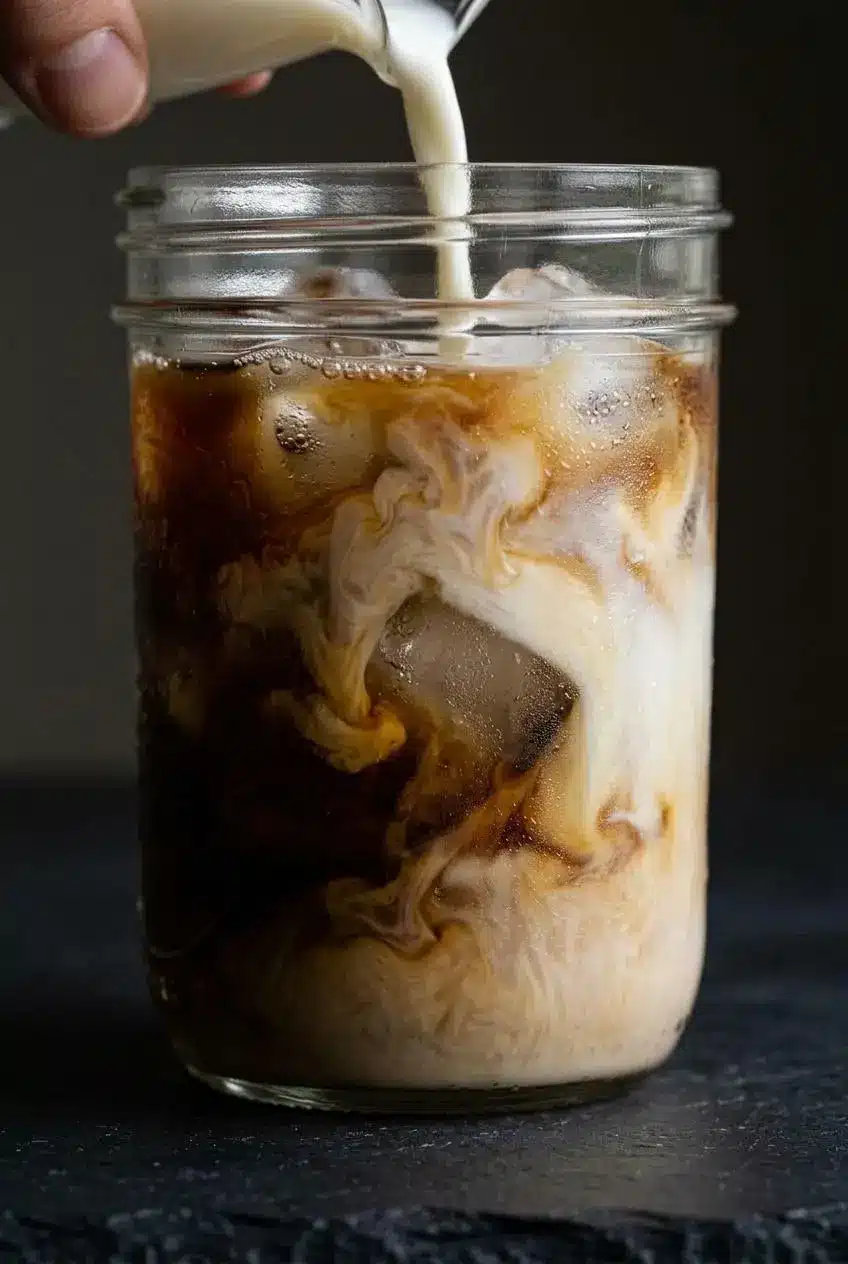
The assembly is wonderfully simple, but the order matters. You want the sweetener to mix well and the milk to blend smoothly into the espresso.
- Fill a 16 oz glass with ice, then pour in the 2 shots of brewed espresso.
The ice should come high in the glass so the drink chills quickly instead of turning lukewarm. - Add the liquid sweetener directly to the espresso and ice.
It should start slipping into the coffee right away, which helps the flavor distribute more evenly. - Pour in the milk and stir until the drink is fully combined.
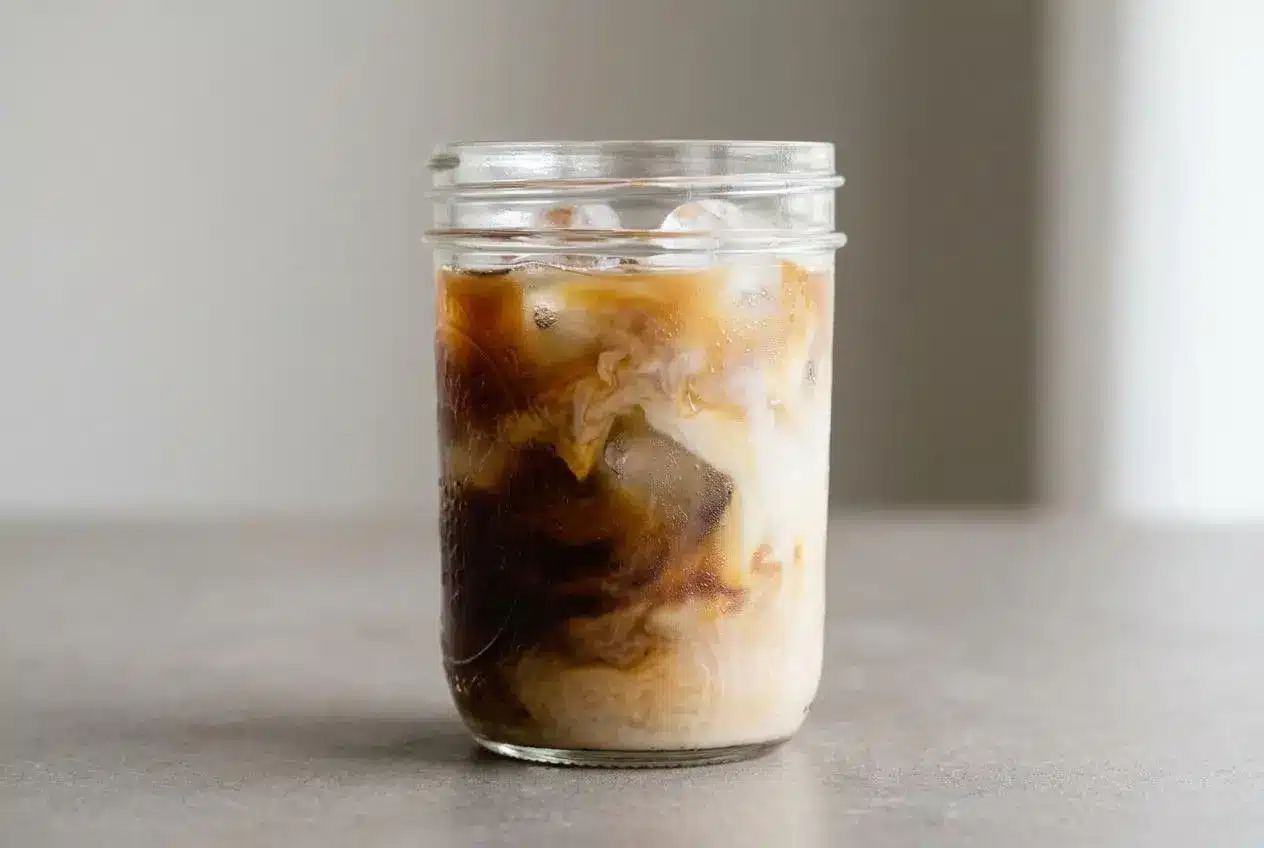
The glass will shift from dark coffee to a creamy tan color with distinct swirls before it turns uniform.
If your espresso is hot, stirring the sweetener into it before adding lots of milk helps it dissolve more cleanly. That tiny detail makes a big difference with honey, caramel sauce, or thicker coffee syrups.
The Best Coffee-to-Milk Ratio
The easiest way to fix a weak or overly milky latte is to adjust the ratio before you change anything else. A balanced iced latte is usually about 1 part espresso to 4 parts milk.
| Style | Espresso | Milk | Sweetener |
|---|---|---|---|
| Milky | 1 part | 5 parts | To taste |
| Balanced | 1 part | 4 parts | To taste |
| Espresso-Forward | 1 part | 3 parts | To taste |
For a 12 oz drink like this one, 2 oz espresso and 8 oz milk lands right in that balanced zone. If you like a punchier coffee flavor, reduce the milk slightly. If you want something softer and creamier, add a bit more milk and keep the ice generous.
Once you know your favorite ratio, the drink becomes almost automatic. That’s the best part.
Popular Iced Latte Flavor Variations
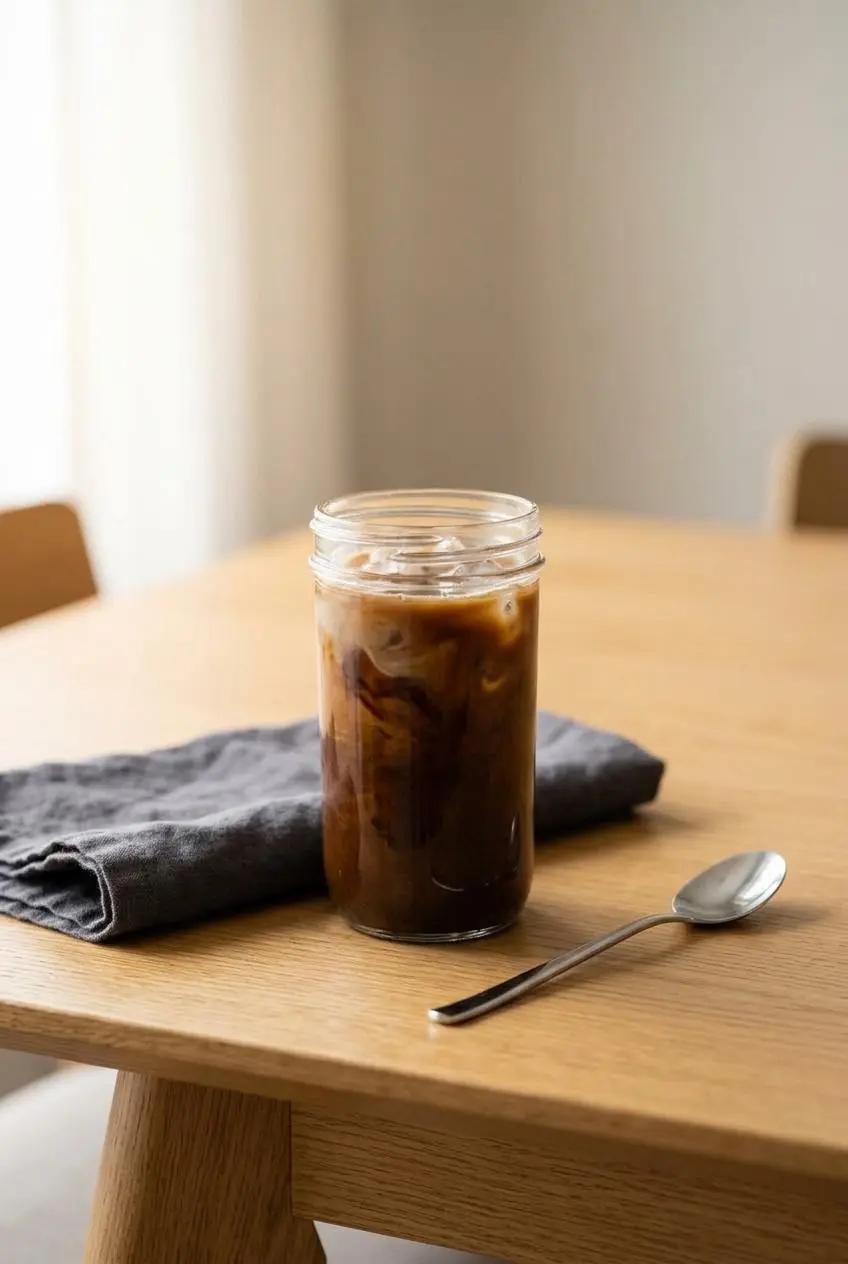
Once you’ve nailed the base drink, flavor variations are easy to build. Keep the main method the same and swap the sweetener for whatever mood you’re in that day.
If you like playful coffee-shop flavors beyond the classics, dessert-style drinks like Iced Tiramisu Latte can be a fun next step after you master the plain version.
Classic Iced Vanilla Latte
This is probably the most universal upgrade. Vanilla softens espresso without covering it up, so the drink still tastes like coffee first.
For a homemade vanilla syrup, simmer equal parts sugar and water until the sugar dissolves, then stir in vanilla extract off the heat. Let it cool before using it as your sweetener in the latte.
The flavor is mellow, slightly floral, and very easy to pair with dairy or oat milk.
Iced Brown Sugar Shaken Espresso
This one has more movement and a little more attitude. Instead of building everything quietly in the glass, shake the espresso with ice and brown sugar syrup first, then pour it over fresh ice and top with milk.
To make the syrup, warm brown sugar with water until dissolved and add a pinch of cinnamon. The shaking creates a light foam and a chill that hits the drink fast, so it tastes lively instead of flat.
The sound of the ice hitting the shaker is half the fun, honestly.
Rich Iced Mocha
For mocha, stir chocolate syrup into the espresso before adding milk. If you don’t have syrup, cocoa powder can work better if it’s mixed into hot espresso first so it dissolves smoothly.
The result is deeper, rounder, and a little dessert-like without losing the coffee flavor. A small spoonful of whipped cream on top is optional, but very welcome.
Sweet Iced Caramel Latte
Caramel gives the latte a buttery sweetness and a fuller finish. Use caramel sauce as your liquid sweetener, then stir well so it doesn’t settle at the bottom.
If you want a more coffee-shop feel, drizzle a little caramel inside the glass before adding the milk. Fruity and bakery-inspired spins are fun too, like Banana Bread Iced Latte.
Seasonal flavors also fit nicely here. Pumpkin spice, maple, or even a lightly fruity option like Iced Raspberry Latte all work as optional directions once the base drink feels familiar.
Tips for a Flawless Homemade Iced Latte
Small technique changes make a big difference with iced drinks. Most problems come down to dilution, sweetness, or coffee strength.
The Secret to a Non-Watery Latte
The fastest way to water down your drink is pouring very hot espresso over a small amount of ice. The fix is simple: let the espresso cool a bit first, or chill it before building the drink.
Coffee ice cubes are even better if you make iced lattes often. Just freeze brewed coffee in an ice cube tray, then use those cubes in place of some or all of the regular ice. As they melt, they keep adding coffee flavor instead of thinning the drink.
This is especially helpful if you like to sip slowly or use sweeter syrups that make the drink feel best when very cold.
How to Make Sweet Cream Cold Foam
If you want a coffee-shop style finish, cold foam is the easiest way to make the drink feel a little fancy. It sits on top like a soft cap and slowly blends into the latte as you sip.
Whisk or froth heavy cream with a splash of milk and a little liquid sweetener until it turns airy but still pourable. A hand frother works well, but a jar with a tight lid can do the job too if you shake it hard.
Keep dairy ingredients well chilled, and for best quality store milk and cream cold with the fridge set at 40°F or below. Spoon the foam over the top right before serving so it stays light.
Troubleshooting Common Problems
This is where most homemade iced lattes go sideways, and the fixes are refreshingly straightforward. A quick scan here can save your next glass.
| Problem | Likely Cause | Fix |
|---|---|---|
| Latte is watery | Hot espresso melted the ice too quickly | Cool the espresso first or use coffee ice cubes |
| Latte is too weak | Coffee base was not concentrated enough or there was too much milk | Use stronger espresso or brewed coffee, or adjust toward a 1:3 ratio |
| Latte tastes bitter | Espresso was over-extracted or the coffee was brewed too harshly | Shorten the brew, use fresher coffee, and balance with enough milk or syrup |
| Latte has a gritty texture | Granulated sugar did not dissolve in the cold drink | Use liquid sweeteners, or mix sweetener into warm espresso first |
A lot of readers ask why their latte tastes “off” even when the ingredients seem right. Usually, it’s a ratio problem first and a coffee-strength problem second.
Storage and Make-Ahead Tips
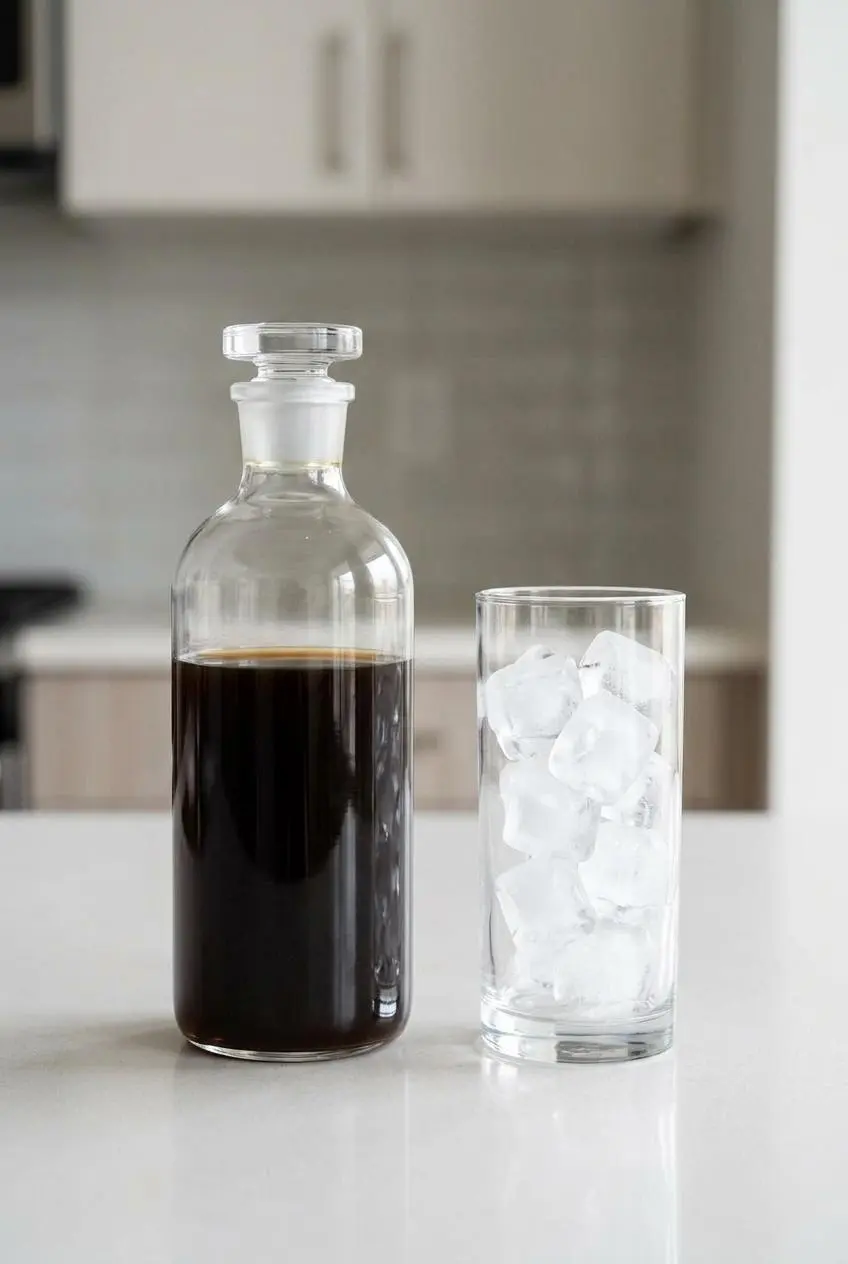
A finished iced latte is best made fresh because the ice keeps melting and the texture changes quickly. For make-ahead prep, store the components separately instead of mixing the whole drink in advance.
You can brew espresso ahead and keep it chilled, then assemble your drink when you’re ready. Syrups are also great for prep, as long as you refrigerate them in a clean container. For dairy quality, keep milk cold and return it to the fridge promptly, with storage habits based on milk kept well below 40°F.
I like making a batch of vanilla or brown sugar syrup ahead because it turns a weekday latte into a two-minute job.
Conclusion
A really good iced latte is mostly about balance: strong enough coffee, enough ice, and milk that suits your taste. Once you get that part right, the drink becomes easy to repeat.
Keep the espresso cool, use liquid sweeteners for the smoothest texture, and have fun with flavors when the classic version feels second nature. Your next coffee break can be very, very good.
Frequently Asked Questions (FAQ)
How can I make an iced latte without an espresso machine?
You can use a Moka pot, French press, AeroPress, instant espresso powder, or cold brew concentrate. Brew the coffee stronger than you would for a normal cup. Use a small, concentrated amount so the milk does not overpower it. If using instant espresso, dissolve it fully in hot water before adding it to the drink.
What is the difference between an iced latte and iced coffee?
An iced latte is espresso-based and contains much more milk, so it tastes creamier and softer. Iced coffee is brewed coffee served cold over ice, usually with less milk, so the coffee flavor stands out more. Iced latte = espresso + milk + ice. Iced coffee = brewed coffee + ice, with milk optional. If you like a creamy drink, latte usually wins.
Why is my iced latte watery and how can I prevent it?
The usual cause is hot espresso melting the ice too fast. Let the espresso cool before building the drink. Use plenty of ice in the glass. For the best slow-sipping option, use coffee ice cubes.
What is the best milk for an iced latte?
Whole milk gives the creamiest, richest result, and oat milk is usually the best dairy-free choice for a smooth texture. Whole milk tastes classic and full-bodied. Oat milk stays creamy and slightly sweet. Skim, almond, and soy also work if you prefer them.
Can I make iced lattes ahead of time?
It’s better to prep the parts than to store a fully mixed iced latte. Brew the espresso ahead and chill it. Keep milk cold and separate until serving. Make syrups in advance so assembly is quick.
How do I add flavor to my homemade iced latte?
The easiest way is to use a liquid sweetener or syrup. Try vanilla syrup, brown sugar syrup, caramel sauce, honey, or maple syrup. Mix flavoring with the espresso so it blends smoothly. Once you know your base ratio, changing the flavor is the fun part.
Iced Latte Recipe

Equipment
- 16 oz glass
- Spoon or stirrer
Ingredients
- 2 shots brewed hot or cold espresso (approximately 2 oz)
- 8 oz milk (any variety)
- 2 oz liquid sweetener such as a coffee syrup, maple syrup, caramel sauce, honey, or simple syrup
Instructions
- Fill a 16 oz glass with ice, then pour in the 2 shots of brewed espresso. The ice should come high in the glass so the drink chills quickly instead of turning lukewarm.
- Add the liquid sweetener directly to the espresso and ice. It should start slipping into the coffee right away, which helps the flavor distribute more evenly.
- Pour in the milk and stir until the drink is fully combined. The glass will shift from dark coffee to a creamy tan color with distinct swirls before it turns uniform.