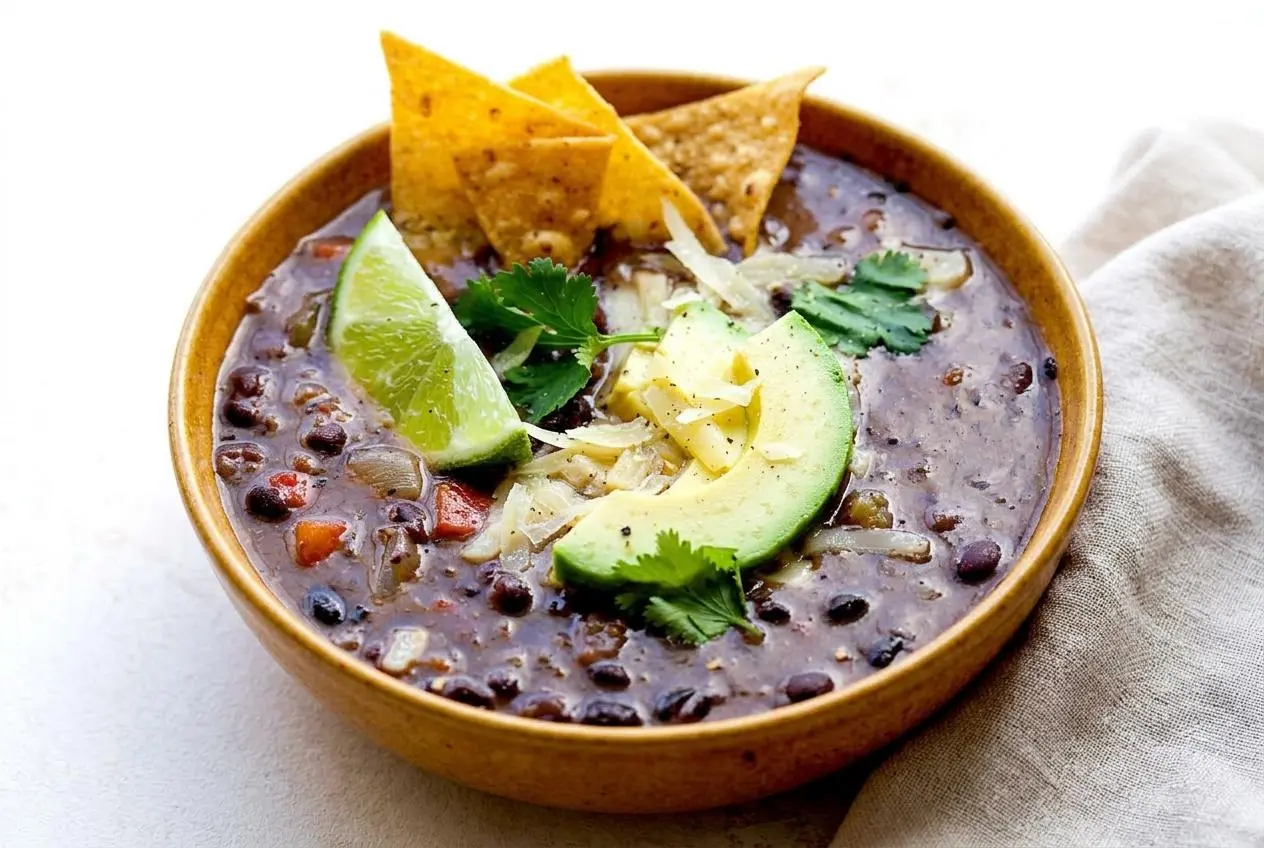
Black bean soup is a hearty 45-minute meal of sautéed vegetables, canned beans, cumin, and broth, partially blended for a rich body without dairy.
This black bean soup lands between silky and chunky, with tender beans in a warmly spiced broth. Garlic and cumin sizzling in olive oil give the pot its first deep, toasty aroma.
It is cozy enough for a cold evening yet quick enough for a weeknight. The lime finish makes every spoonful pop.
Keep the heat at a steady medium-high while the vegetables cook so they soften and sweeten without browning too quickly.
Essential Ingredients and Flavor Builders
Each ingredient contributes something useful: the vegetables create savory sweetness, beans give the soup structure, spices bring warmth, and lime and cilantro keep the finished bowl bright.
- 1 tablespoon olive oil
- 1 large yellow onion, (chopped)
- 1 large carrot, (chopped)
- 1 celery rib, (chopped)
- 1 red bell pepper, (stemmed, seeded, and chopped)
- 4 cloves garlic, (minced)
- 60 oz (4 cans) black beans, (rinsed and drained)
- 32 oz vegetable broth
- 1 tablespoon ground cumin
- ½ teaspoon dried oregano
- 1 bay leaf
- Kosher salt and black pepper, (to taste)
- 1 tablespoon fresh lime juice
- ¼ cup chopped cilantro
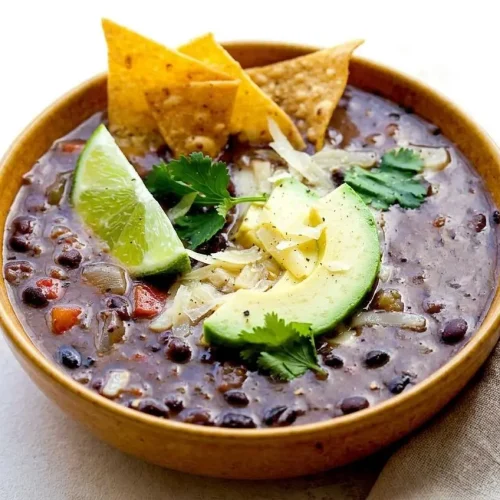
- Garnish options: avocado, cilantro, shredded cheese, plain Greek yogurt or sour cream, sliced green onion
The broth should taste well seasoned before the lime goes in, since black beans absorb a lot of flavor as they simmer. Cilantro adds a fresh green finish, while avocado, cheese, or a cool spoonful of yogurt can soften the soup’s earthy spice.
I rinse canned beans under cold running water until the liquid runs clear because it keeps the broth cleaner tasting and leaves more room to season the pot your way.
The Aromatic Foundation: Mirepoix and Bell Pepper
Onion, carrot, and celery form the savory backbone here. As they cook in olive oil, the onion turns sweet, carrot brings gentle roundness, and celery adds a subtle savory edge. Red bell pepper contributes color and a mild fruitiness that keeps the beans from tasting heavy.
Give these vegetables time to become tender before adding garlic. They should look softened and glossy, with the onion turning translucent at the edges. If the vegetables are still crisp, the soup can taste sharp rather than settled.
Spices That Build Depth: Cumin, Oregano, and Bay Leaf
Ground cumin provides the soup’s warm, earthy center, while oregano adds a dry herbal note that works especially well with black beans. The bay leaf stays in the pot during the gentle simmer, quietly rounding out the broth without taking over.
Garlic and cumin become much more fragrant when they meet the warm oil-coated vegetables. That aroma is the signal that the base is developing depth. Add lime only after cooking, since prolonged simmering can dull its bright, fresh character.
Canned vs Dried Black Beans
Canned beans make this a true weeknight soup because they are already tender and ready to simmer. Their starch also helps the broth thicken naturally once a portion of the soup is blended. Rinsing removes the canning liquid, which gives you better control over salt and seasoning.
Dried beans can make a fine soup, but they need separate soaking and cooking before they can replace canned beans here. For this method, use the rinsed canned beans as written and let the partial blend create the creamy finish.
How to Make Black Bean Soup
Cooking the vegetables thoroughly, then simmering gently, gives the broth a rounded flavor in the recipe’s 45-minute total time. A partial blend at the end creates body while leaving plenty of whole beans behind.
- Warm the olive oil in a large pot over medium-high heat, then add the onion, carrot, celery, and red bell pepper; cook for about 5 minutes, stirring now and then, before adding the garlic for 2 minutes.
The vegetables should be tender and glossy, and the garlic should smell fragrant without turning brown. - Add the black beans, vegetable broth, cumin, oregano, bay leaf, kosher salt, and black pepper, then lower the heat and simmer for 25 minutes.
Look for small, lazy bubbles rather than a hard boil as the broth takes on the aroma of cumin and herbs. - Remove the bay leaf and partially purée the soup with an immersion blender, or blend 2 to 3 cups in a blender and return it to the pot.
Stop when the broth looks opaque and velvety but plenty of whole beans remain for a hearty spoonful. - Stir in the cilantro and fresh lime juice, then ladle the soup into bowls and add the desired toppings.
The lime should smell bright and fresh against the warm spices, and the cilantro should stay vividly green.
For a smoother bowl, blend a little more. For a brothy bowl with more distinct beans, use only a few short pulses. The soup will also firm up somewhat as the bean starch settles after cooking.
Mastering Texture: How to Thicken Without Cream
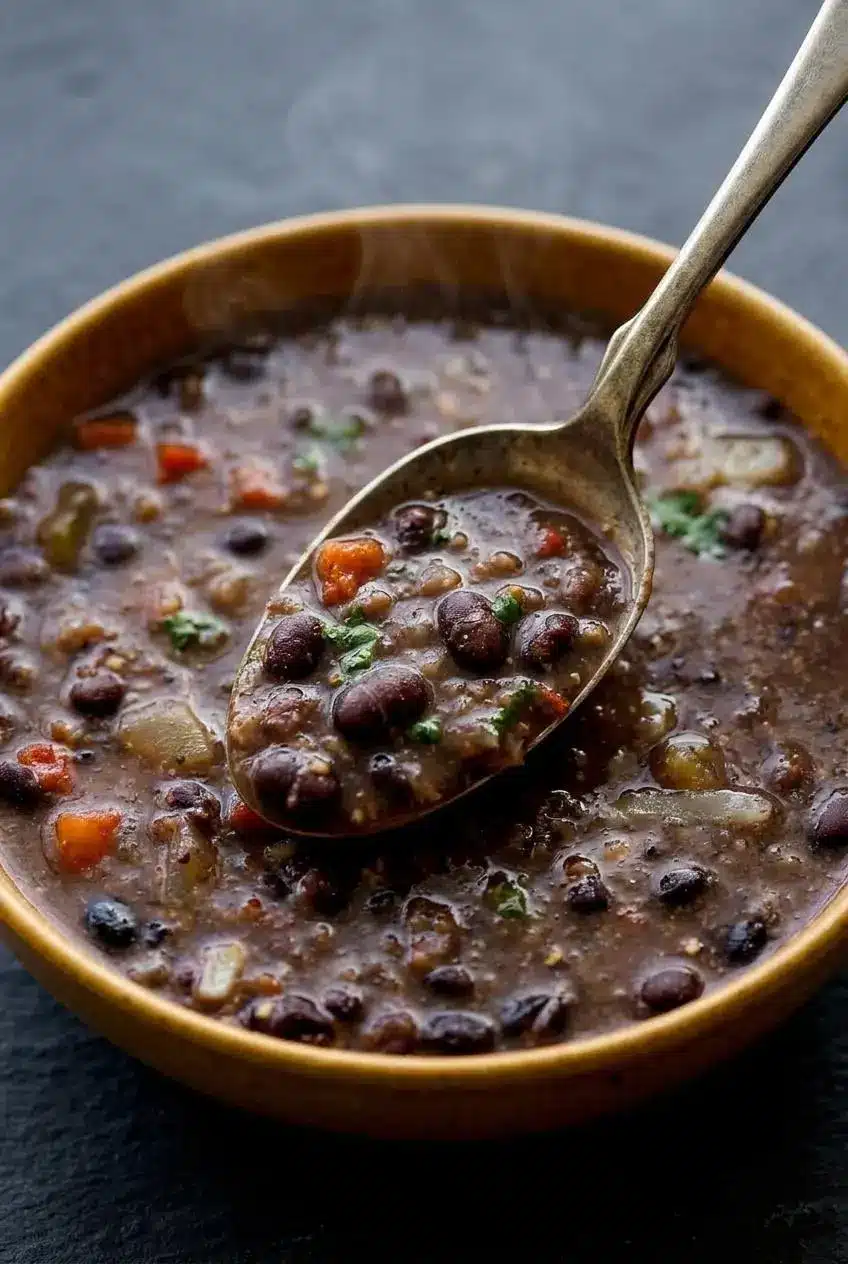
Bean starch is all this soup needs for a creamy texture. Blending part of the pot transforms a thinner broth into something velvety and spoon-coating without flour, cornstarch, or cream.
The sweet spot is a soup that pours easily from a ladle but leaves a soft coating on the spoon. If it resembles a uniform purée, it has gone too far. Whole beans, tender vegetable pieces, and a creamy broth give it the best contrast.
The same legume-thickening approach works beautifully in creamy chickpea soup, where a partial blend gives the broth body while preserving a satisfying texture.
The Immersion Blender Technique
Set the immersion blender in the center of the pot and pulse for about 15 to 20 seconds. Aim to purée roughly one-third of the soup, moving the blender only slightly so two-thirds of the beans stay intact.
Keep the blender head fully beneath the surface while it runs to limit splashing. When the broth shifts from thin and dark to thicker and more opaque, pause and stir before deciding whether it needs another brief pulse.
If using a countertop blender, transfer 2 to 3 cups of soup carefully and avoid sealing in too much steam. Blend until smooth, then stir that portion back into the pot. This method gives the same creamy body with more control over how much remains chunky.
Rustic Fork Mashing Method
No immersion blender? Press a potato masher or sturdy fork against beans along the side of the pot. Work on a small area at a time, then stir well so the crushed beans disperse through the broth.
This creates a more rustic finish with distinct bean pieces and a rich, cloudy broth. It is also easy to stop early if you prefer a looser texture.
Troubleshooting Common Soup Mistakes
Most soup problems are easy to correct while the pot is still warm. Taste before making changes so you can fix the actual issue instead of piling on seasonings.
- The soup is too thin: Blend another small portion of the beans, then let the pot sit briefly so the starch can settle into the broth. Avoid adding flour or cornstarch before trying the natural bean-thickening method.
- The soup is too thick: Stir in warm vegetable broth or water gradually until the soup returns to a spoonable consistency. Heat it gently so the added liquid fully combines.
- The flavor tastes flat or overly earthy: Add a squeeze of fresh lime juice just before serving. A small splash of sherry vinegar is another optional finish, with a deeper, slightly nutty edge than lime’s clean citrus brightness.
- The soup tastes too salty: Add more rinsed black beans if available, or loosen the pot with unsalted broth or water. Taste again only after the soup has simmered gently for a few minutes.
- The heat is stronger than expected: Serve each bowl with avocado, plain Greek yogurt, or sour cream. Those cool toppings soften the sensation of chile heat without changing the entire pot.
- The cumin tastes raw: Let the soup continue at a gentle simmer. Cumin needs time in the broth to lose its dusty edge and become rounder and toastier.
Storage and Reheating Guide
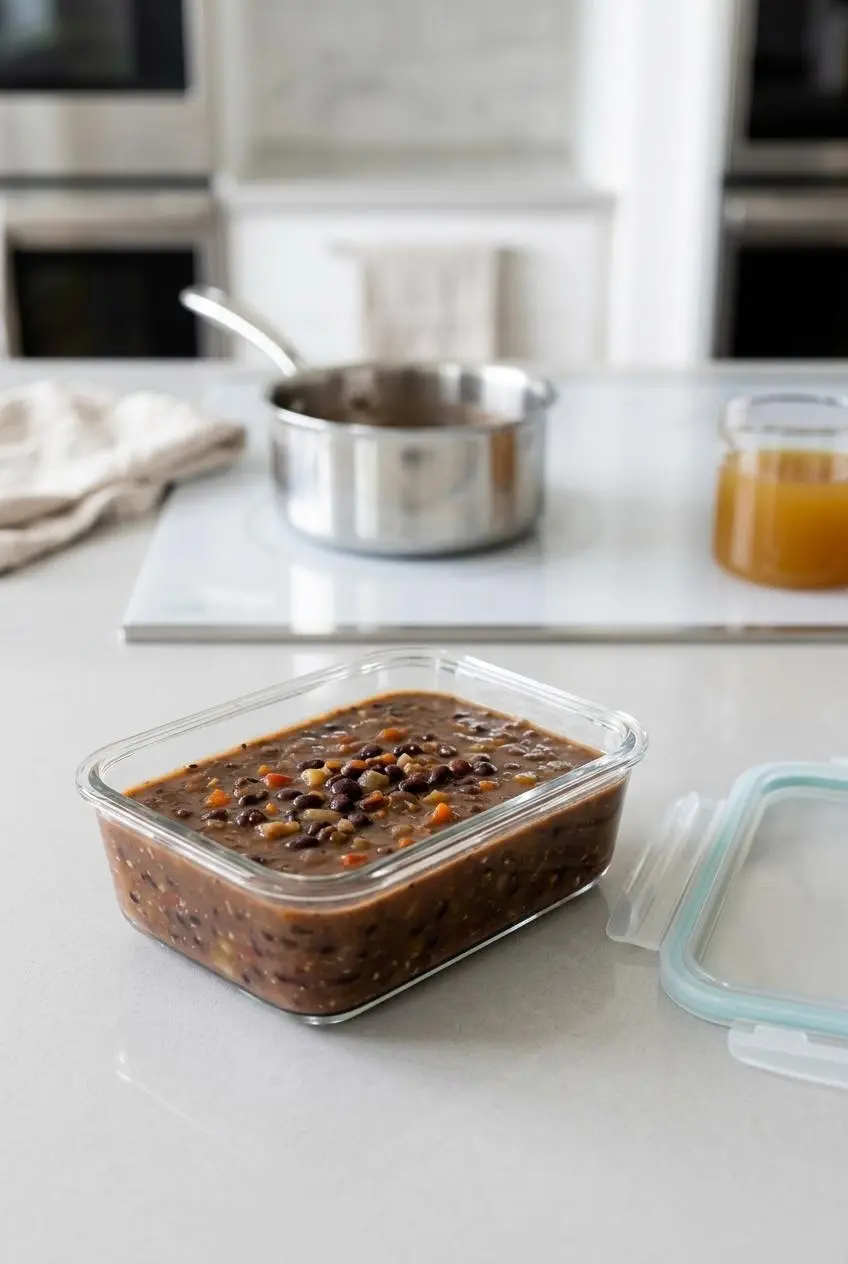
For leftovers, cool the soup promptly, transfer it to a clean airtight container, and keep the toppings separate. Avocado, cilantro, cheese, yogurt, and sour cream are best added to each bowl just before serving so their texture stays fresh.
Reheat a portion gently in a saucepan over medium-low heat, stirring occasionally. The soup often thickens as it rests, so add a splash of vegetable broth or water if needed to bring back its original consistency.
Use shallow containers when dividing the soup for later meals, rather than leaving a large volume in the hot pot. Portioning also makes it easier to warm only what you plan to eat.
Flavor Variations and Serving Ideas
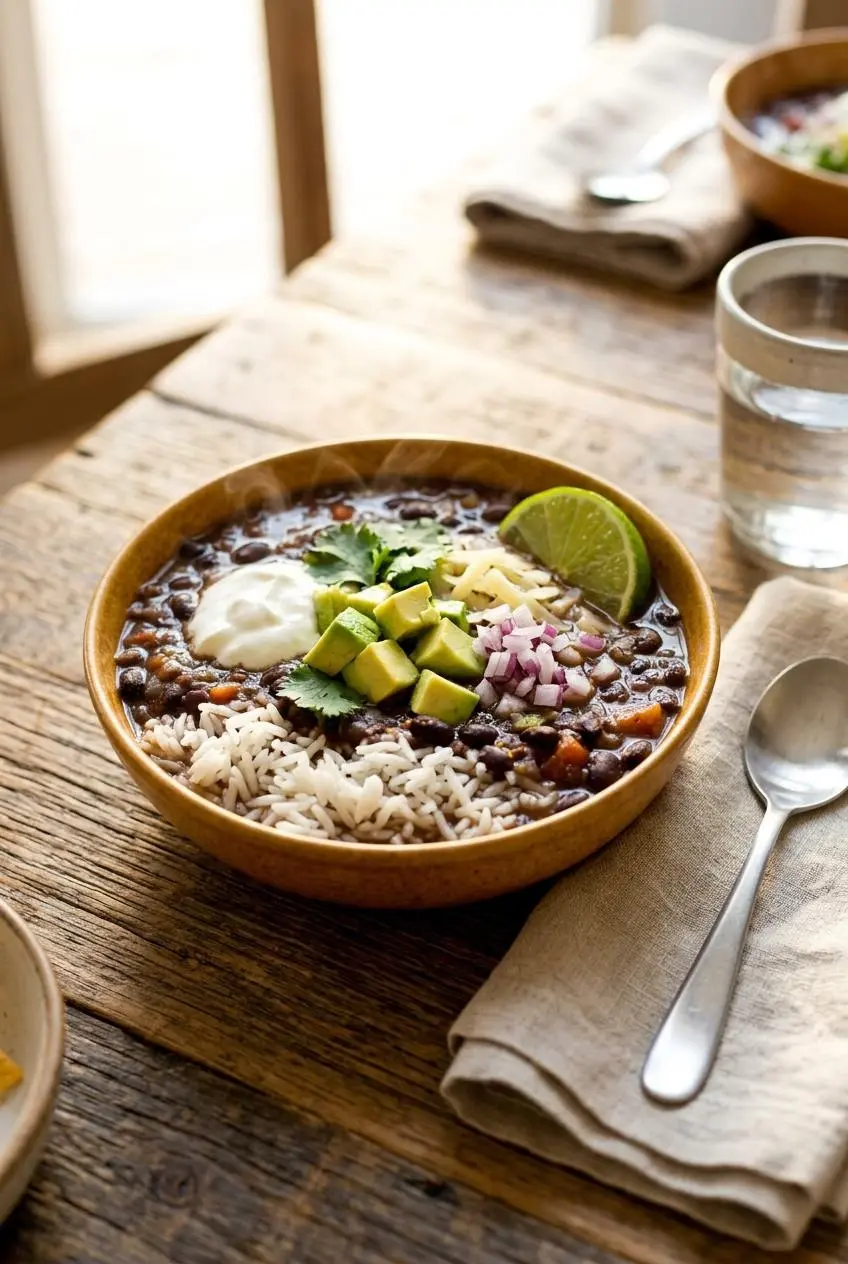
Once you know the core method, you can steer the flavor in different directions without changing the main pot. Keep each variation optional and add it only when it suits the meal you have in mind.
Cuban Style Black Bean Soup With Rice
For a Cuban-inspired bowl, place a scoop of hot long-grain white rice in each bowl and ladle the soup over it. The rice absorbs some broth without disappearing into the soup, turning it into a filling meal.
Finish with finely diced raw sweet onion and a small splash of sherry vinegar. Sherry vinegar adds a mellow, nutty tang, while lime stays brighter and more citrus-forward. Add either at the table so its flavor remains lively.
Smoky Chipotle Black Bean Soup
For deeper smoky heat, add 1 to 2 tablespoons of minced chipotle peppers in adobo sauce with the aromatic vegetables. Fire-roasted bell peppers can replace the fresh bell pepper for another layer of smoky flavor.
Chipotle builds slowly, so taste before adding more. A touch of toasted ground coriander and smoked sea salt can add citrusy warmth and smoke as an optional finishing direction, especially if you want a bolder bowl.
Slow Cooker and Instant Pot Adaptation
These appliances can work for a hands-off version, but they change the character of the vegetables and spices. Sauté the aromatics first when possible, then use the same broth, beans, seasonings, and partial-blending finish once everything is hot and well combined.
Because the beans are already cooked, avoid extended cooking that can make every bean collapse. Add the lime juice and cilantro after heating, just as you would with the stovetop method.
The Ultimate Taco Night Topping Bar
Set out toppings in separate bowls so everyone can build a bowl with contrast. Good choices include diced ripe avocado, chopped cilantro, shredded pepper jack cheese, Greek yogurt or sour cream, thinly sliced radishes, pickled jalapeños, and crisp tortilla strips.
Warm cornbread or cheese quesadillas make the meal feel especially cozy. If you are planning a Southwestern-style soup night, a bowl of flavorful taco soup is another fitting option for the menu.
Conclusion
This soup gets its rich, comforting texture from beans rather than cream, and the partial blend lets you choose exactly how smooth or hearty you want each bowl to be.
Cook the vegetables until tender, keep the simmer gentle, and save the lime for the end. Then add the toppings that make your bowl feel right.
Frequently Asked Questions
Should I Drain and Rinse Canned Black Beans for Soup?
Yes. Drain and rinse the canned beans before adding them to the pot for a cleaner-tasting broth and more control over seasoning. You do not need the canning liquid for thickness. Blending part of the cooked soup releases enough bean starch to make the broth rich and velvety.
How Do I Make Black Bean Soup Thicker Without Flour or Cornstarch?
Partially blend roughly one-third of the simmered soup with an immersion blender. This breaks down tender beans and releases their natural starch into the broth. A potato masher or sturdy fork works too. Mash beans against the side of the pot, stir, and stop once the broth turns creamy while whole beans still remain.
How Should I Portion Black Bean Soup for Meal Prep?
Let the soup cool, then divide it into airtight containers in portions that suit your meals. Keep toppings such as avocado, cilantro, cheese, yogurt, and tortilla strips separate. Warm each portion gently with a splash of broth or water as needed. The soup may thicken after resting, which is normal for a bean-based soup.
Why Does My Black Bean Soup Taste Bland and How Do I Fix It?
Black beans need enough salt and acidity to taste lively. Add kosher salt in small pinches, tasting between additions so the seasoning stays balanced. Finish with fresh lime juice for a bright citrus lift, or use a small splash of sherry vinegar for a deeper tang. Add either at the end, after the heat is off.
Black Bean Soup

Equipment
- Large Pot
- Immersion Blender
Ingredients
- 1 tablespoon olive oil
- 1 large yellow onion (chopped)
- 1 large carrot (chopped)
- 1 rib celery (chopped)
- 1 red bell pepper (stemmed, seeded, and chopped)
- 4 cloves garlic (minced)
- 60 oz black beans (4 cans, rinsed and drained)
- 32 oz vegetable broth
- 1 tablespoon ground cumin
- ½ teaspoon dried oregano
- 1 bay leaf
- Kosher salt and black pepper (to taste)
- 1 tablespoon fresh lime juice
- ¼ cup chopped cilantro
- Garnish options: avocado, cilantro, shredded cheese, plain Greek yogurt or sour cream, sliced green onion
Instructions
- Warm the olive oil in a large pot over medium-high heat, then add the onion, carrot, celery, and red bell pepper; cook for about 5 minutes, stirring now and then, before adding the garlic for 2 minutes. The vegetables should be tender and glossy, and the garlic should smell fragrant without turning brown.
- Add the black beans, vegetable broth, cumin, oregano, bay leaf, kosher salt, and black pepper, then lower the heat and simmer for 25 minutes. Look for small, lazy bubbles rather than a hard boil as the broth takes on the aroma of cumin and herbs.
- Remove the bay leaf and partially purée the soup with an immersion blender, or blend 2 to 3 cups in a blender and return it to the pot. Stop when the broth looks opaque and velvety but plenty of whole beans remain for a hearty spoonful.
- Stir in the cilantro and fresh lime juice, then ladle the soup into bowls and add the desired toppings. The lime should smell bright and fresh against the warm spices, and the cilantro should stay vividly green.