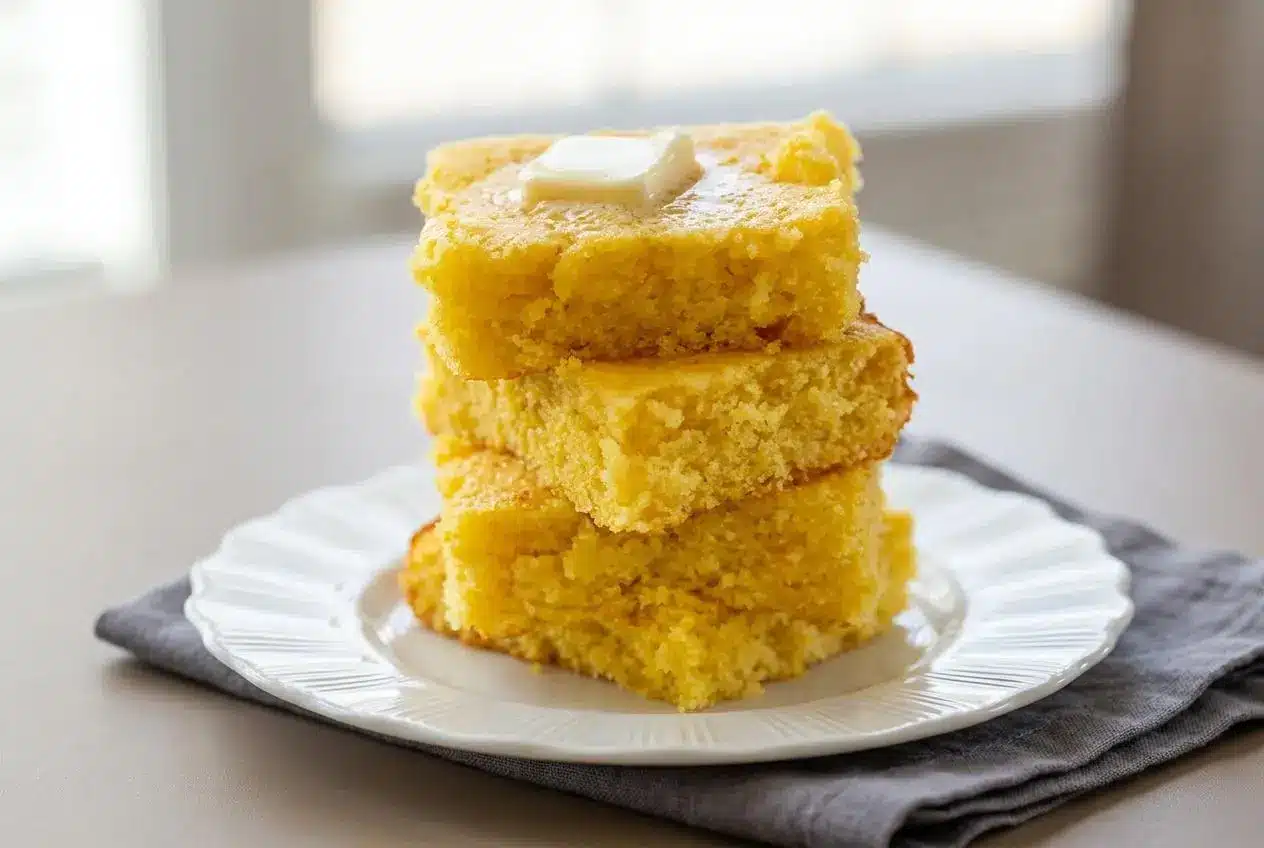
Add sour cream, melted butter, and an extra egg to Jiffy mix for golden cornbread with a moist, tender crumb instead of a dry, crumbly one.
This jiffy cornbread recipe turns boxed mix into a rich, buttery side with a lightly sweet corn flavor and a soft center. It bakes in an 8×8-inch pan at 375°F and is ready when the top is deeply golden.
Sour cream keeps the crumb plush, while melted salted butter brings the flavor that makes each warm square feel a little more special. Watch for that sweet toasted-corn aroma.
Use room-temperature sour cream if possible so it blends smoothly with the melted butter instead of tightening into small cold lumps.
Key Ingredients for This Upgraded Jiffy Cornbread
Each ingredient contributes something useful: the mix provides corn flavor and structure, butter adds richness, sour cream protects moisture, eggs hold the crumb together, and sugar lets you fine-tune sweetness.
- 1 package JIFFY Corn Muffin Mix
- 1/2 cup salted butter, melted
- 1/2 cup sour cream
- 2-3 tablespoons sugar, if you like a sweeter cornbread
- 2 large eggs, beaten
The corn muffin mix already contains leavening and shortening, so it does not need extra baking powder or oil. The added ingredients work around the common boxed-mix problem: a crumb that dries out before the edges turn golden.
I prefer full-fat sour cream here because it gives the batter a richer feel and helps the finished cornbread stay tender after it cools.
The Role of Sour Cream and Salted Butter
Sour cream brings fat and gentle acidity, which softens the cornmeal texture and helps the baked crumb hold onto moisture. It also adds a pleasant tang that keeps the sweetness from tasting flat.
Melted salted butter adds a fuller, more rounded flavor than neutral vegetable oil. Mix it with the sour cream before adding the eggs so the wet ingredients become smooth and evenly enriched. The butter also encourages a fragrant, golden surface as the cornbread bakes.
The two eggs give the cornbread enough structure to slice cleanly without making it springy or rubbery. Beat them before adding them so they disperse evenly through the rich dairy mixture.
Sweetness Balance With Sugar or Honey
Use 2 tablespoons of sugar for a gently sweet, savory-friendly cornbread, especially alongside chili, greens, or barbecue. Use 3 tablespoons if you enjoy a sweeter, more cake-like finish.
Honey can be used as an optional sweetness direction, but it changes the batter’s moisture and browning. For the most predictable result, follow the listed sugar option in the main recipe and save honey for brushing over warm slices after baking.
How to Make Jiffy Cornbread
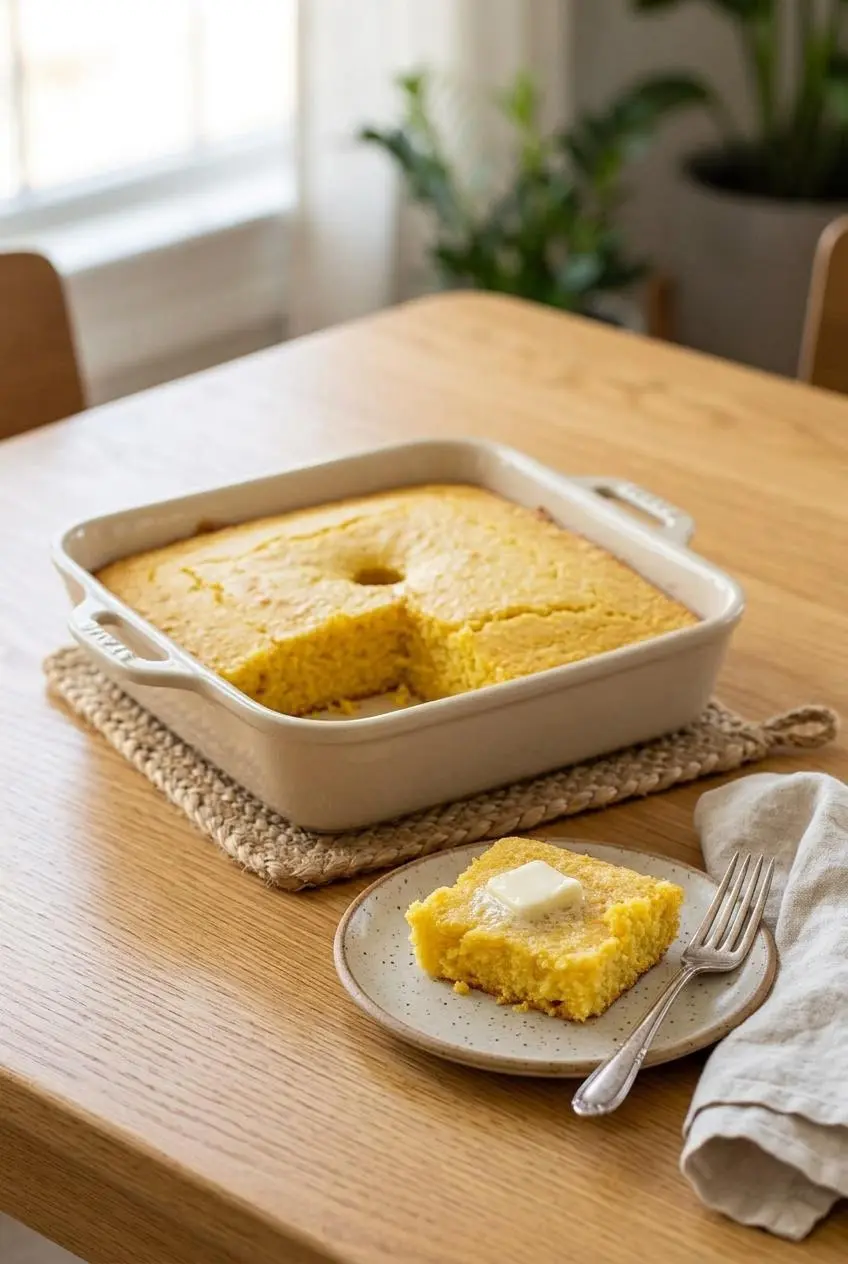
Keep the mixing gentle. A slightly lumpy batter bakes up more tender than one beaten until perfectly silky.
- Set the oven to 375°F, then grease an 8×8-inch pan thoroughly.
Coating the corners well helps the baked cornbread release in neat squares. - Stir the melted butter, sour cream, and sugar together in a mixing bowl.
The mixture should look creamy and glossy with no dry pockets of sugar. - Pour in the beaten eggs and mix until they disappear into the dairy mixture.
The wet base should be uniform and pale yellow before the corn muffin mix goes in. - Add the JIFFY Corn Muffin Mix and fold just until no dry mix remains.
Stop while the batter still has a few small lumps, which helps prevent a tough crumb. - Scrape the batter into the prepared pan and spread it into an even layer.
A level surface helps the center set at the same pace as the edges. - Bake for 17-20 minutes.
The top should be golden brown, smell like sweet toasted corn, and give a toothpick moist crumbs rather than wet batter. - Remove the pan from the oven and let the cornbread settle briefly before slicing.
The squares will hold together better once the hot crumb has a moment to firm up.
Place the pan on the center oven rack for the most even browning. If the top browns early but the middle still looks pale and soft, leave it in the oven until the center has set rather than cutting into it too soon.
Pan Options: 8×8 Baking Dish vs. Cast Iron Skillet
An 8×8-inch metal or ceramic pan gives this cornbread an even, soft crumb with tidy edges. It is the best choice when you want the official method exactly as written and want squares that are easy to serve.
Cast iron takes the crust in a different direction, creating darker edges and a deeply browned bottom. If that crackly contrast is your favorite part, this classic skillet cornbread style is a useful point of comparison.
Cast Iron Skillet Method for Ultra-Crisp Edges
For an optional skillet version, heat a 10-inch cast iron skillet in a 400°F oven with 2 tablespoons of butter. Once the butter has melted and the skillet is hot, carefully add the prepared batter. The immediate sizzle starts building a crisp bottom crust.
Bake the skillet cornbread for 18-22 minutes, watching the edges closely because cast iron holds heat aggressively. The center should look set, while the rim should be a deeper golden brown. Avoid pouring batter into a cold skillet if crisp edges are the goal.
Baking for a Crowd in a 9×13 Pan
For a larger optional batch, double the listed recipe: use 2 packages of JIFFY Corn Muffin Mix, 1 cup salted butter, 1 cup sour cream, 4 large eggs, and 4-6 tablespoons sugar if you like a sweeter cornbread. Spread the batter in a greased 9×13-inch pan.
Bake the larger pan at 400°F for 25-30 minutes. Check the middle, not just the browned edges, with a toothpick. A few moist crumbs are ideal, but loose batter means the center needs more time.
- 8×8-inch pan: Best for soft, even squares and the 375°F main method.
- 10-inch cast iron skillet: Best for a crisp, buttery crust and darker edges.
- 9×13-inch pan: Best for potlucks, family dinners, and larger meals.
Flavor Variations and Add-Ins
These additions are completely optional. Fold them into the finished batter gently, then bake as directed for the pan you choose.
Creamed Corn and Whole Kernel Addition
For a softer, more corn-forward bite, fold in creamed corn or thoroughly drained whole kernel corn. Drain whole kernels well first, since excess liquid can leave the center heavy or gummy.
Creamed corn adds a spoonable tenderness, while whole kernels bring little bursts of sweet corn flavor. If you enjoy that extra-soft, casserole-like direction for holiday meals, try Jiffy corn casserole as a separate side dish.
Sharp Cheddar and Pickled Jalapeno Finish
Sharp shredded cheddar and finely diced pickled jalapeños make the cornbread more savory, tangy, and gently spicy. Use the add-ins sparingly enough that the batter still spreads easily and the center can bake through evenly.
This version works especially well beside barbecue or a hearty bowl of chili. For a bolder pepper-forward bake, try spicy jalapeno cornbread.
Hot Honey and Smoked Sea Salt Finish
Brush hot honey over the cornbread while it is warm from the oven, then add a light pinch of smoked sea salt. The honey settles into the top crust while the salt gives the sweetness a savory edge.
This finishing touch is best for cornbread served as a warm snack or alongside smoky barbecue. Keep it light so the buttery corn flavor still leads.
Troubleshooting Common Cornbread Mistakes
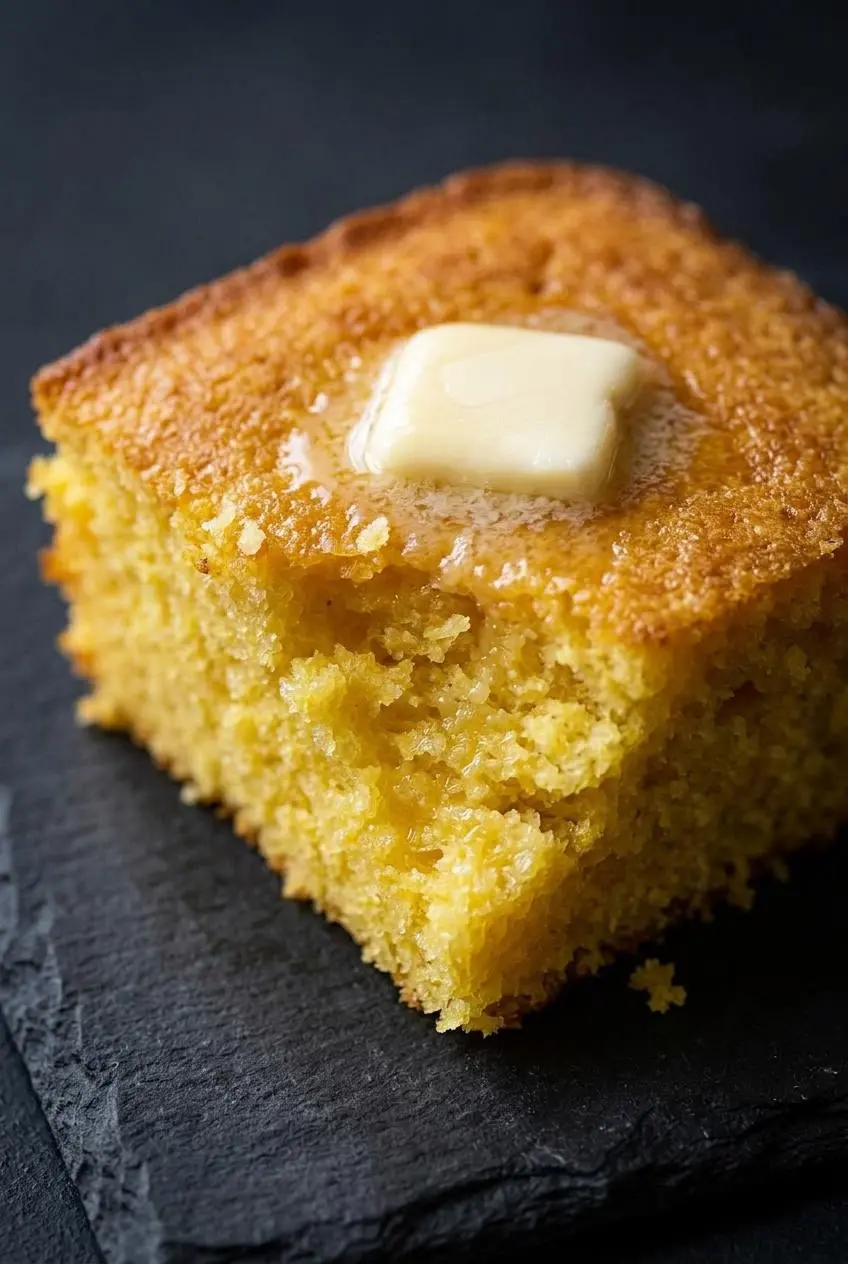
Most cornbread problems come down to mixing, pan heat, or cutting before the crumb has settled. These fixes target the issue without changing the main recipe.
How to Fix Crumbly or Dry Cornbread
- It falls apart when sliced: The crumb may be too hot and fragile. Let it settle briefly before cutting so the eggs and cornmeal can firm up.
- It tastes dry: Measure the sour cream and butter carefully, since both protect the crumb from turning chalky.
- It feels tough instead of tender: The batter was likely overmixed. Fold only until the dry mix disappears, then stop.
Sour cream, butter, and eggs work together here: the sour cream adds moisture, butter adds richness, and eggs provide enough structure to keep a warm square from collapsing in your hand.
Preventing Overly Dark Bottoms in Skillets
- The bottom gets too dark: Keep the skillet on the center rack rather than close to the lower heating element.
- The edges color before the center sets: Use the stated 400°F skillet temperature and begin checking near the early end of the baking range.
- The butter smokes before the batter goes in: Remove the skillet carefully and add the batter as soon as the butter melts and coats the pan.
Cast iron should give you a crisp crust, not a scorched one. Its stored heat is useful, but it rewards attention.
Avoiding Dense or Underbaked Centers
- The middle sinks: The batter may have been overworked. Stirring too much develops the flour in the mix and can create a heavy center.
- The center looks wet: Spread the batter evenly and continue baking until a toothpick comes out with moist crumbs rather than streaks of batter.
- The texture is gummy: Extra wet add-ins, especially undrained corn, can weigh down the center. Drain optional corn additions thoroughly.
A few small lumps in the batter are a good sign. Cornbread does not need to be whipped smooth to bake beautifully.
Storage and Reheating Leftovers
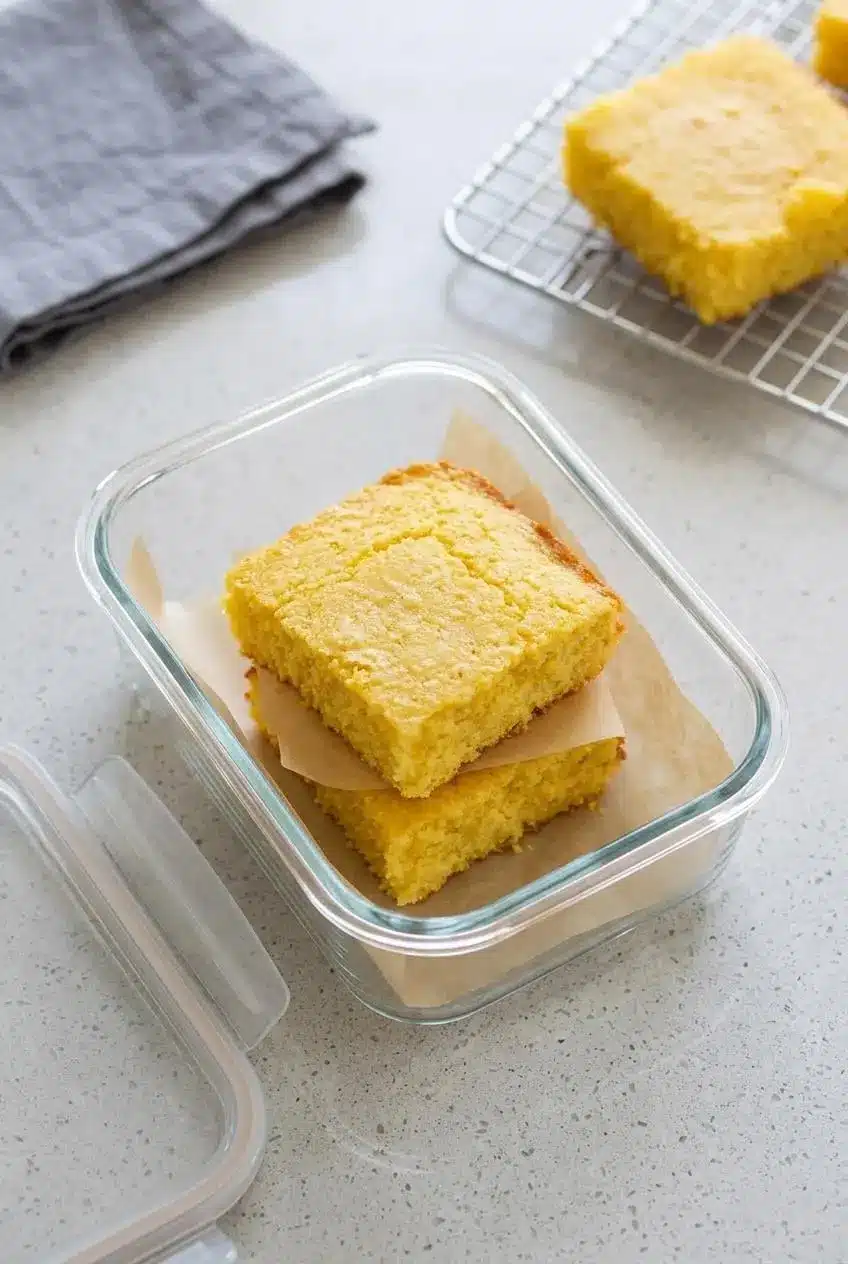
Let leftover cornbread cool completely, then keep it in an airtight container away from humidity. Keeping the cut surfaces covered helps the crumb stay soft instead of drying at the edges.
Warm individual squares in a toaster oven or a lightly buttered skillet when you want to bring back a little crust. Heat only until warmed through so the crumb does not dry out.
If the cornbread becomes firm, turn it into toasted croutons for soups and salads, or crumble it into a savory dressing for a holiday meal. A slightly dry square often has a very good second job.
Conclusion
Sour cream, melted butter, and extra eggs give boxed mix the moisture and structure needed for a tender, buttery cornbread with a golden top.
Keep the batter gently mixed, watch for deep golden color and toasted-corn aroma, and slice only after the crumb has settled. Warm cornbread is always a welcome addition to the table.
Frequently Asked Questions
How Do You Make Boxed Jiffy Cornbread Moist Instead of Dry?
Use the sour cream, melted butter, and two eggs listed in this recipe. Sour cream adds moisture and tenderness, butter adds richness, and eggs help the crumb hold together. Also avoid overmixing. Fold in the corn muffin mix only until the dry streaks disappear, leaving a few small lumps behind.
Can You Use 2 Boxes of Jiffy Cornbread Mix in One Pan?
Yes. Double the listed ingredients and bake the batter in a greased 9×13-inch pan at 400°F for 25-30 minutes. Check the center with a toothpick before removing it from the oven. The middle should be set, with moist crumbs clinging to the toothpick.
Why Is My Jiffy Cornbread Crumbly and Falling Apart?
It can crumble when the batter lacks enough fat and egg structure, when it is overbaked, or when it is sliced while very hot. The butter, sour cream, and eggs in this version help create a sturdier crumb. Let the cornbread settle briefly after baking, then use a sharp knife to make clean cuts. Rough sawing can break up a tender square.
Can I Bake Upgraded Jiffy Cornbread in a Cast Iron Skillet?
Yes. Preheat a 10-inch cast iron skillet with 2 tablespoons of butter in a 400°F oven, then carefully add the prepared batter. Bake until the edges are dark golden and the center is set, usually 18-22 minutes. The hot skillet creates the crispest bottom crust.
How Should Leftover Baked Cornbread Be Stored and Reheated?
Cool it completely and store it in an airtight container away from humidity. Keep the cut surfaces covered to protect the tender crumb. Reheat individual portions in a toaster oven or lightly buttered skillet until warm. This brings back the buttery aroma and a bit of edge crispness.
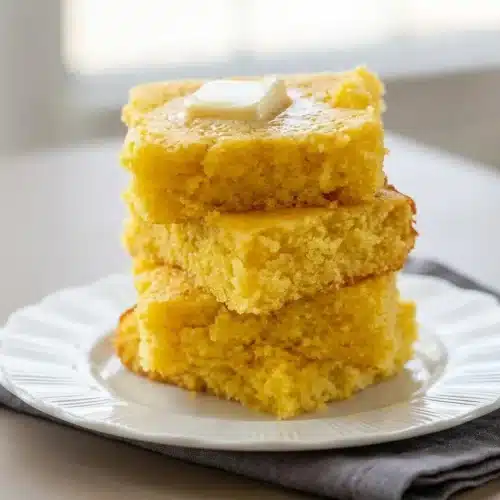
Jiffy Cornbread Recipe

Equipment
- 8×8 pan
Ingredients
- 1 package JIFFY Corn Muffin Mix
- 1/2 cup salted butter melted
- 1/2 cup sour cream
- 2-3 tablespoons sugar if you like a sweeter cornbread
- 2 large eggs beaten
Instructions
- Set the oven to 375°F, then grease an 8×8-inch pan thoroughly. Coating the corners well helps the baked cornbread release in neat squares.
- Stir the melted butter, sour cream, and sugar together in a mixing bowl. The mixture should look creamy and glossy with no dry pockets of sugar.
- Pour in the beaten eggs and mix until they disappear into the dairy mixture. The wet base should be uniform and pale yellow before the corn muffin mix goes in.
- Add the JIFFY Corn Muffin Mix and fold just until no dry mix remains. Stop while the batter still has a few small lumps, which helps prevent a tough crumb.
- Scrape the batter into the prepared pan and spread it into an even layer. A level surface helps the center set at the same pace as the edges.
- Bake for 17-20 minutes. The top should be golden brown, smell like sweet toasted corn, and give a toothpick moist crumbs rather than wet batter.
- Remove the pan from the oven and let the cornbread settle briefly before slicing. The squares will hold together better once the hot crumb has a moment to firm up.