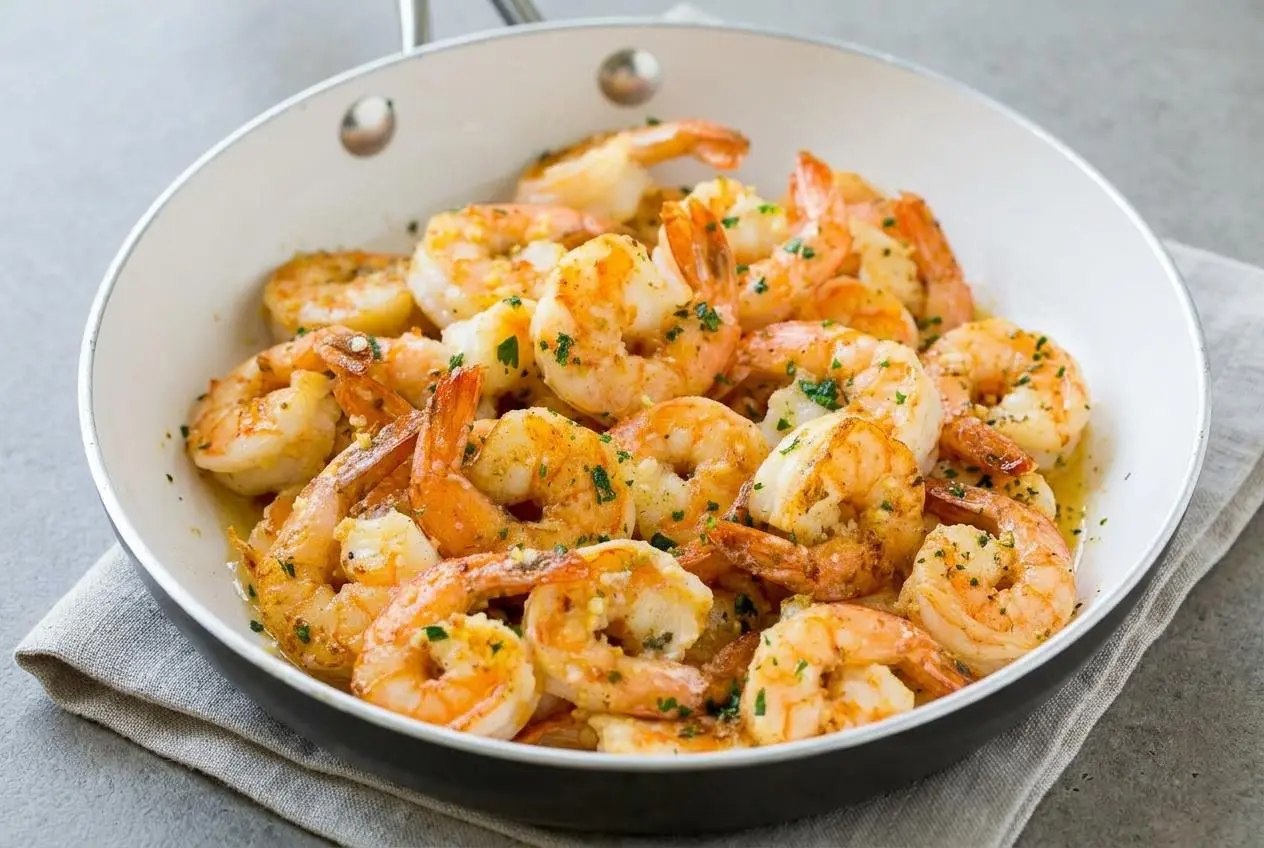
Garlic butter shrimp comes together by searing dry shrimp in butter for 3 to 5 minutes, adding garlic for the final minute, then finishing with lemon juice and parsley.
Garlic butter shrimp is a fast skillet dinner with rich melted butter, fragrant garlic, and bright lemon in every bite. The key is cooking the shrimp just until opaque so they stay tender.
As the garlic hits the pan, the butter should smell warm and savory, never browned or bitter. That lemony pan sauce is waiting.
Have everything measured and ready before the butter melts, because this dish moves quickly once the shrimp hit the skillet.
Key Ingredients for Garlic Butter Shrimp
Every ingredient has a job here: butter creates richness, shrimp provide a juicy centerpiece, seasoning adds savory depth, and lemon with parsley brings freshness and balance.
- 4 tablespoons butter
- 1 lb large shrimp (I use 16-20 count size, peeled, deveined and tails removed if desired)
- salt and pepper to taste
- 1 teaspoon Italian seasoning
- 2-3 teaspoons minced garlic (use more if you love garlic!)
- the juice of one lemon
- 1 tablespoon chopped parsley
Unsalted butter gives you better control over the final seasoning, especially when the shrimp are naturally briny. Large 16-20 count shrimp are a great choice because they develop color in the skillet without racing from tender to tough.
Freshly minced garlic has a cleaner, sharper aroma than jarred garlic and holds up better during its brief time in the pan. Fresh lemon juice matters, too: its acidity cuts through the butter and keeps the sauce lively rather than heavy.
I pat shrimp very dry with paper towels before cooking because moisture turns a proper butter sear into a steamy, pale skillet.
How to Make Garlic Butter Shrimp Step by Step
Use a large pan and medium-high heat so the shrimp cook quickly without crowding. Listen for a steady sizzle: if it suddenly softens into a watery hiss, the shrimp likely carried too much moisture into the pan.
Prepping and Drying the Shrimp
Peel and devein the shrimp if needed, and remove the tails if you want easier eating over pasta or rice. Dry both sides thoroughly so the butter can make direct contact with the shrimp.
Searing in Butter and Adding Aromatics
Butter can brown quickly over high heat because its milk solids toast faster than the fat. Keep the pan at medium-high, let the shrimp cook first, and add the garlic only when the shrimp are nearly done.
Finishing with Lemon and Fresh Herbs
Lemon juice loosens the buttery bits in the pan while parsley adds a clean finish. Serve promptly once the sauce looks glossy and the garlic smells fragrant.
- Melt the butter in a large pan over medium-high heat, then add the shrimp with the salt, pepper, and Italian seasoning.
The shrimp should begin with a lively sizzle rather than sitting in a pool of liquid. - Cook the shrimp for 3-5 minutes, stirring occasionally.
Watch for the centers to change from translucent gray to opaque white-pink and for the shrimp to curl into a loose C shape. - Stir in the minced garlic and cook for 1 minute.
The garlic should smell aromatic and pale, without taking on dark brown color. - Take the pan off the strongest heat, then stir in the lemon juice and parsley.
The butter and lemon should form a light, glossy sauce that coats the shrimp.
Pro Tips for Tender, Never-Rubbery Shrimp
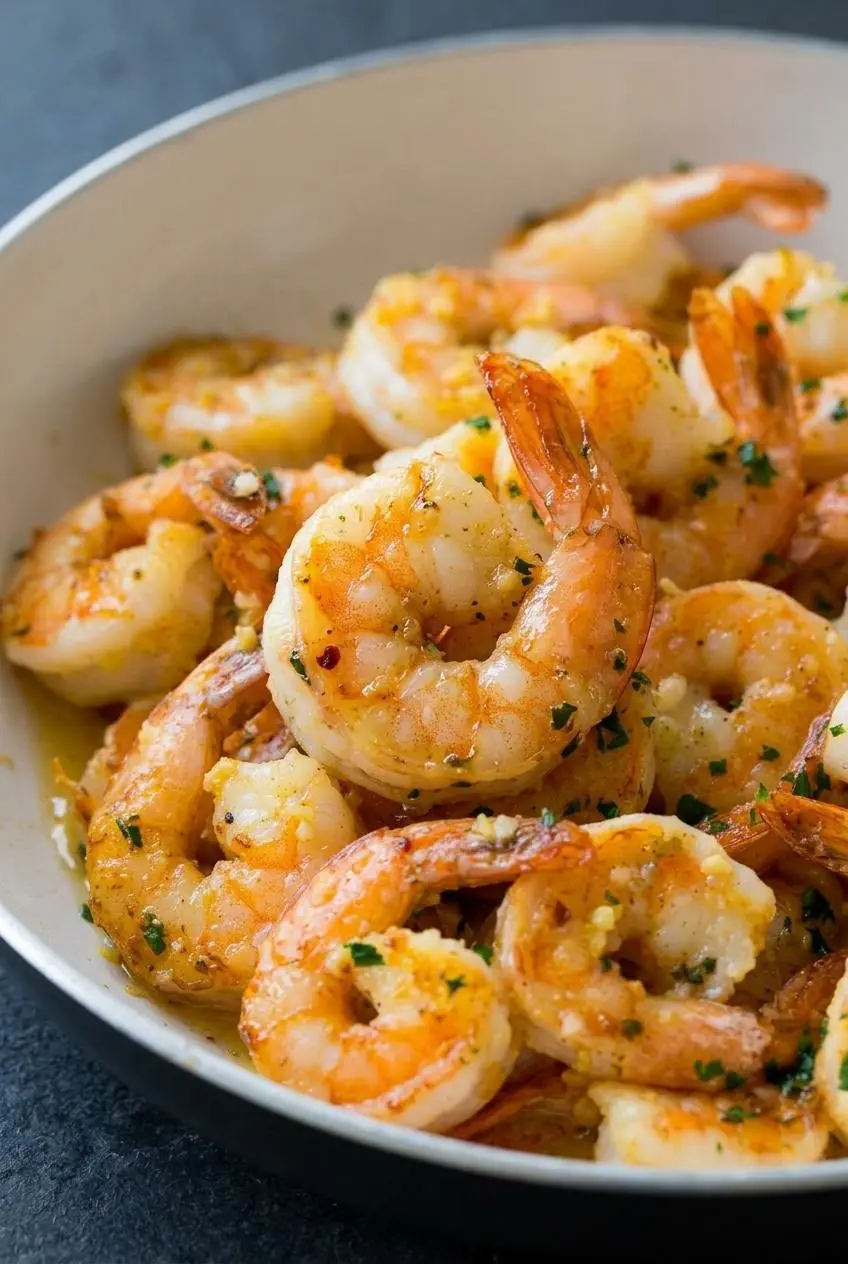
Perfect shrimp cook fast, so use the shape, color, and aroma in the pan as your best clues. A loose C-shaped curl signals tender shrimp; a tight O-shaped coil usually means they stayed on the heat too long.
- Watery shrimp: Excess surface moisture causes steaming instead of searing. Dry the shrimp well before they reach the butter and avoid packing them tightly into the pan.
- Rubbery texture: Shrimp continue cooking from residual heat. Pull the pan from the burner as soon as they are opaque and gently curled.
- Burnt garlic: Garlic needs far less heat exposure than shrimp. Add it during the final minute, and finish with lemon as soon as the aroma blooms.
- Greasy or separated sauce: High heat can make the butter look oily rather than silky. Remove the pan from direct heat before stirring in lemon juice, then toss the shrimp until the sauce comes back together.
- Frozen shrimp: Thaw them in a colander under cold running water until pliable, then dry them exceptionally well. Warm water can soften the outside too quickly and leave the texture uneven.
If you want a shinier sauce, swirl in a little cold butter with finely grated lemon zest after the pan comes off the heat. Keep this flourish optional, since the main skillet method already has plenty of buttery flavor.
Flavor Variations and Cooking Alternatives
The skillet version is the quickest route to dinner, but a few optional changes can shift the flavor without changing the core method.
- Spicy: Add crushed red pepper flakes or smoked paprika with the Italian seasoning for warmth and a deeper color.
- Sweet-savory: If you enjoy a sweeter garlic profile on shrimp, try honey garlic shrimp for a related skillet dinner.
- Extra citrus: Finish with lemon zest for a brighter aroma that stands up to the butter.
Oven-Baked Garlic Butter Shrimp Method
For a hands-off option, arrange shrimp in a single layer in a baking dish with butter pats, the seasonings, and lemon slices. Bake at 350 °F for 10 to 15 minutes, checking early and removing the dish when the shrimp are firm, opaque, and pink. Stir in parsley after baking for a fresher finish.
Creamy Garlic Butter Sauce Variation
For a richer sauce, add a splash of heavy cream to the skillet with the garlic. Let it warm briefly before adding the lemon, and keep the heat moderate so the sauce stays smooth. This version is especially good with pasta or rice.
What to Serve with Garlic Butter Shrimp
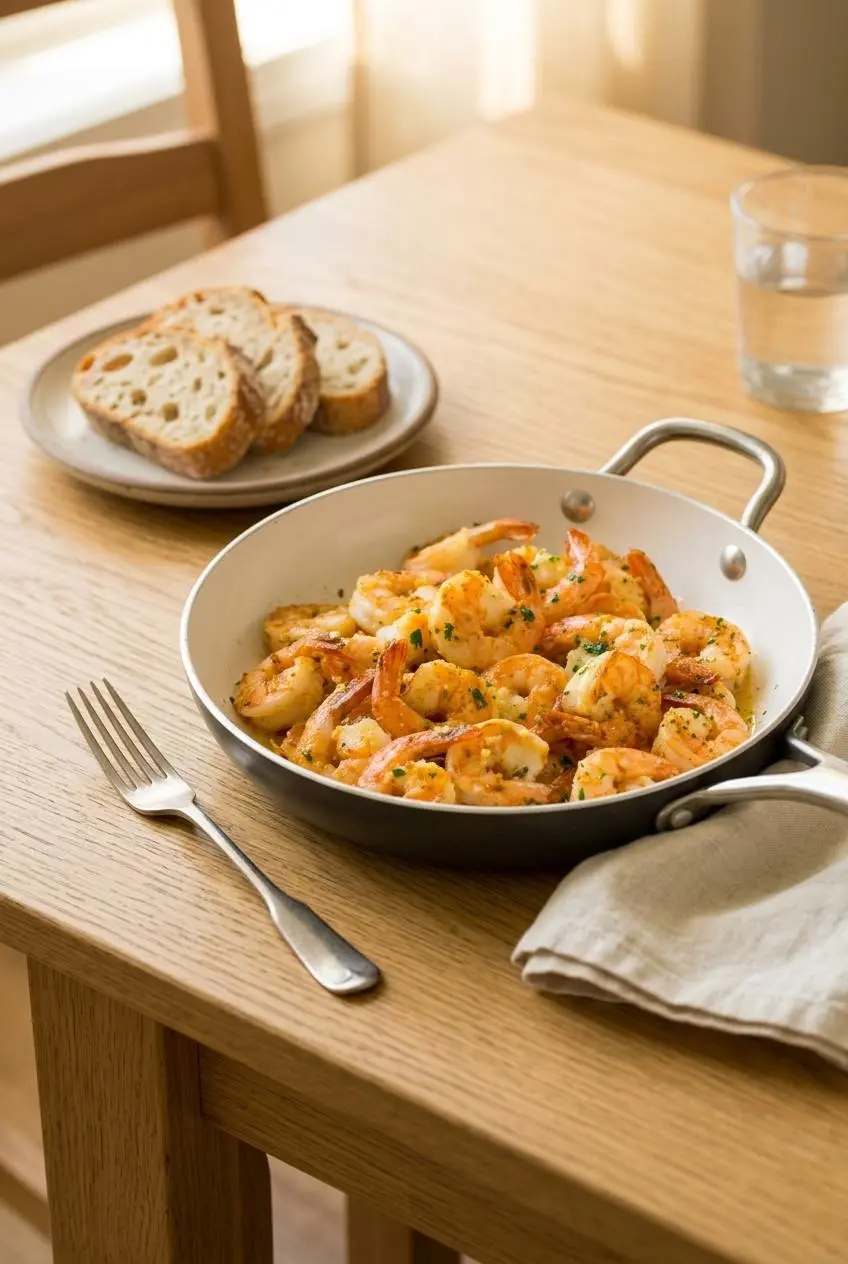
The lemon butter in the skillet deserves something that can catch every drop. Build the meal around how you want to enjoy that sauce.
- Pasta: Toss the shrimp and pan sauce with al dente linguine or angel hair. For a fuller noodle dinner, serve it with garlic butter pasta.
- Rice: Spoon the shrimp over warm jasmine rice for a comforting bowl that absorbs the lemony butter.
- Bread: Warm crusty bread makes quick work of the garlicky sauce and turns the skillet into a shareable dinner.
- Low-carb sides: Zucchini noodles, mashed cauliflower, cauliflower rice, or sautéed green beans keep the plate light while giving the shrimp center stage.
Storage and Reheating Guide
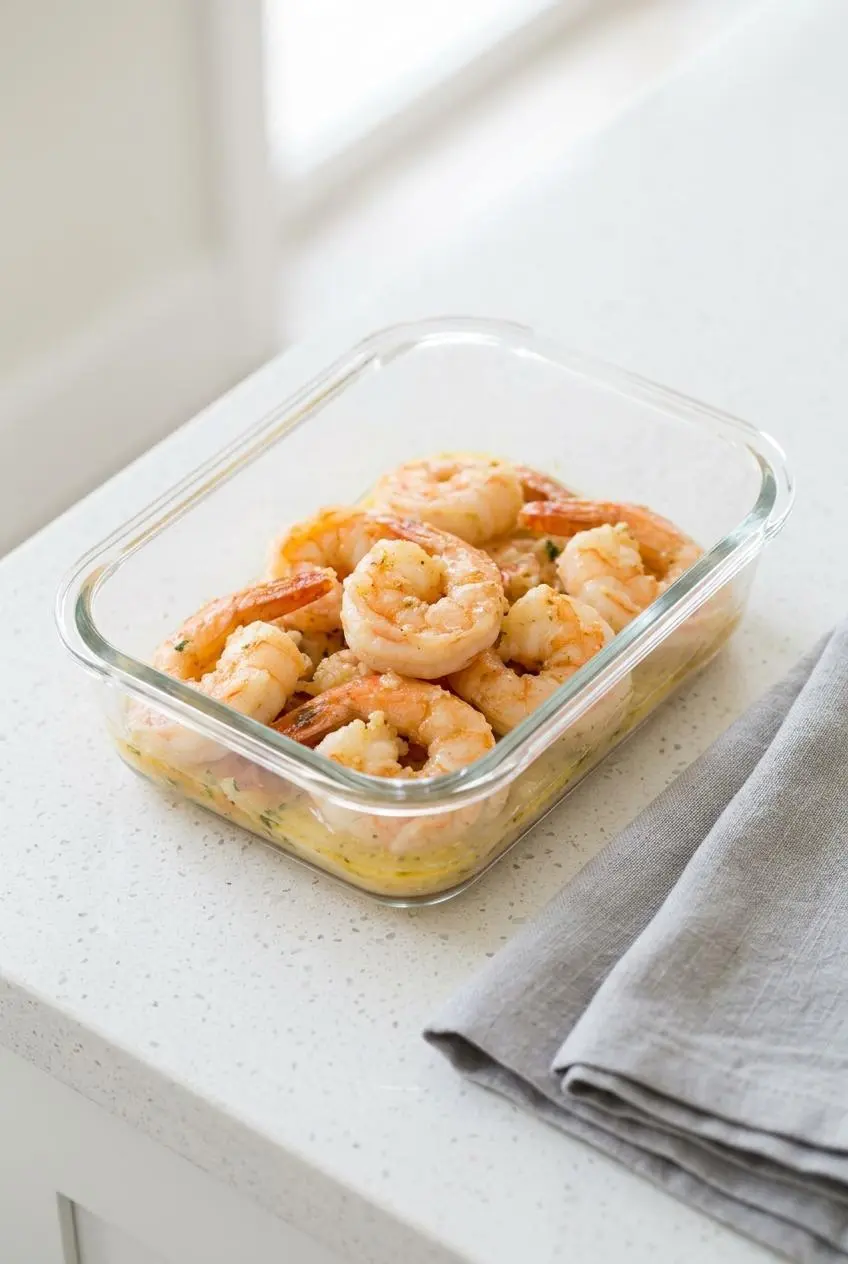
Cool leftover shrimp promptly, transfer them to an airtight container, and keep them chilled. For the best texture, reheat only the portion you plan to eat rather than warming the entire batch repeatedly.
Warm the shrimp gently in a skillet over low heat with a splash of water or broth to loosen the sauce. Stop as soon as the shrimp are warmed through. High microwave power tends to overcook the exterior before the center has a chance to warm, which can make the shrimp tough.
If you need to prep ahead, peel, devein, season, and dry the shrimp shortly before cooking, then keep the lemon and parsley ready separately. Adding those finishing ingredients at the end preserves their fresh flavor.
Conclusion
This 10-minute shrimp dinner delivers rich butter, lively lemon, and plenty of garlic without requiring a complicated sauce. Large shrimp and a hot skillet do most of the work.
Watch for the loose C-shaped curl, then take the pan off the heat as the garlic becomes fragrant. Serve it right away while the sauce is glossy and bright.
Frequently Asked Questions
How Long Does It Take to Cook Shrimp in Garlic Butter?
Large raw shrimp need 3-5 minutes over medium-high heat. They are ready when pink, opaque, and curled into a gentle C shape. Remove them promptly to prevent a tight curl and rubbery texture.
Can I Make Garlic Butter Shrimp With Frozen Shrimp?
Yes. Thaw frozen shrimp under cold running water until they are pliable. Drain and pat them completely dry before adding them to hot butter. Dry shrimp sear better and produce a less watery pan sauce.
Should I Cook Shrimp With Tails On or Off?
Tails-on shrimp make a more polished presentation and can be convenient for finger-food servings. Tails-off shrimp are easier to eat when tossed with pasta or spooned over rice. Choose whichever style suits the way you plan to serve the dish.
How Do I Reheat Leftover Garlic Butter Shrimp Without Making Them Rubbery?
Warm the shrimp in a skillet over low heat with a small splash of water or broth. Heat only until warmed through, then remove the pan from the burner. Avoid high microwave power, which can make the shrimp tough quickly.
How Do I Prevent the Garlic and Butter From Burning?
Cook the shrimp first, then add fresh minced garlic during the final minute. Keep the heat at medium-high rather than cranking it higher. When the garlic smells fragrant but has not browned, add the lemon juice and finish the dish.
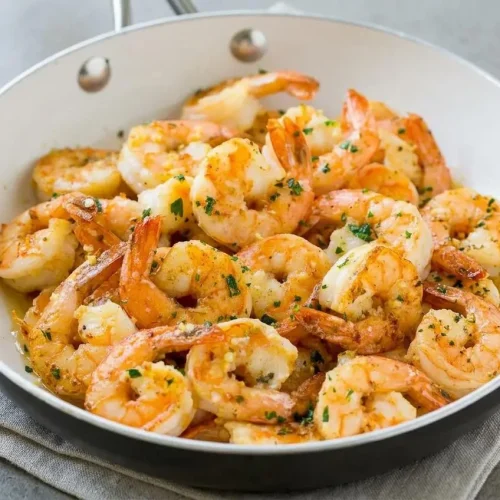
Garlic Butter Shrimp

Equipment
- Large pan
Ingredients
- 4 tablespoons butter
- 1 lb large shrimp (I use 16-20 count size, peeled, deveined and tails removed if desired)
- salt and pepper to taste
- 1 teaspoon Italian seasoning
- 2-3 teaspoons minced garlic (use more if you love garlic!)
- the juice of one lemon
- 1 tablespoon chopped parsley
Instructions
- Melt the butter in a large pan over medium-high heat, then add the shrimp with the salt, pepper, and Italian seasoning. The shrimp should begin with a lively sizzle rather than sitting in a pool of liquid.
- Cook the shrimp for 3-5 minutes, stirring occasionally. Watch for the centers to change from translucent gray to opaque white-pink and for the shrimp to curl into a loose C shape.
- Stir in the minced garlic and cook for 1 minute. The garlic should smell aromatic and pale, without taking on dark brown color.
- Take the pan off the strongest heat, then stir in the lemon juice and parsley. The butter and lemon should form a light, glossy sauce that coats the shrimp.