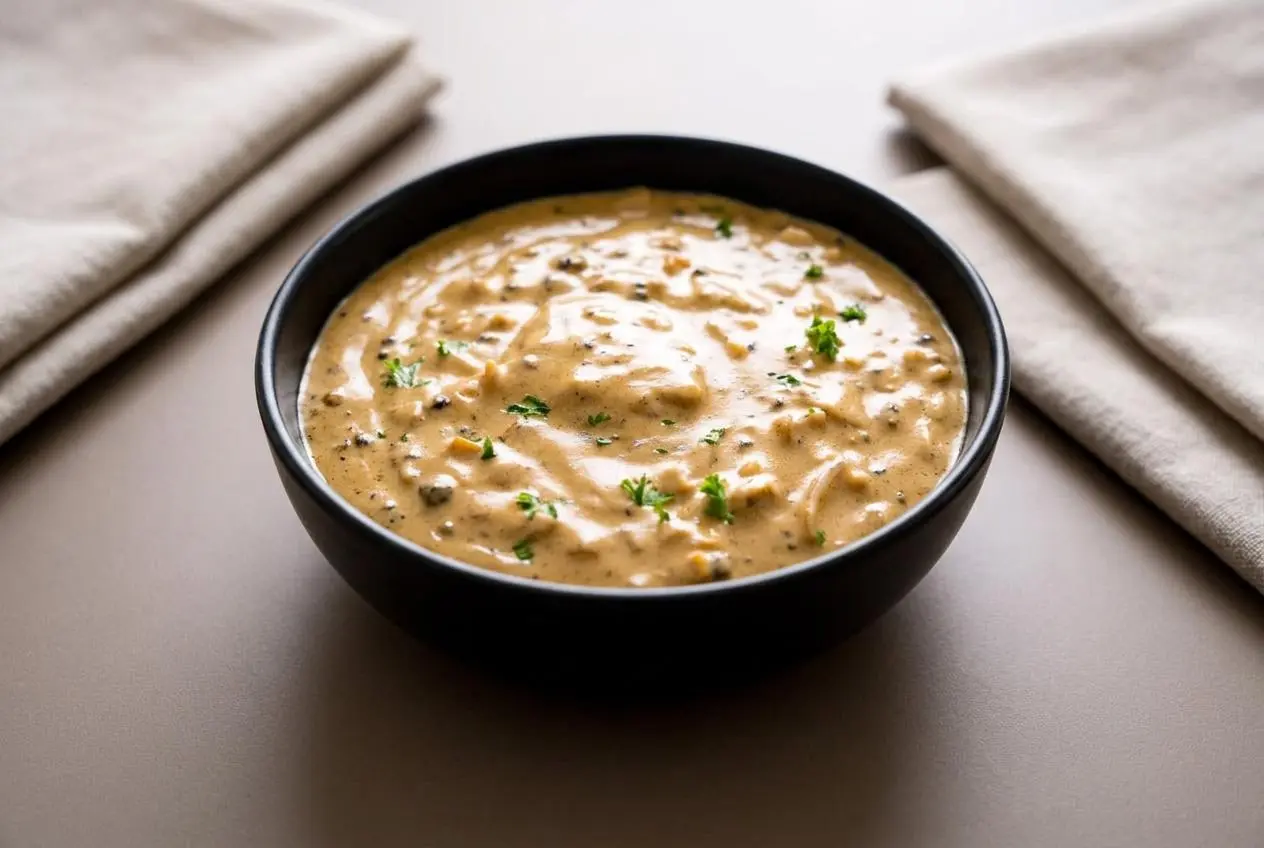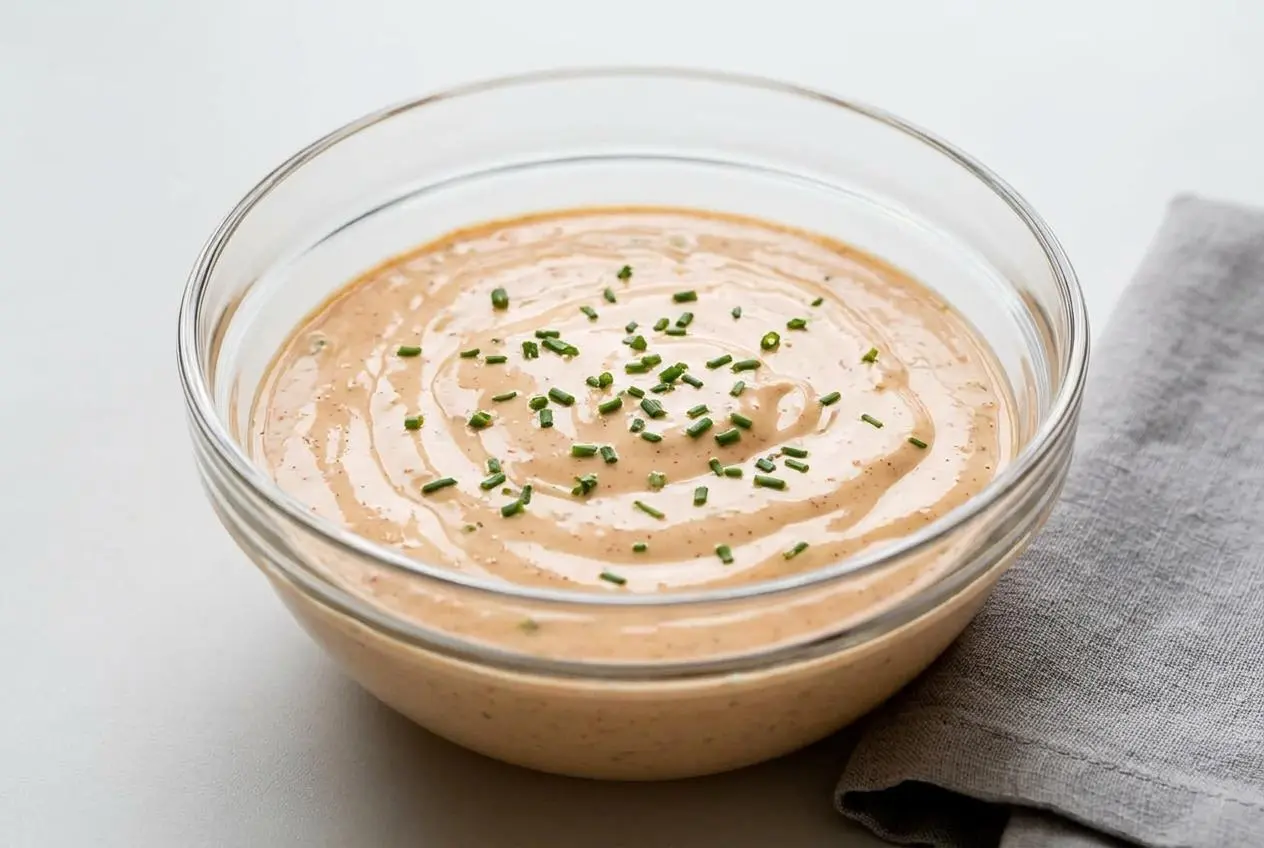
Remoulade sauce is a creamy, zesty cold condiment made with mayonnaise, mustard, lemon juice, garlic, hot sauce, and spices. This no-cook version comes together in 5 minutes and brings bold Creole-style flavor to seafood, sandwiches, and fries.
This remoulade sauce has a tangy, smoky kick with enough cayenne to wake up fried food without taking over. The creamy base keeps every bite smooth and dip-worthy.
A brief chill rounds out the garlic and spices, turning the first sharp aroma into something more mellow and savory. That pinkish-orange color is your first good sign.
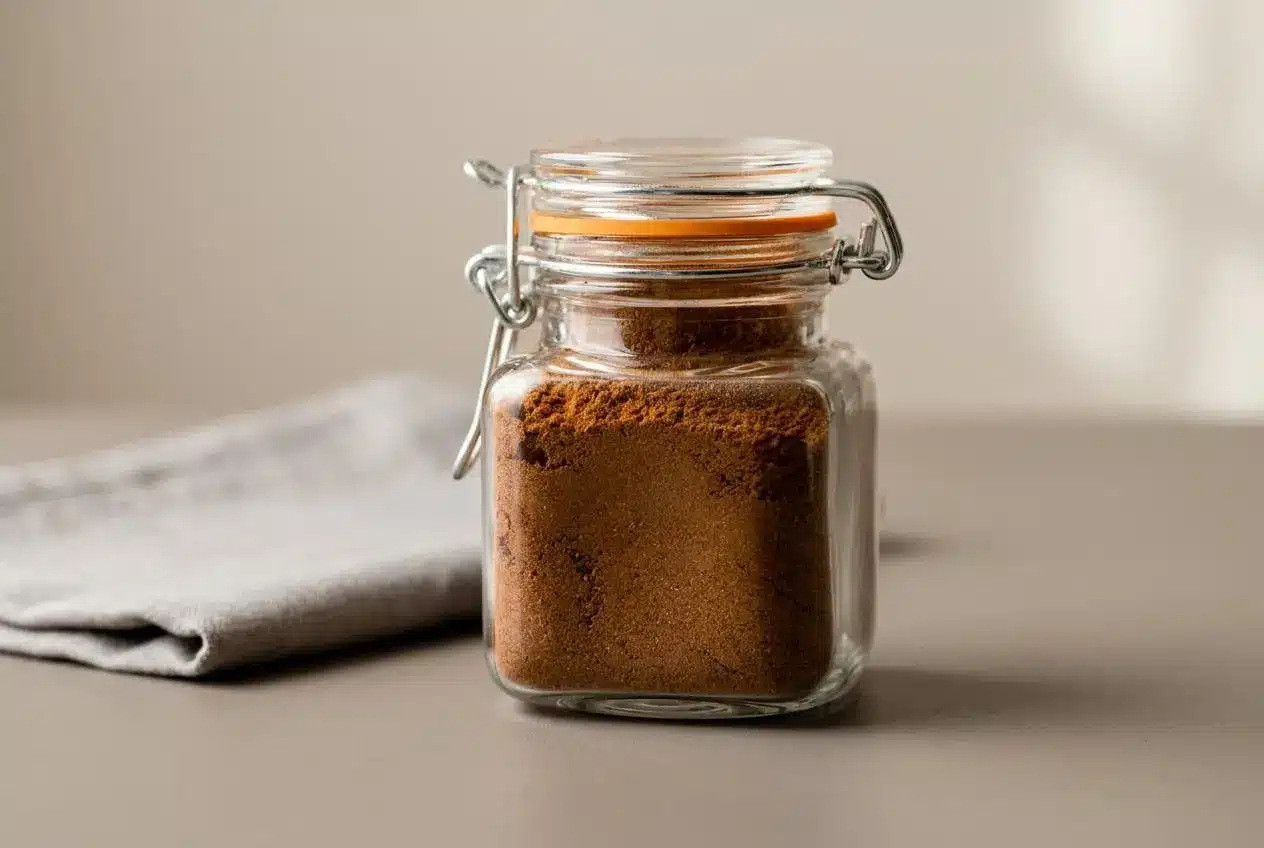
Use a small bowl with enough room to whisk without sending paprika dust across the counter.
What Is Remoulade Sauce?
Remoulade is a cold mayonnaise-based condiment built around mustard, acid, and aromatic seasonings. It can range from herbaceous and mild to peppery, garlicky, and deeply spiced, depending on the regional style.
French Origins vs Louisiana Creole Style
French remoulade began as a classic bistro condiment, usually pale in color and seasoned with herbs, mustard, capers, and bright acidic elements. It is often served with chilled meats, fish, or vegetables.
Louisiana Creole remoulade takes that creamy foundation in a bolder direction. Garlic, hot sauce, paprika, scallions, and Cajun-style spices create the warm color and assertive flavor that work especially well with fried seafood and po boys.
This version leans Creole: creamy first, then tangy mustard, smoky paprika, fresh garlic, and a gentle burn from hot sauce and cayenne.
Remoulade vs Tartar Sauce and Thousand Island
- Remoulade: Mustard-forward, garlicky, and often spicy, with paprika and hot sauce adding color and heat.
- Homemade tartar sauce: Usually milder, with mayonnaise, pickles or relish, lemon, and sometimes capers.
- Thousand Island: Typically sweeter and pinker, relying on ketchup and sweet pickle relish rather than mustard and savory heat.
Essential Ingredients for Authentic Remoulade Flavor
Each ingredient contributes to the sauce’s creamy structure, bright acidity, warm color, pungent aroma, or layered heat, so the finished dip tastes balanced rather than flat.
- ½ cup mayonnaise (or vegan mayo)
- 1 tablespoon mustard
- 1 teaspoon hot sauce
- ½ teaspoon paprika
- 2 garlic cloves (grated)
- 1 scallion (finely chopped)
- 1 teaspoon fresh lemon juice
- ⅛ teaspoon onion powder
- Pinch of cayenne
- Chives for sprinkling (optional)
Mayonnaise provides the stable, rich emulsion that gives remoulade its signature spoon-coating texture. Choose a mayonnaise you enjoy on its own, since it makes up most of the sauce.
Mustard brings sharpness and keeps the richness from feeling heavy. Creole mustard adds a coarser, more robust bite, Dijon gives a smoother French-leaning flavor, and spicy brown mustard makes a solid substitute when that is what you have.
Lemon juice adds clean acidity, while hot sauce and cayenne supply adjustable heat. Paprika creates the orange-red hue, and grated garlic, scallion, and onion powder build savory depth without making the sauce chunky.
I prefer freshly squeezed lemon juice here because its clean brightness keeps the mayonnaise from tasting overly rich.
How to Make Homemade Remoulade Sauce Step by Step
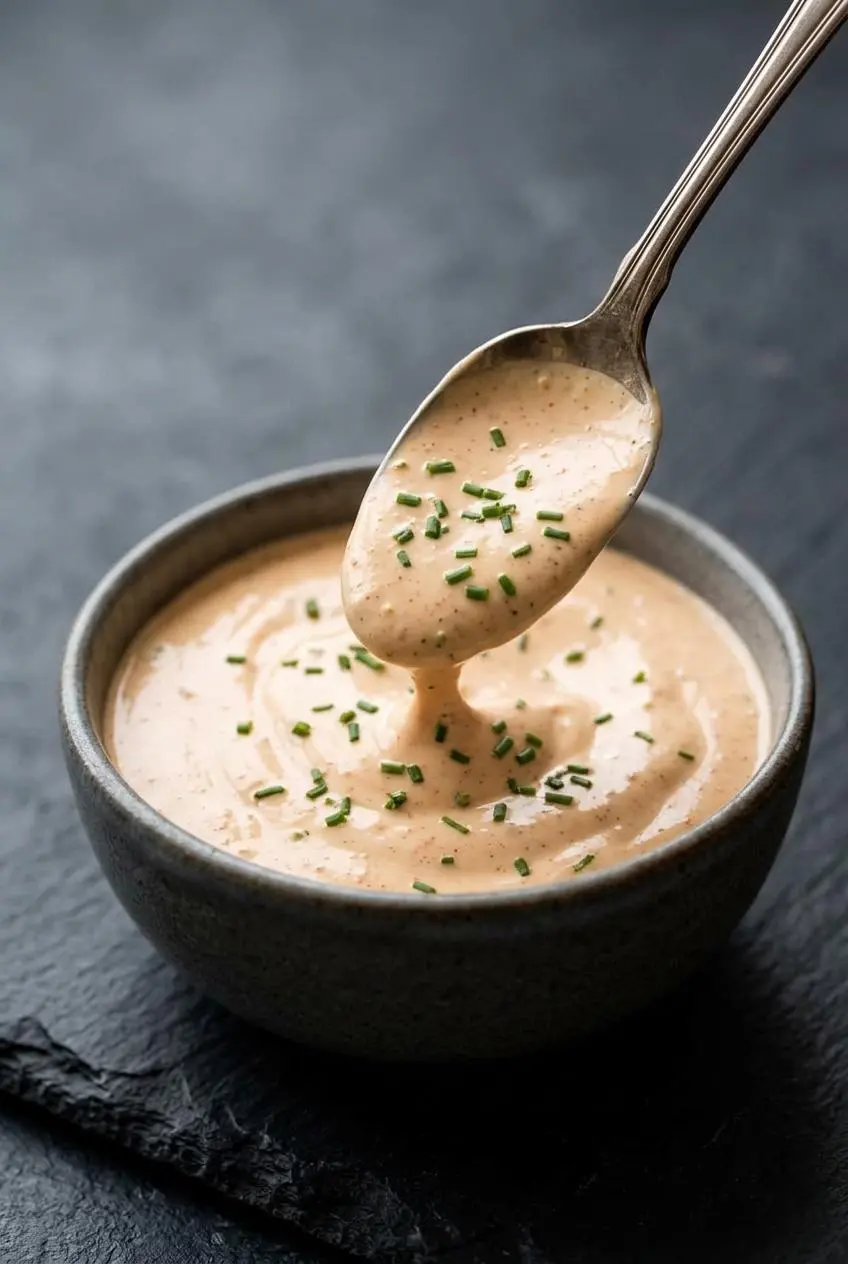
One bowl and a whisk are all you need. Mix until the seasonings disappear into the mayonnaise and the sauce looks evenly colored from edge to edge.
- Add the mayonnaise to a small bowl, then whisk in the mustard, hot sauce, paprika, grated garlic, scallion, lemon juice, onion powder, and cayenne until fully combined.
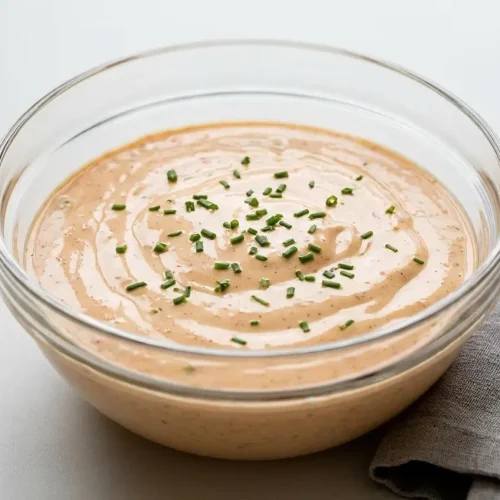
The finished sauce should look glossy and pinkish-orange, with a creamy consistency that coats the back of a spoon.
Whisking and Emulsion Check
Start with the mayonnaise, then work in the mustard and hot sauce before adding the dry seasonings. This order helps the paprika and onion powder disperse evenly instead of clinging in little pockets.
Grate the garlic finely so it melts into the sauce rather than landing in harsh, crunchy bits. Whisk gently but thoroughly until the lemon juice is fully incorporated and no watery streaks remain around the bowl.
Why Resting Time Is Essential for Flavor Development
Chill the sauce briefly before serving when you can. The paprika and onion powder hydrate, the garlic loses some of its raw edge, and the lemon settles into the mayonnaise instead of tasting separate.
The aroma changes too: freshly mixed remoulade smells pungent and sharp, while chilled remoulade smells rounder and more savory. Stir once before serving if it has settled.
Pro Tips and Troubleshooting Common Remoulade Mistakes
Most remoulade problems come down to texture or seasoning balance. Make small adjustments, then give the sauce a moment to settle before changing it again.
- Too thin: Excess lemon juice or hot sauce can loosen the mayonnaise. Whisk in a little more mayonnaise until the sauce returns to a thick dipping consistency.
- Too thick: Add a few drops of lemon juice or pickle brine, whisking after each addition, until it loosens enough to spread or drizzle.
- Too spicy: More mayonnaise softens the cayenne and hot sauce while preserving the sauce’s creamy body. A small splash of sour cream also mutes the burn with extra tang.
- Too garlicky: Let the sauce chill before correcting it, since grated raw garlic mellows as it rests. If it still feels harsh, fold in more mayonnaise.
- Too salty: Avoid adding extra salt until the sauce has rested, especially when using a salty hot sauce or prepared mustard.
- Flavor feels dull: Add a small squeeze of lemon juice for lift, or use a pinch of smoked salt and finely grated lemon zest as an optional aromatic boost.
Adjusting Thickness and Consistency
For dipping fried shrimp or fries, aim for a thick sauce that clings without running off. For sandwiches or wraps, a slightly looser texture spreads more easily and won’t pull apart the bread.
Make adjustments gradually. A sauce that seems dense right after mixing may relax slightly once the lemon juice has had time to blend through the mayonnaise.
Balancing Heat, Salt, and Garlic Pungency
Cayenne and hot sauce should support the mustard rather than drown it out. If the heat arrives before any tang or smokiness, dilute it with more mayonnaise and reassess after stirring.
For a brighter result, reach for lemon before adding more hot sauce. Acid wakes up the paprika and scallion without turning the sauce into a hotter condiment.
Flavor Variations and Easy Substitutions
Keep the main version as written, then use these optional directions when you want a different regional style or a lighter texture.
Lighter Greek Yogurt Remoulade Option
Replace half of the mayonnaise with plain whole-milk Greek yogurt for a tangier, lighter-style sauce. The yogurt keeps the dip thick, though it will taste more tart and less rich than the all-mayonnaise version.
Classic French Herb Remoulade
For a French-inspired approach, leave out the hot sauce, paprika, and cayenne. Add minced fresh tarragon, parsley, and finely chopped capers instead for a pale, herb-forward condiment that suits poached fish and cold meats.
Fiery Horseradish and Cayenne Variation
Add prepared horseradish and a little extra cayenne if you want sharper, more intense heat with fried oysters, catfish, or shrimp. Add gradually, because horseradish heat can build quickly.
New Orleans Red Remoulade
For a redder Louisiana-style sauce, add ketchup or tomato paste, coarse Creole mustard, and finely minced celery. The result is deeper in color, more savory, and especially good alongside seafood boil favorites.
Delicious Ways to Serve Remoulade Sauce
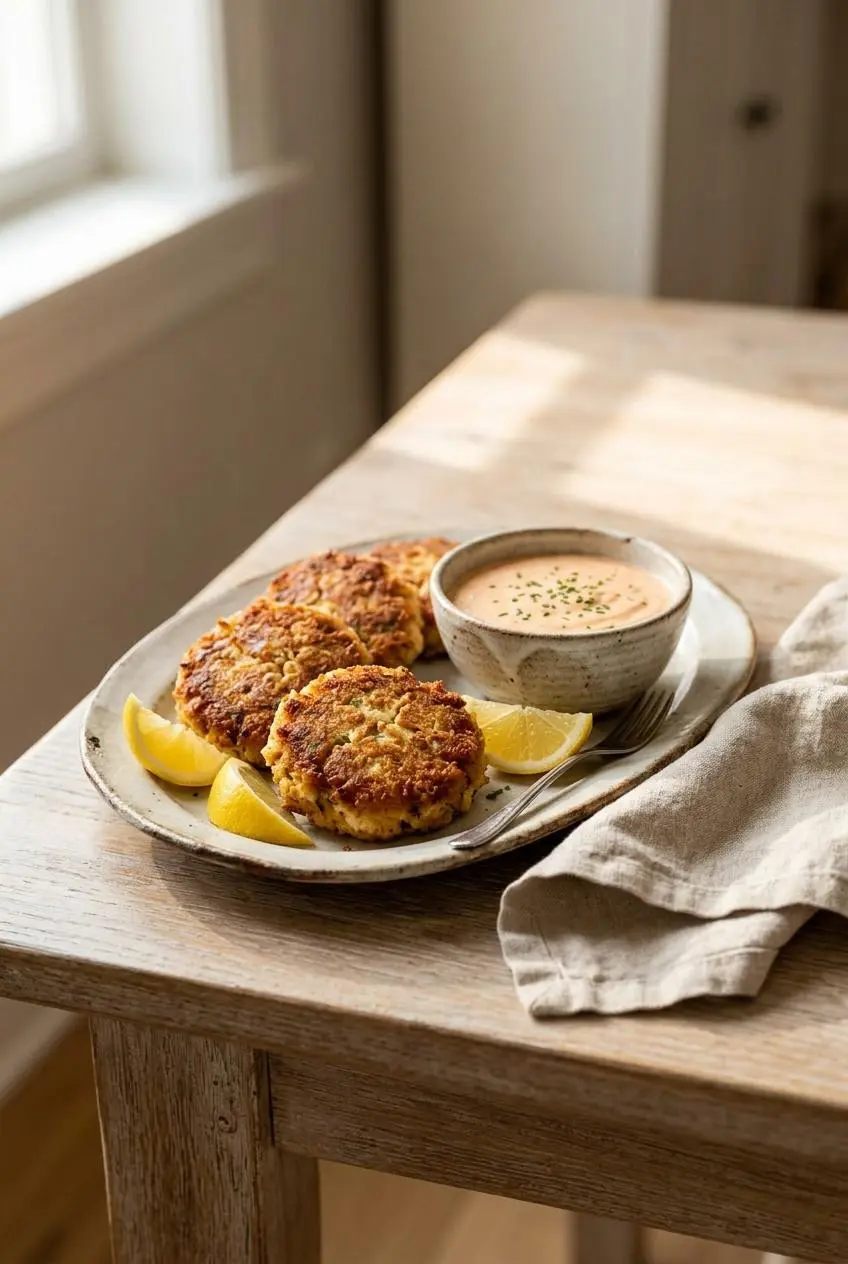
Its creamy body and bright heat make remoulade useful far beyond a seafood platter. Serve it cold so it contrasts nicely with hot, crisp foods.
Classic Seafood and Po Boy Pairings
- Spoon it over crispy Maryland crab cakes or salmon patties.
- Serve it beside fried catfish, fried oysters, or sautéed shrimp.
- Spread it generously on crusty French bread for shrimp, fish, or roast beef po boys.
- Use it as a dip for lightly breaded fish sticks when dinner needs a fast flavor upgrade.
Modern Appetizers, Fries, and Veggies
Try remoulade with sweet potato fries, onion rings, fried pickles, roasted cauliflower florets, or crisp green beans. It also makes a zesty spread for burgers, veggie burgers, wraps, and roast beef sandwiches.
If you are putting together a dipping spread for fries and crunchy appetizers, a creamy chipotle sauce offers a smokier alternative alongside the sharper mustard profile of remoulade.
Storage, Make-Ahead Tips, and Shelf Life
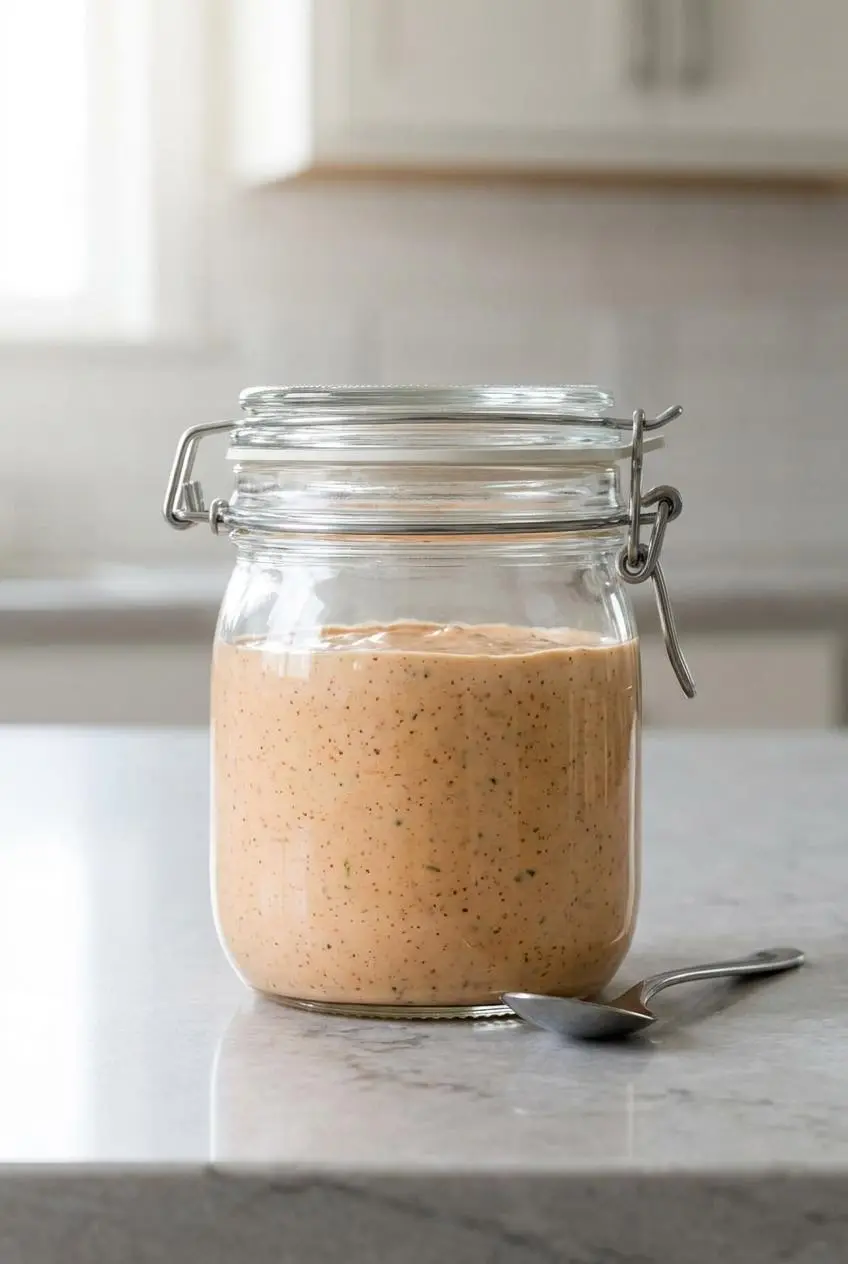
Make the sauce close to serving when possible, then keep it covered and chilled between uses. The flavor improves after a brief rest, but fresh garlic and scallion are at their brightest when the sauce is newly made.
Refrigeration and Container Choice
Transfer leftover sauce to a clean, airtight glass jar or container and keep it chilled. Glass helps contain the lingering garlic aroma and makes it easy to stir the sauce before serving again.
For batches made with commercial mayonnaise, keep the container tightly sealed and use it while the flavor and texture remain fresh. If you use homemade mayonnaise made with raw egg, prepare only what you plan to serve promptly and keep it well chilled.
Keeping the Texture Smooth
Mayonnaise-based sauces can lose their smooth emulsion after being frozen and thawed, turning loose and separated. For the best texture, keep remoulade chilled and make a fresh batch when needed.
Conclusion
This remoulade comes together in 5 minutes with a creamy mayonnaise base, sharp mustard, lemon, garlic, paprika, and a lively hit of hot sauce. A short chill gives it a more rounded, restaurant-style flavor.
Bring it to crab cakes, po boys, fries, roasted vegetables, and burgers whenever a meal needs a tangy, smoky finish. Keep it cold, stir it once, and enjoy every bold spoonful.
Frequently Asked Questions
What Is the Difference Between Remoulade and Tartar Sauce?
Tartar sauce is generally mild and pickle-forward, usually made with mayonnaise, lemon, and relish or capers. Remoulade has a bolder profile from mustard, garlic, paprika, and hot sauce. It is often tangier, smokier, and spicier.
How Long Does Homemade Remoulade Sauce Last in the Fridge?
Keep it in a clean airtight container in the refrigerator and use it while it still tastes fresh and has a smooth texture. Because this sauce includes fresh garlic and scallion, avoid holding it longer than necessary, especially if made with homemade egg mayonnaise.
Can I Make Remoulade Sauce Ahead of Time?
Yes. Preparing it ahead of serving gives the garlic, lemon, paprika, and hot sauce time to blend into the mayonnaise. Keep it covered and chilled, then stir before serving.
Can You Freeze Remoulade Sauce?
It is best to avoid it. The mayonnaise emulsion can separate after freezing and thawing, leaving the sauce watery and oily rather than creamy.
What Mustard Works Best in Authentic Remoulade?
Use whole-grain Creole mustard for a Louisiana-style sauce with more texture and spice. Dijon creates a smoother French-style flavor, while spicy brown mustard is a practical substitute with enough bite to stand up to garlic and paprika.
Remoulade Sauce

Equipment
- Small bowl
- Whisk or spoon
Ingredients
- ½ cup mayonnaise or vegan mayo
- 1 tablespoon mustard
- 1 teaspoon hot sauce
- ½ teaspoon paprika
- 2 garlic cloves grated
- 1 scallion finely chopped
- 1 teaspoon fresh lemon juice
- ⅛ teaspoon onion powder
- Pinch cayenne
- Chives for sprinkling (optional)
Instructions
- Add the mayonnaise to a small bowl, then whisk in the mustard, hot sauce, paprika, grated garlic, scallion, lemon juice, onion powder, and cayenne until fully combined. The finished sauce should look glossy and pinkish-orange, with a creamy consistency that coats the back of a spoon.