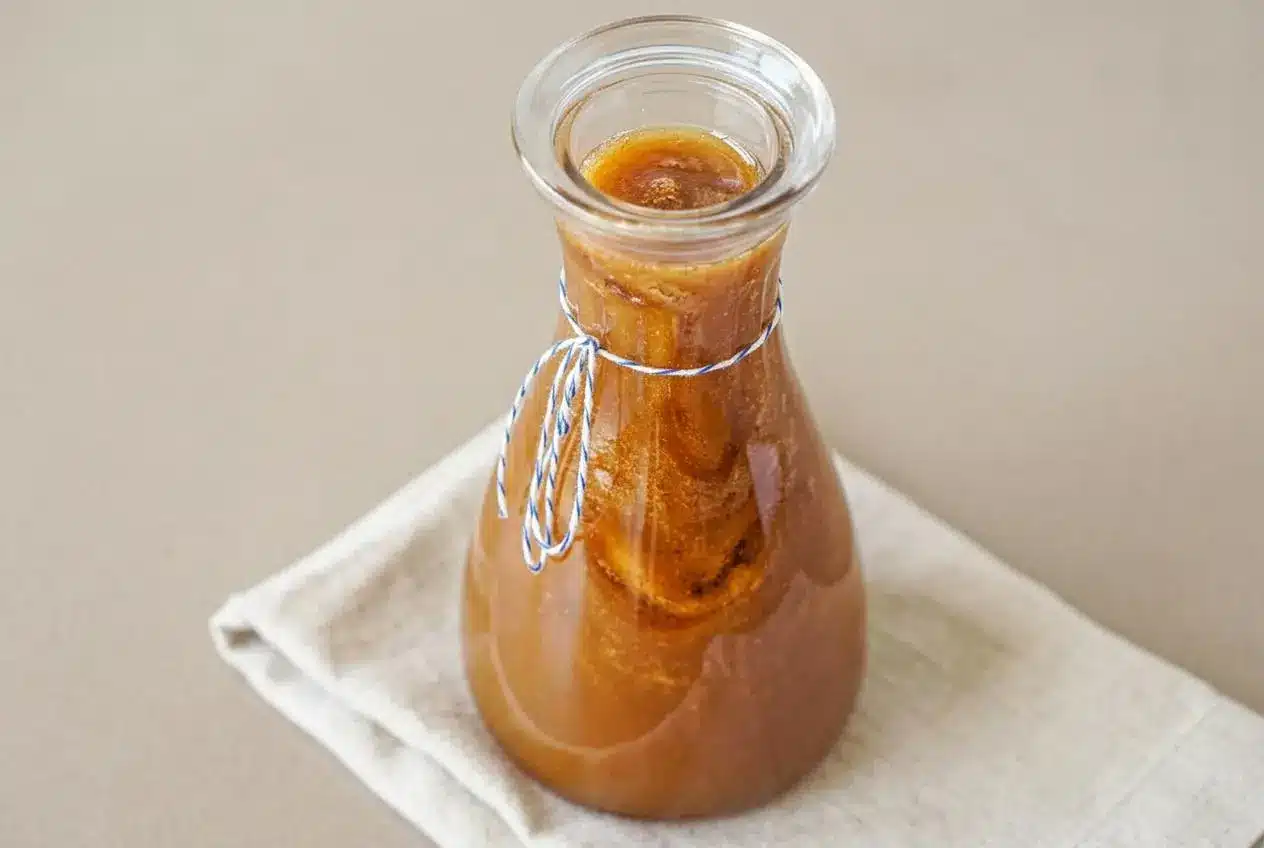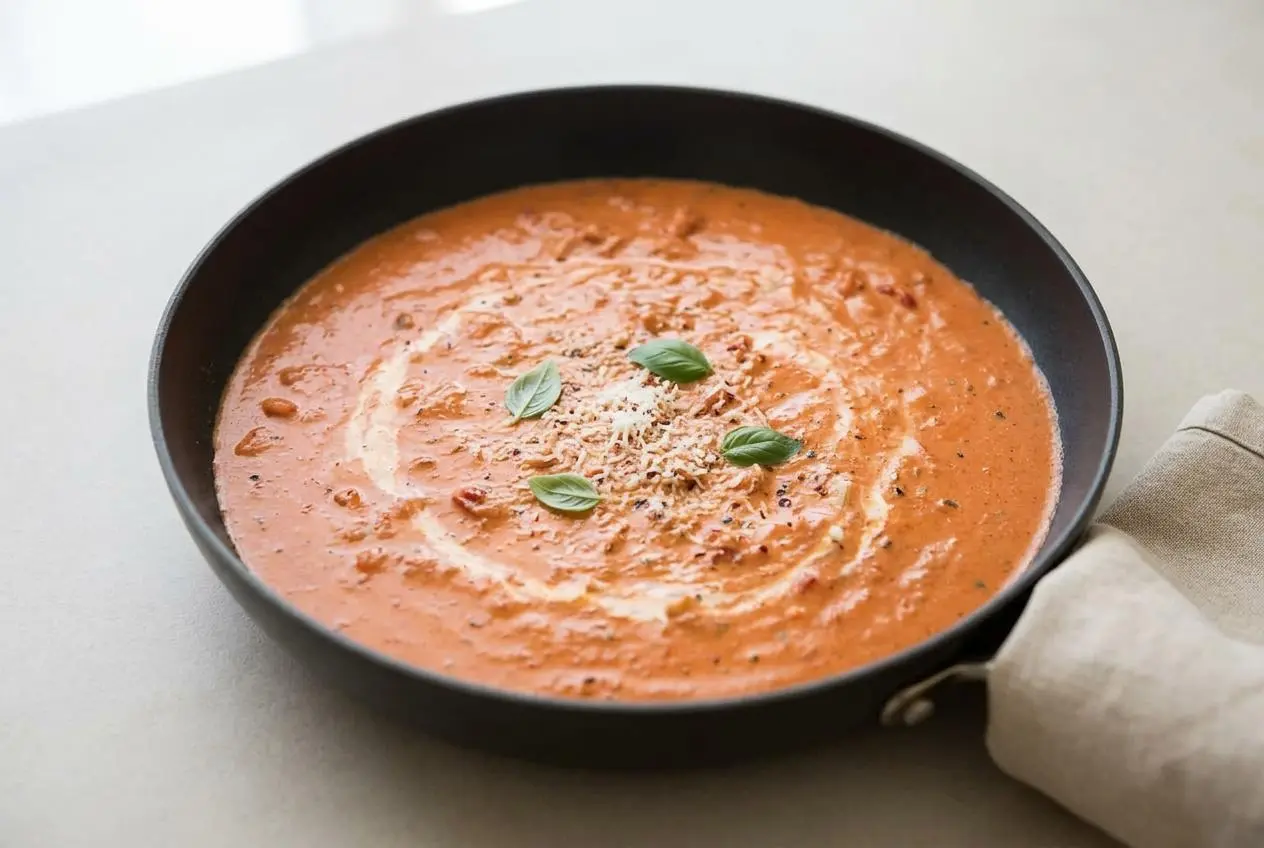
Make roasted cherry tomato sauce by roasting cherry tomatoes at 400F until burst and shriveled, softening onion and garlic in olive oil, then simmering everything with basil and thyme before blending to your preferred texture.
Roasted cherry tomato sauce is what happens when fresh tomatoes get a little heat, a little time, and a lot more flavor. The result is sweet, savory, and deeply tomatoey without needing extra fuss.
The oven does the heavy lifting here, giving you jammy tomatoes, mellow garlic, and a sauce that tastes fuller than a quick stovetop version. The pan juices are the magic part.
Use a rimmed sheet pan or baking dish instead of a flat tray so none of the concentrated tomato juices escape in the oven.
Essential Ingredients and Their Flavor Roles
Each ingredient pulls its weight here, building sweetness, body, aroma, and balance so the finished sauce tastes rounded instead of sharp or watery.
- 2-3 lbs cherry tomatoes, stems removed
- 1/4 cup good-quality olive oil, plus more for roasting
- 1 large yellow onion, diced
- 1 Tbsp fresh garlic, minced
- small handful of fresh basil leaves
- 3-4 sprigs, fresh thyme, stems removed
- kosher salt and freshly-ground black pepper, to taste
Cherry tomatoes bring sweetness and plenty of juice, while onion adds a mellow savory base that makes the sauce taste finished. Good olive oil matters because it carries the garlic flavor through the whole pot and helps the tomatoes roast instead of dry out.
Basil gives the sauce a fresh, soft finish, and thyme holds up especially well in the oven and simmering pot, so it adds depth without disappearing. The skins stay on for a reason: once blended, they help thicken the sauce because they contain natural pectin and lots of roasted flavor.
I like using tomatoes that are fully ripe and even a little soft, because they collapse faster in the oven and usually taste sweeter once roasted.
Choosing Your Tomatoes: Cherry vs Grape
If you are deciding between cherry tomatoes and grape tomatoes, either can work, but they do not cook exactly the same way.
- Cherry tomatoes are rounder, juicier, and usually sweeter. They roast into a looser, saucier finish.
- Grape tomatoes are more oblong and meaty, with thicker skins and less moisture. They tend to give you a thicker, slightly chunkier sauce.
- If you have a mix, use it. A blend can balance sweetness and structure nicely.
When you have extra ripe tomatoes that will not all fit in this batch, savory tomato bruschetta is another smart way to use them while they are still at their peak.
The Role of Healthy Fats and Oil Quality
Olive oil is doing more than coating the pan. It helps the tomato skins blister gently, encourages browning around the edges, and carries the flavor of the garlic and herbs through every spoonful.
A light coating on the tomatoes is enough. Too little oil can leave the skins scorched before the centers soften, while the measured oil in the pot gives the onion and garlic a gentler, more even start.
Step-by-Step Roasted Cherry Tomato Sauce Method
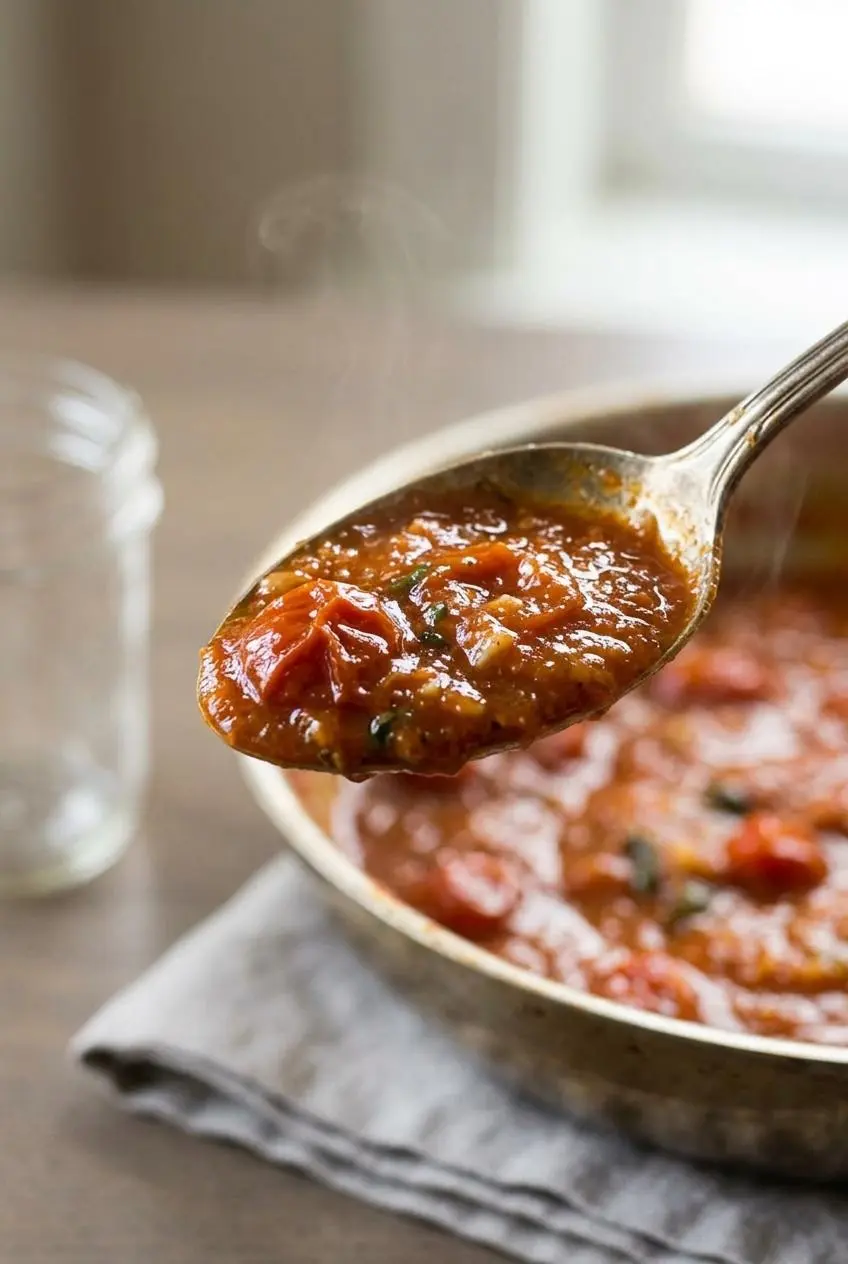
This method works because each stage builds a different layer of flavor: roasting for sweetness, stovetop cooking for savoriness, and simmering for body.
- Heat the oven to 400F.
The oven needs to be fully hot so the tomatoes burst and caramelize instead of slowly steaming. - Toss the tomatoes with enough olive oil to lightly coat them, spread them in an even layer on a rimmed sheet pan or large baking dish, and roast for 25-30 minutes; then loosely tent with foil and set aside.
They are ready when the skins are shriveled, some tops are lightly charred, and the pan is full of glossy juices. - Pour the 1/4 cup olive oil into a heavy-bottomed sauce pot and warm it over medium heat, then add the diced onion and cook for 4-5 minutes, stirring now and then.
The onion should look soft and a little translucent, with no deep browning. - Stir in the minced garlic and cook for another few minutes until it turns golden.
Stop before it goes dark brown, because that is when the flavor can turn bitter fast. - Add the roasted tomatoes with every bit of liquid from the pan, then stir in the basil, thyme, salt, and pepper.
The mixture should look loose and juicy at first, with the roasted drippings coating the onions. - Lower the heat, set the lid on with about a 1-inch gap, and simmer for at least 25 minutes and up to an hour, stirring occasionally.
The sauce will darken slightly, smell sweeter, and reduce into a richer, more cohesive pot. - Take the pot off the heat and let the sauce cool for 10-15 minutes, then blend it to the texture you want with a blender or immersion blender.
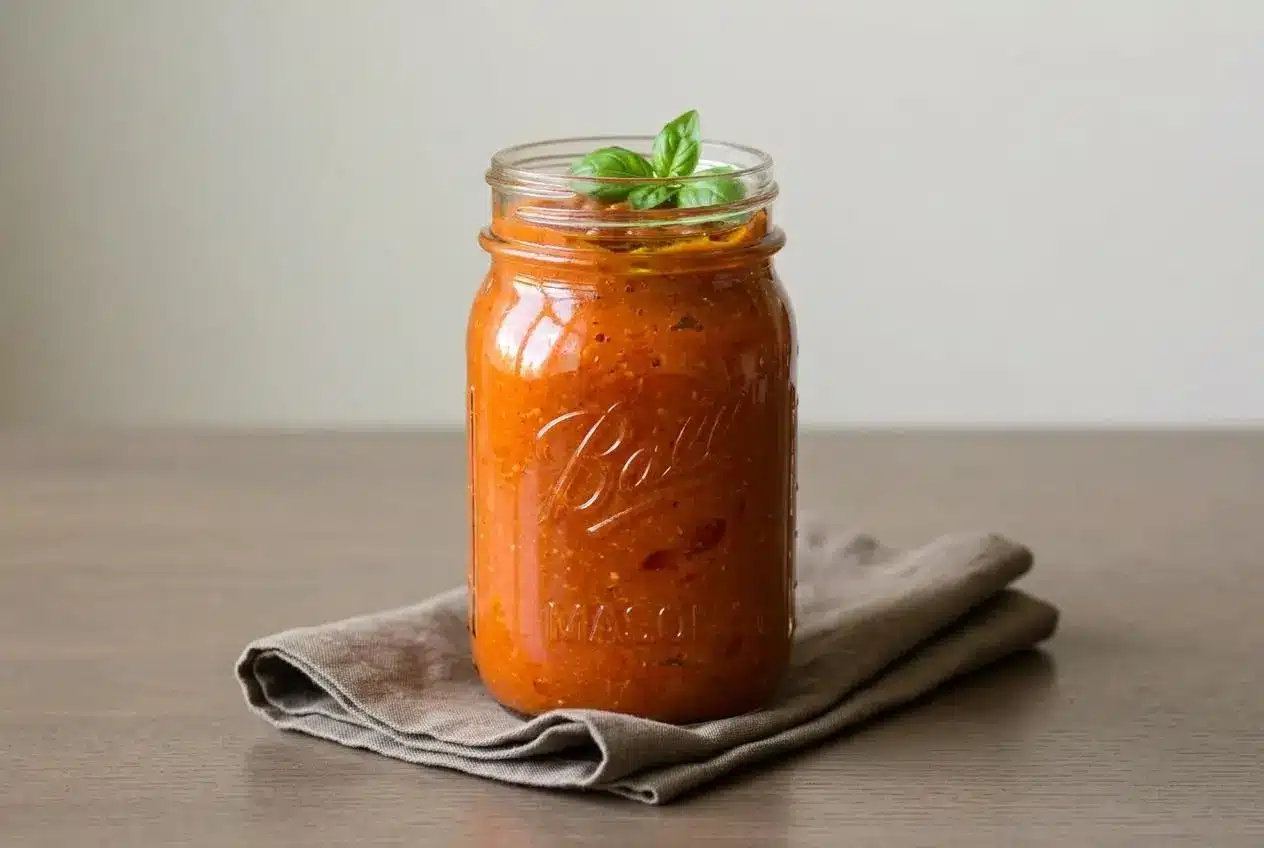
Letting it cool briefly helps reduce splattering, and the aroma of sweet garlic and tomatoes will be strongest right before blending. - Transfer the sauce to pint-size canning jars or other air-tight containers.
The sauce should look glossy and thick enough to coat a spoon.
Do not leave the caramelized pan juices behind. They hold concentrated sweetness, roasted flavor, and some of the natural pectin from the skins, so skipping them makes the sauce flatter and thinner.
If you use an immersion blender, keep the blade head fully submerged and blend in short bursts. Hot sauce can splatter quickly if the blender tip lifts too close to the surface.
This sauce is especially good tossed with tomato basil pasta, where the starch from the noodles helps the sauce cling beautifully.
Simmering for Maximum Richness
The simmer after roasting is what turns a pan of burst tomatoes into an actual sauce. The onions soften further, the herbs infuse the oil, and the tomato juices reduce into something thicker and more unified.
Keep the lid slightly ajar rather than fully closed. A tight lid traps steam, and trapped steam keeps the sauce looser than you want. That small gap lets moisture escape while still preventing the pot from reducing too aggressively.
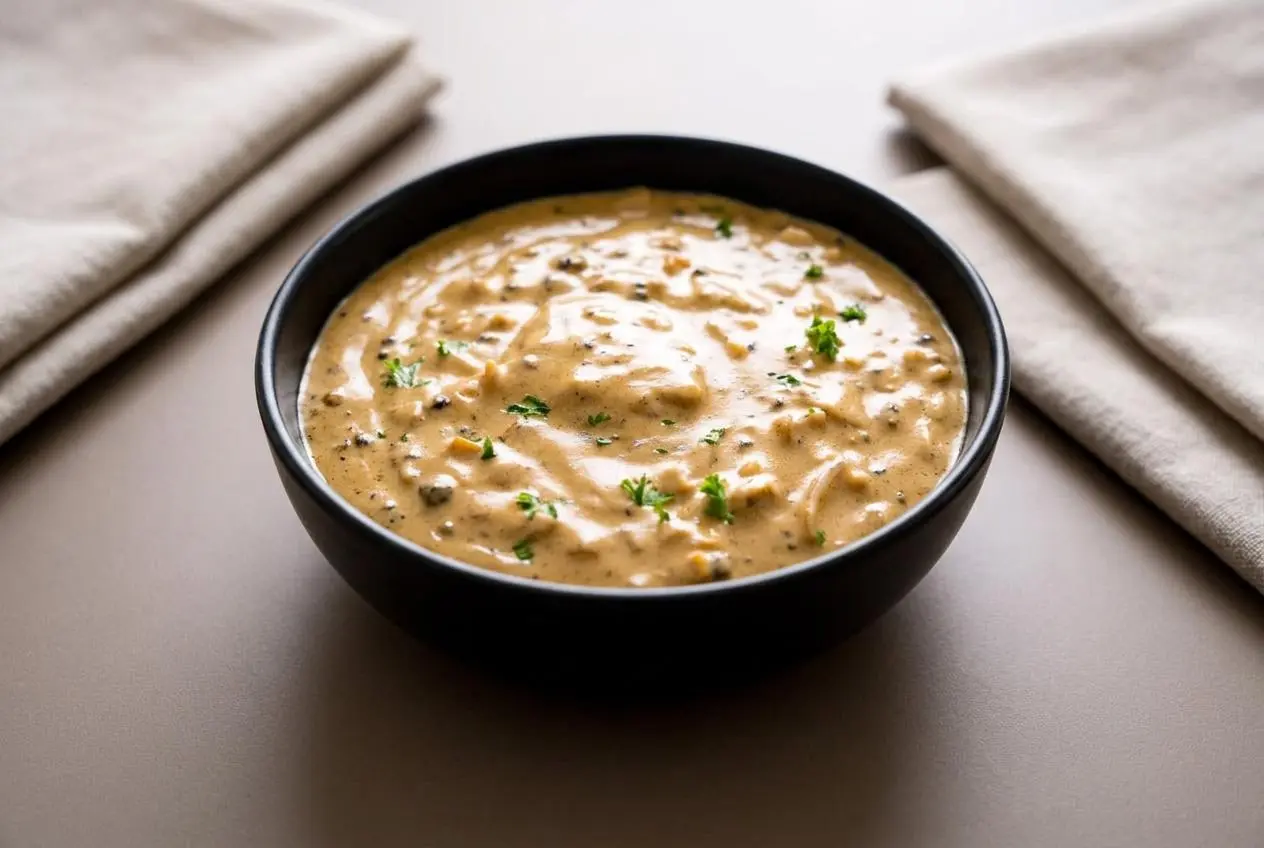
If you want a pasta-style sauce, stop when it lightly coats a spoon. If you want a thicker spread for pizza or crostini, keep simmering until it looks denser and leaves a clearer trail when you drag a spoon through the pot.
Chunky vs Smooth Texture Methods
You have a few good texture options, and each one changes the final feel of the sauce.
- For a silky finish, use a standard blender after the brief cooling period. Blend carefully and do not overfill the jar with hot sauce.
- For easy cleanup, use an immersion blender right in the pot. It gives you good control and avoids moving hot liquid across the kitchen.
- For a rustic texture, mash the sauce with a potato masher instead of fully blending. This keeps more tomato pieces intact and works well with gnocchi or spooning over toast.
If the skins ever seem more noticeable than you like, blend a little longer rather than straining them out. They are part of what gives the sauce body.
Delicious Ways to Customize Your Sauce
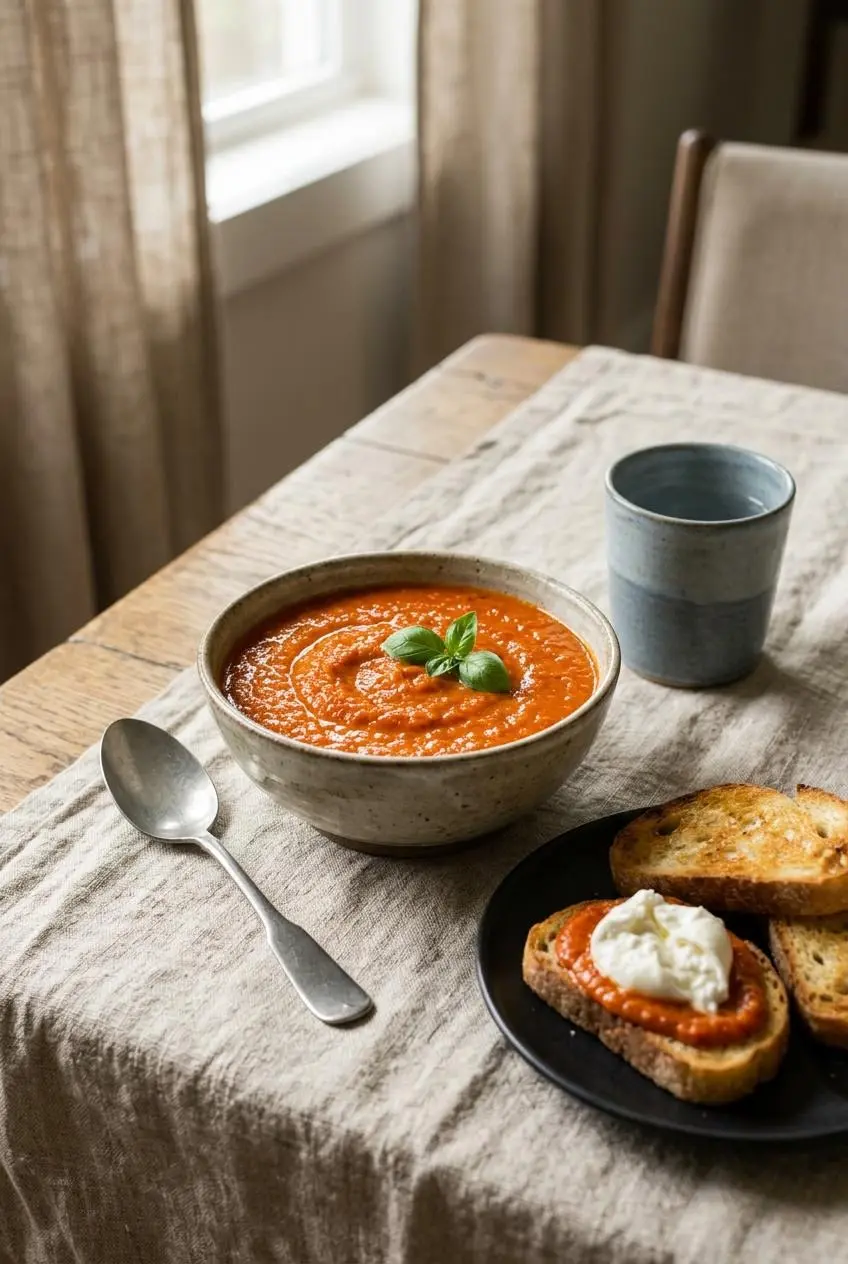
The base sauce is balanced and complete on its own, but it also welcomes a few optional twists when you want a different mood for dinner.
A tiny splash of balsamic vinegar can brighten roasted sweetness, and a pinch of smoked paprika can pull out the darker, almost wood-fired notes from the oven. Add either one lightly at the end so the tomato flavor still leads.
Creamy Rose Tomato Sauce
For a softer, silkier version, stir in a splash of heavy cream, half-and-half, or coconut milk after the sauce finishes simmering and blending. Add it off the heat or over very low heat so the texture stays smooth.
This turns the sauce mellow and velvety, especially if your tomatoes were extra bright or acidic. If you want a fuller pasta idea in that direction, pink sauce pasta is a natural next stop.
Spicy Arrabbiata Style
If you like heat, add crushed red pepper flakes to the tomatoes before roasting or stir them into the pot while the sauce simmers. Roasting them with the tomatoes gives a rounder heat, while adding them later keeps the spice sharper.
You can also add chopped sweet peppers for a gentler pepper flavor without making the sauce hot. Keep these changes optional so the base sauce stays true to the original version.
Mixing Sweet and Acidic Tomato Varieties
A mix of red cherry tomatoes and yellow Sungold-style tomatoes can make the sauce taste more layered and naturally balanced. The sweeter yellow tomatoes soften the sharper edge of very acidic late-season red tomatoes without needing refined sugar.
This is one of the easiest ways to adjust flavor from the start. If your tomatoes are tart, slow roasting and a small splash of balsamic at the end can help round them out.
How to Store and Freeze Roasted Tomato Sauce
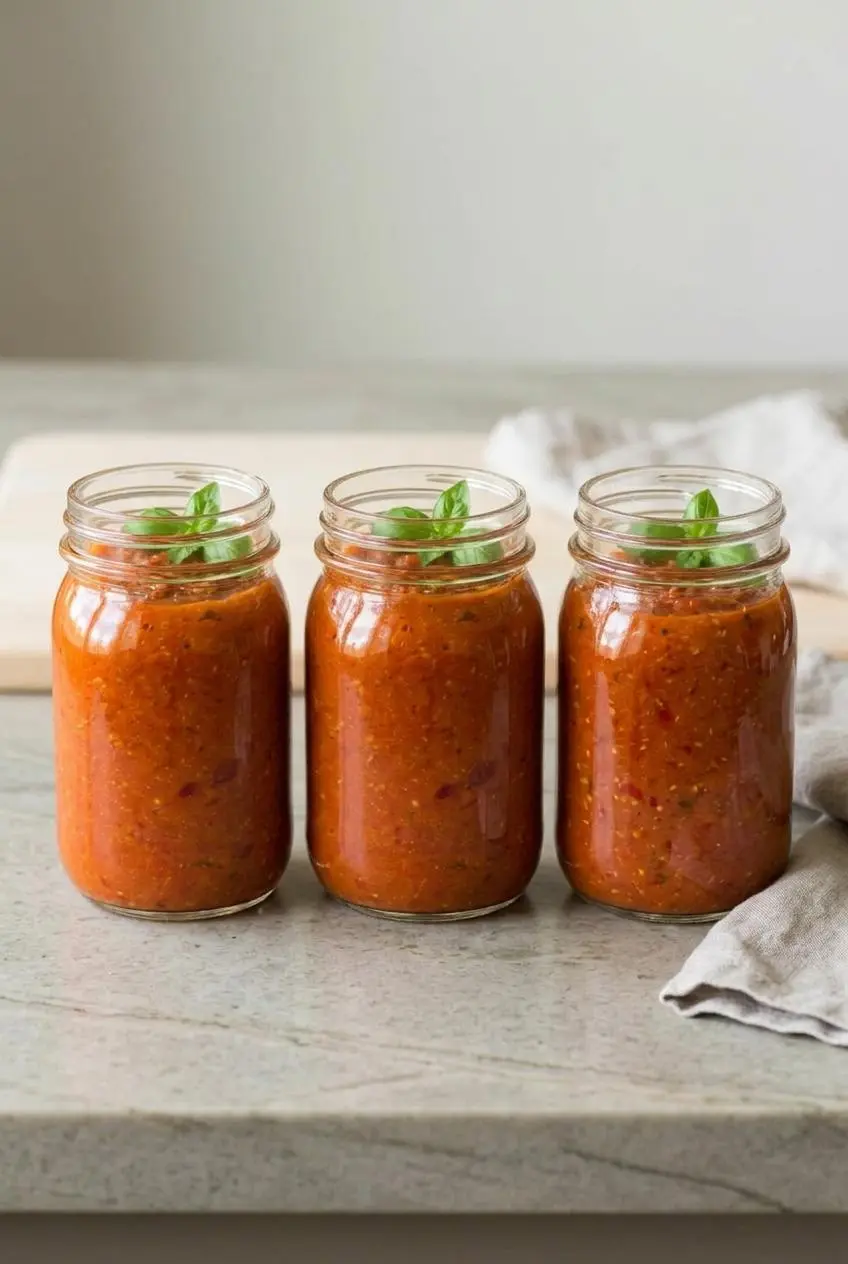
This sauce stores well, but it is best treated as a refrigerator or freezer sauce rather than a shelf-stable pantry project.
Safe Storage and Preservation Methods
Once cooled, spoon the sauce into clean air-tight containers and refrigerate or freeze it. The official method for this recipe gives a refrigerator life of up to a week and a freezer life of 3 months.
This version should not be treated as a home-canning recipe for shelf storage, because roasted mixtures and tomato acidity can vary. If you want to be extra careful from the start, wash the tomatoes under cold running water without soap before cooking, which helps remove dirt and reduce bacteria on produce surfaces when washing fresh fruits and vegetables.
Step-by-Step Jar Freezing Safety Checklist
If you plan to freeze the sauce, cool it fully first so the container does not go from hot to very cold too quickly.
- Use freezer-safe containers, or use wide-mouth jars rather than jars with narrow shoulders.
- Leave space at the top for expansion as the sauce freezes. A generous gap is the safer choice.
- If you want to follow the method exactly as outlined for jar freezing, leave 2 inches of headspace in wide-mouth mason jars.
- Set filled containers upright until fully frozen so the sauce stays below the rim.
- For the most space-saving option, freeze flat in airtight freezer bags after the sauce has cooled.
- When reheating, warm the sauce gently on the stove and stir well to bring the texture back together.
Common Mistakes and Sauce Troubleshooting
Most problems with this sauce come down to moisture, heat, or timing, and they are usually easy to fix.
How to Balance Late-Season Tomato Acidity Naturally
Very ripe summer tomatoes can be sweet, but late-season tomatoes sometimes taste sharper. The easiest fix is more roasting and enough simmering time, which helps concentrate natural sugars and soften that edge.
If the sauce still tastes too bright at the end, add a very small splash of balsamic vinegar. It rounds acidity without making the sauce obviously sweet.
What to Do If Your Sauce Is Too Watery
Watery sauce usually comes from extra-juicy tomatoes, crowded roasting, or not enough reduction after blending.
- If the sauce looks thin right after blending, return it to the stove and simmer it uncovered for about 15 minutes. The extra steam-off is usually enough to tighten it.
- If the tomatoes never really shriveled in the oven, roast them a little longer next time. You want burst skins and lightly concentrated edges.
- If you are using very juicy cherry tomatoes, spread them out well on the sheet pan so they roast instead of steam.
- For pizza, reduce the sauce until it spreads thickly without running. For pasta, keep it a little looser so it coats noodles evenly.
The Skin-On Roasted Garlic Trick
Minced garlic in the pot cooks quickly, which is great for this recipe, but it also means it can turn bitter if you let it get too dark. Pull it once it is golden and fragrant, not mahogany.
If you ever want a gentler garlic flavor in a future batch, roast whole cloves with their skins on alongside the tomatoes, then squeeze out the soft centers and blend them in. The skins protect the garlic from harsh browning and give you a sweeter result.
Conclusion
This sauce gets its depth from the oven first, then the pot. Roasting brings out a jammy sweetness that a quick stovetop tomato sauce rarely reaches on its own.
Keep every drop of the pan juices, give the sauce time to simmer with the lid slightly open, and blend it to the texture you like best. That is the trick that makes it taste full and finished.
Frequently Asked Questions
Can I freeze this roasted tomato sauce safely?
Yes, this sauce can be frozen because freezing is part of the official method. Cool it completely first, then transfer it to airtight containers or wide-mouth jars. If you freeze it in jars, leave headspace at the top so the sauce has room to expand, and follow the recipe’s 3-month freezer timeline.
Do I need to peel the cherry tomatoes?
No. Cherry tomato skins are thin, and roasting softens them well. Once blended, the skins help the sauce feel richer and thicker instead of papery or rough. They also bring roasted flavor, so there is no good reason to peel them here.
What Is the Difference Between Cherry and Grape Tomatoes for This Sauce?
Cherry tomatoes are sweeter and juicier, so the sauce tends to come out looser. Grape tomatoes are meatier and have less moisture, which can give you a thicker, chunkier result. Both work well, and a mix can give you the best balance of flavor and texture.
Why Is My Roasted Tomato Sauce Too Watery and How Do I Fix It?
The usual cause is excess moisture, either from very juicy tomatoes or from not roasting and reducing long enough. Simmer the blended sauce uncovered for about 15 minutes to let more water evaporate. Next time, roast until the skins are clearly shriveled and the tomatoes look lightly concentrated on top.
Roasted Cherry Tomato Sauce

Equipment
- Lodge dutch oven
- Immersion Blender
- pint-size canning jars
Ingredients
- 2-3 lbs cherry tomatoes, stems removed
- 1/4 cup good-quality olive oil, plus more for roasting
- 1 large yellow onion, diced
- 1 Tbsp fresh garlic, minced
- small handful of fresh basil leaves
- 3-4 sprigs fresh thyme, stems removed
- kosher salt and freshly-ground black pepper, to taste
Instructions
- Preheat the oven to 400F.
- Toss the tomatoes with just enough olive oil to lightly coat, then spread out in an even layer onto a rimmed sheet pan or large baking dish. Roast for 25-30 minutes, until the tomatoes have burst and are just beginning to shrivel. Remove from the oven, tent loosely with aluminum foil, and set aside.
- Meanwhile, add the 1/4 cup of olive oil to a heavy-bottomed sauce pot. Heat over medium-heat until the oil begins to shimmer. Add the onions and cook, stirring occasionally, until they begin to sweat and soften, about 4-5 minutes.
- Add the garlic, stir to combine, and continue cooking for another few minutes until the garlic is golden.
- Add the roasted tomatoes (including all of the cooking liquid in the pan), and the herbs, and stir to combine. Season with salt and pepper, to taste.
- Turn the heat down to low, partially cover the pot with the lid (leaving about a 1-inch gap), and let simmer for at least 25 minutes – and up to an hour – stirring infrequently as the sauce cooks.
- Remove the pot from the heat, and let cool for 10-15 minutes. (Carefully!) Transfer the sauce to a blender (or use an immersion blender), and blend until the sauce reaches your desired consistency.
- Pour the sauce into pint-size canning jars or other air-tight containers.
- Will keep for up to a week in the refrigerator, or 3 months in the freezer. Enjoy!!