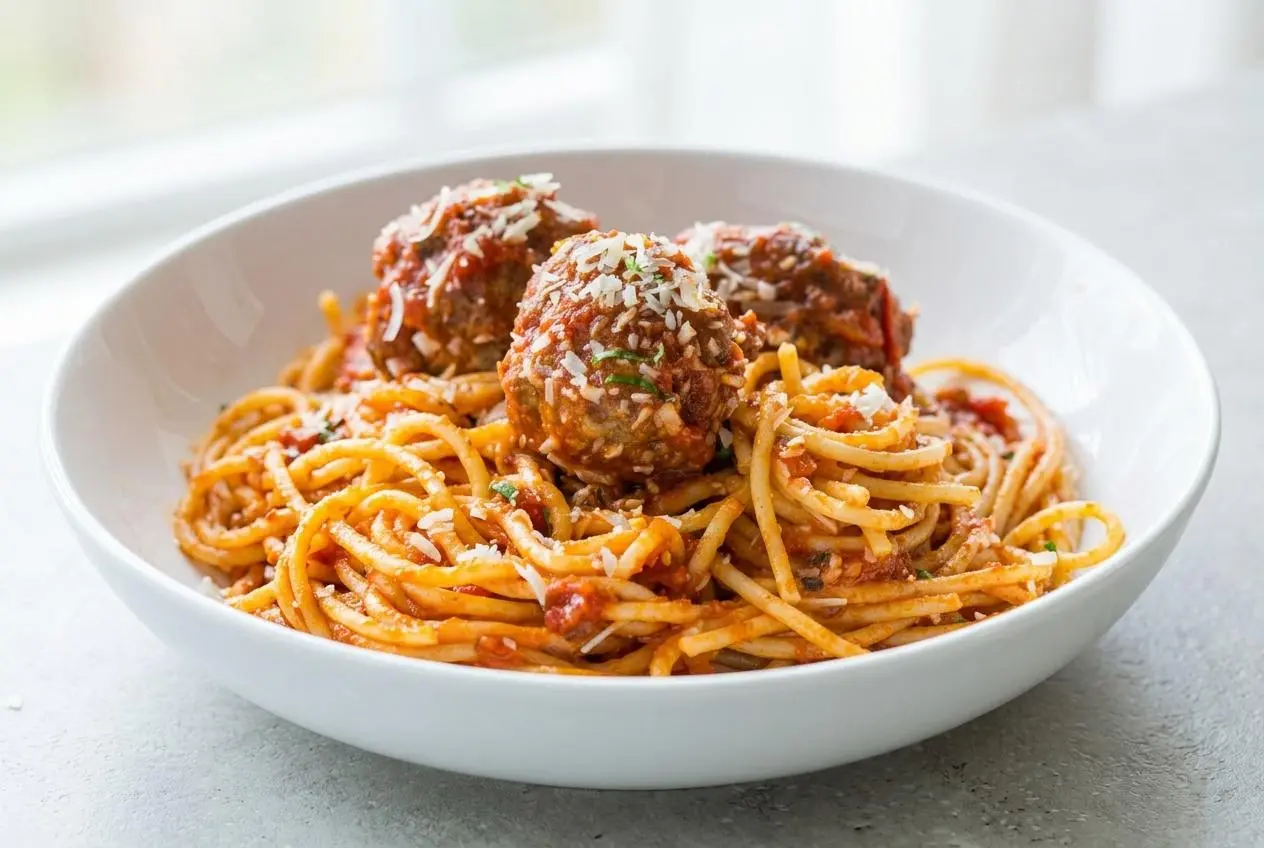
This classic Spaghetti and Meatballs Recipe gives you tender meatballs, a rich tomato sauce, and a full comfort-food dinner that feels special but cooks in a very manageable way.
Homemade spaghetti and meatballs is one of those meals that smells good long before dinner hits the table. This version keeps the sauce hearty, the meatballs juicy, and the method straightforward.
You get a true from-scratch result with helpful options if you want less mess or a faster path. The panade and gentle mixing make all the difference.
Have your pasta pot ready before the sauce finishes so the spaghetti can go straight from drained to sauced while everything is hot.
Why This Is the Best Spaghetti and Meatballs Recipe
This recipe works because every part supports the final texture and flavor. The meatballs are built for tenderness, then browned for deep savory flavor before they finish cooking in the sauce.
The marinara is made in the same pan, so all those browned bits go right into the tomatoes. As it simmers, the sauce thickens, darkens slightly, and picks up that rich, slow-cooked flavor without making the process complicated.
It’s a reliable classic for a family dinner, a casual Sunday meal, or a big platter in the middle of the table when everyone is hungry.
Ingredients
Each ingredient has a job here, from keeping the meatballs moist and tender to building a sauce with balance, aroma, and deep tomato flavor.
Ingredients for Meatballs (makes 22-23 meatballs)
- 3 slices white bread, (crusts removed), diced or torn to pieces
- 2/3 cup cold water
- 1 lb lean ground beef, (7%-15% fat)
- 1 lb Sweet Ground Italian sausage, casings removed
- 1/4 cup grated parmesan cheese, plus more to serve
- 4 cloves garlic, minced
- 1 tsp sea salt
- 1/2 tsp black pepper
- 1 large egg
- 3/4 cup all-purpose flour, to dredge meatballs
- 3 Tbsp Light olive oil to saute, or use vegetable oil
Ingredients for Sauce
- 1 medium yellow onion, (1 cup chopped)
- 4 cloves garlic, minced
- 56 oz crushed tomatoes, (from 2 – 28 oz cans)
- 2 bay leaves, optional
- Salt & pepper, to taste
- 2 Tbsp basil, finely minced, plus more to garnish
Other Ingredients
- 1 lb spaghetti
The beef brings classic meaty flavor, while the Italian sausage adds fat and seasoning so the meatballs stay juicy. The soaked bread acts as a panade, which keeps the texture soft instead of dense. Parmesan adds savoriness, egg helps bind, and crushed tomatoes give the sauce body and brightness.
I like to use a sweet Italian sausage to balance the richness of the beef, but hot Italian sausage works great if you like a little heat.
How to Make Spaghetti and Meatballs
Prepare the Meatball Mixture
- Combine the bread pieces and 2/3 cup cold water in a bowl, let them sit for 5 minutes, then mash the mixture with a fork.
The bread should look fully softened and pasty, which is what helps the meatballs stay tender. - Add the ground beef, sausage, parmesan, 4 cloves garlic, sea salt, black pepper, egg, and mashed bread to a large bowl or the bowl of a stand mixer fitted with the paddle, then mix just until combined.
Stop as soon as the mixture looks evenly blended so the meatballs stay light instead of tight and dense.
Form and Brown the Meatballs
- Shape the meat mixture into 1 1/2-inch meatballs, about the size of a flat ice cream scoop, then roll them in flour and shake off the extra.
Keeping them close in size helps them brown evenly and finish cooking at the same pace. - Heat a deep large heavy skillet or Dutch oven over medium heat with about 3 Tbsp oil, then brown the meatballs in 2 batches for about 6 minutes total, turning every 2 minutes to color all sides.
When the pan is ready, the meatballs should sizzle right away and smell deeply savory as a golden crust forms. - Transfer the browned meatballs to a plate and leave the pan on the stove.
They do not need to be cooked through yet because they will finish gently in the sauce.
Make the Marinara Sauce
- Add a little more oil to the same skillet if needed, then cook the chopped onion over medium heat for 5 minutes, stirring often, until soft and golden.
The onions should move from sharp and pale to sweet-smelling and lightly golden, which sets up a fuller sauce. - Stir in the remaining 4 cloves garlic and cook for 1 to 2 minutes.
Take the next step when the garlic smells fragrant and the onion looks glossy, not browned. - Add the crushed tomatoes and bay leaves, then bring the sauce to a light boil while stirring.
Look for steady bubbling across the surface rather than a few lazy bubbles around the edges.
Simmer and Finish
- Return the meatballs to the sauce, partially cover, and keep the pan at a gentle simmer for 30 minutes, turning the meatballs occasionally.
By the end, the sauce will be a little thicker and darker, and the meatballs should feel tender all the way through. - Stir in the basil a few minutes before the sauce is done, then season with salt and pepper to taste while the spaghetti cooks in salted water according to the package directions until al dente.
The basil should smell fresh and bright, and the pasta should still have a little bite so it holds the sauce well. - Drain the spaghetti and return it to the empty pot, then add the sauce and meatballs and toss gently to combine before serving hot with more parmesan and basil if desired.
If the mixture feels thicker than you like, loosen it with a splash of reserved pasta water until it coats the spaghetti evenly.
For the safest result with ground meat, cook the meatballs through rather than serving them pink in the center. A thermometer is helpful if you want a more precise check.
Secrets to Incredibly Tender and Juicy Meatballs
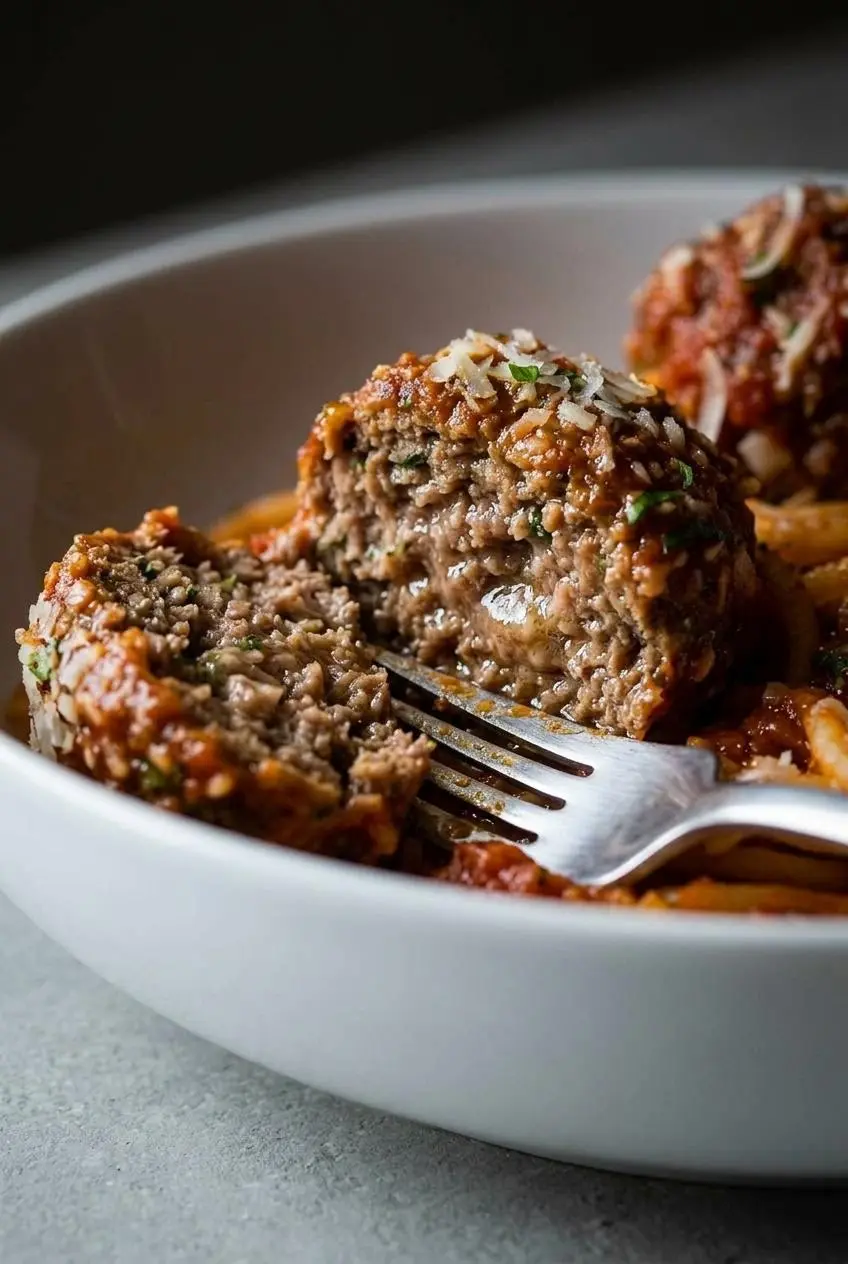
If your goal is tender meatballs instead of heavy ones, these are the details that matter most.
The best meat blend includes some fat. Beef gives you hearty flavor, but beef alone can turn dry if it is too lean. Italian sausage, ground pork, or a meatloaf mix with beef, pork, and veal adds richness and a softer bite. That extra fat helps the meat stay moist as it cooks.
The panade is the real game changer. When bread soaks up water and gets mashed into the mixture, it holds moisture inside the meatballs and keeps the proteins from tightening up too aggressively. Skipping it is one of the fastest routes to dry meatballs.
Mixing matters more than people think. Once the meat, egg, cheese, garlic, and panade are evenly combined, stop. Overmixing compresses the mixture and gives you a firmer, springier texture than you want here.
Size matters too. Meatballs around 1 1/2 inches cook evenly, brown well, and stay tender in the center without drying out on the outside. Using a scoop keeps them consistent, which makes dinner easier and a lot less guessy.
If you enjoy comparing different ways to build a soft meatball texture, Chicken Ricotta Meatballs show how another moisture-rich ingredient can create a similarly tender result with a leaner meat.
How to Cook the Meatballs: Pan-Frying vs. Baking
Browning the meatballs before they simmer in sauce gives them better flavor and helps them hold together. You have two solid options here, and the better choice depends on whether you want the deepest crust or the easiest cleanup.
The Pan-Fried Method (Best Crust)
Pan-frying gives you the darkest, most flavorful exterior. Roll the meatballs in flour, add them to hot oil over medium heat, and brown them in batches so the pan stays hot. If the pan is crowded, the meatballs steam instead of sear, and you lose that crust.
This method takes a little more attention, but the payoff is excellent. You get a savory outer layer that adds flavor to both the meatballs and the sauce once everything simmers together.
The Baked Method (Easiest Cleanup)
If you want a cleaner, more hands-off option, bake the formed meatballs on a baking sheet at 400°F for about 15 to 20 minutes, until browned, then transfer them to the simmering sauce. You still get good color, and you avoid standing at the stove turning batch after batch.
Baked meatballs are especially useful on busy nights or when you’re cooking for a crowd. After they brown, finish them in the sauce just like the pan-fried version so they stay tender and pick up more flavor.
Pan-Frying vs. Baking: A Quick Comparison
Both methods work well, so it really comes down to what kind of cooking night you’re having.
| Method | Crust Development | Flavor | Cleanup | Active Time |
|---|---|---|---|---|
| Pan-frying | Deep golden crust | Most savory and browned | More splatter and pan cleanup | Higher |
| Baking | Good browning with a lighter crust | Still rich, a little less seared | Easier and less messy | Lower |
Ingredient Spotlight and Substitutions
This recipe is strongest as written, but a few optional swaps can help if you need to save time or adapt for a different diet.
For a Quicker Sauce
You can use a high-quality store-bought marinara instead of making the sauce from scratch. Choose one with a balanced tomato flavor and a smooth texture, then simmer the browned meatballs in it for 10 to 15 minutes so the flavors come together and the sauce tastes more integrated.
Making Gluten-Free Meatballs
For a gluten-free version, swap in gluten-free bread or certified gluten-free breadcrumbs for the panade and use a gluten-free all-purpose flour blend for dredging. The method stays the same, but handle the mixture gently so the meatballs keep their shape.
A Secret Flavor Booster for the Sauce
If you want a deeper savory note, add a Parmesan rind to the sauce while it simmers. It melts flavor into the tomatoes without making the sauce taste cheesy, and you can remove it before serving.
Serving Suggestions
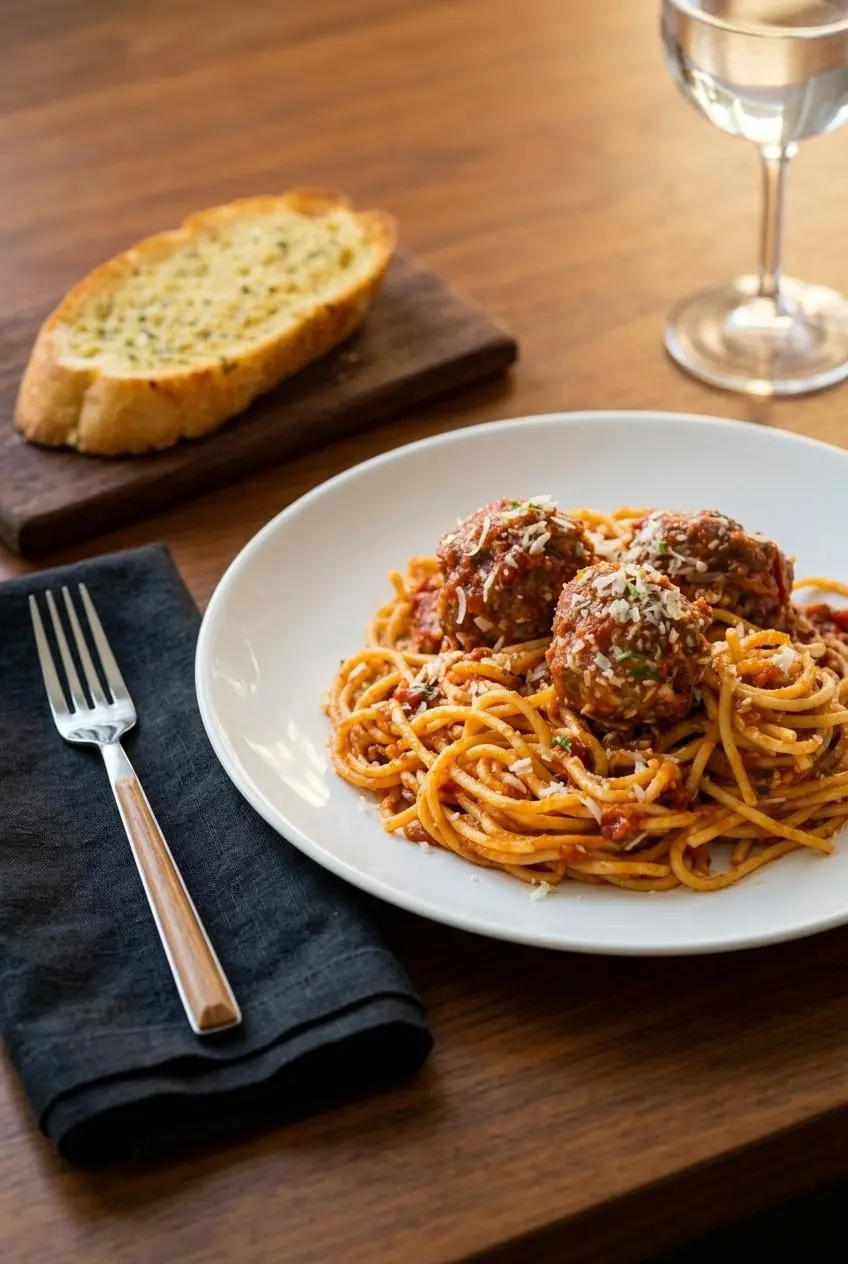
Serve this meal hot and generous. It’s made for the center of the table.
- Garlic bread for soaking up extra sauce
- A simple Caesar or green salad with a light vinaigrette
- Roasted broccoli or green beans
- Extra grated parmesan cheese and fresh basil on top
Storage, Reheating, and Make-Ahead Instructions
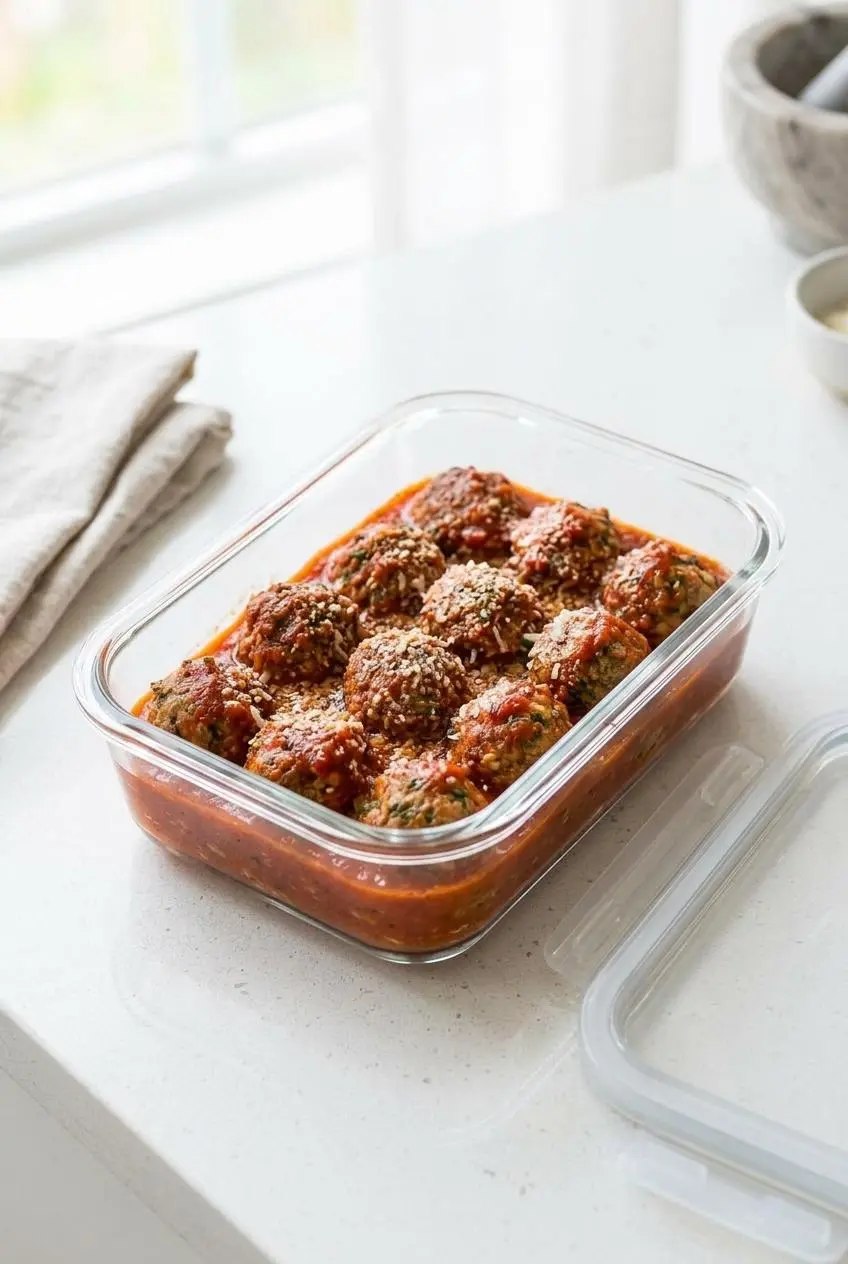
For the best texture, store the spaghetti separately from the sauce and meatballs when possible. Pasta continues to absorb sauce as it sits, so keeping the components apart helps everything reheat more cleanly.
Let leftovers cool, then transfer them to airtight containers and refrigerate promptly. If you want to refresh leftovers in a new way, Baked Spaghetti Casserole is a smart next-day idea.
Reheat the sauce and meatballs gently on the stovetop over medium-low heat, stirring now and then so the sauce warms evenly without scorching. Warm the pasta separately if you can, then combine just before serving to avoid mushy spaghetti.
You can also make the meatballs and sauce ahead, chill them, and cook fresh pasta when you’re ready to serve. That works especially well for a dinner party because the main flavor work is already done.
For safer leftovers, refrigerate them within 2 hours of cooking, and keep in mind that ground meats should be fully cooked through; safe handling for leftovers and ground meats covers both points clearly.
Troubleshooting: Common Spaghetti and Meatball Problems Solved
If something goes off track, the fix is usually straightforward. Most meatball problems come down to moisture, mixing, or heat.
| Problem | Likely Cause | Fix |
|---|---|---|
| Meatballs are tough and dry | Meat was too lean, the panade was skipped, or the mixture was overmixed | Use a blend with some fat, keep the soaked bread, and mix only until combined |
| Meatballs fell apart in the sauce | The mixture was too wet or the meatballs were not browned first | Make sure the bread is mashed, not soupy, and brown the outside before simmering |
| Sauce is bland or too acidic | It needs more seasoning or more simmering time | Add salt and pepper to taste, simmer longer, and use a pinch of sugar if needed to soften acidity |
| Sauce is too thin | It has not reduced enough | Simmer uncovered until it thickens to a richer, more spoon-coating texture |
Problem: My meatballs are tough and dry.
This usually comes from one of three things: meat that is too lean, no panade, or too much mixing. The fix is simple. Keep the soaked bread in the mixture, use sausage or another meat with a little fat, and stop mixing once everything is combined.
Problem: My meatballs fell apart in the sauce.
That often means the mixture was overly wet or the meatballs went straight into the sauce without browning. The egg and panade help bind them, but the browned crust is what gives them structure in the pan and in the sauce.
Problem: My sauce is bland or too acidic.
Tomato sauce needs enough salt to taste rounded, and it often improves with a little more simmering. If the tomatoes taste too sharp, a small pinch of sugar can balance them without making the sauce sweet.
Conclusion
This is the kind of dinner that earns its place in a regular rotation. You get tender meatballs, a rich homemade sauce, and a platter of spaghetti that feels comforting in the best way.
Keep the panade, don’t overmix, and let the sauce do its slow simmering work. That’s the whole path to better meatballs.
Frequently Asked Questions (FAQ)
What Is the Best Combination of Meat for Meatballs?
A mix works best for both flavor and texture. Ground beef with Italian sausage is a great balance of hearty flavor and moisture. A meatloaf mix of beef, pork, and veal also makes very tender meatballs.
How Do You Keep Meatballs From Falling Apart in the Sauce?
Use the binder ingredients in the recipe, especially the egg and soaked bread. Do not make the mixture too wet. Brown the meatballs first so they develop a crust before simmering in the sauce.
How Long Should You Simmer Meatballs in Sauce?
For this recipe, simmer them for 30 minutes. That gives the meatballs time to finish cooking gently. It also helps the sauce and meatballs taste like one dish instead of two separate parts.
Can I Prepare the Meatballs Ahead of Time?
Yes, you can shape the meatballs ahead and keep them chilled until you’re ready to cook. You can also cook the meatballs in the sauce ahead, then reheat gently while the pasta cooks fresh. That make-ahead approach works especially well when serving a group.
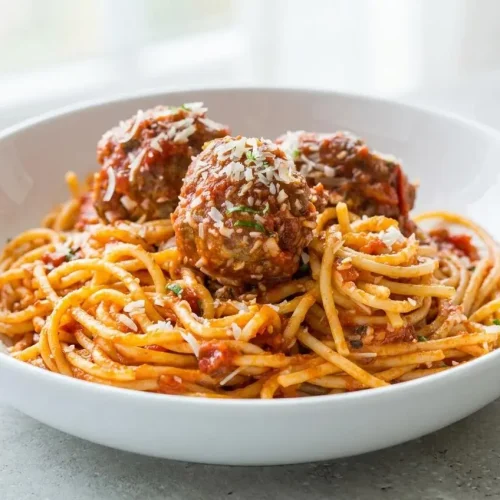
Spaghetti and Meatballs Recipe

Equipment
- deep, large, heavy skillet or a Dutch oven
- Stand mixer with paddle attachment
- Ice cream scoop
Ingredients
Ingredients for Meatballs (makes 22-23 meatballs)
- 3 slices white bread, (crusts removed), diced or torn to pieces
- 2/3 cup cold water
- 1 lb lean ground beef (7%-15% fat)
- 1 lb Sweet Ground Italian sausage, casings removed
- 1/4 cup grated parmesan cheese plus more to serve
- 4 cloves garlic, minced
- 1 tsp sea salt
- 1/2 tsp black pepper
- 1 large egg
- 3/4 cup all-purpose flour to dredge meatballs
- 3 Tbsp Light olive oil to saute or use vegetable oil
Ingredients for Sauce
- 1 medium yellow onion (1 cup chopped)
- 4 cloves garlic, minced
- 56 oz crushed tomatoes (from 2 – 28 oz cans)
- 2 bay leaves optional
- Salt & pepper to taste
- 2 Tbsp basil, finely minced plus more to garnish
Other Ingredients
- 1 lb spaghetti
Instructions
Prepare the Meatball Mixture
- Combine the bread pieces and 2/3 cup cold water in a bowl, let them sit for 5 minutes, then mash the mixture with a fork. The bread should look fully softened and pasty, which is what helps the meatballs stay tender.
- Add the ground beef, sausage, parmesan, 4 cloves garlic, sea salt, black pepper, egg, and mashed bread to a large bowl or the bowl of a stand mixer fitted with the paddle, then mix just until combined. Stop as soon as the mixture looks evenly blended so the meatballs stay light instead of tight and dense.
Form and Brown the Meatballs
- Shape the meat mixture into 1 1/2-inch meatballs, about the size of a flat ice cream scoop, then roll them in flour and shake off the extra. Keeping them close in size helps them brown evenly and finish cooking at the same pace.
- Heat a deep large heavy skillet or Dutch oven over medium heat with about 3 Tbsp oil, then brown the meatballs in 2 batches for about 6 minutes total, turning every 2 minutes to color all sides. When the pan is ready, the meatballs should sizzle right away and smell deeply savory as a golden crust forms.
- Transfer the browned meatballs to a plate and leave the pan on the stove. They do not need to be cooked through yet because they will finish gently in the sauce.
Make the Marinara Sauce
- Add a little more oil to the same skillet if needed, then cook the chopped onion over medium heat for 5 minutes, stirring often, until soft and golden. The onions should move from sharp and pale to sweet-smelling and lightly golden, which sets up a fuller sauce.
- Stir in the remaining 4 cloves garlic and cook for 1 to 2 minutes. Take the next step when the garlic smells fragrant and the onion looks glossy, not browned.
- Add the crushed tomatoes and bay leaves, then bring the sauce to a light boil while stirring. Look for steady bubbling across the surface rather than a few lazy bubbles around the edges.
Simmer and Finish
- Return the meatballs to the sauce, partially cover, and keep the pan at a gentle simmer for 30 minutes, turning the meatballs occasionally. By the end, the sauce will be a little thicker and darker, and the meatballs should feel tender all the way through.
- Stir in the basil a few minutes before the sauce is done, then season with salt and pepper to taste while the spaghetti cooks in salted water according to the package directions until al dente. The basil should smell fresh and bright, and the pasta should still have a little bite so it holds the sauce well.
- Drain the spaghetti and return it to the empty pot, then add the sauce and meatballs and toss gently to combine before serving hot with more parmesan and basil if desired. If the mixture feels thicker than you like, loosen it with a splash of reserved pasta water until it coats the spaghetti evenly.