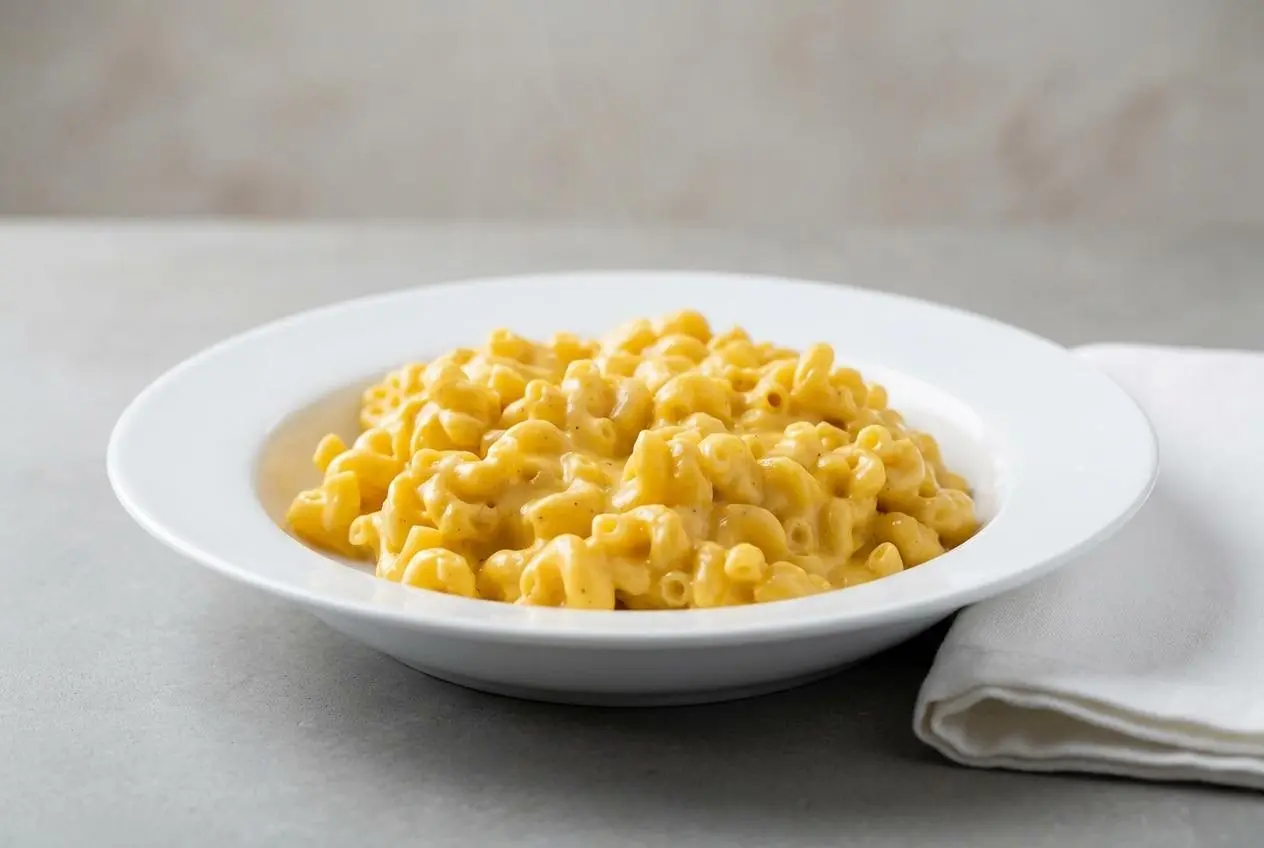
Stovetop macaroni and cheese is a fast, classic way to make a rich, creamy cheese sauce from butter, flour, milk, cream, and freshly shredded cheddar in about 25 minutes.
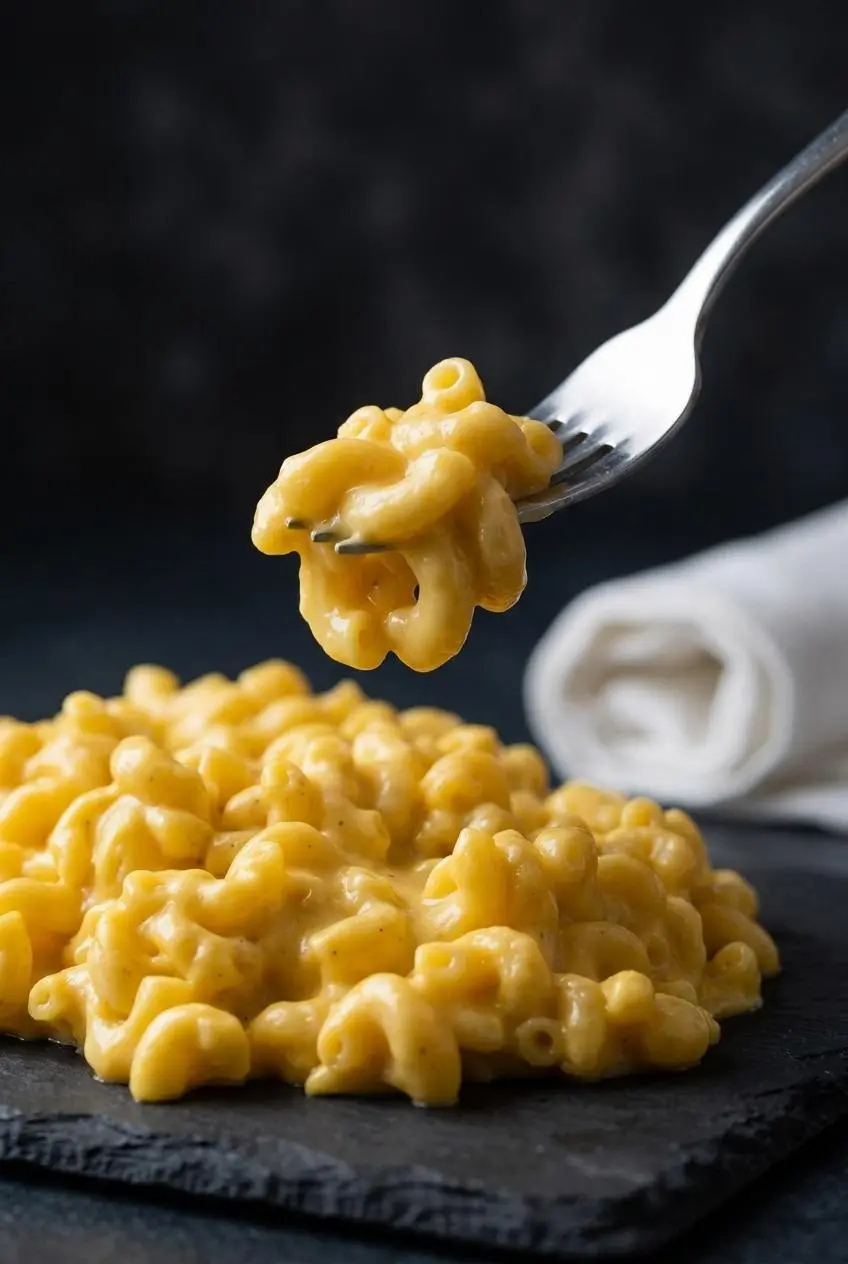
Stovetop Macaroni and Cheese is the kind of comfort food that feels homemade in the best way, with a velvety sauce that clings to every noodle instead of pooling at the bottom of the bowl.
This version keeps the method classic and clear, so you get the creamy result you want without a grainy sauce or gluey pasta. The little details matter here.
Shred the cheese before you start the sauce so you can add it while everything is still silky and warm.
Why This Recipe Is the Best
This recipe leans on a classic roux based method because it gives you control. You build the sauce step by step, which means better texture, better flavor, and fewer surprises.
The mix of milk and heavy cream keeps the sauce rich without making it feel heavy. Mustard powder, onion powder, and hot sauce quietly sharpen the cheese flavor, but the finished dish still tastes like mac and cheese, not mustard or spice.
It also explains the why behind the key moves, from cooking the flour long enough to taking the pot off the heat before the cheese goes in. That makes a big difference when you want smooth, glossy sauce instead of a grainy mess.
Key Ingredients for the Creamiest Mac and Cheese
Each ingredient has a job here, from building body in the sauce to boosting richness, flavor, and that glossy finish that makes every bite feel just right.
- 2 cups macaroni, uncooked (equal to 1/2 lb.)
- 2 tablespoons butter
- 2 tablespoons flour
- ½ cup heavy cream
- 1 cup milk
- ½ teaspoon mustard powder
- ¼ teaspoon onion powder
- ¼ teaspoon each: salt/pepper
- ½ teaspoon hot sauce
- 1 ½ cups cheddar cheese, shredded
- ½ chicken bouillon cube, optional
The cheese matters most. Freshly shredded cheese from a block melts much more smoothly than bagged shredded cheese, which is usually coated with anti caking starches that can leave the sauce grainy or a little clumpy.
Pasta shape matters too. Elbow macaroni is classic, but shapes with curves, ridges, or little pockets hold sauce especially well. Shells are great for this, which is exactly why creamy shells and cheese feels so satisfying too.
The dairy does two different jobs. Milk keeps the sauce fluid enough to coat the pasta, while heavy cream adds richness and helps the texture stay silky. Using both gives you a better balance than all milk or all cream.
Butter and flour create the roux, which is the base that thickens the cheese sauce and helps it stay unified instead of oily. Once the roux cooks for a minute or two, the raw flour taste fades and the aroma turns lightly nutty.
Mustard powder, onion powder, hot sauce, and the optional chicken bouillon cube deepen the flavor without taking over. The hot sauce will not make the dish taste spicy. It just brightens the cheese.
I always shred the cheddar while the pasta water heats so the cheese is ready to melt the moment the sauce comes off the burner.
How to Make Stovetop Macaroni and Cheese
This method goes quickly, so it helps to know what each stage should look like before you start. The goal is a smooth béchamel style base that turns into creamy cheese sauce as soon as the cheddar melts in.
- Bring a large pot of salted water to a boil, add the macaroni, and cook it according to the package directions until just tender, then drain.
The pasta should be cooked through but not mushy, since it will soften a little more once it meets the hot sauce. - Melt the butter in a large pot over medium heat, stir in the flour with a silicone spatula, and cook the mixture for 1 to 2 minutes.
The roux will look smooth and smell lightly nutty instead of raw, which means it is ready for the dairy. - Pour in the heavy cream and milk in small splashes while stirring constantly until the mixture is smooth.
Go slowly here, because patient additions help the sauce stay lump free and keep the roux from thinning out too much. - Bring the sauce to a boil, lower it to a simmer, and stir in the mustard powder, onion powder, salt, pepper, hot sauce, and ½ chicken bouillon cube, optional.
The sauce should thicken enough to coat the back of a spoon but still look slightly looser than you expect. - Turn the heat to low, sprinkle in the shredded cheddar a little at a time, and stir until the sauce is fully smooth.
Keeping the heat low at this stage helps the cheese melt gently so the sauce stays glossy instead of grainy. - Add the drained macaroni to the pot and stir until every piece is coated, then serve right away.
The finished mac and cheese should look creamy and velvety, with sauce that clings to the pasta rather than sitting separately in the pot.
If you want a faster option on another night, some home cooks prefer a one pot method where the pasta cooks in the liquid and the cheese is stirred in at the end. It saves dishes, but the classic roux method here gives you the most reliable control over thickness and smoothness.
Warm milk helps the sauce come together more easily, and it is worth the tiny bit of planning. Cold milk can make the roux tighten up fast and turn lumpy before it smooths back out.
Tips for Perfect, Never-Grainy Mac and Cheese
If homemade mac and cheese has ever turned gritty, oily, or oddly tight, the fix is usually in the technique. These tips prevent the most common problems before they start.
- Shred cheese from a block. This is the biggest texture upgrade you can make.
- Cook the flour for the full 1 to 2 minutes so the sauce tastes rich instead of pasty.
- Add the milk and cream gradually. Rushing this step can leave the sauce thin or lumpy.
- Use low heat when the cheese goes in. High heat can make the sauce break or turn gritty.
- Stop cooking when the sauce looks a touch thinner than your ideal finish. It thickens as it stands.
- Do not rinse the pasta after draining. The surface starch helps the cheese sauce cling better.
- A smooth cheese sauce behaves a lot like smooth cheese fondue, where gentle heat and gradual melting make all the difference.
Troubleshooting Common Mac and Cheese Problems
Here is the quick fix chart that saves dinner.
| Problem | Likely Cause | How to Fix It |
|---|---|---|
| Grainy or gritty sauce | Pre shredded cheese, overheated sauce, or dry aged cheese | Use block cheese, lower the heat, and add the cheese off heat or on very low heat in small handfuls. |
| Broken or oily sauce | Cheese got too hot and separated from the liquid | Take the pot off the heat and stir gently until it comes back together. Next time, melt the cheese more slowly. |
| Sauce is too thin | The roux was diluted too quickly or the sauce did not simmer long enough | Let it simmer briefly before adding cheese, and remember it thickens more after the pasta goes in. |
| Sauce is too thick | It cooked too long or sat too long before serving | Stir in a small splash of milk over low heat until it loosens to a creamy consistency. |
Pro Tip: Brown the Butter for Nutty Flavor
This is optional, but it adds a deeper flavor with almost no extra work. Let the butter melt and foam over medium heat until you see tiny golden brown specks and smell a nutty aroma, then stir in the flour right away. It gives the sauce a warmer, toastier backbone that plays especially well with sharp cheddar.
Variations and Customizations
The classic version is a great starting point, and it can handle plenty of optional changes as long as you keep the sauce gentle and balanced.
The Best Cheese Combinations
A blend usually gives you the best mix of flavor and melt. Think of cheddar as the backbone, then add another cheese to round out the texture or deepen the flavor.
| Cheese | Flavor Profile | Meltiness | Best Paired With |
|---|---|---|---|
| Sharp cheddar | Bold, tangy, classic | Good | Monterey Jack, Fontina |
| Smoked Gouda | Smoky, rich, slightly sweet | Good | Cheddar, Gruyère |
| Gruyère | Nutty, savory | Very good | Cheddar, Fontina |
| Monterey Jack | Mild, creamy | Excellent | Sharp cheddar |
| Fontina | Buttery, mellow | Excellent | Cheddar, Gruyère |
| Provolone | Mild, slightly sharp | Very good | Cheddar, smoked Gouda |
A dependable blend is about two thirds sharp cheddar for flavor and one third Monterey Jack for extra creaminess.
If you like a crisp topping and casserole style finish, baked macaroni and cheese is the natural next move.
Popular Add-Ins
Add-ins work best when they are cooked separately and stirred in at the end so the sauce stays smooth.
| Add-In | What It Adds | When to Add It |
|---|---|---|
| Cooked bacon | Smoky crunch | Stir in at the end |
| Cooked chicken | Extra protein and heartiness | Fold in with the pasta |
| Pulled pork | Barbecue style richness | Add just before serving |
| Caramelized onions | Sweet savory depth | Stir in at the end |
| Roasted broccoli | Fresh contrast and texture | Fold in before serving |
| Peas | Sweet pops of color | Stir in while the pasta is hot |
If you want to turn the idea into something even heartier, Philly cheesesteak pasta is a fun direction to borrow from.
How to Make Mac and Cheese Without Flour
Yes, you can make a flourless version. The easiest option is a cornstarch slurry. Whisk cornstarch with cold milk until smooth, then add it to the warm dairy and cook gently until it thickens before adding the cheese.
Another option is sodium citrate, which creates an especially smooth modern cheese sauce. It is great for meltability, though it is less common in everyday home kitchens.
For a lighter texture, you can also skip the heavy cream and use all milk, but the sauce will feel less rich and a little less stable.
Storage and Reheating
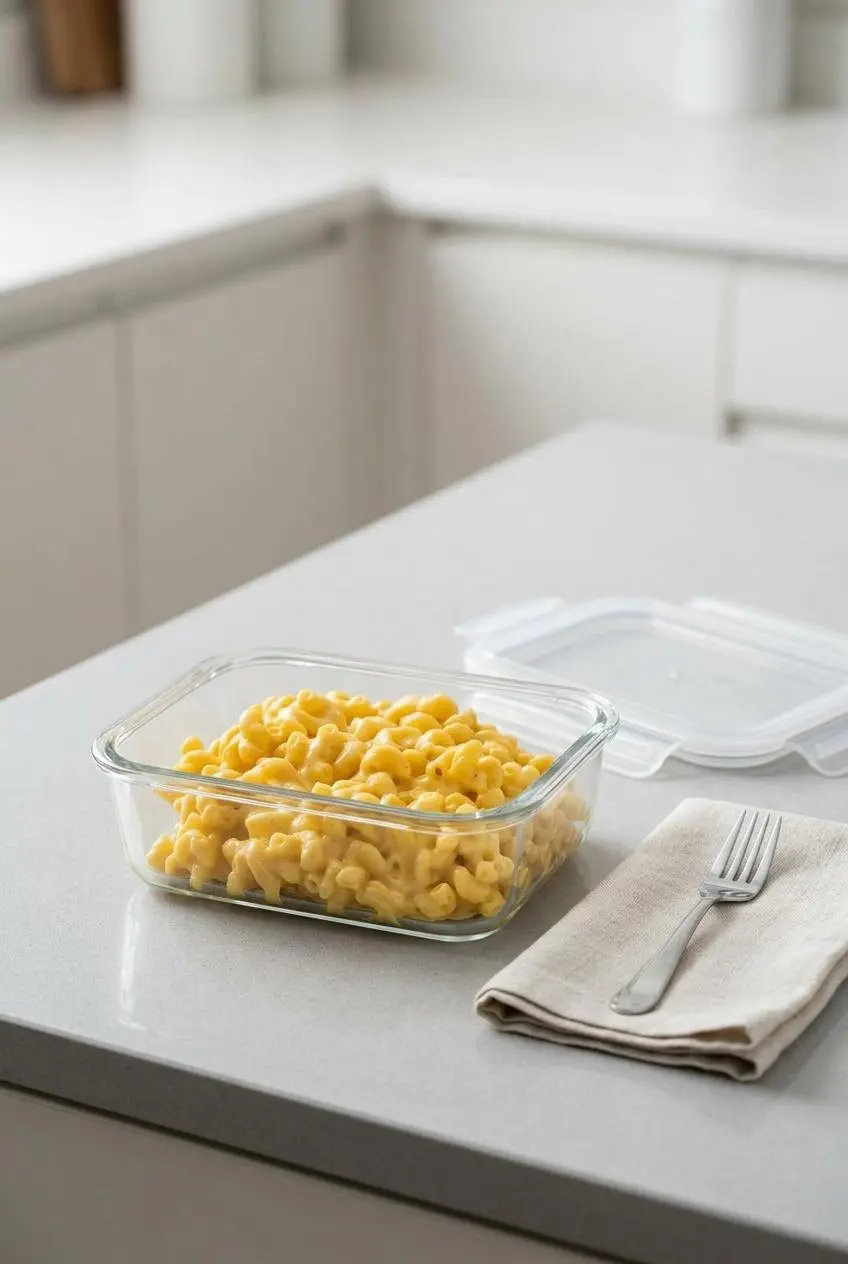
Mac and cheese is at its creamiest right after cooking, but leftovers can still be very good if you handle them gently. Let it cool, transfer it to an airtight container, and keep it chilled. Dairy based dishes should stay refrigerated, and refrigerators should be kept at or below 40° F for cold food storage.
To reheat, use the stovetop over low heat and add a small splash of milk or cream as needed. Stir gently until the sauce loosens and turns creamy again. Microwaving works in a pinch, but low gentle heat gives you a smoother texture.
If you want to make it ahead for a meal, it is better to slightly undercook the sauce so it does not get too thick later. Reheat slowly and loosen it with a bit of dairy right before serving.
What to Serve with Mac and Cheese
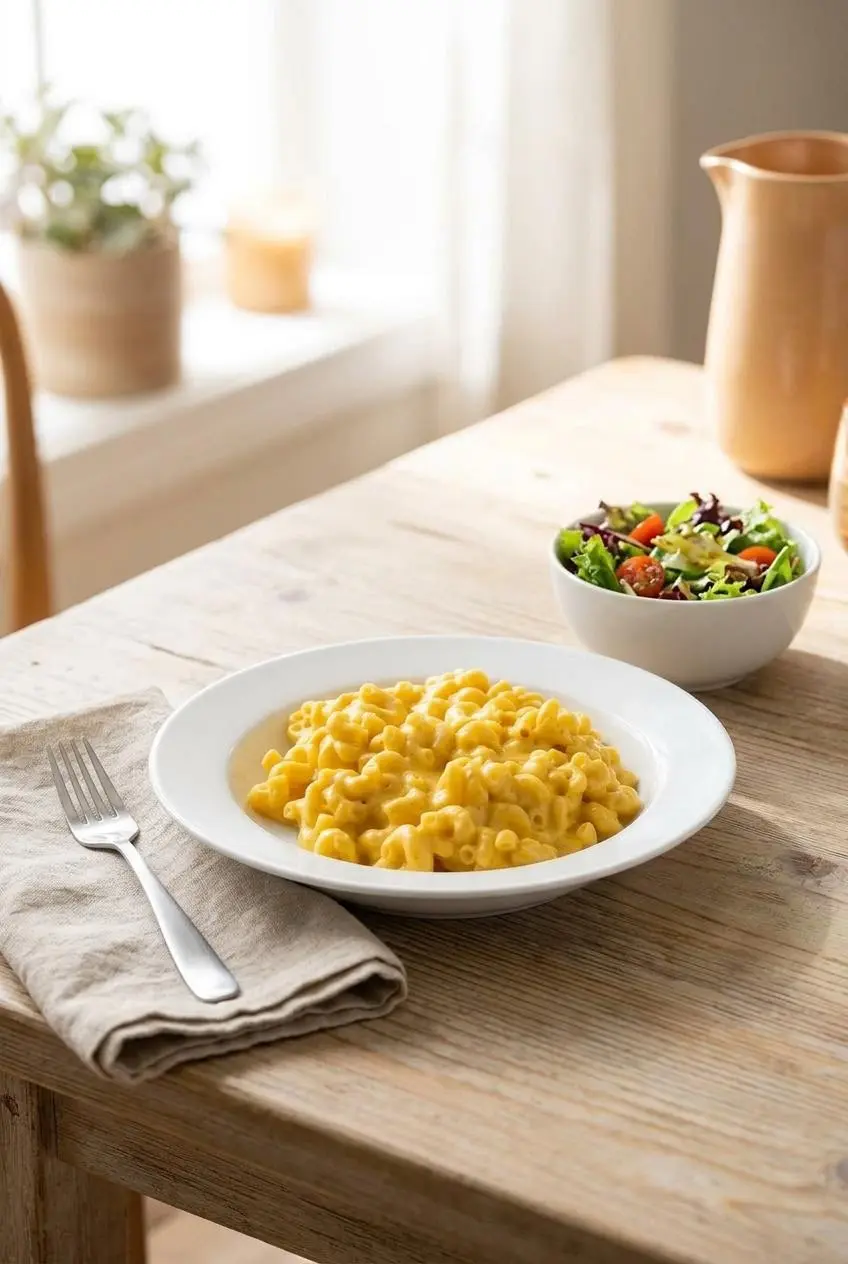
This dish is rich, so it pairs well with foods that bring freshness, smoke, or a little bite.
- A crisp green salad with a tangy vinaigrette
- Roasted broccoli or Brussels sprouts
- Barbecue pulled pork
- Grilled chicken
- Steak for a steakhouse style dinner
It also fits nicely on holiday tables where you want something cozy and crowd pleasing without turning on the oven for one more casserole.
Conclusion
This stovetop version gives you everything you want from homemade mac and cheese: creamy sauce, rich flavor, and a method that stays dependable once you know the key cues.
If you remember one thing, make it this: shred your own cheese and melt it gently. That one habit makes the whole dish smoother and far more satisfying.
FAQ
Why Did My Cheese Sauce Get Grainy?
Usually it comes down to heat or cheese choice. Pre shredded cheese often contains anti caking agents that keep it from melting smoothly, and very hot sauce can make the cheese seize and turn gritty. Old, dry cheese can do the same thing. For the best texture, use cheese from a block and stir it into the sauce off the heat or over very low heat.
What’s the Best Combination of Cheeses for Creamy Mac and Cheese?
A blend is usually better than one cheese alone. Pair a flavorful cheese like sharp cheddar or Gruyère with a great melting cheese like Monterey Jack or Fontina. A good place to start is a 2 to 1 balance of flavor forward cheese to creamy melting cheese.
Can I Make This Ahead of Time?
Yes. It reheats best when you keep the sauce a touch looser than you want at the table, since it thickens as it sits. Warm it gently on the stovetop with a splash of milk to bring back that creamy texture.
What’s the Best Way to Reheat Leftovers?
The stovetop is the best option. Use low heat, add a splash of milk or cream, and stir gently until the sauce smooths out. That approach helps prevent the mac and cheese from turning oily or dry.
Can I Make This Without Flour?
Yes. A cornstarch slurry is the easiest swap for a flourless version. Mix cornstarch with cold milk first, then add it to the warm liquid so it thickens smoothly. If you want more detail, the flourless options in the variations section walk you through the best approach.
Stovetop Macaroni and Cheese

Equipment
- Large Pot
- Silicone spatula
Ingredients
- 2 cups macaroni, uncooked equal to 1/2 lb.
- 2 tablespoons butter
- 2 tablespoons flour
- ½ cup heavy cream
- 1 cup milk
- ½ teaspoon mustard powder
- ¼ teaspoon onion powder
- ¼ teaspoon each: salt/pepper
- ½ teaspoon hot sauce
- 1 ½ cups cheddar cheese, shredded
- ½ chicken bouillon cube optional
Instructions
- Bring a large pot of salted water to a boil, add the macaroni, and cook it according to the package directions until just tender, then drain. The pasta should be cooked through but not mushy, since it will soften a little more once it meets the hot sauce.
- Melt the butter in a large pot over medium heat, stir in the flour with a silicone spatula, and cook the mixture for 1 to 2 minutes. The roux will look smooth and smell lightly nutty instead of raw, which means it is ready for the dairy.
- Pour in the heavy cream and milk in small splashes while stirring constantly until the mixture is smooth. Go slowly here, because patient additions help the sauce stay lump free and keep the roux from thinning out too much.
- Bring the sauce to a boil, lower it to a simmer, and stir in the mustard powder, onion powder, salt, pepper, hot sauce, and ½ chicken bouillon cube, optional. The sauce should thicken enough to coat the back of a spoon but still look slightly looser than you expect.
- Turn the heat to low, sprinkle in the shredded cheddar a little at a time, and stir until the sauce is fully smooth. Keeping the heat low at this stage helps the cheese melt gently so the sauce stays glossy instead of grainy.
- Add the drained macaroni to the pot and stir until every piece is coated, then serve right away. The finished mac and cheese should look creamy and velvety, with sauce that clings to the pasta rather than sitting separately in the pot.