Back when sugar was precious and nothing in the kitchen went to waste, Appalachian candy makers had a knack for turning the humblest staples into pure joy. This potato candy recipe is one of those Depression-era miracles, a sweet little trick that somehow tastes like fondant and peanut butter, not like potatoes at all.
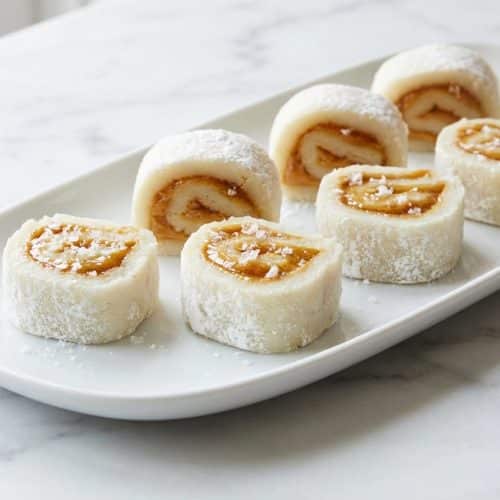
In my kitchen, it feels like a vintage holiday treat that never went out of style, especially when you slice into those creamy pinwheel candies and see that peanut butter swirl. It is no-bake dessert comfort with old-fashioned charm, and a few small details make it turn out perfect every time.
Why You Will Love This Recipe
Sinfully rich and creamy: The bite is sweet, smooth, and almost melt-in-your-mouth, like old fashioned potato candy should be, with that classic peanut butter roll center.
The browned butter glow-up: I switched from plain melted butter to browned butter, and suddenly the candy had a toasted, nutty depth that keeps all that powdered sugar sweetness from feeling heavy.
Salt makes it sing: A pinch of flaky sea salt over the peanut butter filling sharpens the flavor, like turning up the contrast on a photo, so every slice tastes more “grown-up” and less one-note.
No more guessing games: Weighing the cooked potato to exactly 115 grams removes the “medium potato” mystery, so your no-bake dough turns pliable and rollable without dumping in endless confectioners’ sugar.
Ingredients and Substitutions

These are pantry-simple ingredients, but they behave like candy chemistry. The potato brings starch, the sugar builds the fondant-like body, and the peanut butter gives that nostalgic swirl.
Ingredients
- 1 medium potato
- 2 tablespoons real butter
- Pinch of salt
- 1 teaspoon pure vanilla
- 2 pounds powdered sugar, more for rolling out candy
- 16 ounces creamy peanut butter, may not use all
Ingredient Notes & Substitutions
Potato (Russet potato): A starchy Russet is the old-school choice for Appalachian candy because it mashes fluffy and predictable. Waxy potatoes hold more moisture and can leave you fighting a sticky dough.
Powdered sugar: Sifting is worth it if you want that smooth, “pure fondant” feel instead of surprise white clumps. If your kitchen is humid, keep extra on hand for dusting the paper and your rolling pin.
Peanut butter: Creamy gives the cleanest pinwheel look, but crunchy peanut butter is delicious if you like texture. Almond butter or sunflower seed butter also work for a different flavor profile, just know the roll may look a bit more rustic depending on the oiliness.
Vanilla: Pure vanilla matters in a candy this simple because there is nowhere to hide. It rounds out the sweetness and makes the whole thing smell like a holiday kitchen.
How to make potato candy recipe
Cook the Potato and Lock in the Weight
- Peel your potato, slice it into even chunks, and simmer it in a small pan of water until it is very tender, the kind of soft that collapses when you press it with a fork. Drain it well so you are not carrying extra water into the candy dough.
- Now the make-or-break move, weigh the cooked potato and measure out exactly 115 grams. That precise amount is how you avoid a wet, sloppy mixture that refuses to roll.
Brown the Butter and Mash Until Silky
- In a small saucepan, cook the 2 tablespoons real butter just until it turns golden and smells nutty, like toasted hazelnuts, then pull it off the heat before it darkens too far. That toasted flavor is the whole point of the twist, and it cuts the sweetness beautifully, thanks to develop a nutty aroma through the Maillard reaction.
- While the potato is still warm, put the 115 grams into a mixing bowl, add the browned butter, 1 teaspoon pure vanilla, and a Pinch of salt. Mash until it is completely smooth and lump-free, because any little potato pebble will show up later as a gritty candy bump.
Build the Sugar Dough
- Add the powdered sugar in additions of about 2 cups at a time, mixing gently so you do not create a sugar cloud. At first it will look like a thick paste, then it transforms into a soft dough as the potato starch binds with the confectioners’ sugar.
- Keep going until the mixture is thick, pliable, and only slightly sticky to the touch, like soft playdough that wants a dusting of sugar. If it is wet and shiny, it needs more sugar, and if it is dry and crumbly, you likely started with too much potato.
Roll, Fill, Chill, and Slice
- Lay wax or parchment paper on your counter and sift powdered sugar heavily over it so nothing sticks. Divide off about one-third of the dough, shape it into a ball on the sugared paper, and dust the top again.
- Cover with a second piece of paper, press it down gently with your palm, then roll it into a rectangle no thicker than 1/4 inch. Peel off the top paper and you should see a smooth, pale sheet, like homemade fondant.
- Spread a large heaping spoonful of creamy peanut butter over the surface, stopping about 1/4 inch from the edges to prevent oozing. Sprinkle a pinch of flaky sea salt over the peanut butter so each slice has that sweet-salty snap.
- Using a sharp metal spatula, knife, or bench scraper, roll the candy from left to right into a tight pinwheel log, then place it on a lined cookie sheet. Repeat with the remaining dough to make three rolls total.
- Freeze the rolls for 10 minutes until very cold and firm, then slice into 3/4 inch pieces, nibbling or discarding the ends. Store the pinwheel candy in an airtight container, and you will have about 2 pounds of candy.
Secrets for Perfect Dough

This vintage candy works because the potato is not here for flavor, it is here for structure. When you mash a starchy potato and start adding powdered sugar, the potato starch grabs onto that sugar and creates a pliable dough without baking, which is why old timers could make it with almost nothing on hand.
The biggest secret is treating potato moisture like a measurement, not a suggestion. A “medium potato” can be wildly different week to week, so weighing out exactly 115 grams keeps the powdered sugar ratio steady, and it supports the idea that measuring by weight is the most consistent and accurate method.
If you have extra boiled potato left after weighing, do not force it into the dough. That leftover is perfect for savory breakfast later, and potato waffles are a smart, crispy way to use it without ruining your candy’s hydration.
Sticky or cracking dough is almost always a temperature issue. If the room is warm and the dough starts to feel greasy or tacky while rolling, a quick 10 minutes in the fridge brings it back to that calm, rollable state.
Pro Tips & Troubleshooting
Pro Tips
- Mash the potato while it is still warm, it is the easiest way to get a smooth, lump-free base for that fondant-like texture.
- Keep the dough cold for clean rolling and neat slicing, warmth makes the sugar “weep” and the pinwheels look messy.
- Sift powdered sugar before mixing and also over your paper, because sifting powdered sugar to avoid lumps is the difference between velvety candy and chalky pockets.
- Use parchment or wax paper above and below the dough while rolling, it keeps you from adding too much extra powdered sugar just to fight sticking.
Common Mistakes to Avoid
- Leaving lumps in the mashed potato, those bumps never disappear and they ruin the smooth candy bite.
- Spreading peanut butter all the way to the edges, it will squeeze out during rolling and make the log hard to seal.
- Rolling the dough too thin, anything less than 1/8 inch is almost guaranteed to tear when you roll it up.
Serving & Storage

Serving Ideas
I love serving these chilled straight from the fridge, when the texture is firm and the peanut butter tastes extra creamy. Cold slices also keep their pinwheel shape on a platter, which is half the charm.
On a vintage holiday treats tray, potato candy belongs next to fudge and cookies, especially after a big family dinner. Something like sweet potato casserole sets the mood, then this candy finishes the night with pure nostalgia.
For homemade gifts, tuck a few slices into clear treat bags and tie them with ribbon. The swirl shows through, and it looks like something from a church basement bake sale in the best possible way.
Storage & Make-Ahead Tips
Store potato candy in an airtight container in the refrigerator, layering parchment between slices to prevent sticking and sweating. The cold also keeps the peanut butter from softening and sliding.
For longer storage, freeze the rolls or the sliced pinwheels for up to 3 months, well-wrapped and sealed. Thaw in the fridge so condensation stays minimal and the candy stays neat.
Old Fashioned Potato Candy Recipe

Equipment
- Kitchen scale
- Rolling Pin
- Parchment or wax paper
- Small saucepan
Ingredients
- 1 medium potato
- 2 tablespoons real butter
- 1 Pinch of salt
- 1 teaspoon pure vanilla
- 2 pounds powdered sugar more for rolling out candy
- 16 ounces creamy peanut butter may not use all
Instructions
Cook the Potato and Lock in the Weight
- Peel your potato, slice it into even chunks, and simmer it in a small pan of water until it is very tender, the kind of soft that collapses when you press it with a fork. Drain it well so you are not carrying extra water into the candy dough.
- Now the make-or-break move, weigh the cooked potato and measure out exactly 115 grams. That precise amount is how you avoid a wet, sloppy mixture that refuses to roll.
Brown the Butter and Mash Until Silky
- In a small saucepan, cook the 2 tablespoons real butter just until it turns golden and smells nutty, like toasted hazelnuts, then pull it off the heat before it darkens too far. That toasted flavor is the whole point of the twist, and it cuts the sweetness beautifully.
- While the potato is still warm, put the 115 grams into a mixing bowl, add the browned butter, 1 teaspoon pure vanilla, and a Pinch of salt. Mash until it is completely smooth and lump-free, because any little potato pebble will show up later as a gritty candy bump.
Build the Sugar Dough
- Add the powdered sugar in additions of about 2 cups at a time, mixing gently so you do not create a sugar cloud. At first it will look like a thick paste, then it transforms into a soft dough as the potato starch binds with the confectioners’ sugar.
- Keep going until the mixture is thick, pliable, and only slightly sticky to the touch, like soft playdough that wants a dusting of sugar. If it is wet and shiny, it needs more sugar, and if it is dry and crumbly, you likely started with too much potato.
Roll, Fill, Chill, and Slice
- Lay wax or parchment paper on your counter and sift powdered sugar heavily over it so nothing sticks. Divide off about one-third of the dough, shape it into a ball on the sugared paper, and dust the top again.
- Cover with a second piece of paper, press it down gently with your palm, then roll it into a rectangle no thicker than 1/4 inch. Peel off the top paper and you should see a smooth, pale sheet, like homemade fondant.
- Spread a large heaping spoonful of creamy peanut butter over the surface, stopping about 1/4 inch from the edges to prevent oozing. Sprinkle a pinch of flaky sea salt over the peanut butter so each slice has that sweet-salty snap.
- Using a sharp metal spatula, knife, or bench scraper, roll the candy from left to right into a tight pinwheel log, then place it on a lined cookie sheet. Repeat with the remaining dough to make three rolls total.
- Freeze the rolls for 10 minutes until very cold and firm, then slice into 3/4 inch pieces, nibbling or discarding the ends. Store the pinwheel candy in an airtight container, and you will have about 2 pounds of candy.
Notes
Nutrition
Conclusion
There is something deeply satisfying about mastering a Depression-era recipe that turns a plain potato into a sweet, sliceable celebration. With browned butter for toasted depth and a whisper of flaky salt in the filling, this old fashioned potato candy tastes like a small luxury.
If you are building a dessert table, the contrast is gorgeous, this humble Appalachian candy beside something modern and rich like biscoff cheesecake makes the whole spread feel intentional. Keep the potato weight honest, keep the dough cool, and you will have perfect pinwheels every time.