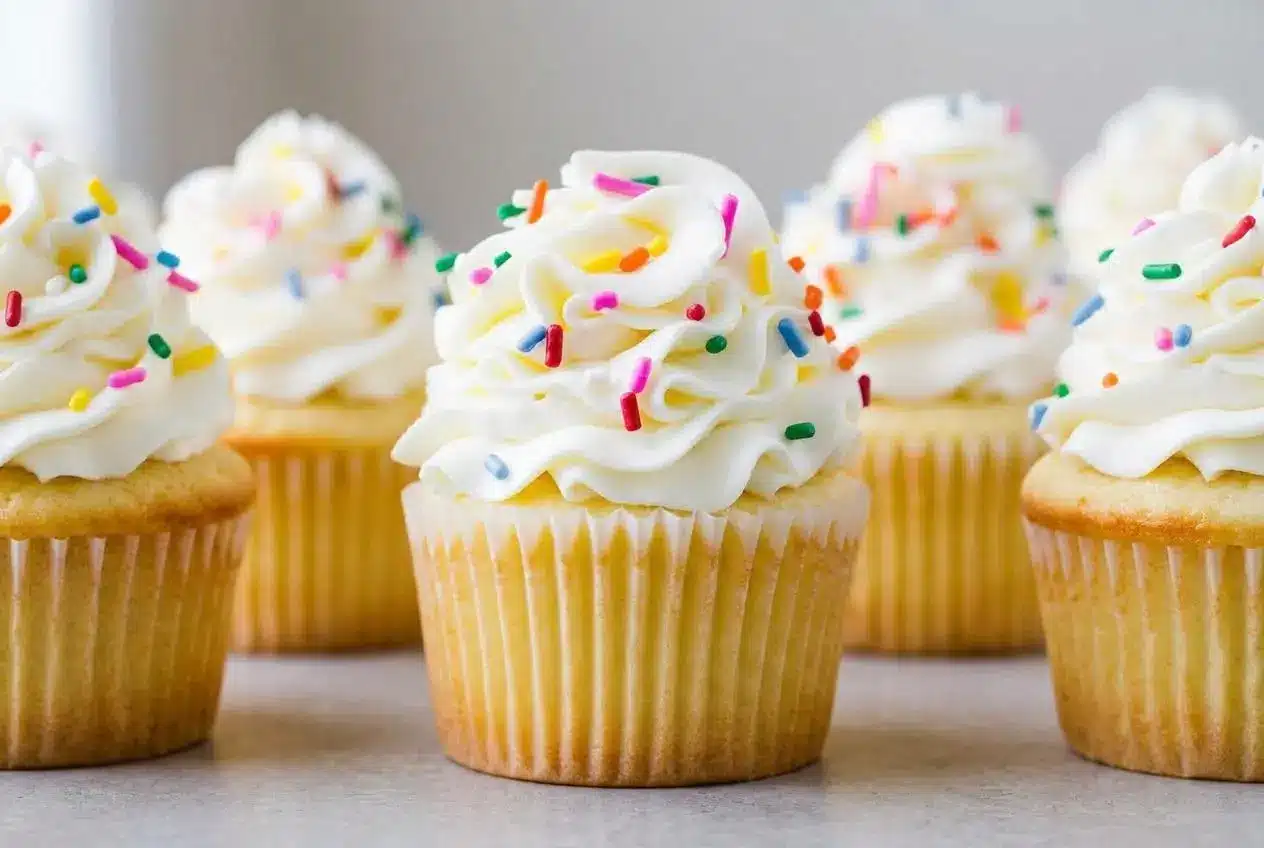
These vanilla cupcakes bake up soft, fluffy, and buttery with a tender crumb, strong vanilla flavor, and a reliable 12-cupcake yield using a classic creaming method.
These vanilla cupcakes are the kind you can use for birthdays, bake sales, or a plain Tuesday when cake sounds right. The batter is straightforward, and the results feel classic in the best way.
You get rich butter flavor, moisture from buttermilk, and a texture that stays light instead of heavy. The best part is learning the small cues that make the crumb turn out just right.
Set the butter, eggs, and buttermilk out ahead of time so the batter mixes smoothly without curdling.
Why This Is the Perfect Vanilla Cupcake Recipe
If you want one go-to cupcake recipe, this one earns the spot. It gives you classic flavor, dependable structure, and an easy batch size that fits a standard pan.
- Moist, fluffy texture with a soft, tender crumb
- Buttery vanilla flavor that tastes full instead of flat
- A reliable yield of 12 standard cupcakes
- Made with familiar baking ingredients and a classic method
- Easy to dress up with different frostings and fillings
The creaming method matters here. Beating the butter and sugar well creates tiny air pockets that help the cupcakes rise with a lighter texture. Then the buttermilk keeps the crumb soft and gives the baking powder a little help, so you get lift without a coarse or dry bite.
Ingredients for Perfect Vanilla Cupcakes
Each ingredient pulls its weight here, building flavor, lift, moisture, tenderness, and that soft golden crumb that makes a vanilla cupcake worth baking.
- 1 1/4 cups all-purpose flour
- 1 1/4 tsp baking powder
- 1/2 tsp salt
- 1/2 cup unsalted butter (softened)
- 3/4 cup sugar
- 2 large eggs (room temperature)
- 2 tsp pure vanilla extract
- 1/2 cup buttermilk (or plain kefir, room temperature)
All-purpose flour gives these cupcakes enough structure while still keeping the crumb soft. The key is measuring it gently. Spoon it into the cup and level it off instead of scooping straight from the bag, which can pack in too much flour and dry out the batter.
Butter brings the rich flavor you expect in a classic cupcake. Sugar does more than sweeten. It also helps the butter cream up light and fluffy, which builds air into the batter from the start.
Eggs add structure, moisture, and richness. When they are at room temperature, they blend into the creamed butter more evenly, so the batter stays smooth instead of looking split or lumpy.
Buttermilk is a big part of why these stay tender. Its acidity softens the crumb and supports the baking powder, which helps the cupcakes rise nicely without turning dense.
I always use a good pure vanilla extract here, and when I want a deeper vanilla flavor, I like swapping it for homemade vanilla bean paste.
How to Make Vanilla Cupcakes Step by Step
This method is simple, but a few texture cues make all the difference. Watch for a pale, fluffy butter mixture, stop mixing once the flour disappears, and bake just until the tops spring back.
- Heat the oven to 350°F and line a 12-cup muffin or cupcake pan with liners.
The pan should be ready before you mix so the batter can go straight in without sitting too long. - Whisk the flour, baking powder, and salt together in a medium bowl.
Mixing the dry ingredients first helps the leavening distribute evenly through the batter. - Beat the softened butter and sugar on medium-high speed for 5 minutes, scraping the bowl as needed.
By the end, the mixture should look pale, almost white, and fluffy like a cloud rather than dense and grainy. - Add the eggs one at a time, beating well after each, then mix in the vanilla extract.
The batter should look creamy and emulsified, with no streaks of egg clinging to the bowl. - Lower the mixer to medium and add the dry mixture in three additions, alternating with the buttermilk until everything is incorporated.
The finished batter should be smooth and thick, and you should stop as soon as you no longer see flour streaks. - Portion the batter into the lined pan, filling each cup about 2/3 full.
An even fill helps the cupcakes bake at the same rate and gives you a neat dome instead of uneven tops. - Bake for 20 to 23 minutes, then let the cupcakes cool in the pan for 5 minutes before moving them to a wire rack to cool completely.
They are done when a toothpick comes out clean and the tops spring back lightly when touched.
Alternating the dry ingredients with the buttermilk keeps the batter smoother and helps prevent overmixing. If all the liquid goes in at once, the batter can look curdled. If all the flour goes in at once, it is easier to overwork it. This back-and-forth method keeps the crumb tender.
Be careful with the last addition of flour. Once it disappears, stop mixing. That final minute of extra beating is often what turns fluffy cupcakes into slightly tough ones.
Tips for Fluffy, Moist Cupcakes Every Time
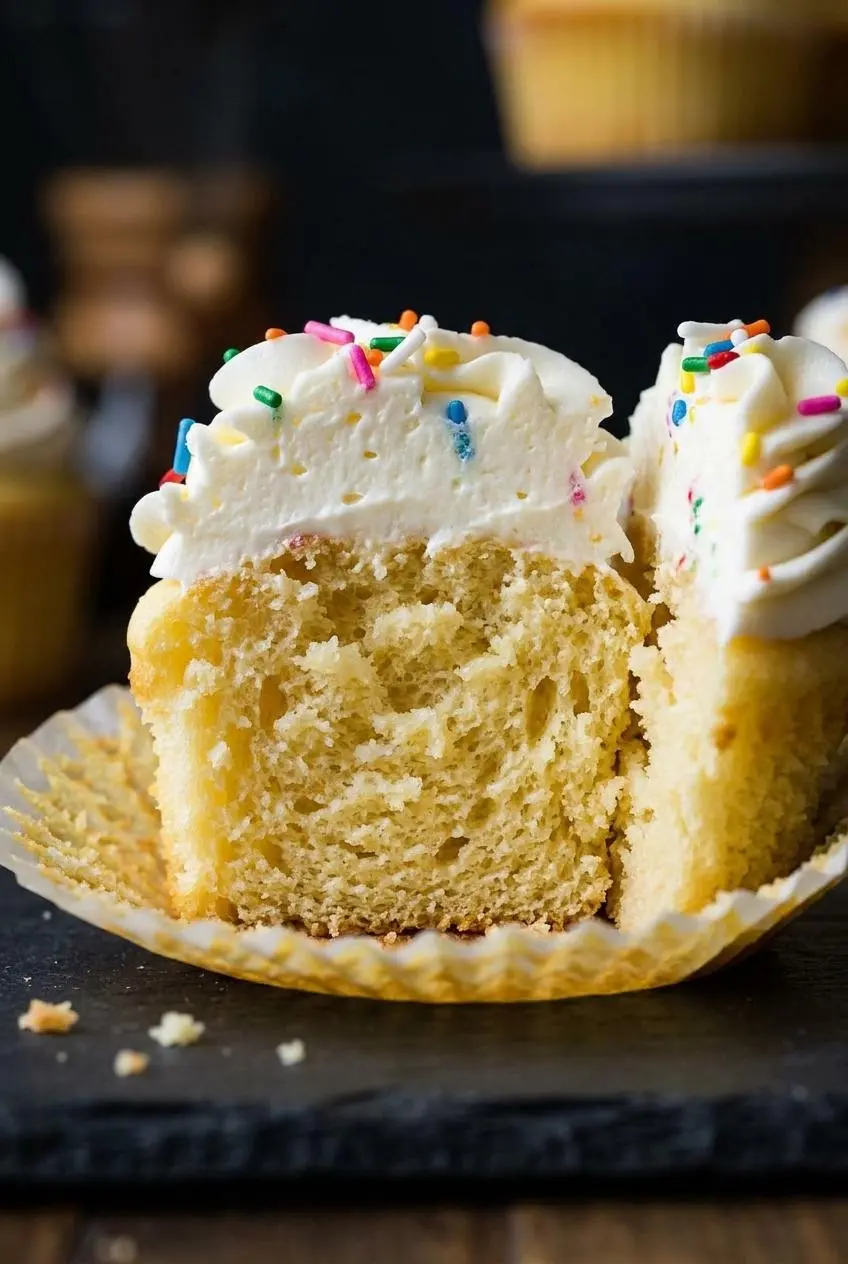
Most cupcake problems come down to mixing, measuring, or baking a little too long. A few small habits make this recipe much more forgiving.
- Use room temperature butter, eggs, and buttermilk so the batter blends smoothly.
- Spoon and level the flour, or weigh it if that is your usual method.
- Cream the butter and sugar for the full 5 minutes to build air into the batter.
- Scrape the bowl during mixing so heavy butter or flour does not hide at the bottom.
- Use a scoop for even portions if you want the cupcakes to bake uniformly.
- Start checking near the early end of the bake time to avoid dry cupcakes.
- Cool completely before frosting or the topping will slide right off.
Getting the Perfect Dome
Fill the liners about 2/3 full. Too little batter gives you flat tops, and too much pushes the batter over the edges into muffin tops. Keeping the oven fully preheated also matters more than people think. A steady initial burst of heat helps the cupcakes lift evenly.
Try not to open the oven door early. That drop in temperature can interrupt the rise and leave you with sunken centers or lopsided tops.
Variations and Easy Substitutions
This base recipe is classic, but it is also flexible. Keep the main recipe as written the first time, then use these ideas when you want to change the flavor or texture a bit.
| Variation | What to Change | What to Expect |
|---|---|---|
| Funfetti | Fold sprinkles into the finished batter | Colorful cupcakes with the same vanilla base |
| Oil instead of butter | Swap the butter for oil | Softer crumb and more moisture, with less buttery flavor |
| Cake flour | Use cake flour in place of all-purpose flour | Lighter, finer crumb |
If you enjoy baking different cupcake styles, Cinnamon Roll Cupcakes are another fun direction once you have this vanilla version down.
Funfetti Cupcakes
To turn these into Funfetti cupcakes, gently fold 1/3 cup of rainbow sprinkles into the finished batter right before portioning it into the pan. Jimmies work better than nonpareils because they are less likely to bleed color into the batter.
Stir lightly and briefly. Too much mixing at this stage can muddy the colors and toughen the crumb.
Using Oil Instead of Butter
You can swap the 1/2 cup butter for 1/2 cup vegetable oil or melted coconut oil if you want a moister cupcake that stays softer when chilled. The trade-off is flavor. Butter gives a richer, more classic vanilla cupcake taste, while oil gives a softer texture with a more neutral finish.
Some bakers like a blend of the two for the best of both worlds. If you experiment later, that can be a smart middle ground for buttery flavor and lasting softness.
Using Cake Flour and How to Make Your Own
Cake flour gives cupcakes a finer, lighter crumb because it has less protein than all-purpose flour. If you already have it, you can use it here for a softer bakery-style texture.
If you do not keep cake flour around, you can make a homemade version by replacing part of the all-purpose flour with cornstarch before whisking the dry ingredients together. That lowers the protein slightly and softens the texture. It is a useful trick when you want a more delicate result without buying another bag of flour.
Many home bakers also wonder about dairy swaps. Sour cream or plain Greek yogurt can add extra richness and tang, but they make a thicker batter than buttermilk, so expect a slightly denser feel unless you thin them a bit.
Frosting Ideas for Your Vanilla Cupcakes
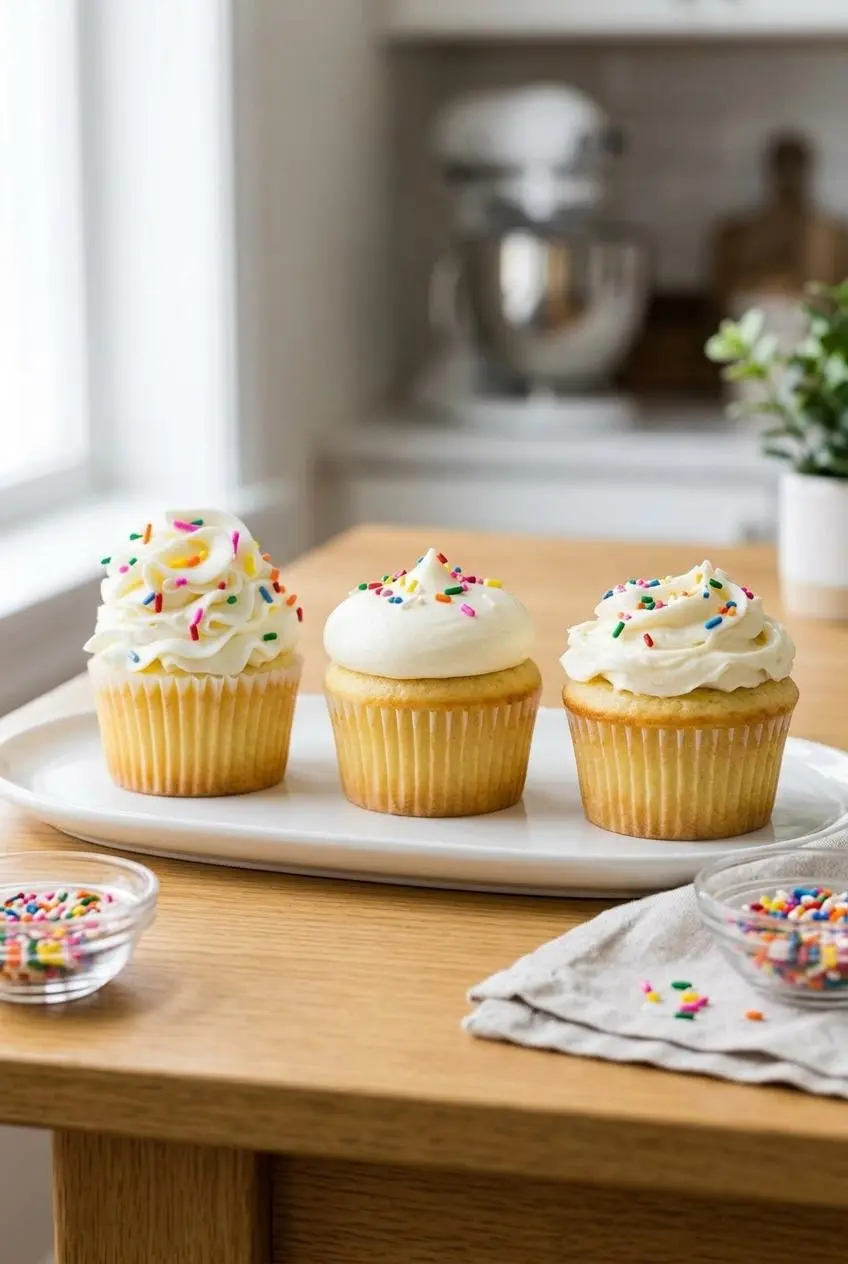
A good vanilla cupcake plays well with almost any frosting. The best choice depends on how sweet, rich, or tangy you want the final bite to be.
Classic vanilla buttercream is the obvious match if you want a pure vanilla finish. Chocolate frosting gives you contrast, strawberry keeps things bright, and cream cheese frosting adds a little tang that works especially well if the cupcakes are for brunch or spring gatherings.
For a richer flavor twist, caramel pairs beautifully with vanilla. If that sounds good, Salted Caramel Cupcakes are a great next bake.
You can also decorate with sprinkles, fresh berries, or chocolate shavings. For a filled cupcake, core the center and spoon in jam, lemon curd, or caramel before frosting.
Comparing Frostings: A Quick Guide
| Frosting | Sweetness | Texture | Difficulty |
|---|---|---|---|
| American buttercream | Sweetest | Thick and fluffy | Easiest |
| Swiss meringue buttercream | Less sweet | Silky and smooth | More advanced |
| Cream cheese frosting | Moderately sweet | Creamy and tangy | Easy to moderate |
Troubleshooting Common Cupcake Problems
Even reliable cupcake batter can go sideways once in a while. The good news is that most problems point back to one fixable step.
| Problem | Possible Cause(s) | Solution |
|---|---|---|
| Dry cupcakes | Too much flour or too much baking time | Spoon and level the flour, and check the cupcakes early. Pull them when a toothpick comes out clean or with a few moist crumbs. |
| Sunken cupcakes | Underbaking, opening the oven too early, or too much air from overmixing | Keep the oven closed for most of the bake, and bake until the tops spring back lightly in the center. |
| Dense or gummy cupcakes | Butter and sugar were not creamed long enough or the batter was overmixed after adding flour | Beat the butter and sugar for the full 5 minutes, then mix the flour in only until the batter turns smooth. |
| Tough cupcakes | Too much gluten development from overmixing | Add the final portion of flour carefully and stop mixing as soon as the streaks disappear. |
If your batter looks slightly curdled after the eggs go in, do not panic. That usually smooths out once the dry ingredients and buttermilk are added in stages. Cold ingredients are often the culprit.
Storage and Make Ahead Tips
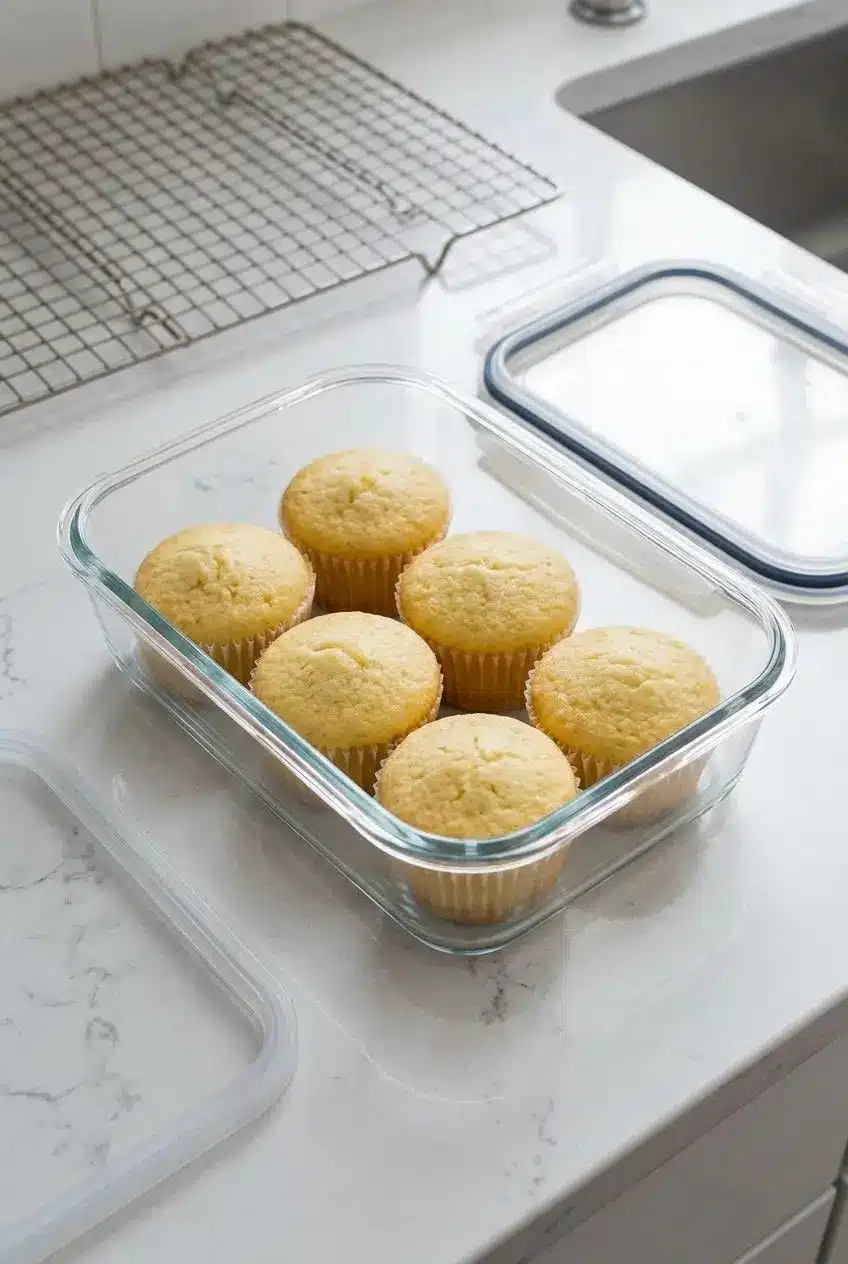
Once the cupcakes are fully cool, store them covered so they do not lose moisture. Unfrosted cupcakes hold best in an airtight container at room temperature, away from heat and direct sunlight.
Frosted cupcakes can also be kept covered, but if your frosting contains dairy and the room is warm, it is better to refrigerate them. Since milk and other dairy ingredients need cold storage for food safety, keep anything perishable chilled and covered, following refrigeration guidance for dairy foods.
If you want to work ahead, bake the cupcakes first and frost them after they are completely cool. That protects the texture and keeps the frosting from melting into the tops.
For batter safety, avoid letting the mixed batter sit around for long before baking. Since this recipe contains eggs and buttermilk, keep those ingredients chilled until you need them and bake the batter promptly after mixing.
Conclusion
These cupcakes hit the sweet spot between classic flavor and dependable texture. They are buttery, moist, and light enough to work for almost any frosting you like.
If you remember one thing, make it this: use room temperature ingredients and do not overmix once the flour goes in. That small habit pays off in every batch.
Frequently Asked Questions (FAQ)
What Is the Best Frosting for Vanilla Cupcakes?
Classic vanilla buttercream is the most popular choice because it keeps the flavor clean and familiar. If you want something less sweet, Swiss meringue buttercream is silky and lighter on the palate. Cream cheese frosting is great when you want a little tang.
How Do I Prevent My Cupcakes From Being Dry?
Measure the flour carefully and avoid packing it into the cup. Use the buttermilk as written for moisture and tenderness. Do not overmix once the flour goes in. Start checking early and remove the cupcakes as soon as the centers test done.
Can I Make This Recipe Into a Cake?
Yes. This batter can be turned into a cake, and doubling it should give you enough for two 8-inch or 9-inch round pans. Start checking for doneness around 30 to 35 minutes, since cake layers need more time than cupcakes.
Why Did My Cupcakes Sink in the Middle?
The usual causes are underbaking, opening the oven door too early, or overmixing the batter and creating more air than the structure can hold. Make sure the oven is fully preheated, keep the door closed during the early bake, and bake until the centers spring back.
Can I Substitute the Buttermilk?
Yes. A common swap is mixing 1/2 tablespoon of lemon juice or white vinegar into 1/2 cup regular milk and letting it stand briefly before using. Sour cream or plain yogurt can also work as a substitute, though the batter may be slightly thicker.
Why Are My Cupcakes Dense Instead of Fluffy?
This usually comes down to the creaming step or overmixing later. Beat the butter and sugar for the full 5 minutes so the mixture gets pale and airy, then mix the flour in gently and stop as soon as the batter looks smooth.
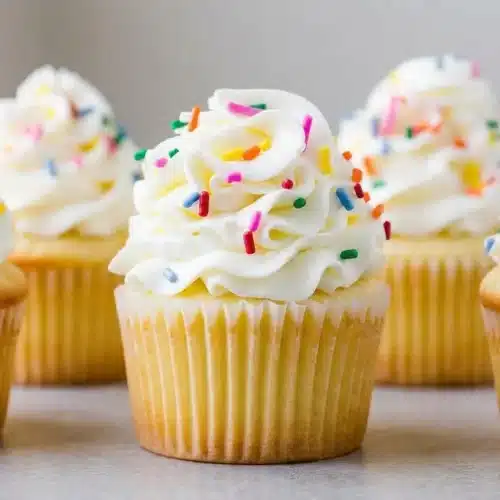
Vanilla Cupcakes

Equipment
- 12-cup muffin or cupcake pan
- Mixing Bowl
- Electric Mixer
- Wire rack
Ingredients
- 1 1/4 cups all-purpose flour
- 1 1/4 tsp baking powder
- 1/2 tsp salt
- 1/2 cup unsalted butter softened
- 3/4 cup sugar
- 2 large eggs room temperature
- 2 tsp pure vanilla extract
- 1/2 cup buttermilk or plain kefir, room temperature
Instructions
- Heat the oven to 350°F and line a 12-cup muffin or cupcake pan with liners.
- Whisk the flour, baking powder, and salt together in a medium bowl.
- Beat the softened butter and sugar on medium-high speed for 5 minutes, scraping the bowl as needed.
- Add the eggs one at a time, beating well after each, then mix in the vanilla extract.
- Lower the mixer to medium and add the dry mixture in three additions, alternating with the buttermilk until everything is incorporated.
- Portion the batter into the lined pan, filling each cup about 2/3 full.
- Bake for 20 to 23 minutes, then let the cupcakes cool in the pan for 5 minutes before moving them to a wire rack to cool completely.