Cold Smoked Salmon is cured, dried until tacky, then smoked at a very low temperature so it stays silky and firm instead of flaky. The keys are proper curing, a good pellicle, steady cool smoke, and careful food safety from start to finish.
Cold Smoked Salmon has that rich, supple texture people love on bagels, boards, and brunch plates, but it’s also a project that rewards patience. You’re curing the fish first, then building flavor slowly with cool smoke rather than cooking it.
The result is savory, smoky, and elegantly sliceable, with a clean dill and coriander finish from the cure. And once you understand the rhythm, it feels surprisingly doable. Worth it.
Keep a digital thermometer near your smoker the whole time, because a steady low temperature matters more here than rushing the process.
What Is Cold Smoked Salmon? (vs. Hot Smoked & Lox)
This matters because the names get mixed up all the time, and they’re not interchangeable in texture or method.
| Style | How It’s Made | Texture | Flavor |
|---|---|---|---|
| Cold smoked salmon | Cured, then smoked below 90 °F | Silky, firm, sliceable | Salty, rich, smoky |
| Hot smoked salmon | Cured, then smoked at a hotter temperature until cooked | Flaky, opaque, more like roasted fish | Smoky and fuller-bodied |
| Lox | Cured but not smoked | Silky and tender | Salty, clean, no smoke |
If you want translucent slices with a buttery bite, cold smoking is the lane. If you want fish that flakes with a fork, that’s hot smoked salmon instead.
Essential Food Safety for Cold Smoking Salmon
This is the section to read before you buy the fish, not after. Cold smoking gives salmon flavor and texture, but it does not cook it, so careful handling is part of the recipe.
Start with previously frozen salmon. For home cold smoking, using salmon that has been commercially frozen is the cautious move. If you freeze fish yourself, you need a process designed for parasite control, and home freezers do not always hold the same temperature consistently.
The cure does real work. Salt draws moisture from the fish and helps create a firmer texture, while sugar balances the harsh edge of the salt. Salting, drying, and smoking are all part of pathogen control in cold-smoked fish under official guidance.
Keep the smoker cool. Aim to stay under 80 °F for this method, and do not let the chamber drift into hot-smoking territory. Warm weather, direct sun, and extra fuel can push the temperature up faster than you’d think.
Handle the salmon like a chilled cured food. Keep it refrigerated during curing, soaking, pellicle formation, and resting after smoking. Clean hands, clean racks, and a clean slicing surface make a big difference here.
A lot of home cooks ask if this is safe to eat. It can be when you treat the freezing, curing, drying, and temperature control steps as non-negotiable, not optional extras.
Equipment for Cold Smoking at Home
You do not need a fancy dedicated unit to make this work, but you do need a setup that creates smoke without creating heat.
| Setup | Best For | Pros | Watch For |
|---|---|---|---|
| Smoke tube | Beginners and grill owners | Affordable, easy to find, simple to light | Can burn hotter if airflow is poor |
| Maze generator | Longer, steadier smoke sessions | Often burns slowly and evenly | Needs dry fuel and calm airflow |
| Dedicated cold smoker | Frequent cold smoking | Most consistent control | More specialized and pricier |
For the smoking chamber itself, a kettle grill, an unlit gas grill, an offset smoker, or a pellet smoker with no active heat source can all work. The goal is simply to hold cool smoke around the fish.
You’ll also want a rimmed baking sheet, plastic wrap, a non-reactive pan or dish for soaking, a rack for air circulation, and a long sharp slicing knife. If you plan to make this often, a vacuum sealer is handy for cleaner storage, though wrapping well still matters.
Buying smoking pellets or sawdust is usually easier and more consistent than making your own. Alder and maple are especially good with salmon because they add sweetness without bullying the fish.
Ingredients for Cold Smoked Salmon
Each ingredient shapes the final fish: salt firms and preserves, brown sugar softens the cure, coriander adds warmth, and dill keeps the finish fresh and aromatic.
- 2 pounds salmon fillet skin-on
- 1 ½ cups Kosher salt
- 1 ½ cups brown sugar
- 2 Tablespoons whole coriander seeds lightly crushed
- 2 Tablespoons fresh dill chopped
I always use Kosher salt here because the larger crystals cure more evenly and make it easier to avoid an aggressively salty edge.
Flavor Variations for Your Cure
These are optional additions to the base cure, so keep the main recipe exactly as written and treat these as different flavor directions.
| Flavor Profile | Add-ins |
|---|---|
| Citrus & Botanical | Zest of 1 orange + 1 Tbsp crushed juniper berries |
| Classic Peppercorn | 2 Tbsp coarsely cracked black peppercorns |
| Spiced Rum | 2 Tbsp dark rum added to the cure mixture |
| Sweet & Spicy | 1 Tbsp red pepper flakes + 1/4 cup maple syrup mixed into the cure |
Advanced Method: Wet Brining
Dry curing is the easiest path for most home cooks, but wet brining is a valid alternative. Instead of packing the salmon in a dry cure, you soak it in a seasoned saltwater solution, then dry it thoroughly before smoking.
Wet brining can give you a slightly different texture and a more even cure on some fillets. Some advanced methods also use Cure #1 for color retention and extra protection, but that ingredient needs very precise handling and is best reserved for cooks following a specialized curing guide.
How to Make Cold Smoked Salmon
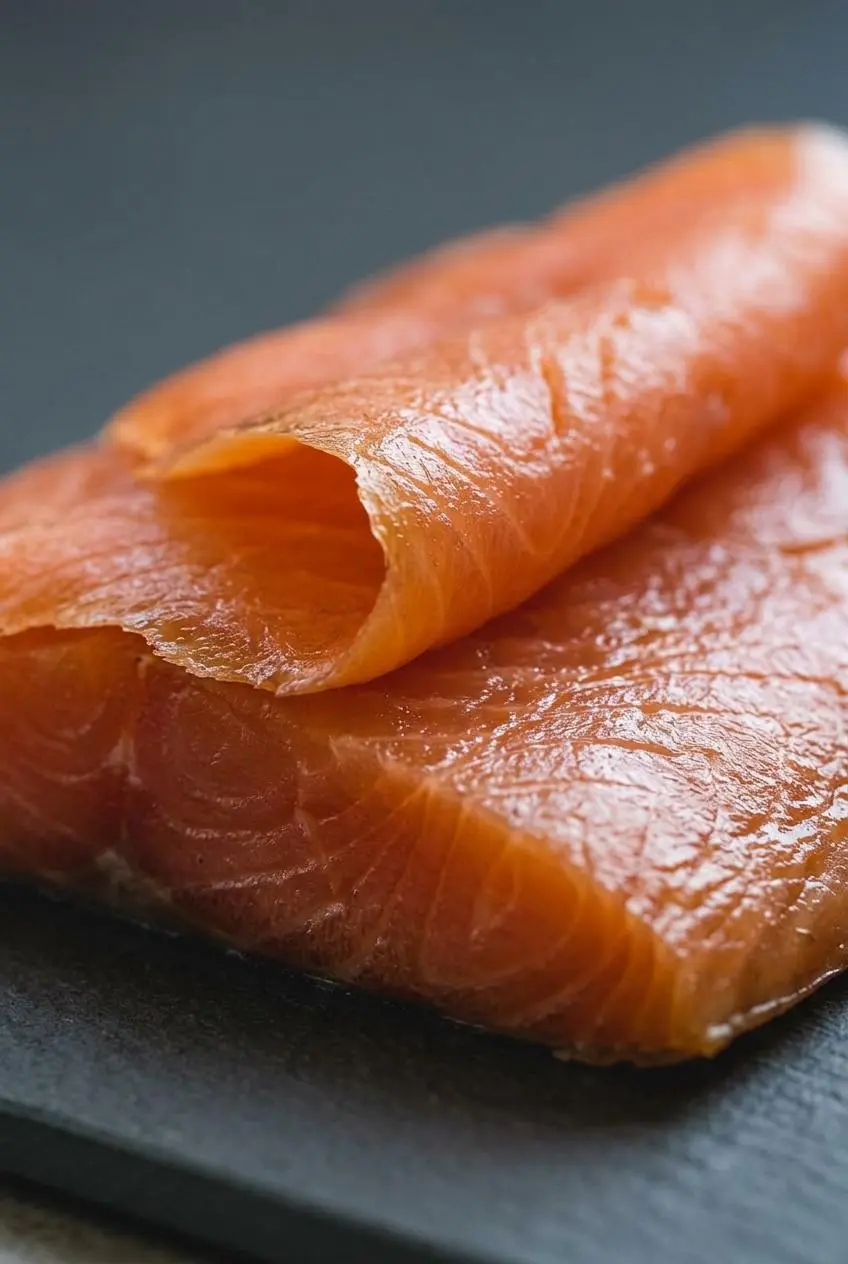
This is the heart of the process. The method is straightforward, but each stage has a job: cure for structure, pellicle for smoke adhesion, and cool smoke for flavor.
Choosing the Right Salmon
Fattier salmon gives you the nicest result. King salmon is luxuriously rich, sockeye brings deeper color and a firmer feel, and Atlantic salmon is a very solid choice for a buttery slice.
Look for a thick center-cut fillet with the skin still on. A more even thickness helps the cure work evenly and makes the final slices look cleaner.
Step 1: Prepare the Dry Cure
In this recipe, the cure is a classic balance of salt and brown sugar with coriander and dill for fragrance. That mix seasons the fish, draws out moisture, and gives the salmon its firmer cured texture.
Step 2: Cure the Salmon
As the fish sits in the cure, it will release quite a bit of liquid. That’s normal. By the end, the fillet should feel firmer all over, especially in the thickest part, with a slightly leathery surface rather than a soft raw feel.
| Fillet Thickness | Curing Time |
|---|---|
| 0.75 inch thick | 18 to 20 hours |
| 1 inch thick | 24 hours |
| 1.5 inches thick | 30 to 36 hours |
For this specific fillet and method, the recipe uses a 24-hour cure with a flip halfway through. If your salmon is much thicker or thinner, adjust with the chart so the center cures evenly.
Step 3: Rinse and Develop the Pellicle
After curing, the salmon needs a quick cold soak to pull off surface salt and soften the salinity a bit. Then it needs time on a rack in the refrigerator so air can dry the outside.
The goal is a pellicle, which is a dry, tacky protein layer that helps smoke cling to the fish. The surface should feel dry to the touch with a slightly glossy, sticky look, not wet or slick.
Step 4: Cold Smoke the Salmon
Cold smoke is about flavor, not cooking. You want a clean, steady stream of smoke and a cool chamber, with the salmon slowly taking on color and aroma over time.
When it’s ready, the top should be evenly light brown and the fillet should feel firm when pressed, with only a little give. If it looks pale and feels soft, it likely needs more time in the smoke.
- Lay two long sheets of plastic wrap on a rimmed baking sheet, overlapping them by 2 inches and leaving about 6 inches hanging over the long sides.
The extra wrap should fully fold over the salmon later without slipping off the pan. - Mix the salt, brown sugar, crushed coriander, and chopped dill in a large bowl, then spread 1 cup of the cure over the plastic wrap, extending it about 1 inch beyond where the fish will sit.
This lower layer should look evenly covered so the salmon cures from both sides. - Set the salmon skin-side down on the cure and cover the top with the remaining salt-sugar mixture, making sure no flesh is left exposed.
A complete coating helps the fillet firm up evenly instead of curing patchily. - Wrap the salmon tightly, keeping the plastic fully on the baking sheet, and refrigerate it for 24 hours, turning it so the skin side faces up after 12 hours.
By the end of the cure, you’ll see liquid in the pan and the fish will feel noticeably firmer. - Unwrap the salmon, lift it from the cure, shake off the excess, then place it in a 9×13 pan or similar vessel, cover with cool water, and refrigerate for 15 to 20 minutes.
After the soak, the surface should no longer feel gritty with cure. - Transfer the salmon to a rack set over a rimmed baking sheet and refrigerate it for at least 4 hours and up to 8 hours so air can circulate all around it.
The outside should turn dry, slightly tacky, and a little glossy when the pellicle is ready. - Set up your smoker for cold smoking and keep the chamber under 80 °F, using a smoke tube and alder or maple pellets if that’s your setup.
You want clean, sweet-smelling smoke and very little heat. - Place the salmon in the smoker skin-side down, close the lid, and smoke for 18 to 24 hours depending on thickness and how smoky you want it.
The finished salmon should have an even light brown surface and feel firm rather than squishy when gently pressed. - Move the salmon to the refrigerator and chill it completely before slicing.
Cold, rested salmon slices more neatly and has a smoother, more balanced smoke flavor.
How to Make Smoked Salmon Without a Smoker
If you don’t have a smoker, you can still make a very good cured salmon with smoky character. It won’t have the same layered complexity as true cold smoke, but it scratches the itch nicely.
Use a small fillet of salmon, salt, sugar, and a high-quality liquid smoke. Coat the fish in the cure with a restrained amount of liquid smoke, wrap it, refrigerate until firm, then rinse, dry, and let it rest uncovered in the fridge before slicing.
The texture lands closer to cured salmon or lox with added smoke flavor than traditional cold smoked salmon. That said, it’s a practical option for apartment kitchens or anyone testing the waters before buying smoking gear.
Troubleshooting Common Cold Smoking Issues
Even when the method is solid, a few things can go sideways. The good news is most problems trace back to cure time, rinsing, drying, or smoke management.
Why Is My Salmon Too Salty?
This usually comes from a cure that ran long for the thickness of the fillet, or from not soaking long enough after curing. For the next batch, shorten the cure slightly or give the fish a longer cold-water soak before drying.
How to Fix Mushy Salmon
Mushy texture usually points to under-curing, weak pellicle formation, or fish that started off in poor condition. The salmon should feel firm before smoking and dry-tacky before it ever sees smoke.
What if My Salmon Isn’t Smoky Enough?
Usually the smoke source wasn’t producing steadily, or the fish needed more time because the fillet was thick. Clean, continuous smoke matters more than dramatic clouds.
| Problem | Potential Cause | Solution |
|---|---|---|
| My salmon is too salty | Cured too long or not soaked enough after curing | Shorten the cure next time or soak a little longer before drying; for this batch, slice it very thin and serve with rich toppings |
| My salmon has a mushy texture | Fish was not in great condition, cure was too short, or the pellicle never fully formed | Use a fresher, thicker fillet, cure until firm, and dry until the surface feels tacky before smoking |
| My salmon is too dry or tough | Smoked too long, fillet was lean, or chamber conditions were too dry | Shorten the smoking window, choose a fattier cut, and check the texture earlier in the session |
| My salmon isn’t smoky enough | Weak smoke production or too little smoking time | Check the smoke tube or generator, use dry pellets, and push closer to the longer end of the smoking range for thick fillets |
| My salmon cured unevenly | Uneven fillet thickness or cure not packed evenly over the fish | Use a center-cut fillet and make sure the cure covers every exposed part of the flesh |
How to Store, Freeze, and Slice Your Salmon
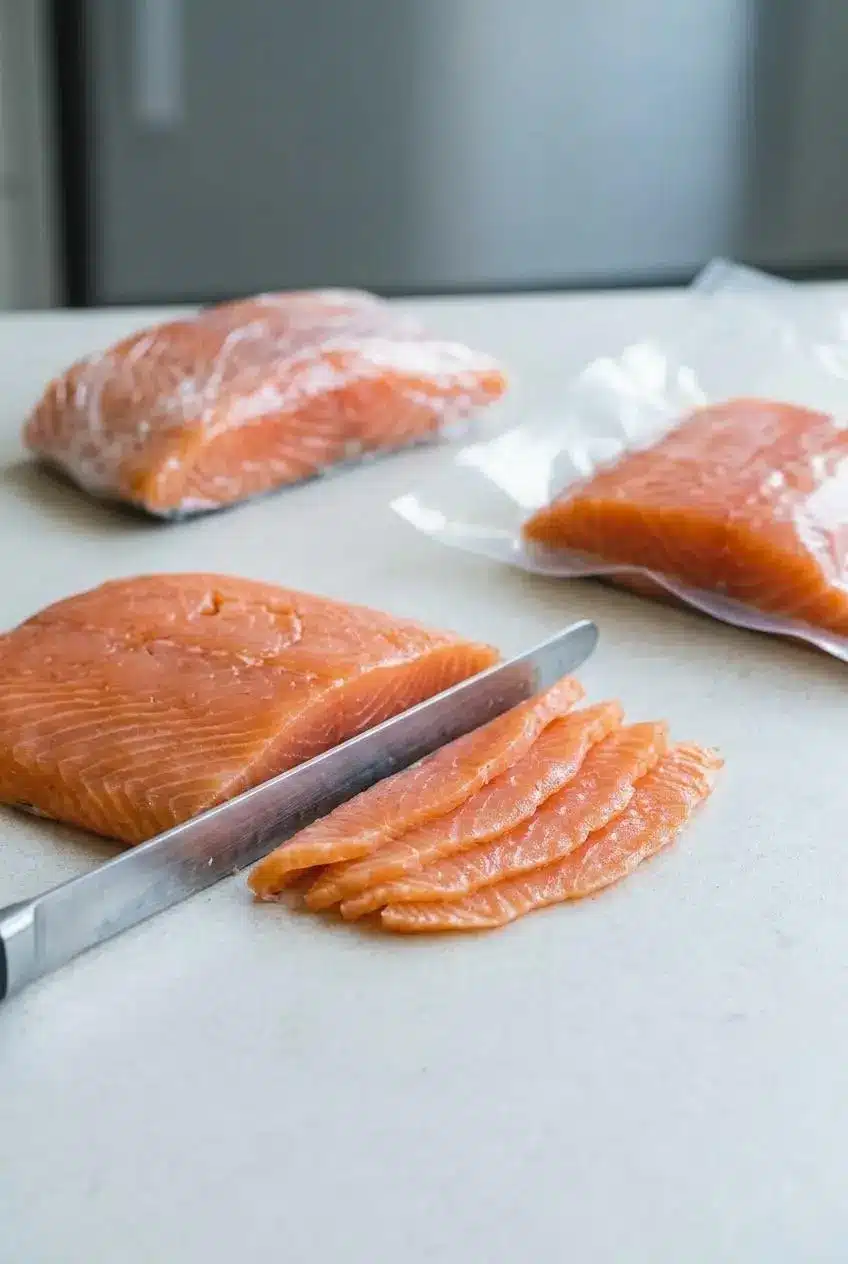
This final stage affects flavor just as much as the smoking. Fresh from the smoker, the salmon tastes sharper and slices less neatly than it will after a proper rest.
Wrap the smoked salmon well and let it rest in the refrigerator for at least 24 hours before slicing. That resting time helps the smoke mellow and the texture firm up, so the slices come off cleaner and silkier.
| Storage Method | Guidance |
|---|---|
| Refrigerator, wrapped | Use the salmon within the time given in the recipe notes and keep it tightly wrapped and well chilled |
| Freezer, wrapped | Freeze only if you can wrap it very well to protect the texture and prevent surface drying |
| Freezer, vacuum-sealed | Vacuum sealing gives the best protection against off flavors and freezer damage |
The recipe notes give a refrigerated storage window of 3 days for the finished salmon. If you freeze it, keep the wrapping as airtight as possible and thaw it under refrigeration before serving.
For slicing, use a long flexible knife and start near the tail end. Cut on a slight bias and against the grain, using long smooth strokes instead of sawing. Thin slices should look slightly translucent and bend rather than break.
Creative Ways to Serve Cold Smoked Salmon
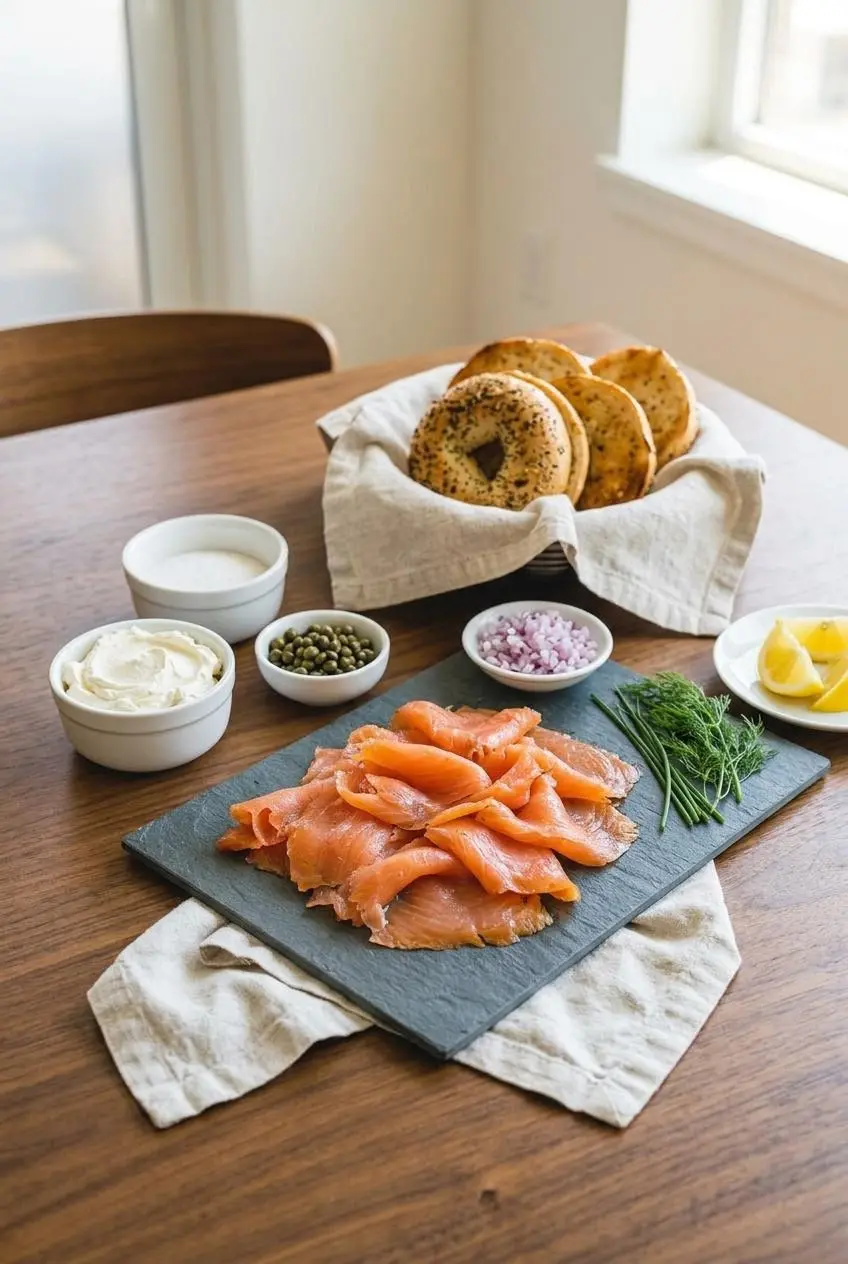
Once it’s sliced, this salmon earns its keep all over the kitchen. Some ideas are classic, and some feel a little more brunch-party than weekday breakfast.
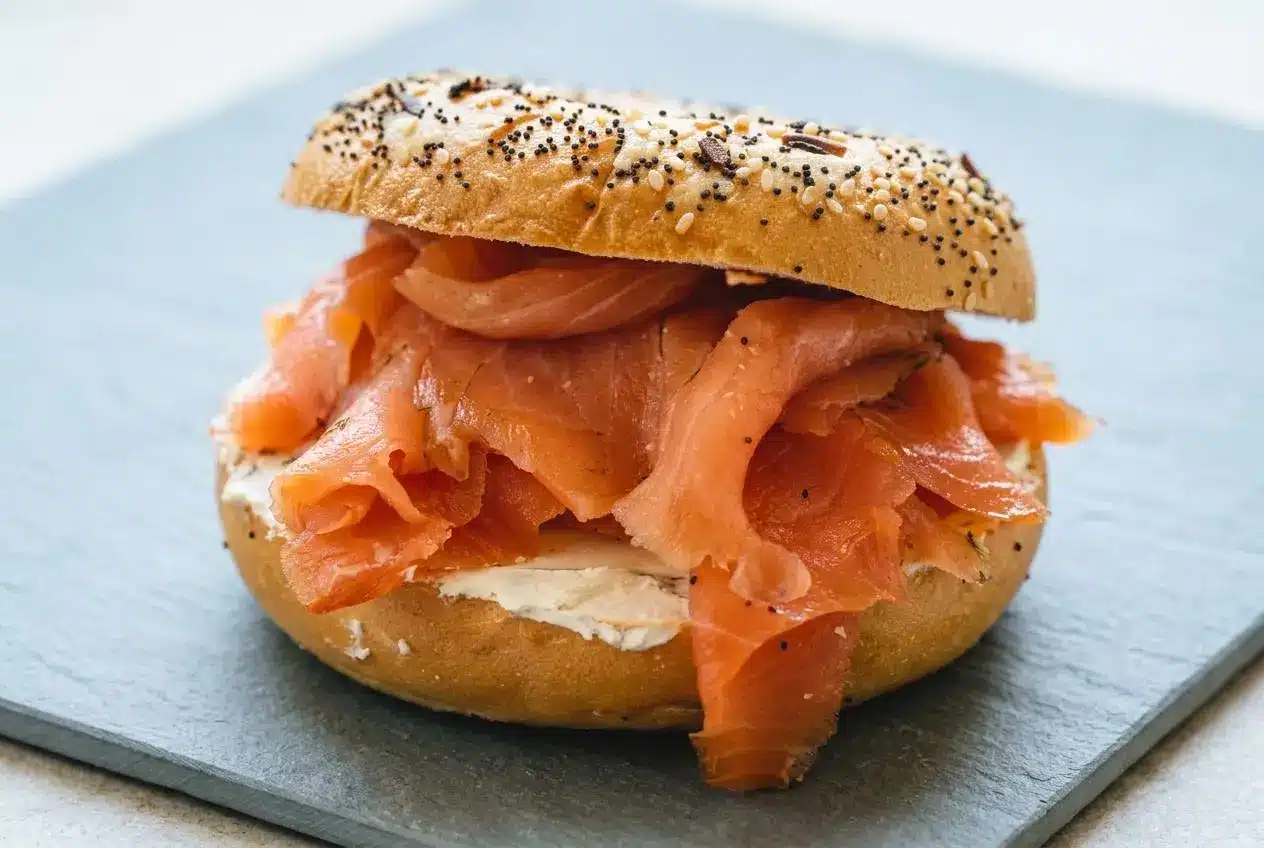
- Layer it on bagels with cream cheese, capers, red onion, lemon, and chives.
- Serve it on crostini with dill cream cheese.
- Fold it into a frittata or soft scrambled eggs right at the end.
- Toss thin ribbons into creamy lemon pasta just before serving.
- Top a baked potato with crème fraîche and a few silky slices.
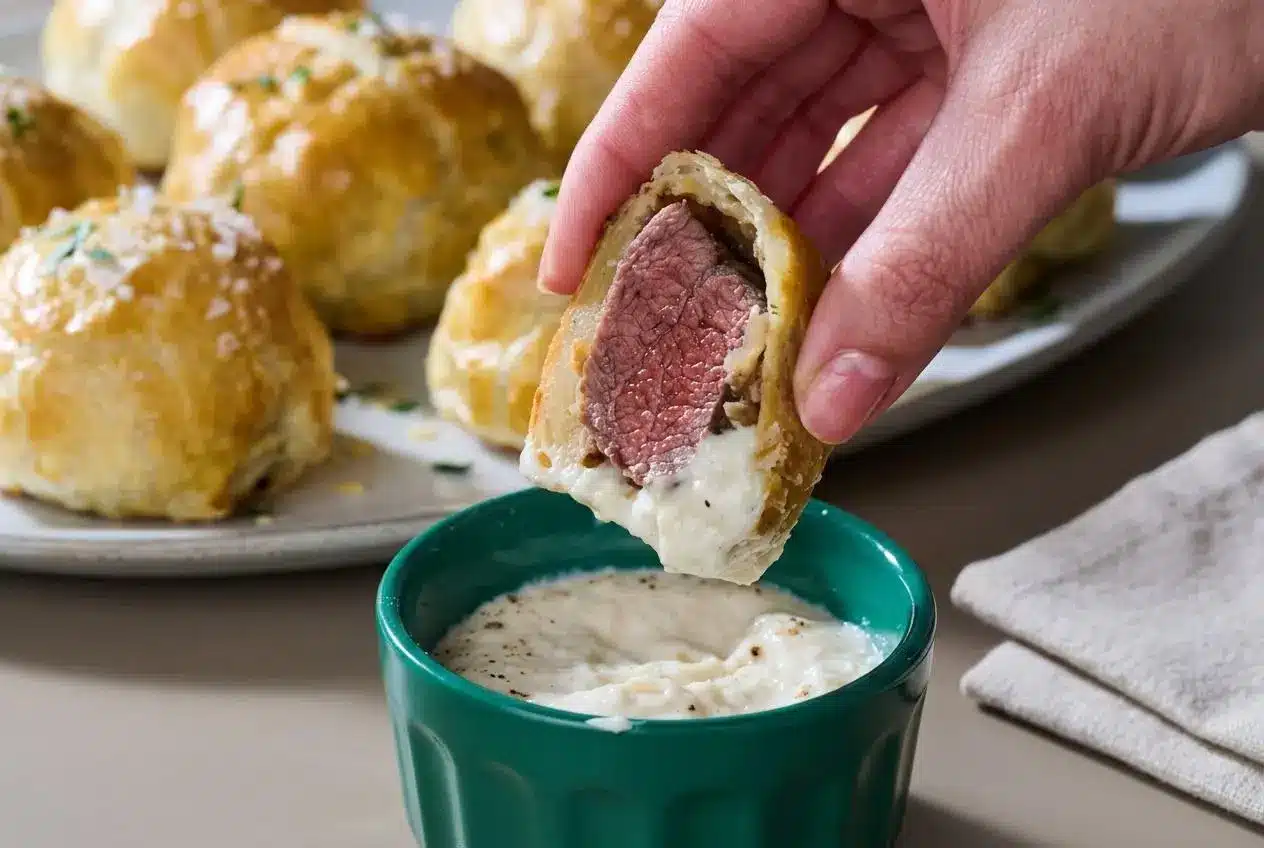
- Use it in puff pastry cups for a polished appetizer.
- For a party table, turn it into a savory Smoked Salmon Cheesecake.
Conclusion
Making cold smoked salmon at home takes time, but the payoff is huge: silky slices, clean smoke flavor, and that rich cured texture you just can’t fake with heat.
Stay patient with the cure, keep the smoke cool, and don’t skip the rest before slicing. Once you taste that first smooth, smoky slice, you’ll be glad you did.
Frequently Asked Questions
Is it safe to eat homemade cold smoked salmon?
Yes, if you follow strict safety steps from the start. Use previously frozen salmon, keep everything cold, and maintain true cold-smoking temperatures. The cure, drying stage, and smoke all matter, so don’t skip or shorten those steps casually.
What’s the difference between cold smoked salmon, hot smoked salmon, and lox?
Cold smoked salmon is cured and smoked at a low temperature, so it stays silky and firm. Hot smoked salmon is cooked by the smoking process, so it turns flaky and opaque. Lox is cured but not smoked.
What is the best type of salmon for cold smoking?
High-fat salmon gives the best texture. King salmon is especially rich and buttery. Sockeye and Atlantic salmon also work very well, especially when you buy a thick center-cut fillet.
How long does homemade cold smoked salmon last?
Follow the refrigerated storage guidance in the article and keep the salmon wrapped tightly and thoroughly chilled. The recipe notes give a short fridge life, so this is best treated as a cured fish to enjoy promptly. If you freeze it, wrap it very well to protect the texture.
How do I know when my salmon is done curing?
Go by feel first. The fillet should feel firm all over, especially in the thickest section, rather than soft or squishy. You’ll also notice that it has released a good amount of liquid into the pan.
Can I use regular table salt for the cure?
It’s better not to. Table salt is finer, so it packs more densely and can over-salt the fish more easily. Non-iodized Kosher salt gives a more even cure and cleaner flavor.

Cold Smoked Salmon

Equipment
- Rimmed baking sheet
- Plastic wrap
- 9×13 pan
- roasting or cooking rack
- smoker
- 12-inch smoke tube
Ingredients
- 2 pounds salmon fillet skin-on
- 1 ½ cups Kosher salt
- 1 ½ cups brown sugar
- 2 Tablespoons whole coriander seeds lightly crushed
- 2 Tablespoons fresh dill chopped
Instructions
- Lay two long sheets of plastic wrap on a rimmed baking sheet, overlapping them by 2 inches and leaving about 6 inches hanging over the long sides. The extra wrap should fully fold over the salmon later without slipping off the pan.
- Mix the salt, brown sugar, crushed coriander, and chopped dill in a large bowl, then spread 1 cup of the cure over the plastic wrap, extending it about 1 inch beyond where the fish will sit. This lower layer should look evenly covered so the salmon cures from both sides.
- Set the salmon skin-side down on the cure and cover the top with the remaining salt-sugar mixture, making sure no flesh is left exposed. A complete coating helps the fillet firm up evenly instead of curing patchily.
- Wrap the salmon tightly, keeping the plastic fully on the baking sheet, and refrigerate it for 24 hours, turning it so the skin side faces up after 12 hours. By the end of the cure, you’ll see liquid in the pan and the fish will feel noticeably firmer.
- Unwrap the salmon, lift it from the cure, shake off the excess, then place it in a 9×13 pan or similar vessel, cover with cool water, and refrigerate for 15 to 20 minutes. After the soak, the surface should no longer feel gritty with cure.
- Transfer the salmon to a rack set over a rimmed baking sheet and refrigerate it for at least 4 hours and up to 8 hours so air can circulate all around it. The outside should turn dry, slightly tacky, and a little glossy when the pellicle is ready.
- Set up your smoker for cold smoking and keep the chamber under 80 °F, using a smoke tube and alder or maple pellets if that’s your setup. You want clean, sweet-smelling smoke and very little heat.
- Place the salmon in the smoker skin-side down, close the lid, and smoke for 18 to 24 hours depending on thickness and how smoky you want it. The finished salmon should have an even light brown surface and feel firm rather than squishy when gently pressed.
- Move the salmon to the refrigerator and chill it completely before slicing. Cold, rested salmon slices more neatly and has a smoother, more balanced smoke flavor.