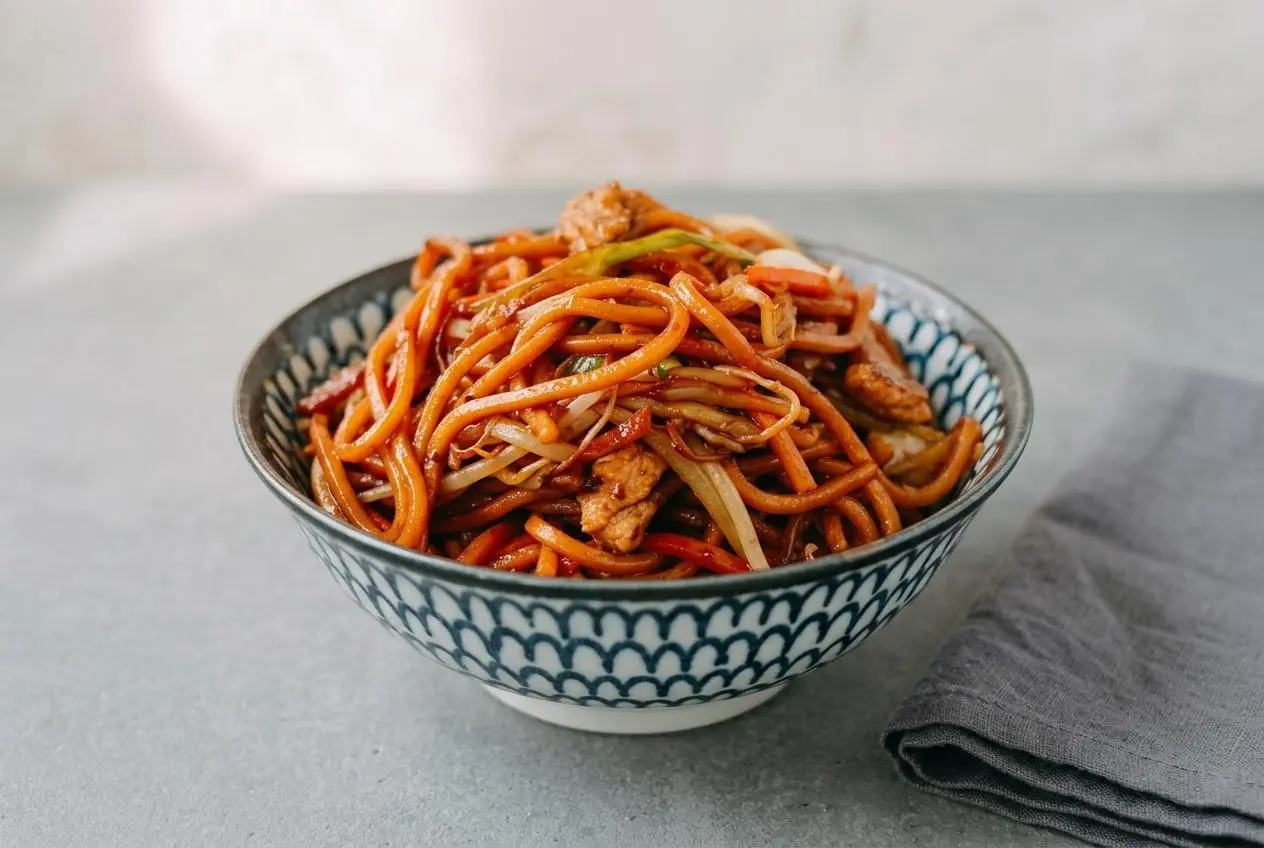
Chicken lo mein is a fast stir-fry of soft egg noodles, tender chicken strips, and crisp vegetables tossed in a savory dark soy sauce, ready in about 30 minutes.
This chicken lo mein delivers the deep color, savory aroma, and slippery-glossy noodles that make takeout so tempting, without waiting for delivery.
The key is preparation: once the wok heats up, each ingredient moves quickly from bowl to pan. That final toss is where the noodles turn glossy.
Slice the vegetables, mix the sauce, and set everything within reach before turning on the burner.
What Is Chicken Lo Mein?
Lo mein is a Chinese noodle stir-fry built around soft egg noodles that are tossed with chicken, vegetables, and sauce rather than fried until crisp. The finished noodles should feel tender and springy, with a savory coating that clings instead of pooling in the wok.
This version cooks quickly because the sauce is mixed before stir-frying, the chicken gets a brief velvet-style coating, and the vegetables cook in stages. It has the rich, dark look and fragrant sesame aroma of a takeout favorite, with cabbage, carrots, bean sprouts, and scallions for fresh crunch.
Lo Mein vs. Chow Mein: Key Differences
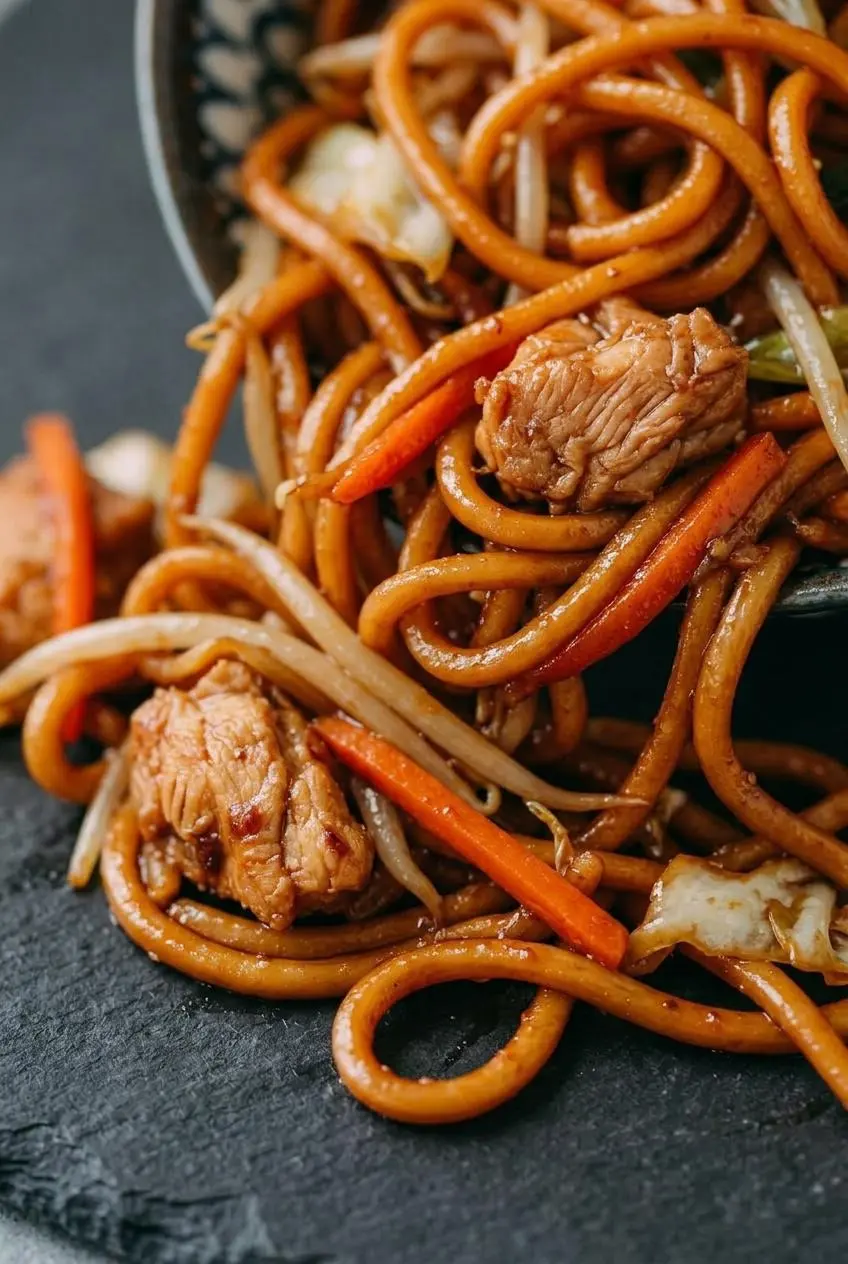
The distinction comes down to noodle texture and how the sauce is used. Lo mein means tossed or stirred noodles, so the noodles stay soft and absorb a generous savory coating.
- Lo mein: Boiled or softened egg noodles are tossed through sauce until loose, glossy, and tender.
- Chow mein: Noodles are typically pan-fried for crisp edges and receive less sauce, which helps preserve their crunch.
- For this dish: Aim for noodles that bend easily and look lacquered with sauce, never browned and crisp like chow mein.
If you want that classic slippery noodle texture, keep the noodles moving from the bottom of the wok upward so the sauce reaches every strand.
Essential Ingredients and Smart Substitutions
Every ingredient contributes something important: egg noodles provide chew, chicken brings richness, vegetables add crunch, and the sauce creates color, aroma, and savory balance.
- 1 pound fresh lo mein egg noodles
- 8 oz. boneless skinless chicken thighs ((or chicken breast, cut into thin strips))
- 2 teaspoons cornstarch
- 2 teaspoons water
- 2 teaspoons oil ((plus more for cooking))
- 1 teaspoon oyster sauce
- 2 tablespoons hot water
- 1/8 teaspoon salt
- 1/8 teaspoon sugar
- 1 tablespoon light soy sauce
- 4 teaspoons dark soy sauce
- 1 teaspoon sesame oil
- 1/8 teaspoon white pepper
- 1 clove garlic ((minced))
- 4 cups cabbage ((shredded))
- 2 medium carrots ((julienned, about 1 1/2 cups))
- 1 tablespoon shaoxing wine
- 2 cups mung bean sprouts
- 2 scallions ((julienned))
Light soy sauce supplies the main salty seasoning, while dark soy sauce gives the noodles their deep mahogany color and gentle caramel-like depth. Oyster sauce adds rounded umami, sesame oil perfumes the finished noodles, and Shaoxing wine releases a toasty aroma when it hits the hot wok.
I like to toss freshly cooked noodles with a small drop of neutral oil before stir-frying, which keeps them separate long enough to absorb the sauce evenly.
The Perfect Egg Noodle Selection
Fresh yellow lo mein egg noodles give the most traditional soft, chewy result. Check whether they are raw or already cooked before you begin: raw noodles need boiling before stir-frying, while pre-cooked noodles should sit out briefly so they loosen and warm slightly.
Dried Chinese egg noodles are a good substitute, though they need a little more cooking than fresh noodles. Plain ramen noodles without the seasoning packet also work. In a pinch, use dried spaghetti cooked just shy of al dente; a pinch of baking soda in the cooking water can lend a more alkaline, springy bite. Drain and rinse promptly so the pasta does not continue softening.
Crafting the Savory Stir-Fry Sauce
Dissolve the salt and sugar in hot water first, then stir in the light soy sauce, dark soy sauce, sesame oil, and white pepper. This prevents a grainy sauce and gives the noodles a more even coating.
Mixing the sauce before heating the wok matters because stir-frying moves too fast for measuring bottles at the stove. The sauce should look dark and fluid, with the sugar fully melted before it meets the noodles.
Velveting the Chicken for Maximum Tenderness
Cornstarch, water, oil, and oyster sauce form a light coating around the thin chicken strips. That coating helps the chicken stay moist during high-heat cooking and gives it a lightly glistening surface once browned.
This same approach is useful for sliced poultry in dishes like tender Szechuan chicken, where a hot wok can otherwise dry out lean pieces quickly. Keep the strips thin and separate them well in the bowl so they sear instead of clumping.
Step-by-Step Guide to Cooking Chicken Lo Mein
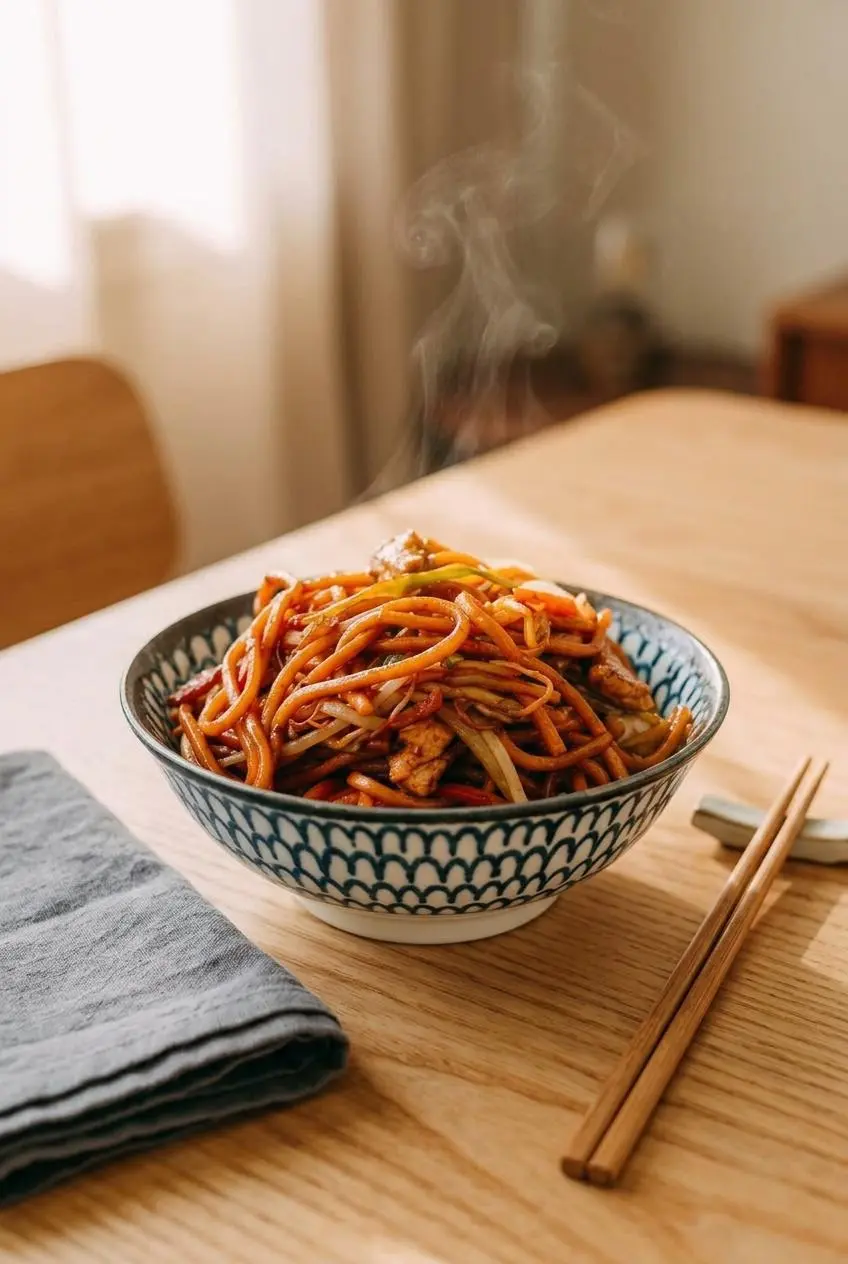
High heat and quick movement make the difference here. Use a wok if you have one, but a wide skillet over your strongest burner also works well when you cook in the same order and avoid crowding the pan.
- Check whether the lo mein noodles are raw or pre-cooked, then boil raw noodles before stir-frying or let pre-cooked noodles come closer to room temperature.
Prepared noodles should be tender and loose enough to separate without tearing. - Stir the chicken with the cornstarch, water, oil, and oyster sauce in a medium bowl until each strip is lightly coated.
The mixture should cling in a thin sheen rather than collect in a watery puddle. - Whisk the hot water with the salt and sugar until dissolved, then blend in both soy sauces, sesame oil, and white pepper.
The finished sauce should be smooth, dark, and fragrant. - Heat 2 tablespoons oil in a wok over high heat, then spread in the chicken and cook for about 2 minutes before transferring it out.
The strips should show browned edges and a glossy coating. - Add another couple tablespoons oil, cook the garlic for 10 seconds, then stir-fry the cabbage and carrots over high heat for 1 minute.
Pour the Shaoxing wine around the wok’s edge and listen for a sharp sizzle as its fragrant aroma rises from the hot metal. - Return the chicken to the wok with the noodles and pour in the prepared sauce, lifting and turning everything from the bottom for about 30 seconds.
The noodles should shift toward a deep glossy mahogany color as the sauce coats them. - Lower the heat to medium, cover the wok for 1 minute, then uncover and toss the noodles again; add 1/4 cup water or stock if they look dry.
When the noodles are loose, slippery, and hot, stir in the bean sprouts and scallions for 1 more minute before serving.
Troubleshooting Common Stir-Fry Mistakes
- Noodles are clumping: They were likely overcooked or sat too long without oil. Cook them just shy of tender, rinse promptly when appropriate, and separate them before they go into the wok.
- Vegetables are watery: The pan cooled down or became crowded. Heat the wok until it is very hot, cook over the strongest burner available, and keep the chicken out while the cabbage and carrots cook.
- Sauce coats unevenly: Toss from the bottom rather than stirring only across the surface. This pulls the sauce through the noodle pile and helps the darker sauce reach every strand.
- The flavor seems flat: Make sure the sauce was mixed completely before cooking. Dark soy sauce provides color and depth, while light soy sauce carries the saltier seasoning.
- Bean sprouts turned limp: They entered the wok too early. Add them at the end so they stay crisp and fresh against the tender noodles.
- The pan is steaming instead of sizzling: Give it time to regain heat between additions. A standard home burner benefits from a wide pan, a hot surface, and ingredients added in quick stages rather than all at once.
Delicious Recipe Variations
Keep the main method intact, then change the protein or vegetables to suit what you have. These are optional directions, so the original balance of sauce and noodles still stays at the center of the dish.
Vegetable Lo Mein
For a meatless version, omit the chicken and oyster sauce, then use a vegetarian mushroom-based stir-fry sauce in place of the oyster sauce. Add sliced shiitake mushrooms, bell peppers, or snow peas with the cabbage and carrots for extra color and texture.
Cook firmer vegetables first and keep tender vegetables moving so they remain crisp-tender. A final splash of toasted chili oil and a drop of Chinkiang vinegar can add gentle warmth and subtle acidity without overpowering the sauce.
Beef and Shrimp Alternatives
Swap in thinly sliced flank steak for a deeper, beefier flavor, using the same cornstarch coating to help protect the meat from high heat. Cook the beef until browned, remove it, and return it with the noodles as you would the chicken.
Peeled shrimp make a lighter option and cook very quickly, usually in 1 to 2 minutes over high heat. For a bolder spicy dinner alongside your noodles, try spicy Hunan chicken.
Storage and Reheating Guidelines
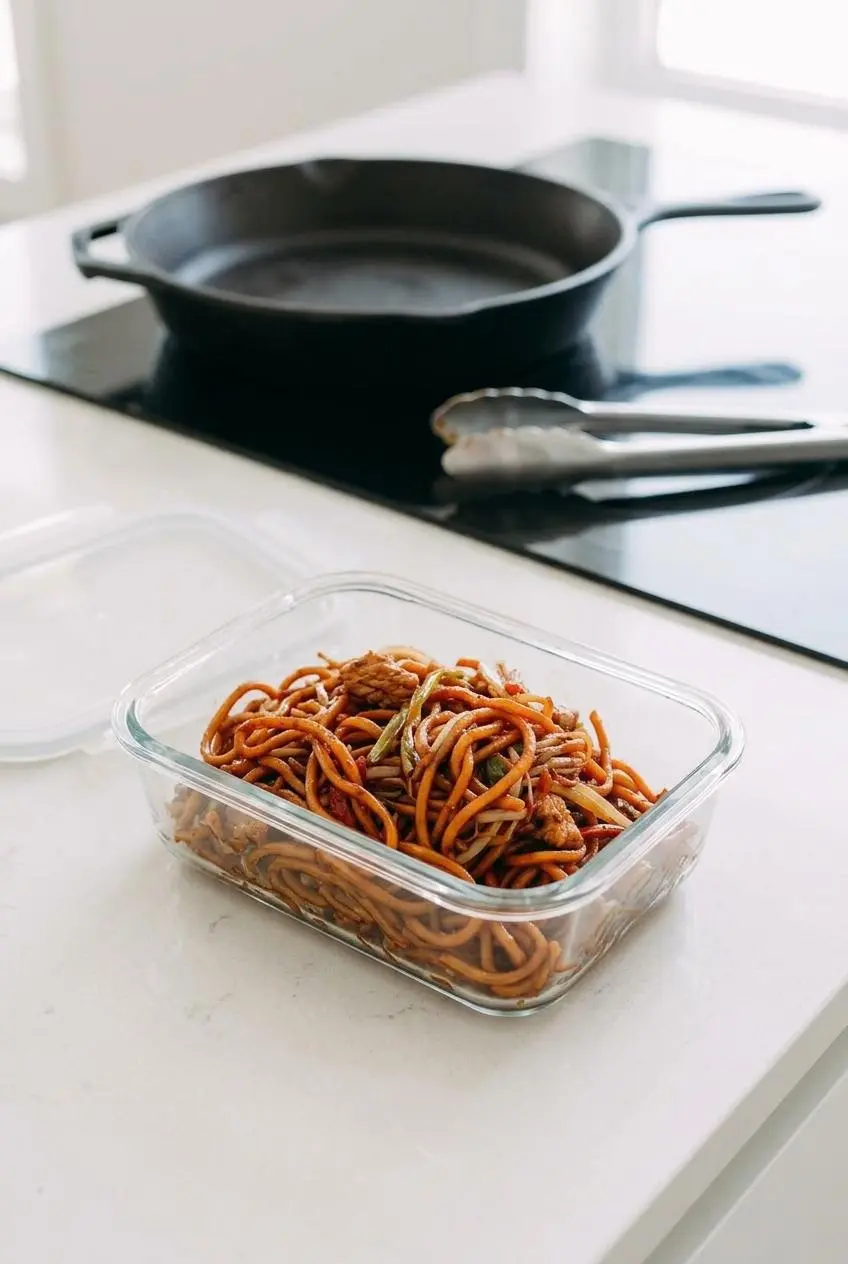
Cool leftovers promptly, transfer them to an airtight container, and keep them chilled. The bean sprouts will soften as they sit, so the noodles are at their best when reheated gently rather than aggressively.
For the best texture, warm a skillet with a little oil and a splash of water or broth, then toss the noodles until they loosen and regain their glossy coating. If using a microwave, cover the container to hold in moisture and pause to stir so the center warms without turning the edges dry.
For meal planning, prepare the vegetables and sauce separately ahead of cooking, then stir-fry close to serving time. This keeps the cabbage brighter and the noodles springier.
Conclusion
Chicken lo mein makes a satisfying weeknight dinner when you want tender noodles, savory sauce, and crisp vegetables in one hot bowl. With everything prepped first, the wok work takes only minutes.
Mix the sauce before the heat goes on, velvet the chicken, and toss from the bottom until the noodles shine. That small bit of organization delivers the takeout-style texture you want.
Frequently Asked Questions
What Is the Primary Difference Between Chicken Lo Mein and Chow Mein?
Lo mein uses soft egg noodles tossed in a generous coating of savory sauce. Chow mein uses noodles that are pan-fried until crisp, usually with less sauce so the crunchy texture remains noticeable.
What Noodles Work Best if Fresh Lo Mein Noodles Are Unavailable?
Dried Chinese egg noodles are the closest substitute. Plain ramen noodles without seasoning also work well. Regular dried spaghetti is a useful backup when cooked just shy of al dente; a pinch of baking soda in the water can give it more of the springy chew associated with egg noodles.
How Do You Keep Lo Mein Noodles From Getting Soggy?
Cook noodles just shy of tender, then rinse them briefly in cold water when needed to stop the cooking. Toss them with a few drops of neutral oil to prevent sticking. Finish the dish quickly over high heat, and add the sauce only after the noodles and chicken are back in the wok.
Can You Freeze Chicken Lo Mein Leftovers?
For the best noodle texture, avoid relying on frozen leftovers. Egg noodles can lose their spring and turn softer after being chilled and reheated. Keep leftovers in an airtight container in the refrigerator instead, then reheat them gently in a skillet with a little moisture until the noodles loosen.
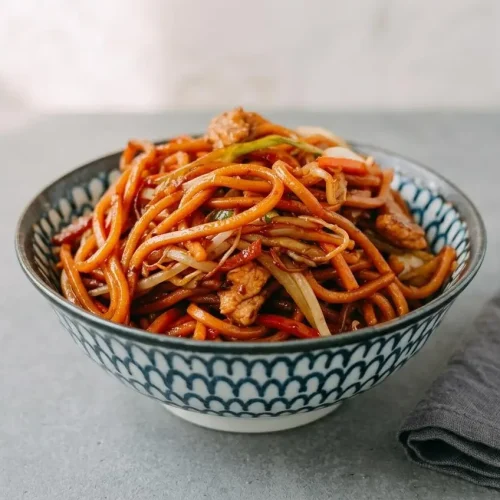
Chicken Lo Mein

Equipment
- wok
Ingredients
- 1 pound fresh lo mein egg noodles
- 8 oz. boneless skinless chicken thighs or chicken breast, cut into thin strips
- 2 teaspoons cornstarch
- 2 teaspoons water
- 2 teaspoons oil plus more for cooking
- 1 teaspoon oyster sauce
- 2 tablespoons hot water
- 1/8 teaspoon salt
- 1/8 teaspoon sugar
- 1 tablespoon light soy sauce
- 4 teaspoons dark soy sauce
- 1 teaspoon sesame oil
- 1/8 teaspoon white pepper
- 1 clove garlic minced
- 4 cups cabbage shredded
- 2 medium carrots julienned, about 1 1/2 cups
- 1 tablespoon shaoxing wine
- 2 cups mung bean sprouts
- 2 scallions julienned
Instructions
- Check whether the lo mein noodles are raw or pre-cooked, then boil raw noodles before stir-frying or let pre-cooked noodles come closer to room temperature. Prepared noodles should be tender and loose enough to separate without tearing.
- Stir the chicken with the cornstarch, water, oil, and oyster sauce in a medium bowl until each strip is lightly coated. The mixture should cling in a thin sheen rather than collect in a watery puddle.
- Whisk the hot water with the salt and sugar until dissolved, then blend in both soy sauces, sesame oil, and white pepper. The finished sauce should be smooth, dark, and fragrant.
- Heat 2 tablespoons oil in a wok over high heat, then spread in the chicken and cook for about 2 minutes before transferring it out. The strips should show browned edges and a glossy coating.
- Add another couple tablespoons oil, cook the garlic for 10 seconds, then stir-fry the cabbage and carrots over high heat for 1 minute. Pour the Shaoxing wine around the wok’s edge and listen for a sharp sizzle as its fragrant aroma rises from the hot metal.
- Return the chicken to the wok with the noodles and pour in the prepared sauce, lifting and turning everything from the bottom for about 30 seconds. The noodles should shift toward a deep glossy mahogany color as the sauce coats them.
- Lower the heat to medium, cover the wok for 1 minute, then uncover and toss the noodles again; add 1/4 cup water or stock if they look dry. When the noodles are loose, slippery, and hot, stir in the bean sprouts and scallions for 1 more minute before serving.