Skip to content
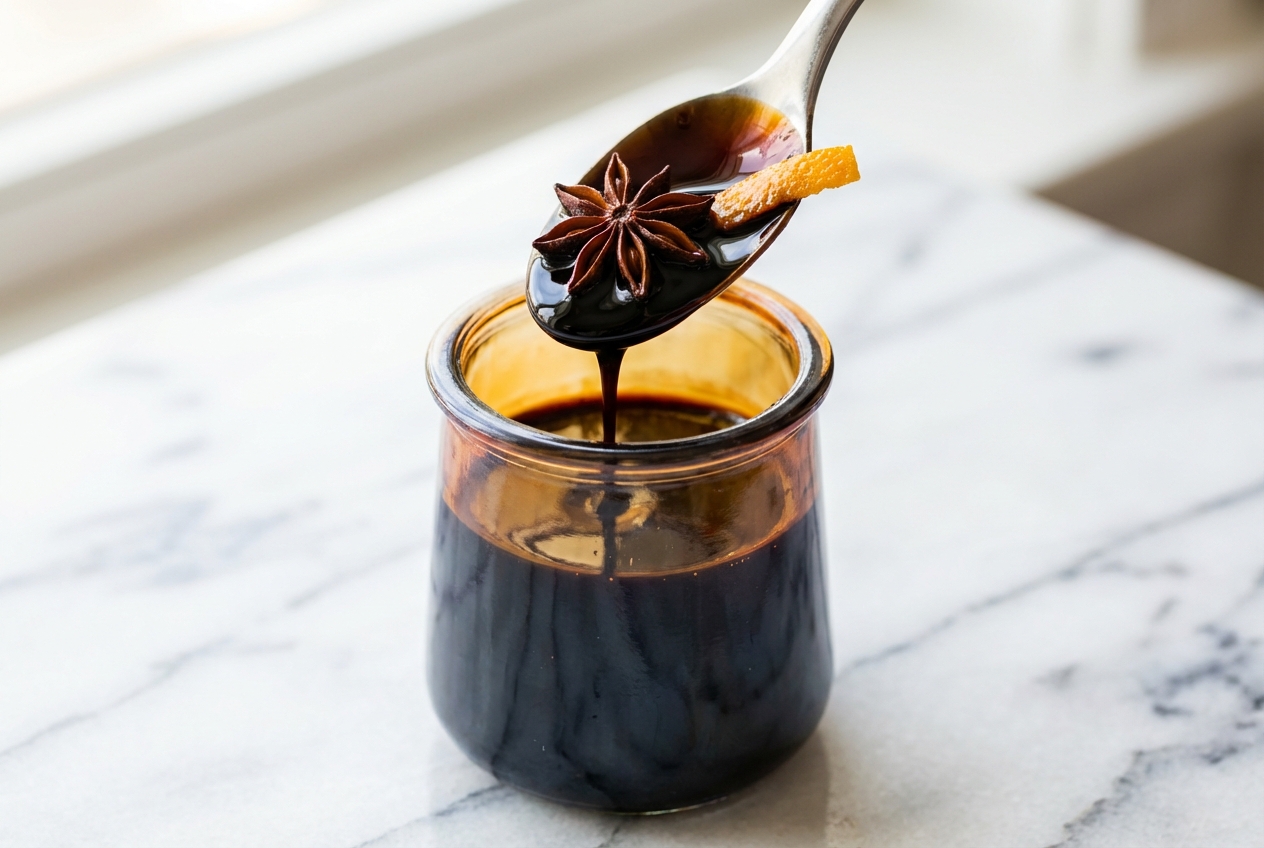
In my kitchen, the real steakhouse moment is never just the sear on the steak. It’s that final, glossy drizzle that hits the plate like a little ribbon of drama, tangy, sweet, and so velvety it clings to everything it touches.
This homemade balsamic glaze gives you that same Italian-American restaurant finish for a fraction of the price, and with deeper flavor than most store-bought bottles. I’ll show you the simple reduction, plus my favorite aromatic twist that makes the whole pot smell like something you’d swear came from a pro line cook’s station.
Why You’ll Love This Recipe
That steakhouse shine at home: A proper reduction turns ordinary balsamic into a glossy condiment that makes a weeknight plate look dressed for company.
The aromatic twist: When I simmer in a single star anise and a 1-inch strip of fresh orange zest, the glaze picks up a warm, perfumed lift that plays beautifully with the dark fruit notes.
Flavor, explained: The anethole in star anise flatters the vinegar’s depth, and citrus oils brighten the syrupy density, especially when you start with a good Balsamic Vinegar of Modena.
Velvety texture you can trust: This balsamic glaze finishes glossy, tangy-sweet, and spoon-coating, the kind of viscosity that drizzles in clean lines instead of splashing.
Ingredients and Substitutions
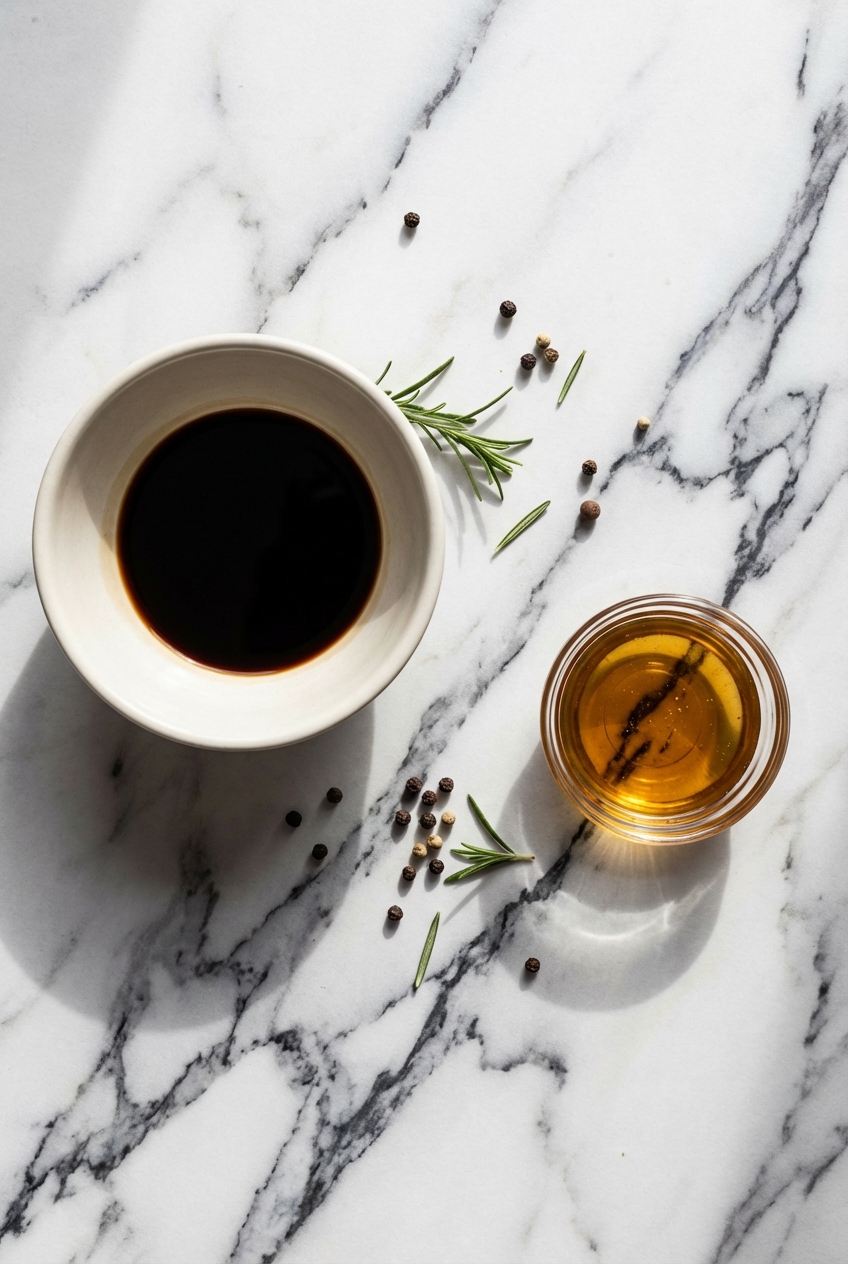
Two ingredients do all the work here, balsamic vinegar for the backbone, and a touch of honey (optional) to round the edges and help the glaze feel extra plush.
Ingredients
- 1 cup balsamic vinegar
- 1/2 Tbsp honey, (optional)
Ingredient Notes & Substitutions
Balsamic Vinegar of Modena: If you can, choose a bottle marked IGP, it’s the sweet spot for a reduction, reliable flavor without paying “Traditional” prices that heat would mute anyway.
Honey (optional): Honey softens sharp acetic acid and adds a gentle floral note, but you can swap it with maple syrup for a woodsy sweetness, or brown sugar for a deeper molasses-like undertone.
No thickeners needed: A true reduction gets its body from evaporation and concentration, so I skip cornstarch and let time and heat do the honest work.
How to make balsamic glaze
Start the reduction
- Pour 1 cup balsamic vinegar into a small saucepan, then stir in 1/2 Tbsp honey, (optional), until it disappears into the liquid and smells mellow instead of sharp.
- Bring it to a low boil, you want active bubbles but not a furious froth crawling up the sides.
Simmer until glossy
Lower the heat to hold a steady simmer for 12-15 minutes, stirring occasionally as the liquid darkens and becomes shiny. As the acetic acid concentrates, caramelization builds sweetness and a gentle Maillard reaction adds deeper, toasted complexity, the kind described in this helpful note on Maillard reaction and caramelization.
Test thickness, then cool
- Once it’s reduced at least by half, dip a spoon and look for “nappe” consistency, it should lightly coat the back of the spoon and leave a clean trail when you swipe a finger through.
- Pour into a mason jar or air-tight container, then let it cool to room temperature before refrigerating for 3 to 4 weeks, and remember it thickens a lot as it cools.
Mastering the Perfect Texture and Temperature
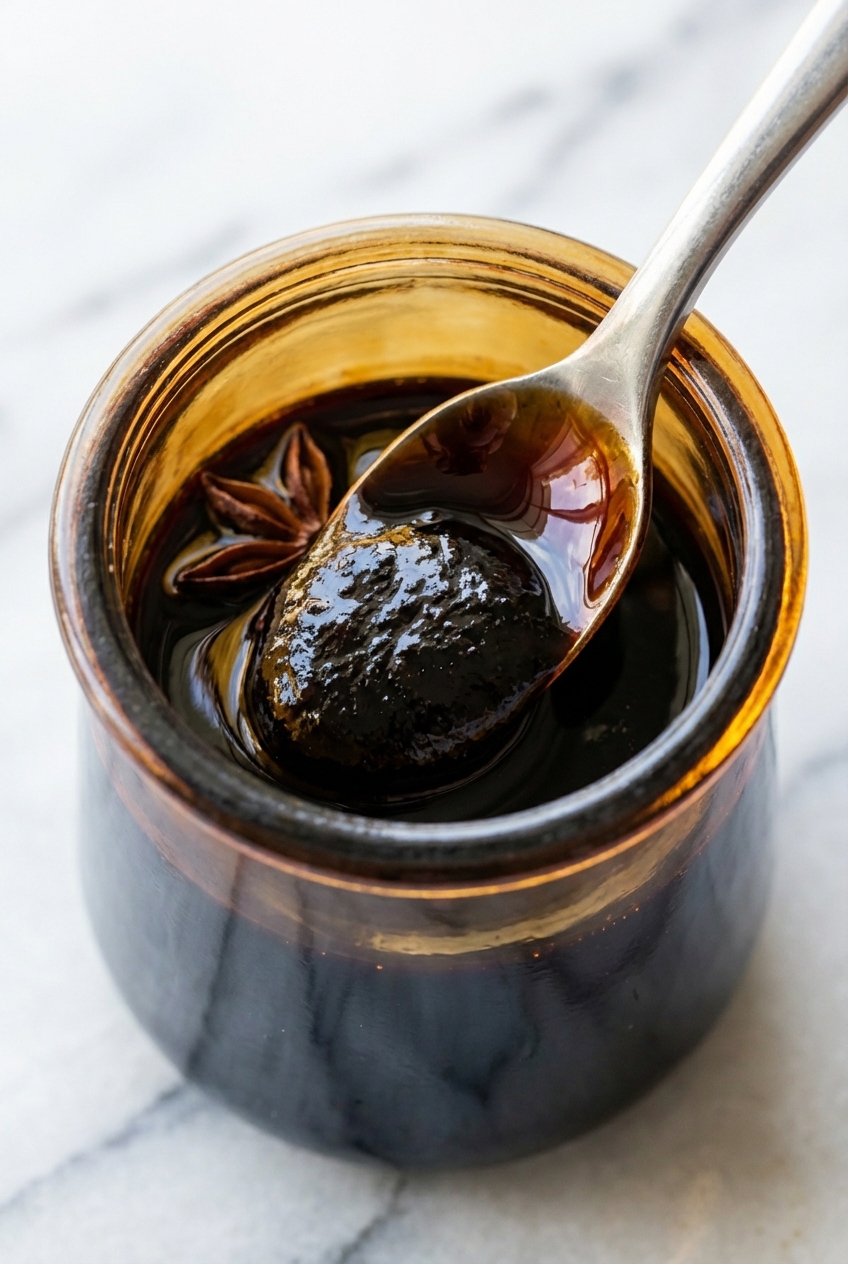
Low boil vs. simmer: On most home stoves, a low boil sits around medium heat with steady bubbles, then a simmer is closer to medium-low where the surface gently blips. If it smells even slightly scorched or turns harshly bitter, the heat was too high for the sugar to behave.
The aperture of the pan matters: A wider saucepan gives more surface area, which speeds evaporation and shortens cook time. The physics behind why a wider pan increases the surface area for faster evaporation is simple, more exposed liquid means faster moisture loss.
The yield reality: From 1 cup vinegar, a 50% reduction lands you around 1/2 cup glaze, perfect for drizzling and dipping. Push closer to a 75% reduction and you’re nearer 1/4 cup, thicker, tighter, and much easier to overdo.
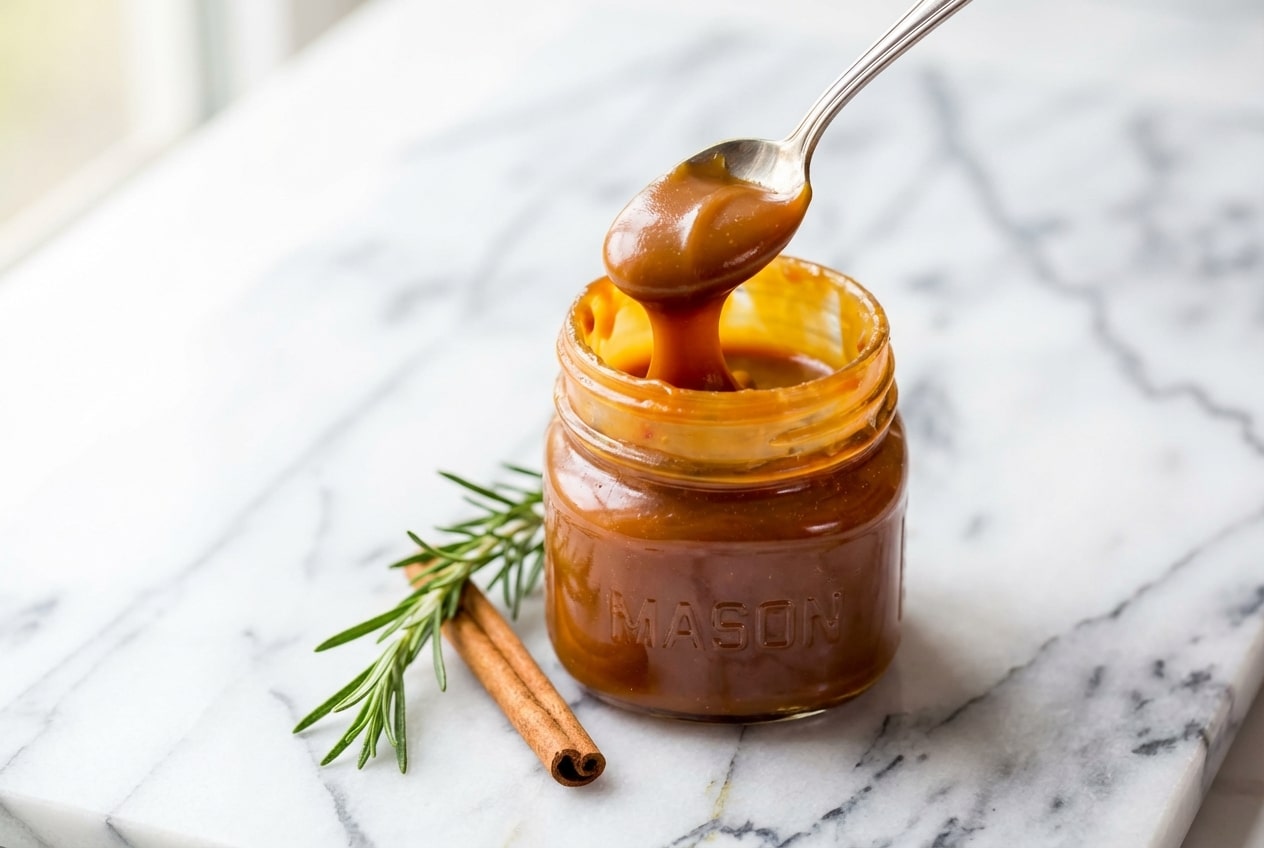
Viscosity and cooling: The spoon-coat test is the same instinct you use when cooking syrups, like my homemade salted caramel sauce that sets up as it cools. Pull the pot a little earlier than you think, because cooling turns “a bit thin” into “just right.”
Cleanup wisdom: As soon as you pour the glaze out, fill the warm pan with hot water and let it sit. Dried vinegar reduction turns into a sticky lacquer that makes you regret taking a dinner break before washing up.
Pro Tips & Troubleshooting
Pro Tips
- Ventilation helps a lot, because simmering vinegar throws strong fumes that can sting your eyes.
- A tiny pinch of salt can make the sweetness taste more complex and less one-note.
- A wider pan reduces faster, giving you more control in the final minutes.
- For savory directions, infuse with a rosemary sprig or a lightly crushed garlic clove while it simmers, then strain.
Common Mistakes to Avoid
- Cooking until it looks thick in the pan, it can cool into hard candy, so stop at a light spoon-coat.
- Walking away during the last 5 minutes, it can go from perfect to burnt quickly.
- Using ultra-expensive Traditional balsamic, the delicate profile gets lost in reduction.
Serving & Storage
Creative Serving Ideas
Savory pairings: A balsamic glaze drizzle loves tomatoes and fresh mozzarella, so it’s right at home on Caprese and even on pizza. On a bright green pesto pizza, the sweet-tart finish balances the basil and cheese beautifully.
Protein finishes: I like a quick decorative swirl over grilled salmon or steak right before serving, when the glaze warms and shines. The aroma hits first, then the tangy-sweet edge cuts through richness like a clean knife.
Sweet contrasts: A thin ribbon over vanilla bean ice cream with strawberries tastes like a fancy restaurant trick. It’s also gorgeous over fruit kabobs, because acidity makes ripe fruit taste even more vibrant.
Snack-board move: Served in a tiny bowl, it turns into a classy dip for crisp roasted vegetables. With zucchini fries, that sticky tang feels like a grown-up upgrade to ketchup.
Storage and Make-Ahead
Store it in a mason jar or any air-tight container, and refrigerate for 3 to 4 weeks. Vinegar is naturally self-preserving, and this overview of shelf-life and microbial safety explains why it holds so well.
A glaze with honey tends to stay a touch softer and more spoonable over time. A pure reduction can firm up more in the cold, but it loosens quickly with gentle warming.
Homemade Balsamic Glaze: The Perfect Steakhouse Reduction

Equipment
- Small saucepan
- Spoon
- Mason jar or airtight container
Ingredients
- 1 cup balsamic vinegar
- 0.5 Tbsp honey (optional)
Instructions
Start the reduction
- Pour 1 cup of balsamic vinegar into a small saucepan and stir in 1/2 Tbsp of honey (if using) until it is fully incorporated and the aroma begins to mellow.
- Bring the mixture to a low boil over medium heat, ensuring you have active bubbles without the liquid frothing over the sides.
Simmer until glossy
- Lower the heat to maintain a steady simmer for 12 to 15 minutes, stirring occasionally as the liquid darkens and develops a shiny, caramelized texture.
Test thickness, then cool
- Once the liquid has reduced by at least half, test for nappe consistency by dipping a spoon; it should coat the back and hold a clean line when a finger is swiped through.
- Transfer the glaze into a mason jar and allow it to cool to room temperature before refrigerating for up to 4 weeks, keeping in mind that it will thicken significantly as it chills.
Notes
Nutrition
Conclusion
Once you’ve watched balsamic turn into a glossy, spoon-coating glaze, you start seeing places to use it everywhere. Keep it simple, trust the simmer, and if you’re feeling playful, let star anise and orange zest perfume the pot for that secret aromatic twist.
When you’re in the mood for another silky kitchen staple, the same “pull it early” instinct applies to my salted caramel sauce, too, because cooling always finishes the job.
Frequently Asked Questions
How can I tell when the glaze is perfectly done?
Use the back-of-the-spoon test: it should lightly coat the spoon and hold a clean line when you swipe a finger through. If you wait until it looks very thick in the pan, it can set too hard once cooled.
What should I do if my glaze becomes too thick in the fridge?
Warm it gently until it loosens, either at room temperature or with a short, low-heat moment on the stove. If needed, whisk in a drop or two of water or balsamic vinegar to bring it back to drizzle consistency.
Is store-bought balsamic glaze the same as homemade?
Not usually, many bottles include added sweeteners and stabilizers for a consistent squeeze. Homemade is simply a reduction, so the flavor tastes cleaner and more vividly of the vinegar you started with.
Can I make this recipe without any added sugar or honey?
Yes, just reduce the balsamic vinegar on its own, it will still thicken because evaporation concentrates the natural sugars. The result is a little sharper and more intensely tangy, but still delicious.
How long does homemade balsamic glaze last?
Refrigerated in an air-tight container, it keeps well for 3 to 4 weeks. If it thickens over time, gentle warming brings it right back.
Why does my balsamic glaze smell so strong while cooking?
That punchy aroma is the acetic acid concentrating as water evaporates during the reduction. Turning on the vent or cracking a window makes the process far more pleasant, especially in the last few minutes.