Every Southern summer, my kitchen turns into a little memory machine. The air gets heavy with butter, warm spices, and that unmistakable perfume of peaches turning jammy at the edges, like a fresh cobbler cooling on the counter while everybody “just tastes” the corner.
This peach cobbler pound cake is that same comfort, dressed up for a Bundt pan, with a dense, velvety crumb and a glossy caramelized peach top. I’ll walk you through peeling fruit without mangling it, coaxing sugar into a golden caramel layer, and building a cake that slices clean but eats like a warm hug.
Why You’ll Love This Recipe
Brown butter magic: I fold beurre noisette into the streusel and the batter, and the nutty aroma hits right as the caramelization starts, tying the peaches, spice, and butter together like they were always meant to be.
Real cobbler texture: You get crunchy streusel topping, tender fruit, and that tight, bakery-style crumb that only a proper creaming method can give in a deep Bundt pan.
Spice that tastes like summer: Cinnamon and nutmeg don’t just “add warmth”, they deepen the peaches and make the Maillard reaction on the crust taste toasted and fragrant, not just sweet.
Ingredients and Substitutions

These ingredients build three layers of magic: a biscuit-like crumble, spiced peaches under caramel, and a buttery pound cake finished with a tangy cream cheese glaze.
Ingredients
Streusel (Biscuit crumble):
- 1 cup all-purpose flour 127 grams
- 1/3 cup granulated sugar 66 grams
- 1/3 cup brown sugar 73 grams
- 1/2 tsp cinnamon powder
- 1/4 tsp nutmeg powder
- 6 tbsp unsalted butter softened (85 grams)
Peaches:
- 2 large peaches
- 1/4 tsp nutmeg powder
- 1/2 tsp cinnamon powder
Caramel Sauce:
- 1 cup granulated sugar 200 grams
- 1/4 cup water 60 ml
Cake Batter:
- 3 cups cake flour 340 grams (see notes about using all-purpose flour)
- 2 1/4 tsp baking powder
- 1/2 tsp salt
- 1/2 tsp cinnamon powder
- 1 1/2 cup unsalted butter room temperature (339 grams), plus more for greasing the pan
- 2 cups granulated sugar 400 grams
- 6 large eggs room temperature
- 1 tbsp vanilla extract
- 3/4 cup buttermilk 180 ml
Cream Cheese Glaze:
- 1/4 cup cream cheese softened (56 grams)
- 1 tbsp unsalted butter 14 grams
- 1/4 cup powdered sugar 31 grams
- 2-3 tbsp milk
- 1/2 tsp vanilla extract
Ingredient Notes & Substitutions
Cake flour vs. all-purpose: Cake flour is what gives that fine, tight crumb that still feels tender. If you’re out, the classic DIY swap is to remove 2 tbsp flour per cup and replace with cornstarch, then whisk well to lighten it.
Fresh vs. canned peaches: Fresh peaches bring the brightest flavor, but frozen or canned can work if you manage moisture like a hawk. Nutrition and water content vary by pack style, and a quick comparison using fresh vs. canned peaches helps explain why draining matters.
Frozen peaches: Thaw completely, then drain and pat dry until the surface feels barely tacky, not wet. Extra juice will steam inside the cake and create gummy pockets around the fruit.
Buttermilk: The tang helps tenderness and boosts leavening agents like baking powder. In a pinch, stir 1 tsp vinegar into milk and let it sit about 2 minutes, then use it like buttermilk.
Cream cheese glaze: The little bit of cream cheese adds a gentle tang that keeps the sweetness from getting loud. If you want a brighter finish, swapping the milk for citrus juice makes a zippy glaze without changing the cake itself.
How to Make peach cobbler pound cake
Prepare the brown butter streusel
- Heat your oven to 350ºF and line a baking sheet with parchment paper, you want easy cleanup and even browning.
- In a bowl, combine the flour, both sugars, cinnamon, and nutmeg until the color looks uniform and the spices smell lively.
- Brown the streusel butter by melting it in a small pan and letting it cook until you see amber flecks and smell toasted nuts, then let it cool just until it’s no longer piping hot.
- Work the softened butter into the dry mix with a fork or your fingertips until you can pinch a clump that holds together, it should feel like damp sand with a few bigger nuggets.
- Spread it on the baking sheet and bake for about 15 minutes at 350ºF, stirring a couple of times so it crumbles instead of forming one big cookie.
- Pull it when the crumbs look golden brown, then immediately break it up while it’s still hot and willing, and let it cool.
Prep the peaches, Bundt pan, and caramel layer
- Peel the peaches using a peeler, or blanch them by cutting a small X, boiling 1 to 2 minutes, then slipping the skins off after an ice bath, the blanching method keeps the flesh intact and pretty.
- Slice one peach thin for the bottom of the pan, then toss those slices with 1/8 tsp nutmeg powder and 1/4 tsp cinnamon powder until lightly coated and fragrant.
- Dice the second peach into small pieces for the interior, then toss with the remaining 1/8 tsp nutmeg powder and 1/4 tsp cinnamon powder.
- Grease a 12-cup Bundt pan with butter, then dust with flour and tap out the excess, this old-school method releases better than spray when caramel is involved.
- Arrange the sliced peaches in the pan in a tidy layer, because this becomes the glossy “top” after the flip.
- For caramel, combine sugar and water in a heavy-bottomed saucepan, bring to a boil over medium-high, then reduce to medium or medium-low and let it turn amber.
- Swirl the pan gently once or twice, but do not keep stirring, steady hands prevent crystallization and keep the caramel glassy.
- When it reaches a light golden brown, pour immediately over the peaches in an even layer, it thickens fast the moment it leaves the heat.
Cream the batter, assemble, bake, and cool
- Keep the oven at 350ºF and whisk cake flour, baking powder, salt, and cinnamon together until airy and well mixed.
- Brown the butter for the cake batter as well, then cool it until it re-solidifies to a soft, room-temperature texture, this is the beurre noisette twist that makes the whole cake taste deeper.
- Beat the butter for about 2 minutes until creamy, then add sugar and continue for two minutes more until it looks paler and fluffy, you’re building air for lift.
- Add the eggs one at a time, letting each disappear before the next, this slow pace protects emulsification so the batter stays smooth instead of curdled.
- Mix in the vanilla, then add half the dry ingredients on low just until you stop seeing flour.
- Pour in the buttermilk and mix until absorbed, then add the remaining dry ingredients and fold gently until smooth, stop the second it comes together to avoid a tough crumb.
- Spoon about 2/3 of the batter over the caramelized peaches and smooth the top, then scatter the diced peaches over the batter.
- Sprinkle about 1 cup of streusel, press gently so it nestles in, then cover with the remaining batter and smooth again.
- Add another 1 cup of streusel on top, tap the pan a few times on the counter to pop hidden air bubbles, then bake for about 1 hour.
- Check doneness with a toothpick in several spots, it should come out clean, and if it’s gooey, continue baking in 5 to 10 minute intervals, tenting with foil if it’s browning too quickly.
- Cool the cake in the pan for about 30 minutes, then flip onto a plate or board and lift the pan away gently.
The Secrets to a Perfect Bundt Cake

The aeration phase is where pound cake earns its height, and a good deep Bundt pan needs that structure. The mechanics are beautifully nerdy, and the Institute of Culinary Education explains this aeration phase in a way that makes you cream butter and sugar with new respect.
I look for a pale, whipped look after 2 to 4 minutes, and I do a quick “windowpane test” with a spatula smear, the mixture should look a little elastic and hold fine ridges instead of slumping glossy and heavy.
Rescuing crystallized caramel can save your whole day when sugar seizes into gritty clumps. The science behind Rescuing Crystallized Caramel comes down to interferents, and in practice a tiny splash of water or a touch of lemon juice can help it relax back into syrup.
Most important, keep agitation low, swirl gently, and pour at light amber because the residual heat keeps cooking it even off the burner.
Moisture management is the difference between a clean slice and gummy streaks. If you’re using frozen fruit, drain, pat dry, and even let the diced pieces sit on paper towels while you mix the batter, you want peaches that feel plush, not wet.
If peaches tend to sink, dicing smaller helps, and the layer of batter under them gives support so they don’t all dive straight to the bottom.
The steam release trick is my insurance policy when caramel wants to cling. If the cake feels stuck after the 30-minute rest, set the pan on a hot, damp towel for a minute or two, and the gentle steam often loosens the edges without tearing the crust.
When I’m in a caramel mood, I also bake caramel macchiato cookies, because practicing caramel notes across desserts sharpens your instincts.
Pro Tips & Troubleshooting
Pro Tips
- An oven thermometer helps a Bundt bake evenly, deep cakes are sensitive to temperature swings.
- Room temperature eggs and butter keep the batter emulsified and silky, not broken.
- Tapping the filled pan on the counter pops hidden air pockets that can bake into tunnels.
- Pull caramel at light amber, it darkens fast from carryover heat.
- Let the cake rest 30 minutes before flipping so the caramel sets slightly.
Common Mistakes to Avoid
- Over-mixing after flour goes in, it develops gluten and turns pound cake bready.
- Slicing while hot, the crumb compresses and crumbles instead of cutting clean.
- Relying on oil spray in the Bundt pan, caramel tends to stick more.
- Cooking caramel too dark, it tastes bitter and can glue itself to the pan.
- Skipping draining for frozen or canned peaches, excess liquid creates gummy spots.
If cinnamon-forward desserts make your heart happy, the snickerdoodle cobbler has that same warm spice comfort in a different shape. I lean on it when I want the cozy flavor without committing to a full Bundt.
Serving & Storage

Serving Ideas
Serve thick slices slightly warm, and let the butter and caramel perfume rise again. A scoop of vanilla bean ice cream brings back that classic cobbler feeling, creamy against the caramelized peaches.
A few mint leaves and a light drizzle of cream cheese glaze make it look bakery-polished, especially if you finish with extra streusel for crunch.
For smaller gatherings, the flavor profile shines in mini peach cobbler too. Individual portions are handy when you want the nostalgia without slicing.
Storage & Make-Ahead
Wrapped tightly, the cake holds at room temperature for 2 days, and the crumb stays soft. In the fridge, keep it covered for up to 4 days, then let slices come to room temperature before serving for the best texture.
For freezing, wrap individual slices in plastic and foil, then thaw overnight in the fridge. Let the slice sit on the counter about 30 minutes, and it tastes freshly baked again.

Buttery Peach Cobbler Pound Cake

Equipment
- 12-cup Bundt pan
- Baking Sheet
- Heavy-bottomed saucepan
- Electric Mixer
Ingredients
Streusel (Biscuit crumble)
- 1 cup all-purpose flour 127 grams
- 1/3 cup granulated sugar 66 grams
- 1/3 cup brown sugar 73 grams
- 1/2 tsp cinnamon powder
- 1/4 tsp nutmeg powder
- 6 tbsp unsalted butter softened (85 grams)
Peaches
- 2 large peaches
- 1/4 tsp nutmeg powder
- 1/2 tsp cinnamon powder
Caramel Sauce
- 1 cup granulated sugar 200 grams
- 1/4 cup water 60 ml
Cake Batter
- 3 cups cake flour 340 grams see notes about using all-purpose flour
- 2 1/4 tsp baking powder
- 1/2 tsp salt
- 1/2 tsp cinnamon powder
- 1 1/2 cup unsalted butter room temperature (339 grams) plus more for greasing the pan
- 2 cups granulated sugar 400 grams
- 6 large eggs room temperature
- 1 tbsp vanilla extract
- 3/4 cup buttermilk 180 ml
Cream Cheese Glaze
- 1/4 cup cream cheese softened (56 grams)
- 1 tbsp unsalted butter 14 grams
- 1/4 cup powdered sugar 31 grams
- 2-3 tbsp milk
- 1/2 tsp vanilla extract
Instructions
Prepare the brown butter streusel
- Heat your oven to 350ºF and line a baking sheet with parchment paper for easy cleanup and even browning.
- In a bowl, combine the flour, both sugars, cinnamon, and nutmeg until the color looks uniform and the spices smell lively.
- Brown the streusel butter by melting it in a small pan and letting it cook until you see amber flecks and smell toasted nuts, then let it cool just until it is no longer piping hot.
- Work the softened butter into the dry mix with a fork or your fingertips until you can pinch a clump that holds together, resembling damp sand.
- Spread it on the baking sheet and bake for about 15 minutes at 350ºF, stirring a couple of times so it crumbles instead of forming one big cookie.
- Pull it when the crumbs look golden brown, then immediately break it up while it is still hot and willing, and let it cool.
Prep the peaches, Bundt pan, and caramel layer
- Peel the peaches using a peeler or the blanching method to keep the flesh intact. Slice one peach thin for the bottom of the pan and toss with 1/8 tsp nutmeg and 1/4 tsp cinnamon.
- Dice the second peach into small pieces for the interior and toss with the remaining nutmeg and cinnamon.
- Grease a 12-cup Bundt pan with butter, dust with flour, and tap out the excess. Arrange the sliced peaches in a tidy layer at the bottom of the pan.
- For the caramel, combine sugar and water in a heavy-bottomed saucepan, bring to a boil, then reduce to medium-low until it turns amber, swirling gently without stirring.
- When the caramel is light golden brown, pour it immediately over the peach slices in the pan in an even layer.
Cream the batter, assemble, bake, and cool
- Whisk the cake flour, baking powder, salt, and cinnamon together. Brown the butter for the cake batter, then let it cool until it re-solidifies to a soft, room-temperature texture.
- Beat the room-temperature browned butter for 2 minutes, add sugar, and beat for 2 more minutes until pale and fluffy.
- Add eggs one at a time, letting each incorporate fully, followed by the vanilla extract.
- Mix in half the dry ingredients, followed by the buttermilk, and finally the remaining dry ingredients, folding until just smooth.
- Spoon 2/3 of the batter over the caramelized peaches, scatter the diced peaches and 1 cup of streusel, then cover with the remaining batter.
- Sprinkle another cup of streusel on top, tap the pan to remove air bubbles, and bake at 350ºF for about 1 hour until a toothpick comes out clean.
- Cool the cake in the pan for 30 minutes, then flip onto a plate and lift the pan away gently. Drizzle with the cream cheese glaze before serving.
Notes
Nutrition
Conclusion
This cake is the whole journey, from beurre noisette perfume to that brave caramel flip that makes everybody hover in the kitchen. The brown butter twist gives the peaches and streusel a toasty depth that tastes like you fussed, even if you just followed the rhythm.
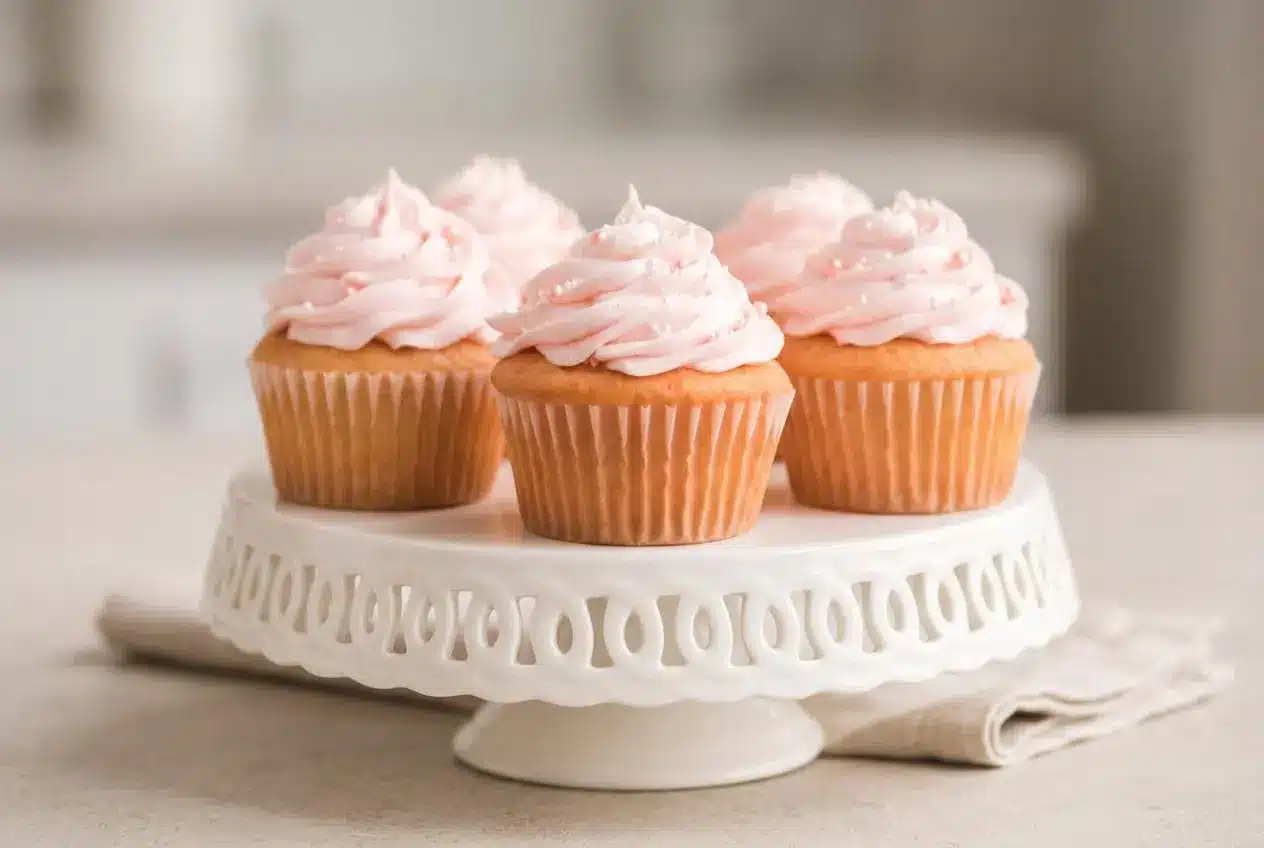
If you bake it, I hope you play with little riffs like almond extract or a lemony glaze. And if you love peaches with tangy frosting, the peach cheese cupcakes carry that same sweet-and-creamy charm.
Frequently Asked Questions
Can I use canned or frozen peaches?
Yes, but drain them very well. Frozen peaches must be thawed completely, then drained and patted dry so they don’t leak into the batter and create gummy spots.
Why did my cake stick to the Bundt pan?
The two usual culprits are not greasing with butter and flour, or letting caramel cool too long before baking. If it feels stuck after the 30-minute rest, the hot damp towel steam trick can help release the caramel edges.
How do I prevent my pound cake from being too dense?
Cream butter and sugar for the full 2 to 4 minutes until pale and fluffy, then add eggs one at a time to maintain emulsification. Also, stop mixing as soon as the flour disappears, over-mixing tightens the crumb.
Can I make the streusel in advance?
Yes, once cooled, keep it in an airtight container for up to 3 days. It’s also handy to reserve a bit for topping slices right before serving for extra crunch.
How long does peach cobbler pound cake last in the fridge?
Up to 4 days, tightly covered. For the best bite, let the slice sit at room temperature before serving so the butter softens and the crumb turns velvety again.