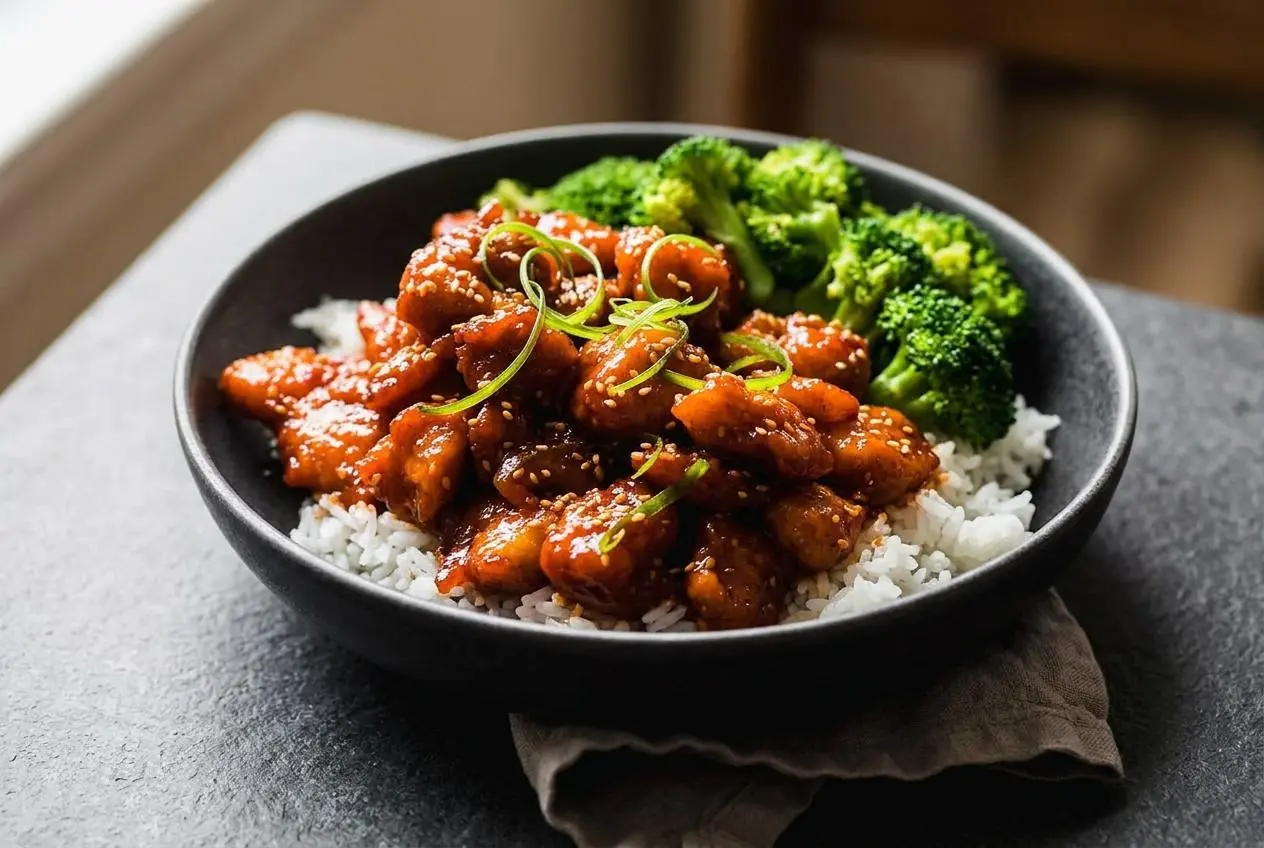
Gochujang chicken pairs tender, lightly crisp chicken bites with a glossy glaze of Korean chili paste, honey, soy sauce, rice vinegar, and garlic. Fry the chicken before adding the sauce for golden edges and a sticky, sweet-savory finish with adjustable chili heat.
This Korean-inspired skillet dinner brings together the earthy warmth of fermented chili paste and the satisfying contrast of golden chicken under glossy sauce. The coating stays light rather than thick and bready.
The method takes some patience, especially during batch frying, but gives you clear stopping points and useful cues. Keep the chicken and glaze separate until the finish. That’s where the sticky magic happens.
Set a clean plate beside the stove before frying so you can lift out each batch without scrambling.
What Is Gochujang Chicken and What Does It Taste Like?
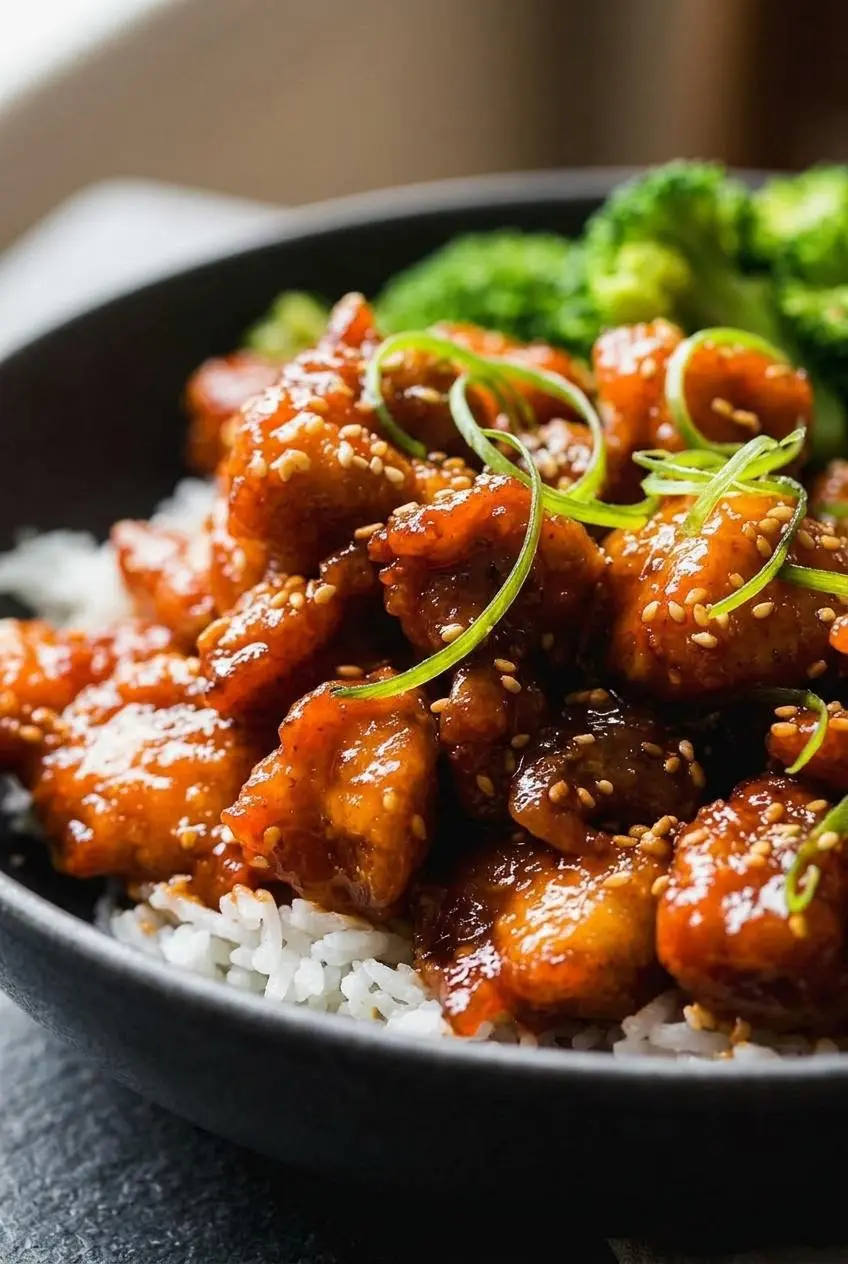
This version is Korean-inspired skillet chicken with sweet, savory, tangy, and earthy fermented chili flavor. Honey rounds out the paste’s heat, vinegar adds brightness, and garlic gives the glaze a strong savory backbone.
Expect sticky chicken with lightly crisp edges, not a dry, deep-fried crunch. Once the sauce touches the cornstarch coating, it begins softening it.
Look for gochujang in the international or Korean grocery aisle. Some stores place it near other fermented pastes or in a refrigerated section. Follow the tub’s directions for storing it after opening.
How Spicy Is Gochujang Paste?
Heat varies considerably by brand and heat rating. Choose a mild paste if you want gentler warmth while keeping the recipe quantities unchanged. Gochujang is thick and concentrated, so a thin chili sauce won’t behave the same way.
The low sodium soy sauce supplies savory saltiness without using the regular version. For a glazed chicken dinner without the fermented chili component, try sweet teriyaki chicken.
Best Gochujang Substitute Ratio
As an optional approximation, replace each 1 tablespoon gochujang with ½ tablespoon white miso paste, ½ tablespoon sriracha, and ½ teaspoon honey.
Miso contributes fermented savoriness, sriracha brings chili heat, and honey rounds the mixture out. It won’t duplicate gochujang’s flavor or texture, and the finished glaze may differ in saltiness, sweetness, and thickness.
Ingredients Needed and Why Each One Matters
Each ingredient supports the contrast between tender chicken, a browned coating, and a glossy glaze: baking soda helps tenderness, cornstarch builds texture, and honey, chili paste, soy sauce, vinegar, sesame oil, and garlic balance sweetness, heat, acidity, and aroma.
- 1¼ pound boneless, skinless chicken breasts (thighs or tenders work too)
- ¼ teaspoon baking soda
- 1 teaspoon granulated sugar
- ½ teaspoon white pepper
- 2 teaspoon toasted sesame oil
- 3 tablespoons low sodium soy sauce (divided)
- 3 tablespoons cornstarch
- 3 tablespoons avocado oil
- ¼ cup honey
- 2 tablespoon gochujang paste (or more to taste)
- 1 tablespoon rice vinegar
- 5 cloves garlic (minced)
- Green onions + toasted sesame seeds (for topping)
The tenderizing mixture in the method also calls for 1 tablespoon water and ½ teaspoon kosher salt; measure those before starting.
Baking soda and cornstarch do different jobs. Baking soda raises the chicken’s surface pH and helps keep the meat tender. Cornstarch goes in after the rest and forms a thin coating that browns during frying. Neither creates an airtight seal or literally locks in juices.
Honey contributes sweetness and cling, while rice vinegar cuts through the rich glaze. Soy sauce provides savory depth, toasted sesame oil perfumes the chicken, and garlic flavors the finishing sauce. White pepper adds a quieter peppery warmth beneath the chili.
- Breasts: lean meat that benefits from the measured baking soda treatment and careful cooking.
- Boneless thighs: richer dark meat with a softer, juicier texture.
- Tenders: another permitted choice; cut them into similarly sized pieces rather than leaving narrow strips.
I prefer to stir until no baking soda granules remain before adding the chicken, so the tenderizing mixture distributes evenly.
How to Make Sticky Garlic Gochujang Chicken Step by Step
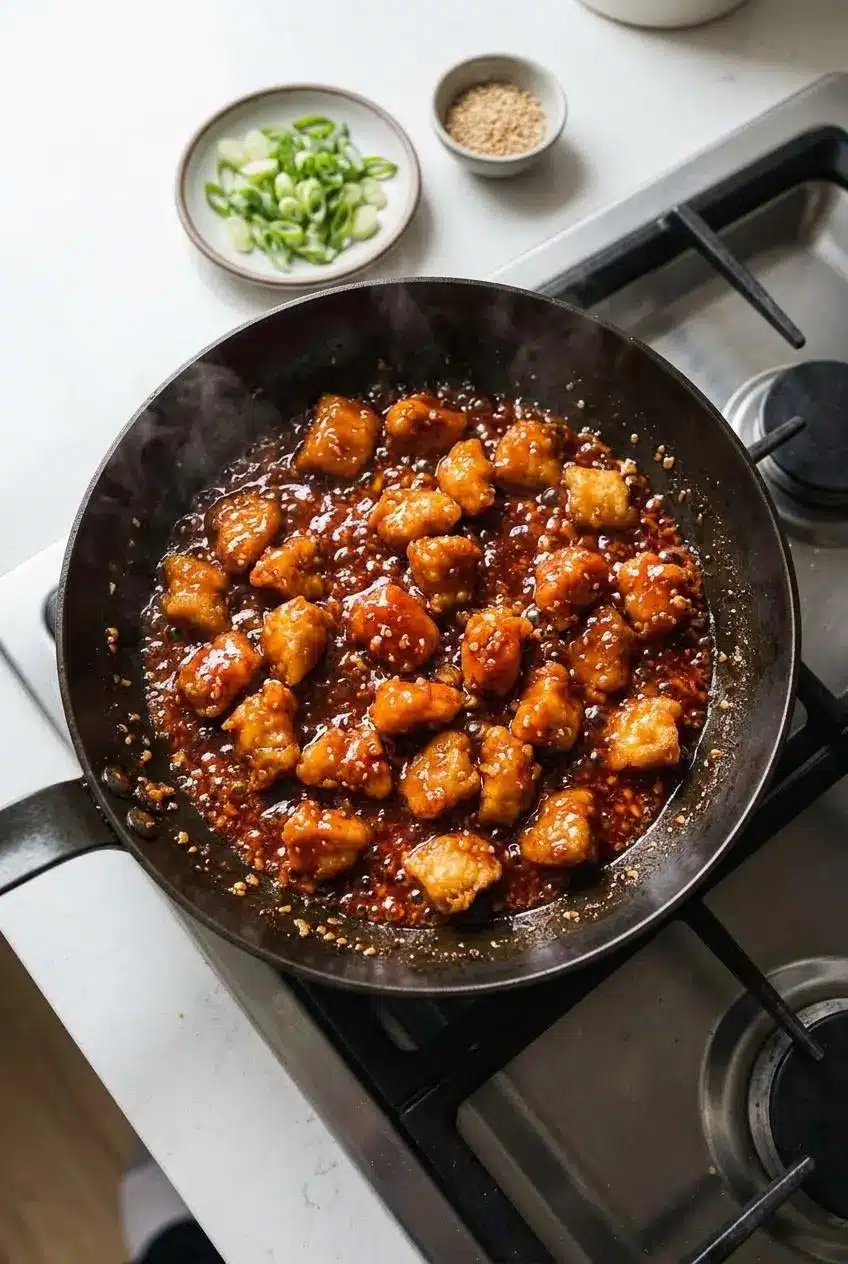
The tenderizing mixture and finishing sauce stay separate throughout preparation. This method doesn’t marinate raw chicken in gochujang: the honey-rich glaze enters only after frying, so it doesn’t scorch while the chicken cooks.
- Cut the chicken into ¾-inch pieces, then stir 1 tablespoon water, baking soda, ½ teaspoon kosher salt, sugar, white pepper, sesame oil, and 1 tablespoon soy sauce together in a bowl until the baking soda dissolves before mixing in the chicken and resting it for 10 minutes.
The liquid should have no visible baking soda granules, and every piece should look moistened. - Distribute the cornstarch over the rested chicken and turn the pieces through the mixture in the same bowl.
A thin, even coating should cover the chicken without pockets of dry starch. - Whisk the remaining 2 tablespoons soy sauce with the honey, gochujang, and rice vinegar in a bowl or measuring cup.
The thick chili paste should blend into a uniform sauce without stubborn lumps. - Heat 2 tablespoons avocado oil in a deep skillet over medium-high heat, fry half the chicken without moving it for 2–3 minutes, turn and cook for another 2–4 minutes until cooked through, then transfer it to a plate and repeat with the remaining chicken, adding oil as needed.
Look for golden surfaces and lightly crisp edges before lifting each cooked batch from the skillet. - Lower the burner to medium-low, let the skillet cool for 2 minutes, sauté the garlic in a small drizzle of oil, then raise the heat to high, pour in the sauce, return the chicken as bubbling begins, toss to coat, remove from the heat, and finish with green onions and sesame seeds.
The garlic should sizzle gently rather than brown immediately, and the bubbling sauce should leave the chicken glossy and evenly coated. - Divide the finished chicken among four portions and serve promptly.
The glaze should still cling to the warm chicken, with some texture remaining along the golden edges.
Keep the high-heat sauce finish brief and closely watched. Add the chicken when bubbling begins rather than waiting for an extended syrupy reduction. The glaze can thicken further as you toss.
Use a food thermometer in a representative thick piece to check doneness against the recommended poultry temperature. Golden coating tells you about browning, not whether the center has finished cooking.
Expert Tips and Common Mistakes to Avoid With Sticky Chicken
Most problems come from crowding the skillet or carrying too much frying heat into the sauce stage.
- Gummy coating: crowded pieces release moisture and steam each other. Fry in the two batches specified and leave the first side undisturbed so it can develop golden edges.
- Bitter garlic: a skillet that still holds intense frying heat can brown minced garlic immediately. Lower the heat and allow the full cooldown before adding it; replace scorched garlic rather than carrying the bitterness into the sauce.
- Overly thick glaze: rapid evaporation can make the sauce sticky before it spreads. Take the pan off the heat and, optionally, loosen the glaze with a small splash of water.
- Scorched sauce: honey-rich glaze needs close attention over high heat. Have the cooked chicken within reach and toss it in as soon as bubbling starts.
- Softening crust: sauce gradually hydrates the coating. Serve promptly for the best contrast rather than holding the finished chicken in the pan.
- Too much heat: serve with more plain rice and vegetables. Choose a milder paste next time rather than assuming all tubs have the same intensity.
Why This Skillet Dinner Takes About 50 Minutes
Allow 10 minutes prep, 10 minutes resting, and 30 minutes cooking, for 50 minutes total and 4 servings. Two rounds of frying and the pan cooldown make this different from a quick dump-and-stir dinner.
Whisking the sauce during the chicken’s rest can streamline preparation. Keep the full rest before adding cornstarch, and don’t crowd the pan to make up time.
Chicken Thighs, Air Fryer Bites, and Yogurt-Broiled Alternatives
Choose an optional approach based on the texture you want, rather than expecting every method to produce the same chicken.
- Coated breast pieces: tender bites with a thin browned coating.
- Thigh pieces: richer meat, either coated or directly seared.
- Wings: skin-on pieces finished with a sticky glaze.
- Whole yogurt-marinated thighs: tender meat and charred edges instead of a cornstarch crust.
Quick Unbreaded Chicken Thighs and Veggie Stir-Fry
For a faster skillet alternative, omit the cornstarch coating and sear similarly sized boneless thigh pieces before glazing. Cook optional snow peas or chopped bok choy until crisp-tender, then combine them with the cooked chicken before adding the sauce.
This produces seared, saucy chicken rather than coated bites. Keep excess vegetable moisture out of the pan so it doesn’t dilute the glaze; no fixed quick-cooking total applies to every skillet and batch size.
Air Fryer Gochujang Chicken and Wings
Cook chicken bites or wings using a suitable air fryer method, check doneness, and toss the cooked pieces with the warm glaze afterward. Small boneless pieces and bone-in wings need different cooking schedules, so they aren’t interchangeable.
Avoid air frying the honey-rich sauce for an extended period, since it can scorch. If you prefer a fried wing approach, crispy fried chicken wings can also take this glaze after cooking.
Broiled or Grilled Gochujang Yogurt Chicken Thighs
For a different dish, coat whole boneless thighs with an optional Greek yogurt and gochujang marinade, then broil or grill until cooked through with charred edges. Watch the surface closely and adjust its exposure to the heat if it darkens too quickly.
Expect a seasoned, lightly charred exterior rather than crisp skillet coating. Reserve any mixture intended as a finishing drizzle before it contacts raw chicken.
Optional Ginger and Sesame Finish
For a sharper aromatic layer, optionally add grated fresh ginger alongside the garlic. A small off-heat drizzle of toasted sesame butter or tahini offers a richer sesame finish, though it makes the glaze less clear and glossy.
What to Serve With Sticky Chicken and How to Keep Leftovers
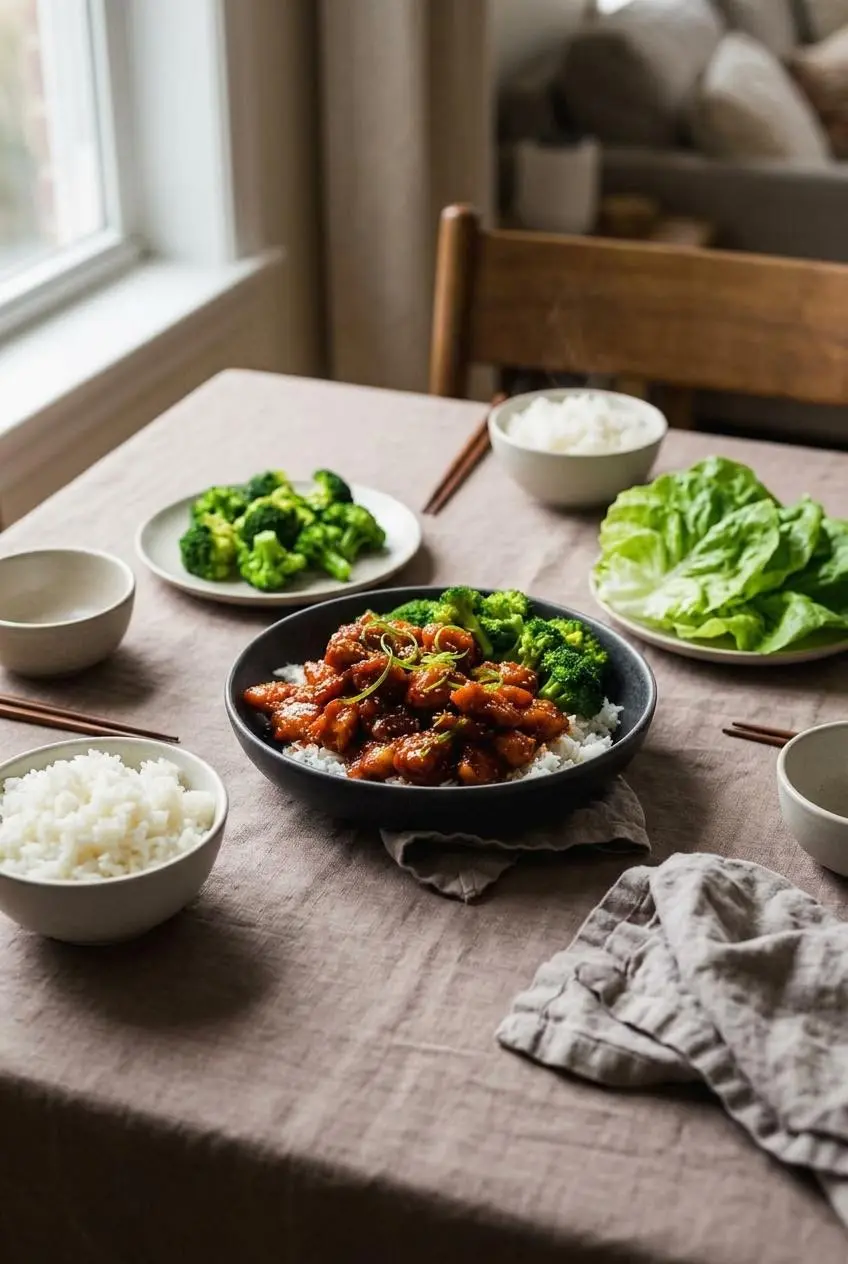
Build the meal around plain starches and fresh or tangy vegetables so the glaze doesn’t overwhelm every bite.
Rice Bowls, Noodles, and Cooling Sides
- Rice and steamed vegetables: the straightforward pairing, with jasmine or sushi rice and steamed broccoli as optional choices.
- Noodle bowls: serve with warm hokkien or udon noodles to catch the sauce.
- Lettuce cups: tuck chicken into bibb lettuce with shredded carrots for cool crunch.
- Tangy sides: kimchi or pickled cucumbers contrast with the honey-rich coating.
Refrigerating Sauced Chicken
Refrigerate leftovers promptly in a covered container rather than leaving them out until completely cold. Keep rice, lettuce, and fresh toppings separate where practical, and add the crunchy elements when serving.
The coating softens in storage as it absorbs sauce. Plan for sticky leftover chicken rather than expecting the same freshly fried edges.
Reheating Without Burning the Sticky Glaze
- Skillet: spread the pieces out and use controlled heat, turning as needed. An optional splash of water loosens thick sauce but also softens the coating.
- Air fryer: leave space around the pieces and watch closely for darkening glaze. Avoid aggressive heat that burns the outside before the center warms.
- Microwave: convenient for warming a portion, but less useful for preserving surface texture.
Reheat thoroughly throughout; darkening sugar doesn’t tell you whether the center is hot. Either dry-heat method may improve the surface, but neither fully restores the freshly cooked coating.
Conclusion
Tender chicken, golden edges, and a glossy sweet-heat glaze make this skillet dinner worth the batch-frying patience.
Give the chicken room to brown, cool the pan before adding garlic, and keep the sauce finish brief. Have the rice ready when the chicken is.
Frequently Asked Questions
What Does Gochujang Chicken Taste Like?
It tastes sweet, savory, tangy, and earthy, with fermented chili depth. Honey softens the chili’s edge, vinegar adds brightness, and garlic rounds out the glaze; heat depends on your paste.
What Is the Best Substitute for Gochujang Paste?
For each tablespoon of gochujang, an optional approximation is ½ tablespoon white miso, ½ tablespoon sriracha, and ½ teaspoon honey. It mimics savory chili warmth but won’t match the paste exactly.
Can I Use Chicken Thighs Instead of Chicken Breasts?
Yes. The ingredient list permits thighs or tenders, so you can use similarly sized thigh pieces in the coated skillet method. Skipping the coating creates the separate unbreaded variation.
How Do You Store and Reheat Gochujang Chicken So It Stays Crispy?
Keep leftovers covered and refrigerated, then reheat thoroughly in a skillet or air fryer while watching the sugary glaze. The sauced coating will soften, so expect improved surface texture rather than fully restored crispness.
How Spicy Is Gochujang Sauce and Can I Make It Milder?
Heat varies by brand and rating. Choose mild gochujang for gentler warmth, and serve the chicken with plain rice, lettuce, or cooling cucumber sides to balance each bite.
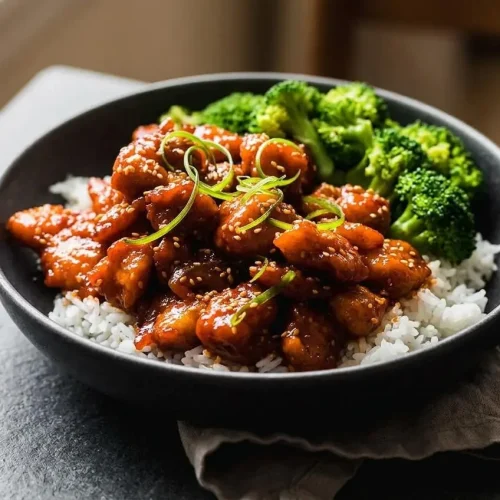
Gochujang Chicken

Equipment
- Saute pan
Ingredients
- 1¼ pound boneless, skinless chicken breasts (thighs or tenders work too)
- ¼ teaspoon baking soda
- 1 teaspoon granulated sugar
- ½ teaspoon white pepper
- 2 teaspoon toasted sesame oil
- 3 tablespoons low sodium soy sauce (divided)
- 3 tablespoons cornstarch
- 3 tablespoons avocado oil
- ¼ cup honey
- 2 tablespoon gochujang paste (or more to taste)
- 1 tablespoon rice vinegar
- 5 cloves garlic (minced)
- Green onions + toasted sesame seeds (for topping)
Instructions
- Cut the chicken into ¾-inch pieces, then stir 1 tablespoon water, baking soda, ½ teaspoon kosher salt, sugar, white pepper, sesame oil, and 1 tablespoon soy sauce together in a bowl until the baking soda dissolves before mixing in the chicken and resting it for 10 minutes. The liquid should have no visible baking soda granules, and every piece should look moistened.
- Distribute the cornstarch over the rested chicken and turn the pieces through the mixture in the same bowl. A thin, even coating should cover the chicken without pockets of dry starch.
- Whisk the remaining 2 tablespoons soy sauce with the honey, gochujang, and rice vinegar in a bowl or measuring cup. The thick chili paste should blend into a uniform sauce without stubborn lumps.
- Heat 2 tablespoons avocado oil in a deep skillet over medium-high heat, fry half the chicken without moving it for 2–3 minutes, turn and cook for another 2–4 minutes until cooked through, then transfer it to a plate and repeat with the remaining chicken, adding oil as needed. Look for golden surfaces and lightly crisp edges before lifting each cooked batch from the skillet.
- Lower the burner to medium-low, let the skillet cool for 2 minutes, sauté the garlic in a small drizzle of oil, then raise the heat to high, pour in the sauce, return the chicken as bubbling begins, toss to coat, remove from the heat, and finish with green onions and sesame seeds. The garlic should sizzle gently rather than brown immediately, and the bubbling sauce should leave the chicken glossy and evenly coated.
- Divide the finished chicken among four portions and serve promptly. The glaze should still cling to the warm chicken, with some texture remaining along the golden edges.