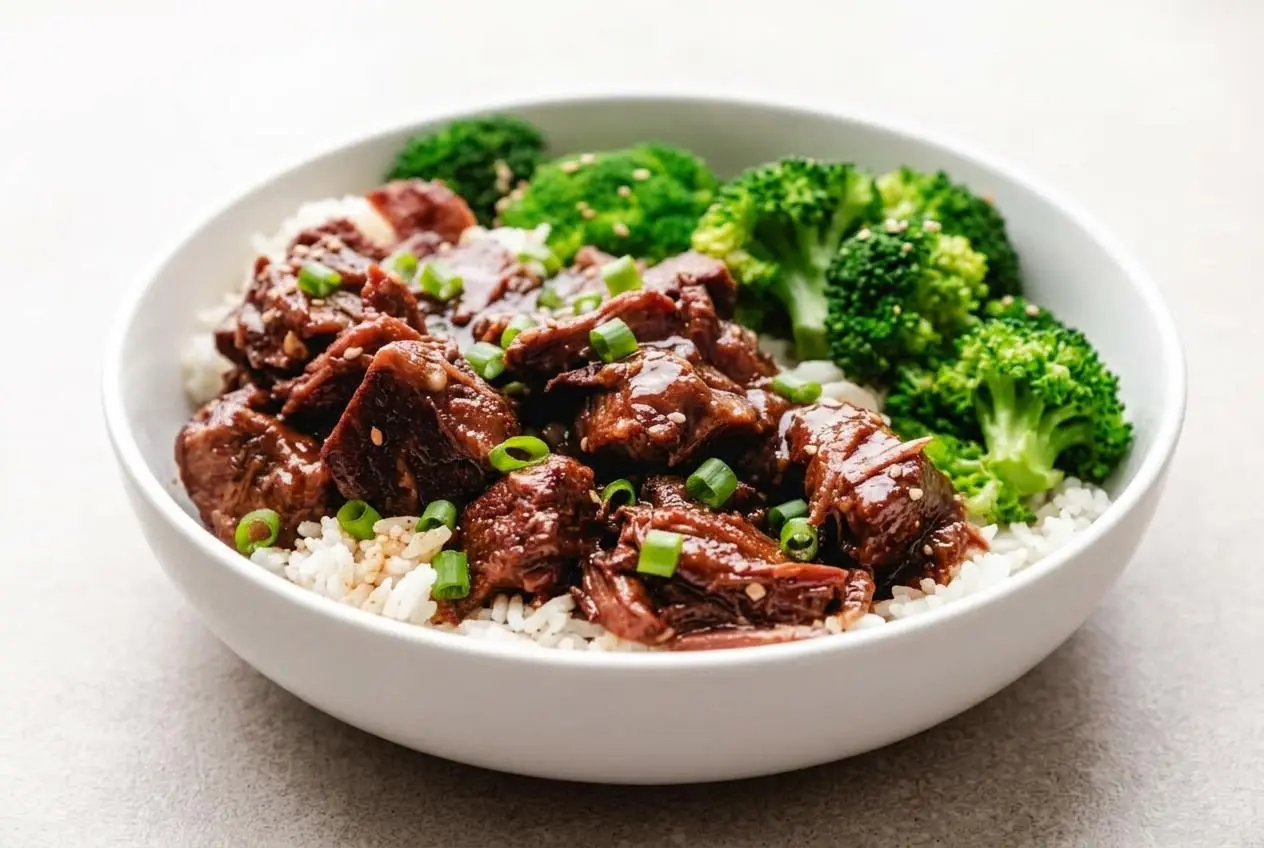
Slow Cooker Korean Beef gives you tender, savory, sweet, spicy beef with just 10 minutes of prep and a low, steady cook that does the hard work for you.
This is a true set-it-and-forget-it dinner with a big payoff. Chuck roast slowly softens in a Korean-inspired sauce made with soy sauce, brown sugar, garlic, ginger, sesame oil, and gochujang.
The smell alone is reason to make it. The sauce trick at the end is what brings it all together.
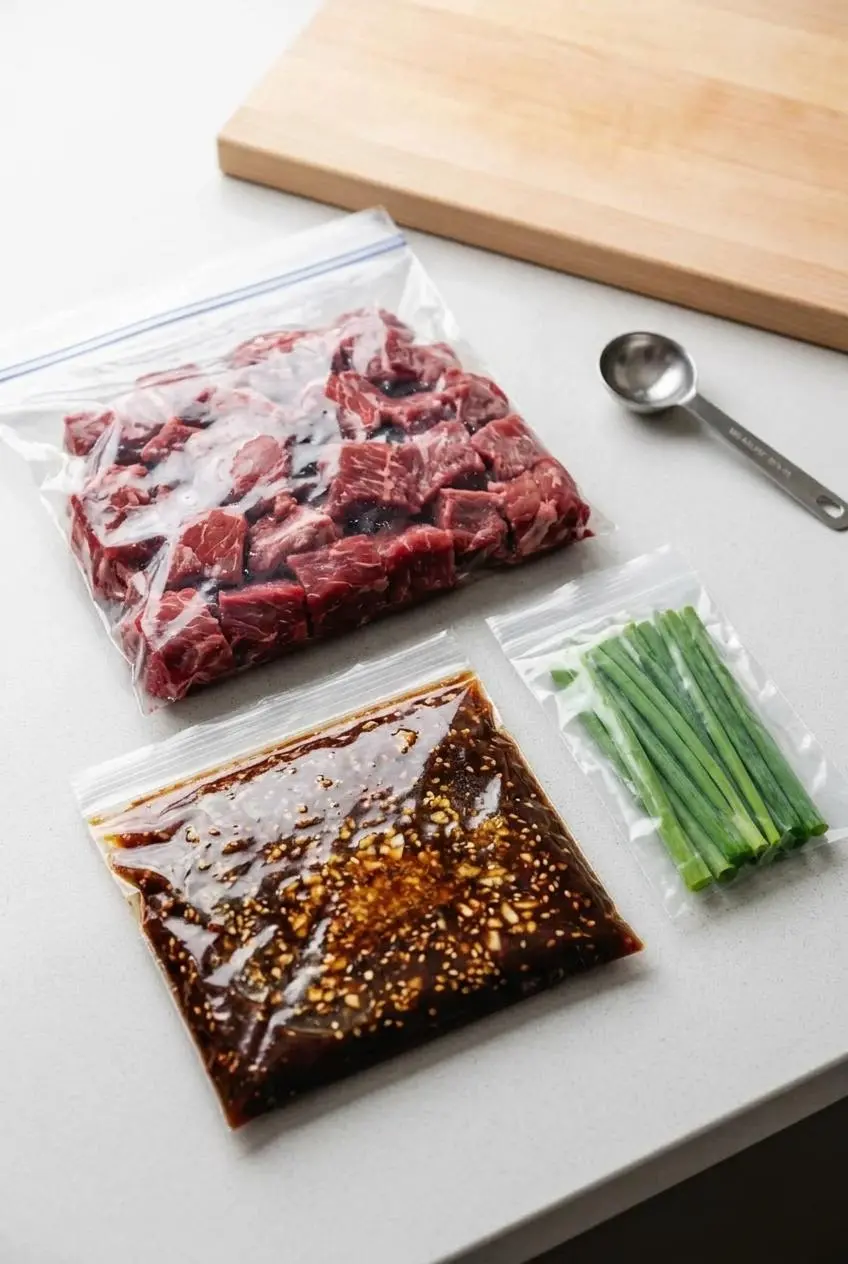
Cut the beef into even cubes so it cooks at the same pace and turns tender all the way through.
Why This Recipe Is a Must-Try
If you want a dependable slow cooker dinner that tastes like more effort than it takes, this one delivers. The beef cooks until it’s tender enough to pull apart easily, and the sauce lands in that very good place between savory, sweet, and a little spicy.
It also works for real life. You can keep it as a simple rice-and-beef dinner, pile it into bowls, or turn leftovers into tacos or lettuce wraps without the meal feeling repetitive.
Key Ingredients for Perfect Korean Beef
Each ingredient has a real job here, from building deep savory flavor to balancing sweetness, heat, richness, and that final glossy texture.
- ¾ cup reduced-sodium beef broth (divided)
- ½ cup reduced-sodium soy sauce
- ⅓ cup brown sugar (packed)
- 5 cloves garlic (minced)
- 2 tablespoons sesame oil
- 2 tablespoons rice vinegar
- 2 tablespoons grated fresh ginger
- 1-2 tablespoons Gochujang sauce
- ½ teaspoon onion powder
- ½ teaspoon pepper
- 3-4 pound boneless beef chuck roast (cut into 1-inch cubes)
- 1-2 tablespoons cornstarch (depending on desired sauce thickness)
The broth keeps the sauce fluid enough to circulate through the slow cooker, soy sauce brings salt and depth, and sesame oil adds that nutty finish that makes the whole dish smell irresistible. Rice vinegar sharpens the sauce so it doesn’t taste heavy, while ginger and garlic keep it bright and bold.
The cornstarch matters more than it looks like it should. Without it, the cooking liquid stays brothy. With it, you get a sauce that actually clings to the beef instead of sliding off the rice.
The Best Cut of Beef (and Alternatives)
Boneless chuck roast is the best choice for this recipe. It has enough marbling and connective tissue to hold up through a long slow cook, then soften into beef that shreds or pulls apart with almost no effort.
That’s the same reason chuck works so well in classic pot roast. It starts out tough, but low heat and time turn it rich and tender instead of dry.
Brisket is a solid alternative if that’s what you have. It stays beefy and tender, though it can feel a little firmer and slice-like compared with chuck. Leaner cuts such as flank steak are not ideal here because they don’t have enough fat and connective tissue for this cooking style, so they can end up dry or chewy.
Understanding Gochujang (Sauce vs. Paste)
Gochujang is a Korean fermented chili ingredient with heat, sweetness, and savory depth. For this recipe, gochujang sauce is especially handy because it’s more diluted and balanced right out of the bottle, so it blends easily into the slow cooker sauce.
Gochujang paste is thicker and more concentrated. You can use it, but the flavor will be stronger, saltier, and a little funkier, so start on the lower end if you’re swapping it in.
If you don’t have either one, sriracha can step in for heat. The flavor will be different and less deep, so a tiny bit more sweetness helps round it out.
Choosing Your Sweetener: Brown Sugar vs. Fruit Purée
Brown sugar gives the sauce its main sweetness and helps balance the soy sauce and gochujang. It also adds a little molasses note that works well with beef.
If you want a more traditional style of sweetness, grated Asian pear or unsweetened applesauce can be used as an optional variation in the sauce. Fruit purée softens the sharp edges of the heat and salt, and it can help with tenderness too. Think of it as a different direction, not a required upgrade.
I always grate ginger fresh here because it melts into the sauce better and gives a cleaner, brighter bite.
How to Make Slow Cooker Korean Beef
This method keeps the main path easy. You mix the sauce, add the beef, cook low and slow, then thicken the liquid at the end so it turns glossy and coats every piece.
- Whisk together 1/2 cup of the beef broth, the soy sauce, brown sugar, garlic, sesame oil, rice vinegar, ginger, Gochujang sauce, onion powder, and pepper in a medium bowl until the sugar is mostly dissolved.
The mixture should smell garlicky, gingery, and slightly toasty from the sesame oil. - Add the cubed chuck roast to a 4 or 5 quart slow cooker.
Spread the meat into an even layer so the sauce can reach all the pieces more evenly. - Pour the sauce over the beef and cover the slow cooker.
The beef should be well coated, with the liquid settling around and between the cubes. - Cook on low for 6-8 hours.
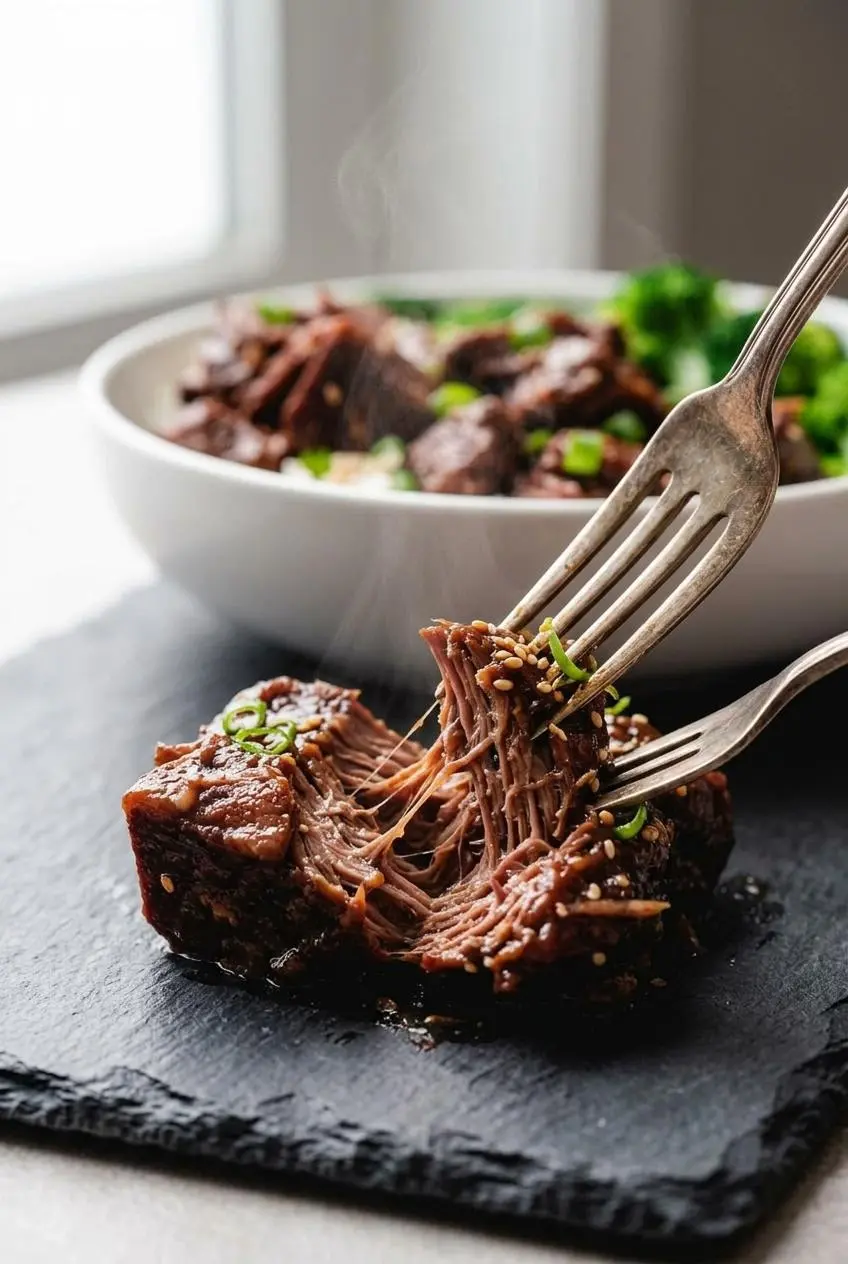
The beef is ready when it pulls apart easily with a fork; if it still feels firm or resistant, keep cooking. - Whisk the cornstarch with the remaining 1/4 cup beef broth in a small bowl until smooth.
The slurry should look completely blended with no dry pockets of cornstarch. - Stir the cornstarch mixture into the slow cooker liquid.
This is the point where the thin cooking juices start turning into a true sauce. - Cover and cook on high for 30 minutes, or until the sauce thickens.
It’s ready when the sauce looks glossy and coats the beef instead of pooling like broth.
Optional: Sear the Beef for Deeper Flavor
If you have a few extra minutes, browning the beef cubes in a hot skillet before they go into the slow cooker adds another layer of flavor. That quick sear creates deeper roasted notes through browning on the surface of the meat.
It’s completely optional. The no-sear version is still delicious and is the easiest path for a true dump-and-go dinner.
Tips for the Best Results
- The first sign things are going well is the aroma. Garlic, ginger, and sesame start smelling warm and savory long before dinner is ready.
- Check tenderness, not just time. If the beef doesn’t shred or break apart easily, it needs more cooking.
- For a less greasy finish, skim excess fat from the surface before stirring in the cornstarch slurry.
- Use chuck roast if possible. It’s the most forgiving cut for getting that soft, pull-apart texture.
- Don’t skip the thickening step unless you want more of a broth than a sauce.
Recipe Variations
This recipe is flexible, as long as the main version stays the same. These ideas change the flavor or cooking method without changing the core dish.
Instant Pot Korean Beef
Yes, you can make this in an Instant Pot. If you want the richest flavor, brown the beef first using Sauté mode, though that part is optional.
- Add the beef and sauce to the pot, then cook on high pressure for 60-75 minutes.
- Let the pressure release naturally so the beef stays tender.
- Mix the cornstarch with cold broth just as you would for the slow cooker version.
- Turn on Sauté mode at the end and stir in the slurry until the sauce thickens and turns glossy.
Other Easy Variations
- For spicier beef: add more gochujang, a little gochugaru, or a dash of sriracha if you want a sharper heat.
- For gluten-free beef: swap the soy sauce for tamari or coconut aminos, knowing coconut aminos will make the sauce a little sweeter.
- To adjust sweetness: use coconut sugar or a bit of honey instead of brown sugar for a slightly different finish.
If this kind of savory-sweet beef is already your lane, popular Mongolian Beef is another good one to make next.
Troubleshooting Common Problems
Most issues with this recipe are easy to fix once you know what caused them. The good news is that the usual problems come down to time, texture, or balance.
Why Is My Korean Beef Tough?
- Likely cause: it hasn’t cooked long enough. Chuck roast starts out tough and needs time for the connective tissue to break down.
- Fix: keep cooking on low until the beef pulls apart easily. If it fights the fork, it’s simply not there yet.
- Also check: very lean beef can dry out before it ever gets tender, which is why chuck works best.
How Do I Fix a Sauce That Is Too Thin?
- Likely cause: the cooking liquid hasn’t been thickened enough yet.
- Fix: stir in the cornstarch slurry and cook on high until the sauce thickens and looks shiny.
- If it still seems loose: make another small slurry with 1 tablespoon cornstarch and 1 tablespoon cold water, then cook a little longer on high.
How Do I Fix a Sauce That Is Too Salty or Sweet?
- If it tastes too salty: loosen it with a splash of reduced-sodium beef broth or water.
- If it tastes too sweet: add a little more rice vinegar or a squeeze of lime juice to sharpen the flavor.
- If it feels flat: a touch more gochujang or ginger can wake it up without changing the whole dish.
How to Serve Korean Beef
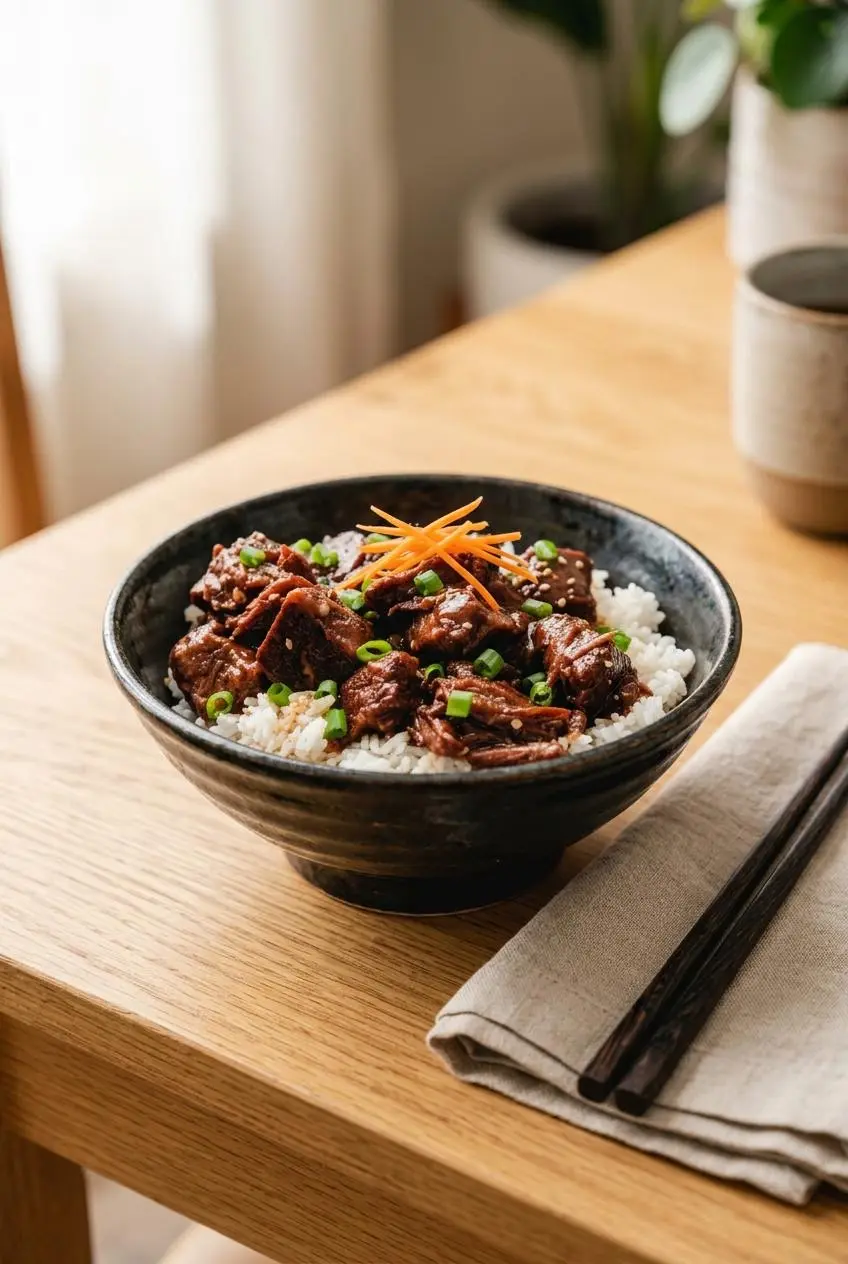
This is the fun part. The beef is flexible enough to become a rice bowl, taco filling, or lettuce wrap dinner without much extra work.
Building the Perfect Korean Beef Bowl
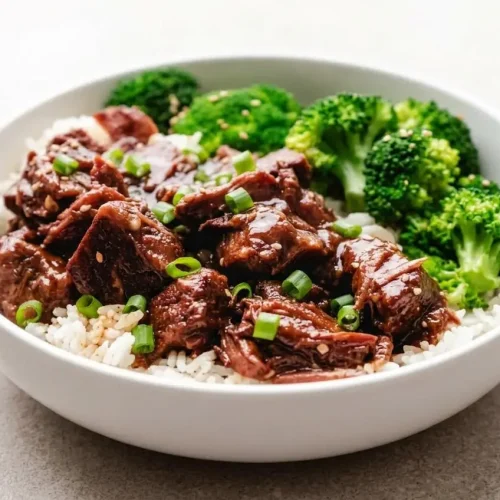
Start with a base like steamed white rice, brown rice, quinoa, or cauliflower rice. Add a generous spoonful of the beef and plenty of sauce so the bowl stays flavorful all the way through.
Then add contrast. Shredded carrots, sliced cucumbers, kimchi, steamed broccoli, and edamame all bring freshness or texture. For toppings, a fried egg, toasted sesame seeds, and sliced green onions make it feel like a full meal instead of just beef over rice.
If you want a faster weeknight version with similar flavors, a Korean ground beef bowl is a smart backup plan.
Korean Beef Tacos and Lettuce Wraps
For tacos, tuck the beef into soft tortillas and top it with crunchy cabbage slaw for contrast. The sweet-spicy sauce plays really well with cool, crisp vegetables.
For a lighter option, spoon the beef into butter lettuce or iceberg leaves. If you end up with extra beef and want another tortilla-based idea later, crispy beef taquitos are an easy next move.
Storage and Reheating
Store leftovers in shallow, covered containers and refrigerate them within 2 hours after cooking. For reheating, the USDA notes that leftovers should reach 165 °F, which is useful guidance for beef like this when cooling and reheating cooked leftovers.
For the best texture, reheat gently on the stovetop with a small splash of broth if the sauce has tightened up in the fridge. The microwave works too, especially for single portions, but cover the bowl loosely and stir once or twice so the edges don’t dry out before the center is hot.
If you want to prep ahead, you can cube the beef and mix the sauce in advance, then keep them chilled separately until you’re ready to cook. Thaw meat before adding it to the slow cooker, since that helps it heat more evenly and cook more predictably.
Conclusion
This is one of those dinners that feels generous without asking much from you. The beef turns deeply tender, and the sauce brings that sweet-savory-spicy balance that makes rice disappear fast.
If you remember one thing, let it be this: keep cooking until the beef yields easily. That little bit of patience is what makes the whole recipe shine.
Frequently Asked Questions
What’s the Best Cut of Meat for Slow Cooker Korean Beef?
Boneless chuck roast is the best choice for this dish. Its fat and connective tissue break down during the long cook, which makes the beef tender and flavorful. Beef brisket works as a good second option. Lean cuts are less reliable here because they can dry out before becoming tender.
My Korean Beef Is Tough, What Did I Do Wrong?
It most likely needs more time. Chuck roast usually needs 6-8 hours on low to soften fully. If it doesn’t shred or pull apart easily, keep cooking. Tough slow cooker beef is often undercooked, not overcooked.
How Can I Thicken the Sauce for My Korean Beef?
Use a cornstarch slurry. Whisk 1-2 tablespoons of cornstarch with cold water or broth until smooth. Stir it into the slow cooker near the end and cook on high for 15-30 minutes. The sauce is ready when it looks glossy and coats the beef well.
Can I Make This Recipe in an Instant Pot?
Yes, it converts well. Brown the beef on Sauté mode if you want extra depth of flavor, though it’s optional. Pressure cook on high for 60-75 minutes, then let the pressure release naturally. Finish by thickening the sauce on Sauté mode with the cornstarch slurry.
Slow Cooker Korean Beef

Equipment
- Slow cooker
Ingredients
- ¾ cup reduced-sodium beef broth (divided)
- ½ cup reduced-sodium soy sauce
- ⅓ cup brown sugar (packed)
- 5 cloves garlic (minced)
- 2 tablespoons sesame oil
- 2 tablespoons rice vinegar
- 2 tablespoons grated fresh ginger
- 1-2 tablespoons Gochujang sauce
- ½ teaspoon onion powder
- ½ teaspoon pepper
- 3-4 pound boneless beef chuck roast (cut into 1-inch cubes)
- 1-2 tablespoons cornstarch (depending on desired sauce thickness)
Instructions
- Whisk together 1/2 cup of the beef broth, the soy sauce, brown sugar, garlic, sesame oil, rice vinegar, ginger, Gochujang sauce, onion powder, and pepper in a medium bowl until the sugar is mostly dissolved. The mixture should smell garlicky, gingery, and slightly toasty from the sesame oil.
- Add the cubed chuck roast to a 4 or 5 quart slow cooker. Spread the meat into an even layer so the sauce can reach all the pieces more evenly.
- Pour the sauce over the beef and cover the slow cooker. The beef should be well coated, with the liquid settling around and between the cubes.
- Cook on low for 6-8 hours. The beef is ready when it pulls apart easily with a fork; if it still feels firm or resistant, keep cooking.
- Whisk the cornstarch with the remaining 1/4 cup beef broth in a small bowl until smooth. The slurry should look completely blended with no dry pockets of cornstarch.
- Stir the cornstarch mixture into the slow cooker liquid. This is the point where the thin cooking juices start turning into a true sauce.
- Cover and cook on high for 30 minutes, or until the sauce thickens. It’s ready when the sauce looks glossy and coats the beef instead of pooling like broth.