
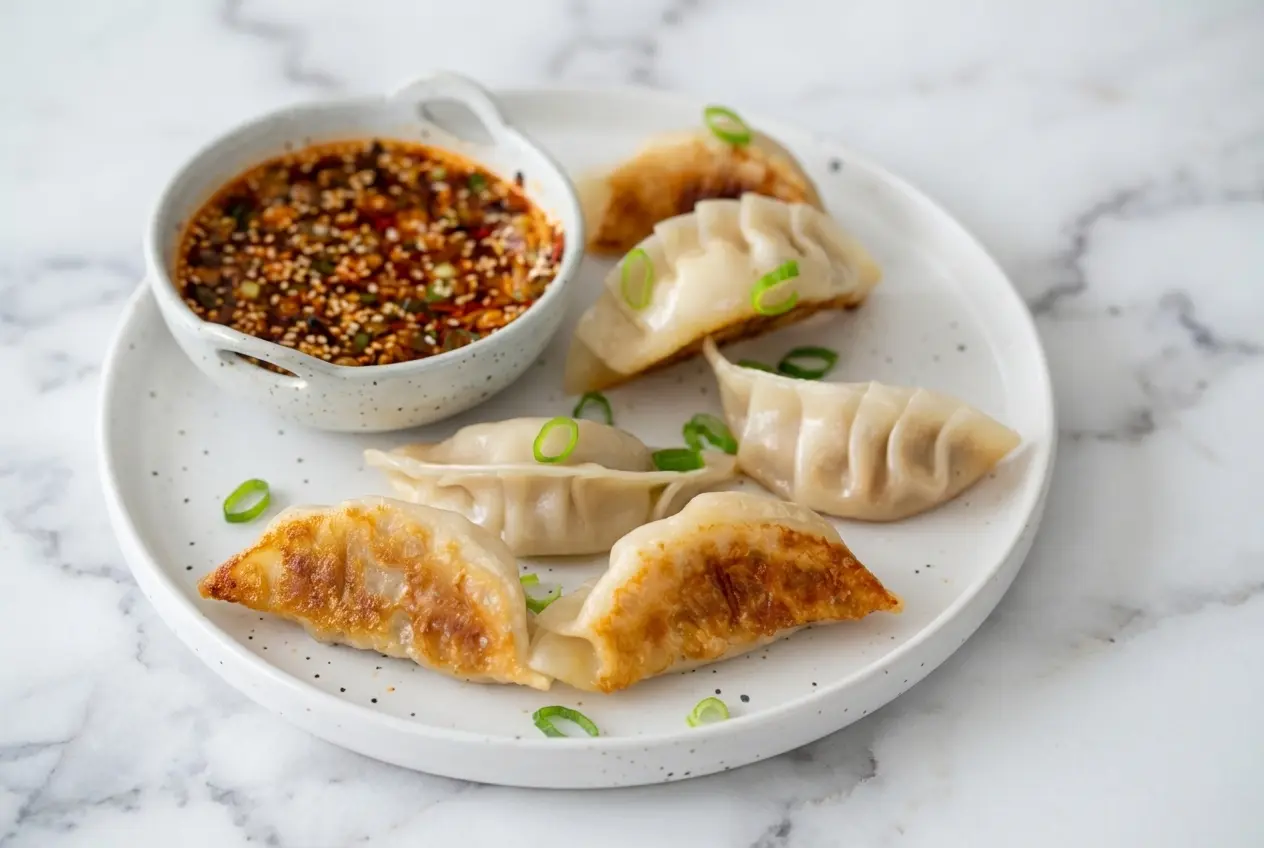
There is something deeply satisfying about turning out a plate of dumplings that tastes like it came from your favorite dim sum spot, especially when the wrappers are tender and the filling stays juicy instead of dry. Cabbage dumplings are one of those kitchen projects that feel a little special, but once you get the rhythm, they become the kind of meal you crave making again and again.
In my kitchen, the biggest frustration with homemade dumplings has always been moisture control. You need to squeeze the cabbage well so the wrappers do not go soggy, but that can leave the pork filling lacking a little richness. This version solves that beautifully with a simple broth trick that melts into the filling as it cooks.
Why You’ll Love This Recipe
Restaurant-style juiciness: I love this method because the filling stays moist and savory, even after the wombok is thoroughly squeezed. Each bite feels lush and tender instead of dense or crumbly.
The secret twist: Folding chilled, gelatinous chicken bone broth into the ground pork gives these dumplings the same luxurious payoff you get from soup dumplings, but with a much easier, everyday technique. It stays firm while you pleat, then melts into the center as the dumplings cook.
Big flavor from simple pantry staples: Tamari, sesame oil, spring onions, ginger, and Shaoxing wine build that unmistakable dim sum aroma without making the recipe fussy. The filling smells deeply savory before it even hits the pot or pan.
Three great ways to cook them: Whether you boil, steam, or turn them into crisp-bottomed potstickers, the result is chewy, juicy, and satisfying. I especially love how adaptable they are for a weeknight dinner or a relaxed weekend folding session.
Ingredients and Substitutions
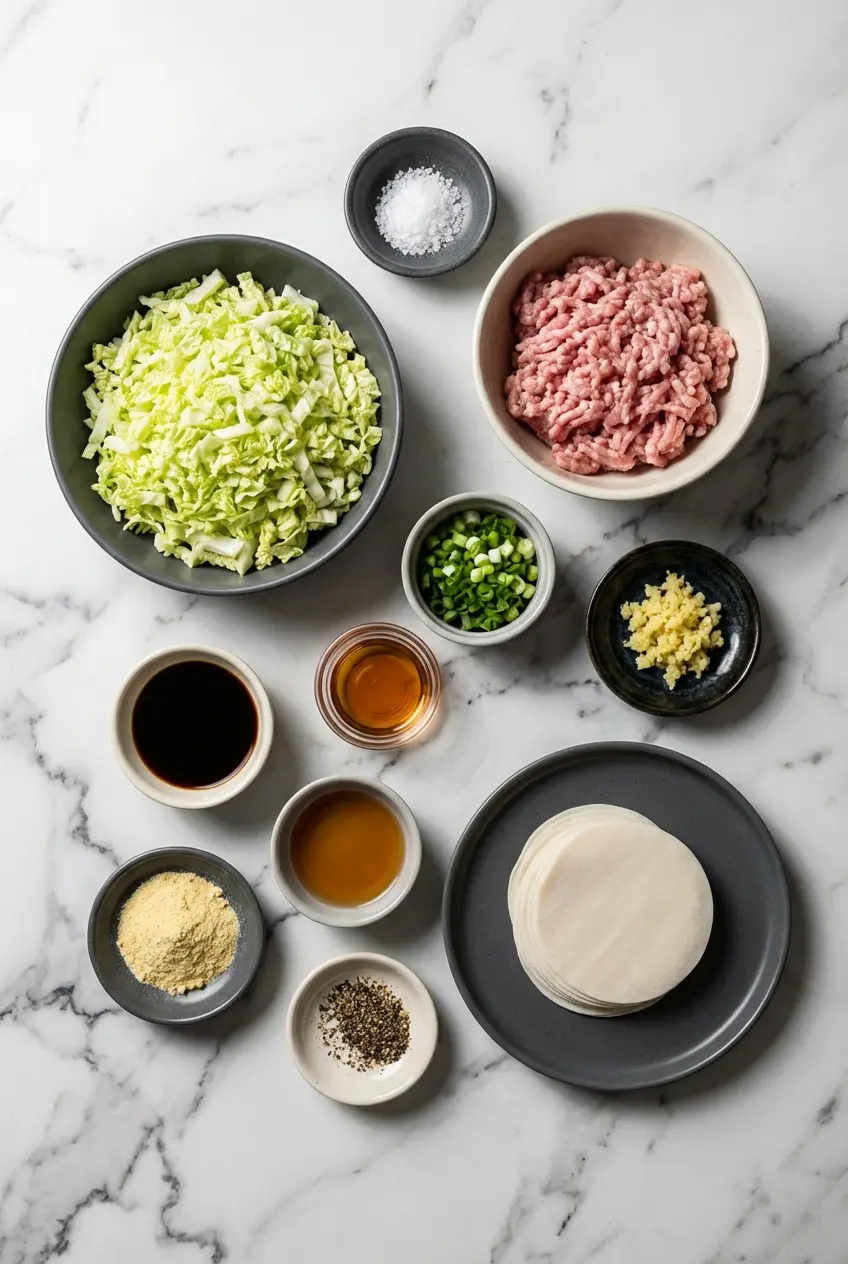
These ingredients keep the filling classic and deeply savory, with just enough seasoning to let the pork and cabbage shine. The chilled broth is the quiet little trick that makes the whole batch taste extra special.
Ingredients
- 180g finely chopped wombok cabbage
- 1 tsp sea salt flakes
- 500g minced ground pork
- 2 finely chopped spring onions
- 1 tsp freshly minced garlic
- 1 tsp freshly minced ginger
- 2 tbsp tamari or all-purpose soy sauce
- 1 tbsp sesame oil
- 1 tbsp Shoaxing wine
- 0.5 tsp chicken stock powder
- 0.25 tsp freshly cracked black pepper
- 2 packets dumpling wrappers
- 2 to 3 tablespoons of highly gelatinous chicken bone broth (chilled until it acts like a soft gel)
Ingredient Notes & Substitutions
Ground Pork: For the best bite, I like a ground pork blend with a good amount of fat, ideally around 70/30 or 80/20. That extra fat gives the filling a softer, silkier mouthfeel and helps the dumplings stay juicy.
Wombok: Wombok is another name for Napa cabbage, and it is my first choice for dumplings because the leaves are tender and delicate. It softens quickly, blends smoothly into the filling, and does not leave behind tough bits.
Shaoxing wine: This adds depth and that subtle restaurant-style savoriness that makes a pork filling taste rounded and warm. If you cook Asian food often, it is one of those bottles that earns its place in the pantry.
Tamari: Tamari brings salt and umami, and it gives the filling a full, well-seasoned backbone. If that is what you have on hand, all-purpose soy sauce works nicely too.
Sesame oil: Just a spoonful adds a toasty aroma that lifts the whole mixture. It should smell nutty and fragrant, not harsh or stale, so a fresh bottle makes a real difference.
Protein swaps: If pork is not your thing, ground chicken and chopped shrimp both work well. For a vegetarian version, I would use a crumbled firm tofu and shiitake mushroom blend, seasoned generously so the filling still feels rich and satisfying.
How to Make Cabbage dumplings
Prep the Cabbage and Mix the Filling
- Place the finely chopped wombok cabbage and sea salt flakes in a large bowl, then toss well so the salt touches every bit of cabbage. Let it sit for 10 to 15 minutes, which helps draw out moisture (osmosis) and keeps the wrappers from getting watery later. Once the cabbage has softened and released liquid, squeeze it firmly with clean hands, then dab it dry with a clean tea towel or paper towel until it feels much less wet.
- Transfer the dried cabbage to a large bowl with the minced ground pork, spring onions, garlic, ginger, tamari or all-purpose soy sauce, sesame oil, Shoaxing wine, chicken stock powder, and black pepper. Add 2 to 3 tablespoons of highly gelatinous chicken bone broth, chilled until it behaves like a soft gel, then mix with your hands or a spoon in one direction until the filling looks sticky, glossy, and cohesive rather than loose.
Set Up and Fill the Wrappers
- Arrange a simple wrapping station before you begin. Line your work surface with baking paper, set out a small dish of water, and keep a plate nearby for the finished dumplings so everything moves smoothly once your hands get busy.
- Lay out the dumpling wrappers and work with one at a time. Spoon 1 teaspoon of filling into the center of each one, then gently flatten the mound with the back of the spoon so it sits neatly and is easier to seal. Resist the urge to overfill, because a modest amount gives you a much cleaner pleat and a dumpling that cooks evenly.
- Dip a finger in water and trace the edge of the wrapper to help it seal. Fold it into a half-moon, then use a simple pleating technique to make 4 to 5 pleats, pressing firmly so there are no open spots. As each dumpling is finished, place it on the plate and cover it with a damp paper towel so the dough stays soft and flexible.
Cook the Dumplings
- For boiled dumplings, bring a large pot of water to a boil and cook them in batches so they have room to move. Stir gently to keep them from sticking, and once they float, let them cook for another 2 to 3 minutes before draining. They should look slightly puffed and supple, with wrappers that are tender but not falling apart.
- For steamed dumplings, line a bamboo steamer or metal steamer with baking paper and poke a few holes in it so the steam can circulate. Arrange the dumplings with a little space between them, cover, and steam over boiling water for 10 to 12 minutes, until the wrappers turn glossy and the filling is cooked through.
- For pan-fried dumplings or potstickers, heat 1 tbsp oil in a non-stick frying pan over medium-high heat. Set the dumplings flat-side down and cook for 2 to 3 minutes until the bottoms are golden brown, then add 80ml water and cover right away. Let them steam for 5 to 6 minutes, uncover, and cook for another 1 to 2 minutes so the bottoms become crisp again.
Finish and Serve
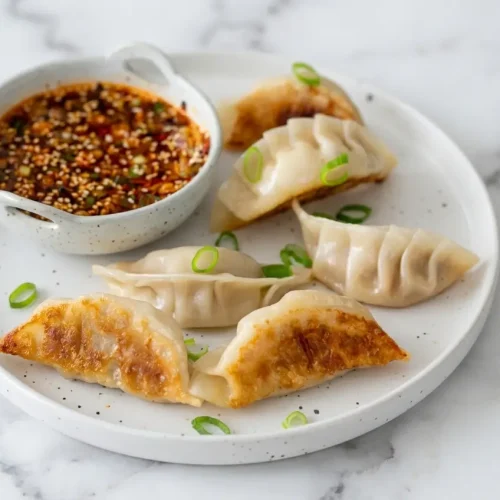
Serve the dumplings hot with dipping sauce and a scattering of extra spring onions. This is when the broth trick really shows off, because the center stays juicy and savory while the wrapper keeps its chew.
Secrets for Perfection
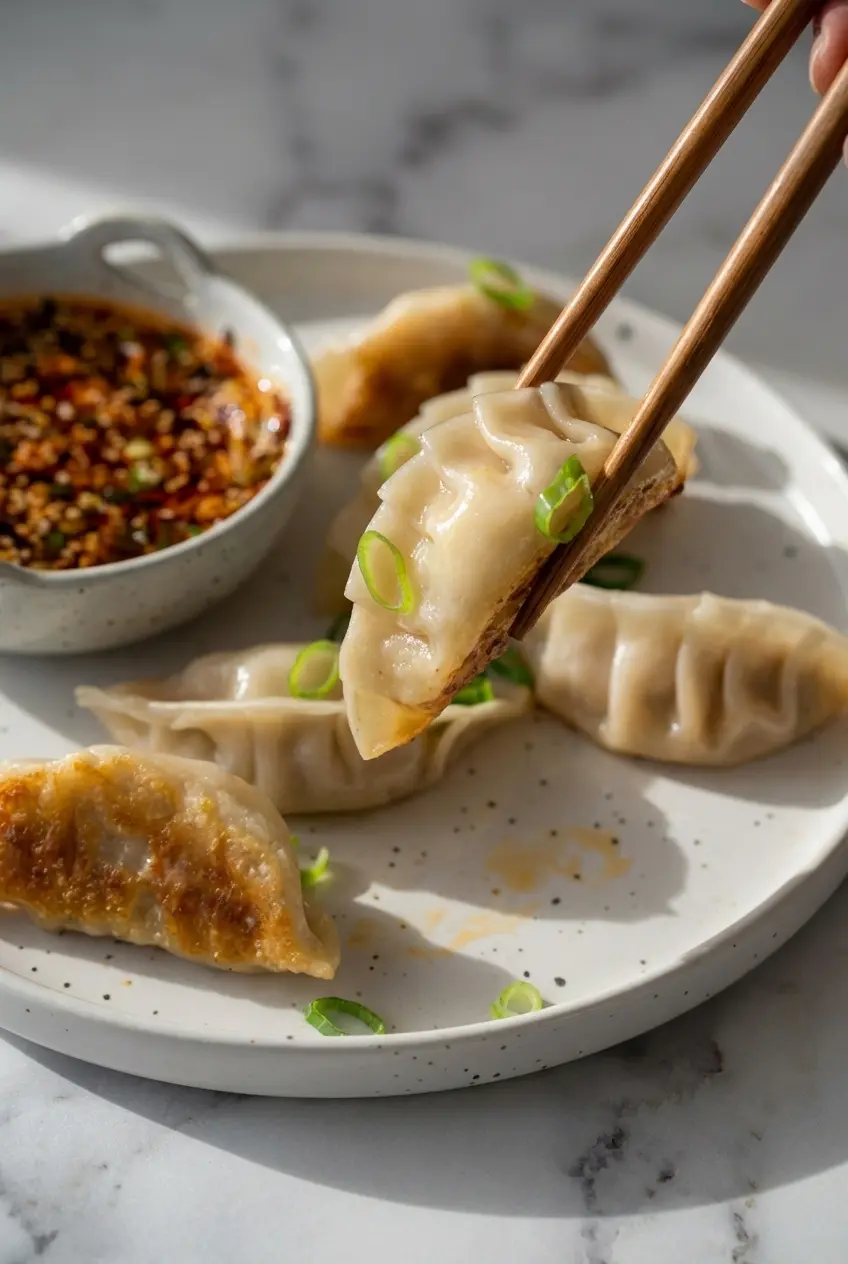
The first secret is not glamorous, but it matters more than almost anything else, salt the cabbage, let it sit, and squeeze it thoroughly. If you skip that step, the vegetable releases water during cooking, and that extra moisture can make the filling loose and the dumpling wrappers prone to tearing or turning soggy.
The second secret is mixing the meat in one direction for a full 5 minutes when you have the time and patience. That steady motion encourages myosin development, which is the protein network that gives the filling that springy, cohesive texture you expect from a really good dumpling, rather than a crumbly one.
When I boil dumplings, I also like the old Dian Leng Shui method. Once the pot comes to a rolling boil, adding half a cup of cold water calms the water slightly, which helps the wrappers cook more gently and reduces the chance of the filling forcing them open.
The final detail is the chilled broth. Because the chicken bone broth is gelatinized, it folds into the filling like a soft aspic instead of running everywhere. During cooking, that gel melts into the meat and creates a juicy little burst that feels wonderfully close to Xiao Long Bao, just in a more weeknight-friendly form.
Choosing The Right Cabbage For Dumplings
Napa cabbage, also called Wombok, is the classic choice for a reason. It has a softer crunch, a sweeter flavor, and a more yielding texture than standard green cabbage, which is exactly what you want inside a delicate dumpling filling. Its tender, delicate leaf structure helps it melt into the pork instead of standing out in coarse, chewy pieces.
Standard green cabbage will absolutely work, but it behaves differently in the bowl. Because it is sturdier and a bit tougher, I chop it more finely and let it sit with salt a little longer so it softens properly. Those firm leaves are wonderful in heartier dishes like roasted cabbage steaks, but for dumplings, Napa cabbage gives the gentler, more traditional interior.
Bamboo Steamer Setup And Maintenance
A bamboo steamer is one of those tools that seems intimidating until you use it once or twice. If yours is brand new, a brief soak before the first use helps the bamboo settle in and steam more evenly, and lining it with baking paper with a few holes keeps the dumplings from sticking while still letting steam move around them.
When you set it over a wok or pot, make sure the basket sits securely and that the boiling water does not touch the bottom of the dumplings. Good steam should circulate around them, not drench them, because direct contact with water can make the wrappers gummy and fragile.
For cleaning, I stick with hot water and a soft brush, then let the steamer air dry completely before storing it. Soap can linger in the bamboo, and trapped moisture is what invites mold, so a little patience after washing is part of keeping it in good shape for years.
Pro Tips & Troubleshooting
Pro Tips
- Keep a damp paper towel over both the unused dumpling wrappers and the finished dumplings. Even a few minutes of air exposure can dry the dough enough to make it crack while pleating.
- For a lighter twist, you can skip the wrappers and use blanched whole Napa cabbage leaves to hold the filling. The result has a cozy feel that reminds me a bit of a cabbage roll casserole, just in a neater little bundle.
- If you like a dramatic homemade version, jade cabbage dumplings are made with wrapper dough tinted green using pureed spinach. They look gorgeous on a platter and still pair beautifully with the same pork and cabbage filling.
- If you want the filling to stay bouncy and juicy, stir vigorously in one direction until it becomes sticky and clings together. That texture tells you the proteins are properly developed.
Common Mistakes to Avoid
- Overfilling the wrappers stretches the dough too thin, which makes it much more likely to tear during pleating, boiling, or pan-frying.
- Skipping the salting and squeezing step leaves too much water in the cabbage. That extra liquid can make the dumplings soggy and more likely to split.
- Thawing frozen dumplings before cooking is a fast way to end up with mushy wrappers. They should always go straight from the freezer into the pot, steamer, or pan.
- Crowding the pan or steamer causes sticking and uneven cooking. Give the dumplings a little breathing room so they cook cleanly and keep their shape.
Serving & Storage
Serving Ideas
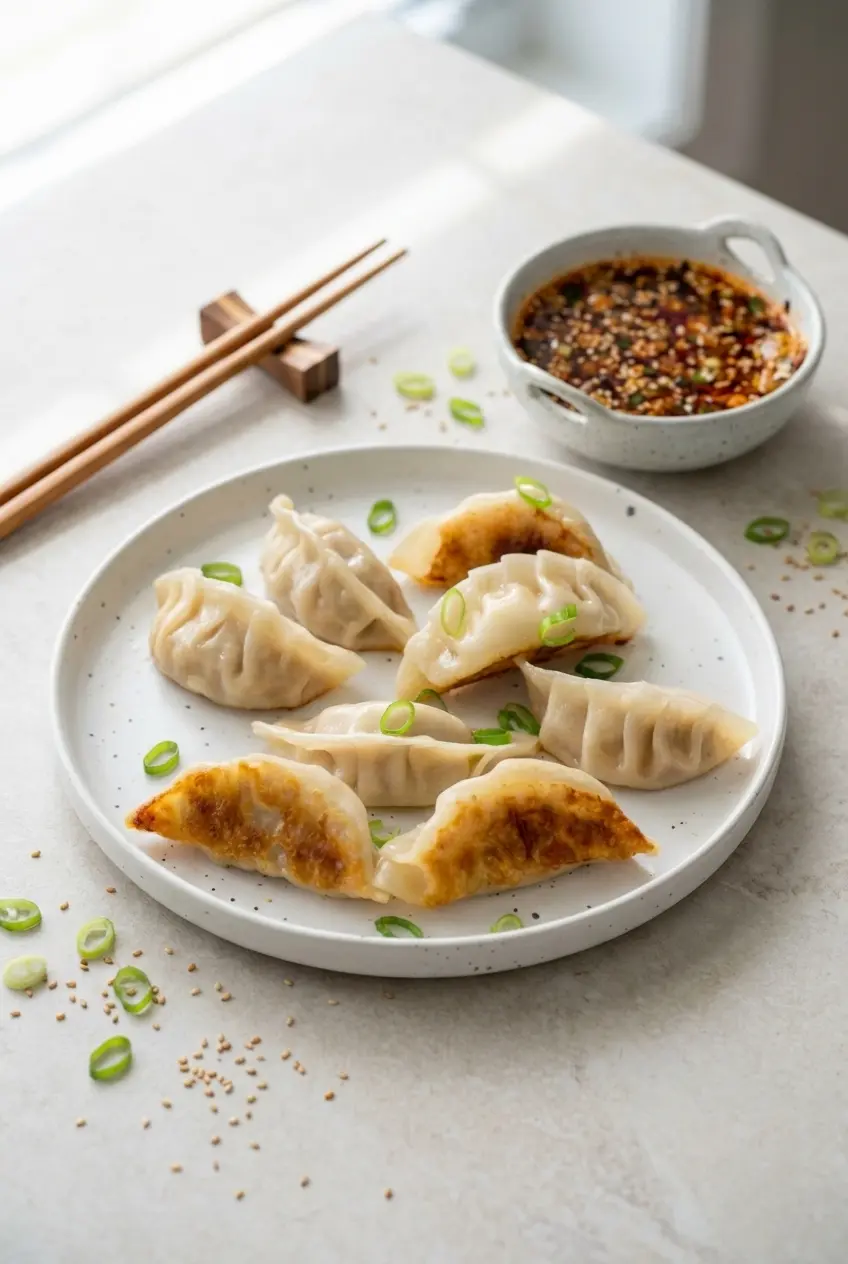
My favorite dipping sauce is equal parts black vinegar and soy sauce with a spoonful of chili crisp stirred in at the end. That sharp, salty heat balances the rich pork filling beautifully.
Boiled dumplings are especially comforting dropped into a clear chicken and ginger broth. If you want something bright on the side, a tangy bowl of slaw or even a homemade fermented cabbage recipe gives the meal a nice acidic contrast.
For pan-fried dumplings, I like a final shower of toasted sesame seeds and finely sliced scallion greens. The nuttiness and fresh onion bite make those crisp bottoms taste even better.
Storage & Make-Ahead
To freeze raw dumplings, arrange them in a single layer on a baking sheet first and freeze until firm. Once they are solid, transfer them to a freezer bag so they do not stick together in one big clump.
Cooked leftovers can be kept in an airtight container in the fridge. To reheat, I prefer a gentle skillet method with a small splash of water and a lid for a minute or two, which helps soften the wrapper before you let the bottom crisp again.
Juicy Cabbage Dumplings

Equipment
- Large Mixing Bowl
- Bamboo steamer or frying pan
Ingredients
- 180 g finely chopped wombok cabbage
- 1 tsp sea salt flakes
- 500 g minced ground pork
- 2 finely chopped spring onions
- 1 tsp freshly minced garlic
- 1 tsp freshly minced ginger
- 2 tbsp tamari or all-purpose soy sauce
- 1 tbsp sesame oil
- 1 tbsp Shoaxing wine
- 0.5 tsp chicken stock powder
- 0.25 tsp freshly cracked black pepper
- 2 packets dumpling wrappers
Instructions
Prep the Cabbage and Mix the Filling
- Place the finely chopped wombok cabbage and sea salt flakes in a large bowl, then toss well so the salt touches every bit of cabbage. Let it sit for 10 to 15 minutes to draw out moisture. Squeeze the cabbage firmly with clean hands, then dab it dry with a clean tea towel or paper towel until it feels much less wet.
- Transfer the dried cabbage to a large bowl with the minced ground pork, spring onions, garlic, ginger, tamari or all-purpose soy sauce, sesame oil, Shoaxing wine, chicken stock powder, and black pepper. If using, add 2 to 3 tablespoons of highly gelatinous, chilled chicken bone broth. Mix with your hands or a spoon in one direction until the filling looks sticky, glossy, and cohesive rather than loose.
Set Up and Fill the Wrappers
- Arrange a wrapping station before you begin. Line your work surface with baking paper, set out a small dish of water, and keep a plate nearby for the finished dumplings.
- Lay out the dumpling wrappers and work with one at a time. Spoon 1 teaspoon of filling into the center of each one, then gently flatten the mound with the back of the spoon so it sits neatly. Resist the urge to overfill.
- Dip a finger in water and trace the edge of the wrapper to help it seal. Fold it into a half-moon, then use a simple pleating technique to make 4 to 5 pleats, pressing firmly. Place each finished dumpling on the plate and cover it with a damp paper towel.
Cook the Dumplings
- For boiled dumplings: Bring a large pot of water to a boil and cook in batches. Stir gently. Once they float, let them cook for another 2 to 3 minutes before draining.
- For steamed dumplings: Line a bamboo or metal steamer with baking paper and poke a few holes in it. Arrange the dumplings with a little space between them, cover, and steam over boiling water for 10 to 12 minutes until the wrappers are glossy and the filling is cooked through.
- For pan-fried dumplings: Heat 1 tablespoon of oil in a non-stick frying pan over medium-high heat. Set the dumplings flat-side down and cook for 2 to 3 minutes until the bottoms are golden brown. Add 80ml water, cover right away, and let them steam for 5 to 6 minutes. Uncover and cook for another 1 to 2 minutes so the bottoms become crisp again.
Notes
Conclusion
Good cabbage dumplings come down to a few smart details, properly squeezed Napa cabbage, a well-mixed pork filling, and that little spoonful of chilled gelatinous broth that melts into the center as they cook. The result is tender, savory, and wonderfully juicy without making the process complicated.
If you have a quiet evening or a few helping hands around the table, this is exactly the kind of recipe that turns dinner into an event. Fold a big batch, play with your favorite cooking method, and let the pleating become part of the fun.










1 thought on “Extra Juicy Pork And Cabbage Dumplings”